

Dealer:
Eden Hazard
Begijnhof, 8000 Brugge, Belgium
- Transmission 7-Speed Automatic
- |
- Drive Rear Wheel Drive
- |
- Mileage n/a
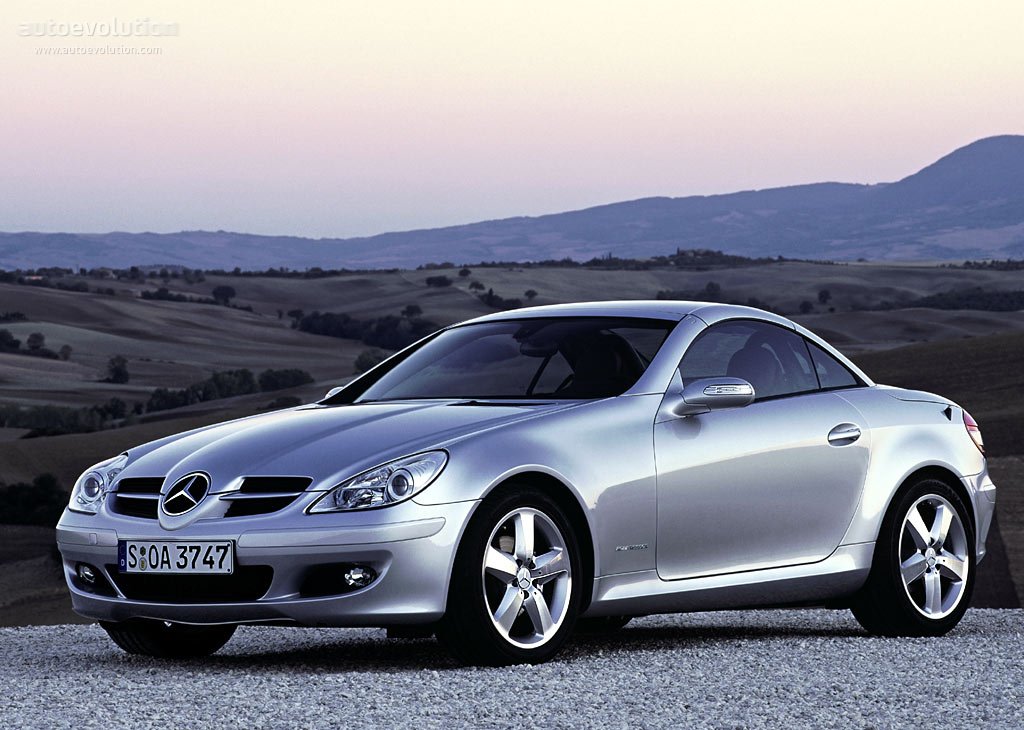
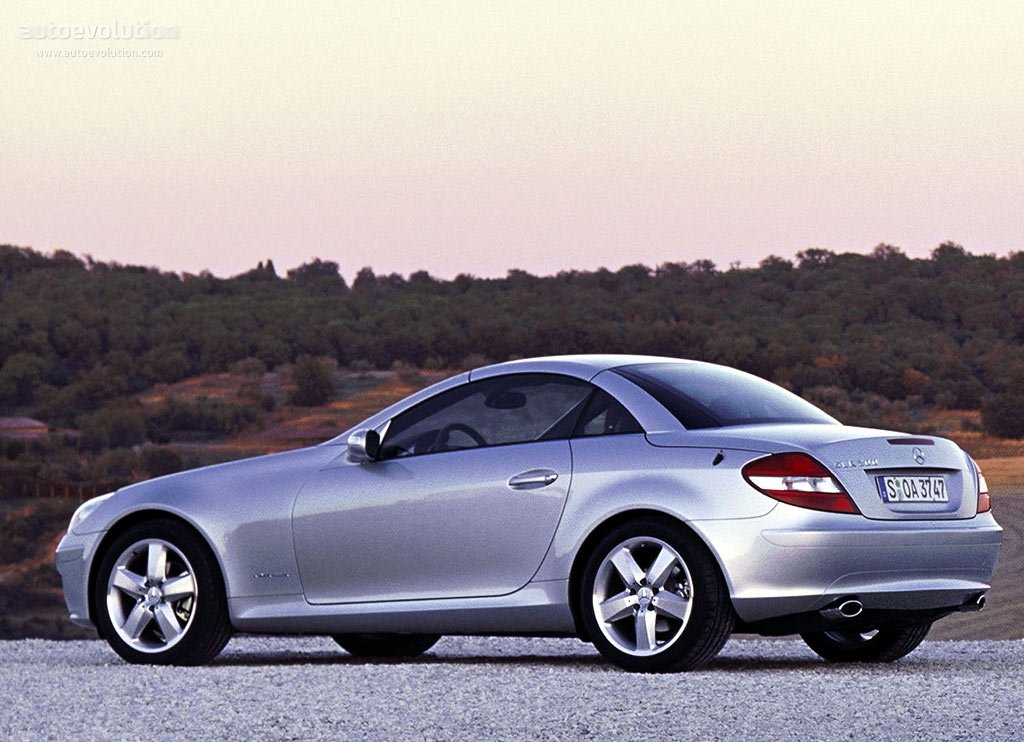
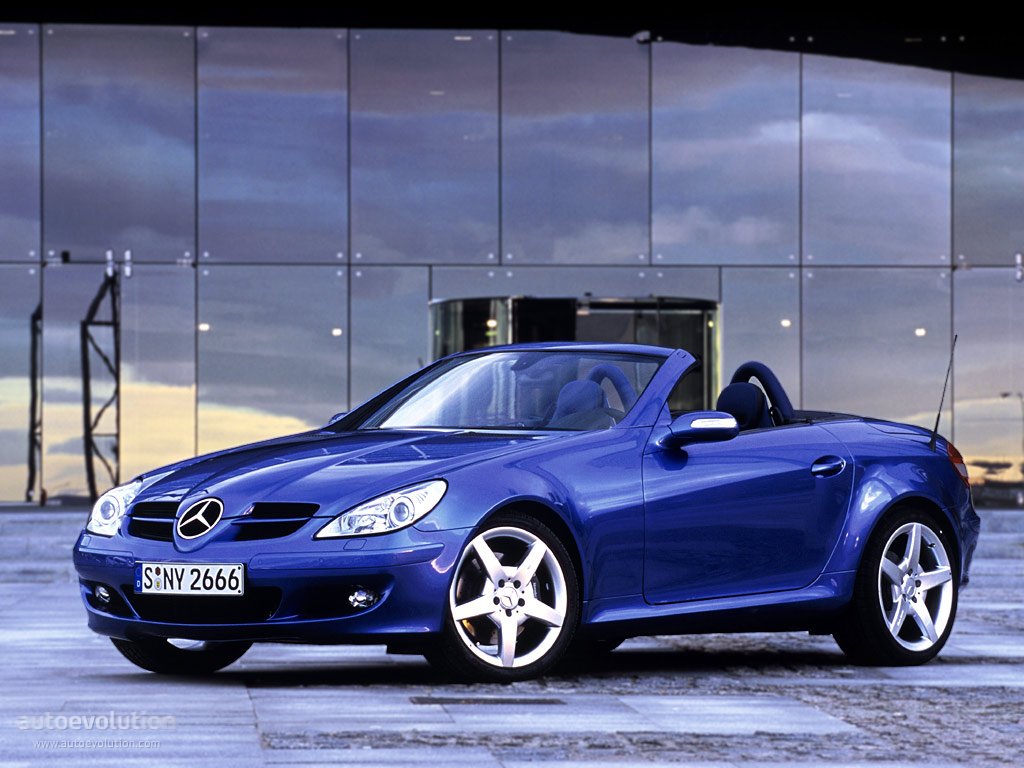
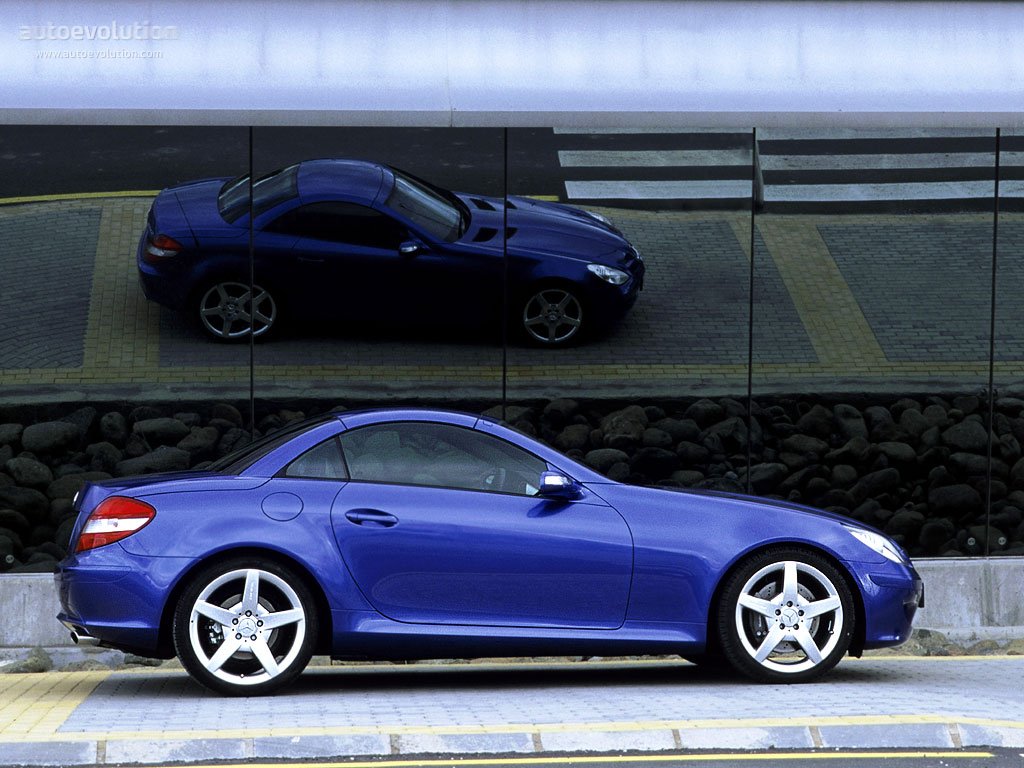
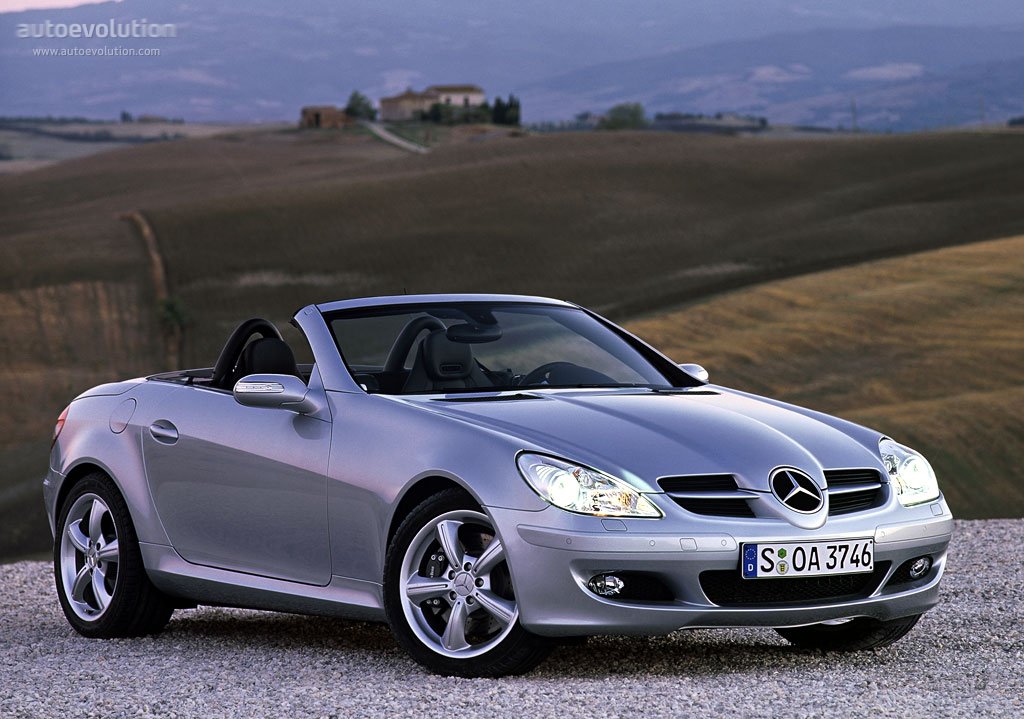
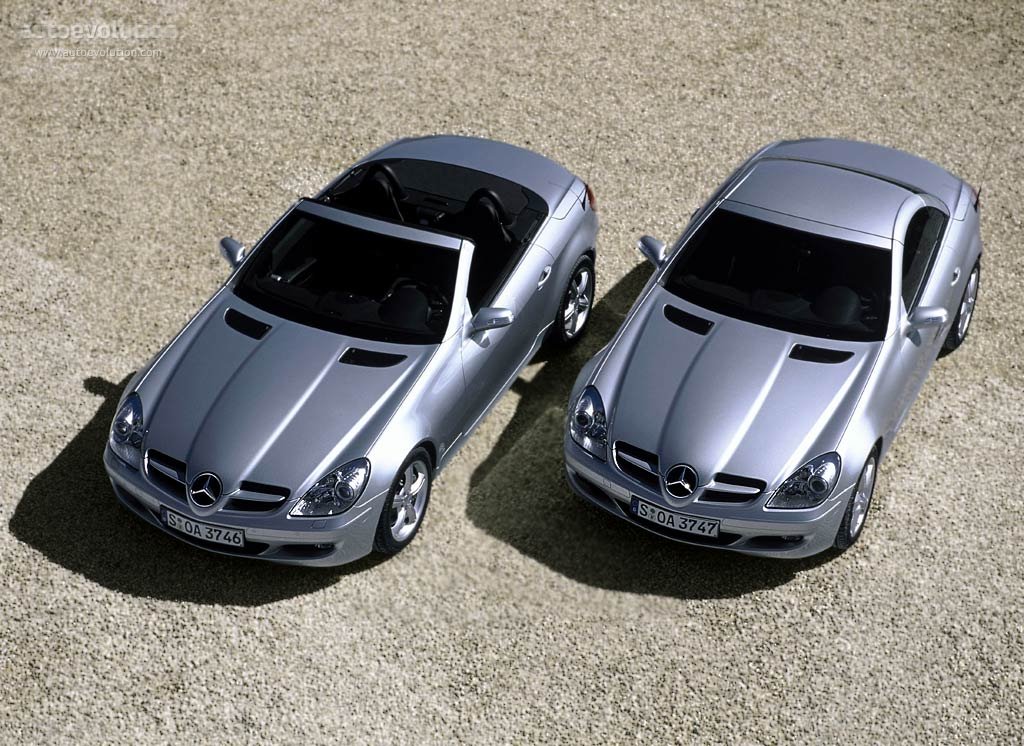
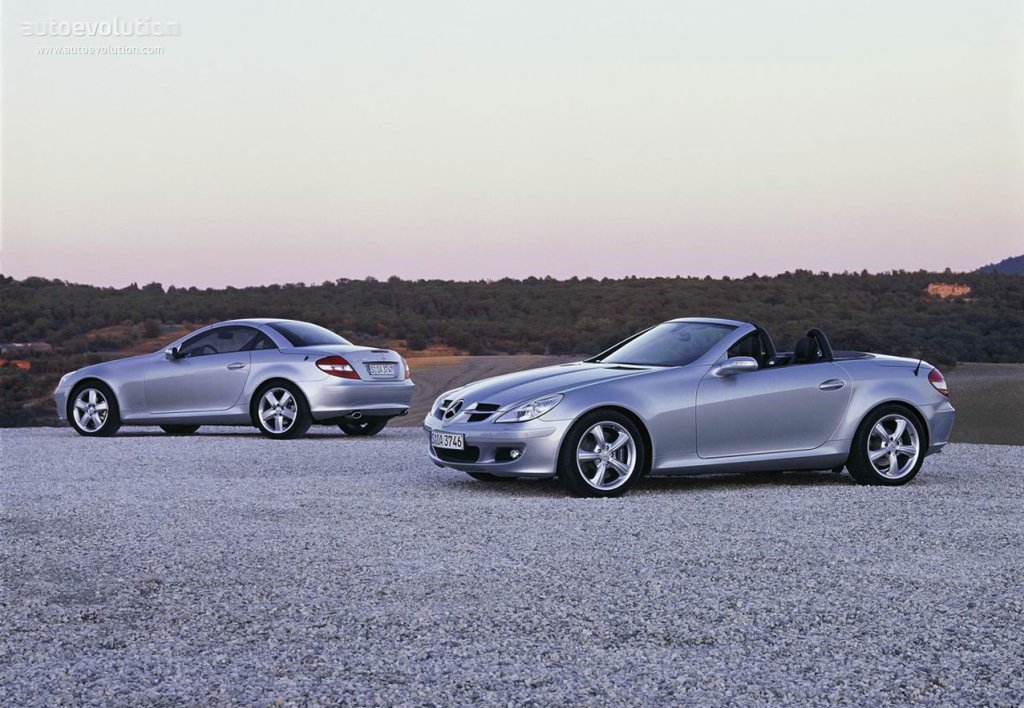
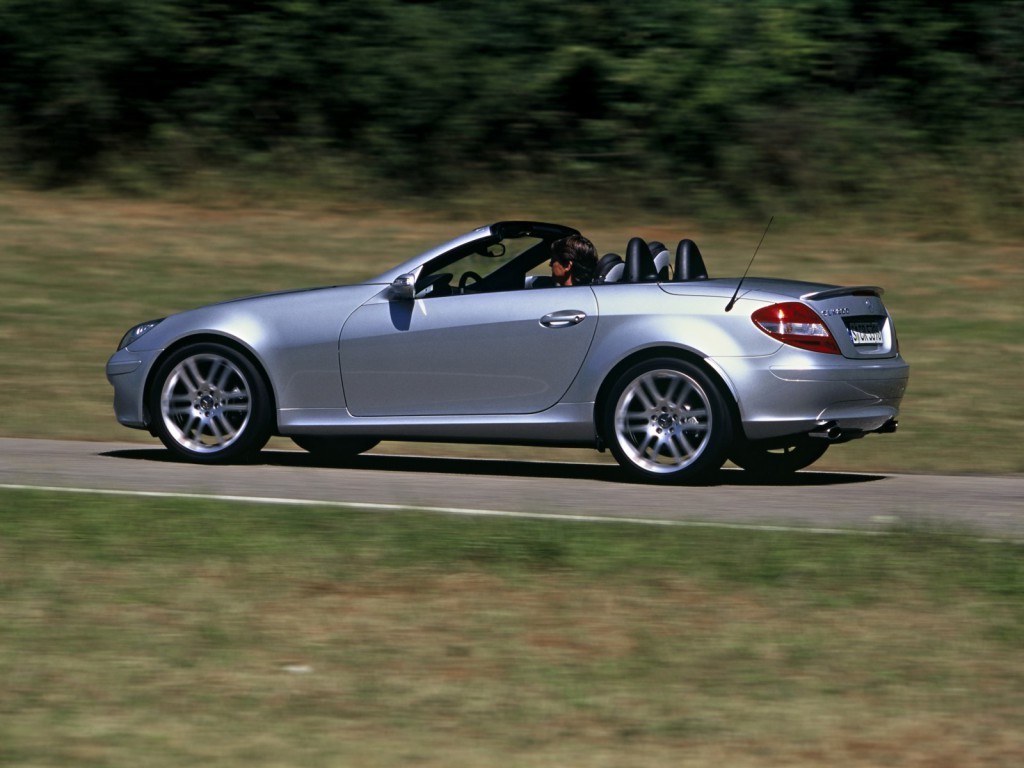
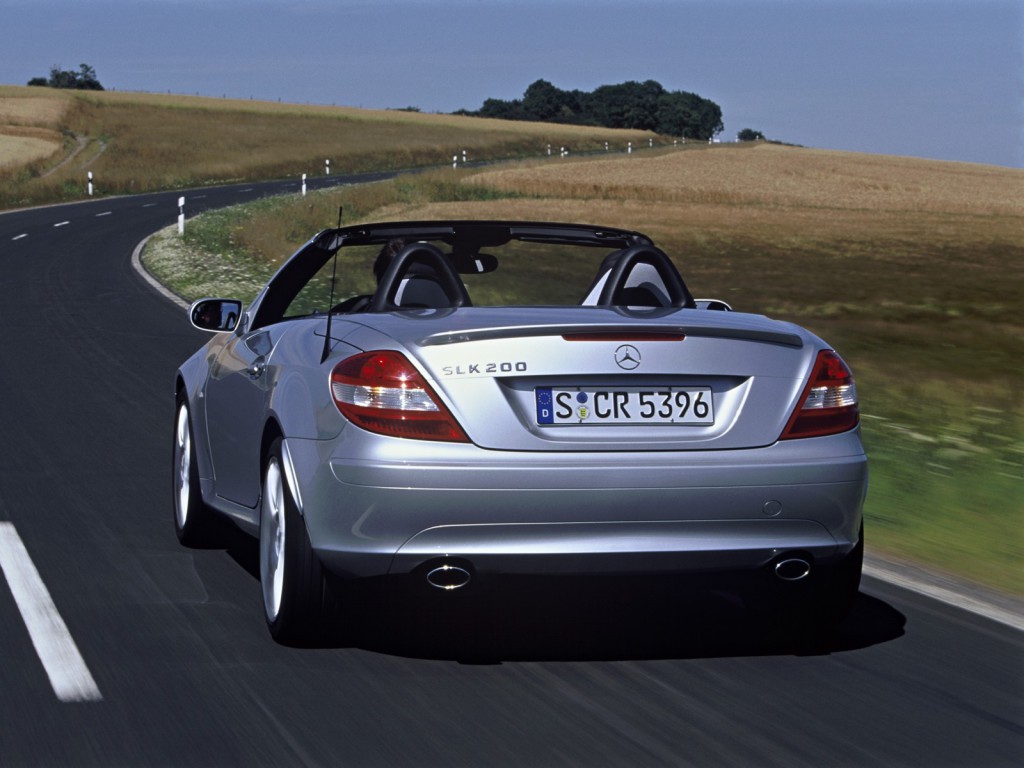
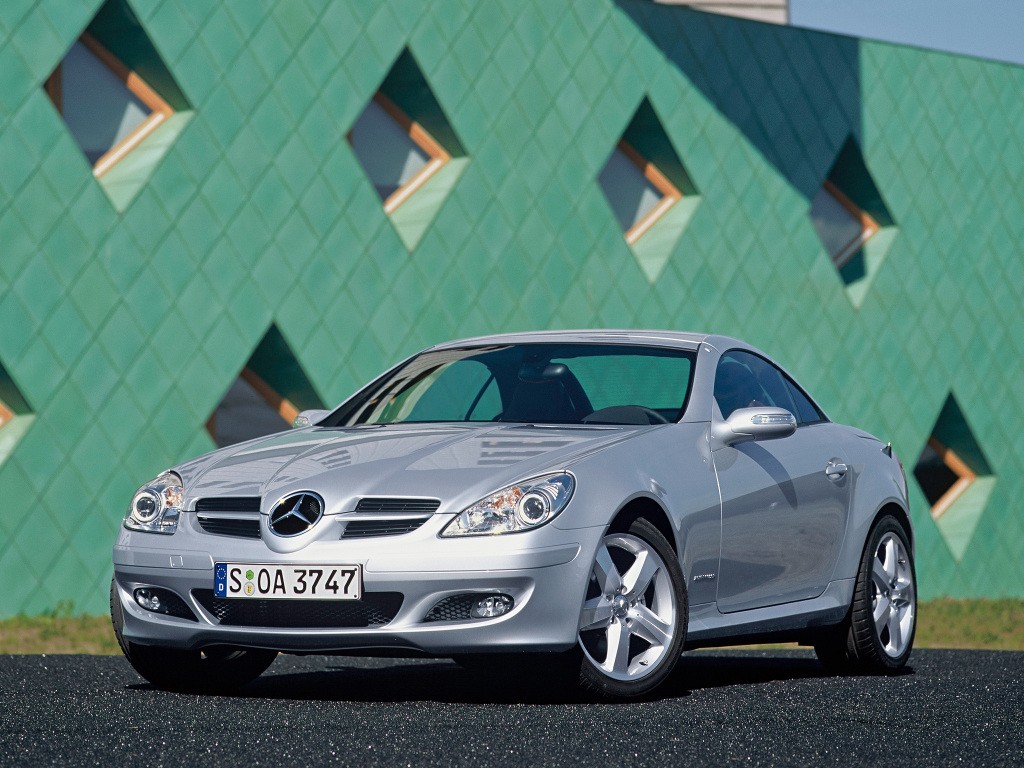
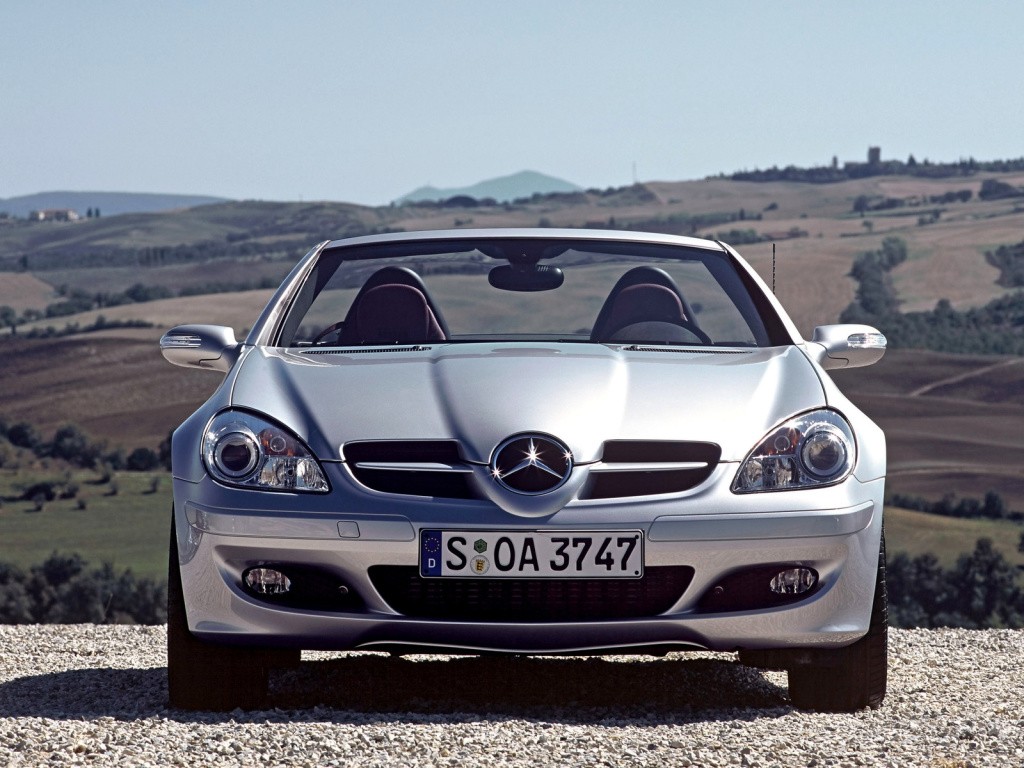

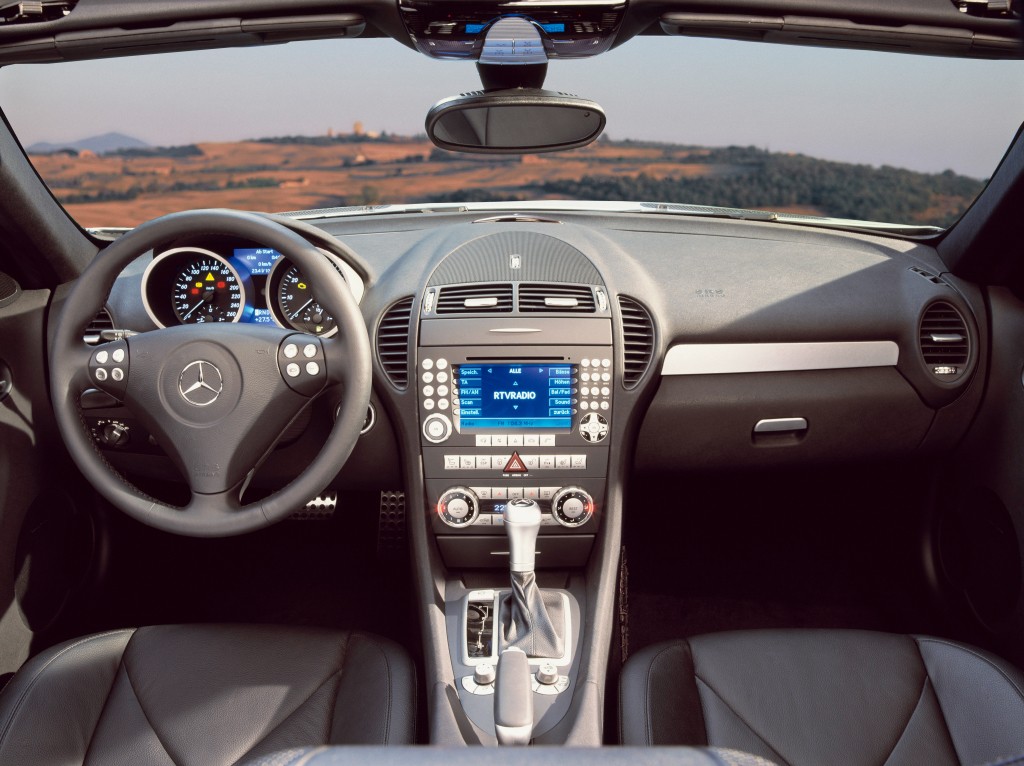
2004 marked the introduction of the second-generation Mercedes-Benz SLK, the smallest roadster in the three-pointed star lineup. Codenamed R171, the small roadster marked a…
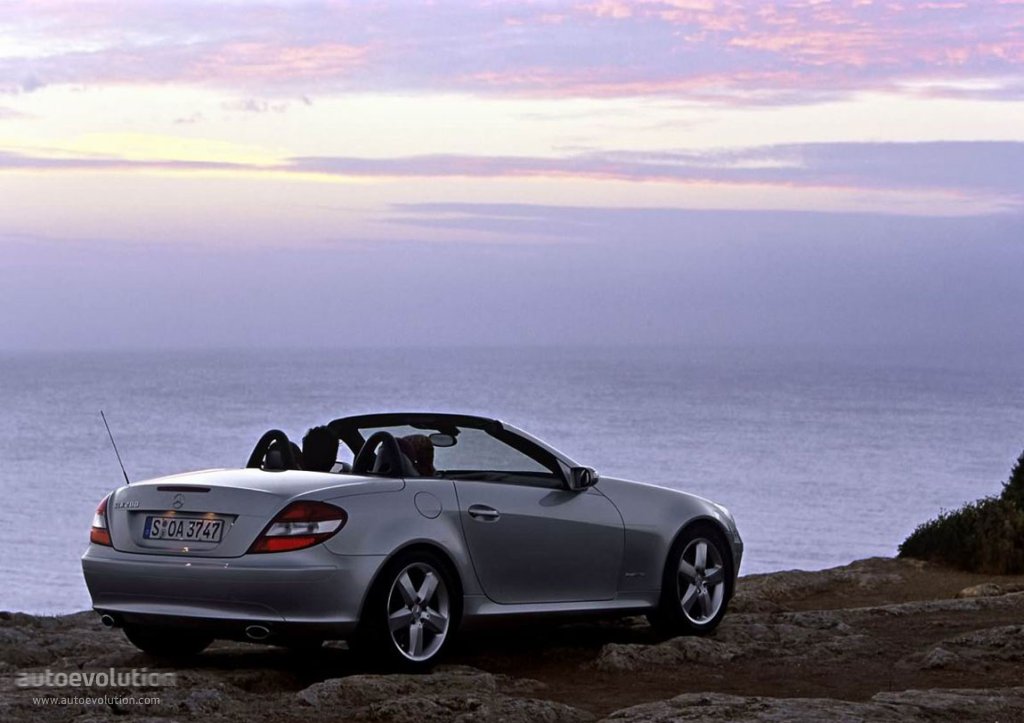
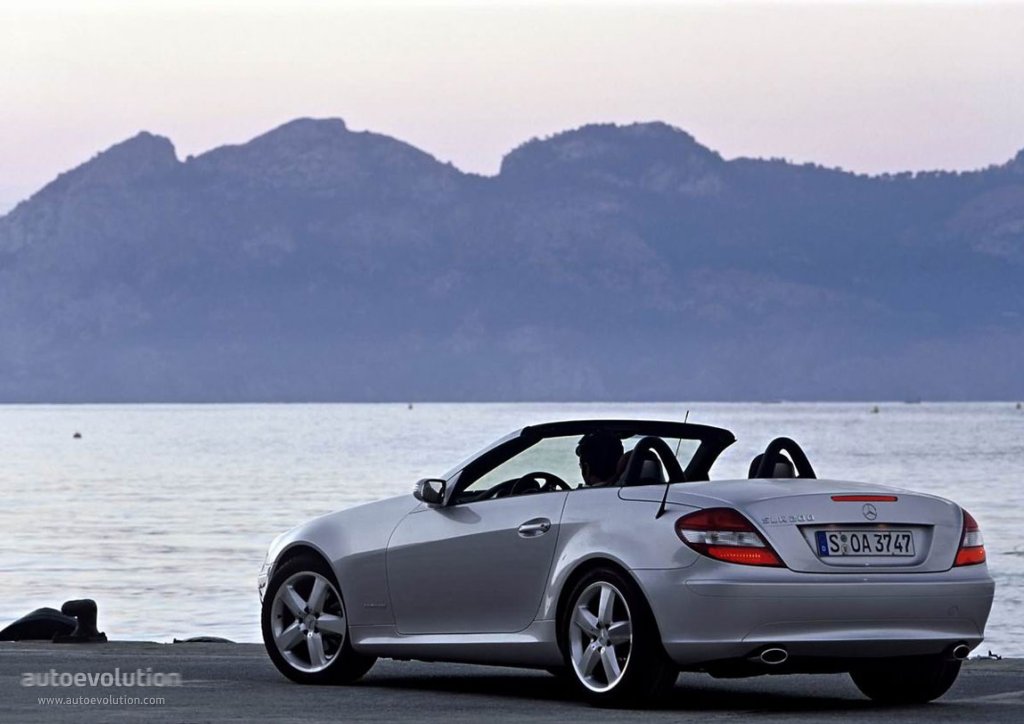
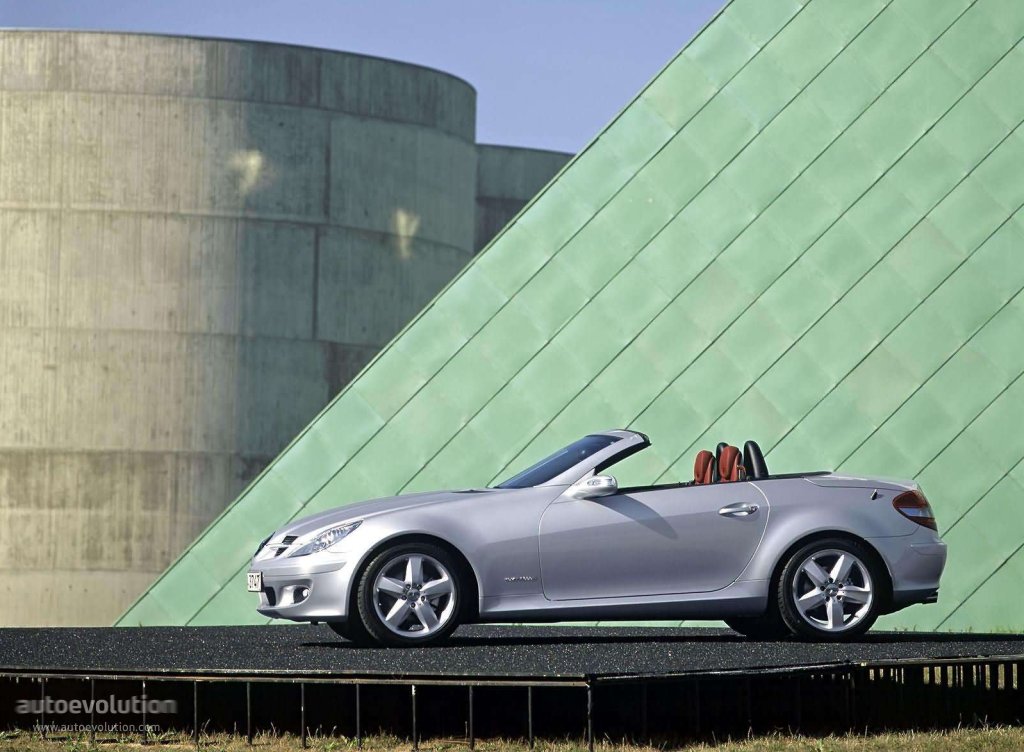
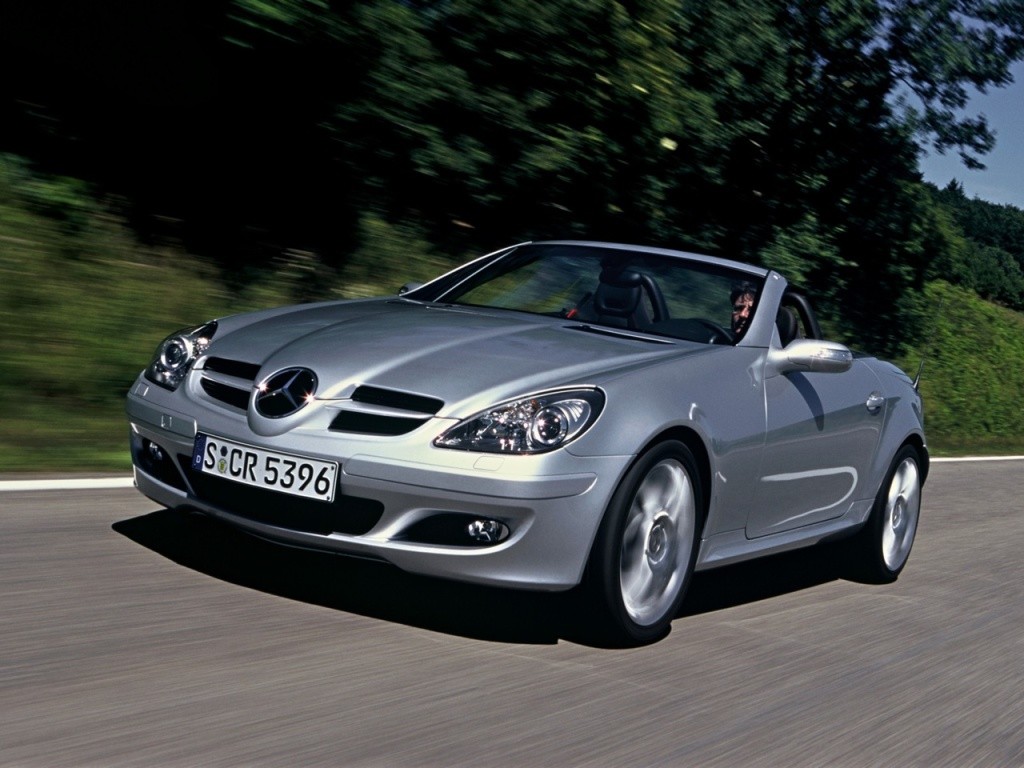
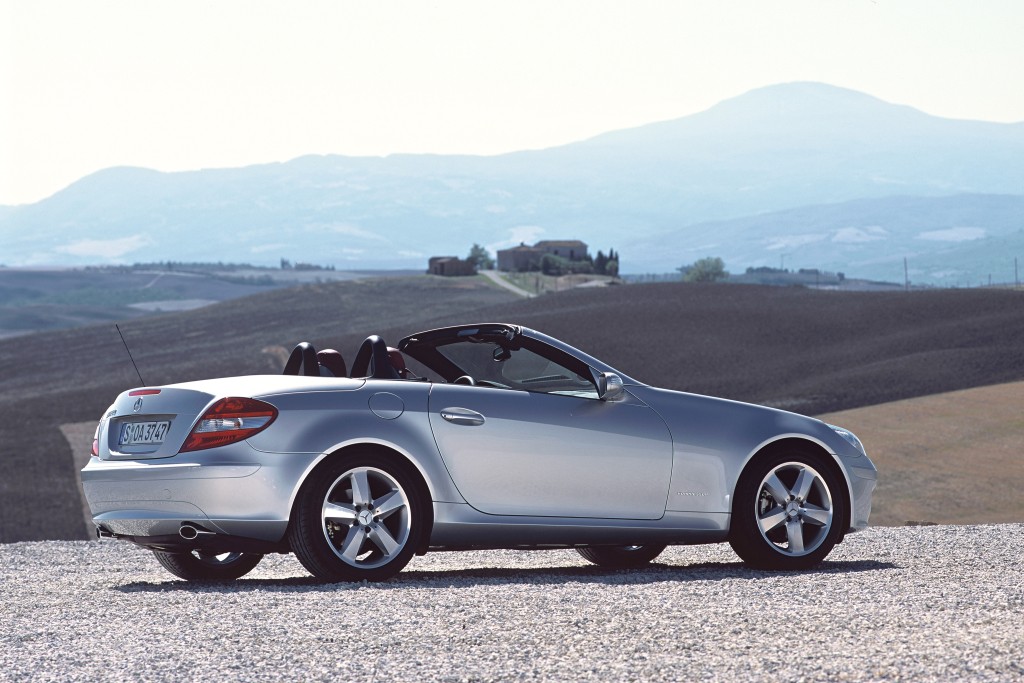
2004 marked the introduction of the second-generation Mercedes-Benz SLK, the smallest roadster in the three-pointed star lineup. Codenamed R171, the small roadster marked a paradigm shift in the Mercedes-Benz sports car range, bringing a radically updated design, enhanced performance, and dramatically improved technology.
Apart from the signature retractable hardtop, which allowed customers to experience a mix of two cars in one, not many features were kept from the model’s first generation. On one side, you could benefit from the feeling of security and performance of a small, two-seat coupe, while on the other, you could enjoy the experience of driving a fully open luxury roadster.
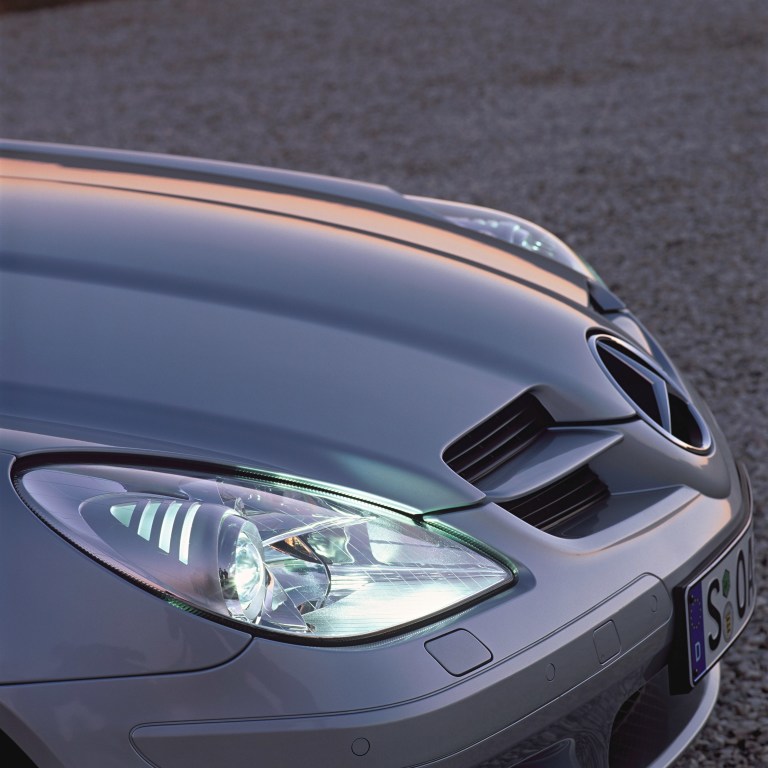
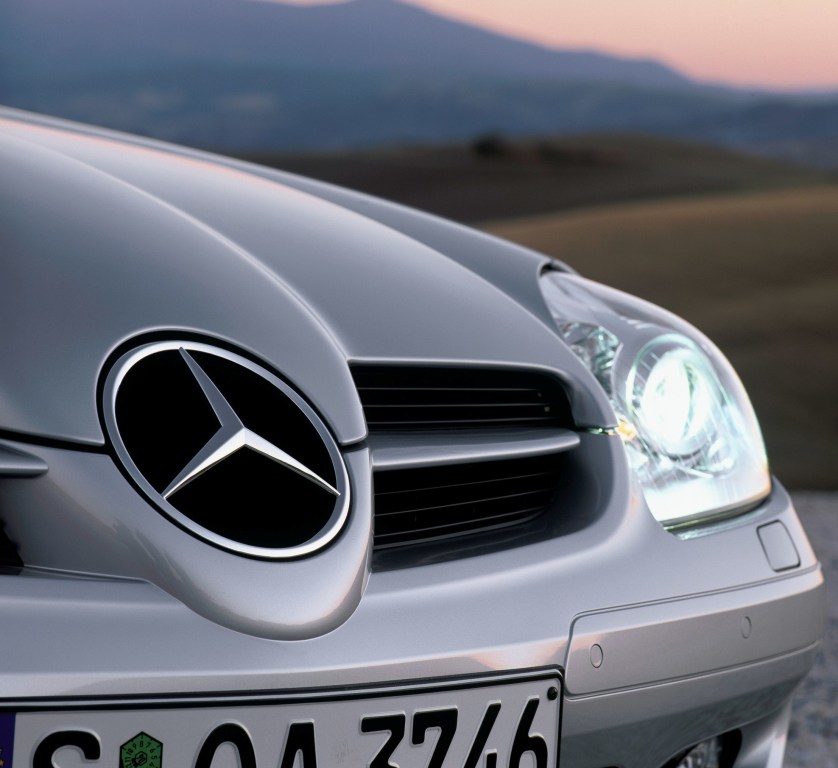
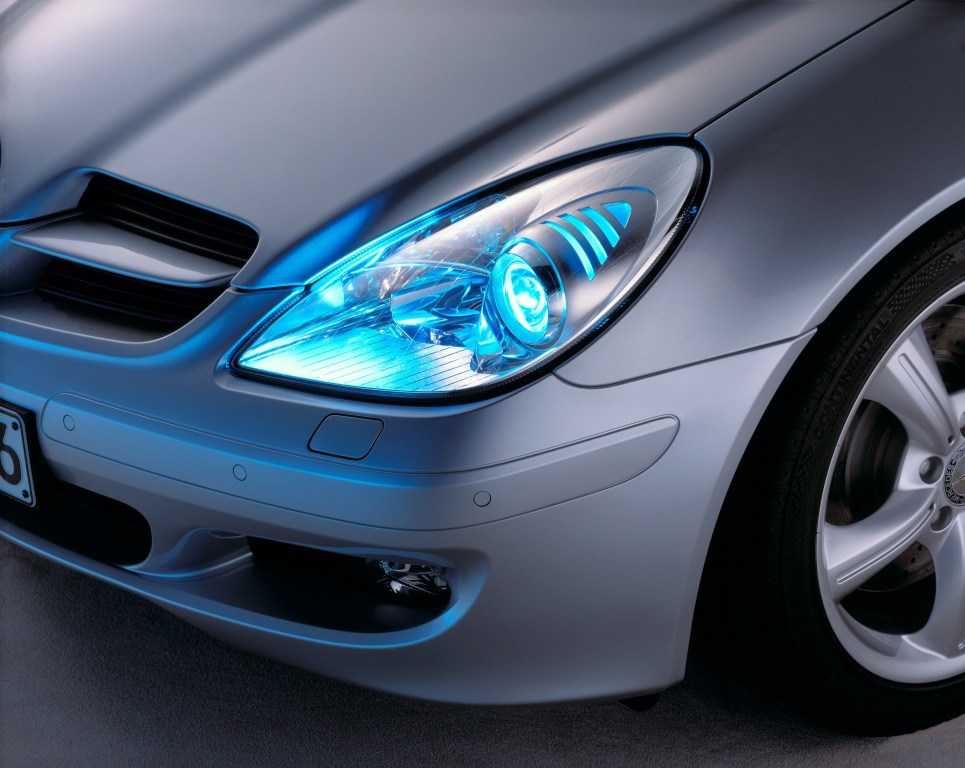
Like the SLR McLaren hypercar, the 2005 Mercedes-Benz SLK (R171) ‘s front end was inspired by the Mercedes-Benz Formula 1 cars. The long hood now featured a pronounced arrow-shaped nose with a large three-pointed star in the middle of the grille. The large, swept-back headlights and sculpted hood lines added to the model’s increased dynamic look, while the flared wheel arches hinted at its improved performance capabilities.
The retractable hardtop, known as the ‘Vario roof,’ remained one of the roadster’s key features. It could now be raised or lowered in 22 seconds, or three seconds faster than its predecessor. Apart from providing great insulation and security, making the SLK have a quiet ride for a roadster, the modified roof mechanism allowed the luggage compartment volume to be increased by 63 liters (2.2 cu-ft).
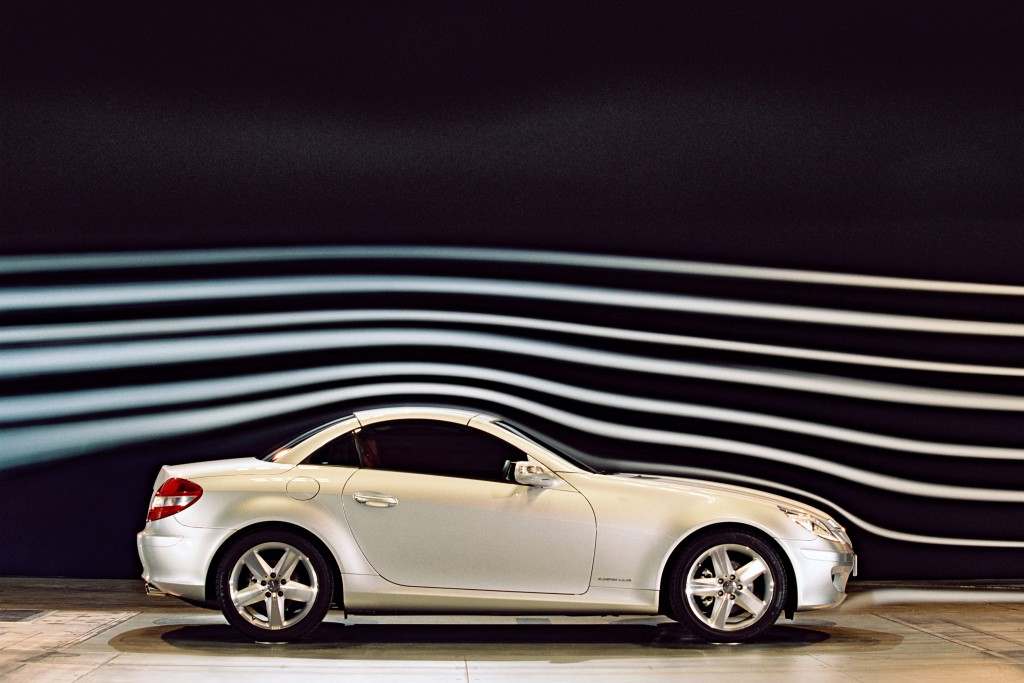
The car’s exterior dimensions were only slightly increased, with the 2005 SLK having a 30mm (1.18 in) longer wheelbase, while the model was 72mm (2.8 in) longer and 65mm (2.55 in) wider. Its aerodynamics were also improved, with the model now featuring a 0.32 drag coefficient and minimizing interior draught with the top retracted.
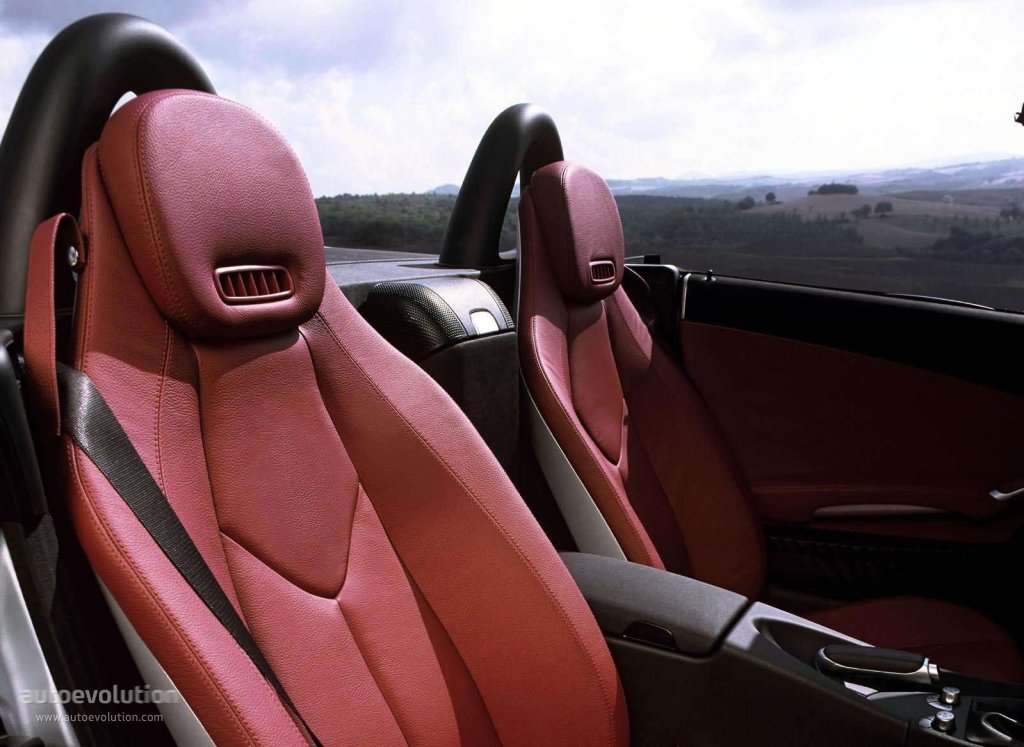
Among the various innovative technologies introduced on the second-generation SLK, a neck-level heating system was integrated into the headrests. Marketed as ‘Airscarf,’ the system has been standard on every open-top Mercedes-Benz since the SLK R171. This feature circulated warm air around the passengers’ necks and shoulders, making the car more comfortable to drive with the roof down during chilly weather.
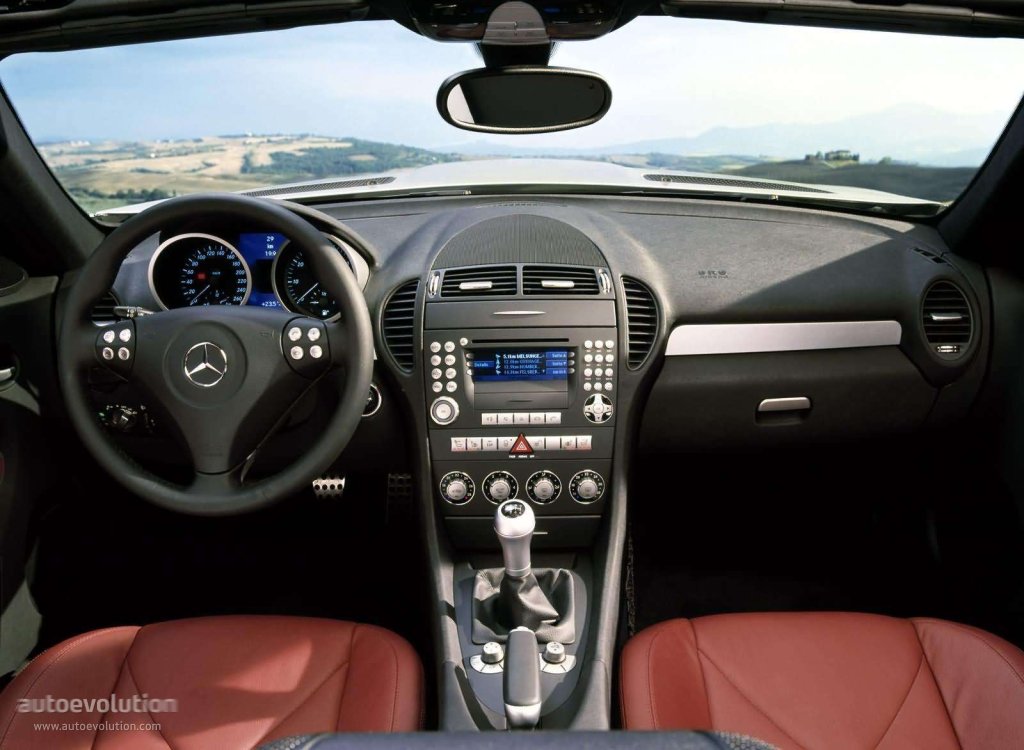
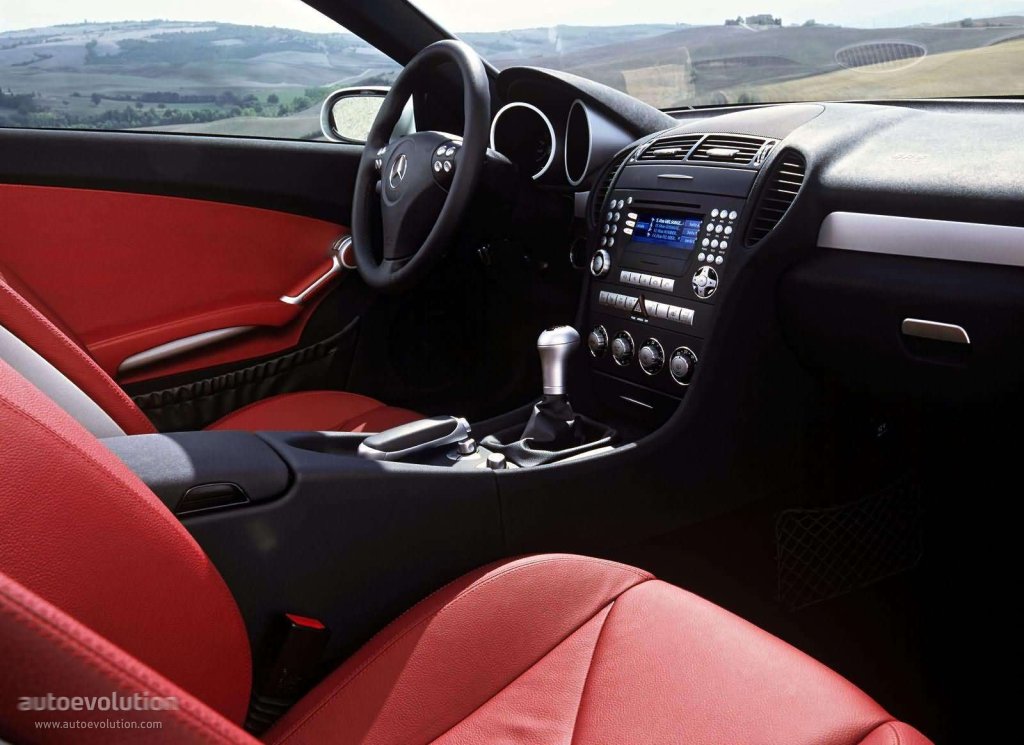
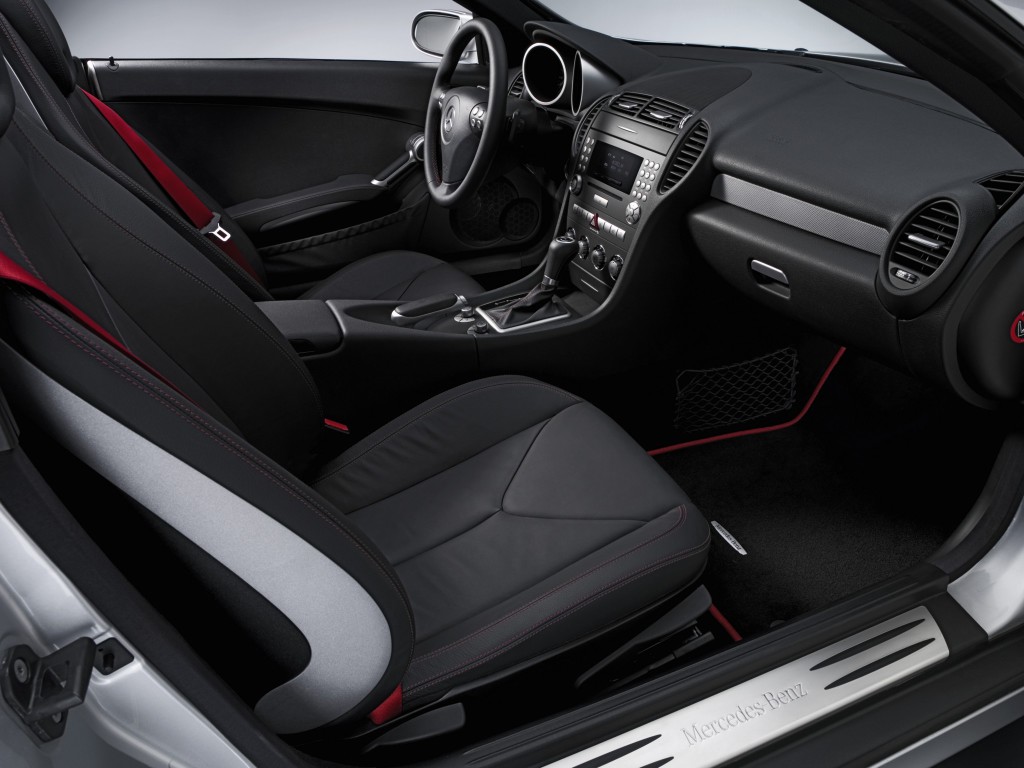
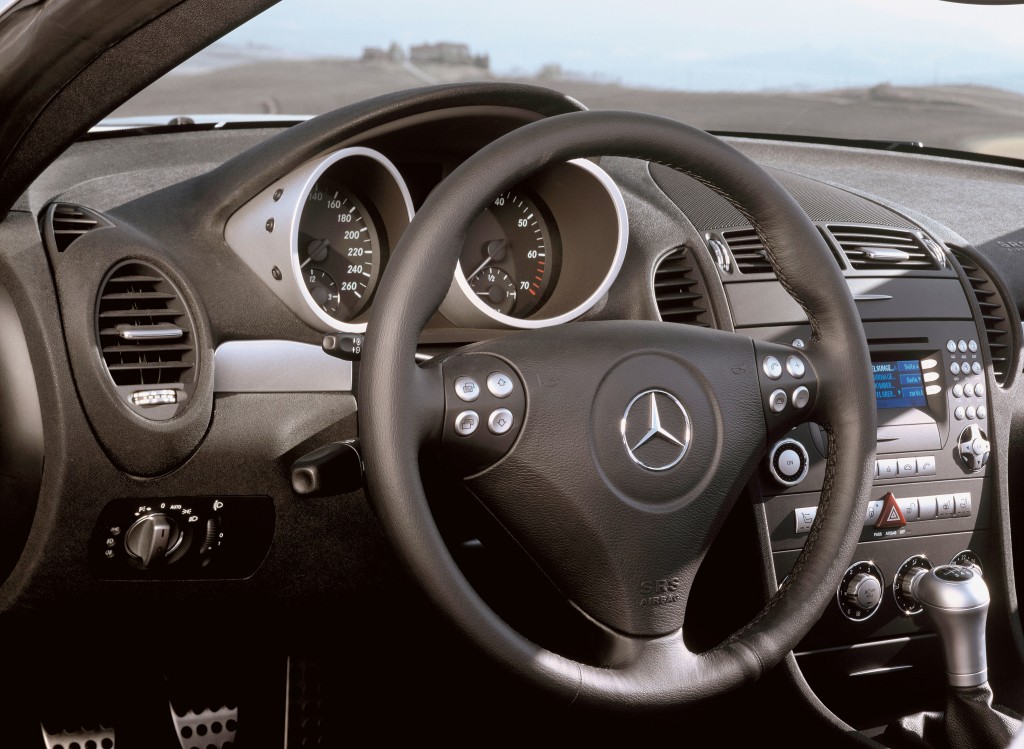
Other technological novelties included a 40 percent increased use of high-strength steel in the body, a seven-speed automatic transmission, adaptive two-stage airbags, head/thorax side bags, and the more compact roof mechanism. The driver-focused interior was also completely revamped compared to its predecessor, with the center console featuring upscale materials, including leather upholstery, aluminum trim pieces, and soft-touch plastics.
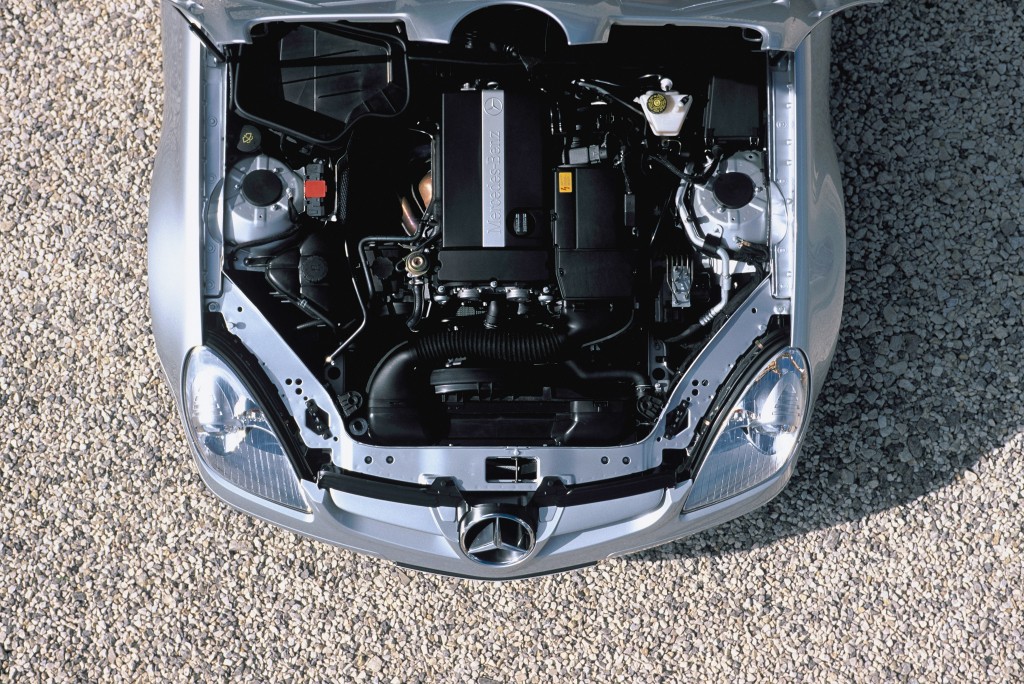
The powertrain lineup consisted of a supercharged 1.8-liter four-cylinder and two naturally aspirated V6s, with power outputs ranging from 163 PS (161 HP) to 272 PS (268 HP) in the pre-facelift model. All engines sent their power to the rear wheels through a standard six-speed manual, an optional 7-speed automatic in the V6 models, or a 5-speed automatic for the four-cylinder. Those looking for a truly impressive performance got the SLK 55 AMG, powered by a 5.4-liter naturally aspirated V8 with 360 PS (355 HP).
Begijnhof, 8000 Brugge, Belgium
Begijnhof, 8000 Brugge, Belgium

Begijnhof, 8000 Brugge, Belgium

Begijnhof, 8000 Brugge, Belgium

Begijnhof, 8000 Brugge, Belgium
Begijnhof, 8000 Brugge, Belgium
Begijnhof, 8000 Brugge, Belgium
Begijnhof, 8000 Brugge, Belgium
Begijnhof, 8000 Brugge, Belgium

Begijnhof, 8000 Brugge, Belgium

Offer an price, more info or anything you want
Consumer reviews