

Dealer:
Eden Hazard
Begijnhof, 8000 Brugge, Belgium
- Transmission 7-Speed Automatic
- |
- Drive Rear Wheel Drive
- |
- Mileage n/a






As the second generation of the Mercedes-Benz CLK went off to a much better start regarding sales than the original model, the German carmaker…
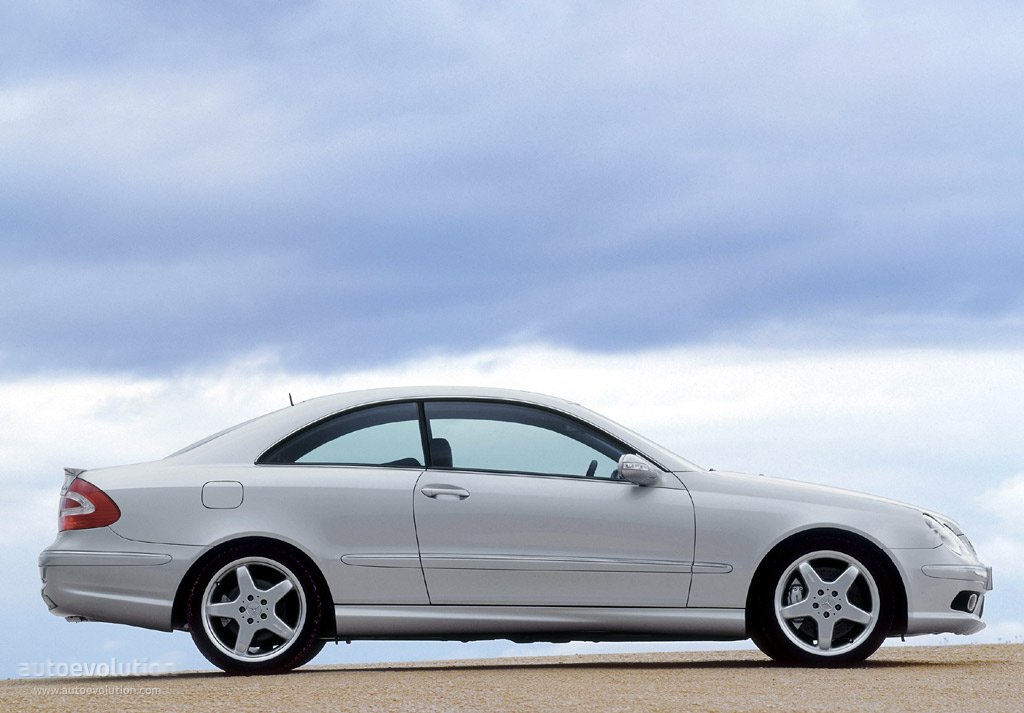
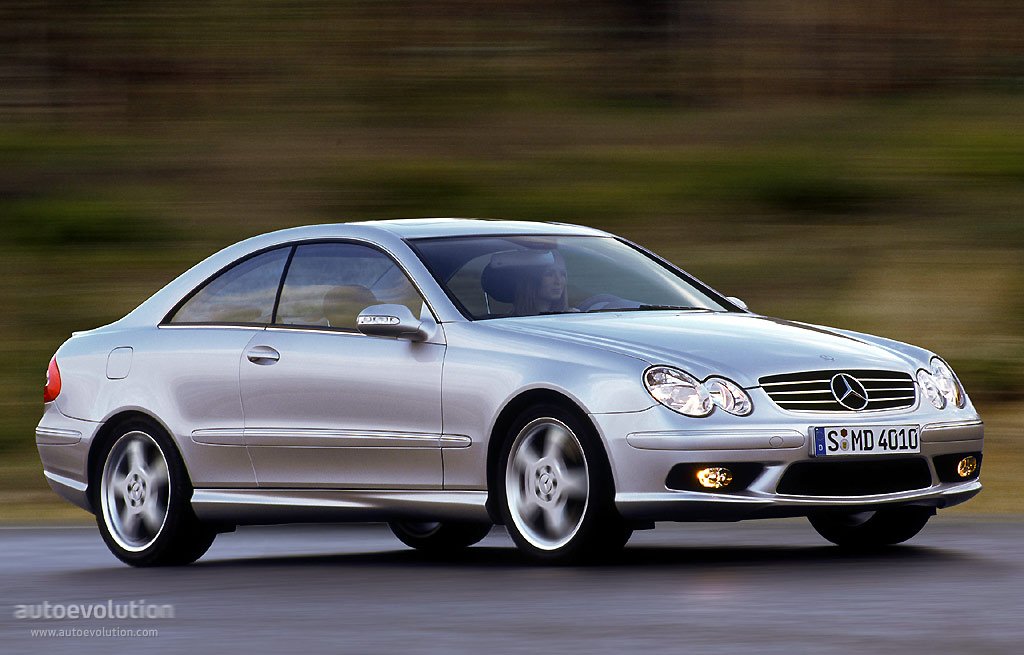
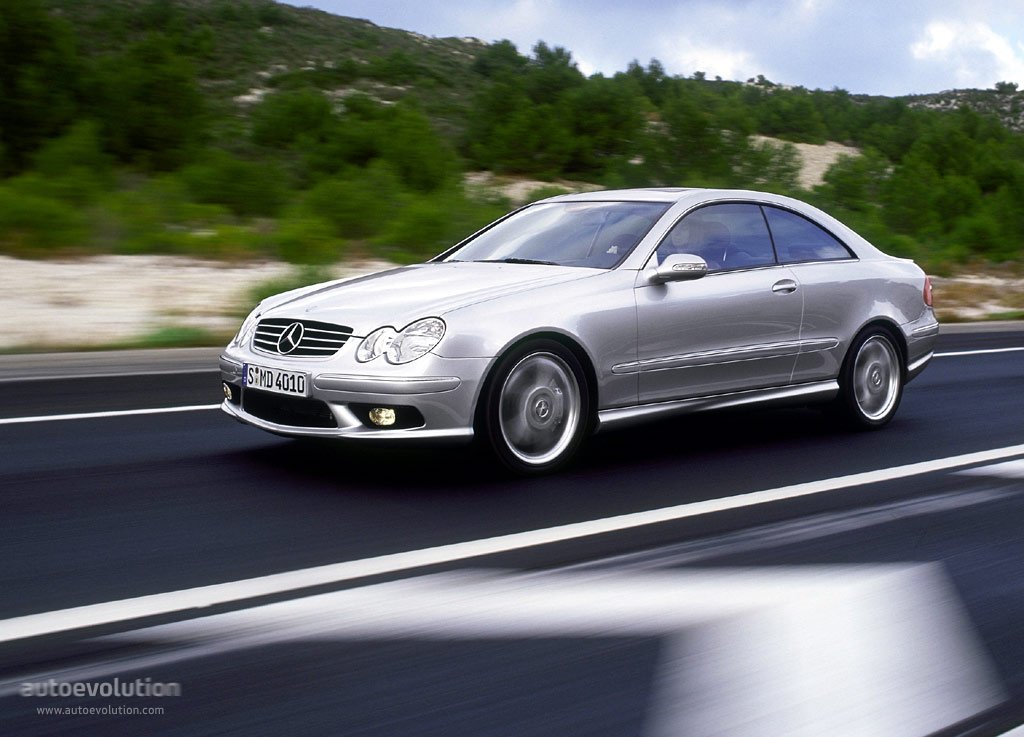
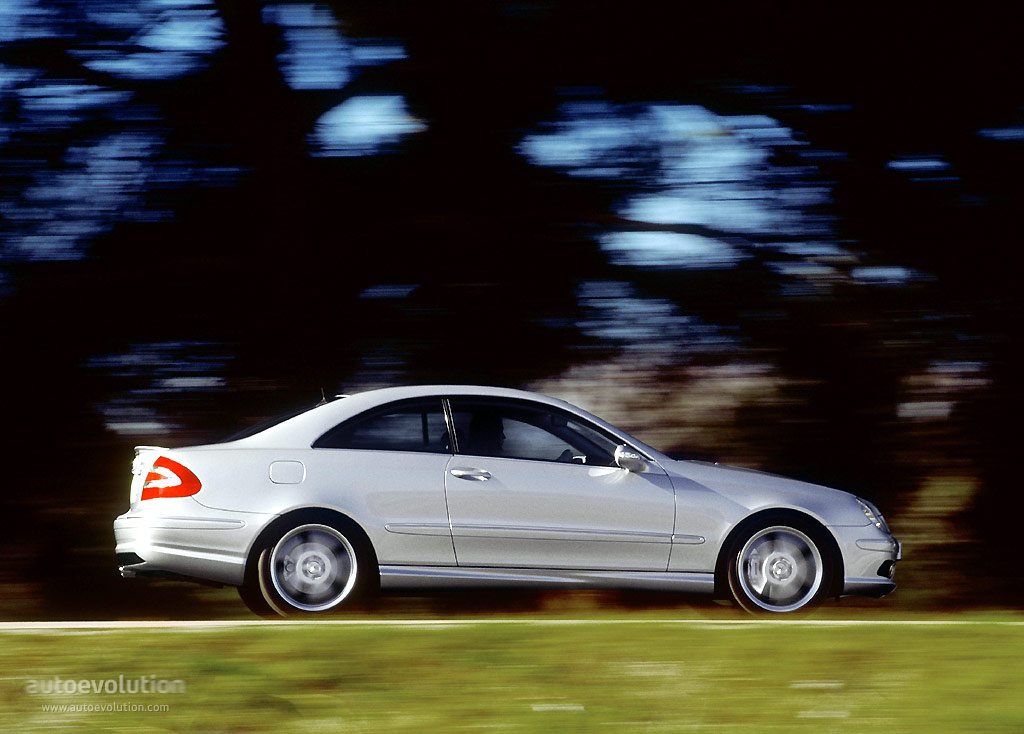
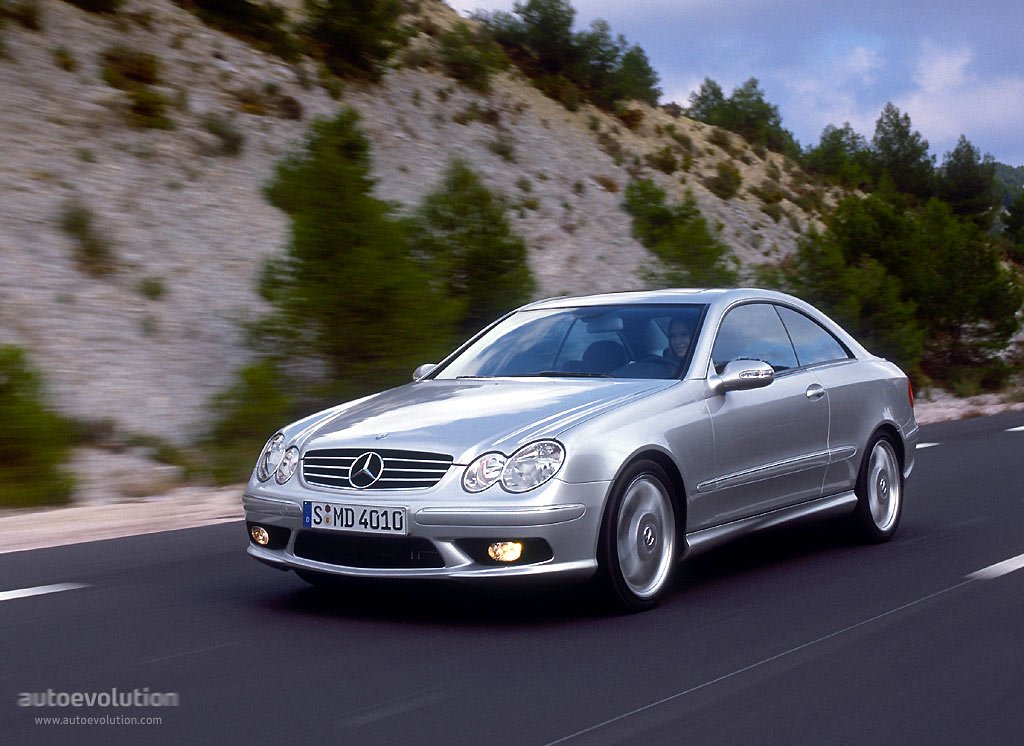
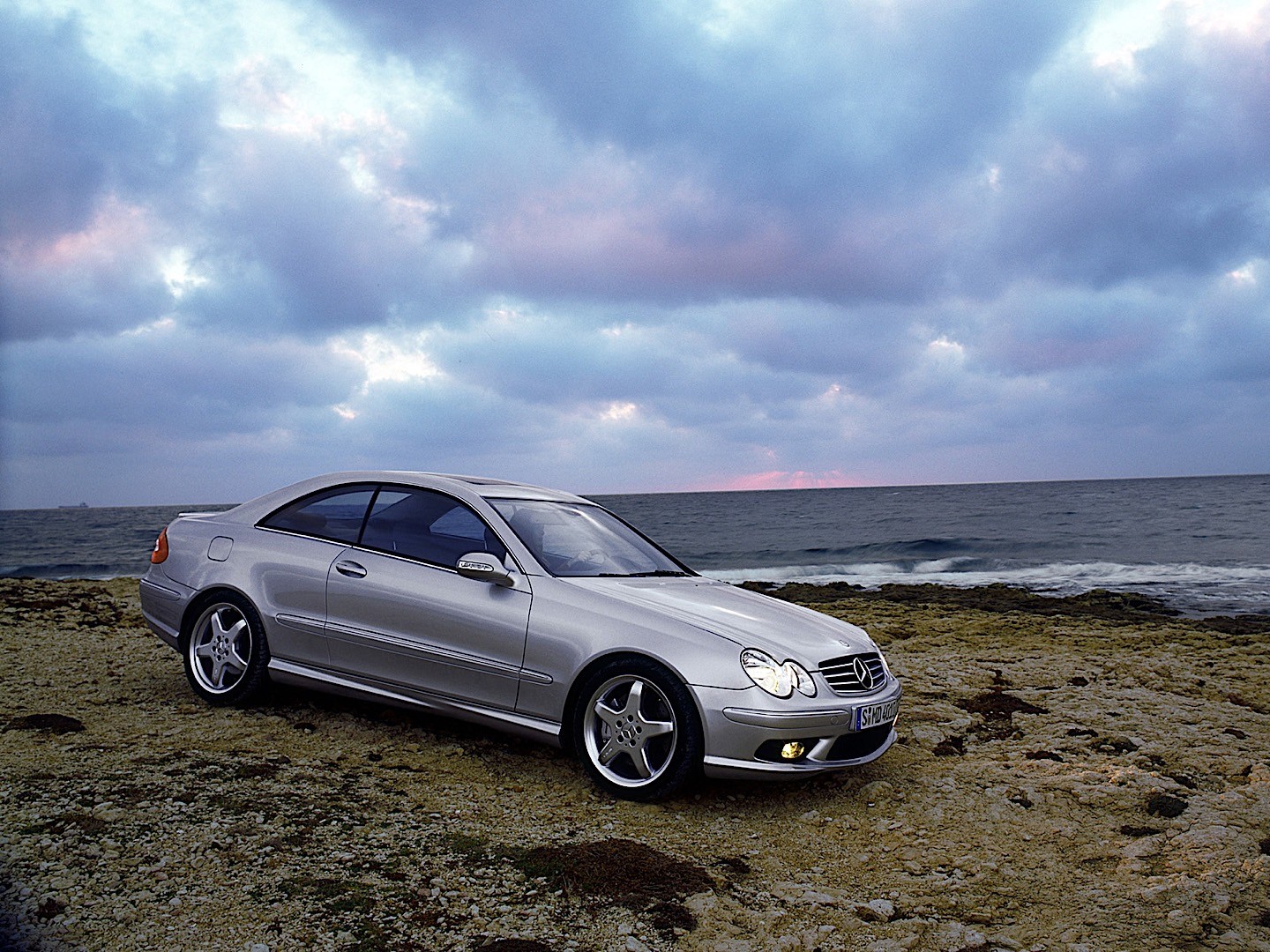
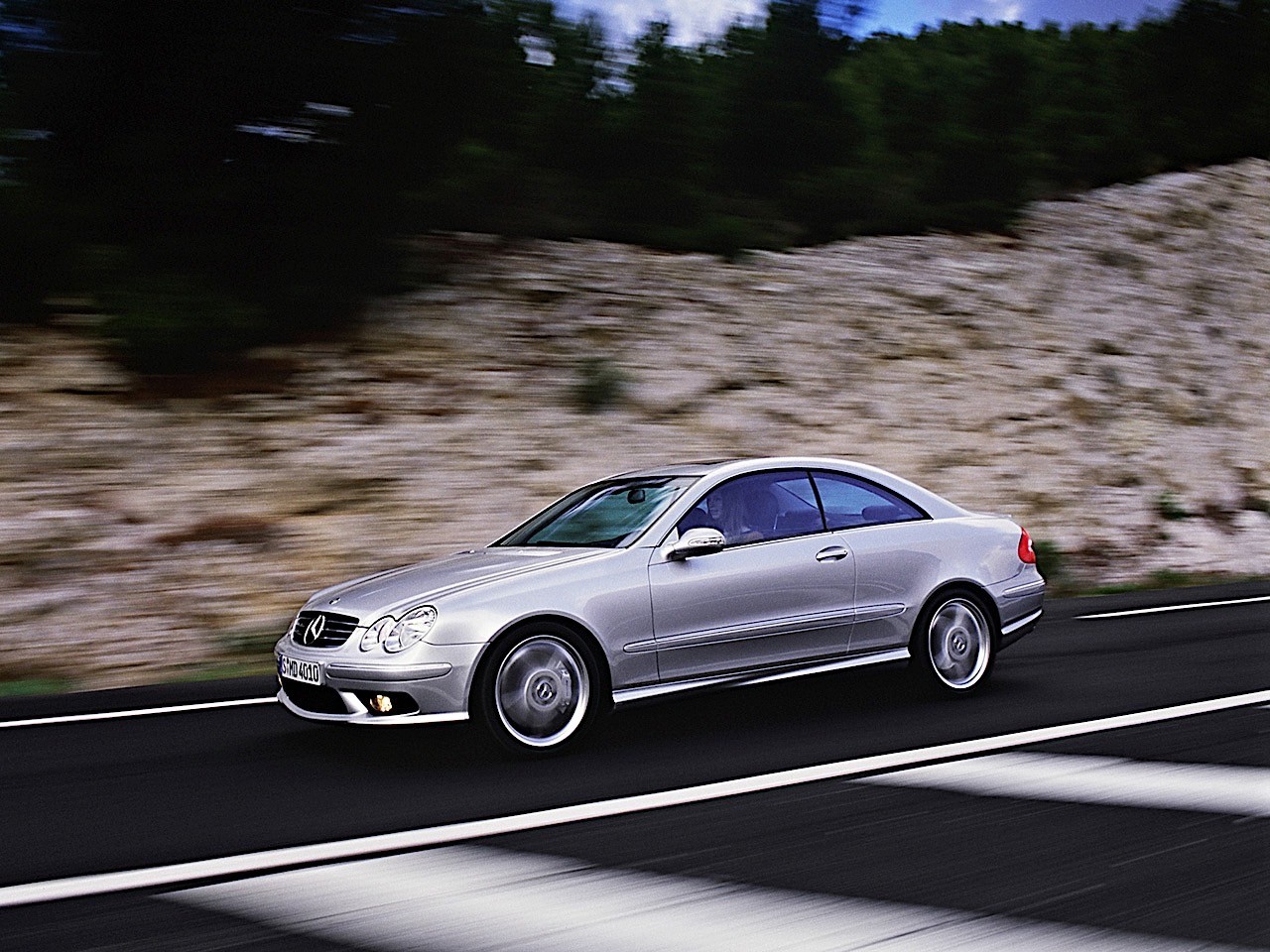
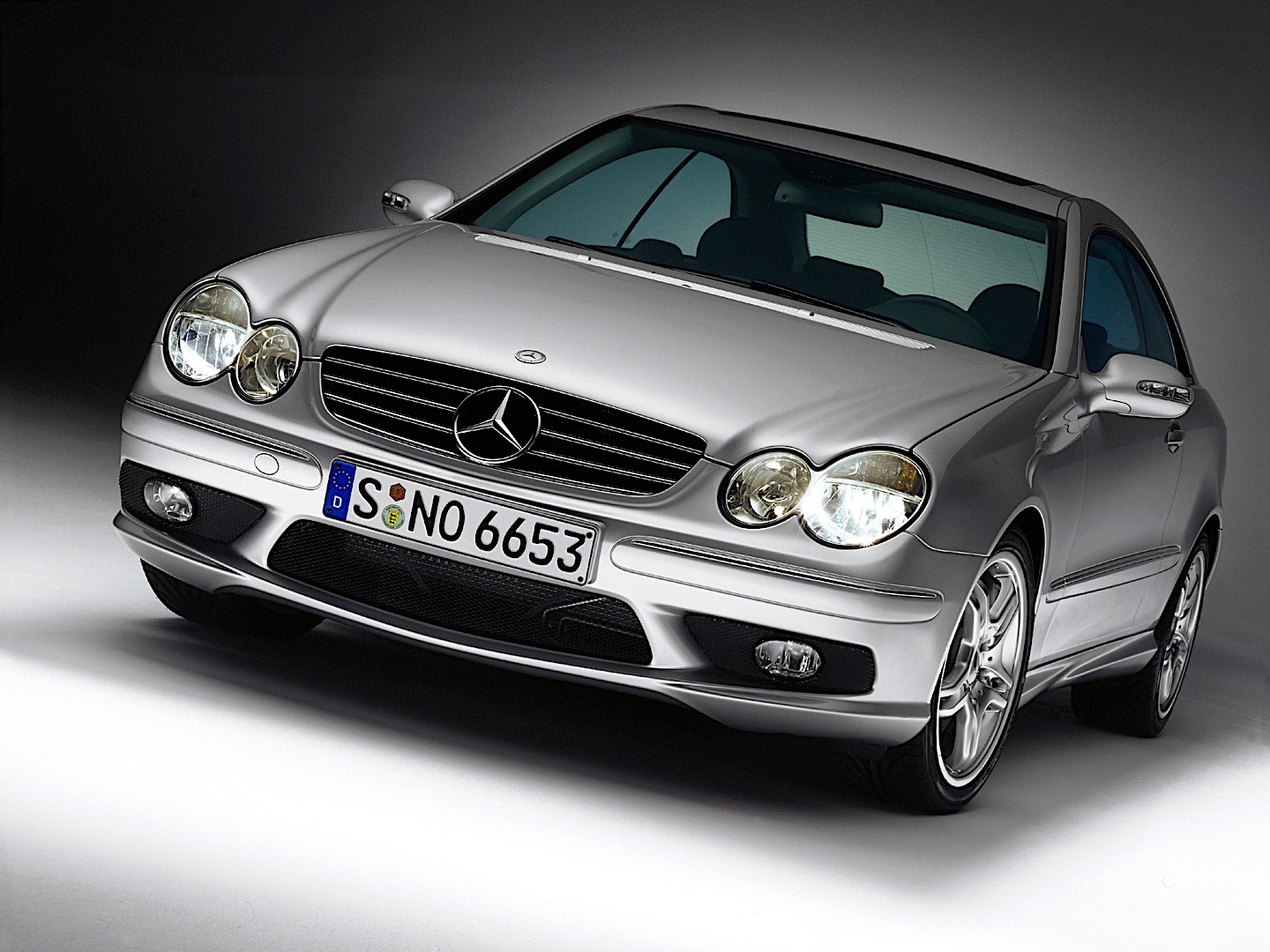
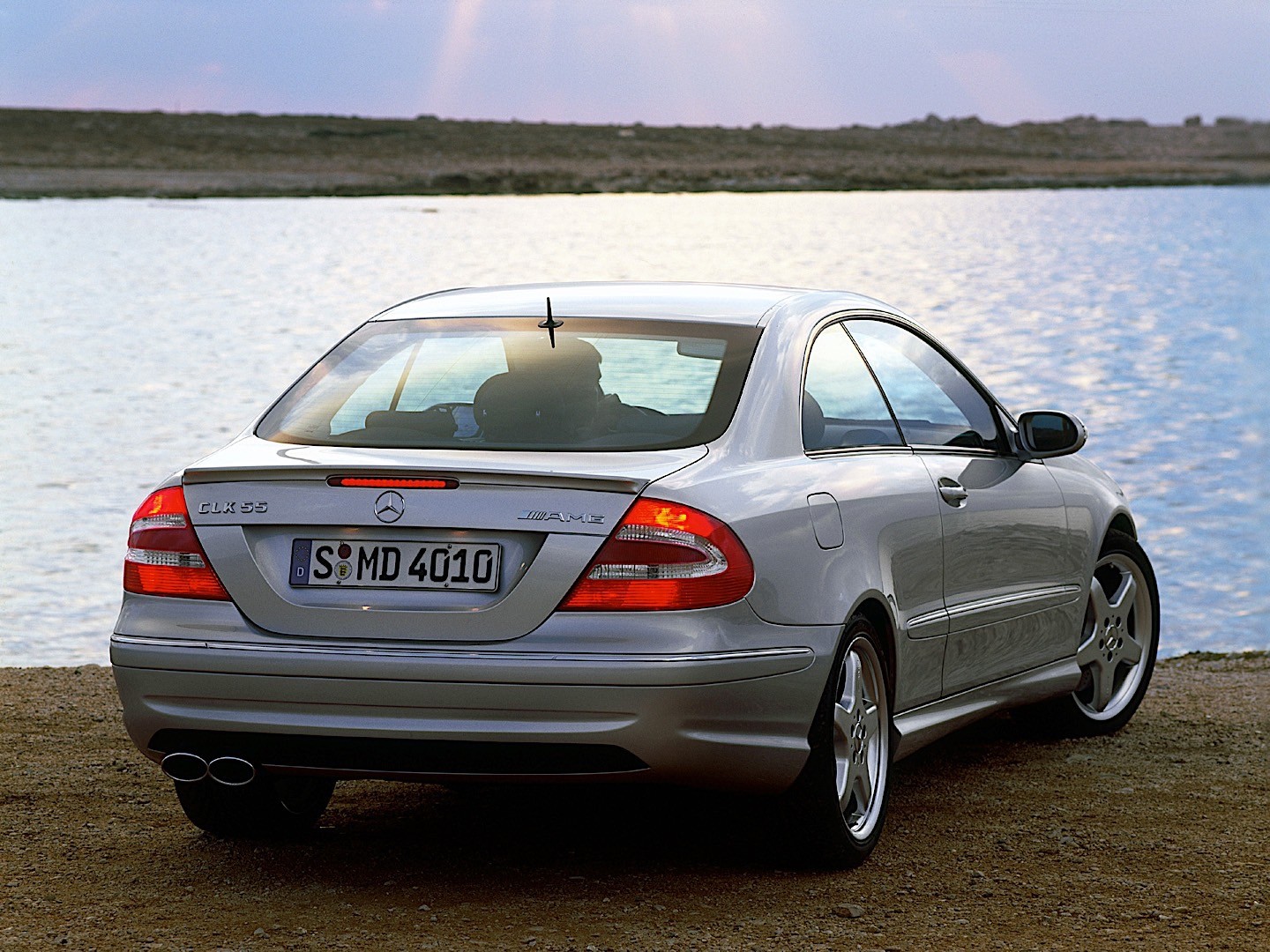
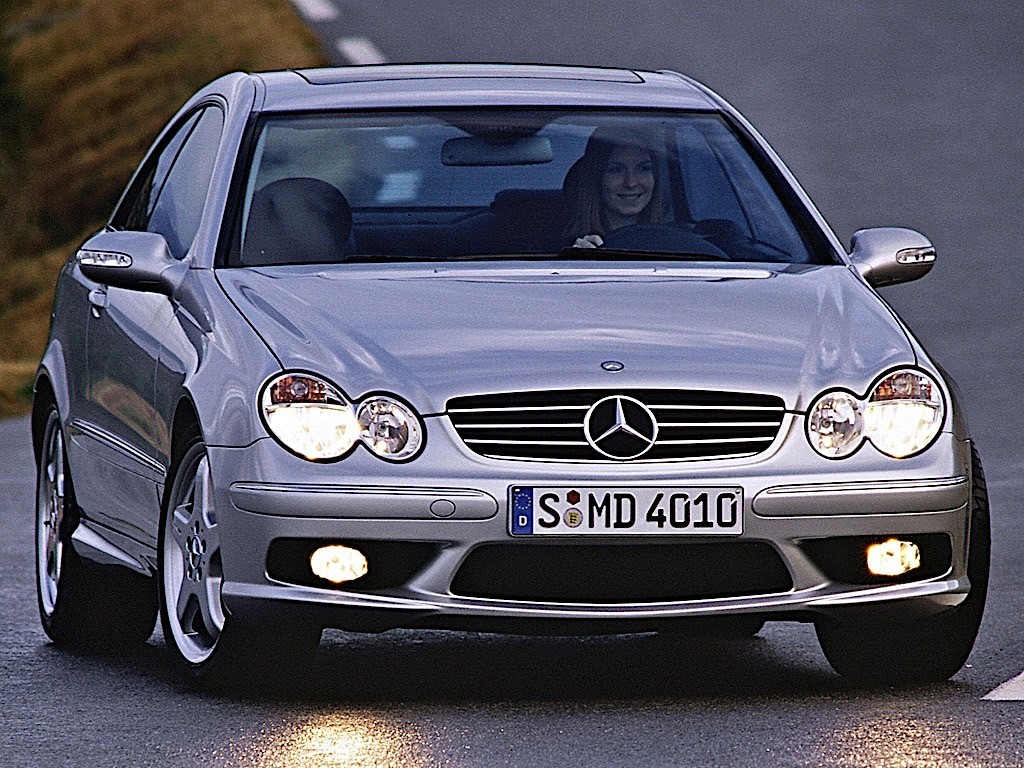
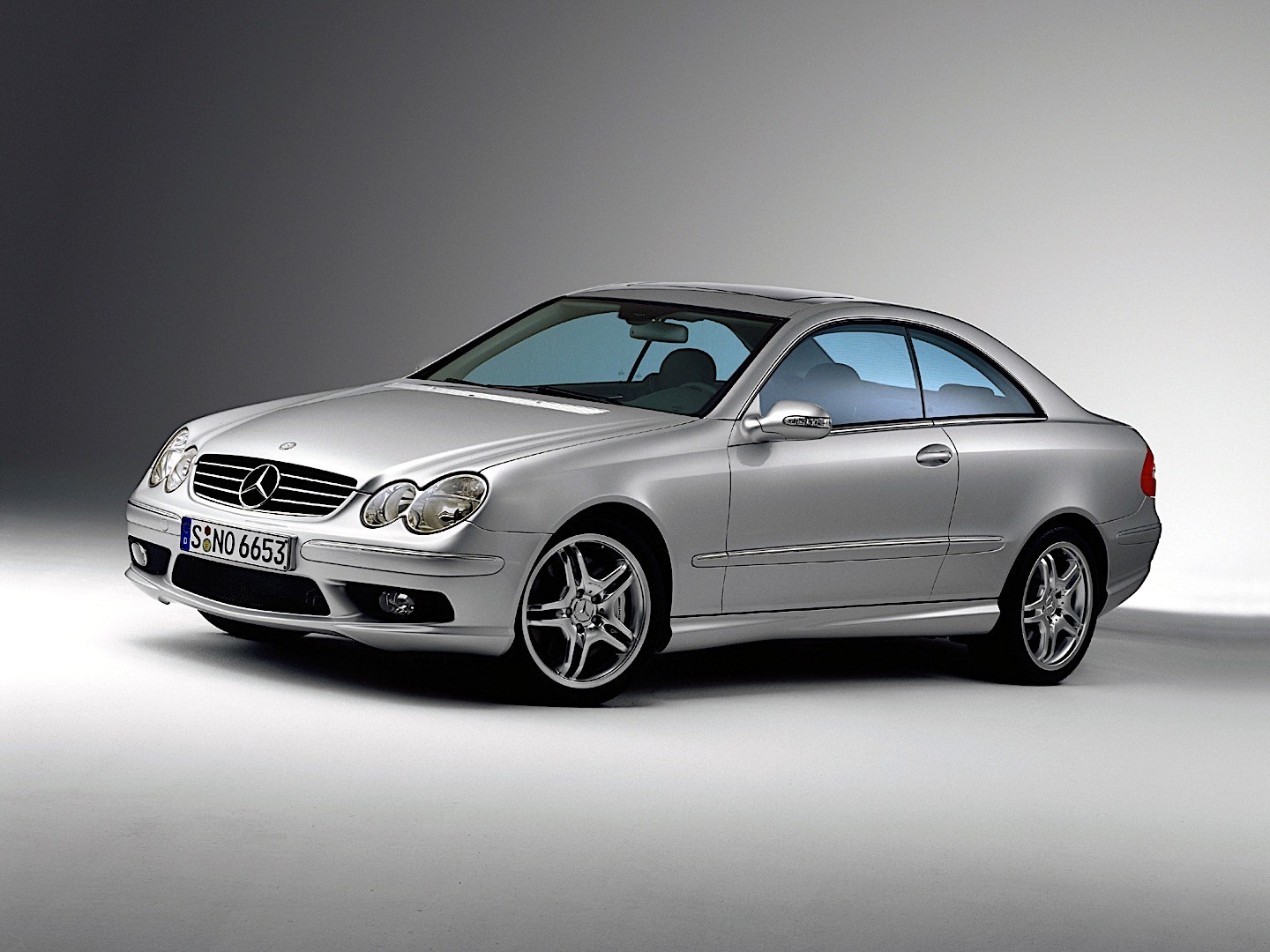
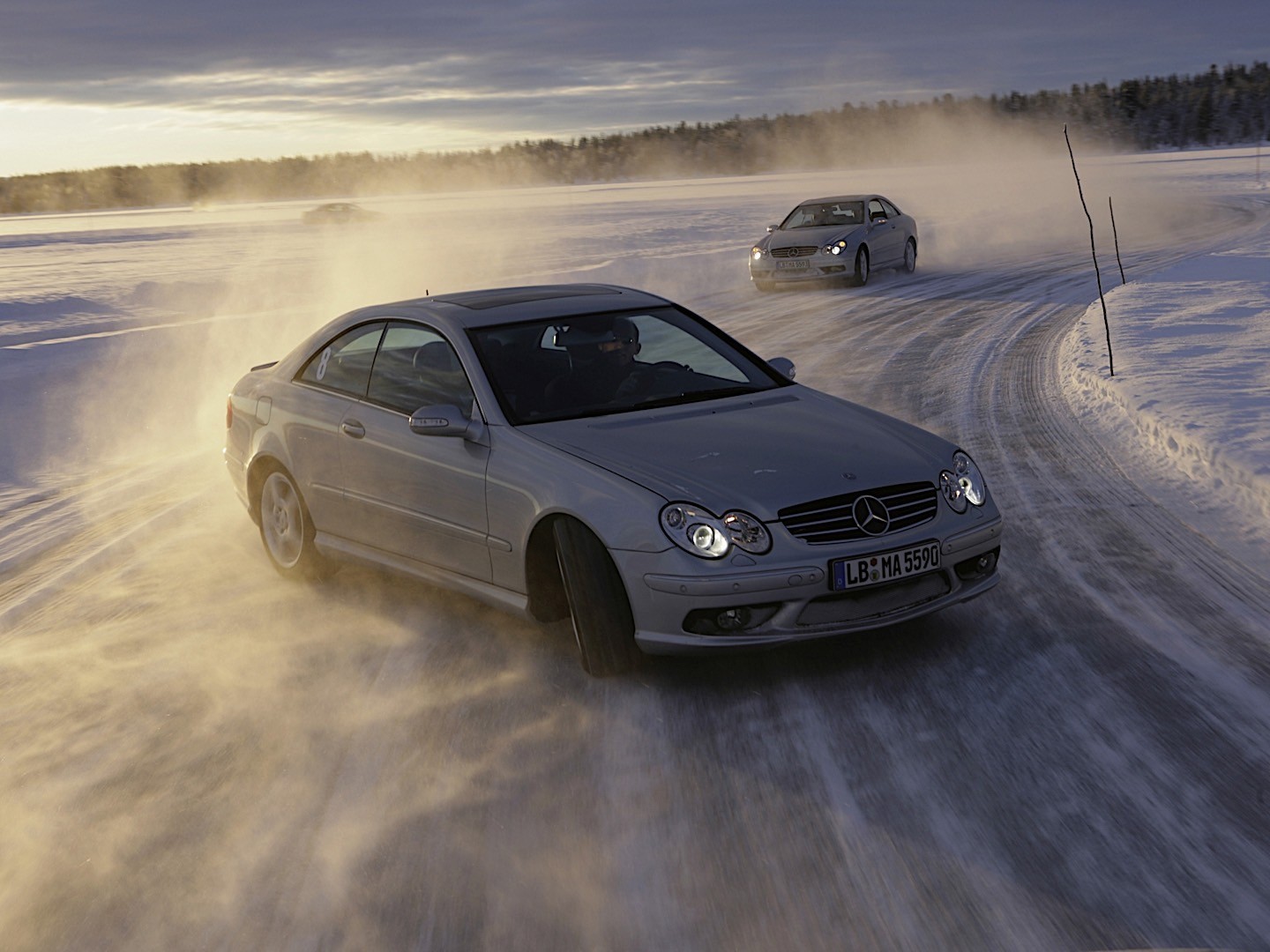
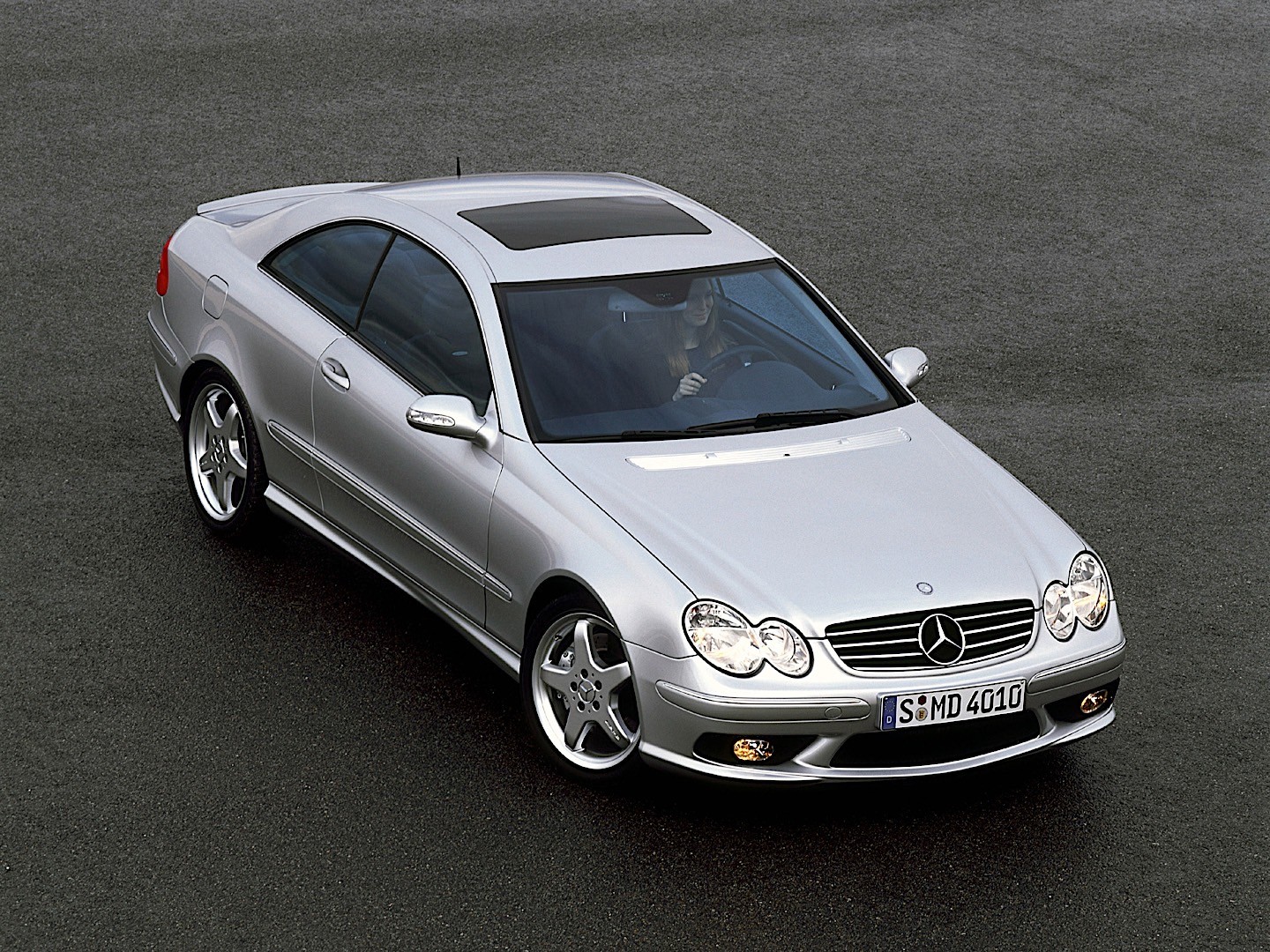
As the second generation of the Mercedes-Benz CLK went off to a much better start regarding sales than the original model, the German carmaker decided to run that success wave by introducing an AMG version not long after. As with the regular models, the CLK 55 AMG (C209) had no direct competitor, albeit its closest rival was still the BMW M3 Coupe (E46).
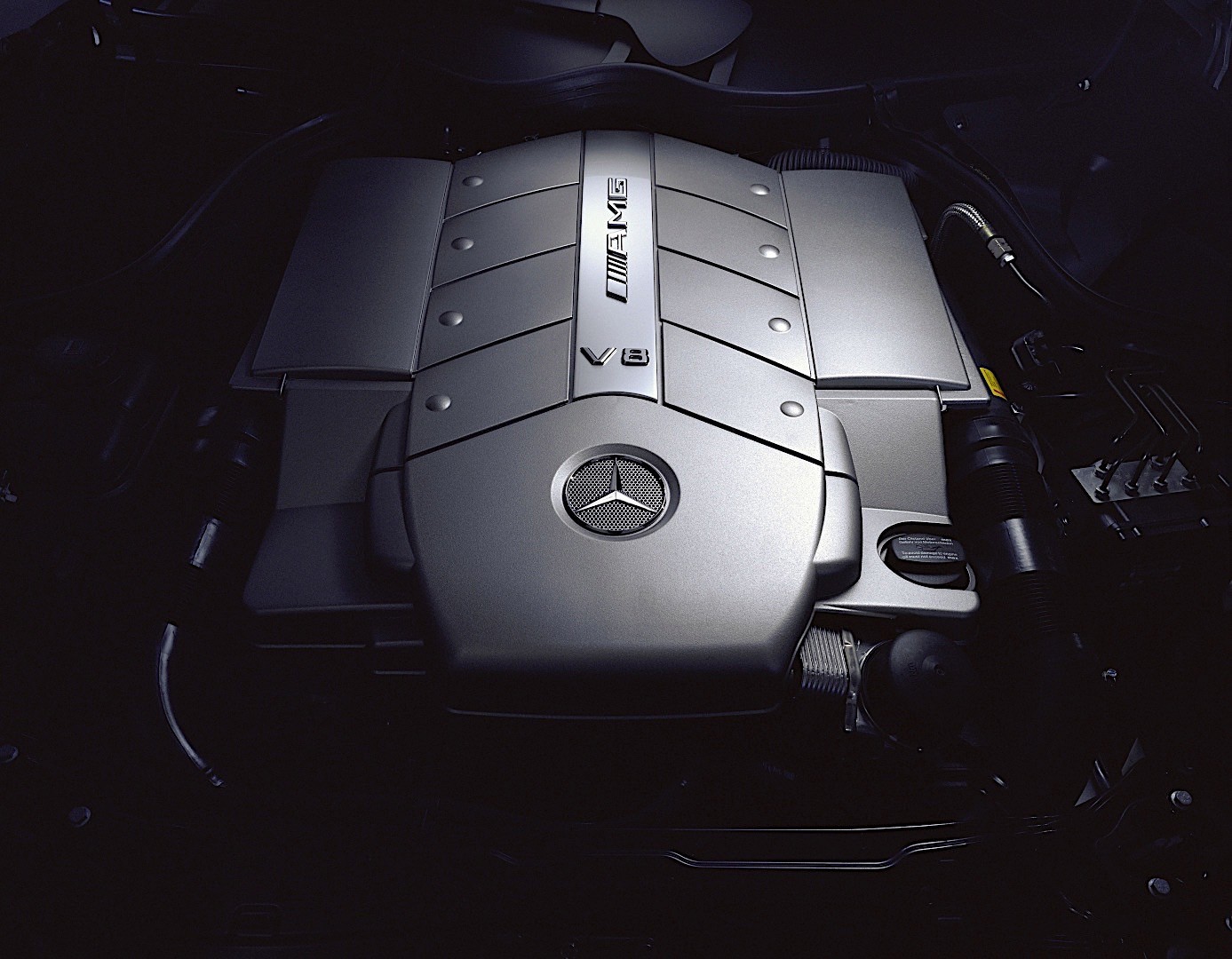
Unlike the BMW, which used a high-revving inline-six, AMG went for a big and torquey 5.4-liter V8 for the CLK 55, delivering more grunt for the otherwise larger and heavier model. The hand-built engine was naturally aspirated and based on the previous CLK 55 engine. This time, it offered 367 PS (362 HP) and a hefty 510 Nm (376 lb-ft) of torque, sent to the rear wheels through a 5-speed automatic transmission calibrated for faster shifting by AMG engineers.
Those numbers were enough to propel the 1,715 kg (3781 pounds) coupe from 0 to 100 kph (62 mph) in a reasonable 5.2 seconds. Top speed was, as usual for a Mercedes-Benz of its era, electronically limited to 250 kph (155 mph). That said, while the straight line performance was definitely there, the CLK 55 AMG was more of a highway cruiser, as its hefty weight didn’t help it outhandle the smaller and lighter BMW M3. With that in mind, an optional limited-slip differential did wonders to improve its cornering prowess.
Even so, the handling and performance was miles better compared to its predecessor, mostly thanks to a more modern rack-and-pinion steering system and an aluminum multi-link rear suspension.
The exterior modifications subtly previewed the power and performance infused by the powertrain. The elegant and classic proportions were made by slightly more aggressive design cues, including an A-shaped front bumper with larger air intakes for better cooling, more pronounced side skirts, and a reshaped rear bumper, which housed two oversized exhaust tips for the massive engine.
Thanks to the wider front and rear tracks and the 18-inch AMG allow wheels, the CLK also looked much more planted than its non-AMG counterparts. Handling, while not impressive on a track, was improved thanks to an AMG-tuned suspension that preserved comfort, while stopping power was adequate thanks to a bespoke braking system with oversized brake discs, which shared some parts with the smaller and not yet launched C 55 AMG sedan.
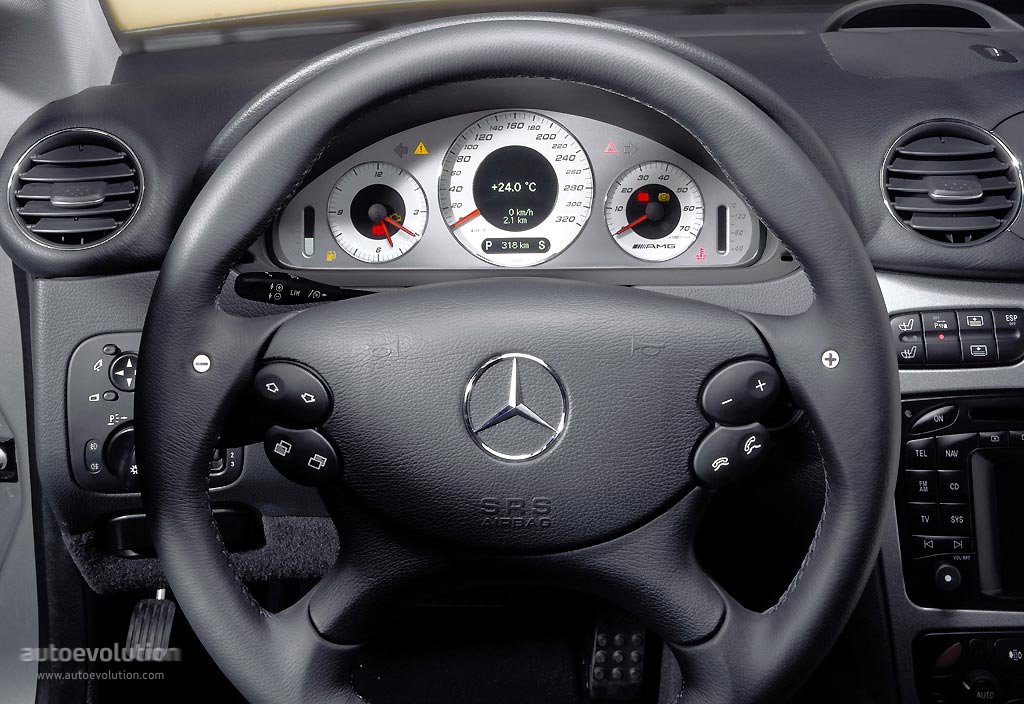
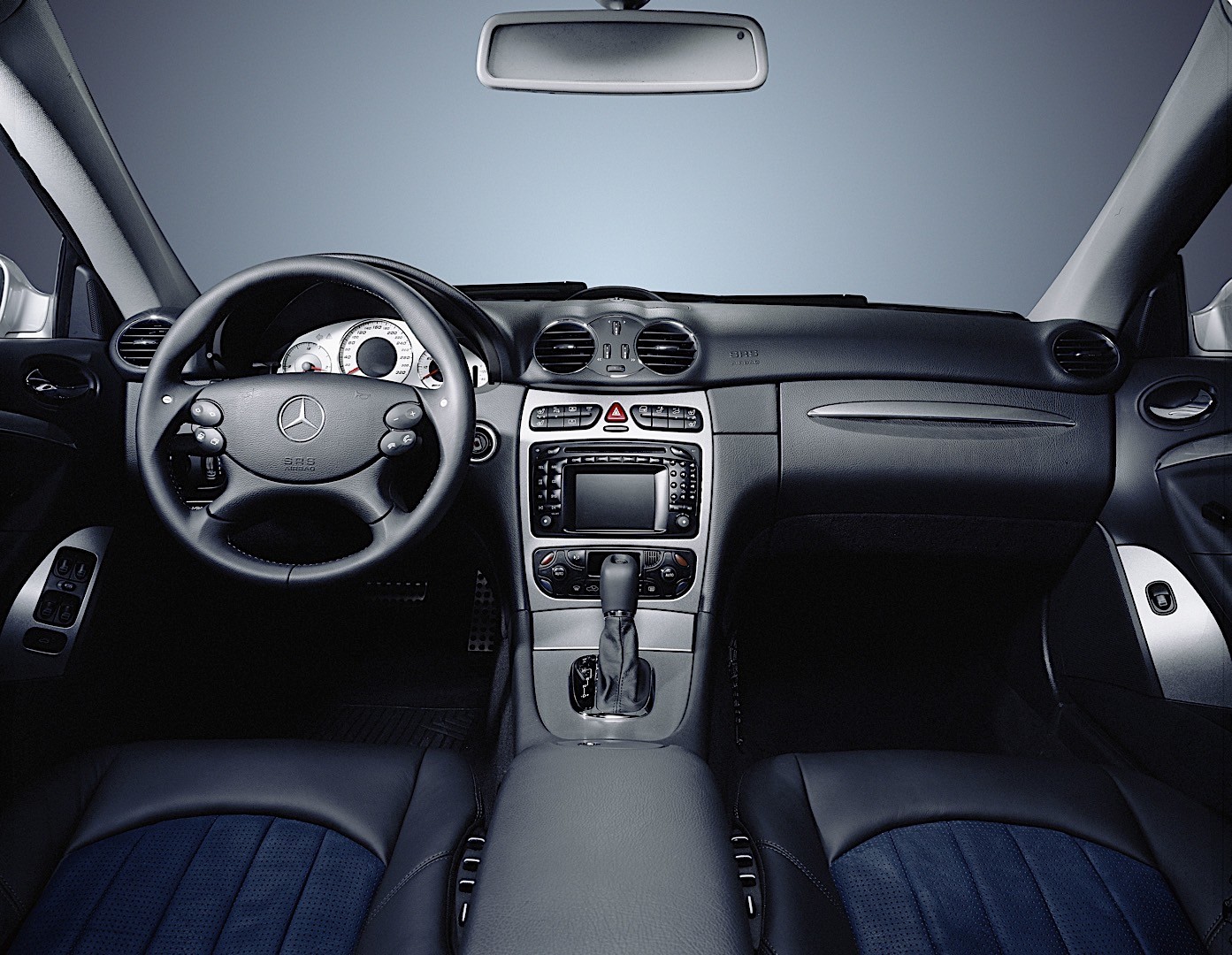
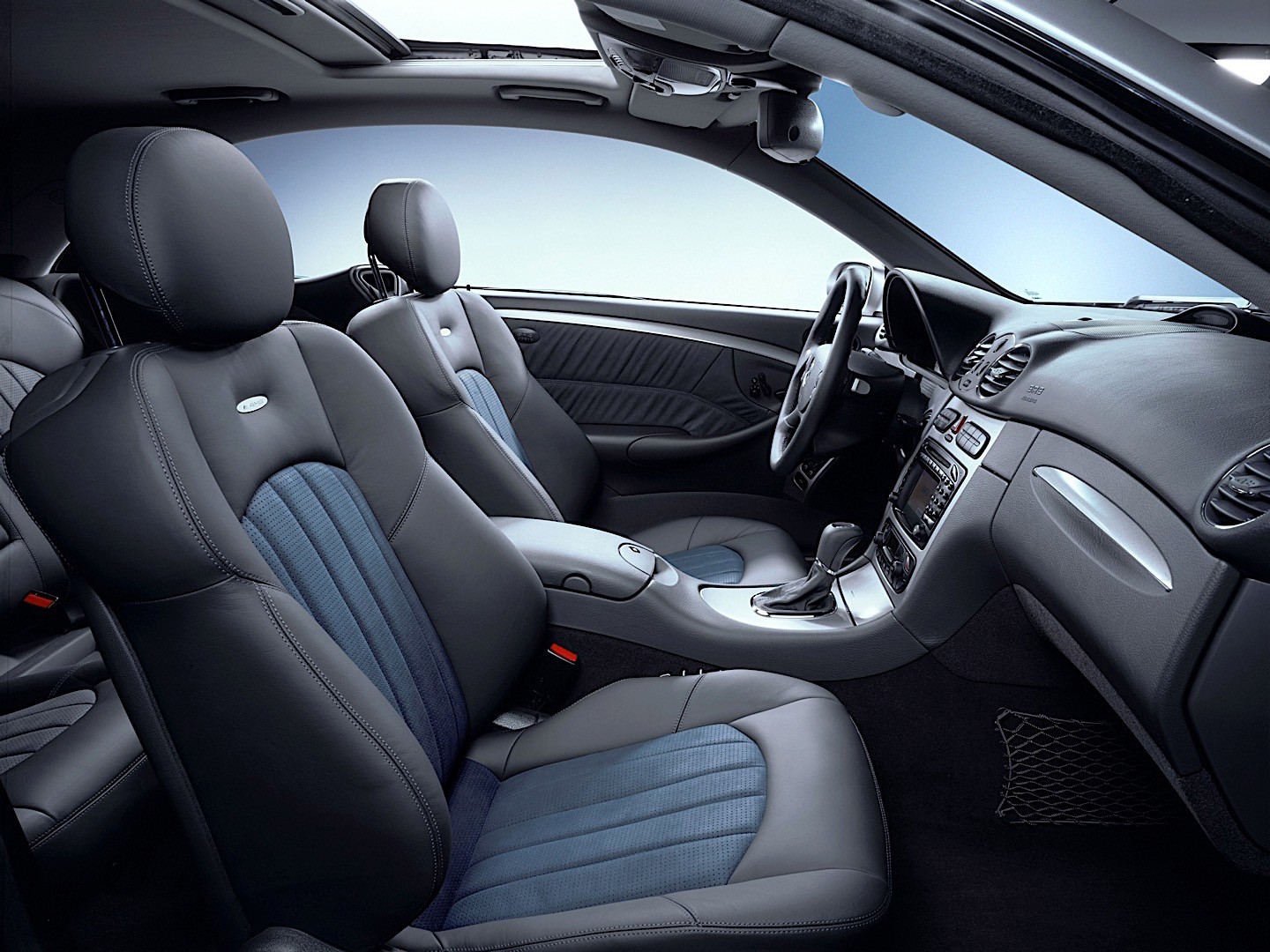
Inside, the only AMG giveaways were the front seats, with improved side bolstering, and the improved standard equipment list, which included leather upholstery, the Comand infotainment system and electric adjustment for the front seats. A few AMG badges were also present to signal how special the model was compared to a non-AMG version. After its introduction, the Mercedes-Benz CLK 55 AMG (C209) was marketed by being featured as the official F1 safety car for the 2003 season.
Begijnhof, 8000 Brugge, Belgium
Begijnhof, 8000 Brugge, Belgium

Begijnhof, 8000 Brugge, Belgium

Begijnhof, 8000 Brugge, Belgium

Begijnhof, 8000 Brugge, Belgium
Begijnhof, 8000 Brugge, Belgium
Begijnhof, 8000 Brugge, Belgium
Begijnhof, 8000 Brugge, Belgium
Begijnhof, 8000 Brugge, Belgium

Begijnhof, 8000 Brugge, Belgium

Offer an price, more info or anything you want
Consumer reviews