

Dealer:
Eden Hazard
Begijnhof, 8000 Brugge, Belgium
- Transmission 7-Speed Automatic
- |
- Drive Rear Wheel Drive
- |
- Mileage n/a






Porsche introduced a meaner version of the Cayman in 2010 and made it better on the track by putting it on a diet, improving…
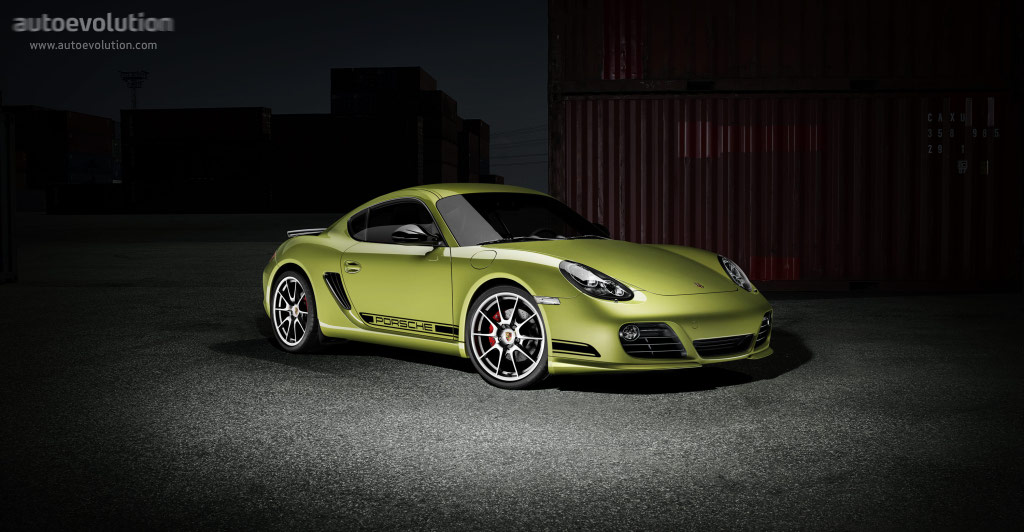
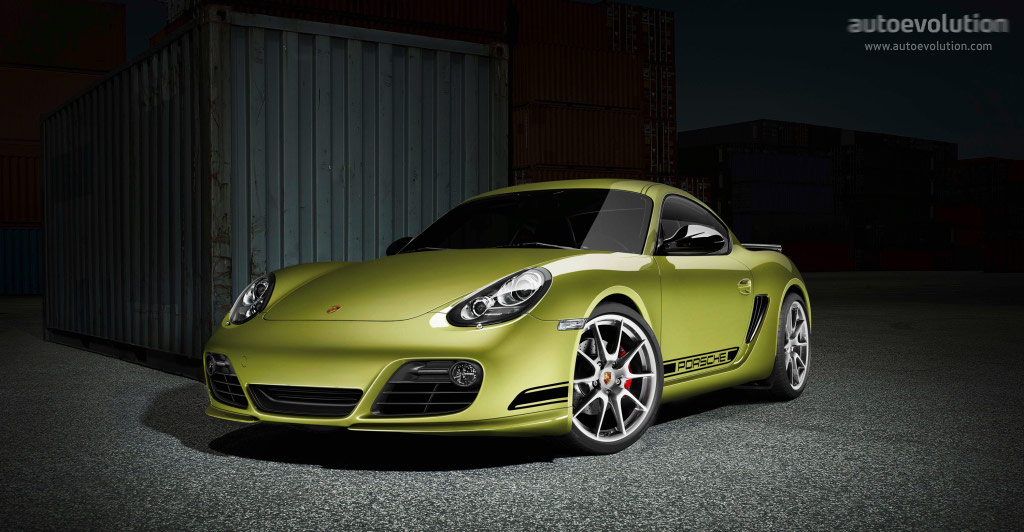
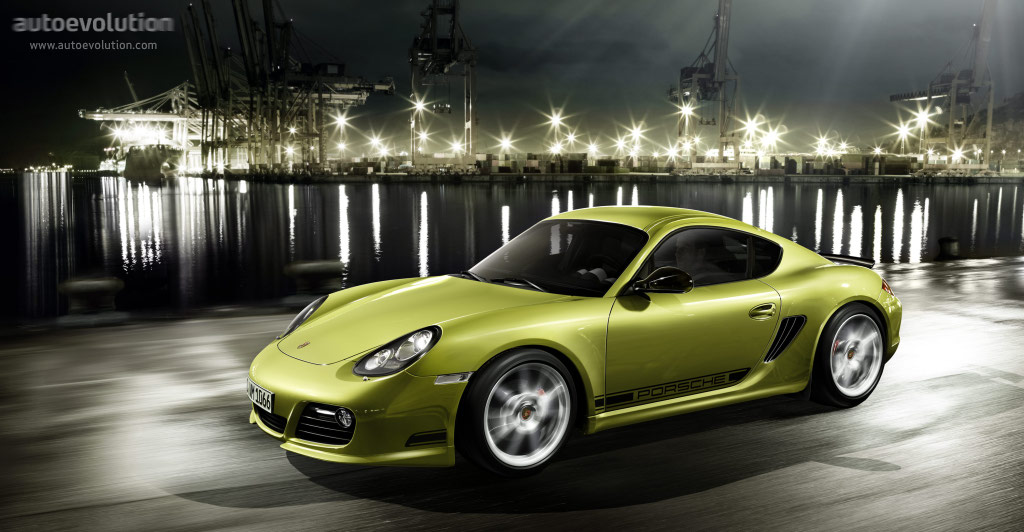
Porsche introduced a meaner version of the Cayman in 2010 and made it better on the track by putting it on a diet, improving the suspension, and upgrading the engine.
When the German sports car manufacturer introduced the Boxster Spyder in 2009, it enjoyed limited success due to the financial crisis. However, those who bought it appreciated the car’s improvements. As a result, the automaker used a similar recipe when it made the 2010 Porsche Cayman R. While at first sight there were just a few hints that could reveal the true nature of the car, a deeper look could explain the automaker’s customers why should they pay more for a lighter vehicle. As a result, the Cayman R was a sought-after vehicle, craved by those who could spend their time doing laps around a race track in friendly competitions or just for their sheer driving pleasure.
At the front, the automaker installed black surroundings for the headlights, which was an aesthetical modification specific for the Cayman R, which was unavailable even as an option for the rest of the range. The car’s bumper was also different and featured larger lip spoilers on the corners and on the center area underneath the center air intake. Customers could get the car with LED daytime running lights installed in the lower side scoops. Another significant upgrade was for the front trunk’s lid, made from aluminum to save weight.
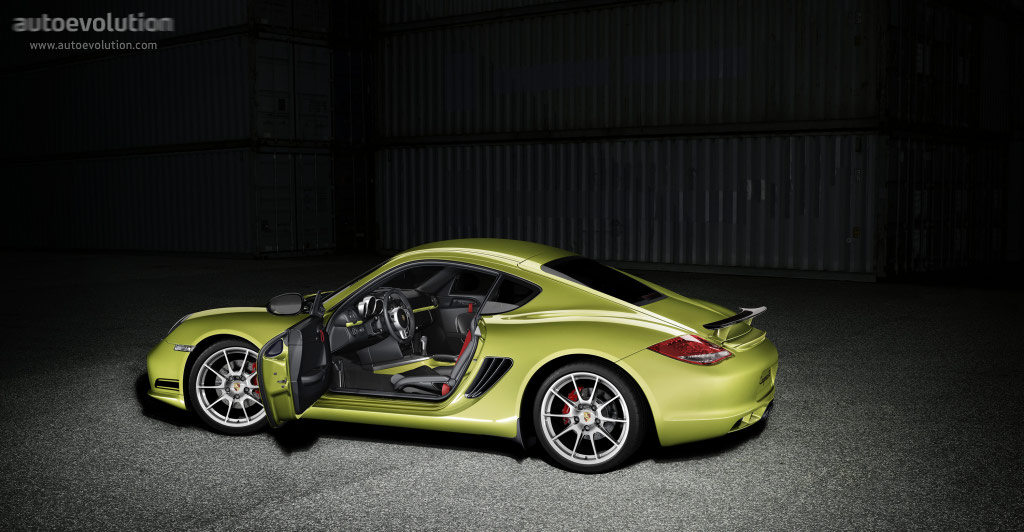
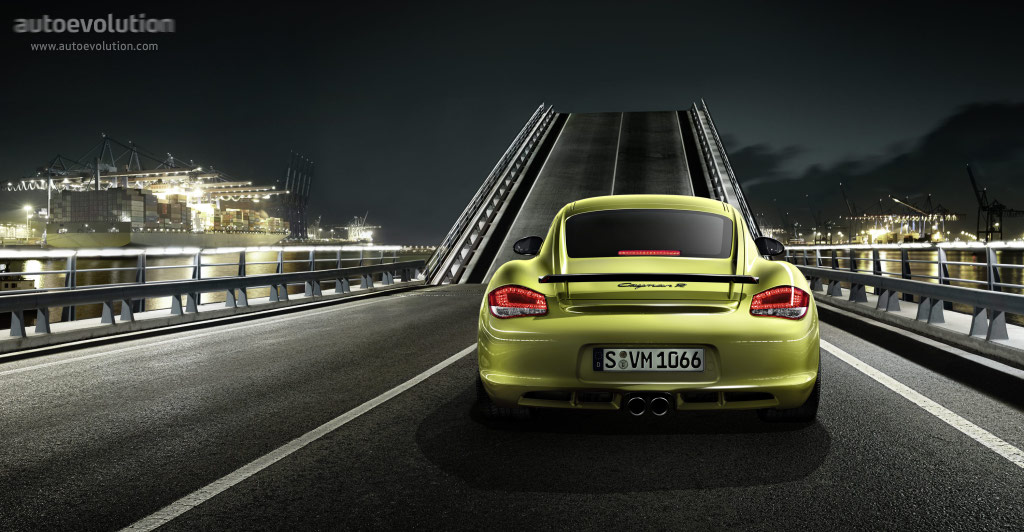
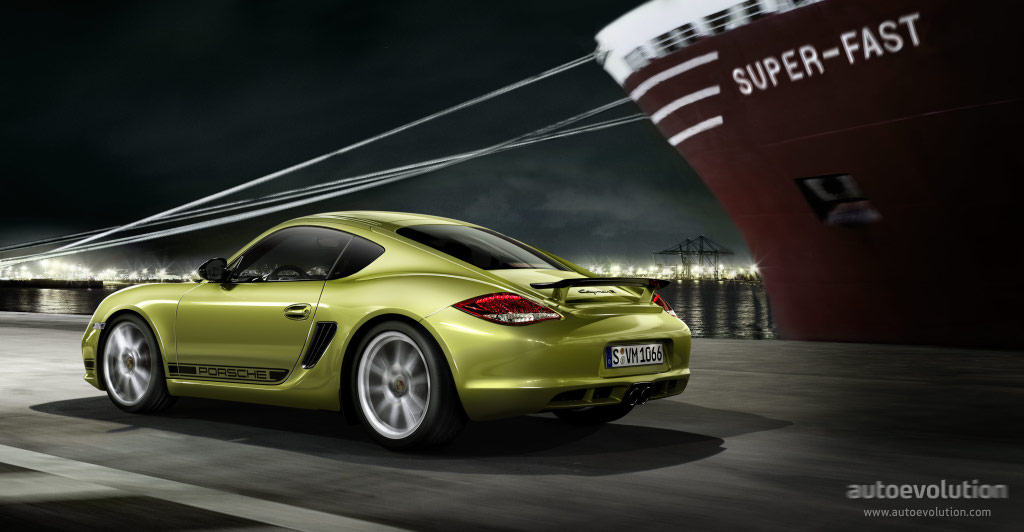
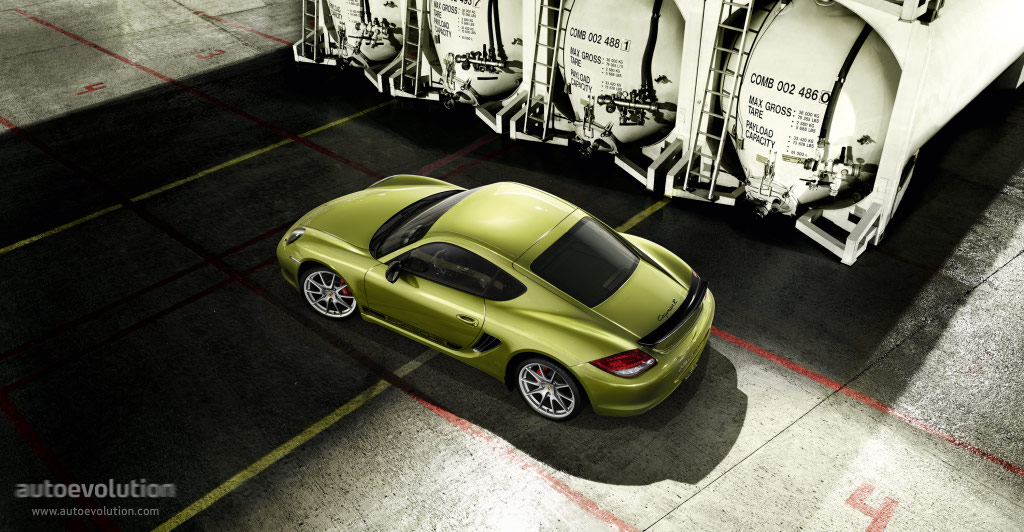
From its profile, the car’s low-slung stance was striking. It sat 20 mm (0.8 inch) lower than the rest of the Cayman range. In addition, Porsche added specific decals on the aluminum doors. These were extended from the front bumper and over the front fenders and were specific for the Cayman R. Furthermore, the rear air intakes placed on the rear quarter panels were available in contrasting colors, black or silver, depending on the vehicle’s overall paint. A set of unique 19-inch alloy wheels furthermore enhanced the car’s look and let bystanders admire the larger front brakes than those fitted on the Cayman S. In addition, Porsche offered a set of carbon-ceramic rotors, and all versions featured monoblock four-piston red calipers. At the back, the automaker placed a fixed wing behind the tailgate and saved some weight by removing the lifting mechanism installed on the rest of the Cayman range.
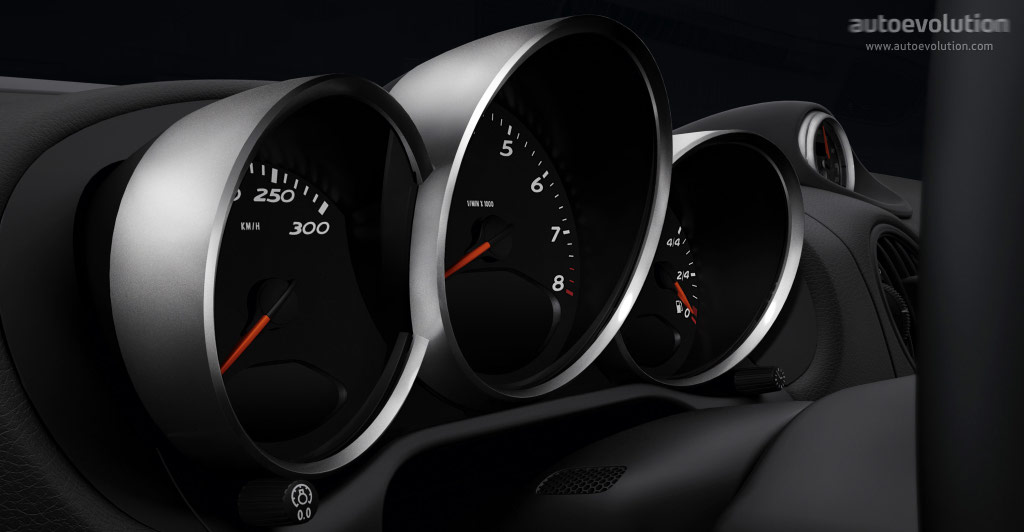
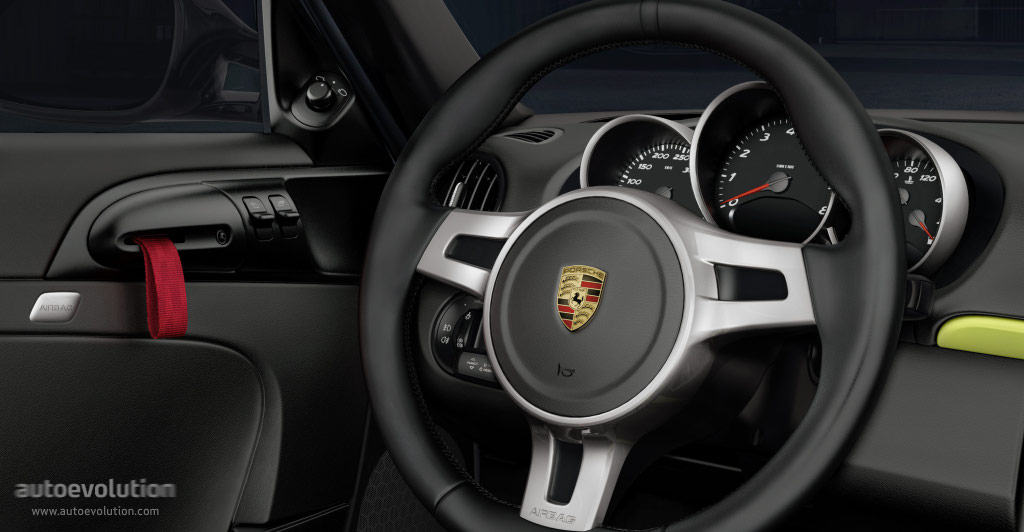
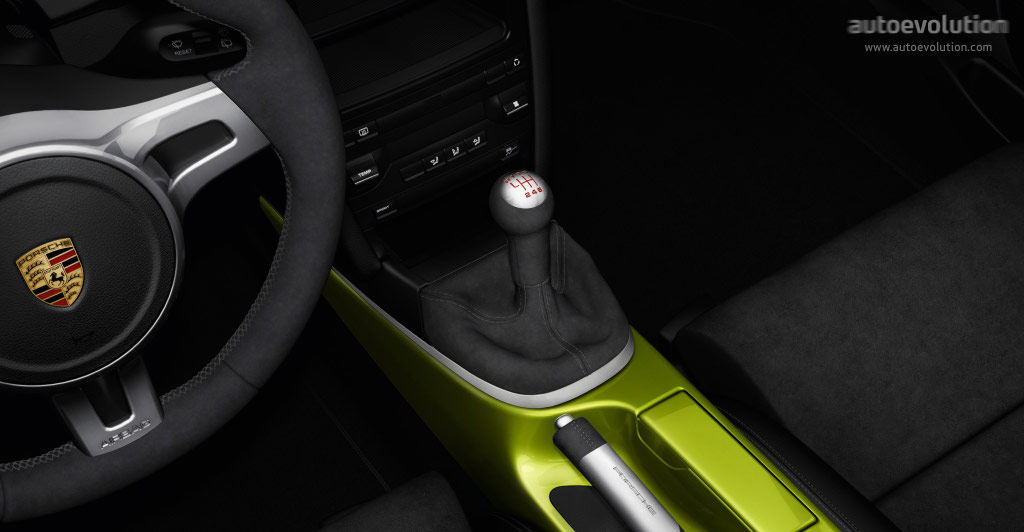
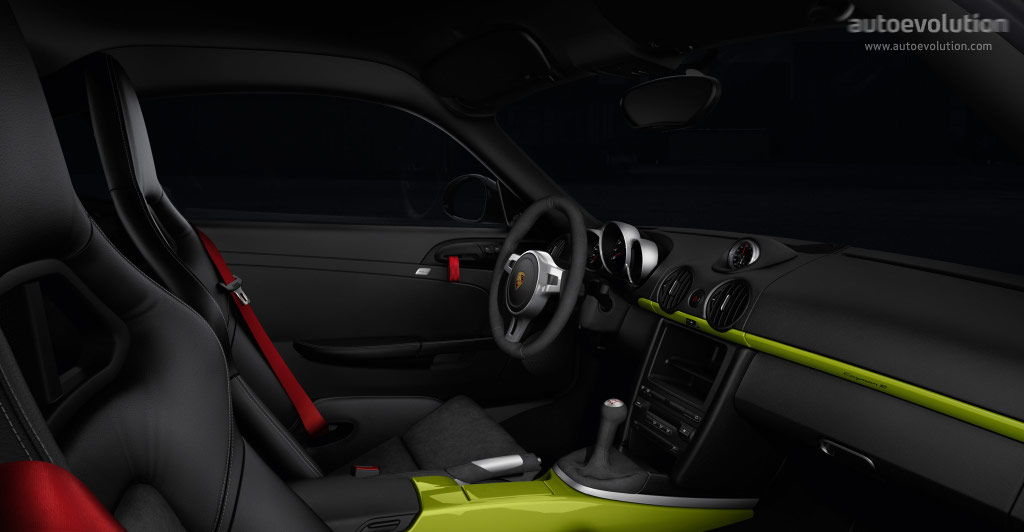
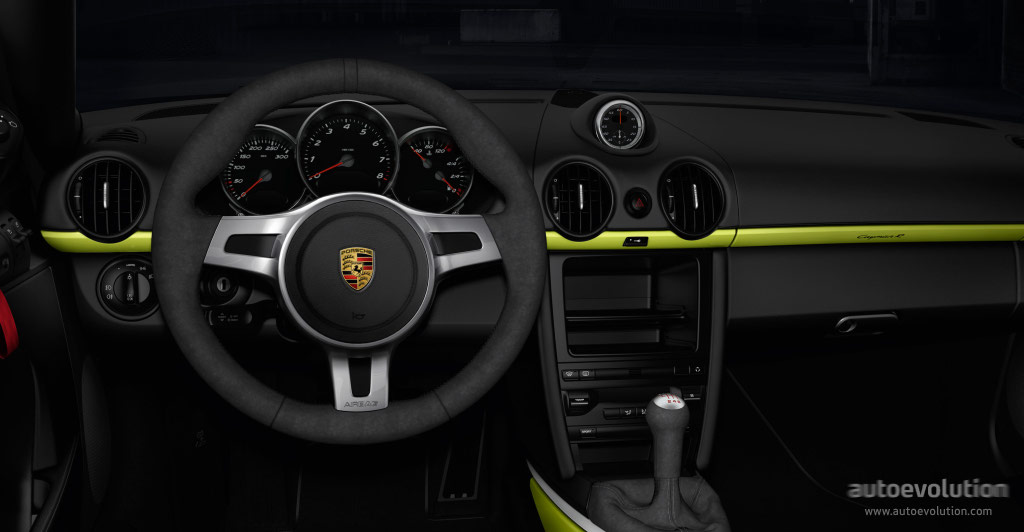
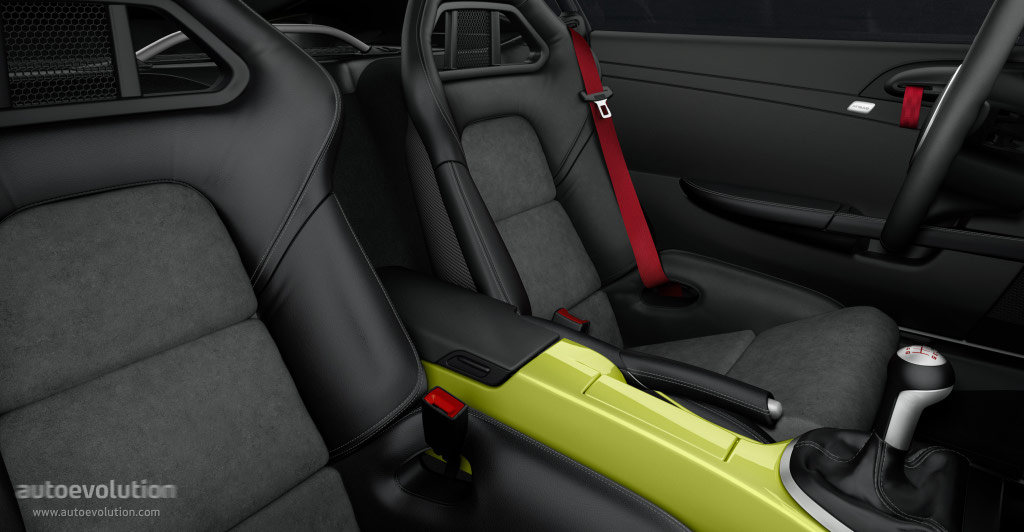
Inside, the automaker offered the car significant changes compared to the Cayman S. It installed standard lightweight seats with Alcantara-covered center areas and leather outer sides. Furthermore, the visor above the three-dial instrument cluster was gone. The occupants had to use red pull-straps instead of handles to exit the vehicle since those were removed. There was no AC or sound system on the center stack, although these were available as no-cost options. Also, customers could get the vehicle with a leather-wrapped interior or with sports seats featuring integrated headrests.
Behind the cabin, the automaker installed the same M97 flat-six engine carried over from the Cayman S, but it offered a ten PS power increase over that. While that might not sound very significant, combined with the stiffer suspension and the 55 kilos (121 lbs) weight reduction, it resulted in a better power-to-weight ratio, leading to improved acceleration times. The standard transmission was a six-speed manual, while the seven-speed automatic (dual-clutch) gearbox was available as an option, although that was 25 kilos (55 lbs) heavier.
Begijnhof, 8000 Brugge, Belgium
Begijnhof, 8000 Brugge, Belgium

Begijnhof, 8000 Brugge, Belgium

Begijnhof, 8000 Brugge, Belgium

Begijnhof, 8000 Brugge, Belgium
Begijnhof, 8000 Brugge, Belgium
Begijnhof, 8000 Brugge, Belgium
Begijnhof, 8000 Brugge, Belgium
Begijnhof, 8000 Brugge, Belgium

Begijnhof, 8000 Brugge, Belgium

Offer an price, more info or anything you want
Consumer reviews