

Dealer:
Eden Hazard
Begijnhof, 8000 Brugge, Belgium
- Transmission 7-Speed Automatic
- |
- Drive Rear Wheel Drive
- |
- Mileage n/a
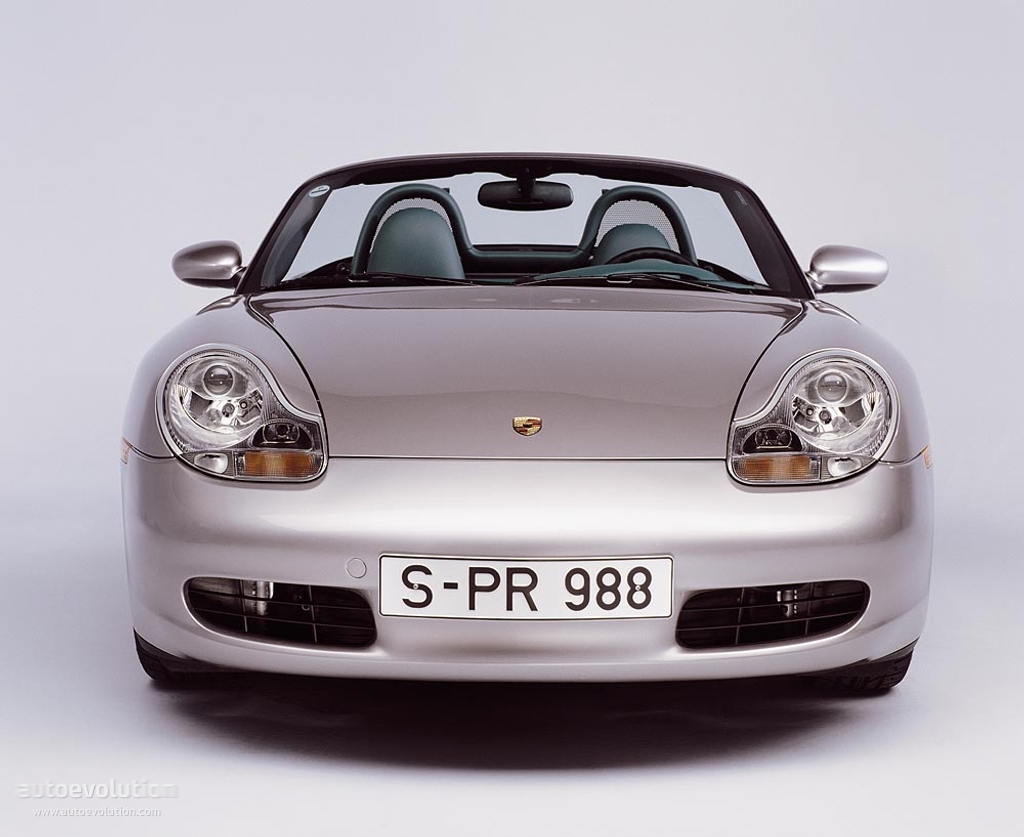
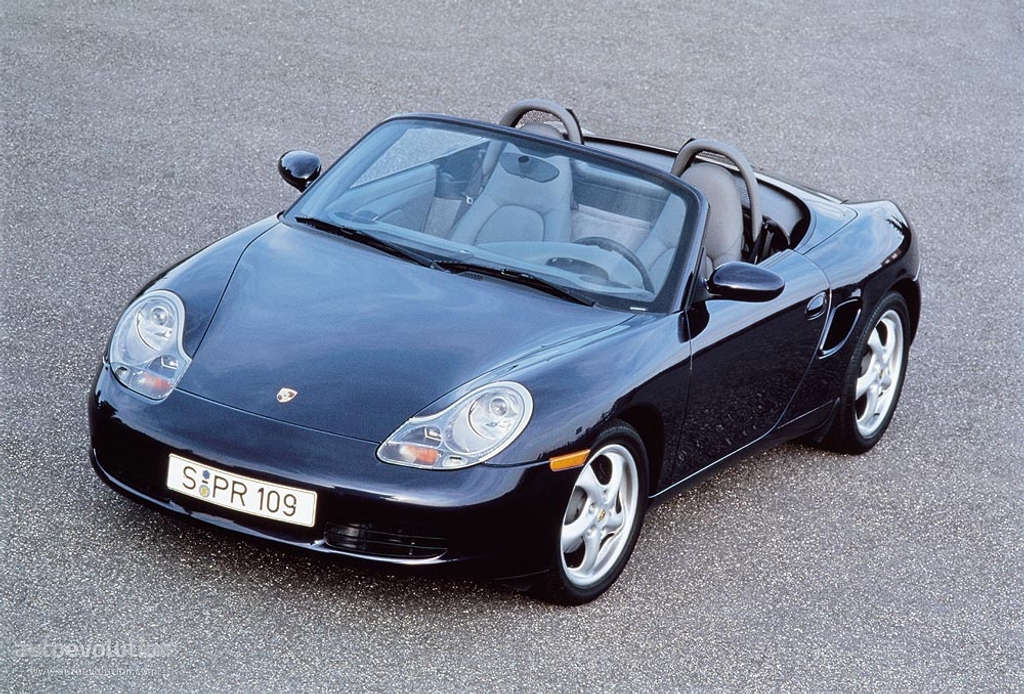
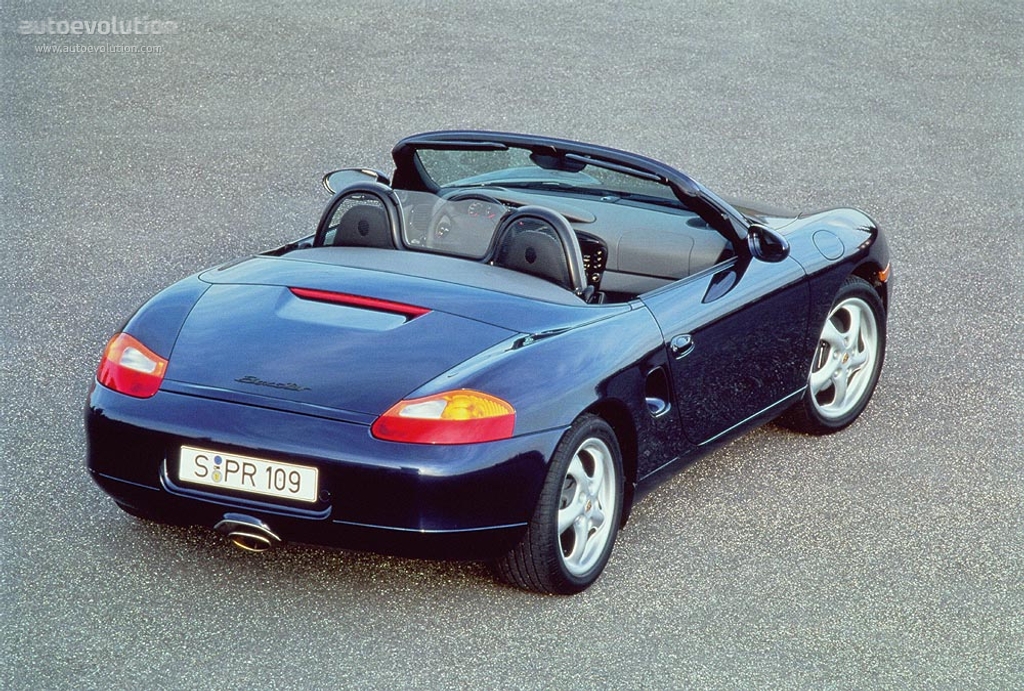



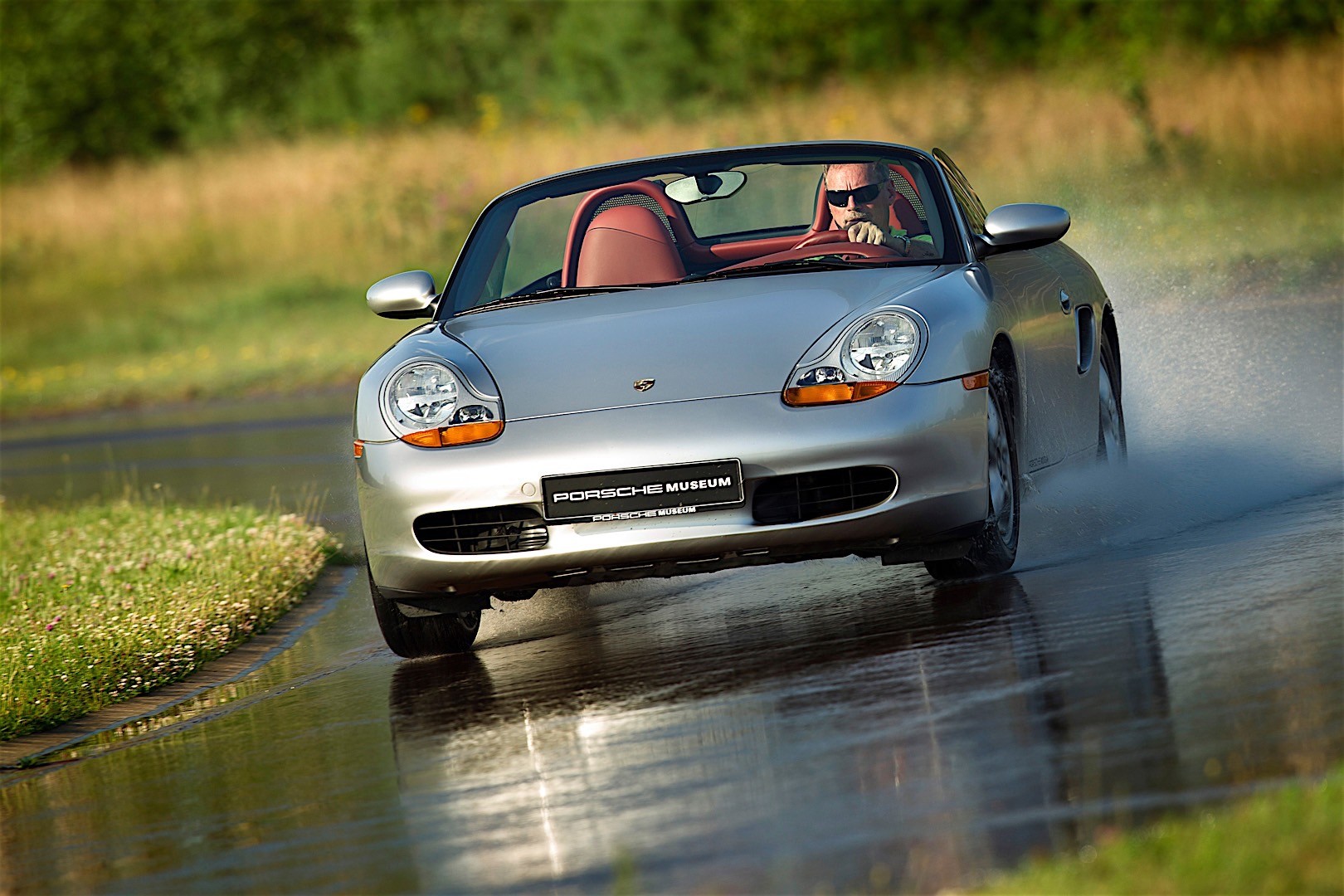
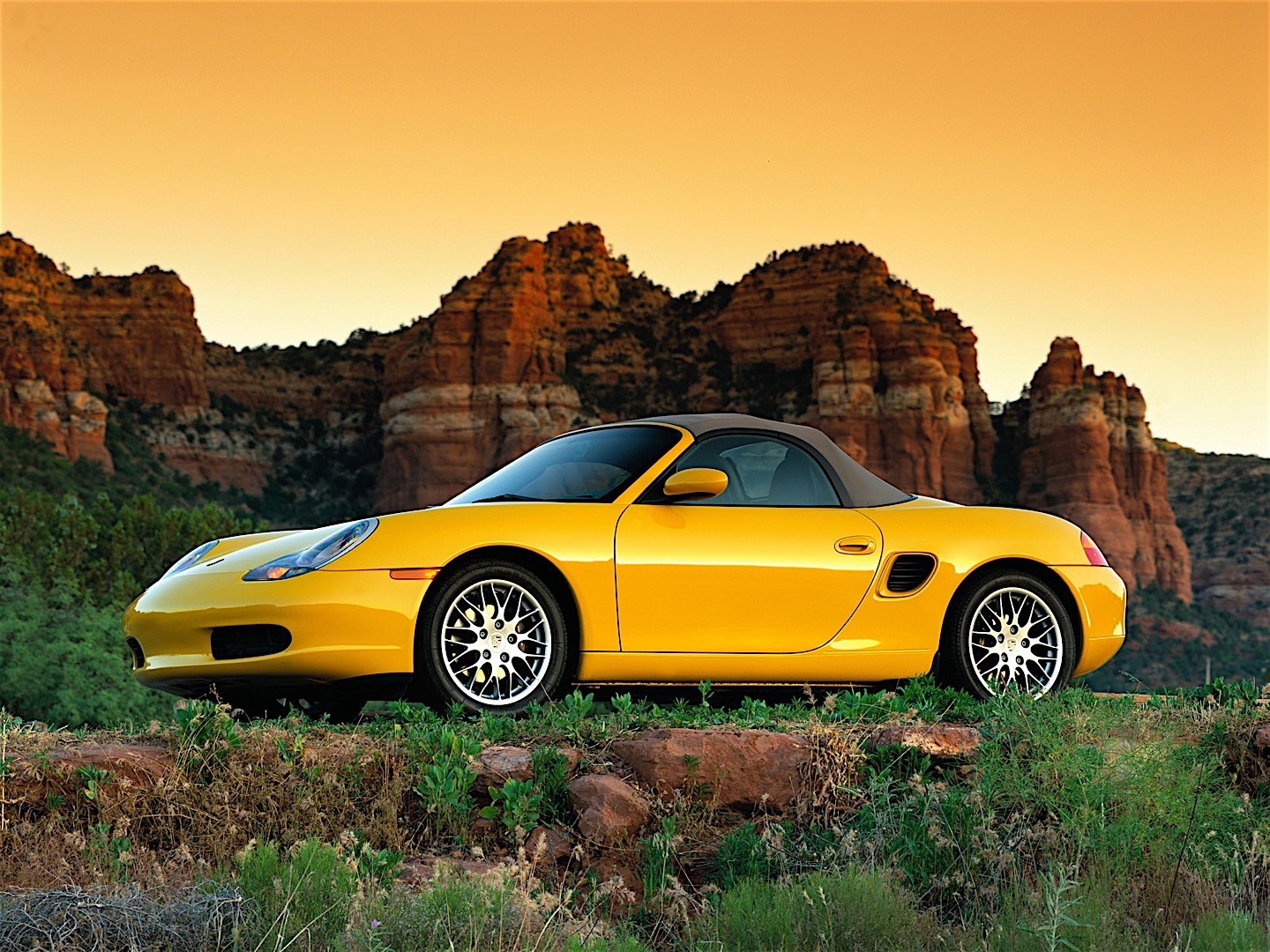
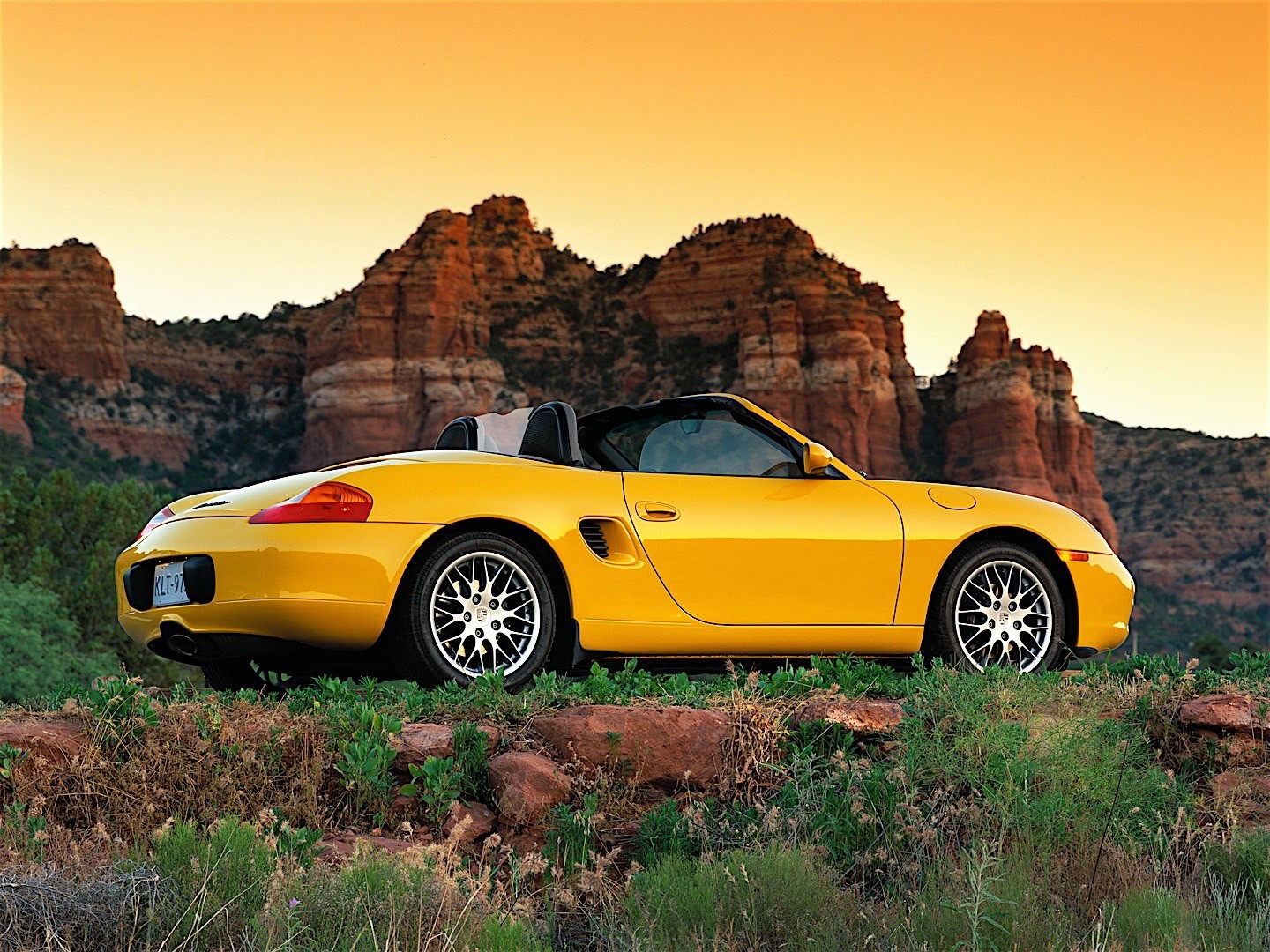
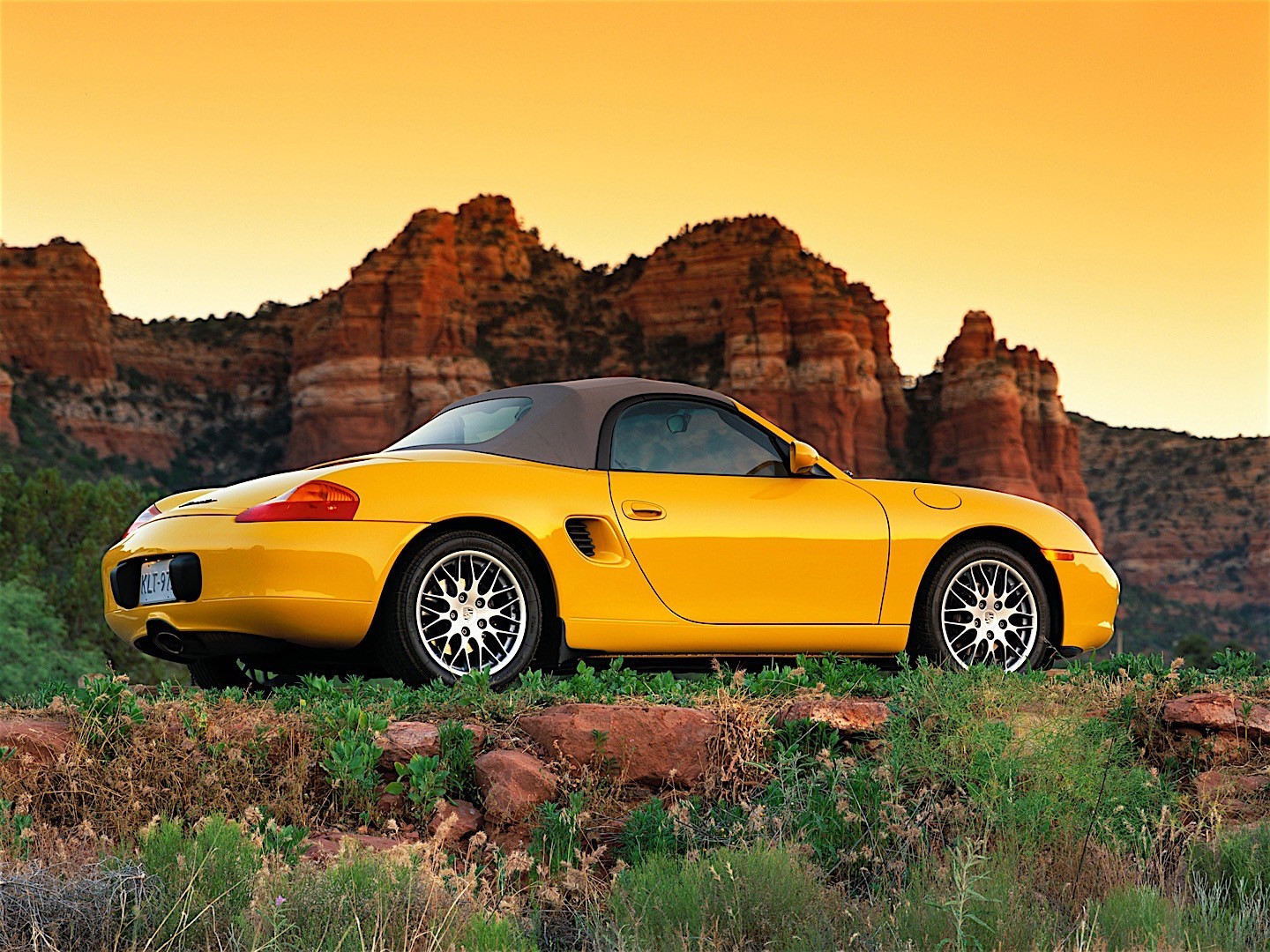
Porsche introduced the Boxster in late 1996, a roadster that instantly divided the carmaker’s fans between those who saw the car as a savior…
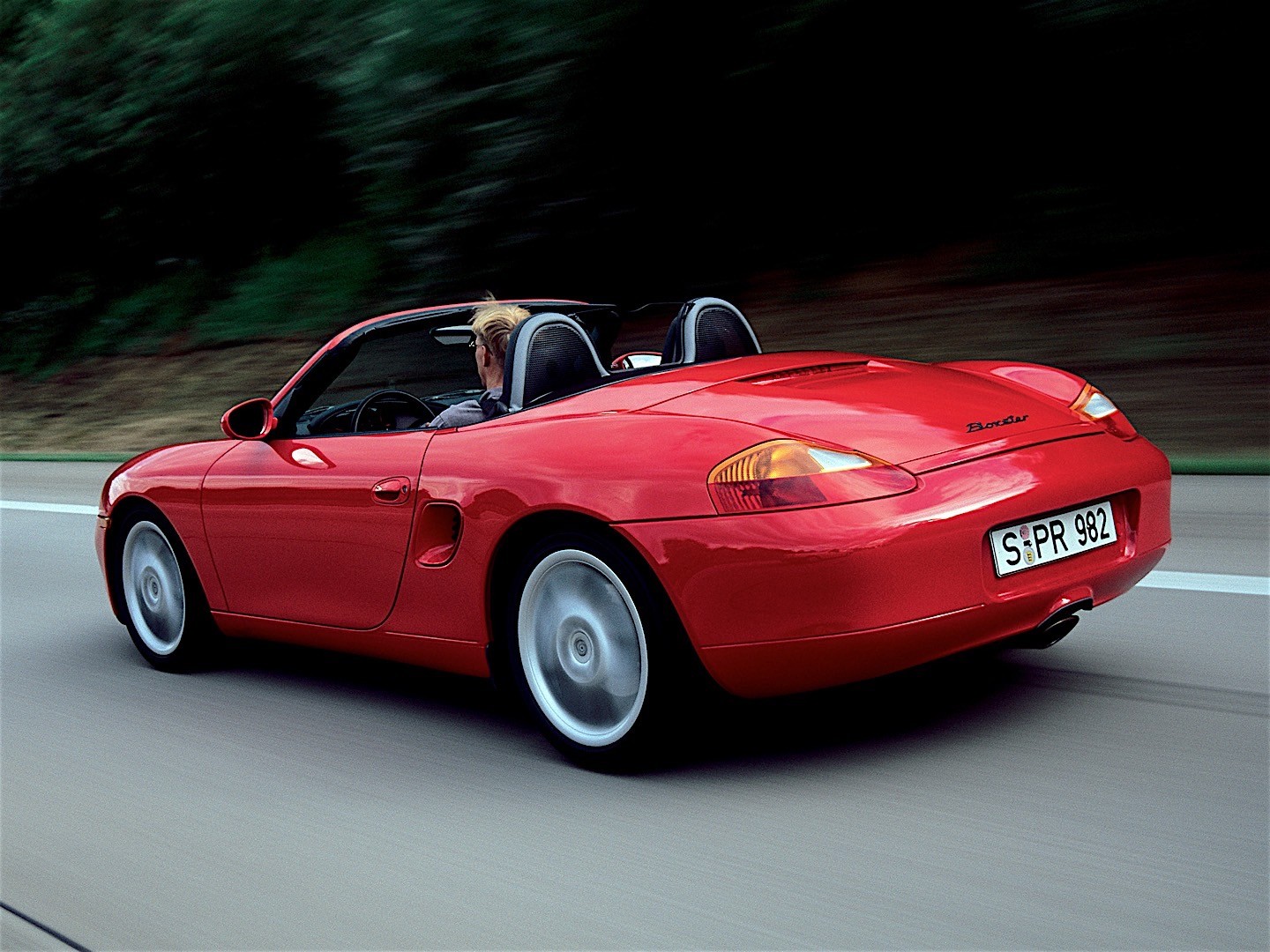
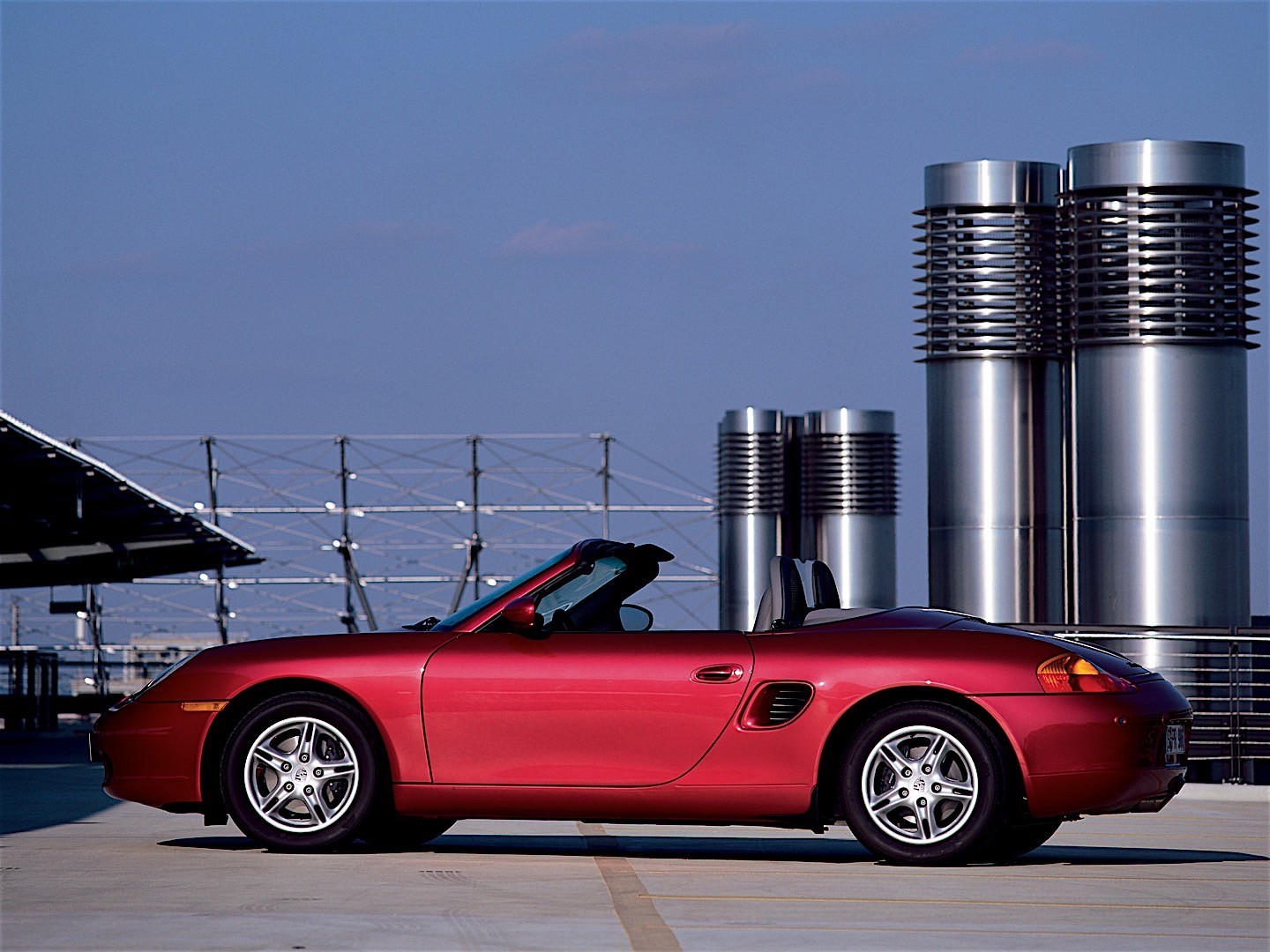
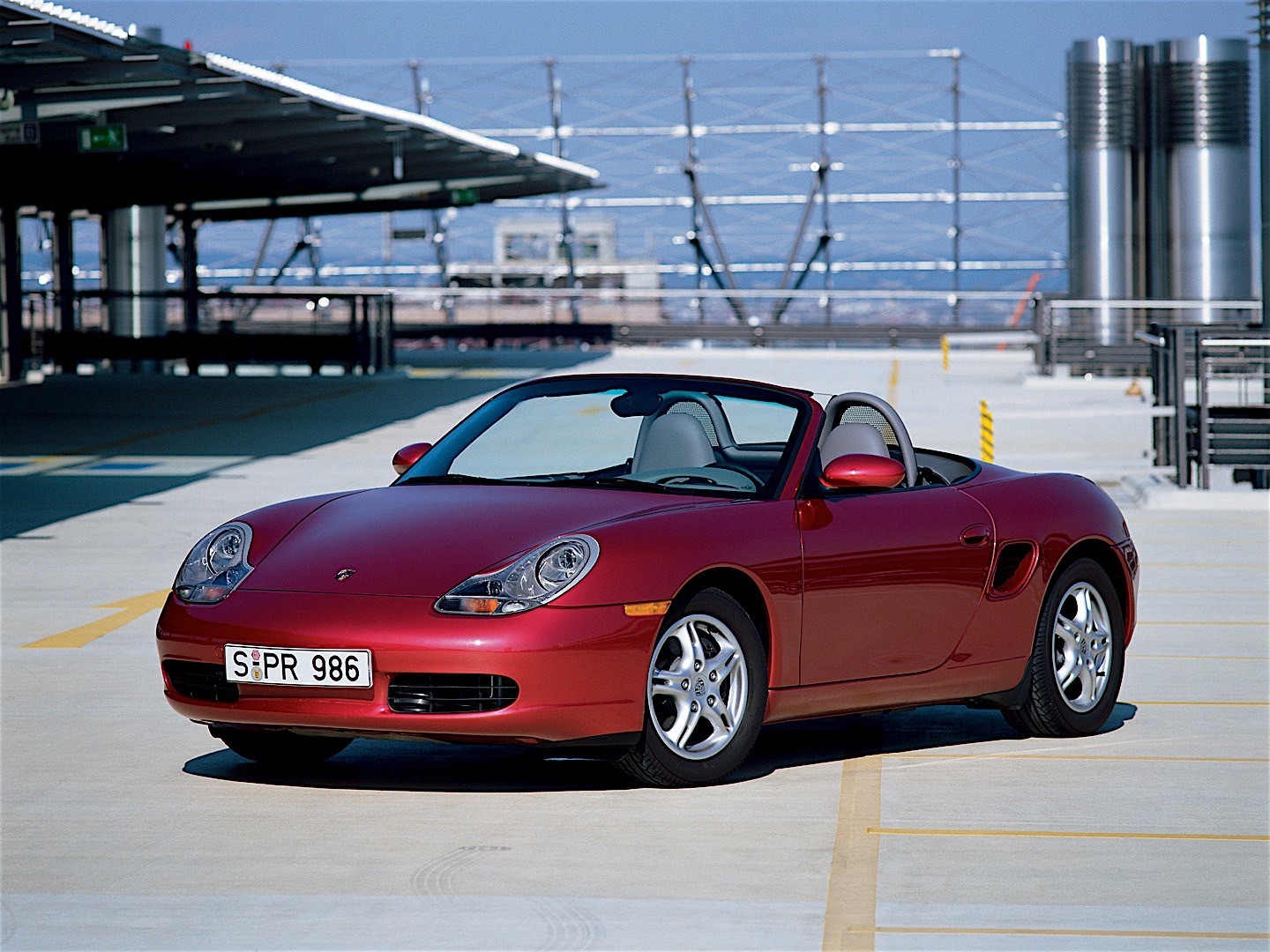
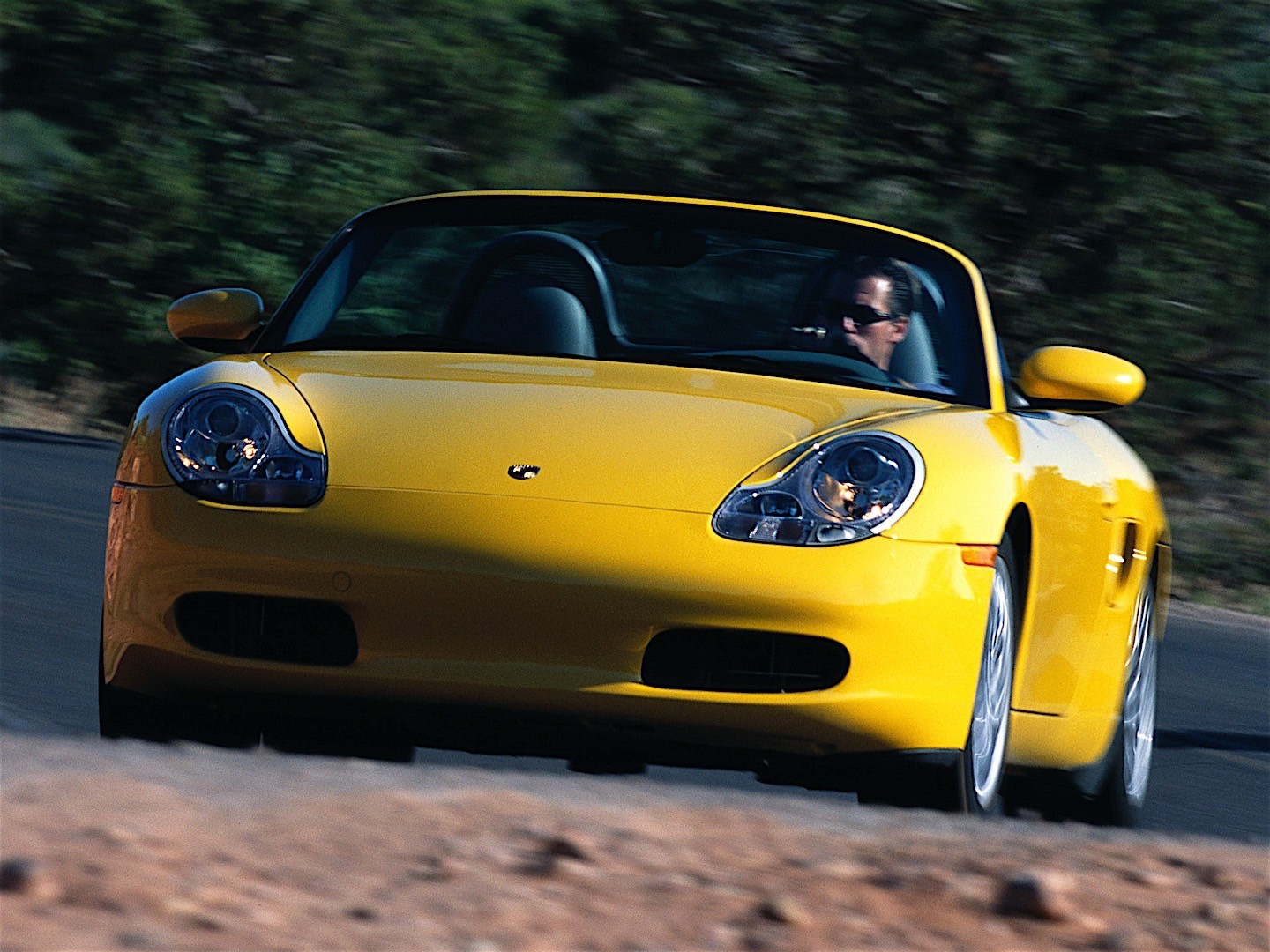
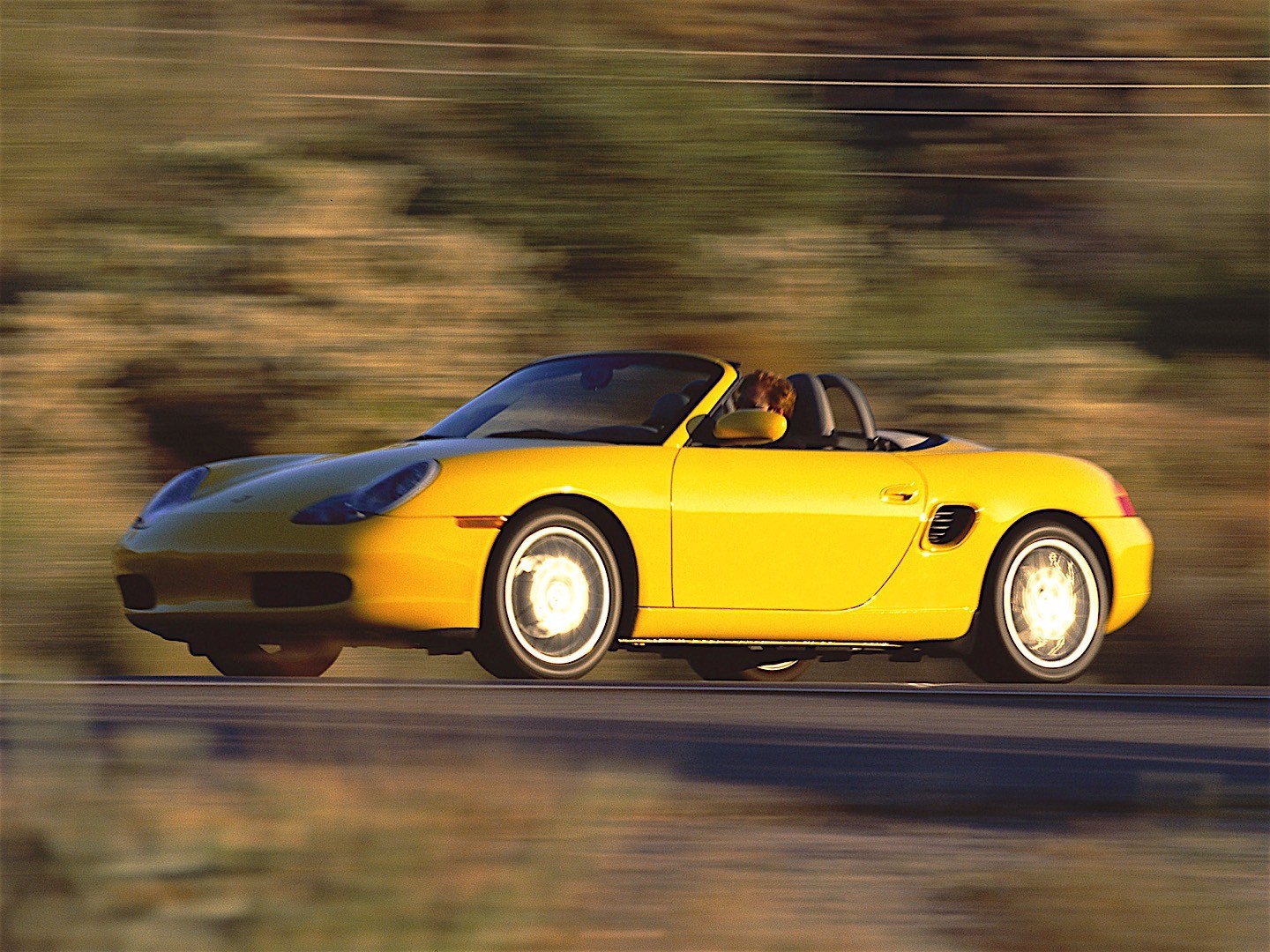
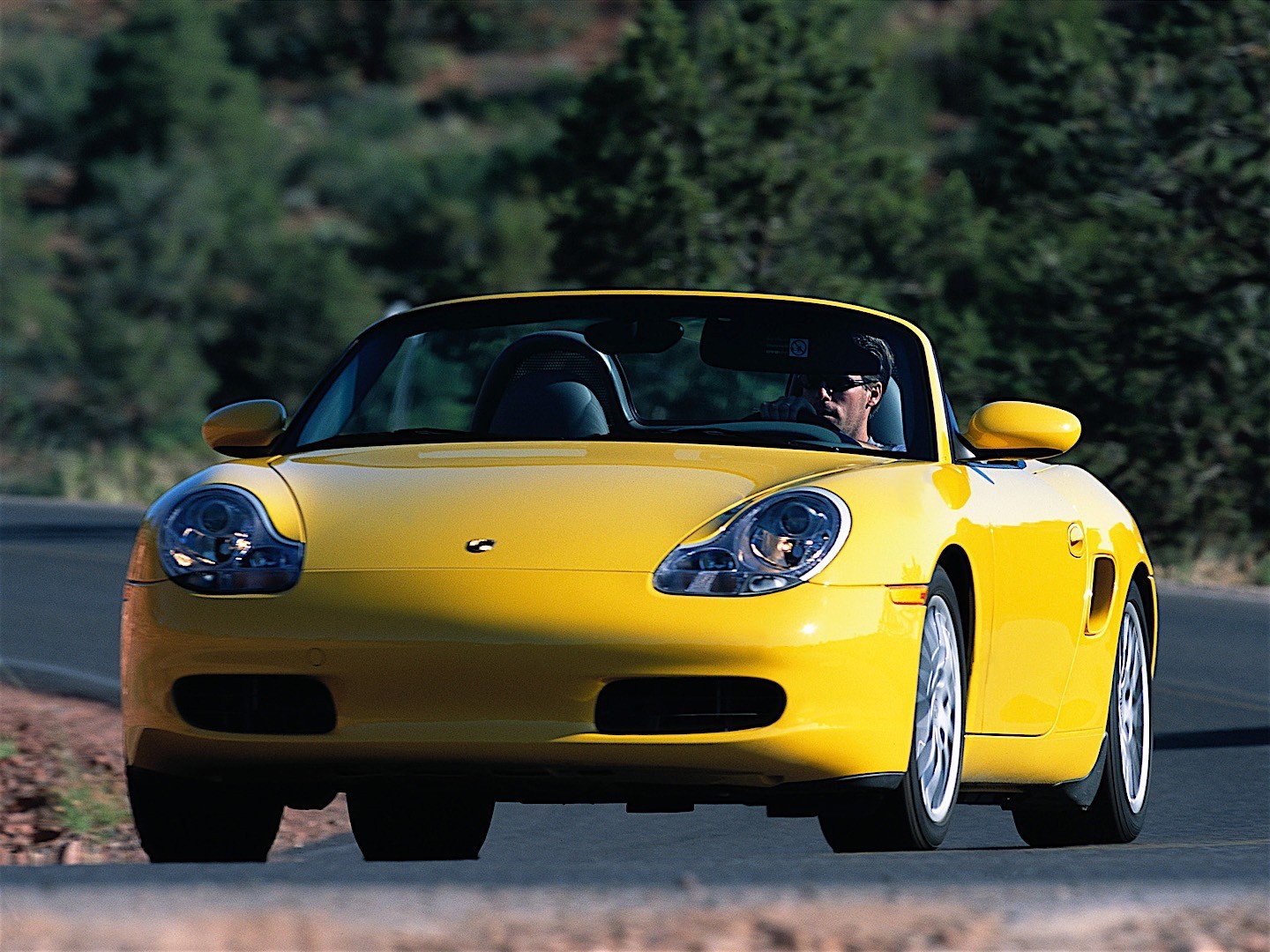
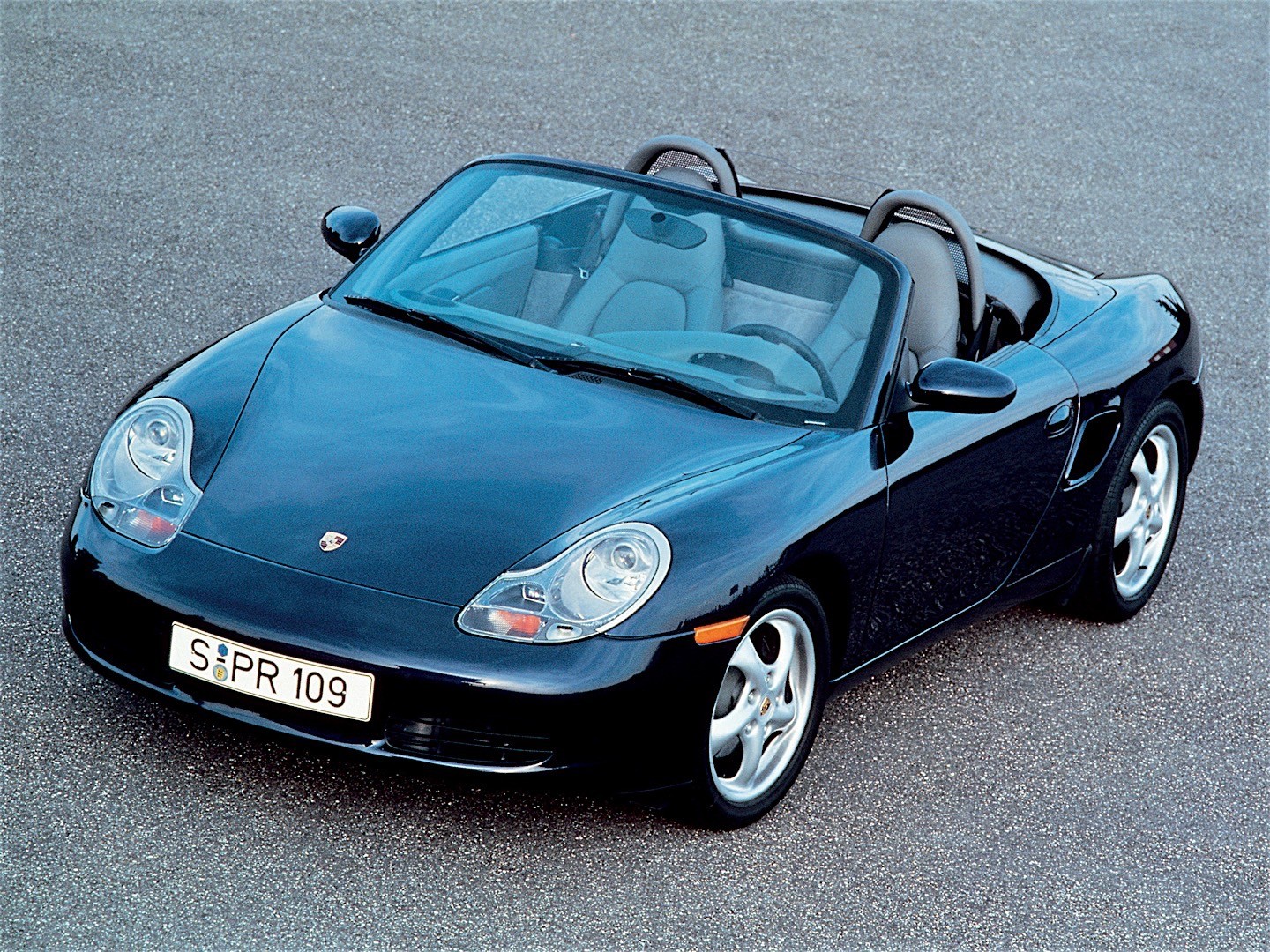
Porsche introduced the Boxster in late 1996, a roadster that instantly divided the carmaker’s fans between those who saw the car as a savior for the brand and those who saw it as a huge mistake.
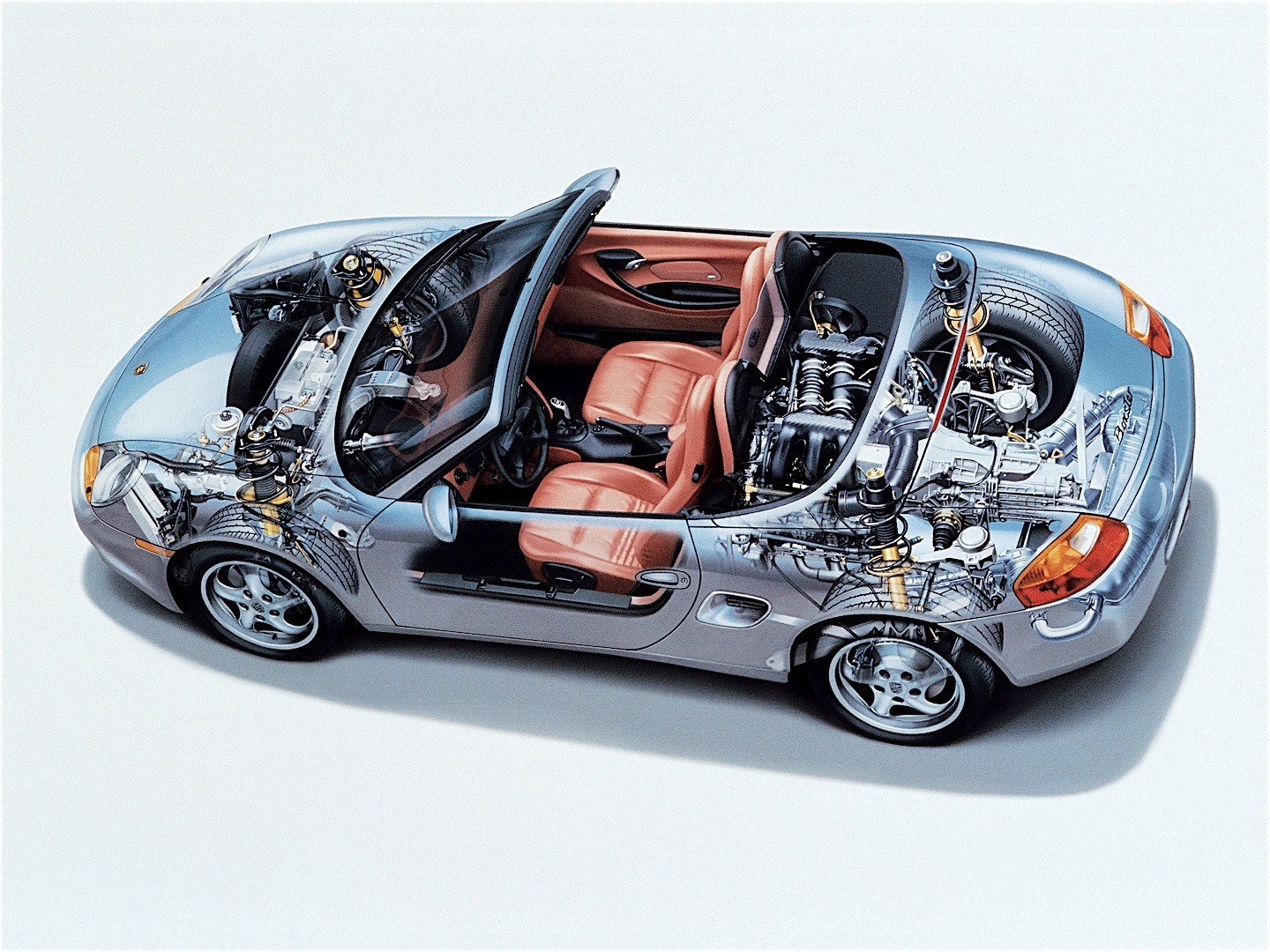
In the early ‘90s, Porsche was in deep financial trouble. Its lineup was aging. The 968 and the 928 were, basically, refreshed and enlarged versions of the late 1970s cars. Furthermore, to build those vehicles with front engines and rear-wheel drive, the automaker had to use a separate production line from the one used for the 911. After some talks with Toyota’s specialists, the small German sports car manufacturer understood that it needed a vehicle that could share some of its underpinnings with the 911 and sell it with a good profit. That was the Boxster, a vehicle designed to resemble the glorious 550 Spyder and the roadster that boosted the carmaker’s sales. It was more affordable than the 911, and it could provide a similar driving experience.
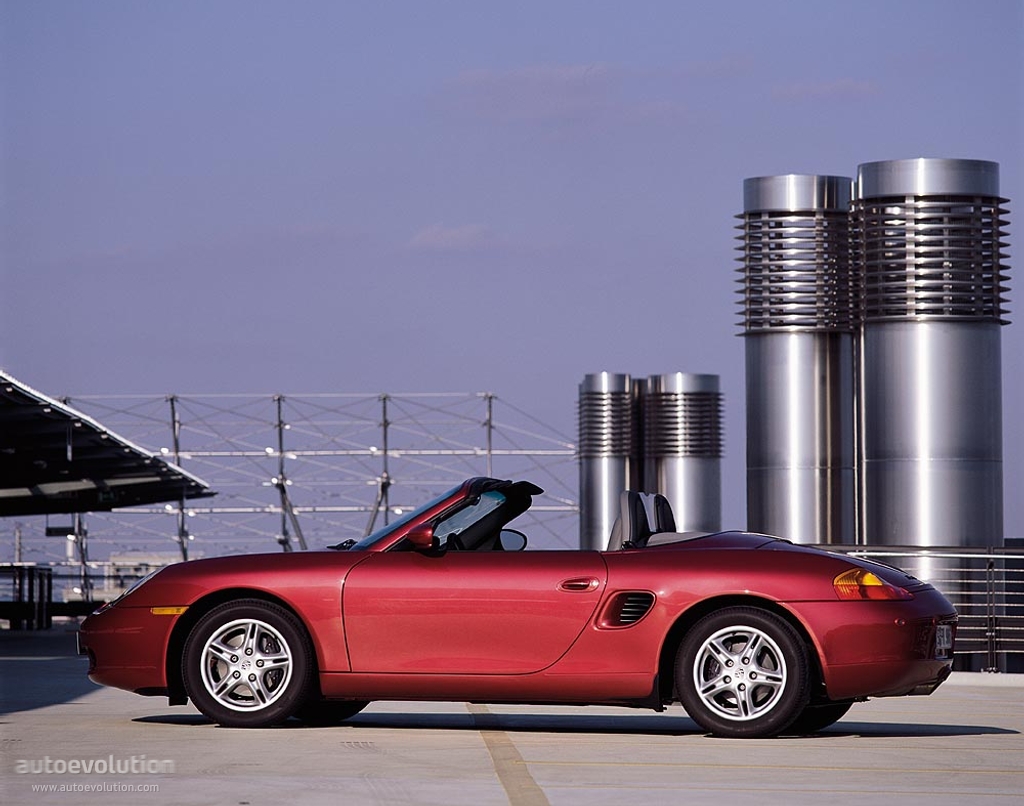
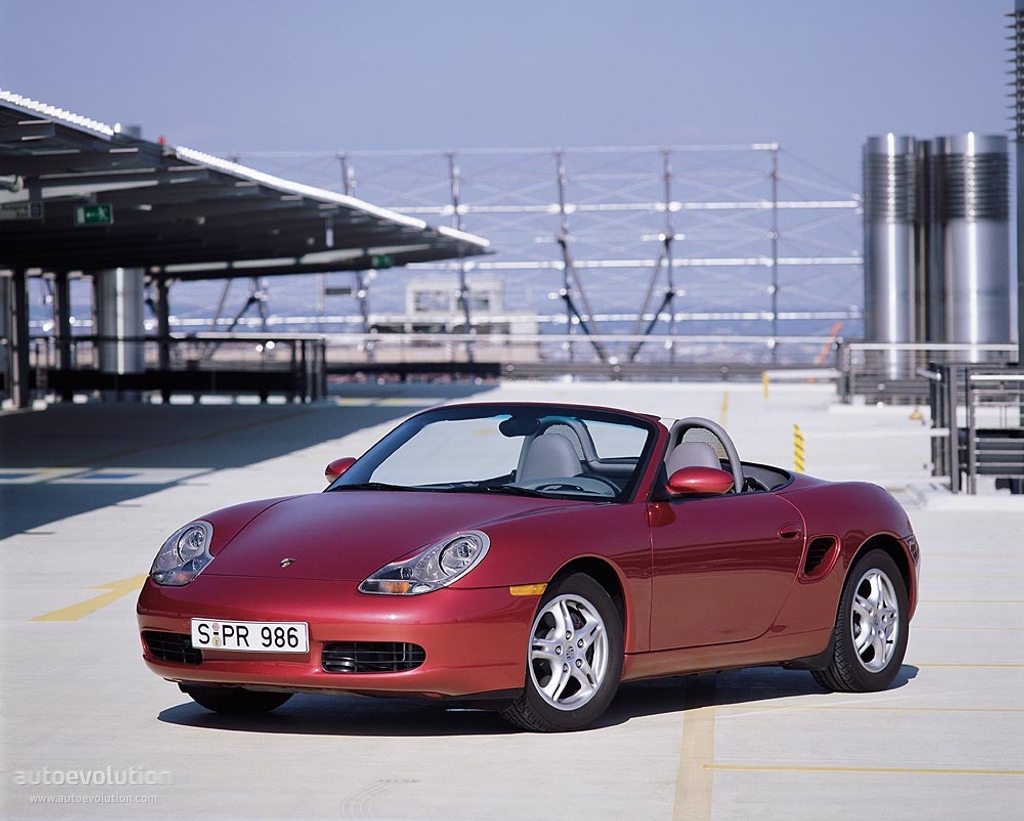
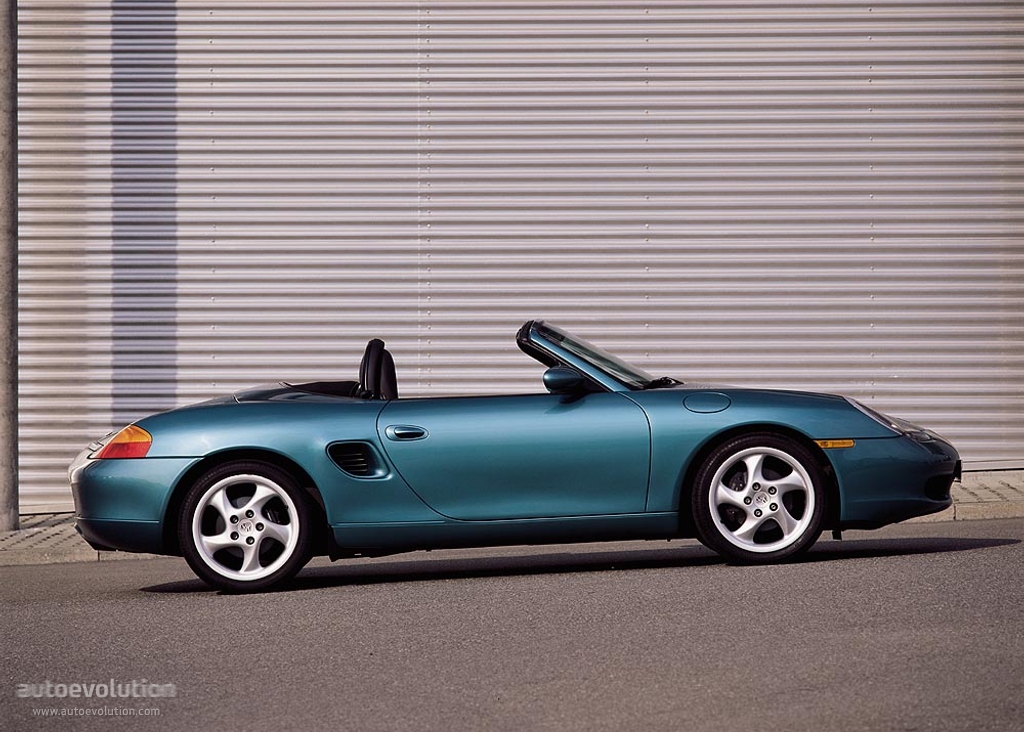
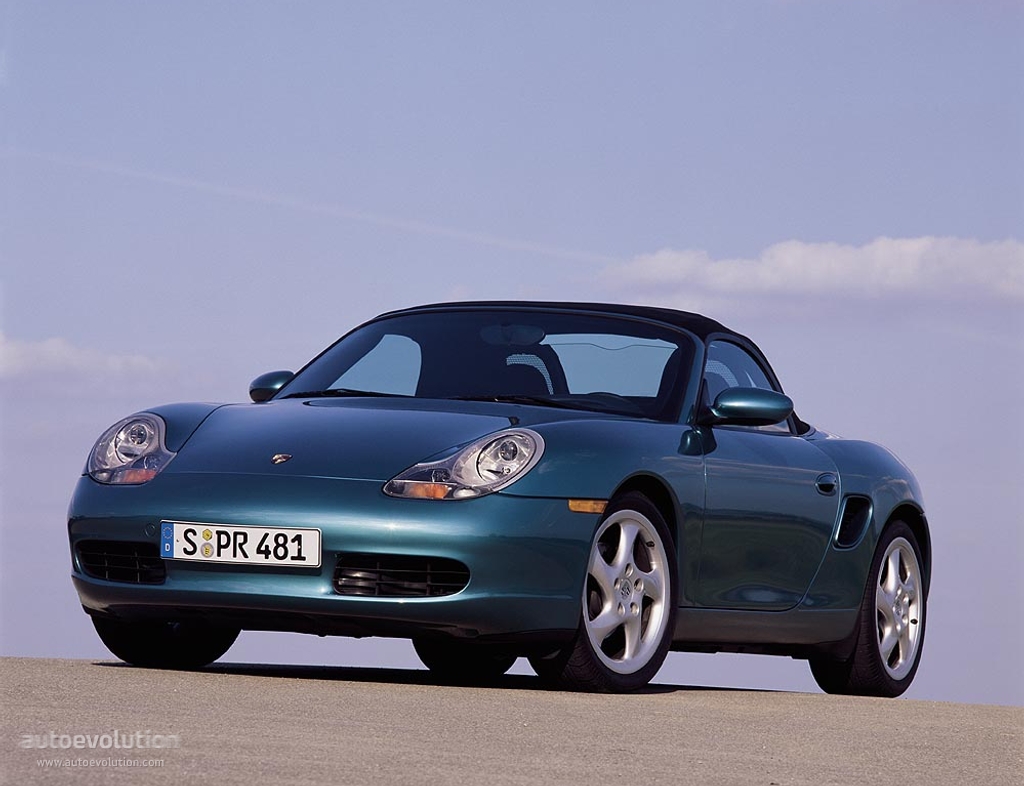
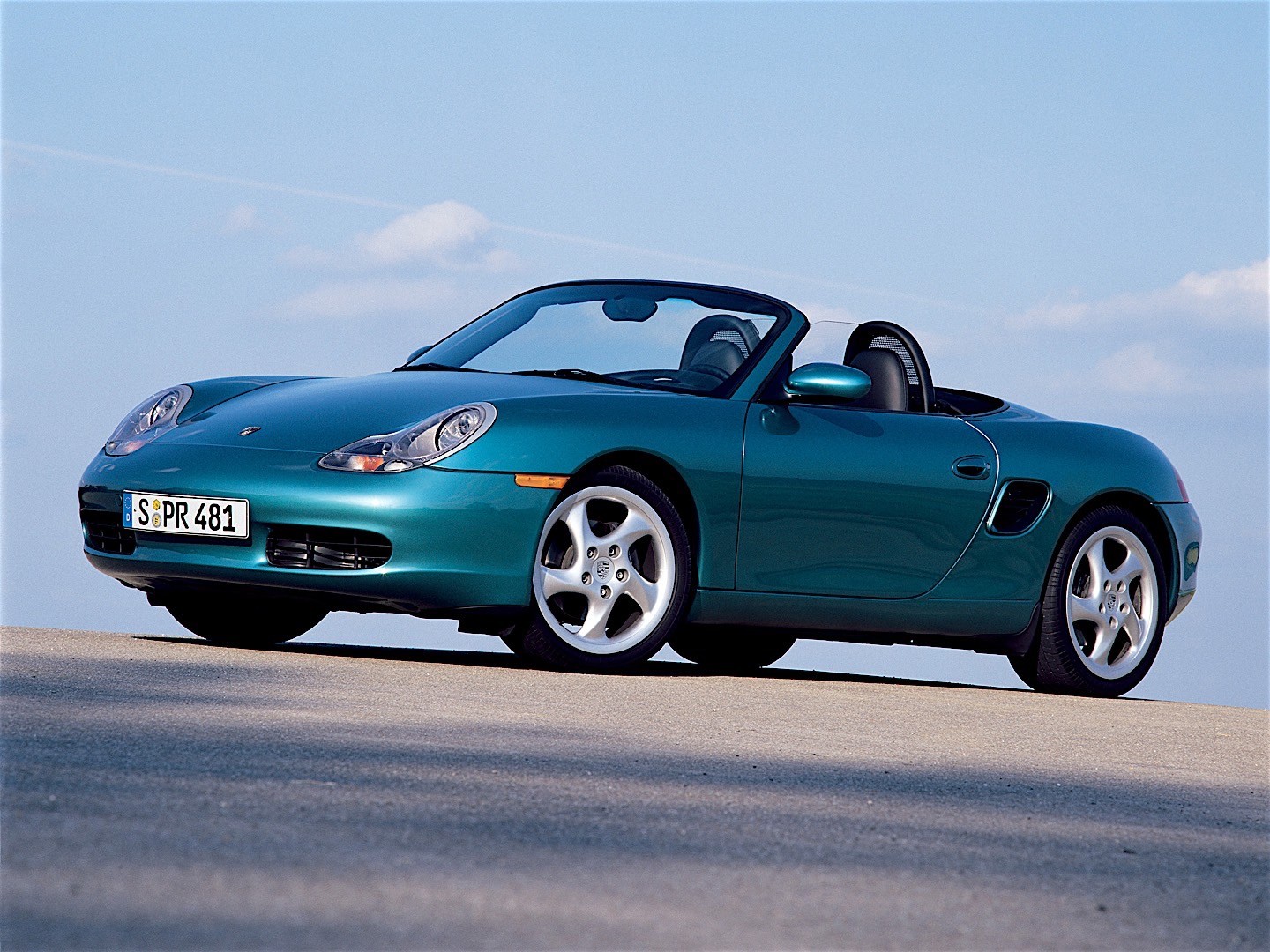
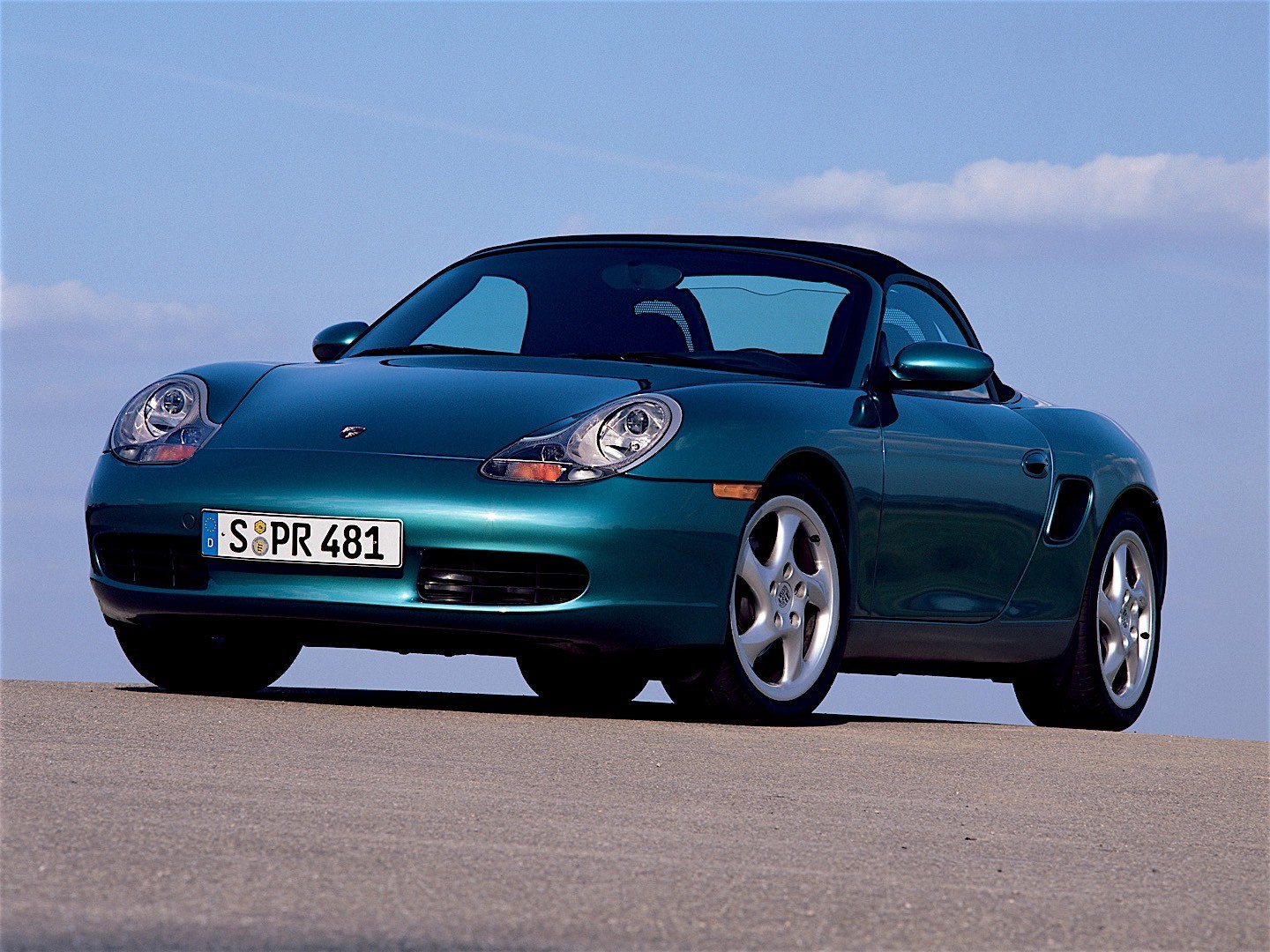
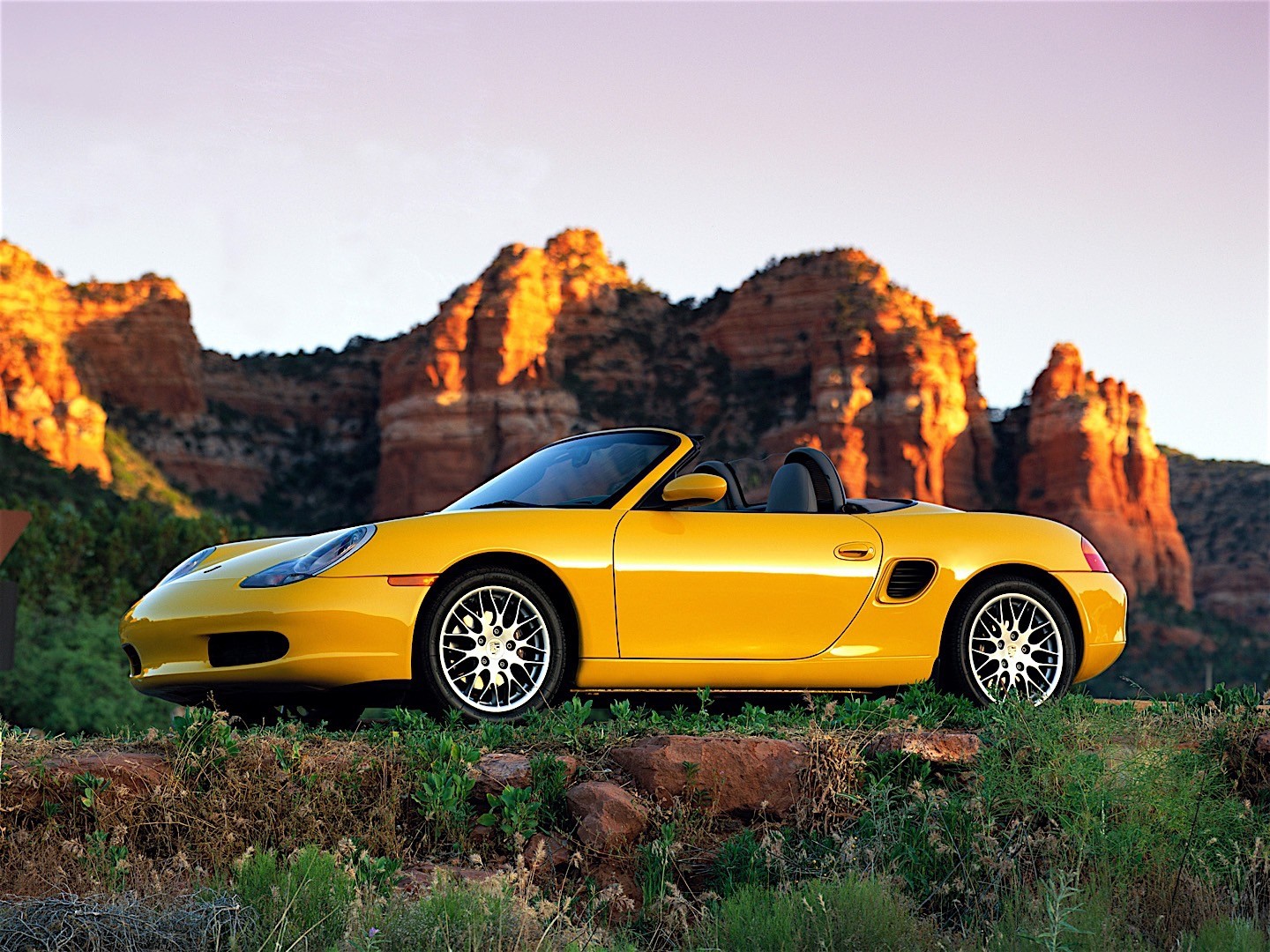
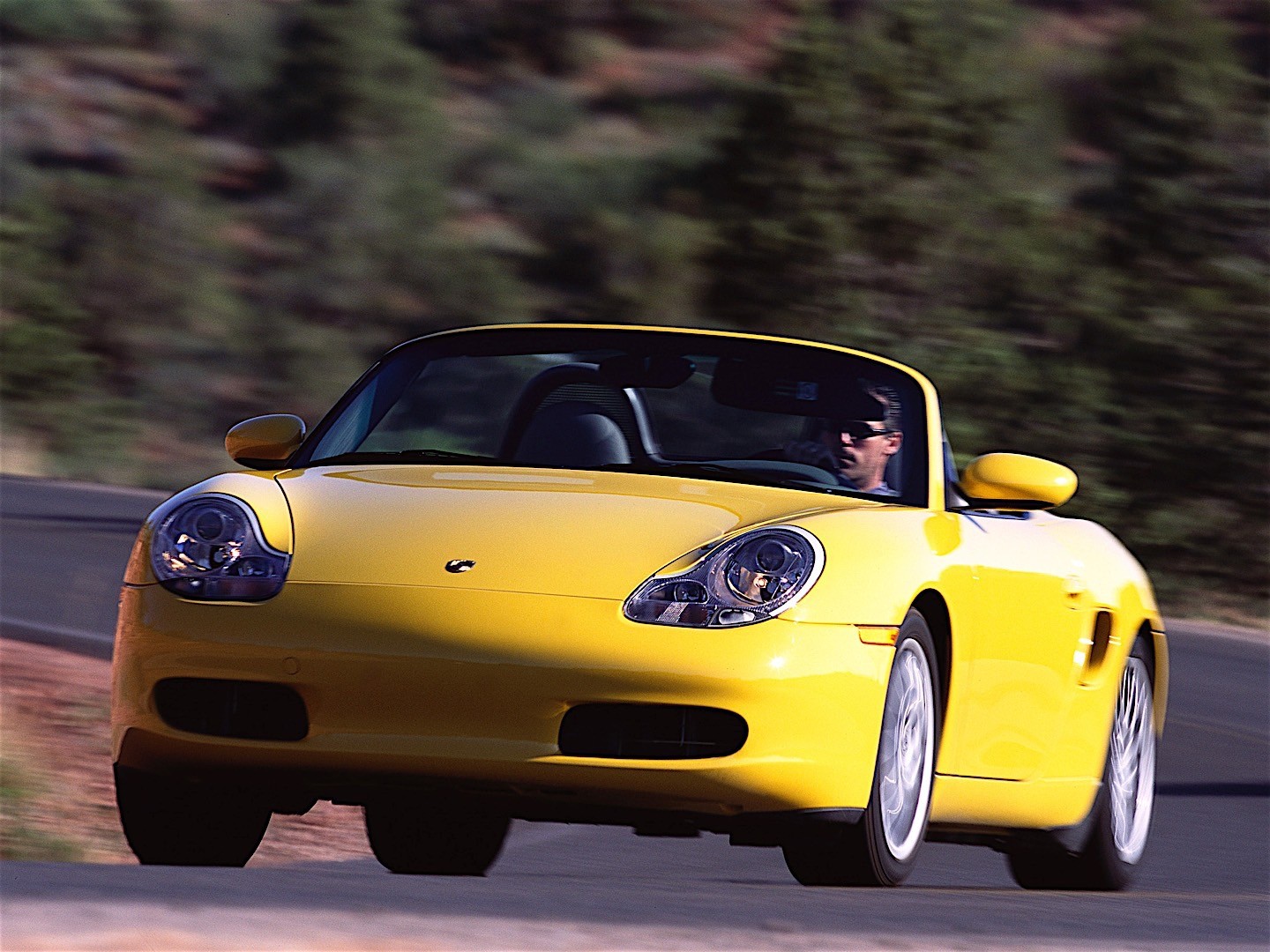
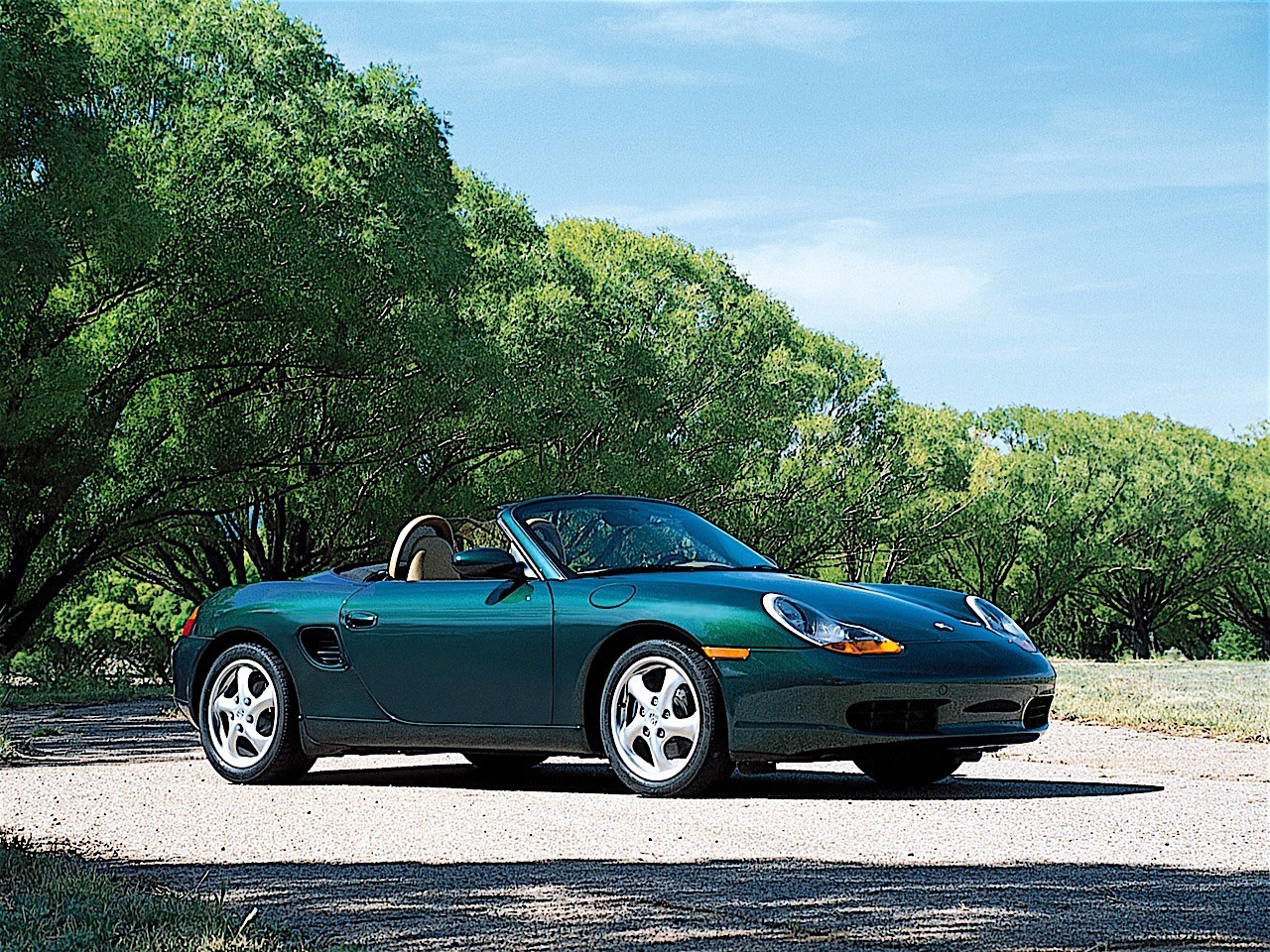
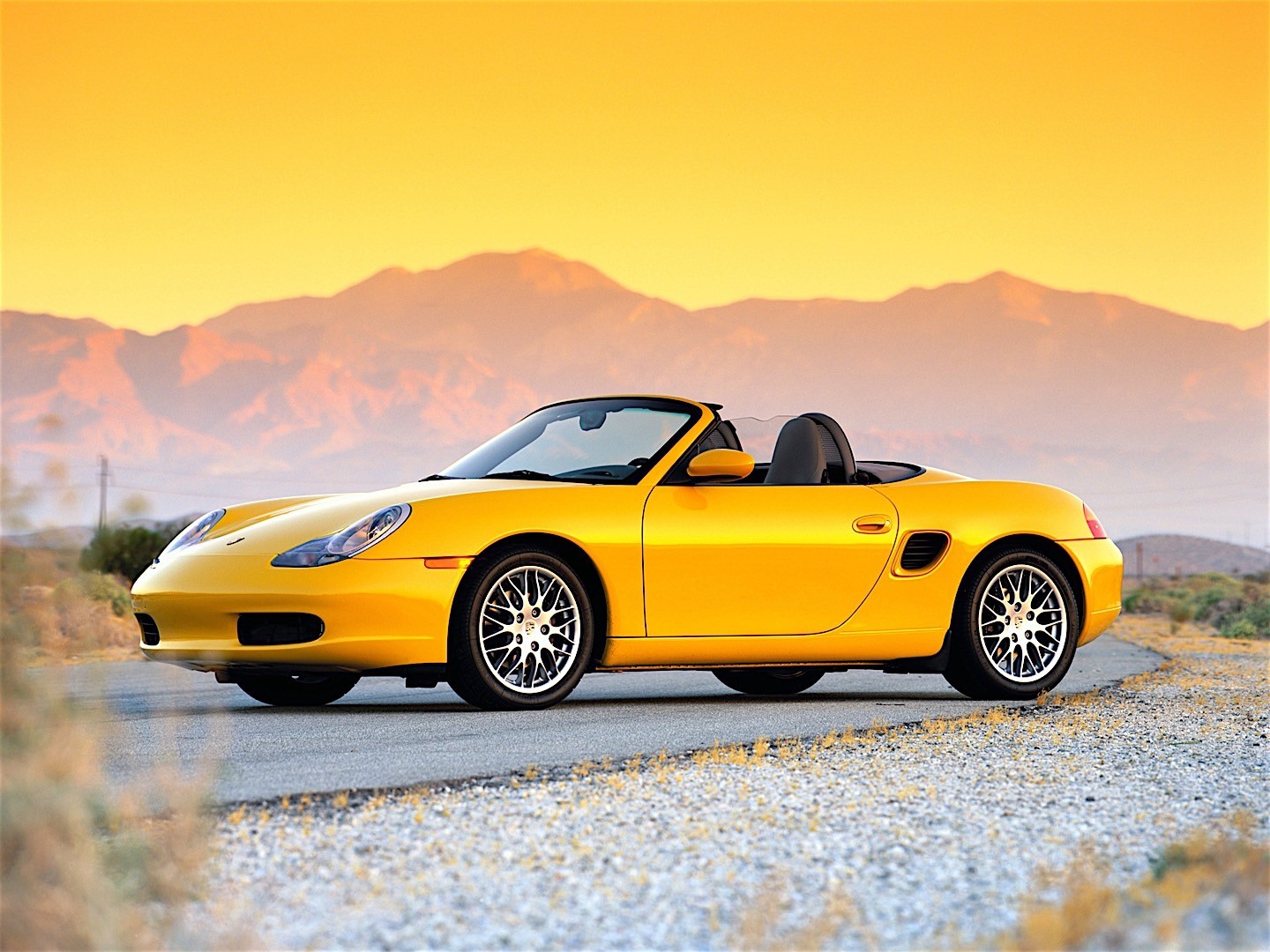
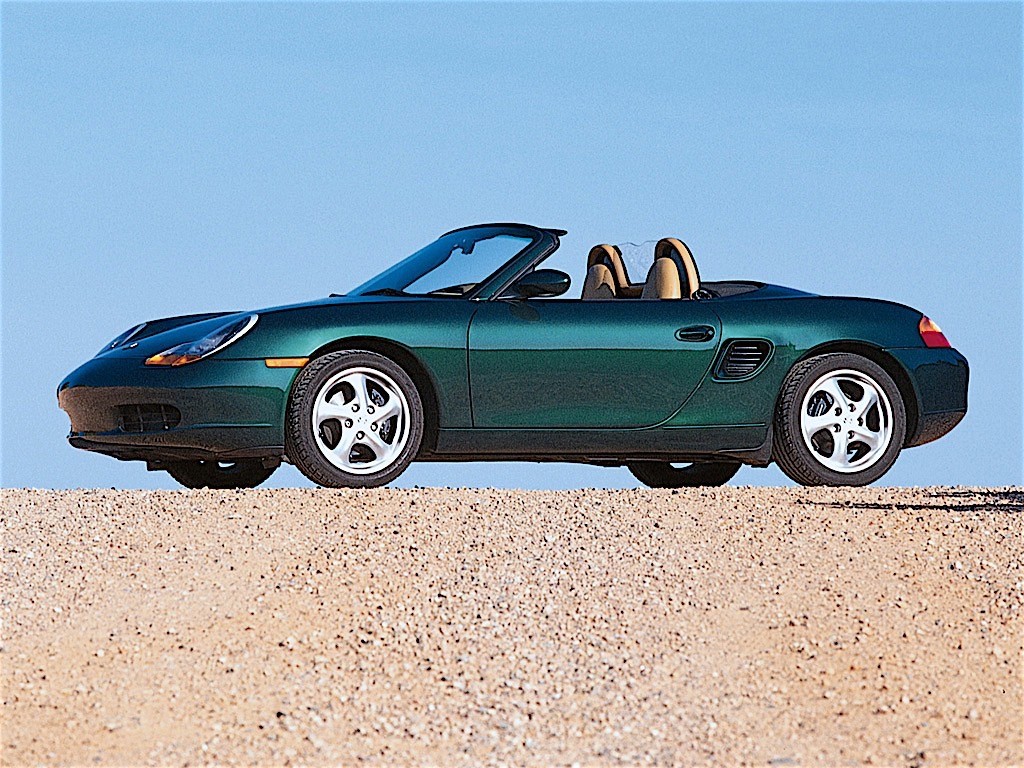
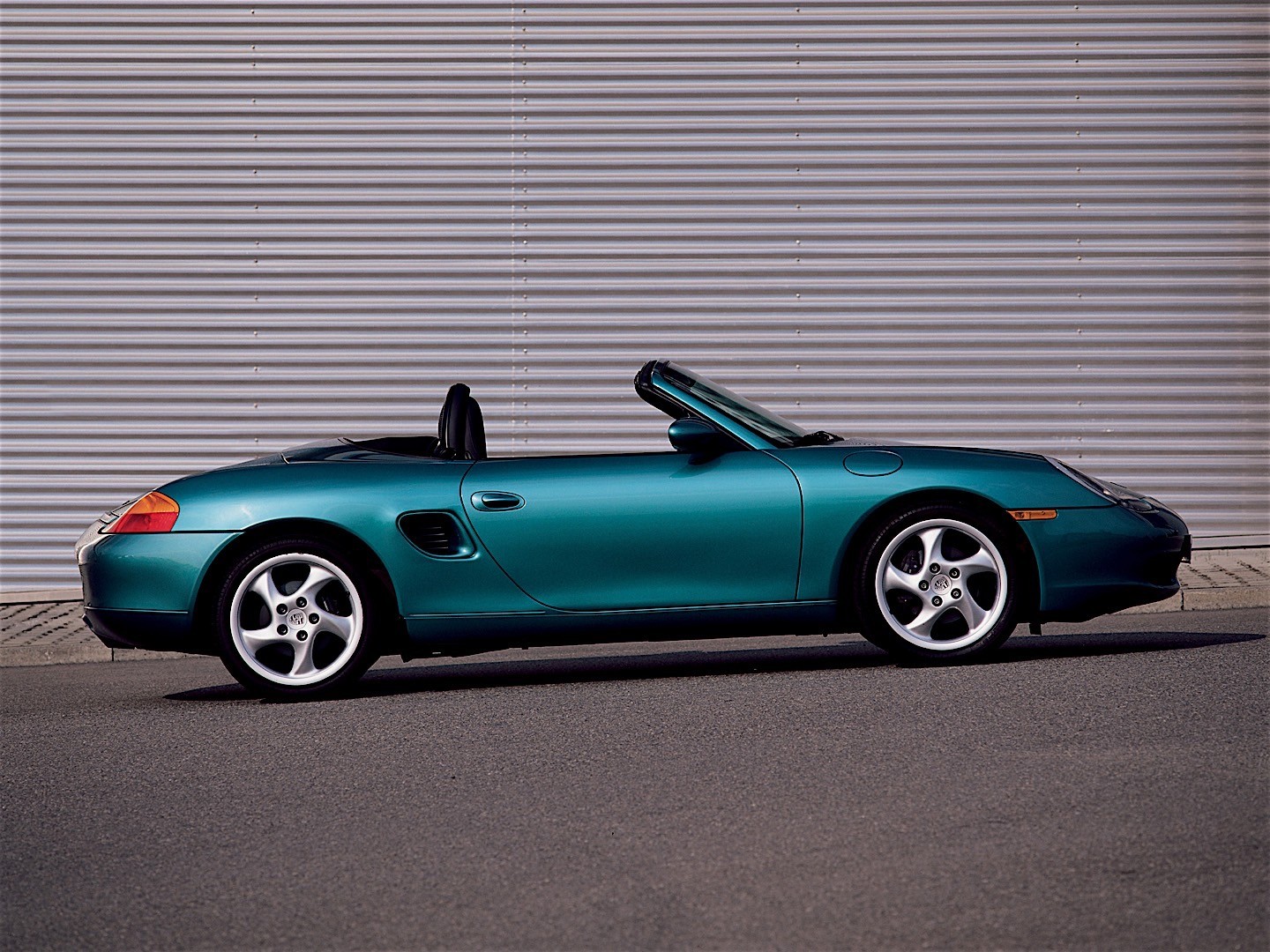
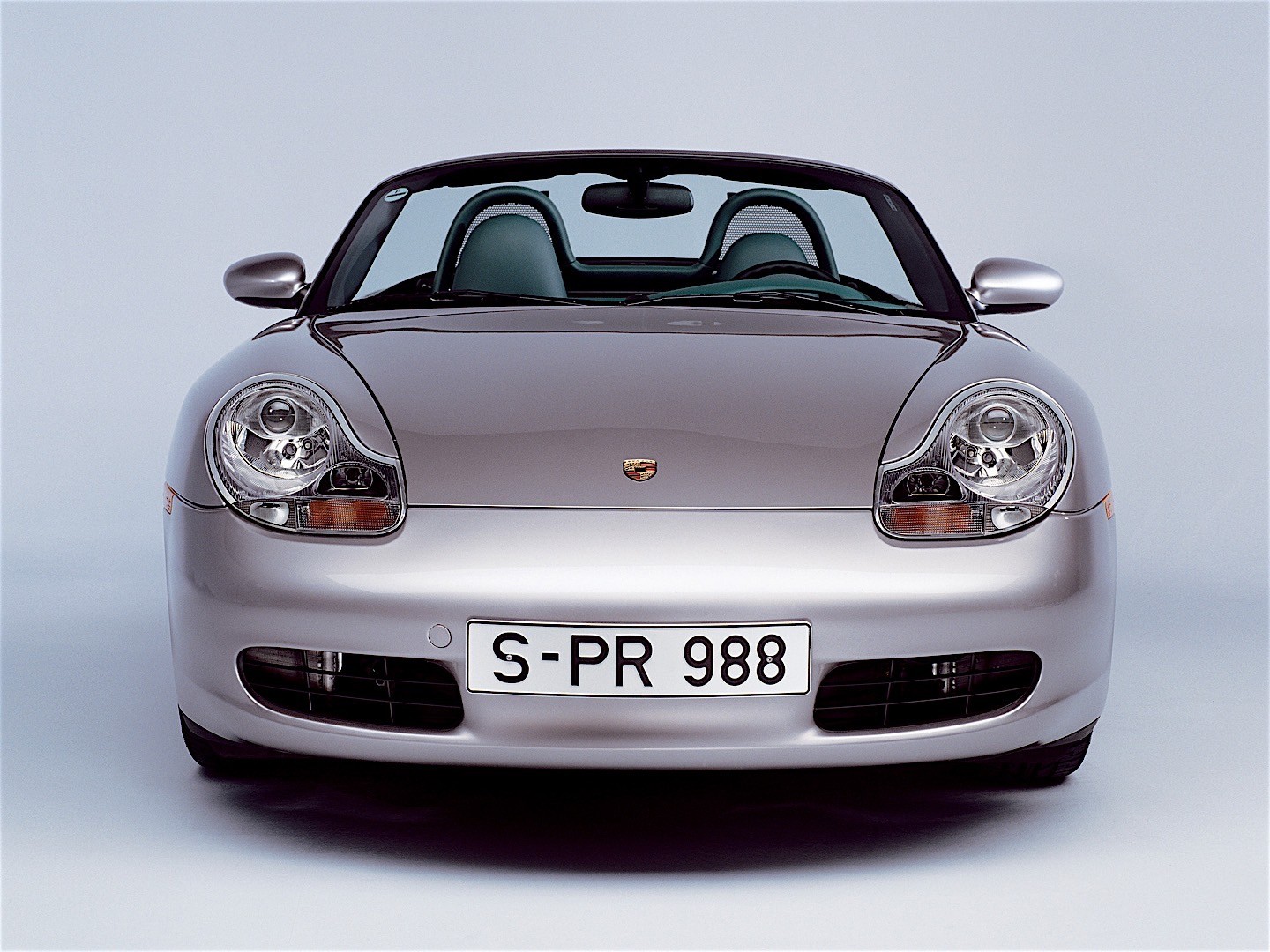
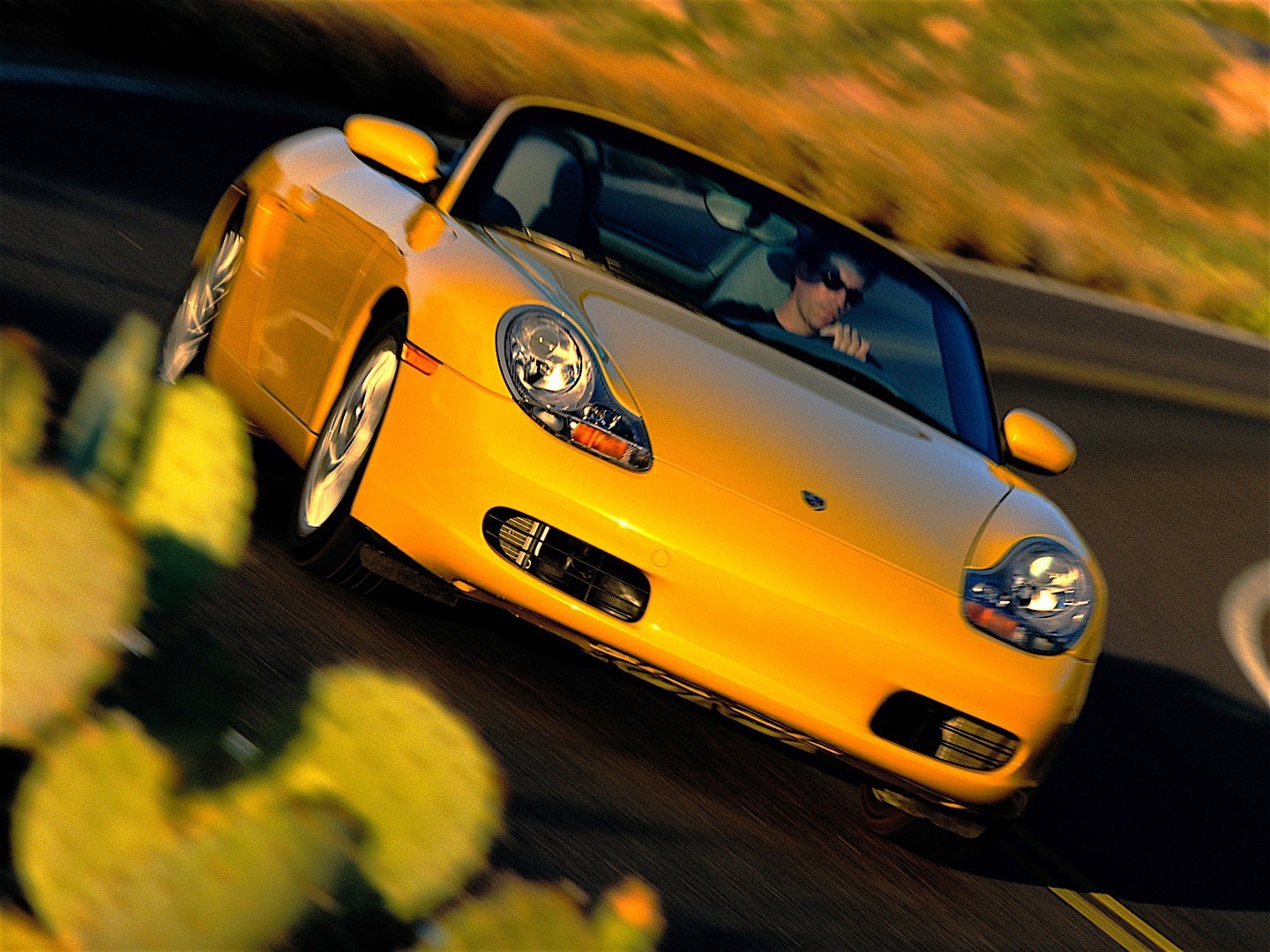
Up front, any fan could notice the headlights with a look inspired by the 911 (996 generation). They were rounded on the upper sides and featured horizontal turn signals at their bottom. Porsche installed a wrapped-around plastic bumper that featured a pair of air intakes on the lower side, in the apron. Since there was no engine up front, like in the 968, the car had a low nose and a front trunk under the lid that sported the Porsche badge.
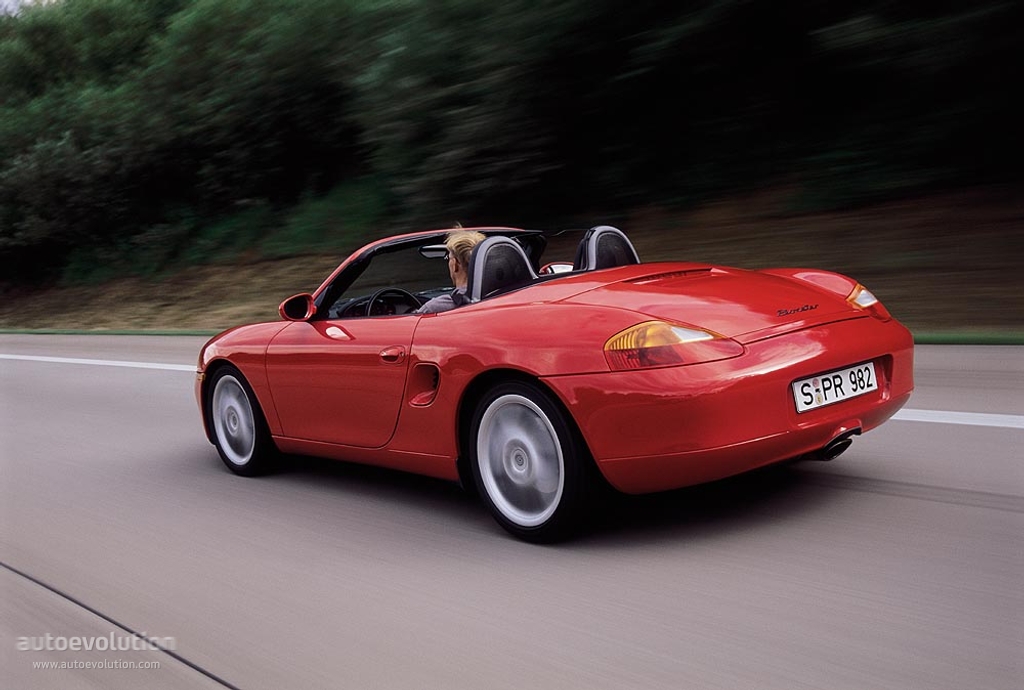
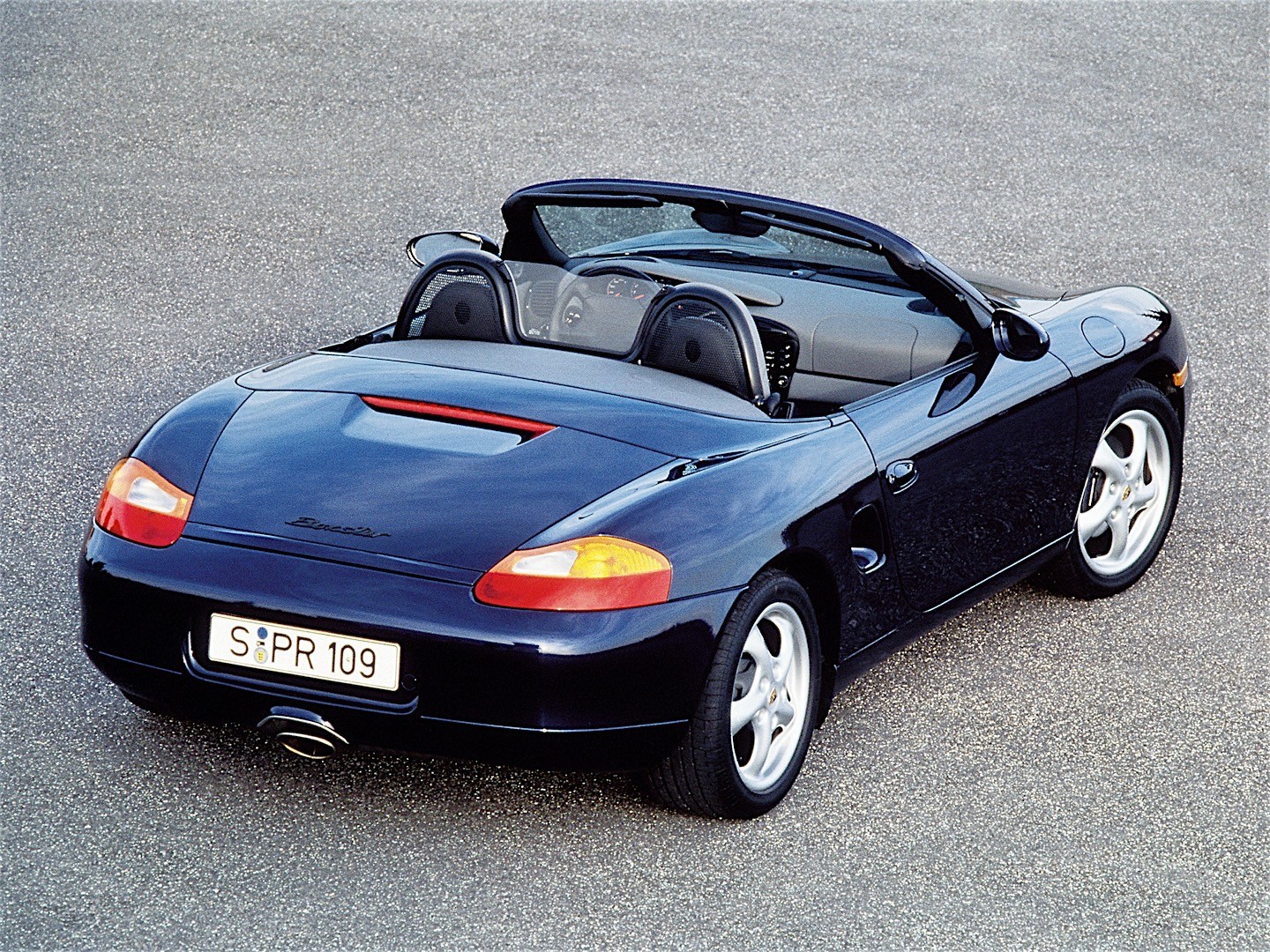
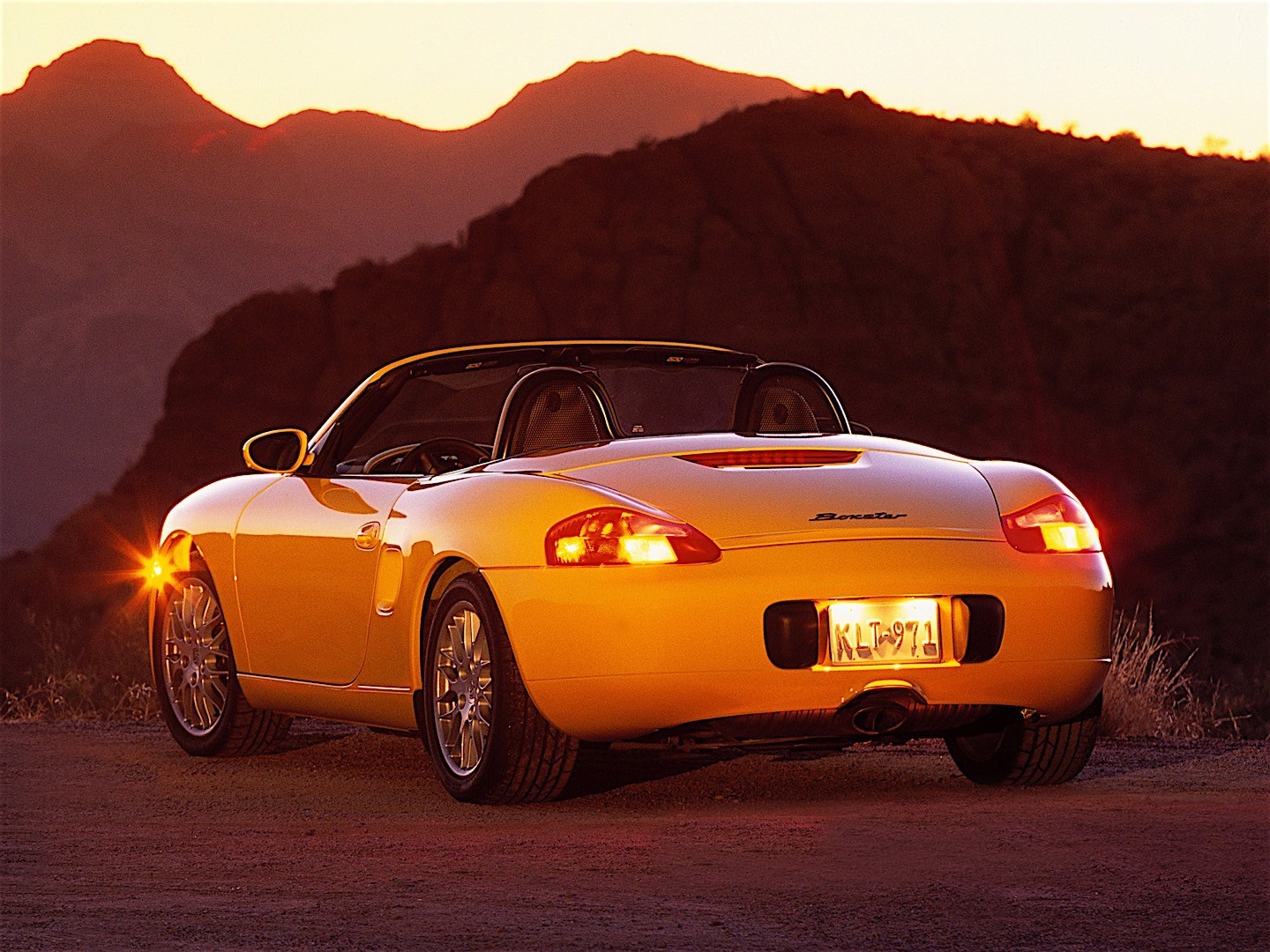
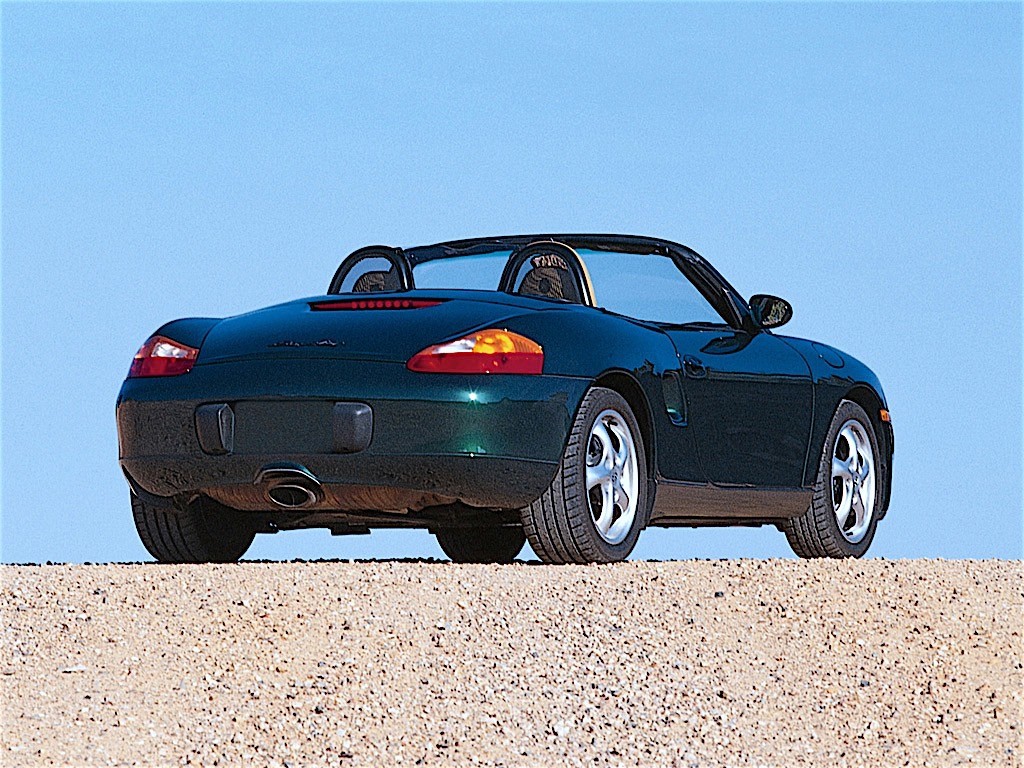
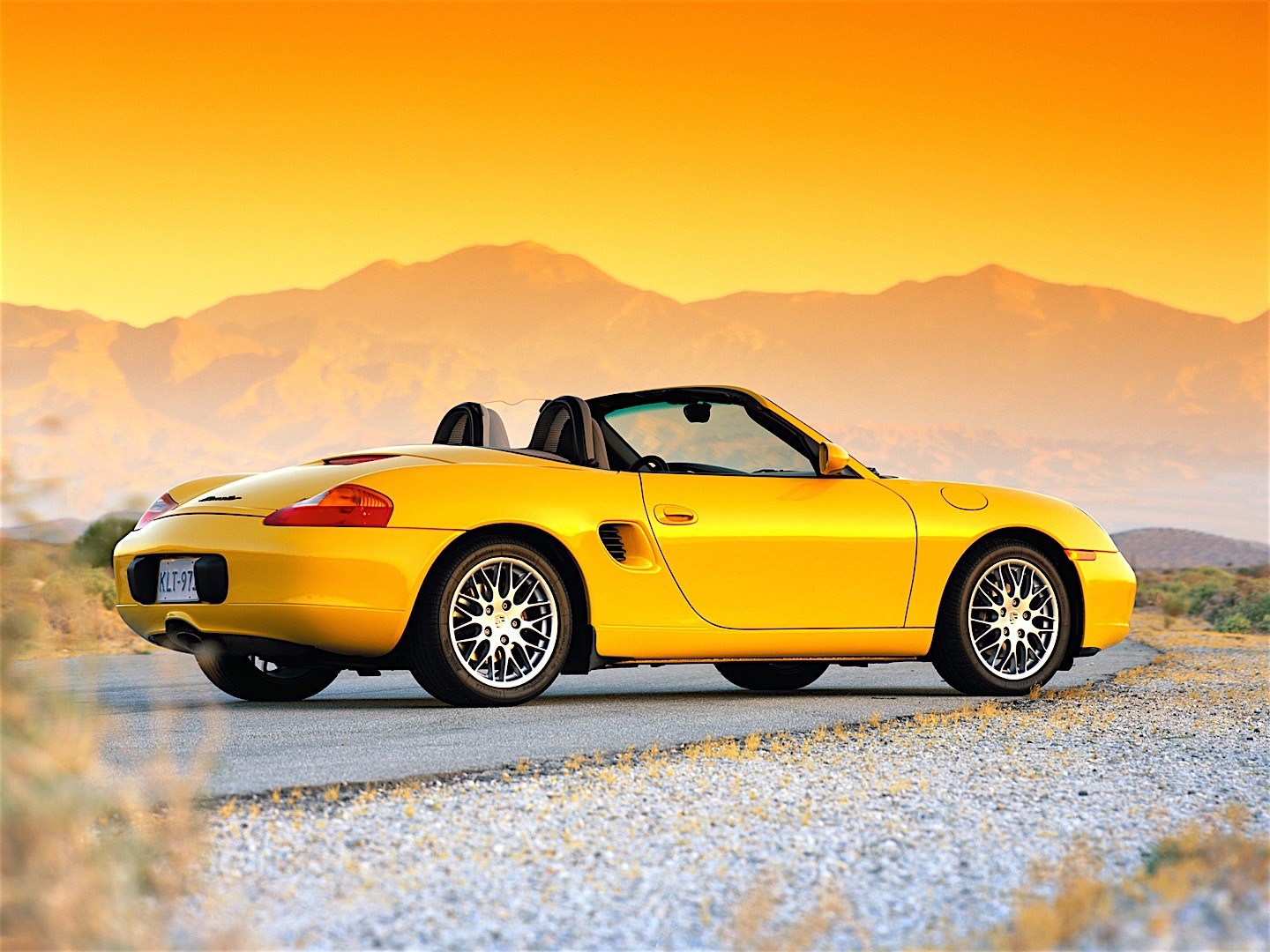
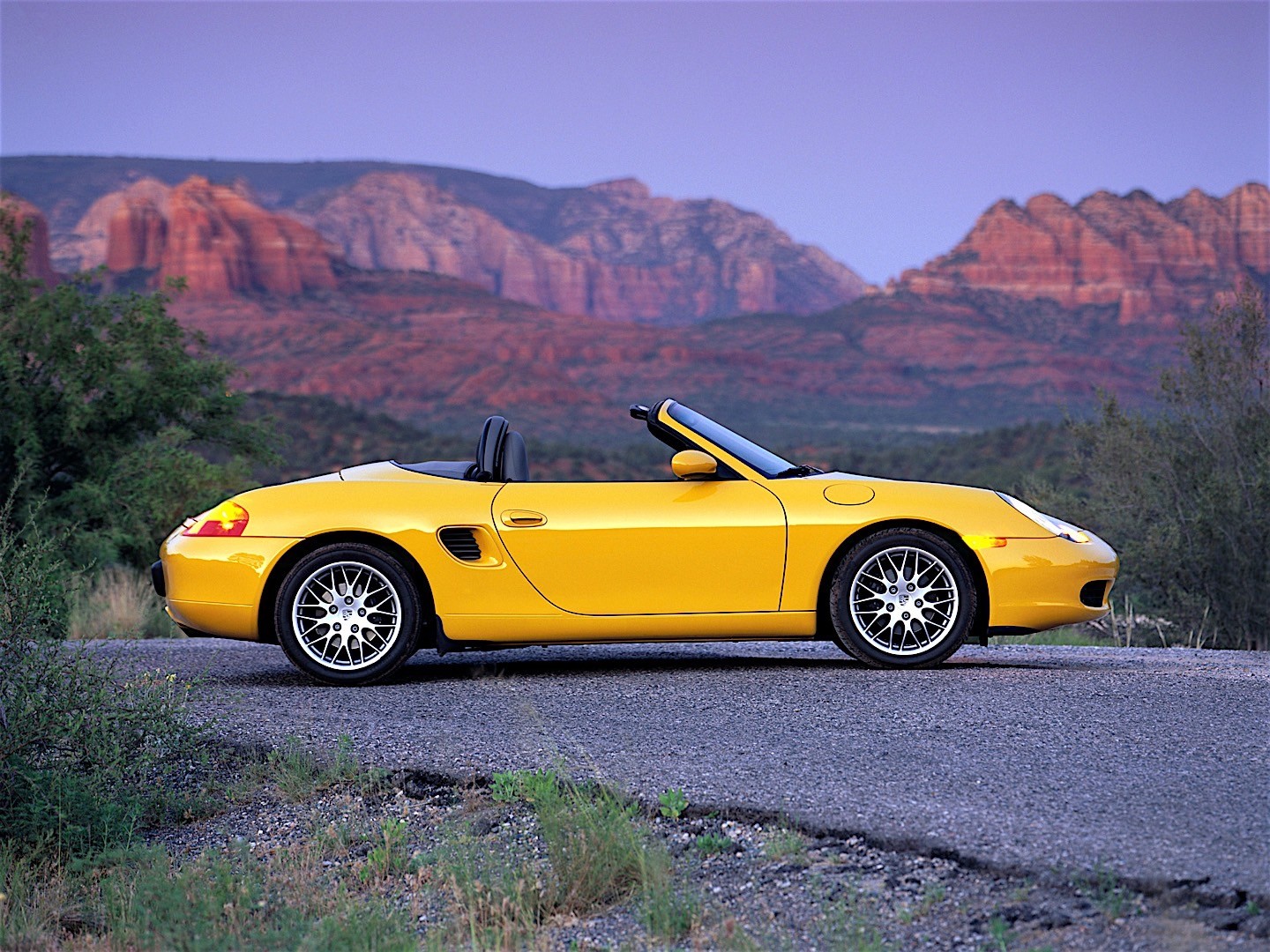
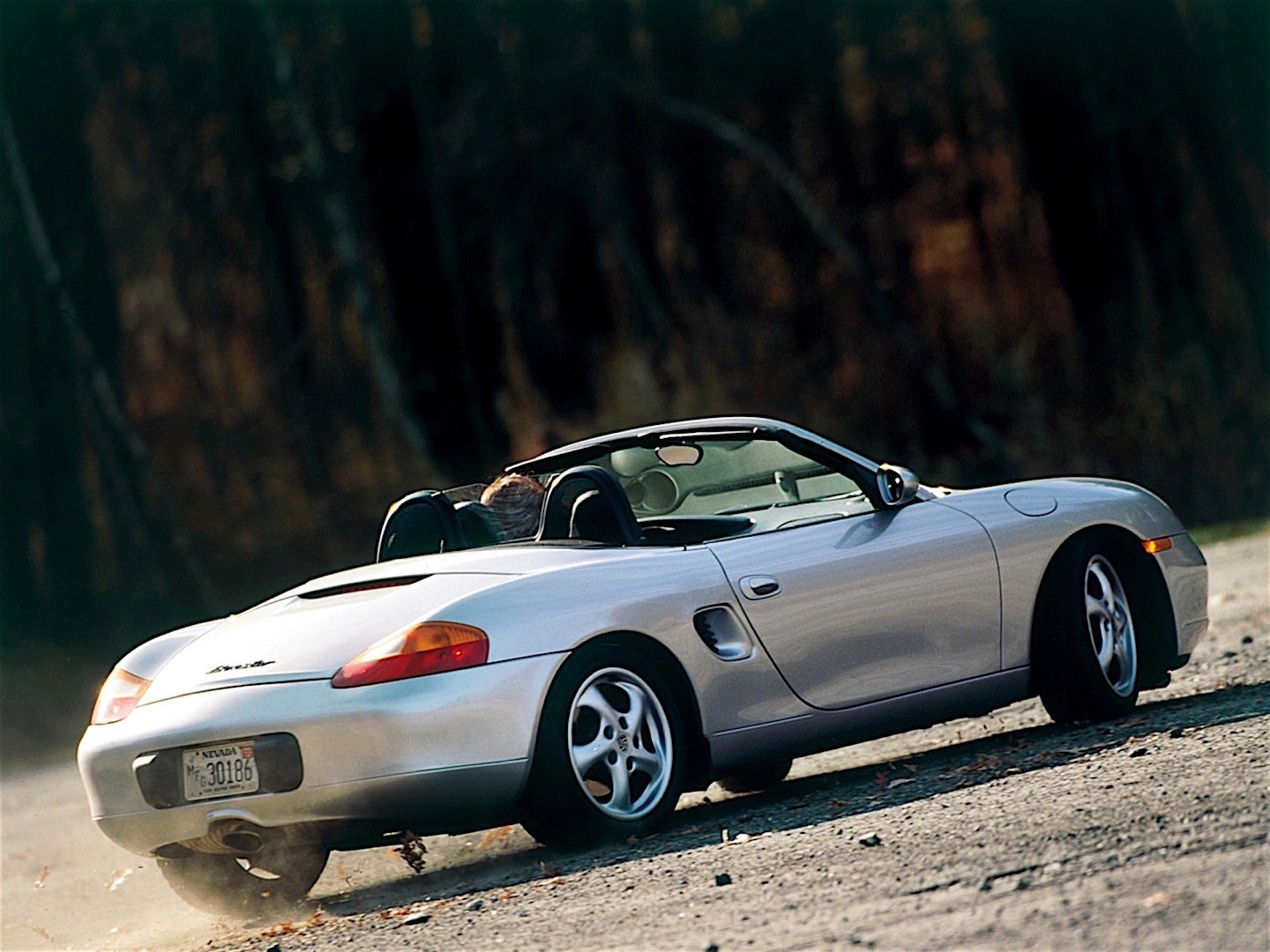
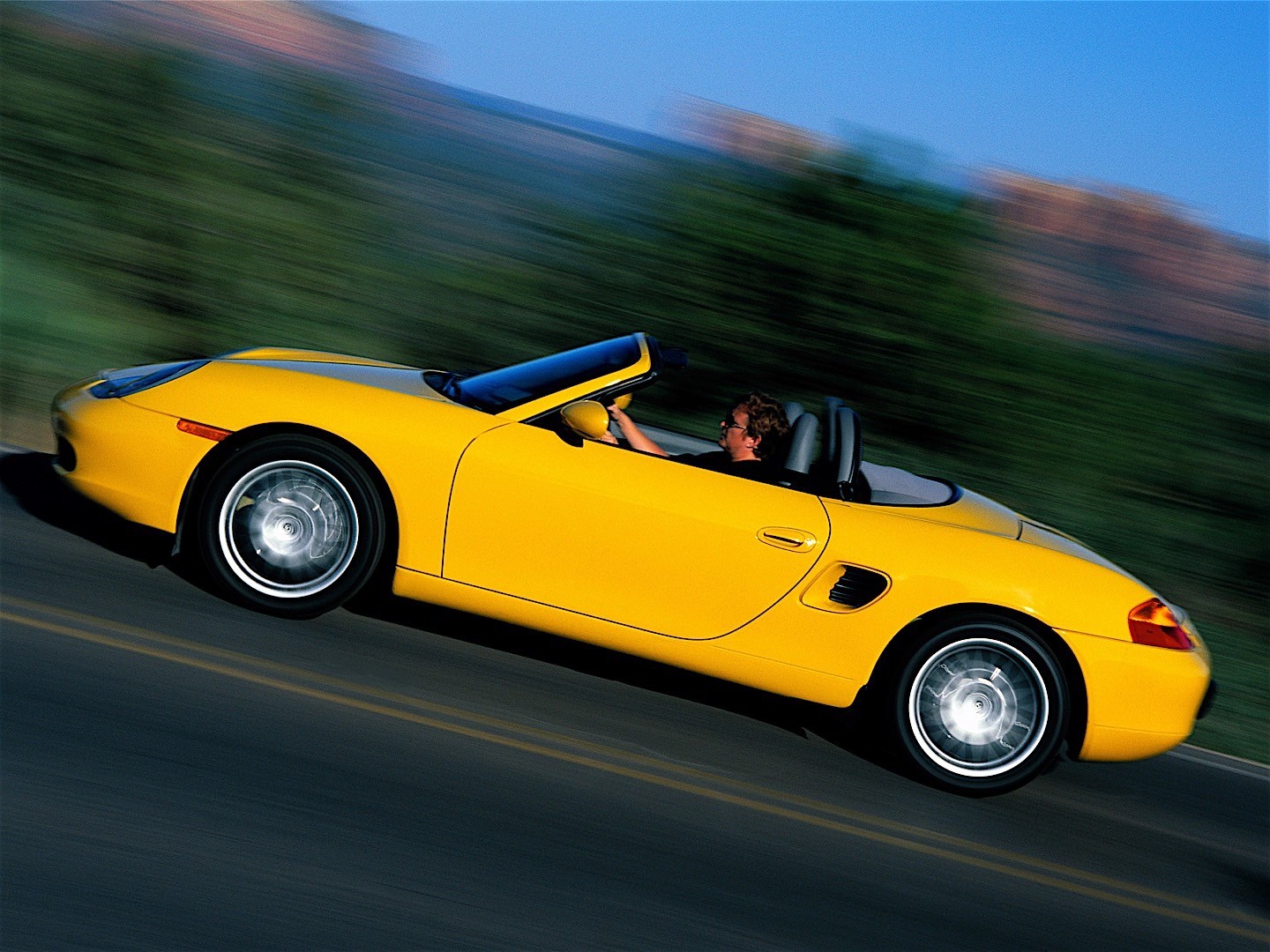
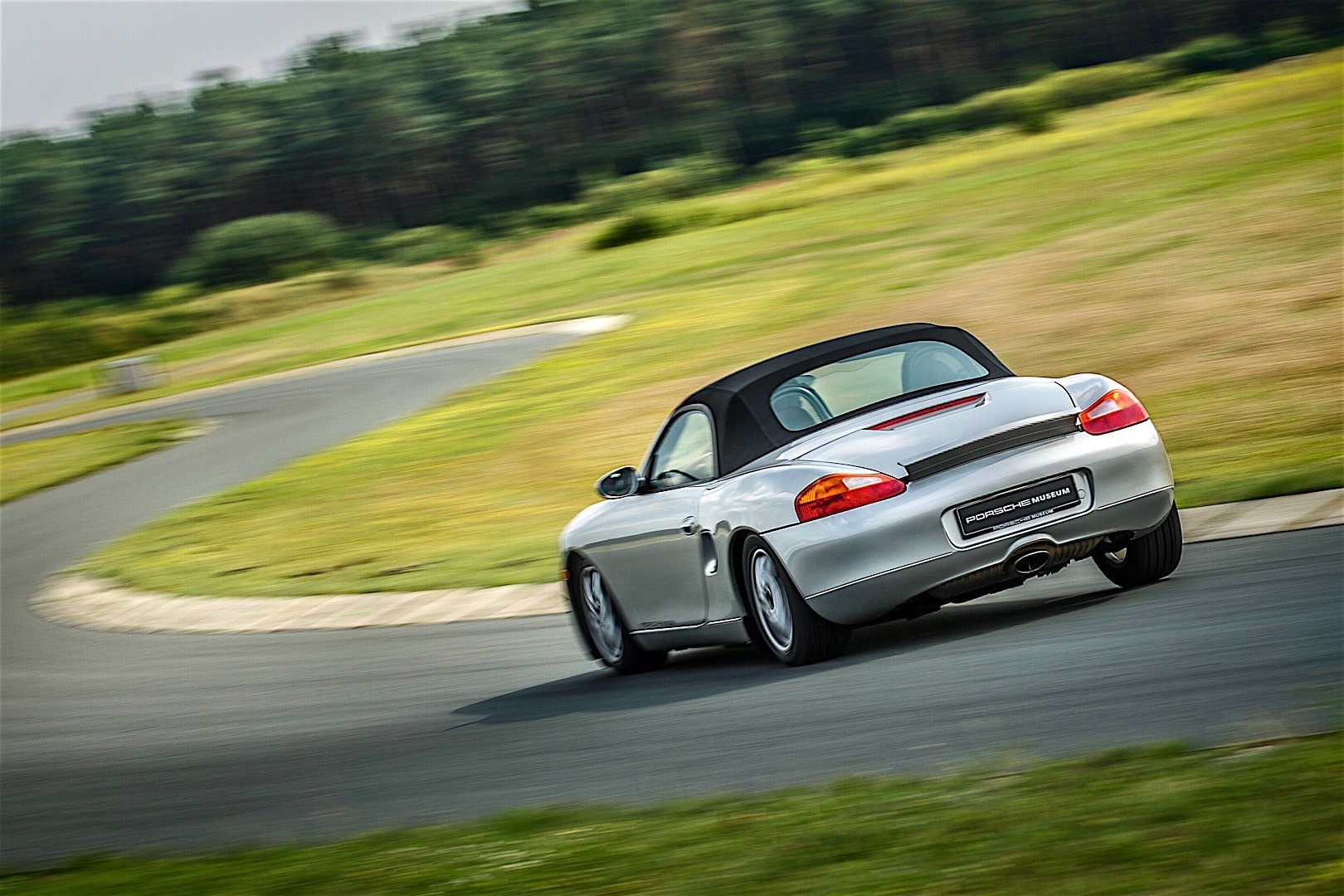
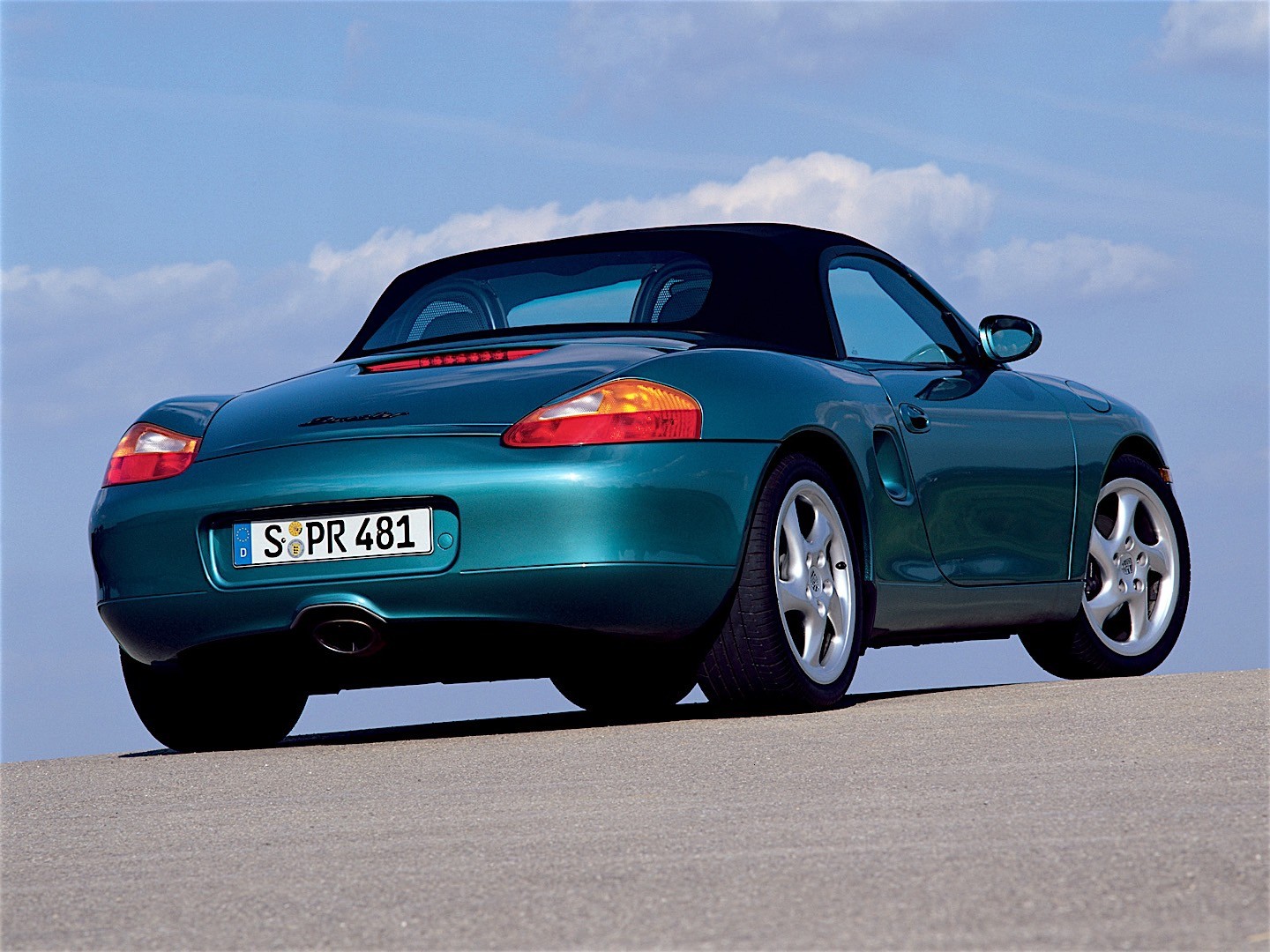
Porsche offered the Boxster exclusively as an open-top affair. Its rounded shapes up front resembled the 911. Furthermore, it even featured a front-mounted tank with a fuel filler cap on the right fender. Moving on to the sides, the roadster had a raked windshield with thick A-pillars. Behind the cabin, the automaker installed a pair of safety arches behind each seat. Since the car had the engine placed behind the cockpit, the automaker had to install air intakes on the sides, between the curved doors and the rear wheel arches, on the quarter panels. Finally, at the back, the sloped-down engine lid was curved, and the third brake light was sported at the top. At the bottom, it was flanked by the corner-mounted taillights. Underneath the rear wrapped-around plastic bumper, Porsche installed a single exhaust in the middle, adorned by an oval-shaped tip.
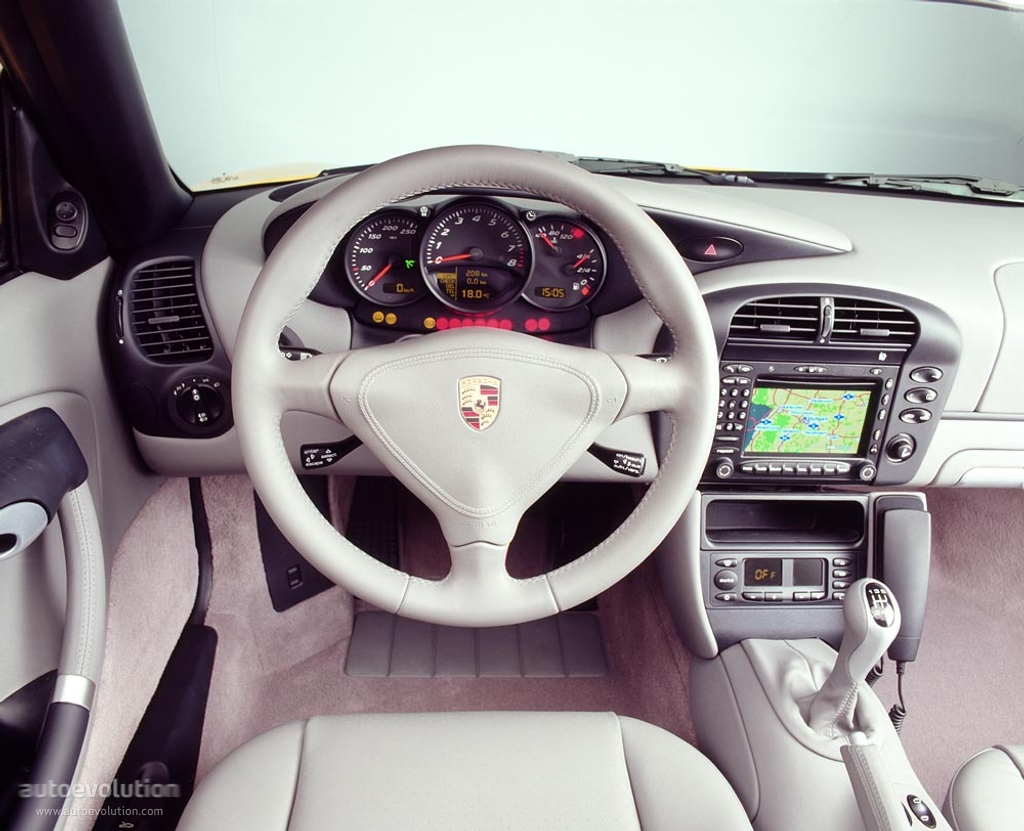
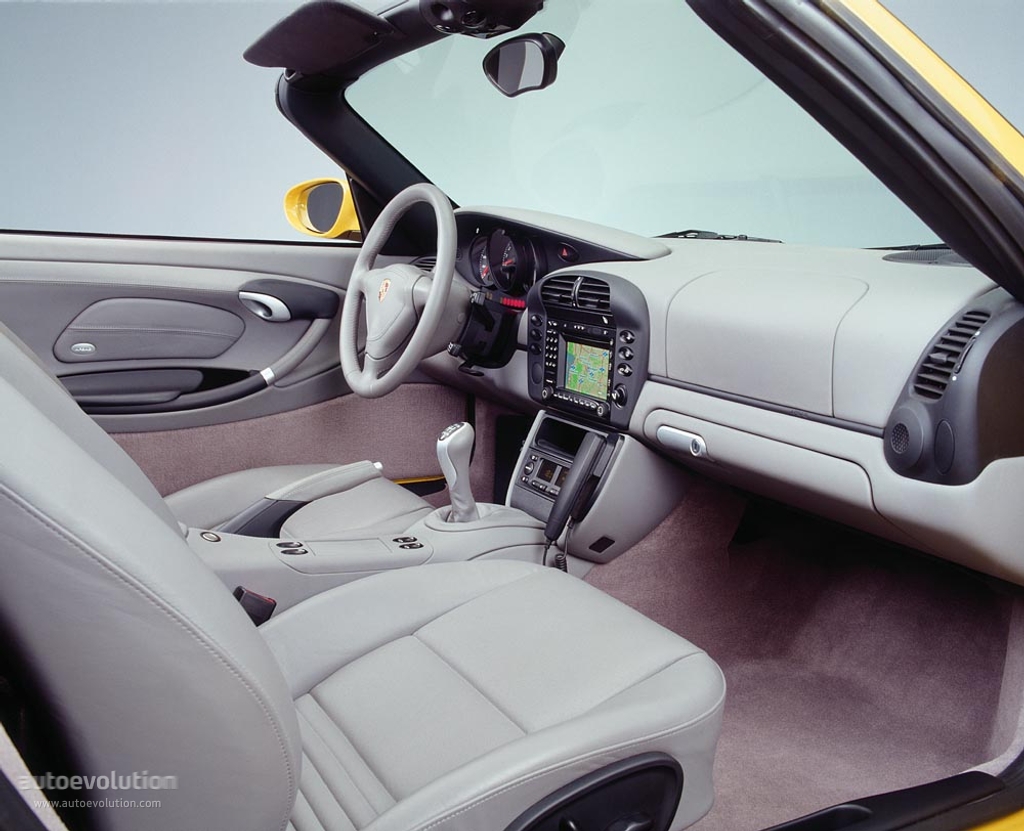
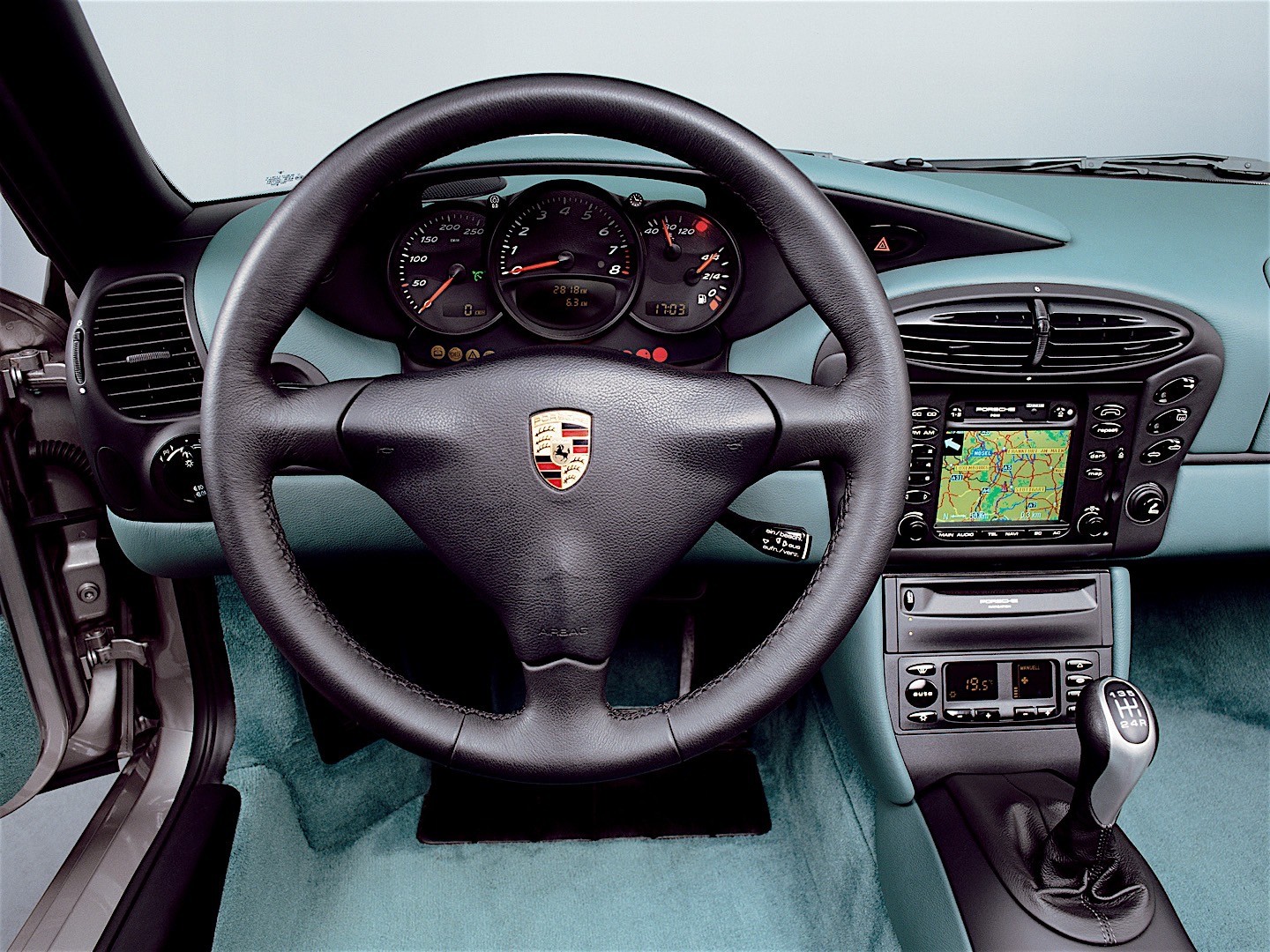
Inside, the design team took its inspiration from the 911, offering the Boxster fitted as standard with high-bolstered seats. Even the dashboard resembled the car’s most notorious brother, with the tachometer in the middle of the instrument panel and flanked by the speedometer on the left and a few other gauges on the right dial. The center stack housed the HVAC controls and the sound system. As an option, customers could get an infotainment unit with sat-nav and CD stereo.
Behind the cabin, the automaker installed a flat-six, water-cooled engine with a 2.5-liter displacement paired with a five-speed manual. Starting in 1999, Porsche added a 2.7-liter powerplant that reached 220 PS (217 hp), which rocketed the car from naught to 100 kph (0-62 mph) in 6.6 seconds. As an option, both versions could be mated with a five-speed automatic gearbox and manual override.
Begijnhof, 8000 Brugge, Belgium
Begijnhof, 8000 Brugge, Belgium

Begijnhof, 8000 Brugge, Belgium

Begijnhof, 8000 Brugge, Belgium

Begijnhof, 8000 Brugge, Belgium
Begijnhof, 8000 Brugge, Belgium
Begijnhof, 8000 Brugge, Belgium
Begijnhof, 8000 Brugge, Belgium
Begijnhof, 8000 Brugge, Belgium

Begijnhof, 8000 Brugge, Belgium

Offer an price, more info or anything you want
Consumer reviews