

Dealer:
Eden Hazard
Begijnhof, 8000 Brugge, Belgium
- Transmission 7-Speed Automatic
- |
- Drive Rear Wheel Drive
- |
- Mileage n/a



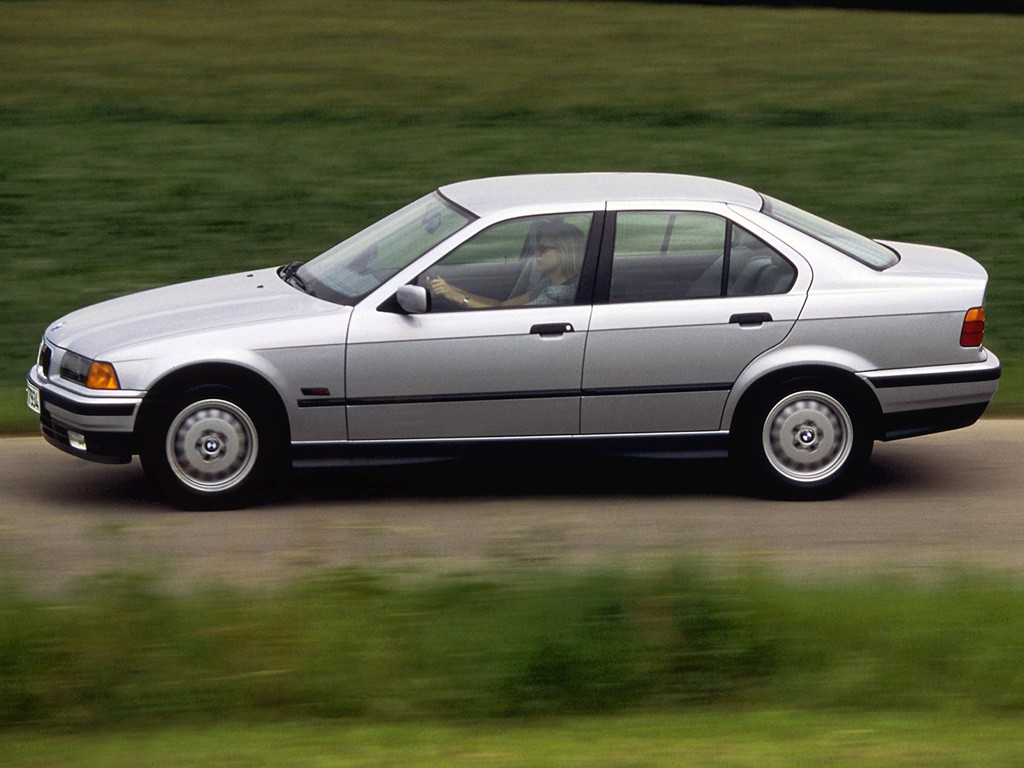
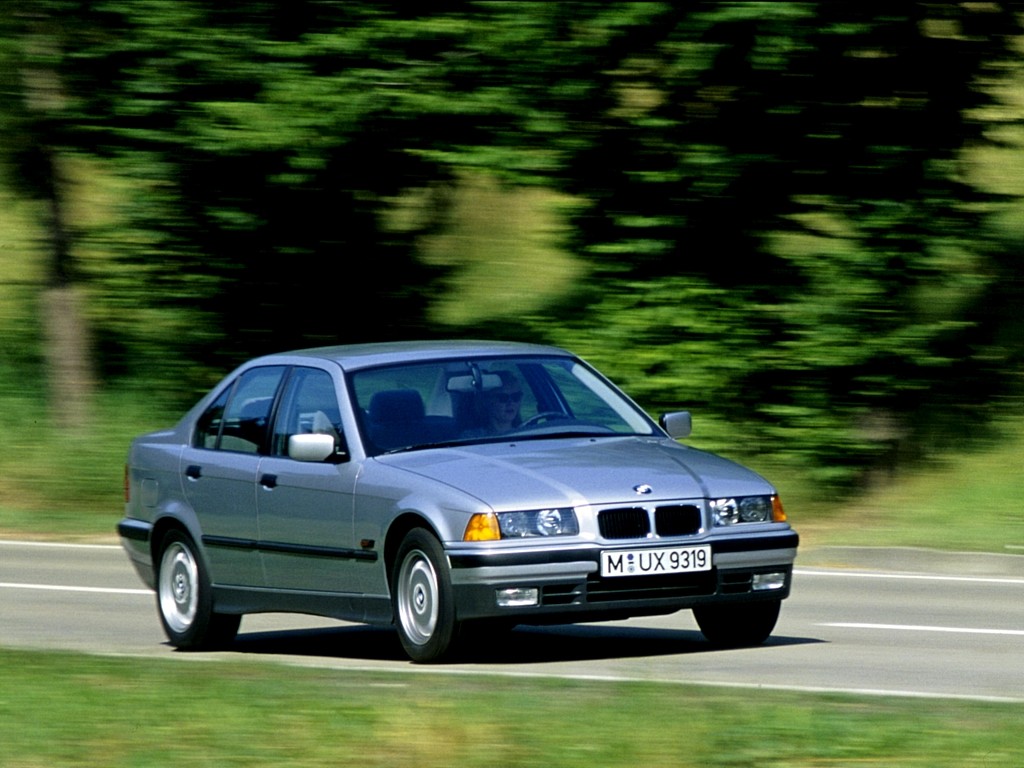
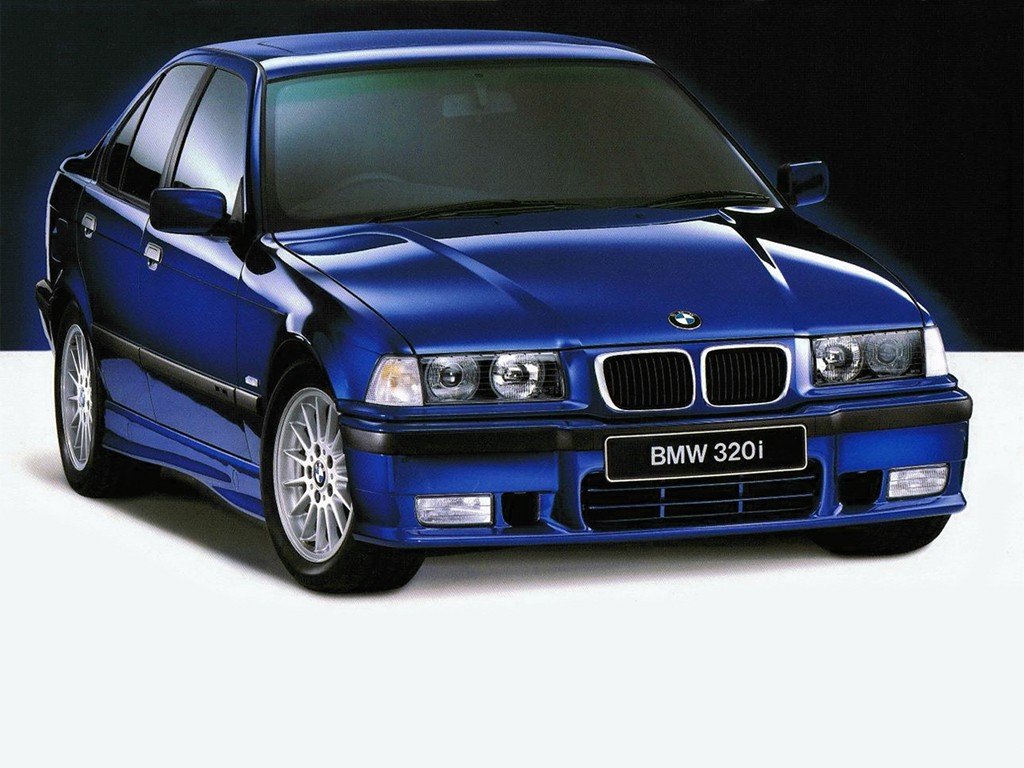
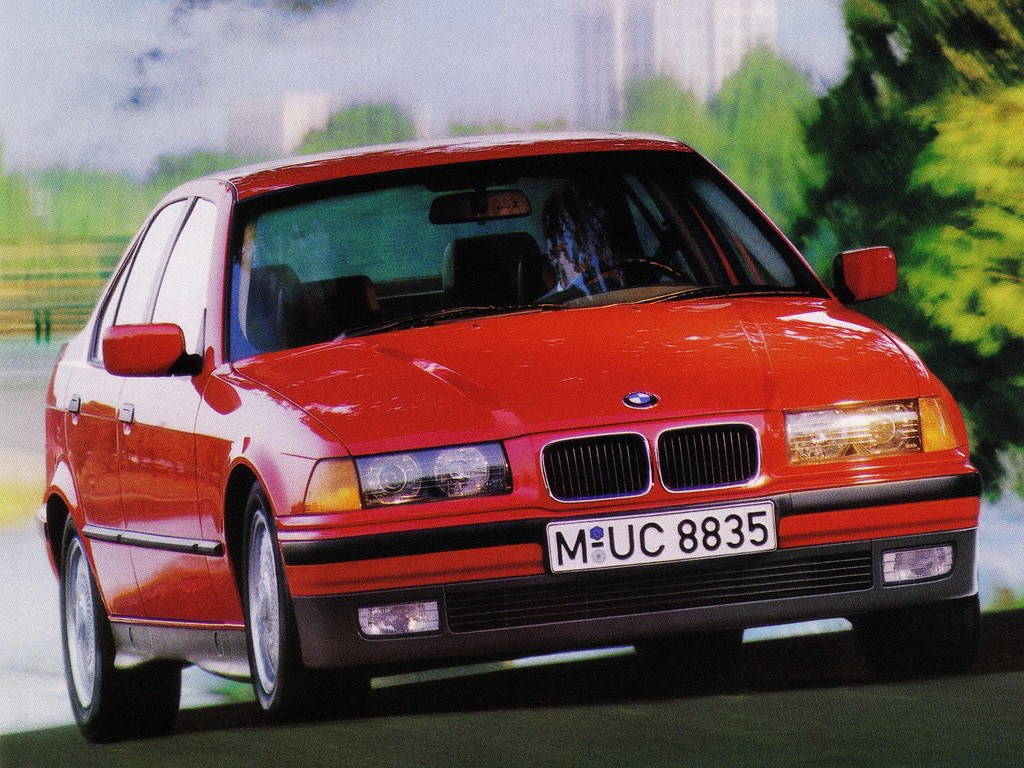

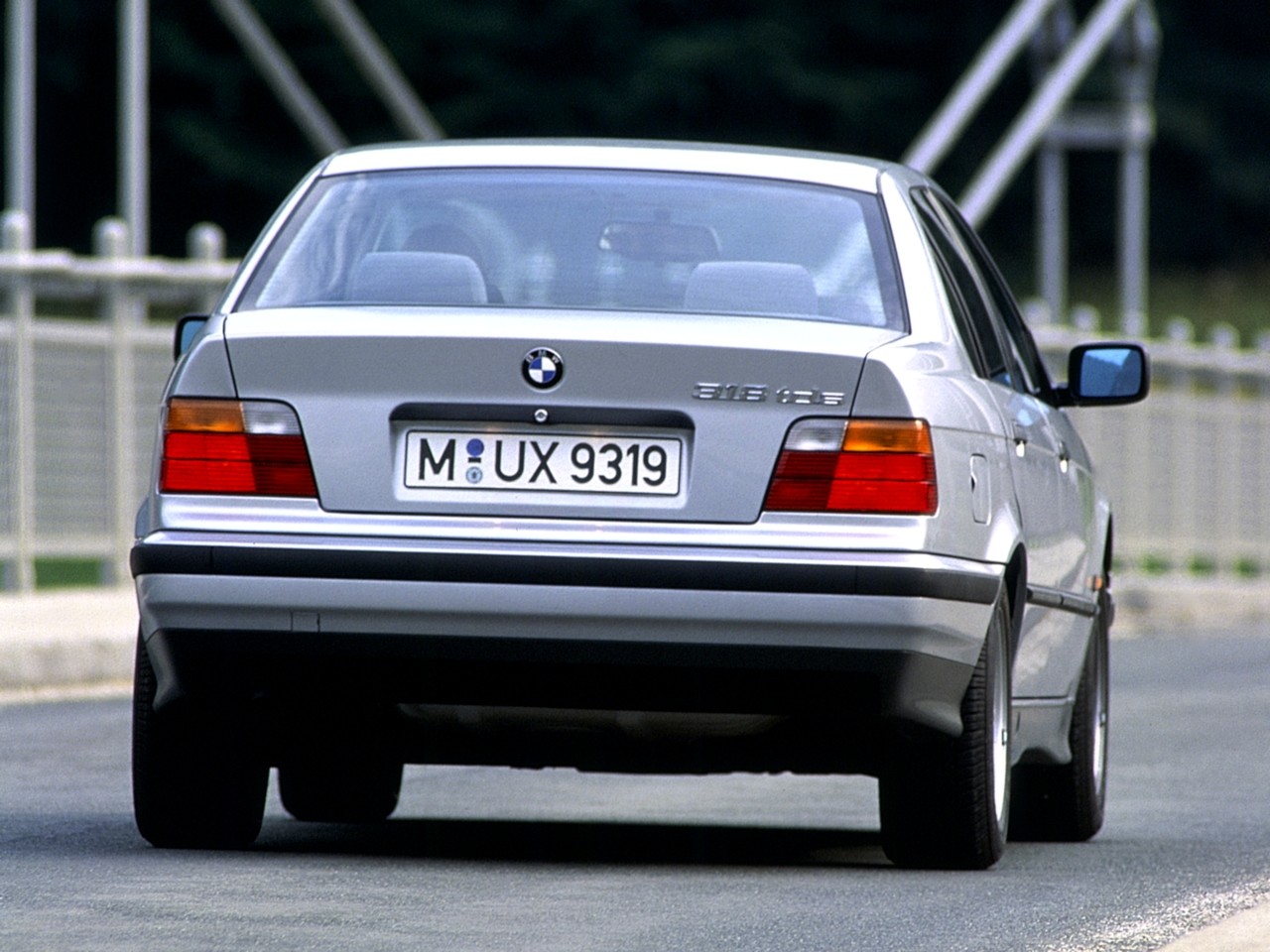
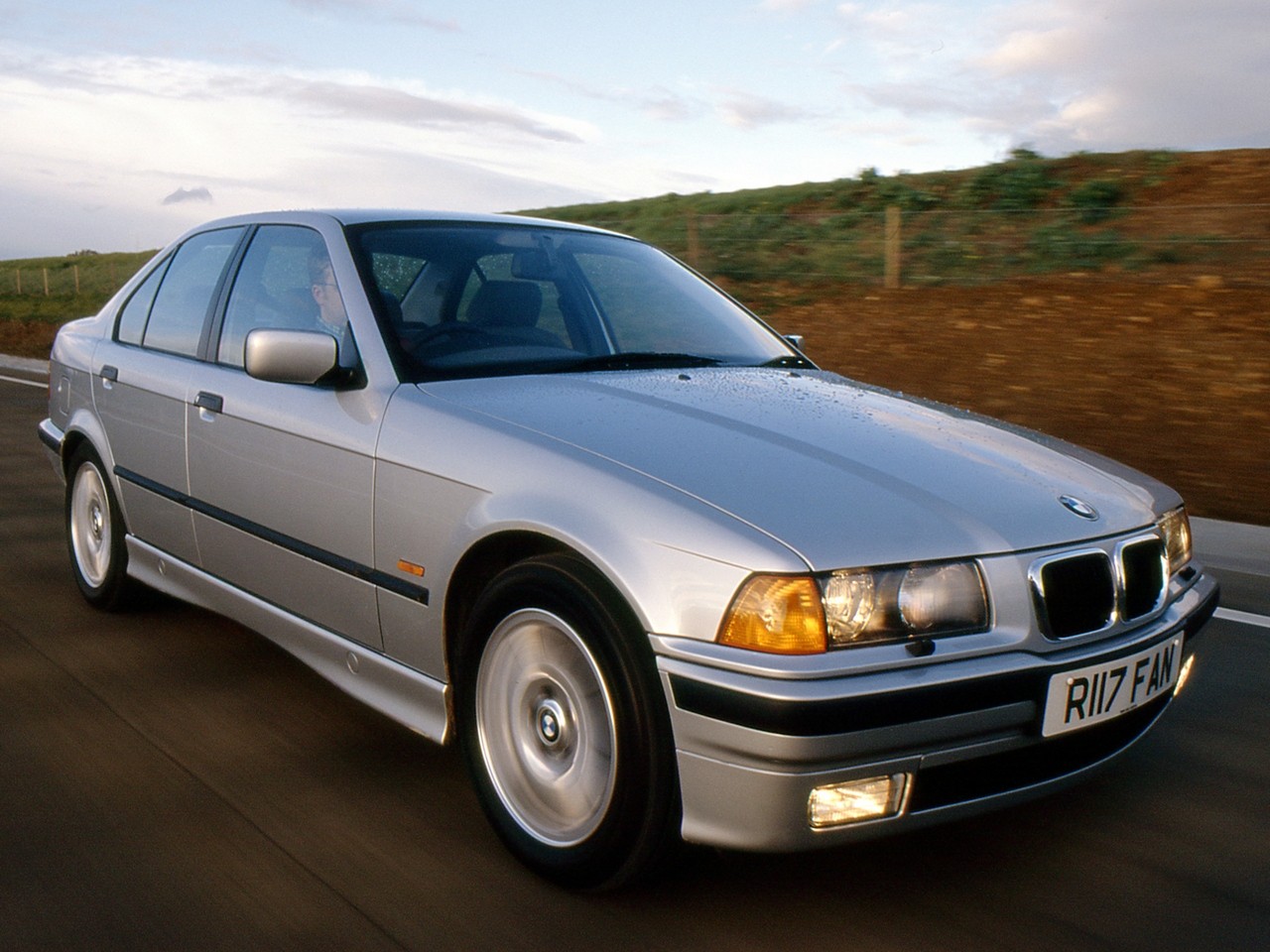
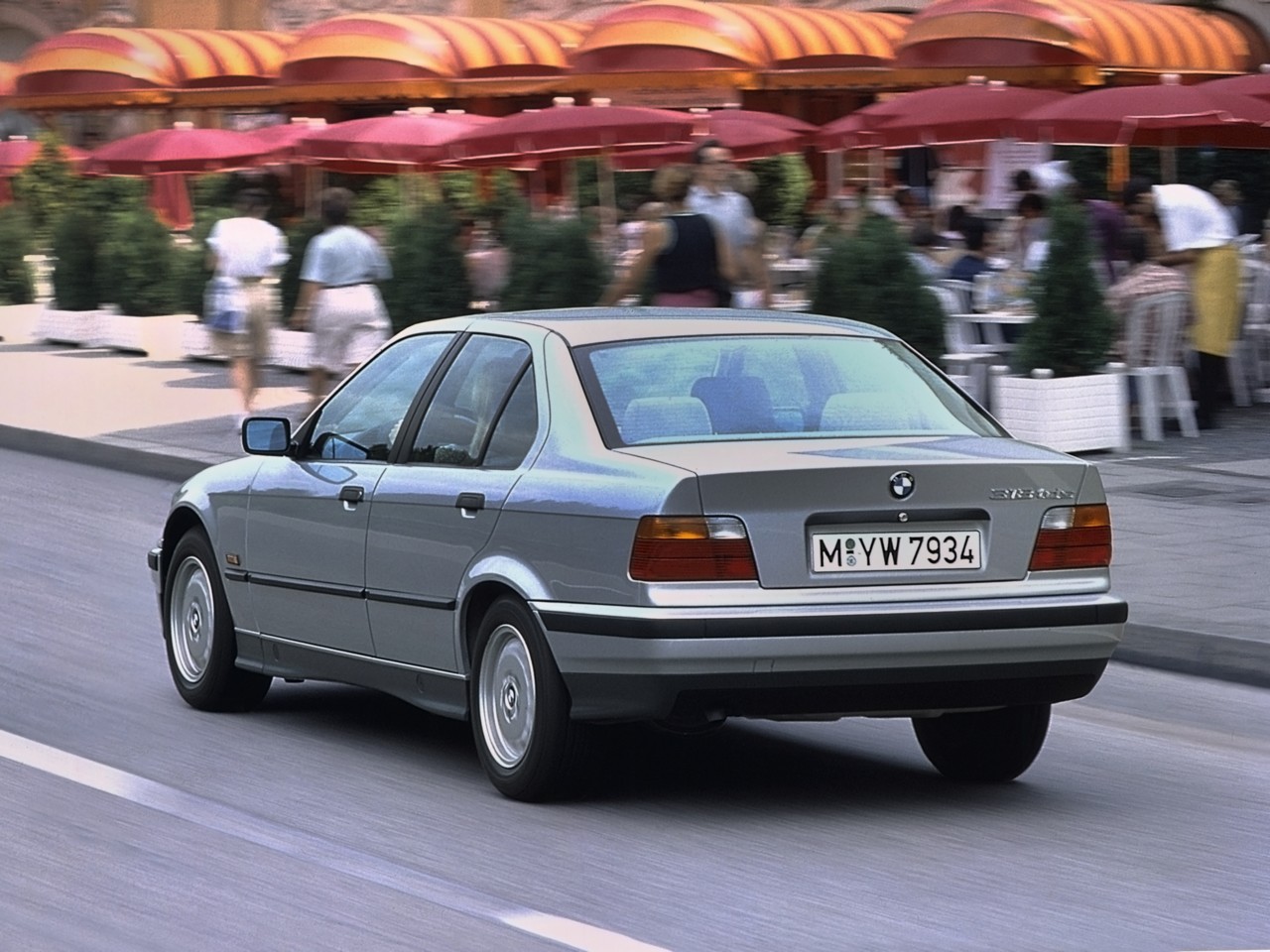
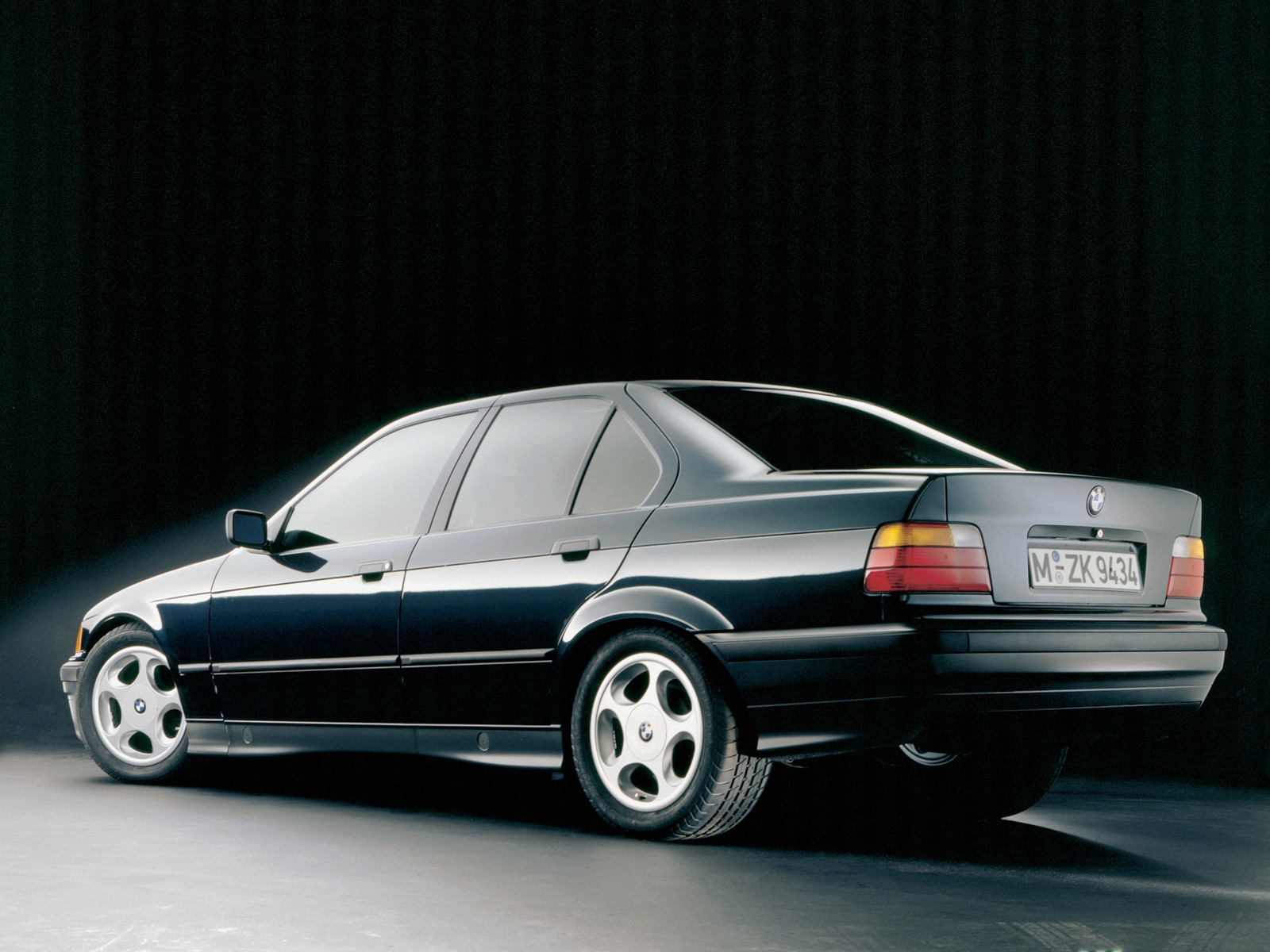
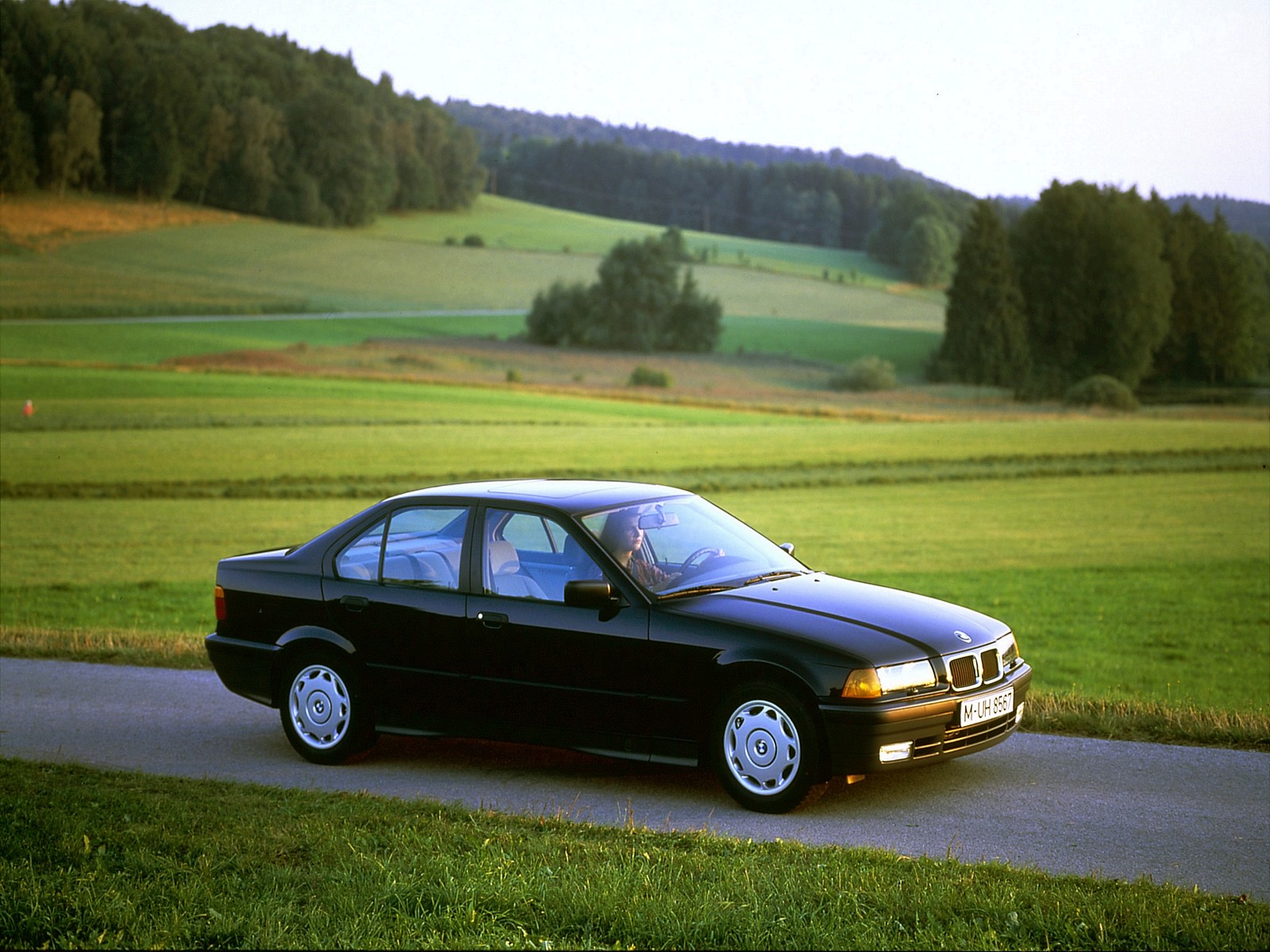
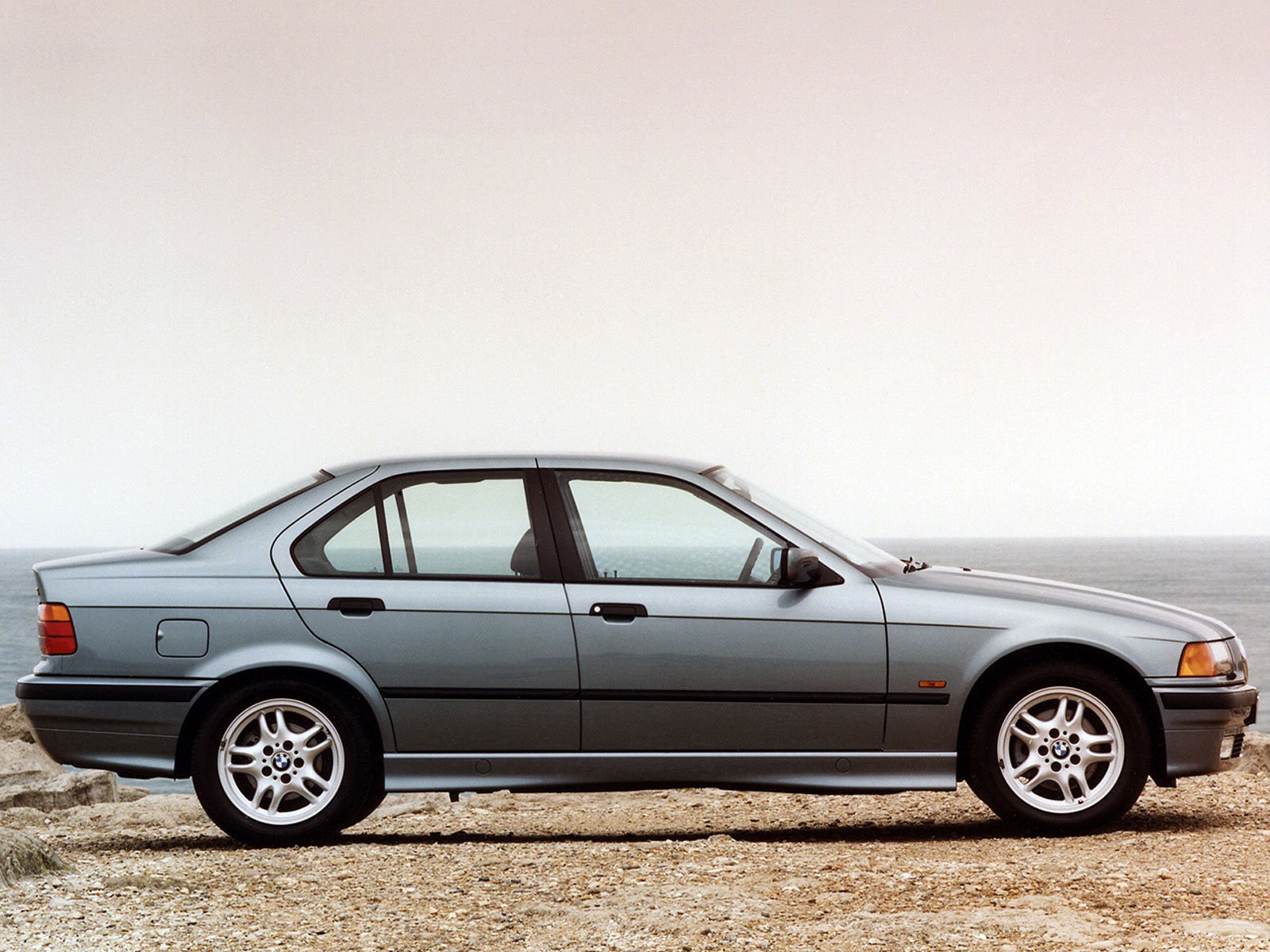
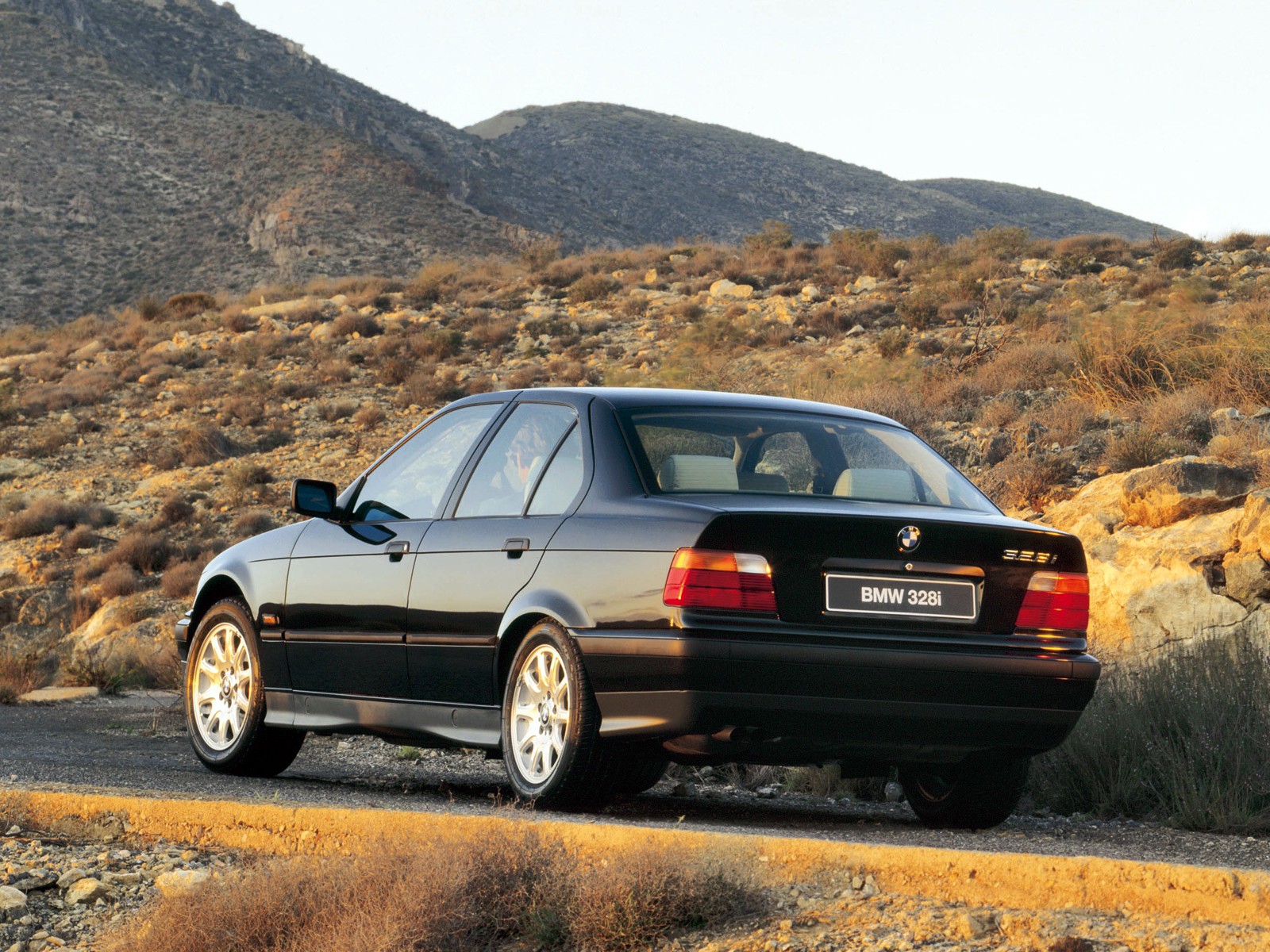
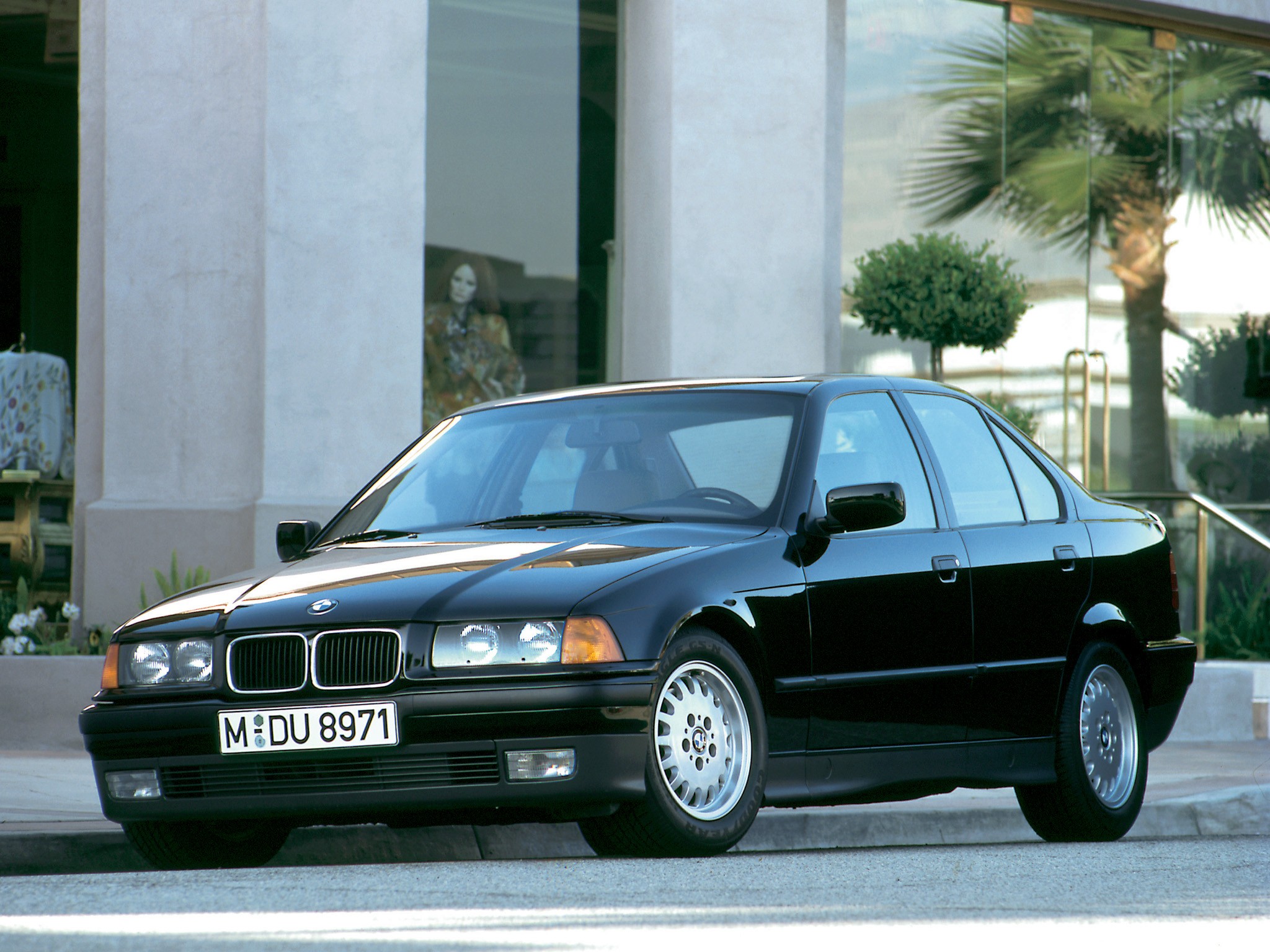

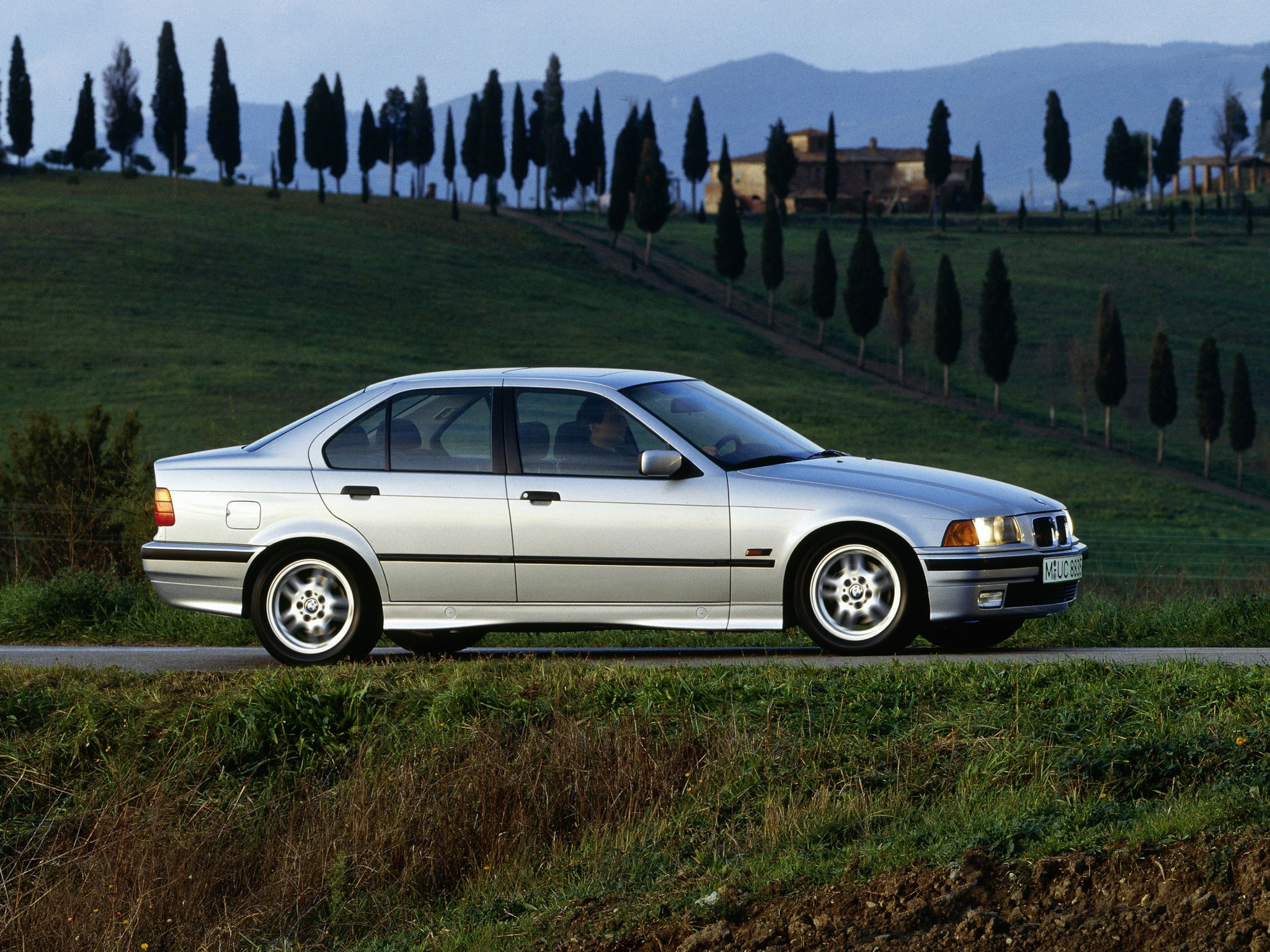
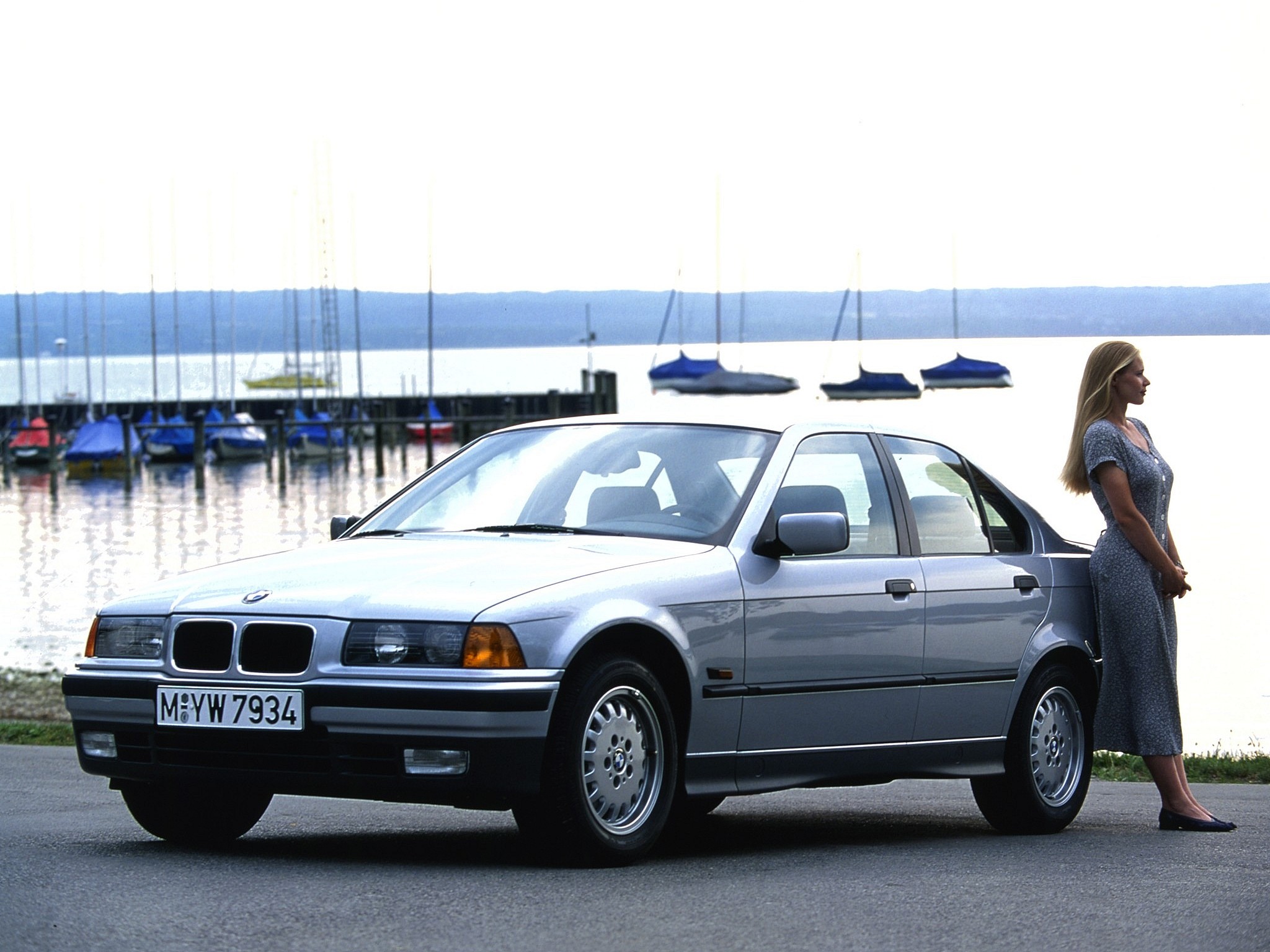
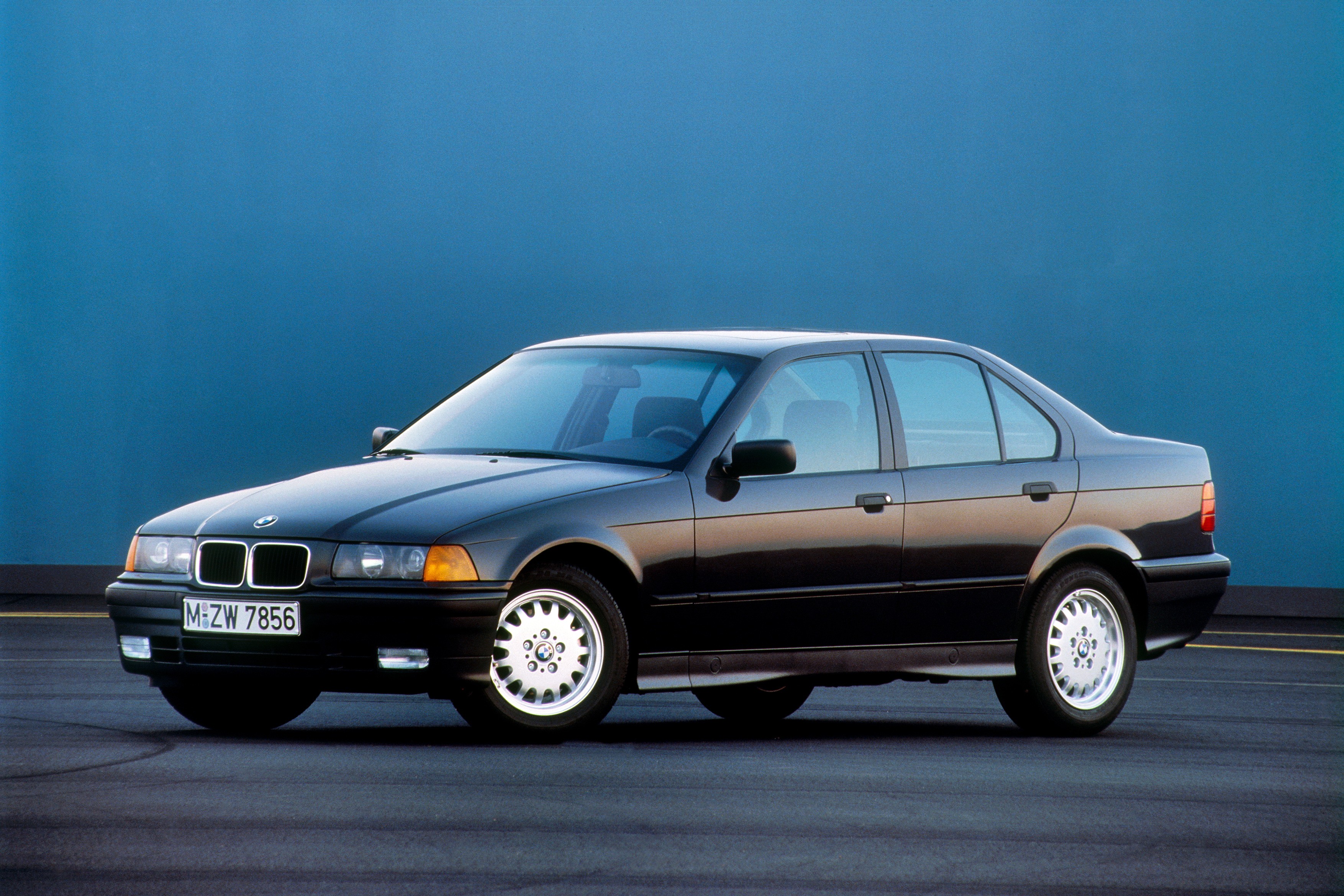
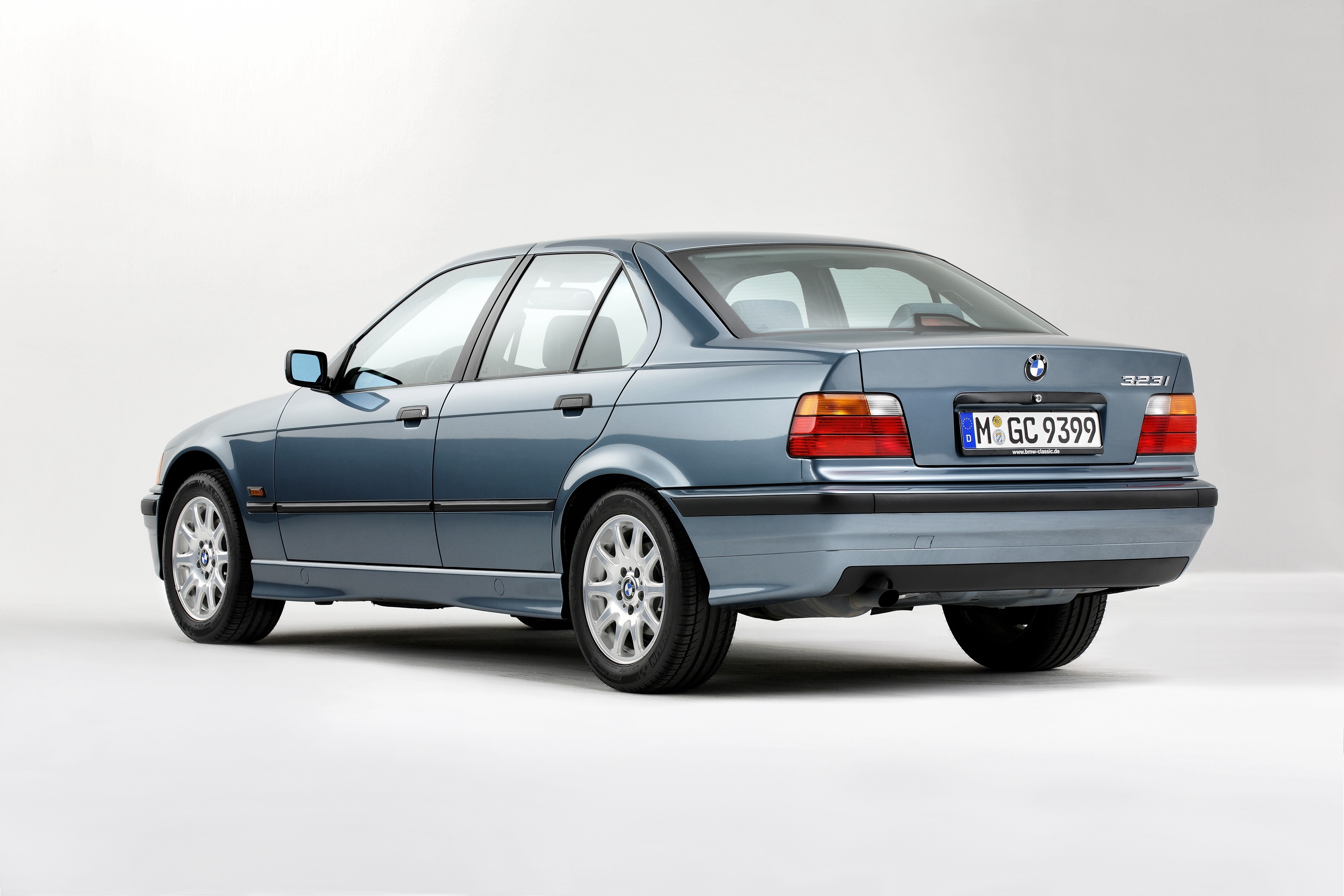

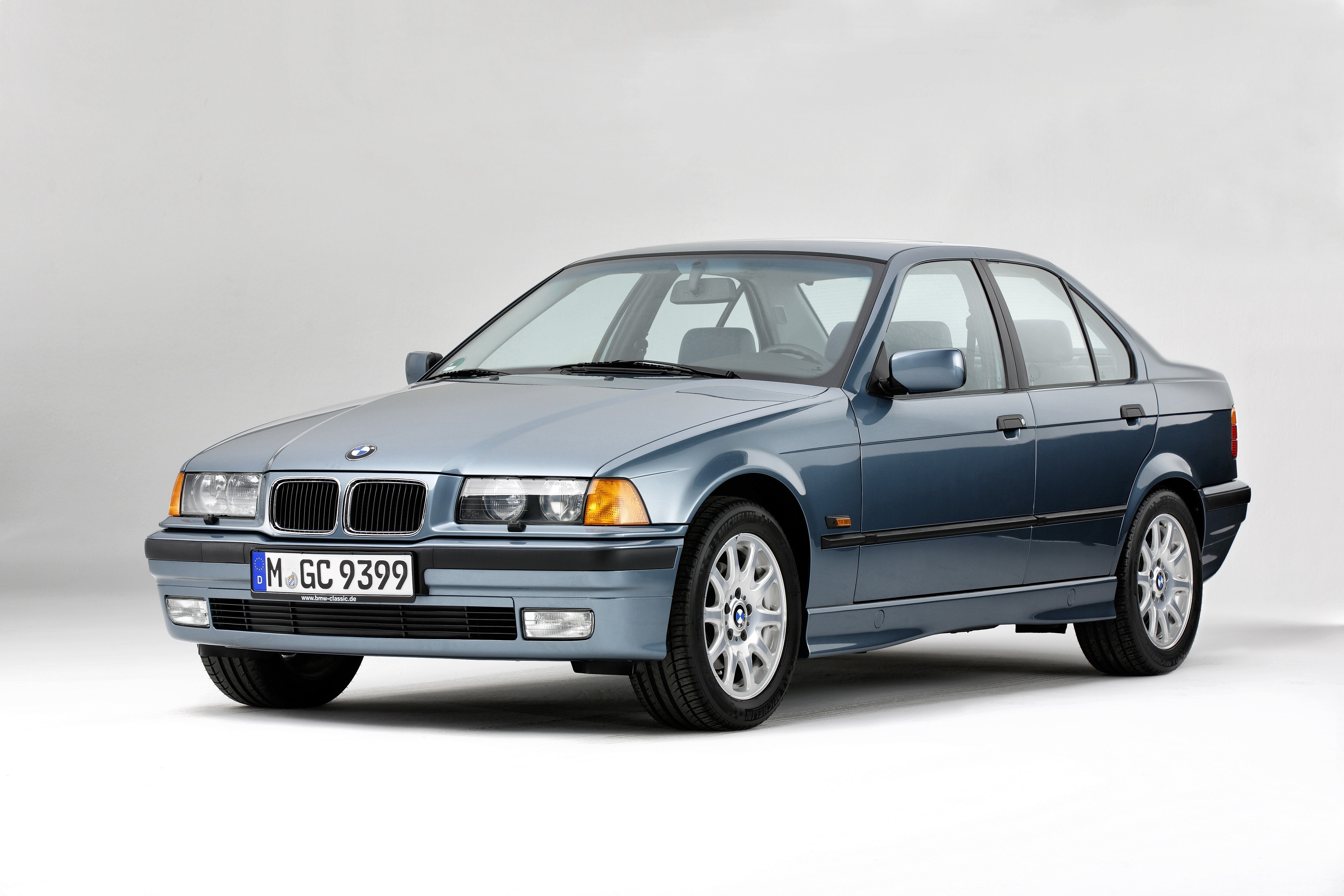
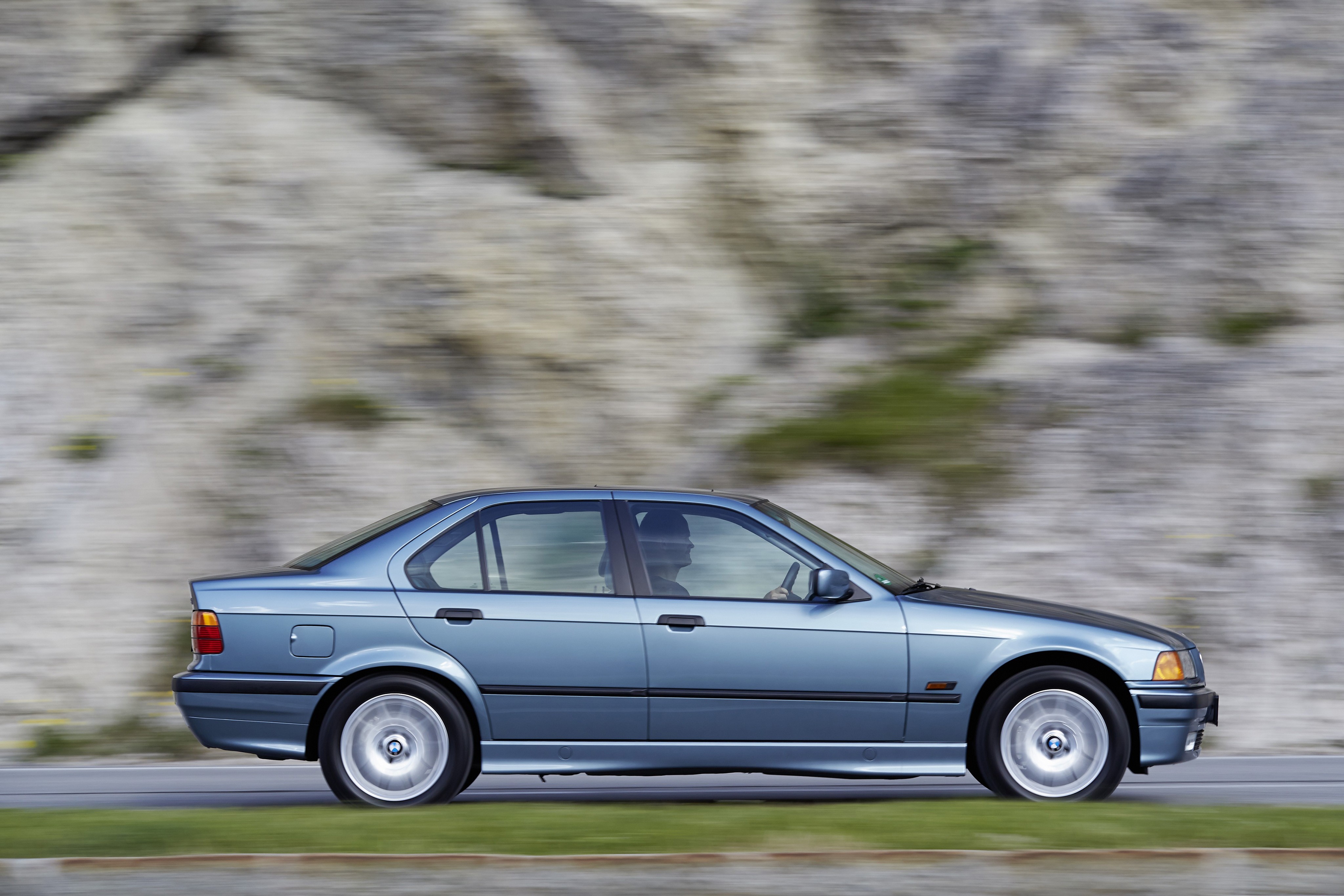
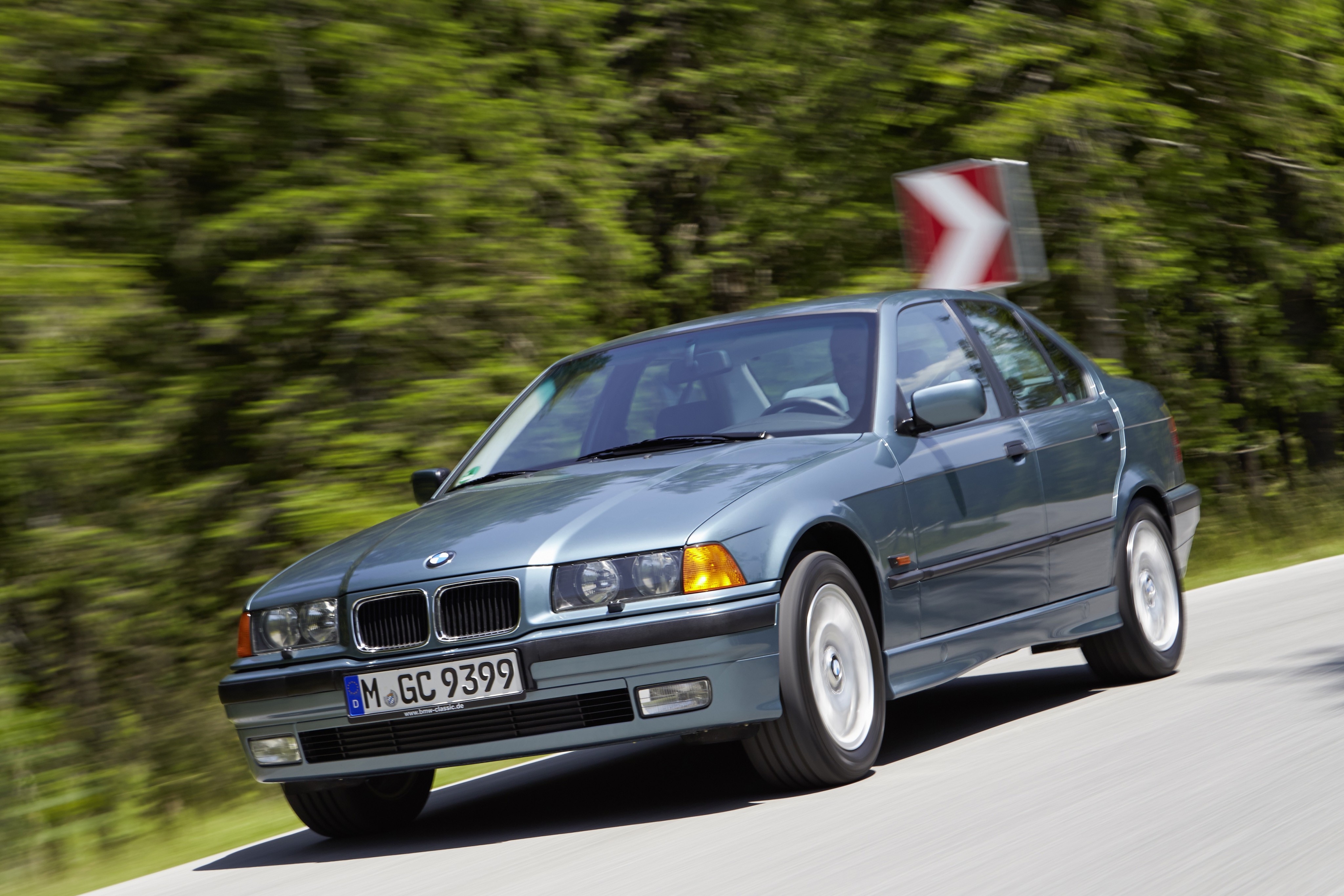
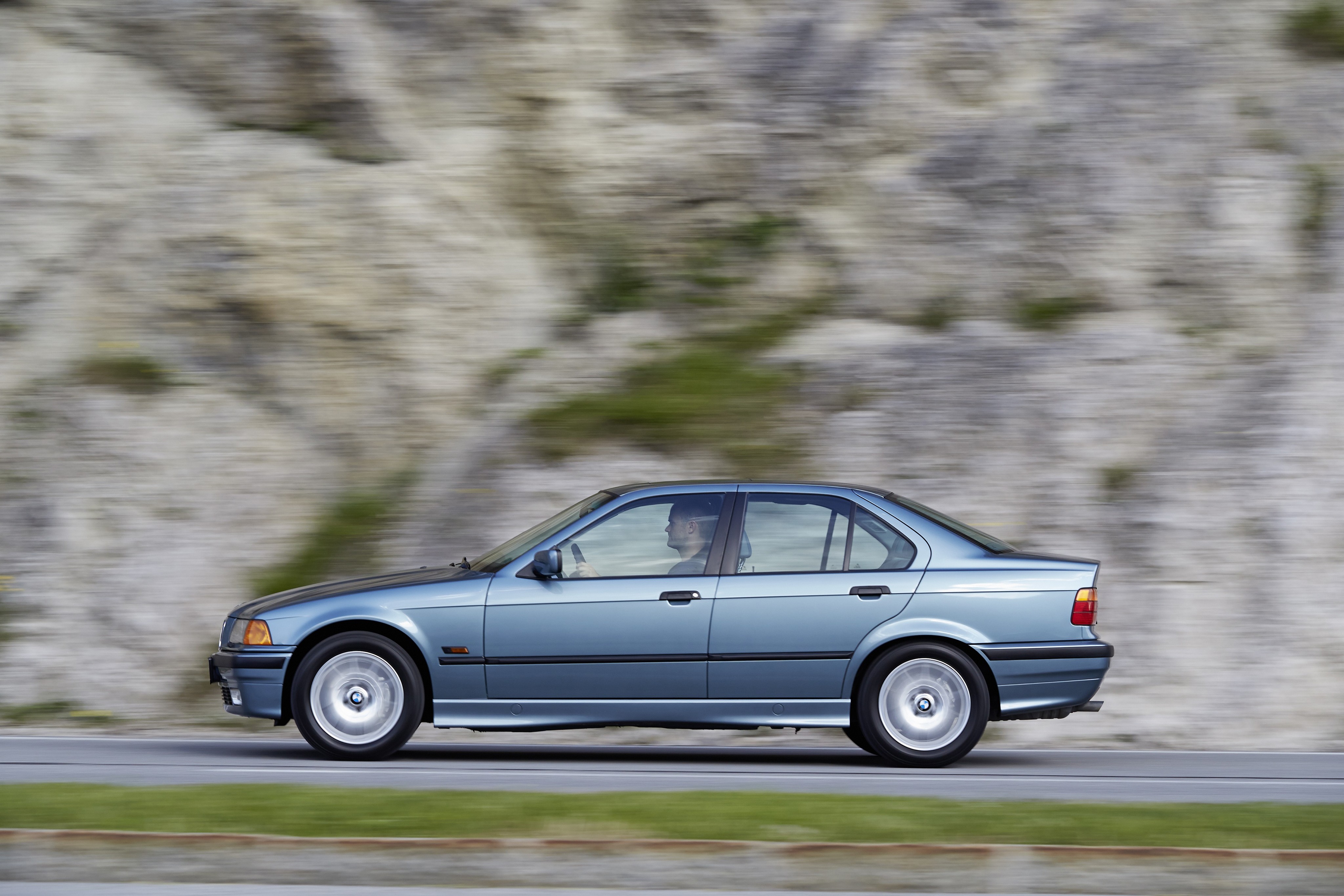
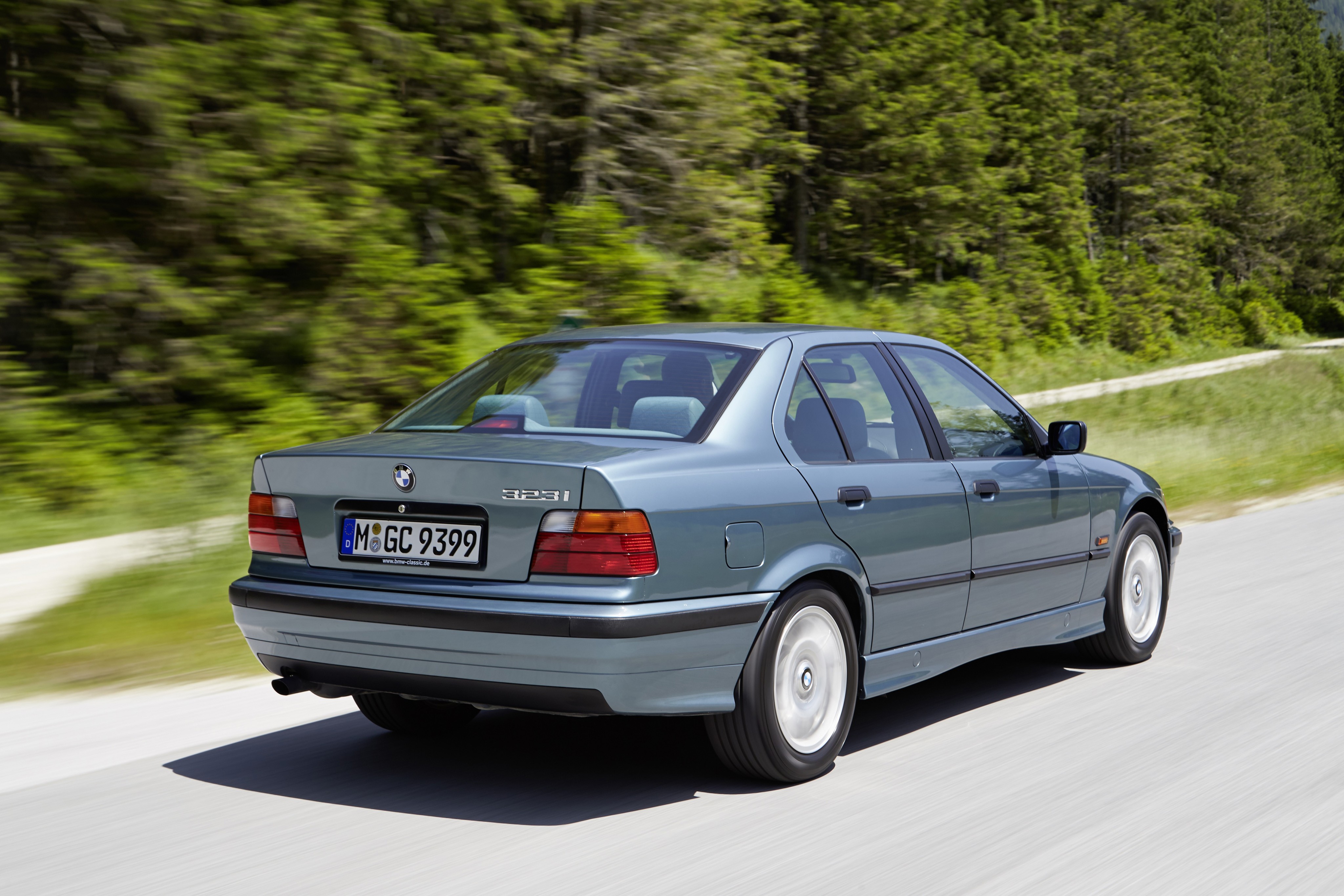
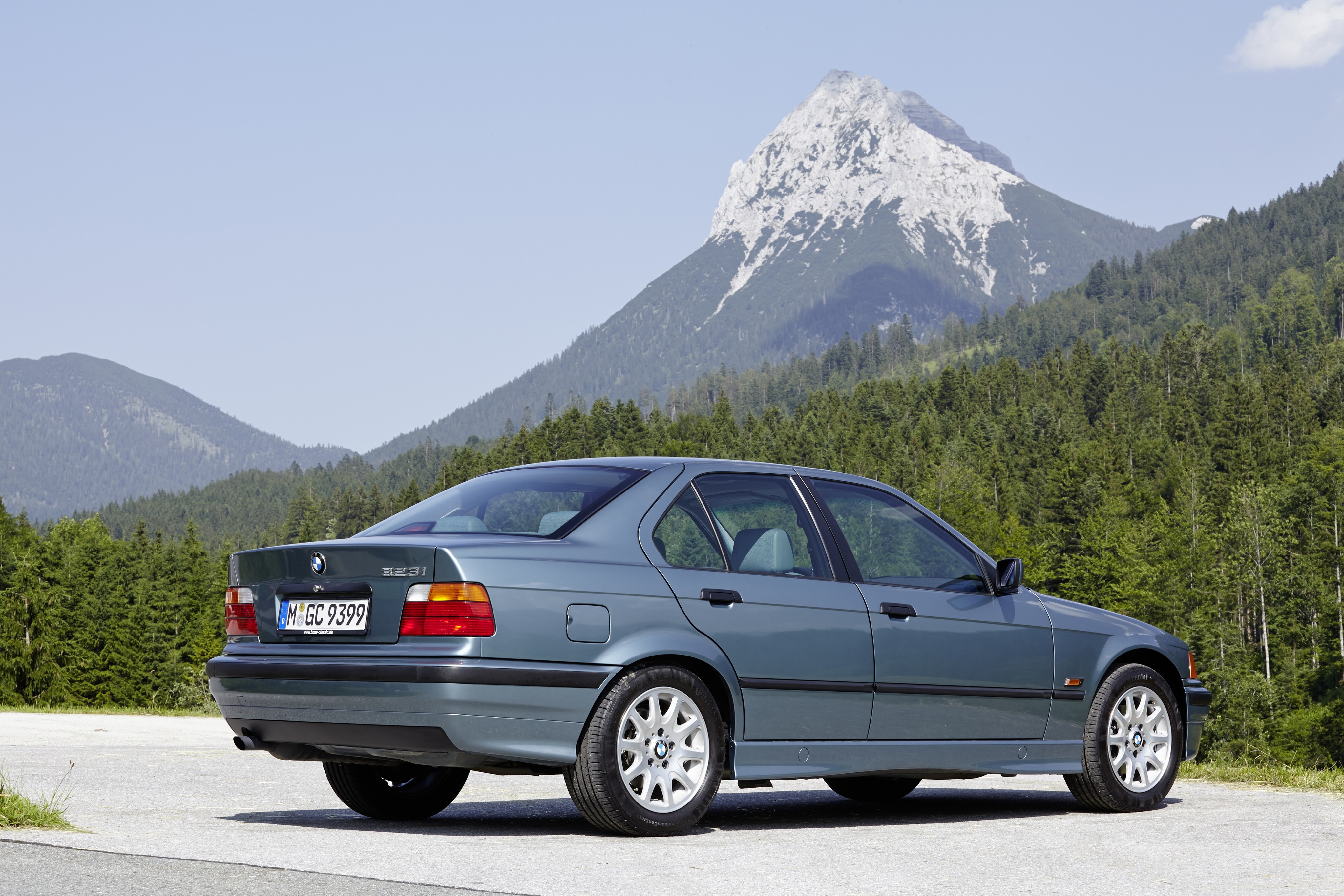
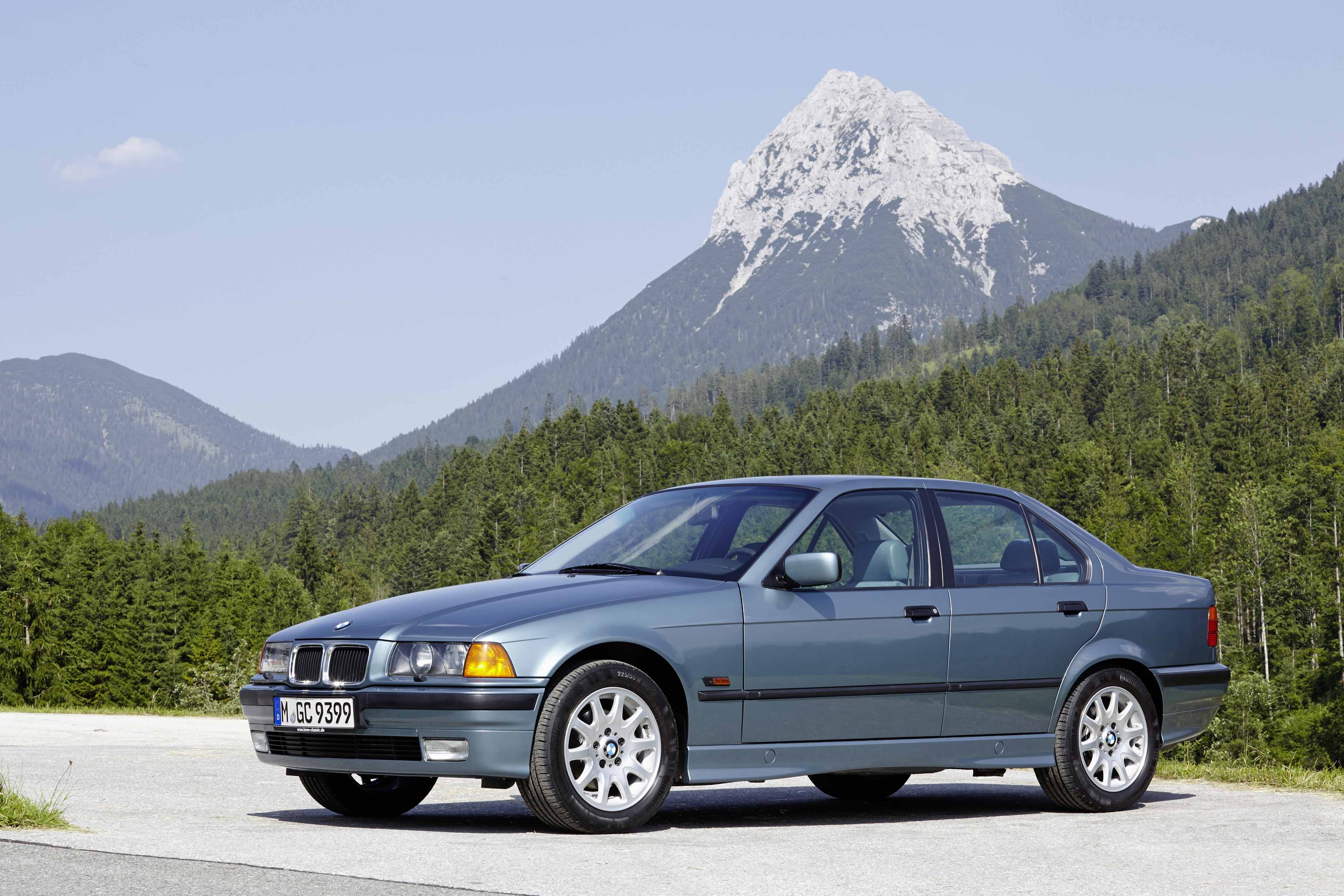
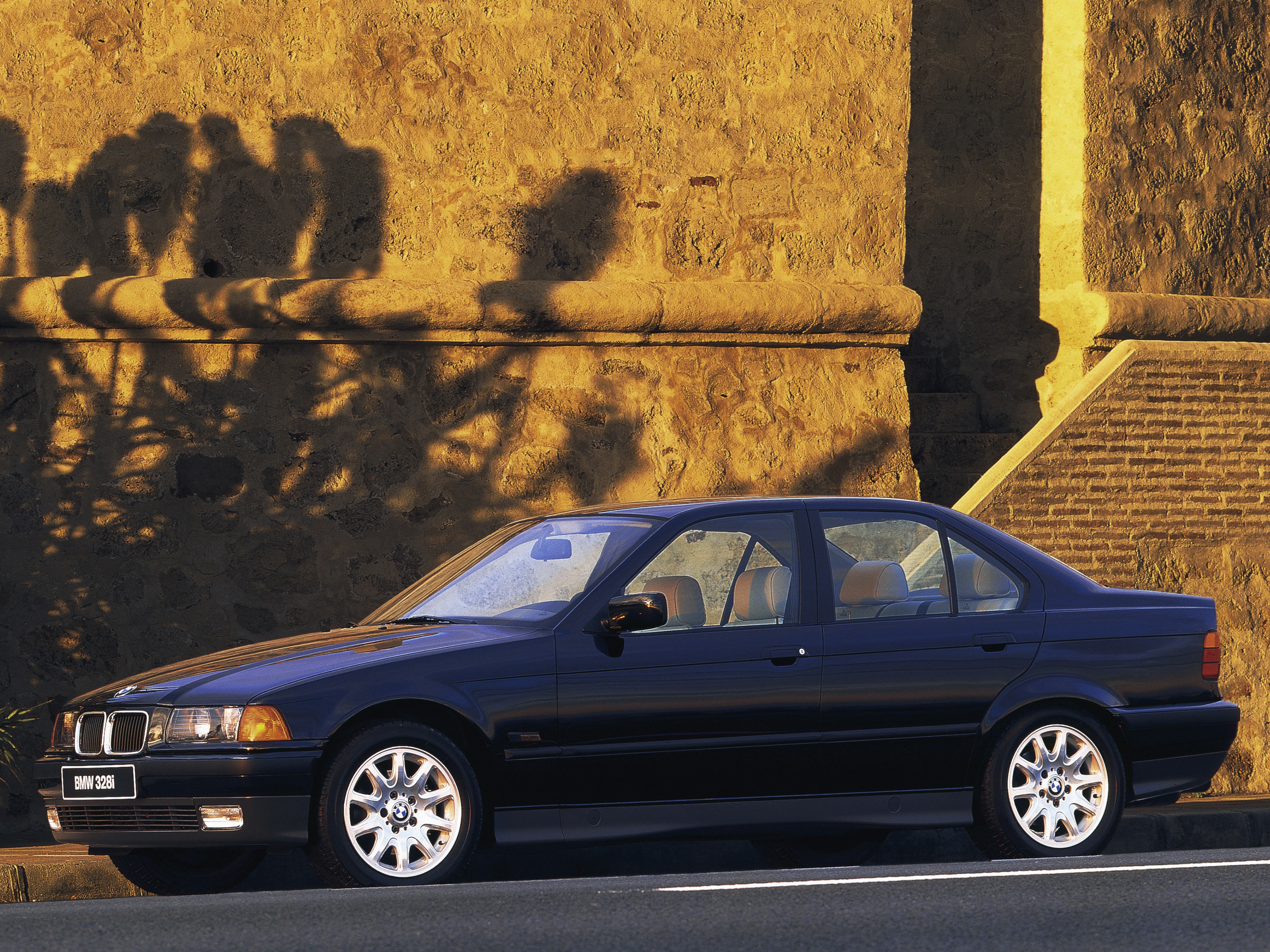

The third generation of the 3 Series was the most significant revolution in the model’s history, not only until then but also for the…
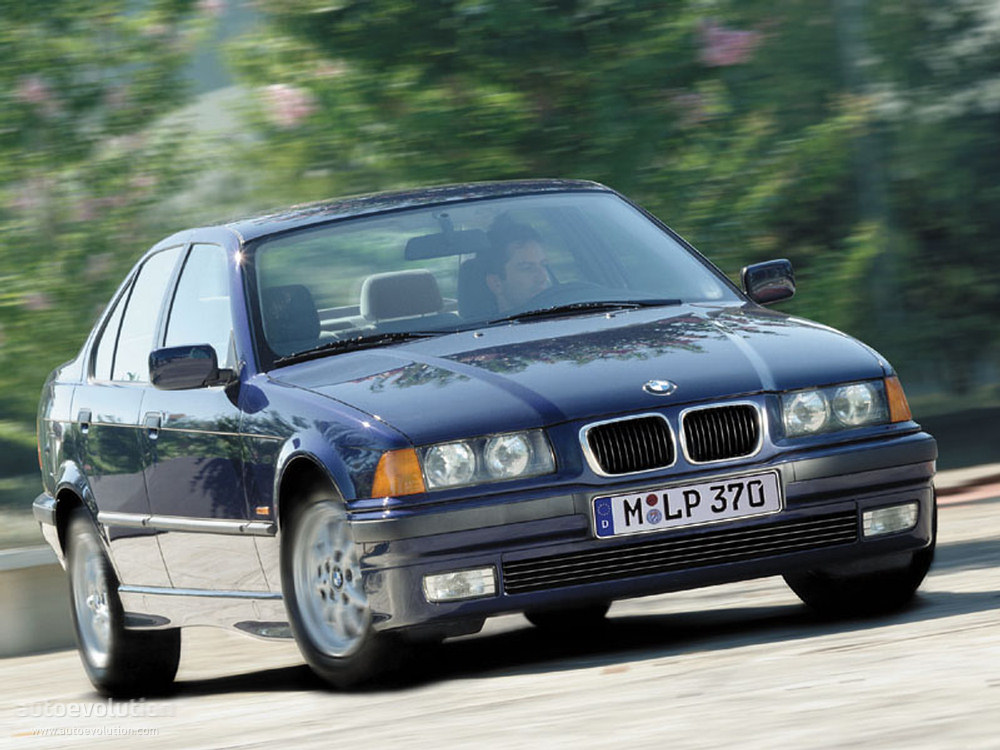
The third generation of the 3 Series was the most significant revolution in the model’s history, not only until then but also for the other generations that followed.
It was challenging for the German automaker to replace such a beloved car as the 3 Series E30. Still, after nine years on the market and over two million units sold, it had to be replaced. Sales were slowing down, and customers wanted something more. That “more” was the 1991 3 Series or the E36 in the factory coding system. The E came from the “Evolution,” and the 36 was the project number. Like its predecessor, it was redesigned from the ground up, and it aimed to reach deeper pocket customers since it provided more of everything: comfort, power, agility, and features. The new model came on the market in 1991, while some versions of the E30 were still on sale. Despite that, the E36 sold well right off the bat, and it continued that way along the production run, exceeding 2.7 million units delivered worldwide, almost one million over its key competitor, the first generation of the Mercedes-Benz C-Class (W202). It was finally the premium compact sedan that BMW always wanted.
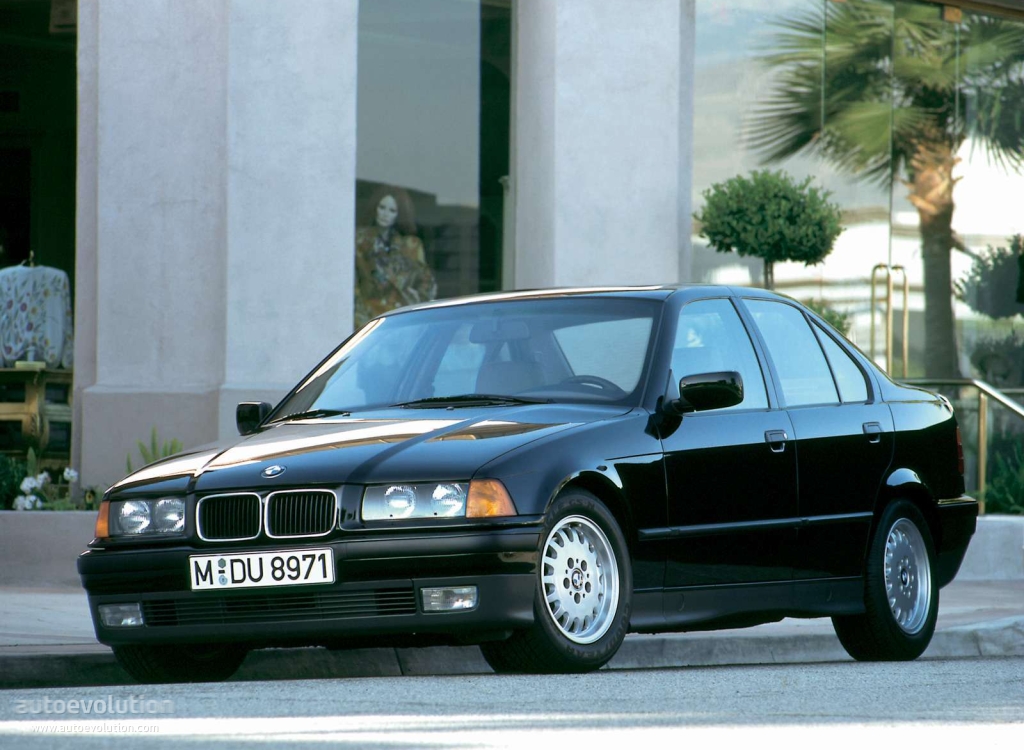
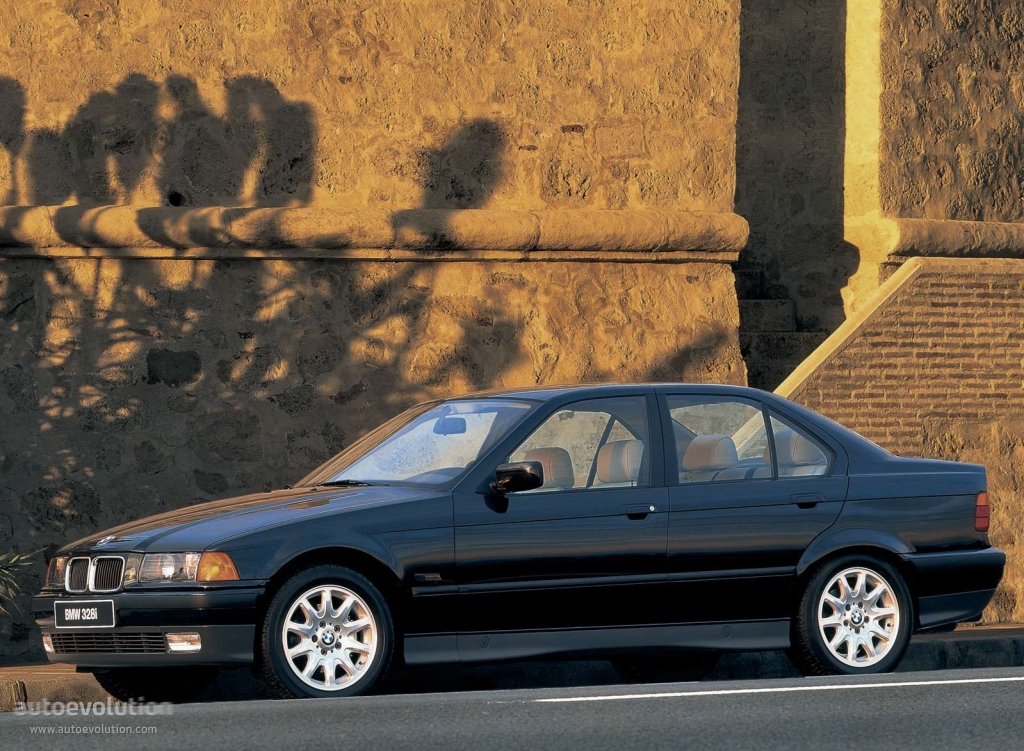
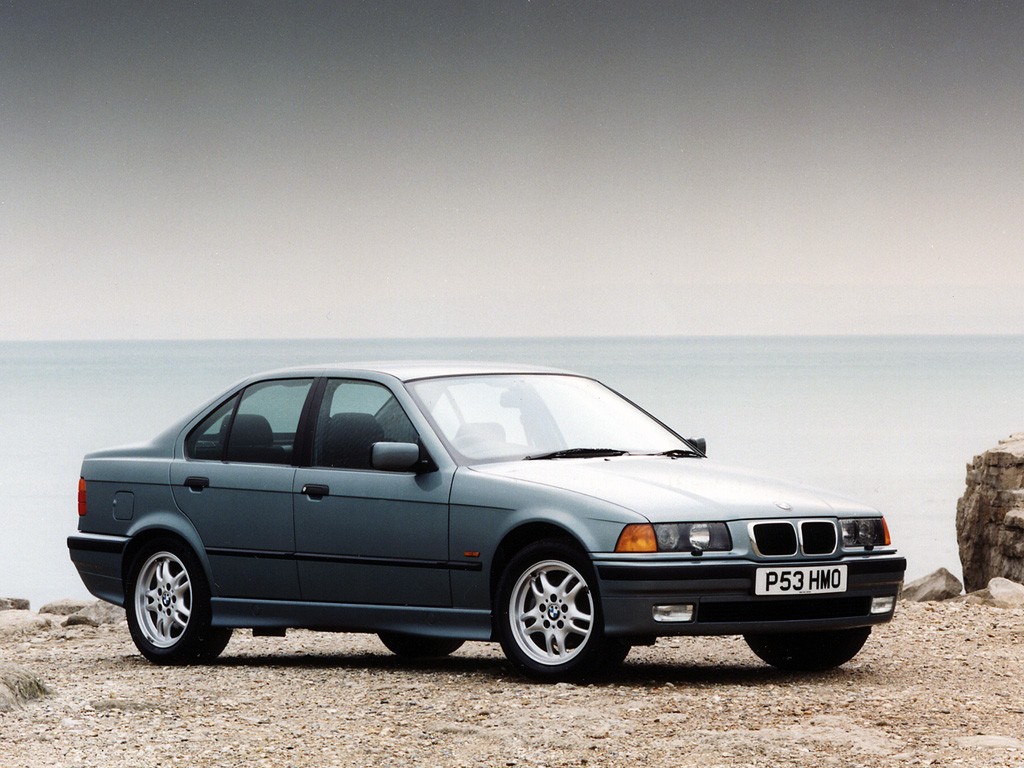
The car was penned by a team supervised by Claus Luthe, the same person who made the E30. Surprisingly, he ditched the idea of the quad-headlamps design of that successful model and created new ones with clear glass covering both the high and the low beams. In addition, the turn signals were corner-mounted as extensions to the headlights and were not placed lower like their predecessors. The design team also integrated the bumper neatly into the car’s shape, which was extended downwards by an apron where a pair of fog lamps were available. Another significant difference was for the reshaped kidney grille, which was wider.
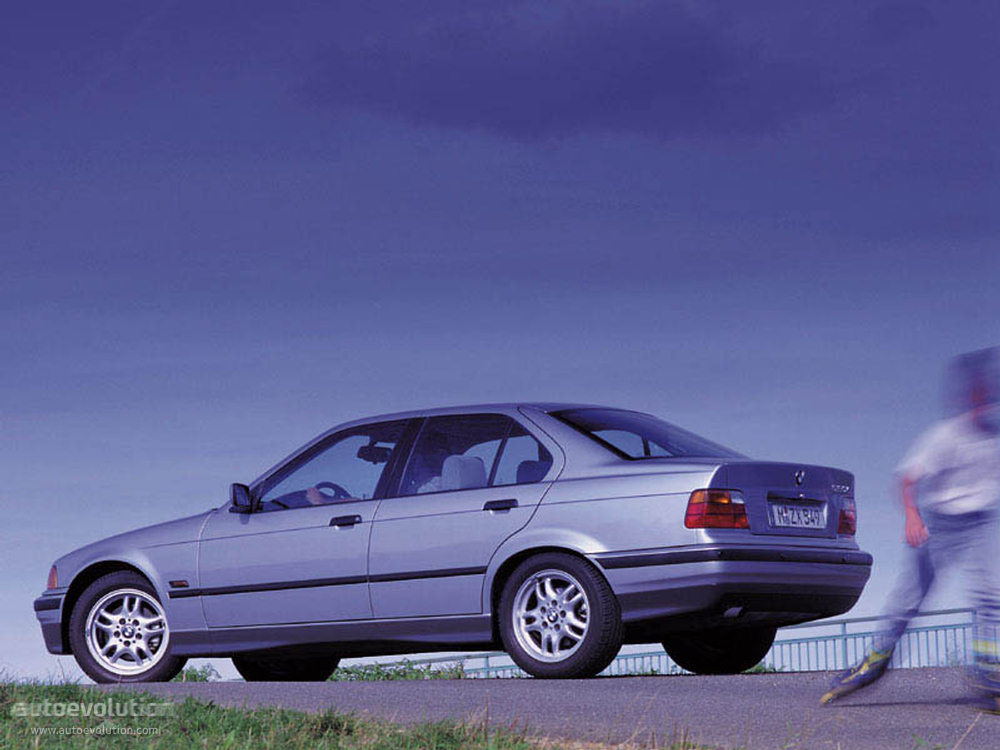
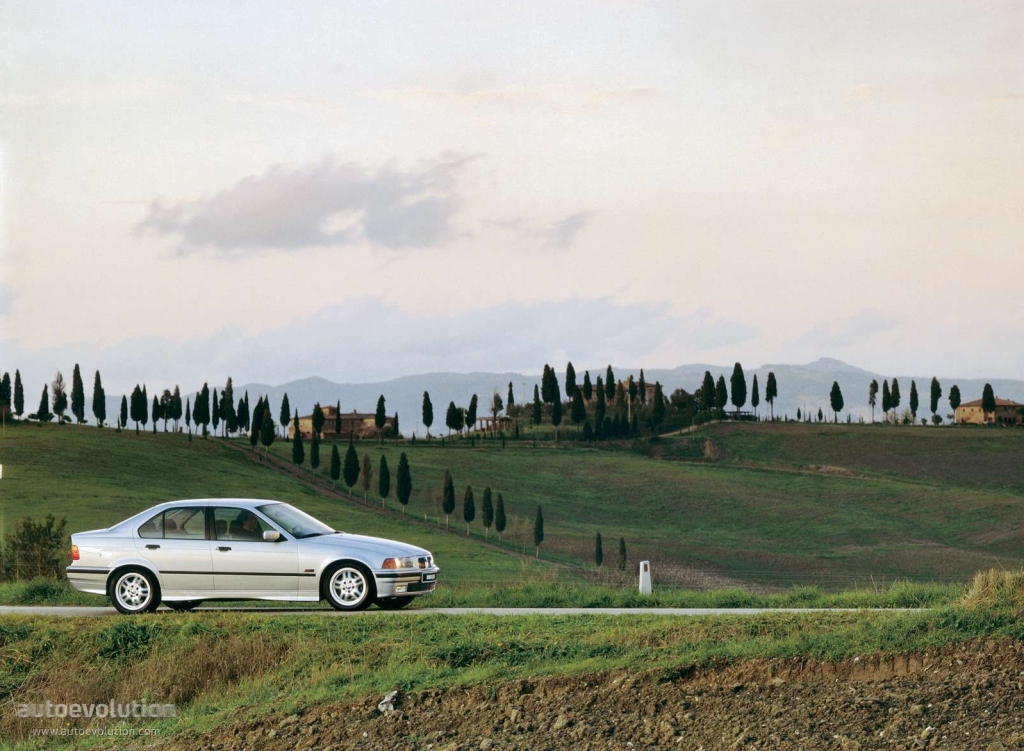
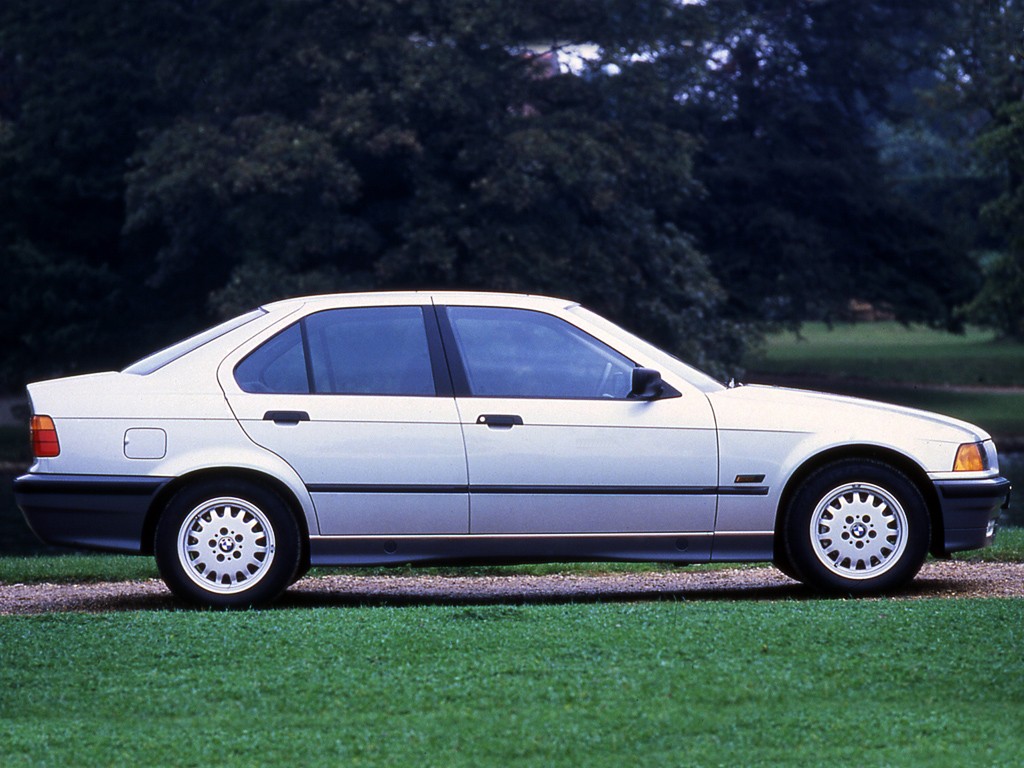
From its profile, the 1991 BMW 3 Series (E36) sedan had curved, organic lines, which were part of the bio-design trend that had already started in the late ‘80s. That led to a taller nose, albeit not too much, followed by a panoramic windshield. Furthermore, the greenhouse wasn’t angular and sported shaved corners and a sloped rear window. At the back, the short and tall deck followed a slight descending line. Like in the previous generation, the E36 had steel wheels for the base model and alloy ones for the upper grades.
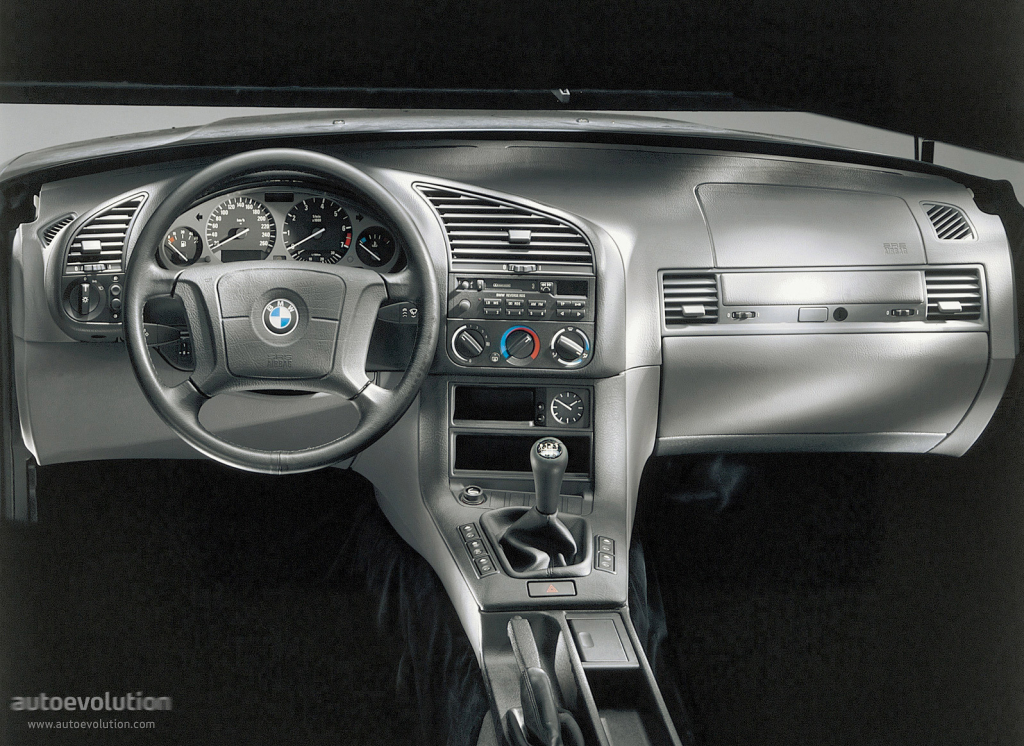
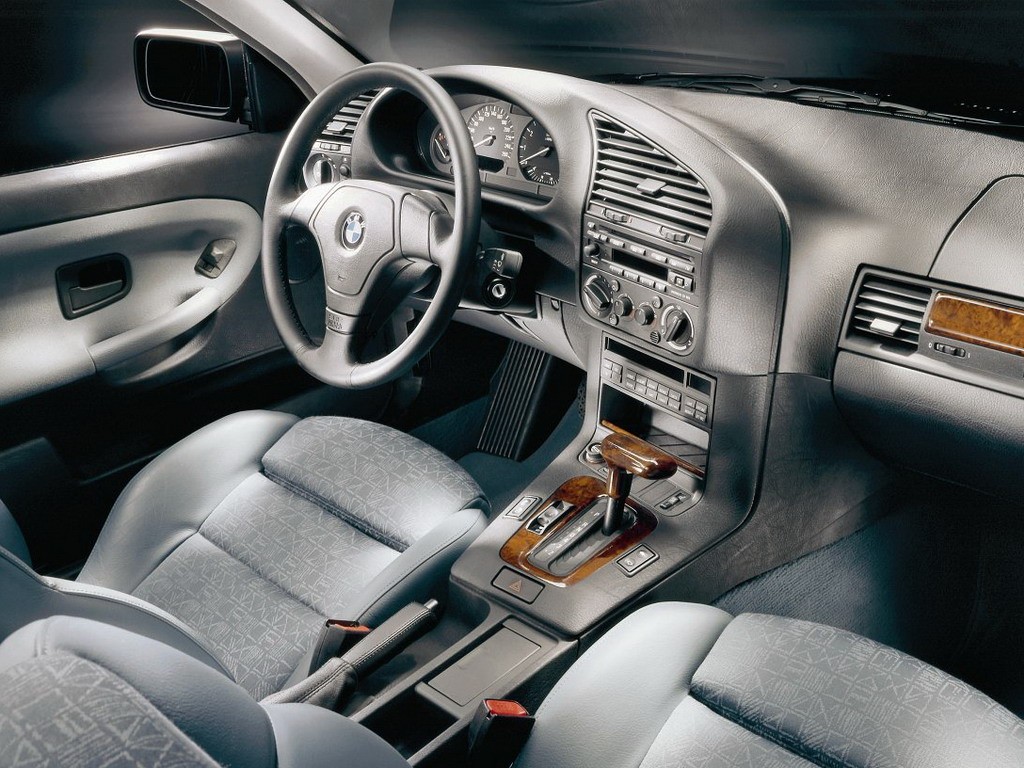
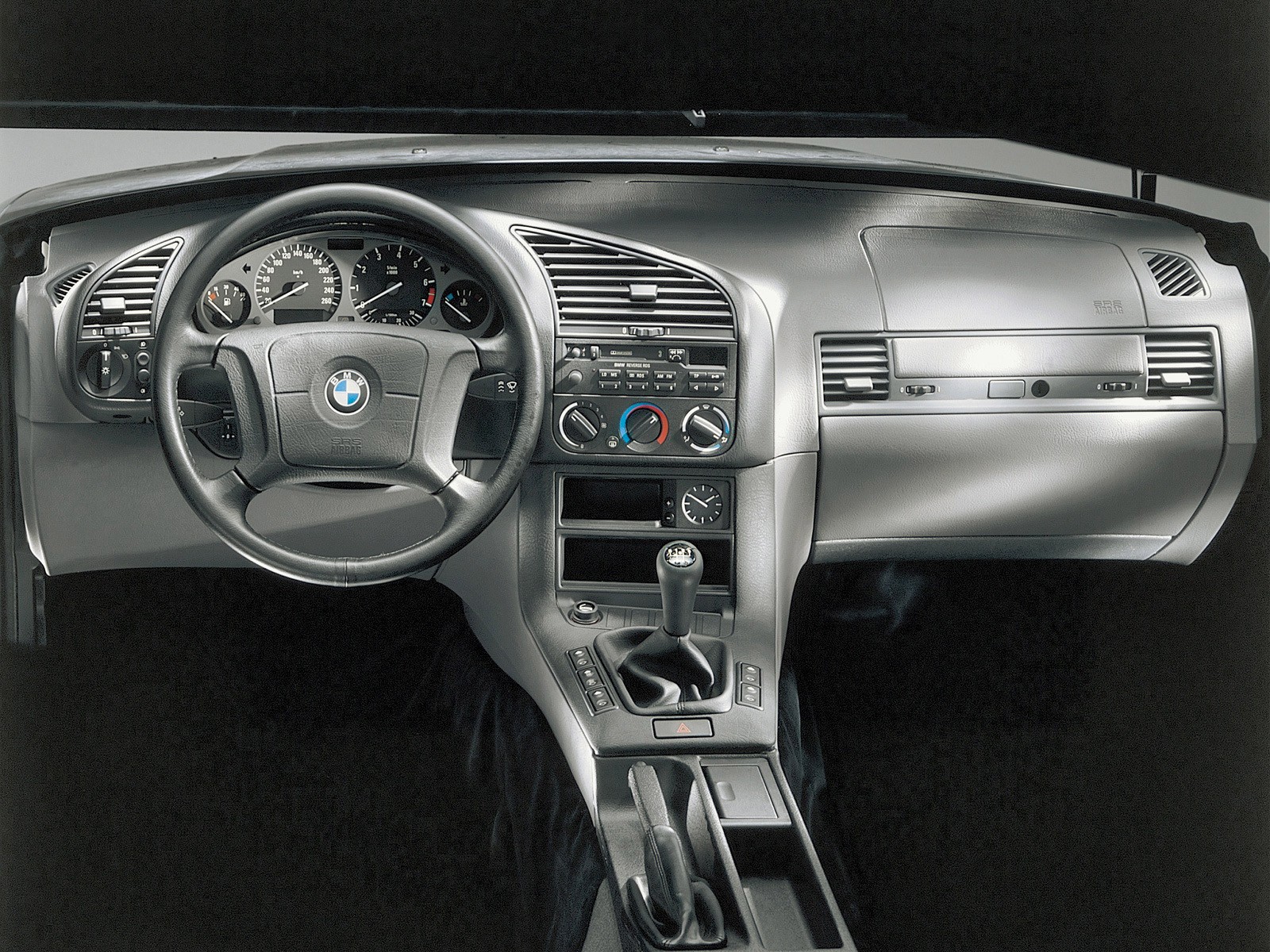
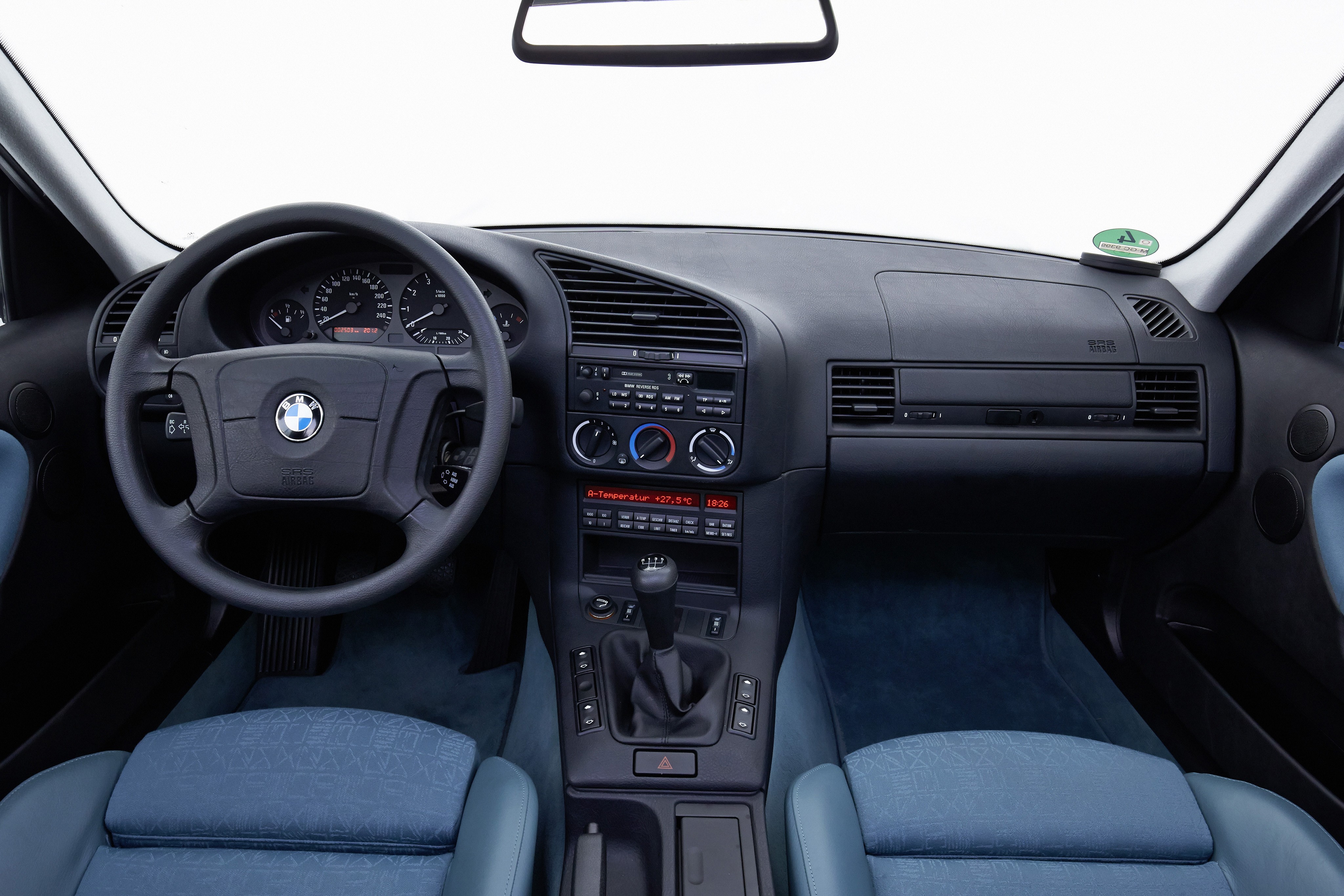
Inside, the curved dashboard sported a prominent center stack that looked like an extension of the instrument cluster. It was still tilted towards the driver and housed the integrated stereo at the top, followed by the HVAC and the available onboard computer. The center console was wide, and the automaker placed there the buttons for the power windows, when applicable, and the gear stick. In addition, between the front bucket seats, BMW put a small ashtray and the handbrake. In the back, thanks to the increased wheelbase compared to the E30, the E36 provided more room for up to three passengers that could sit on the bench seat, although the transmission tunnel was quite tall and limited legroom for the one seated in the middle.
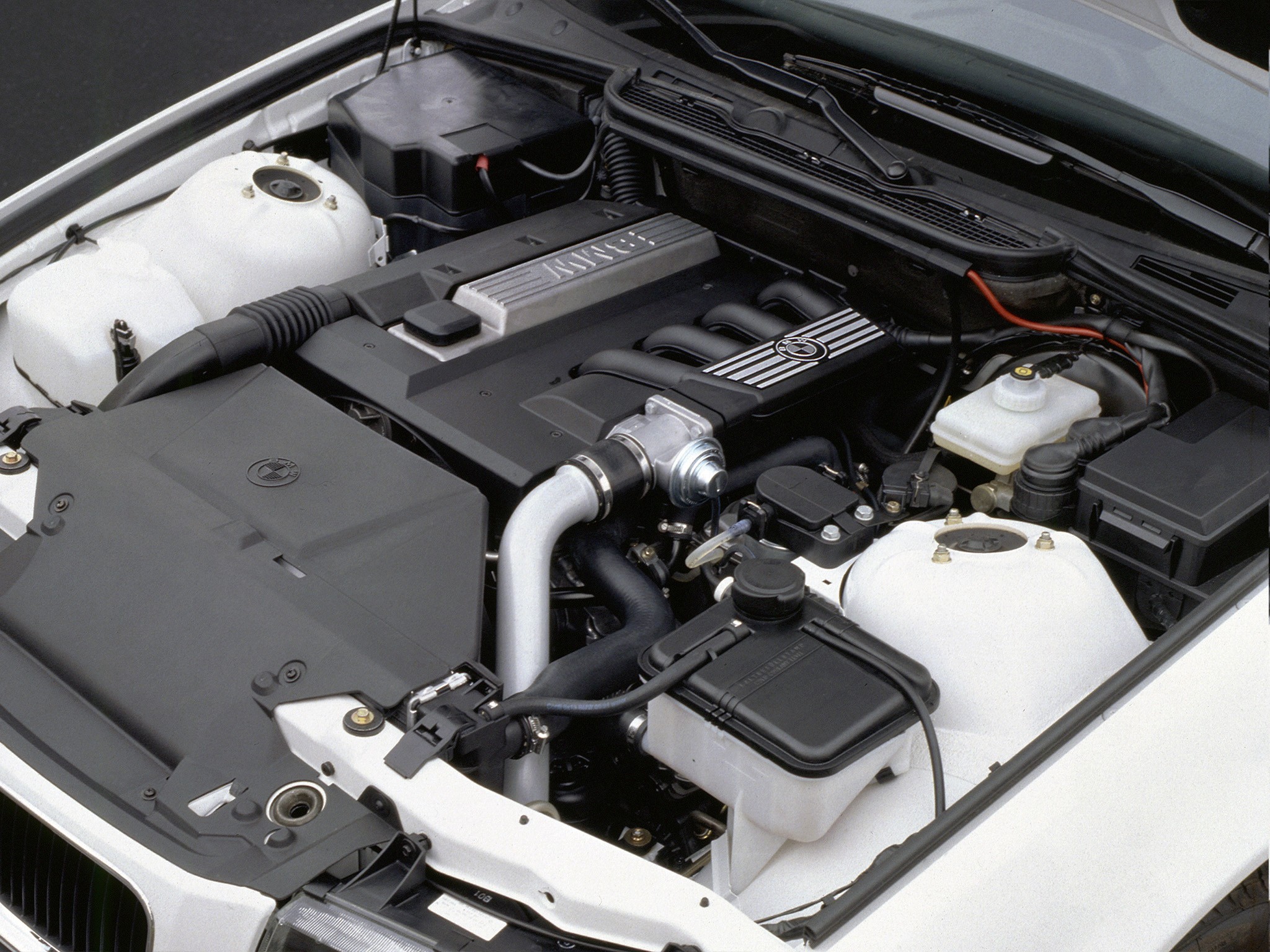
Under the hood, BMW installed a fresh engine range, either gasoline or turbodiesel. The former was available exclusively with a fuel injection system. All versions sent their power to the rear wheels only via a five-speed manual or a four or five-speed automatic. Surprisingly, BMW didn’t make the E36 available with an all-wheel drive system, like the E30 325 iX.
Begijnhof, 8000 Brugge, Belgium
Begijnhof, 8000 Brugge, Belgium

Begijnhof, 8000 Brugge, Belgium

Begijnhof, 8000 Brugge, Belgium

Begijnhof, 8000 Brugge, Belgium
Begijnhof, 8000 Brugge, Belgium
Begijnhof, 8000 Brugge, Belgium
Begijnhof, 8000 Brugge, Belgium
Begijnhof, 8000 Brugge, Belgium

Begijnhof, 8000 Brugge, Belgium
Offer an price, more info or anything you want

Consumer reviews