

Dealer:
Eden Hazard
Begijnhof, 8000 Brugge, Belgium
- Transmission 7-Speed Automatic
- |
- Drive Rear Wheel Drive
- |
- Mileage n/a


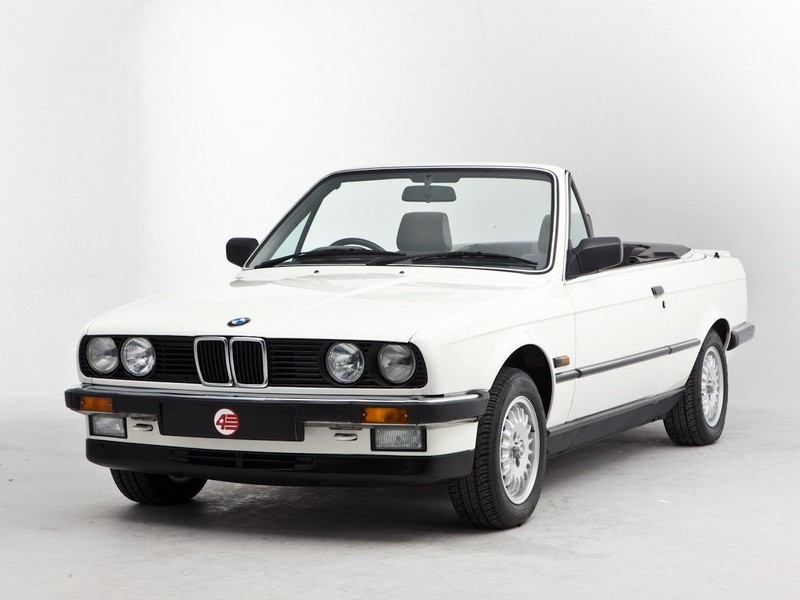
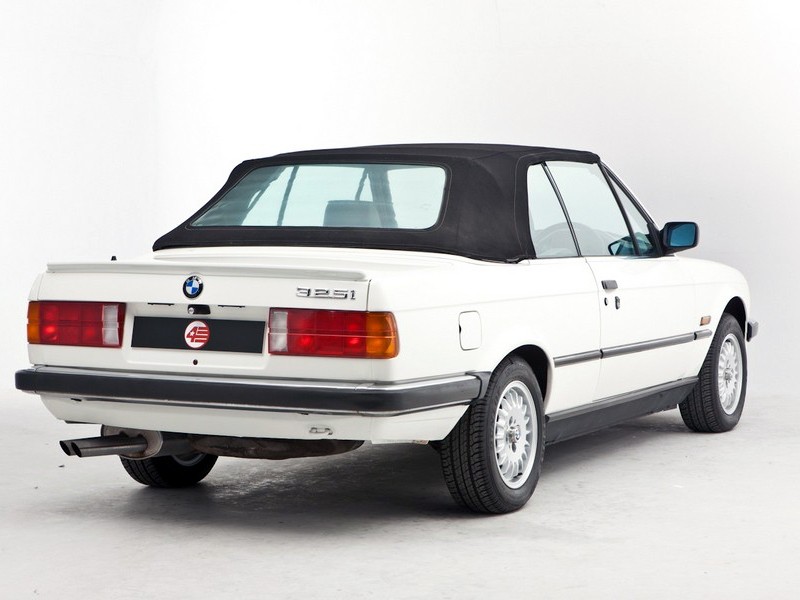
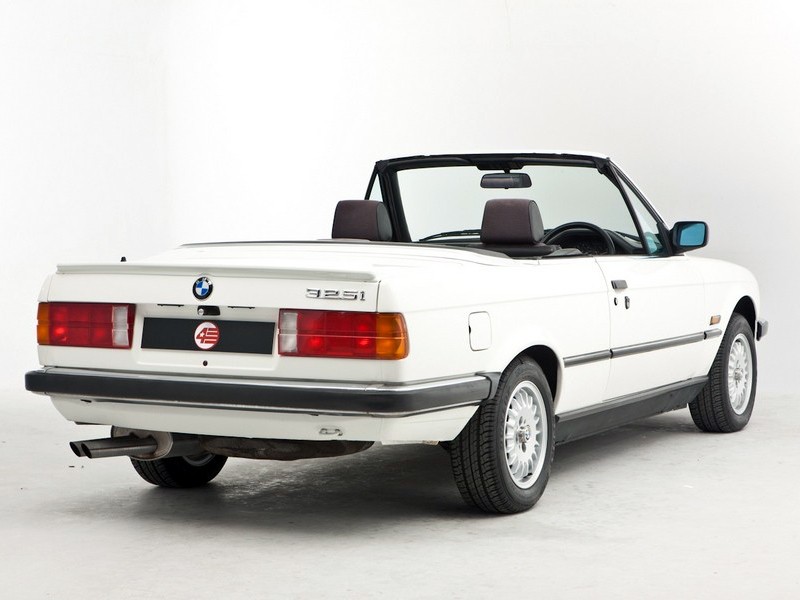
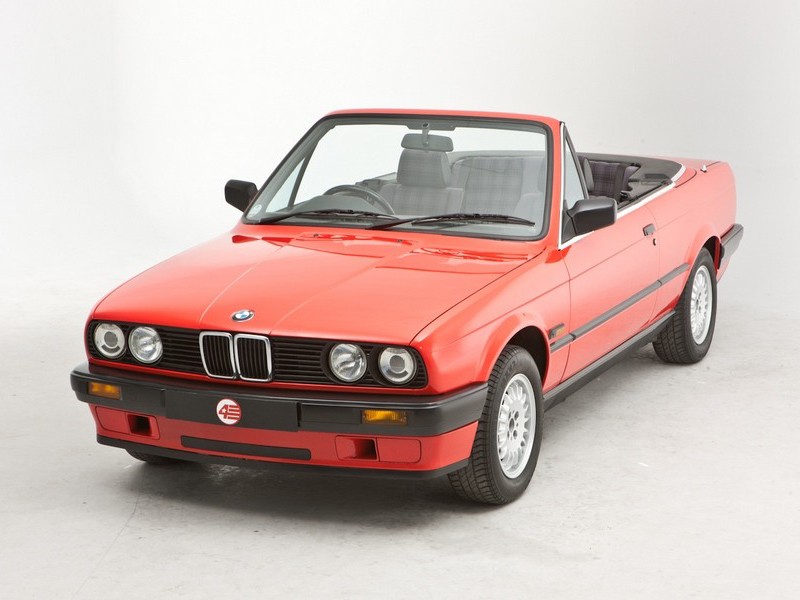
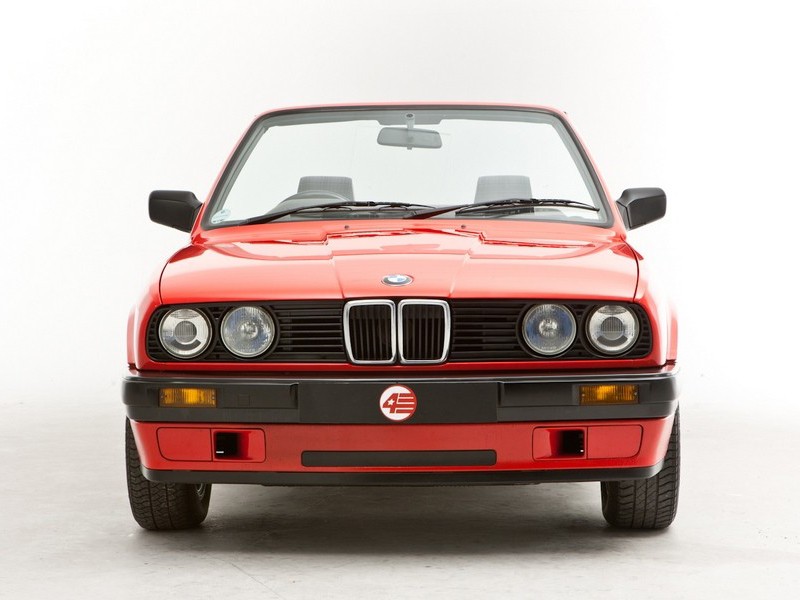
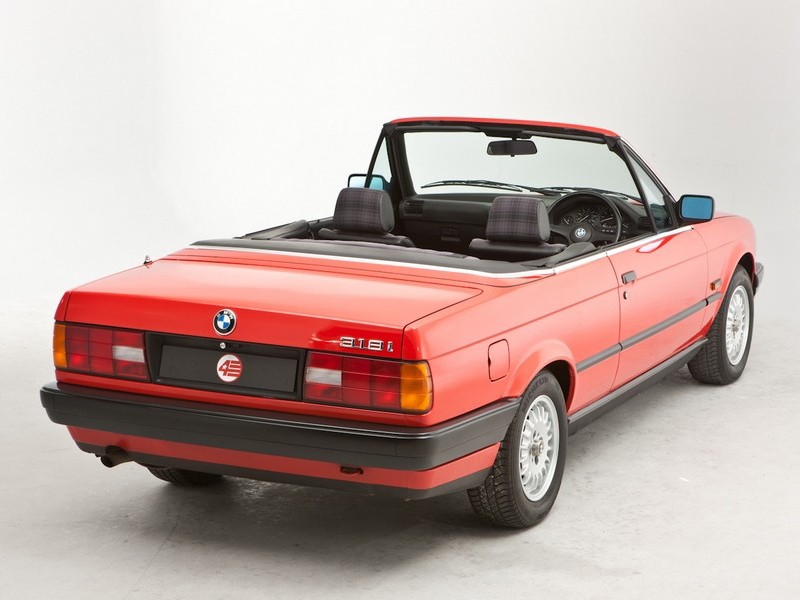
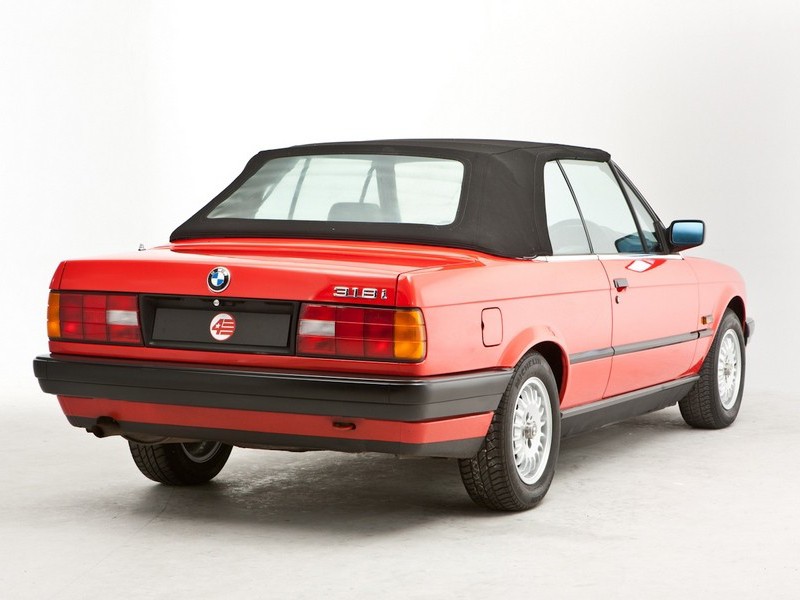
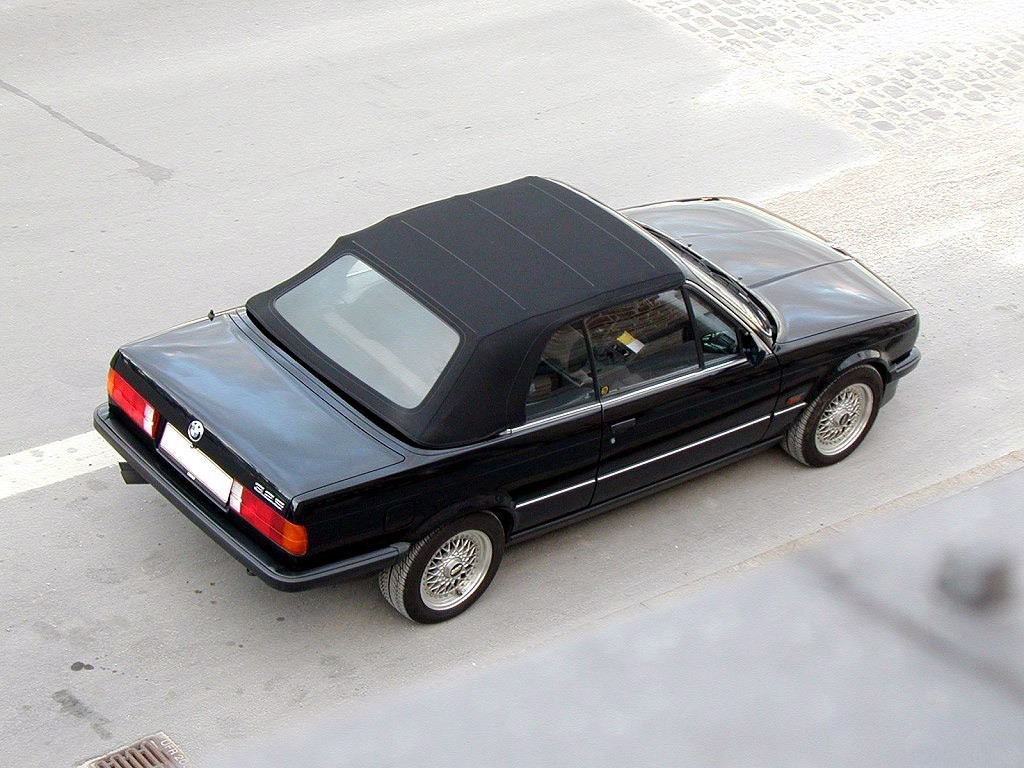



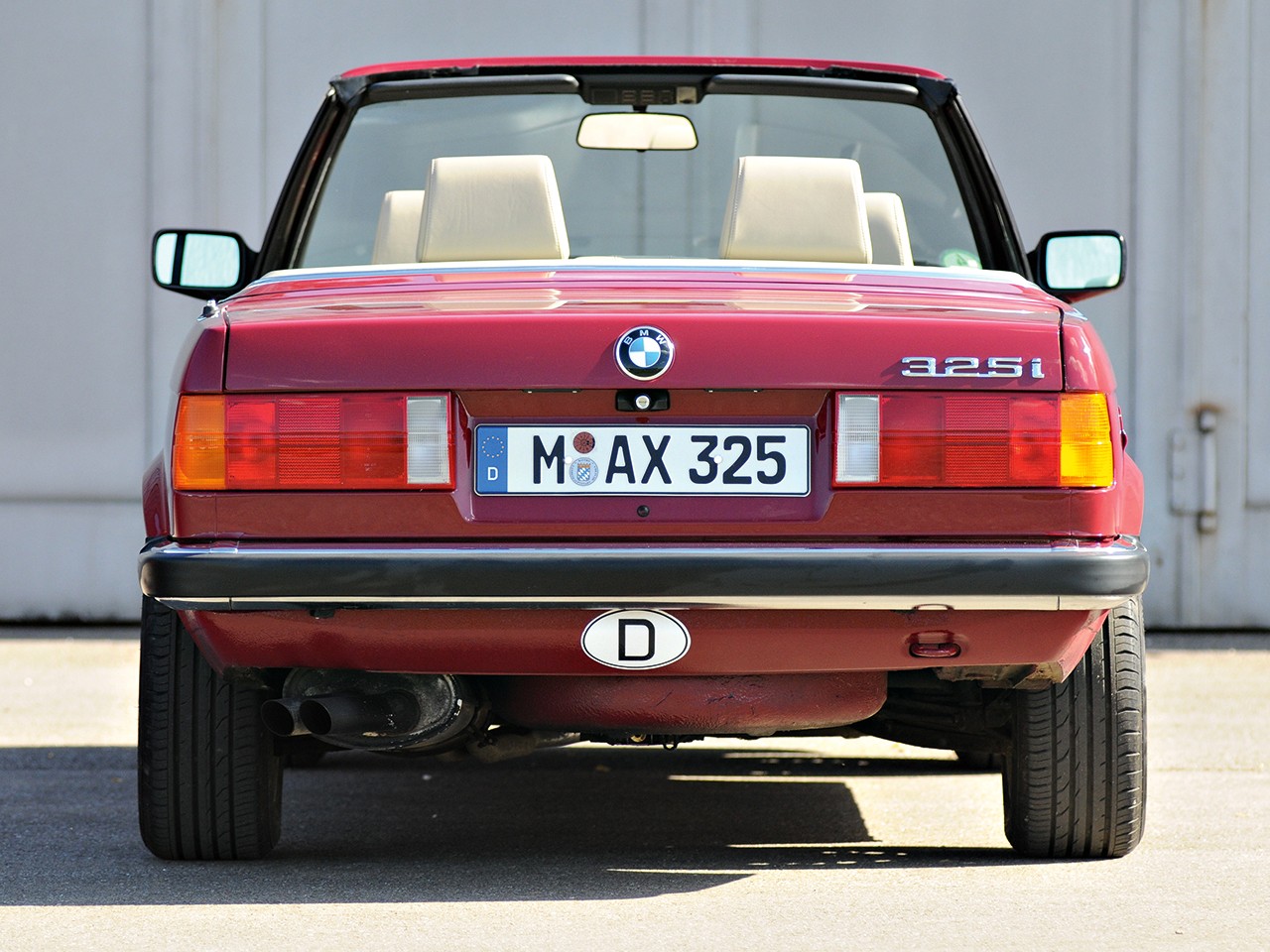


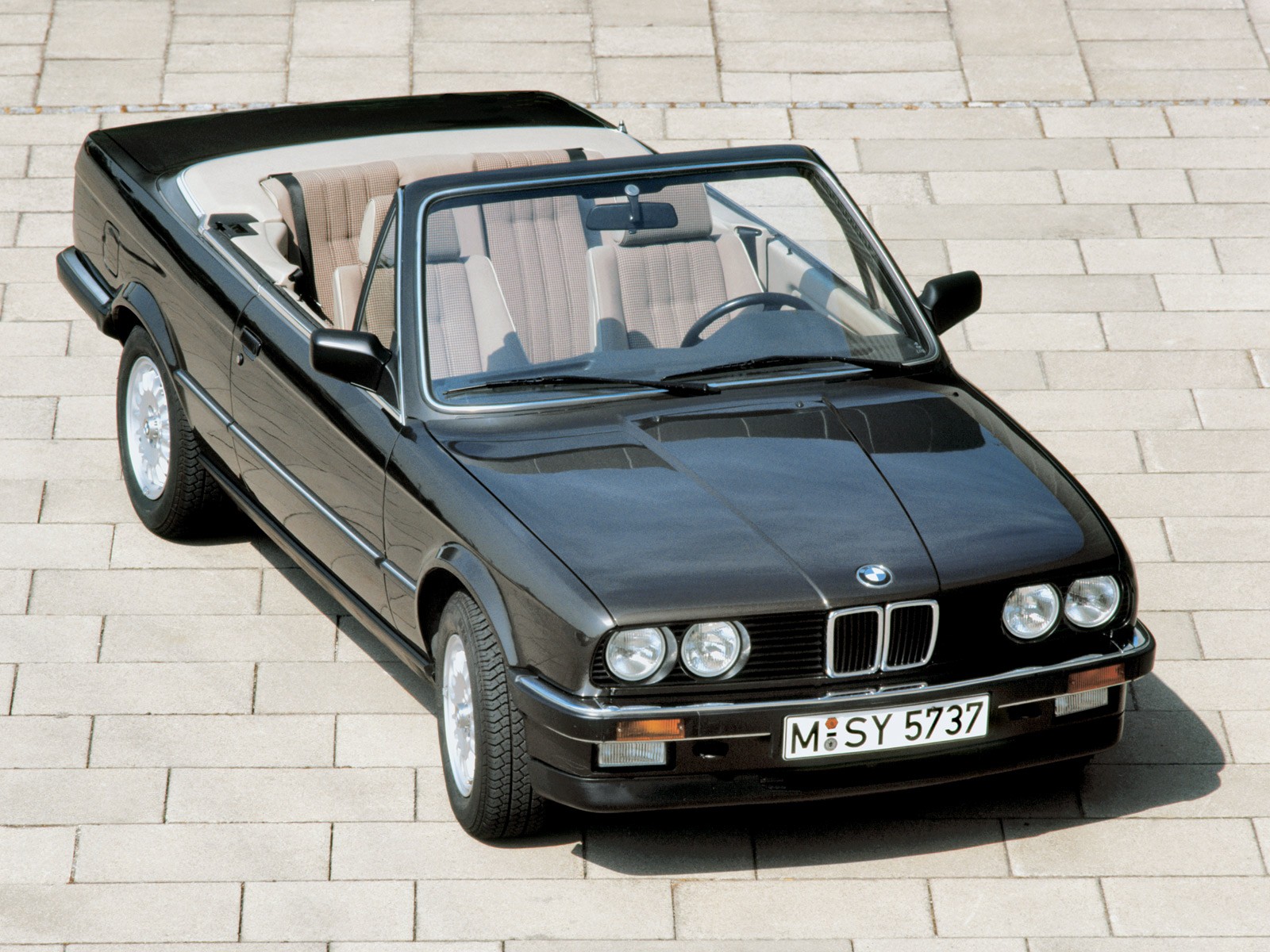

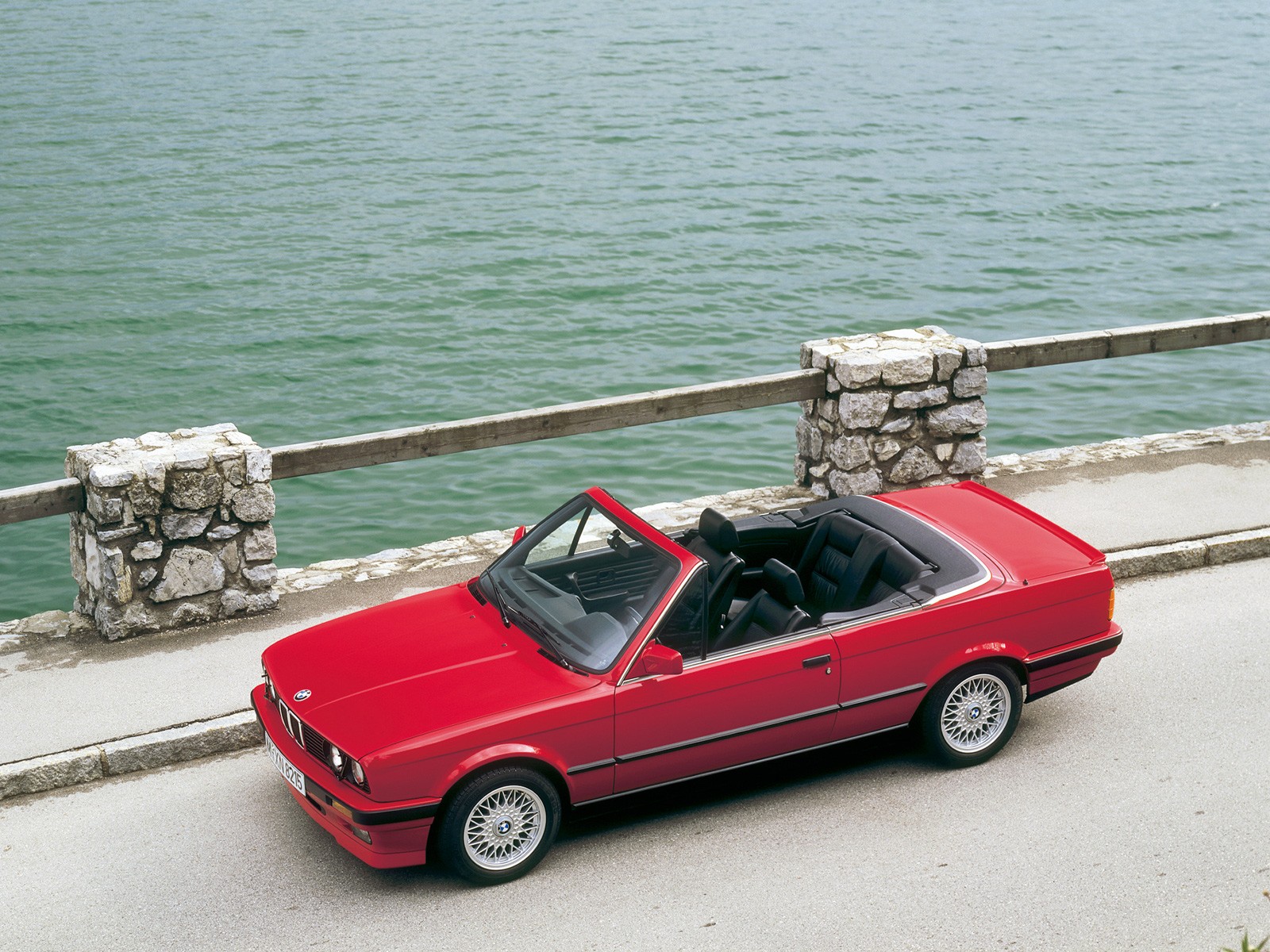
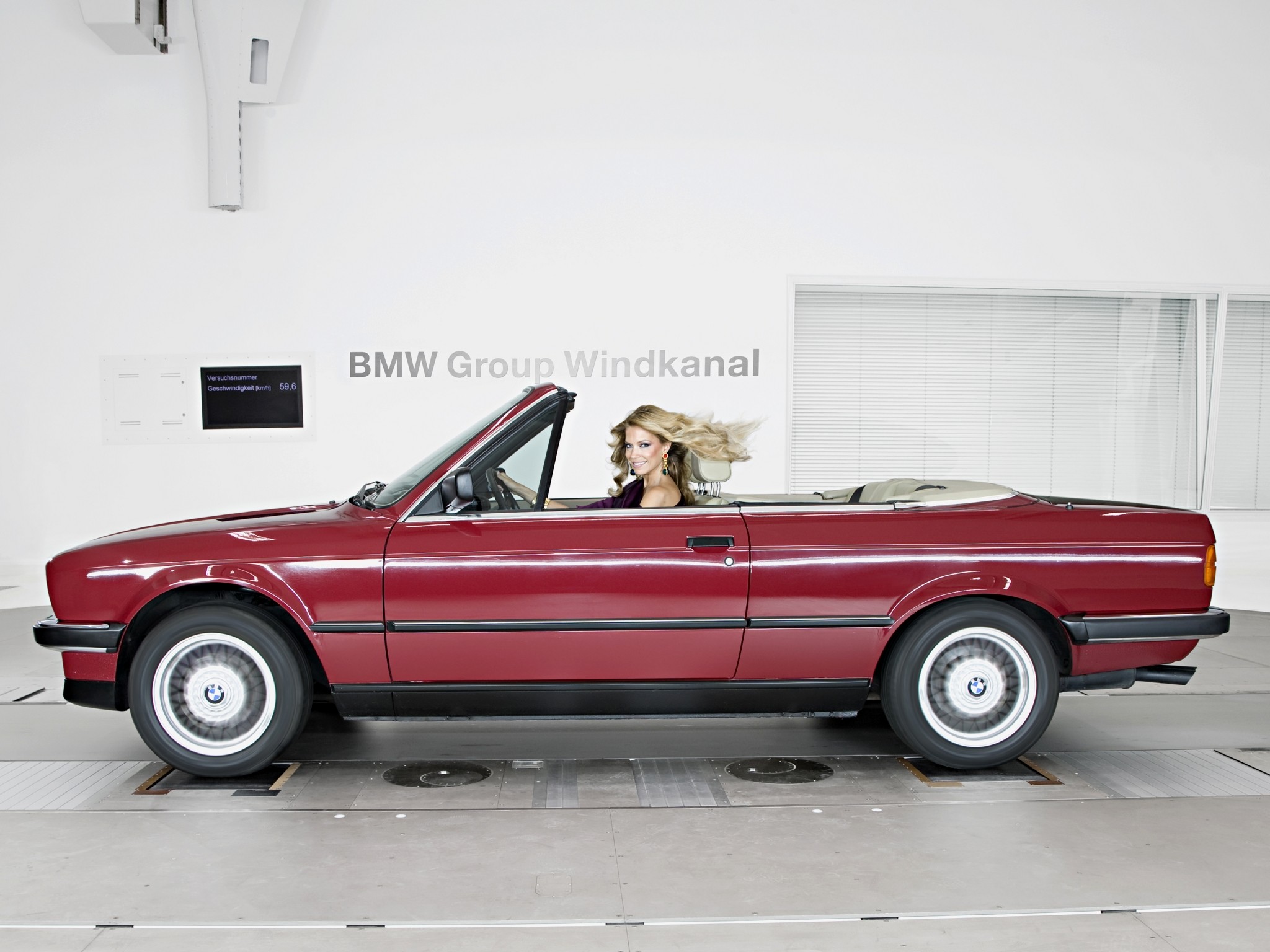


BMW dared to return on the convertible market in 1986 after about three decades since its last open-top vehicle left the assembly lines in…
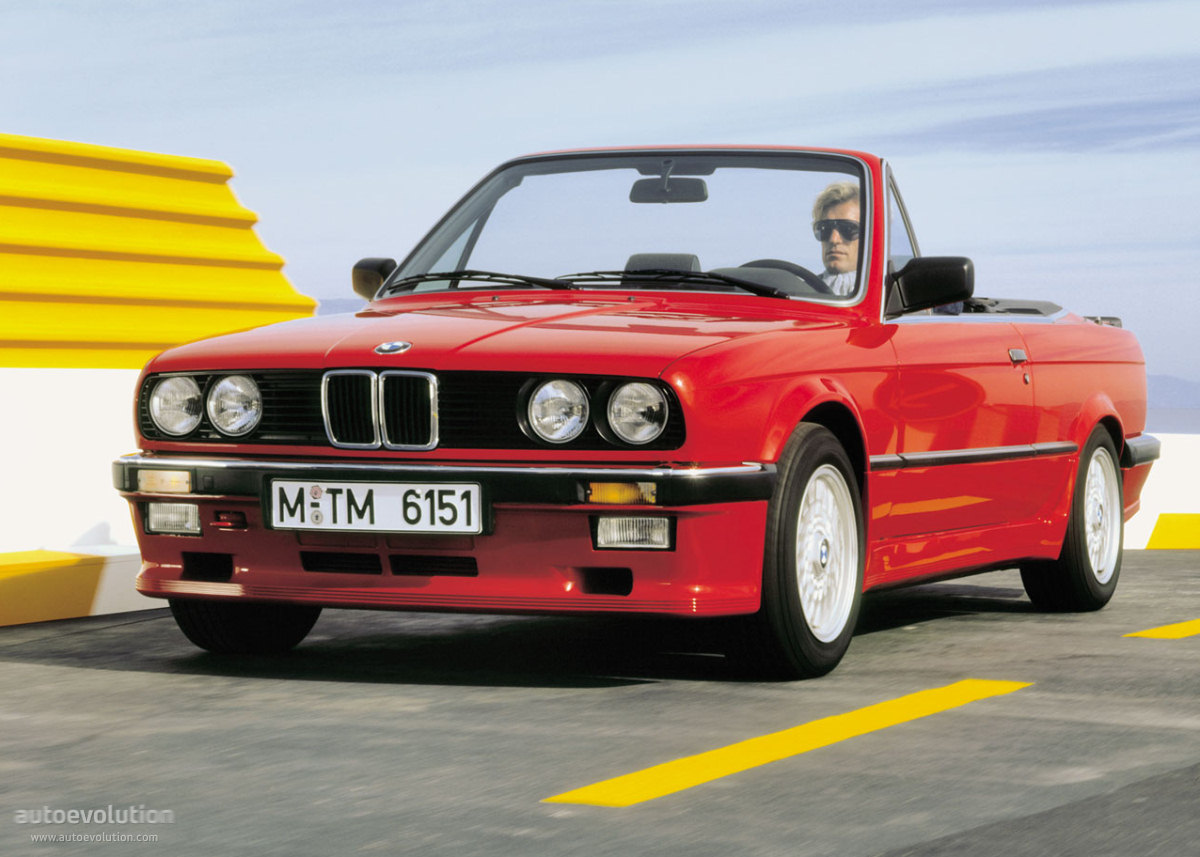
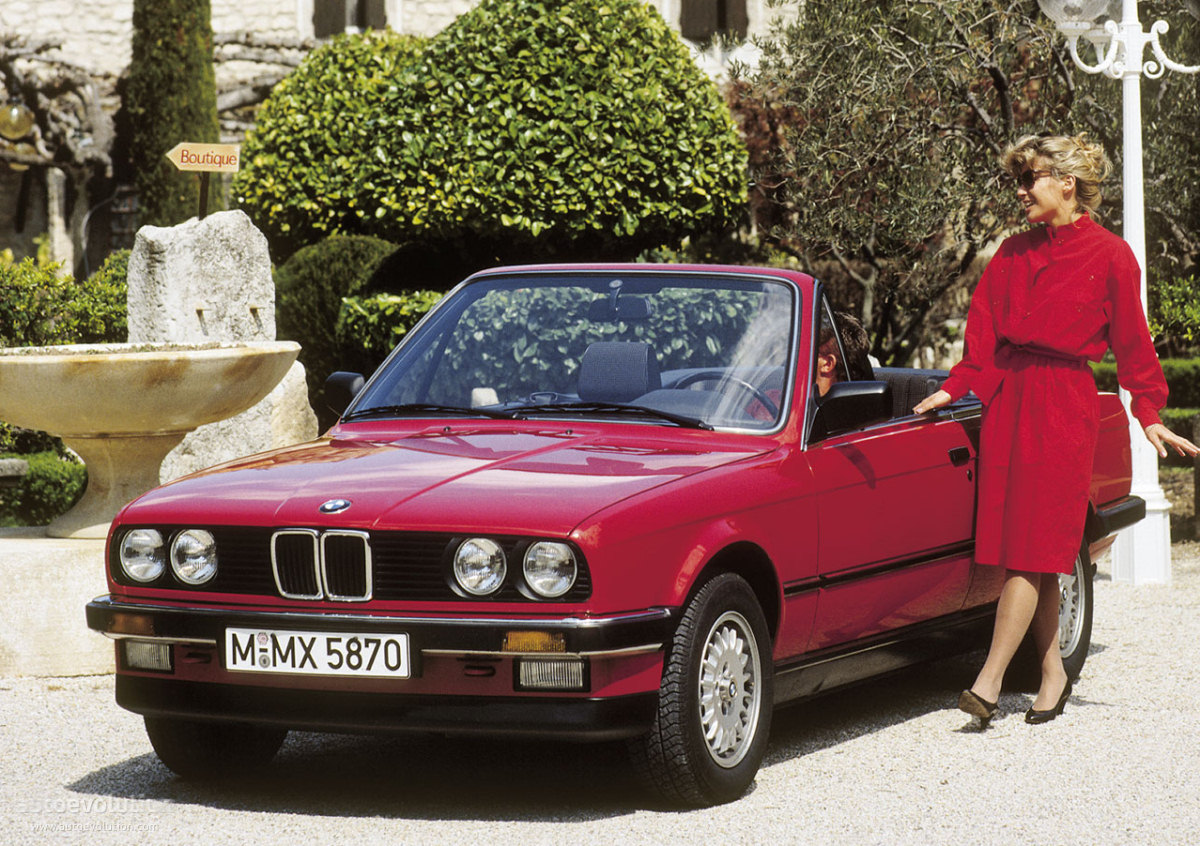
BMW dared to return on the convertible market in 1986 after about three decades since its last open-top vehicle left the assembly lines in Munich.
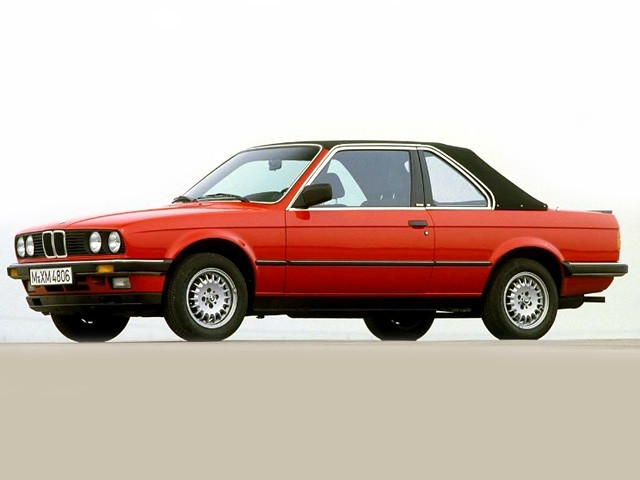
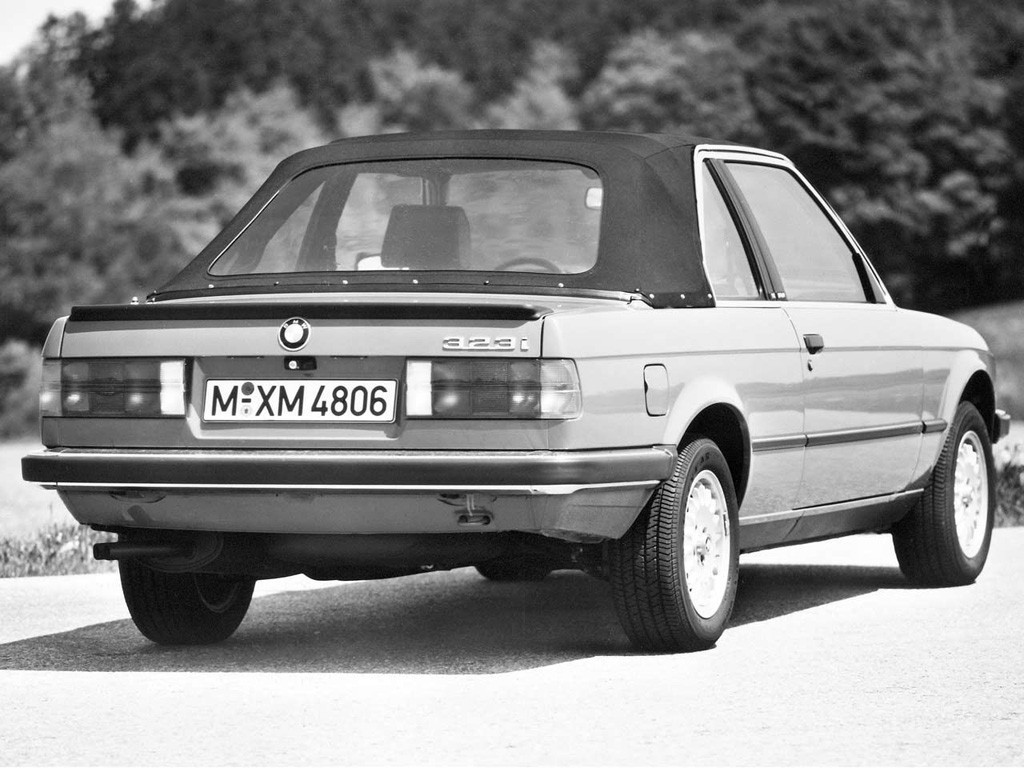
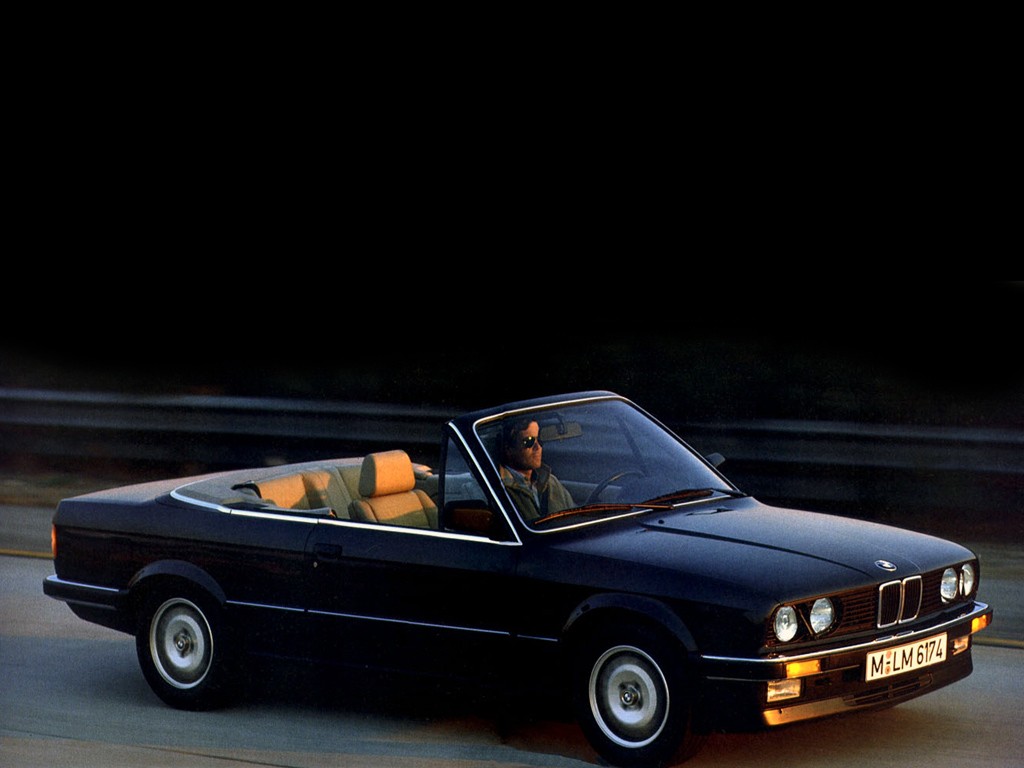
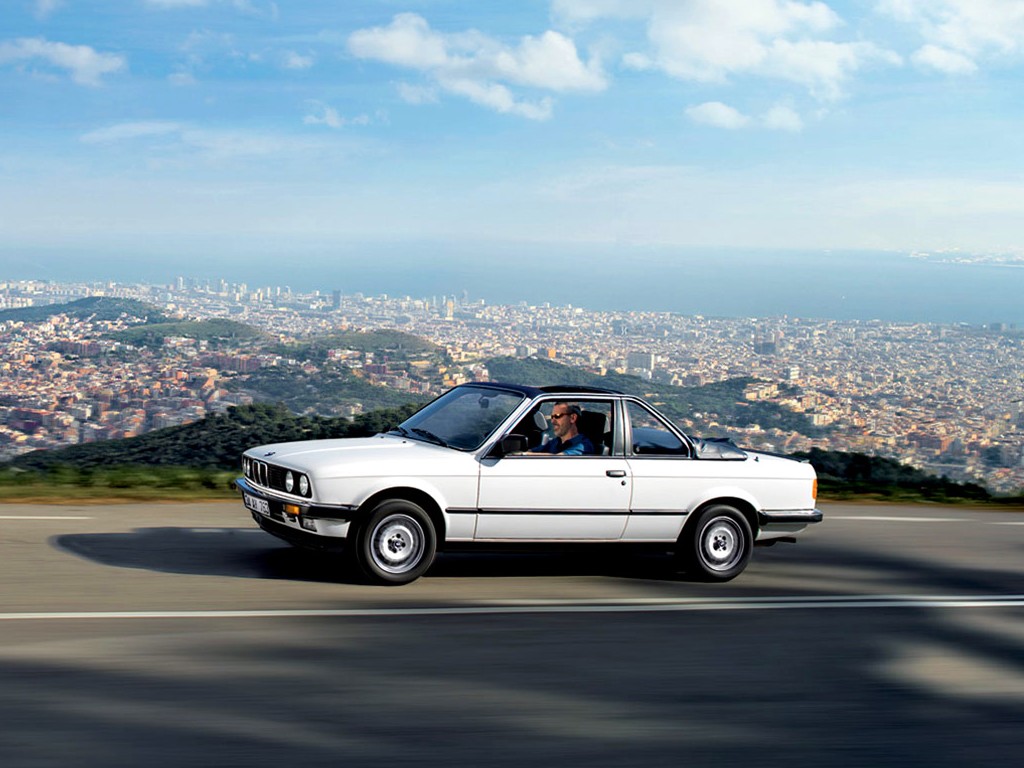
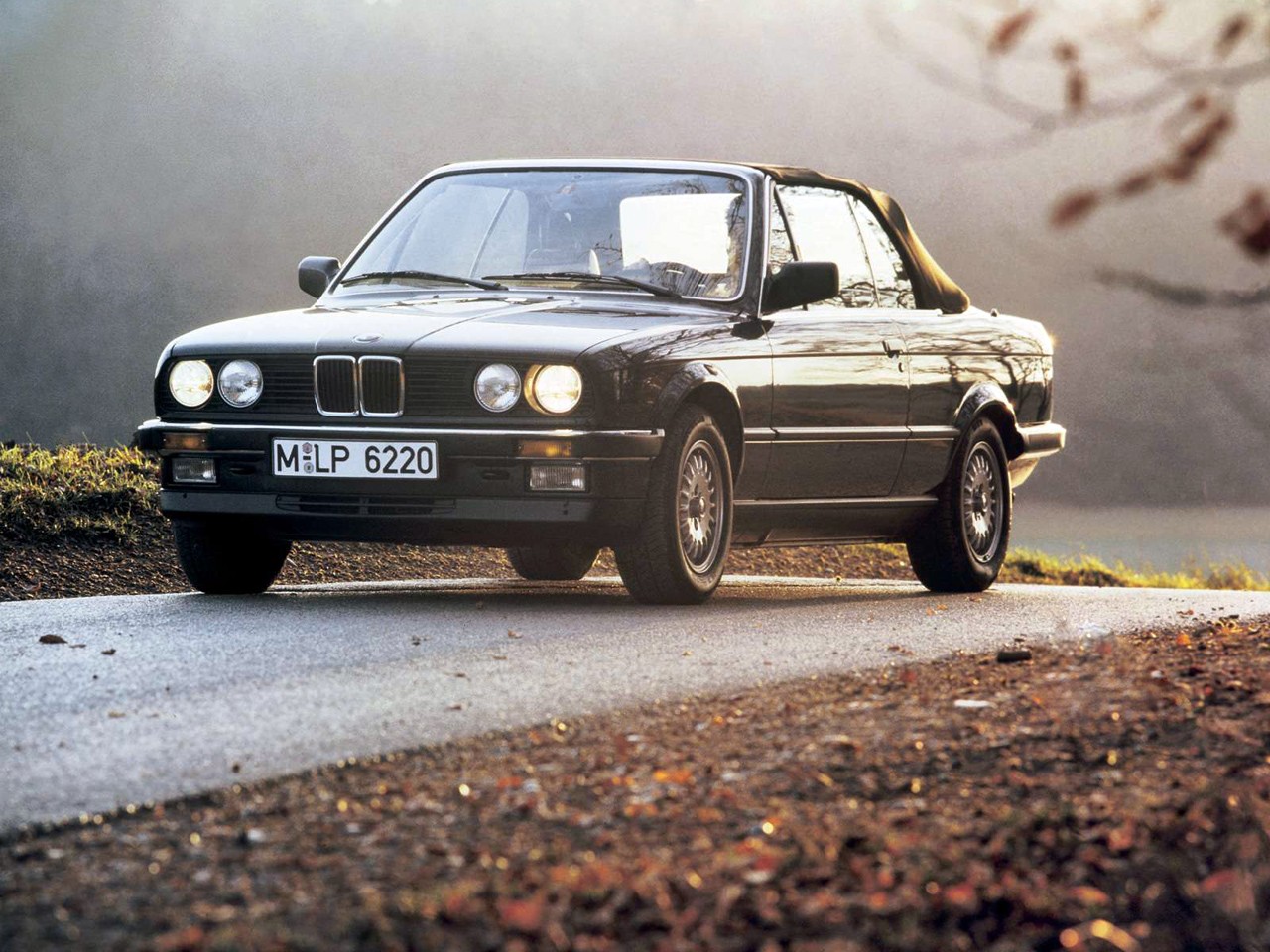
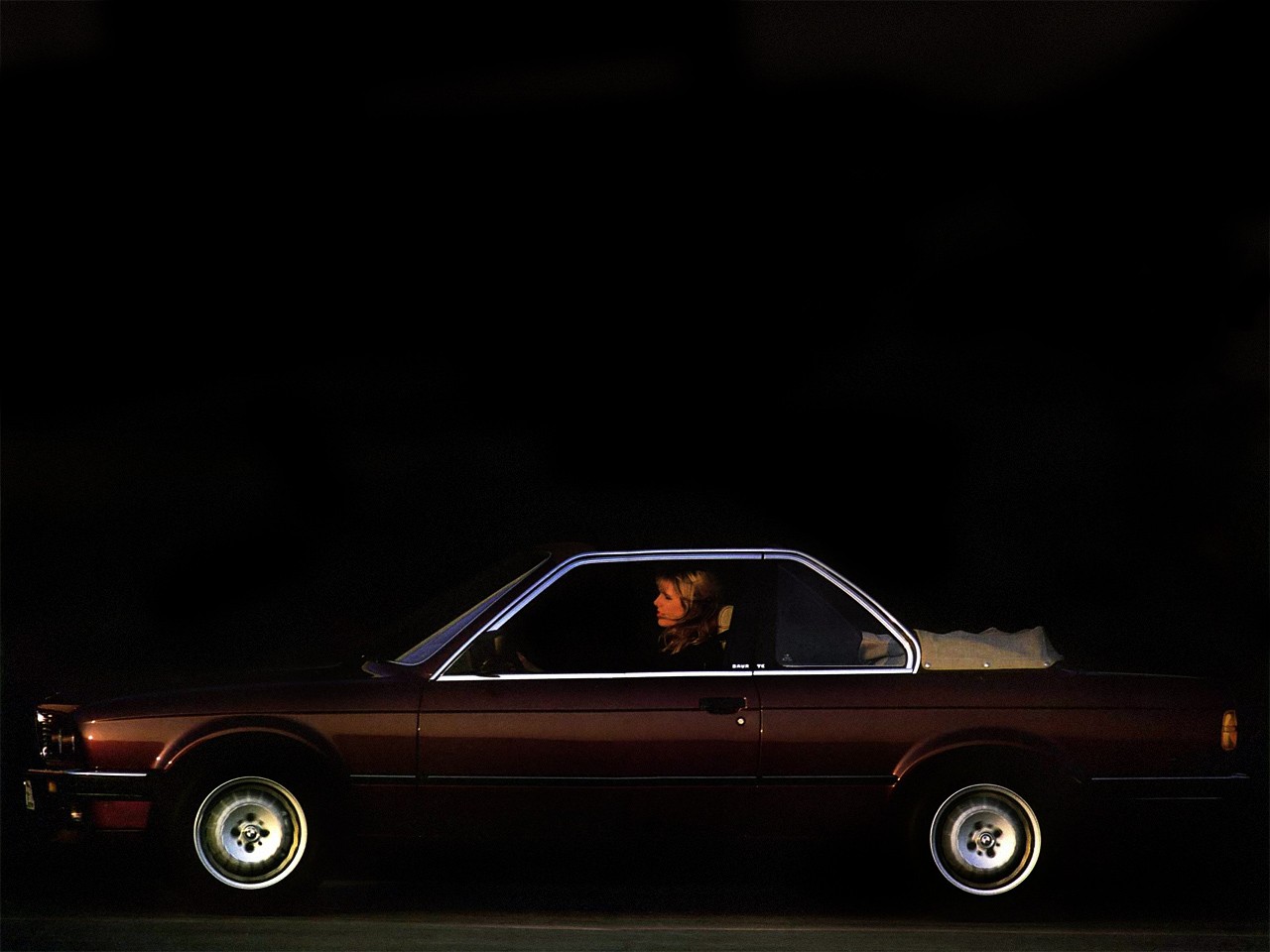
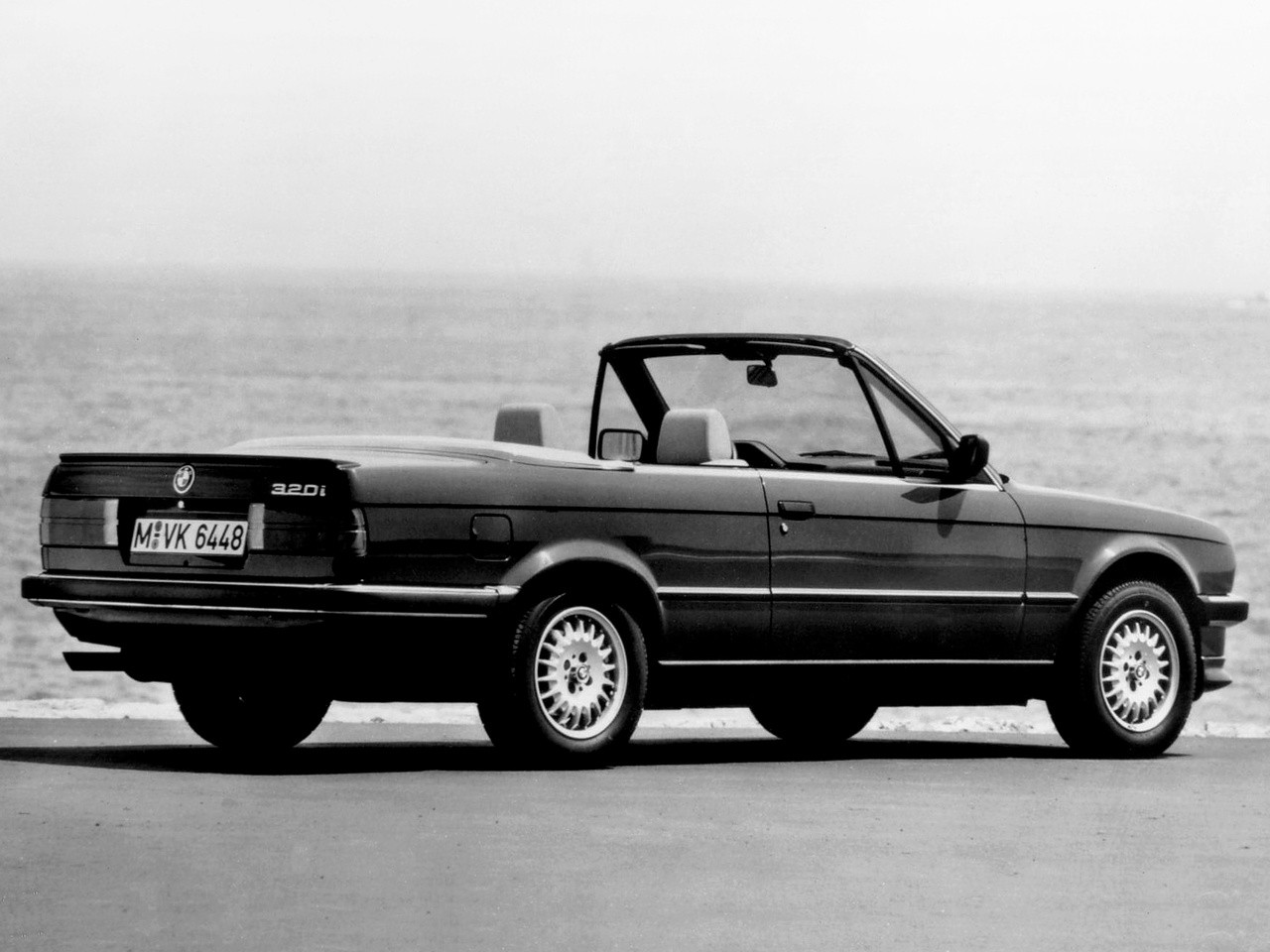
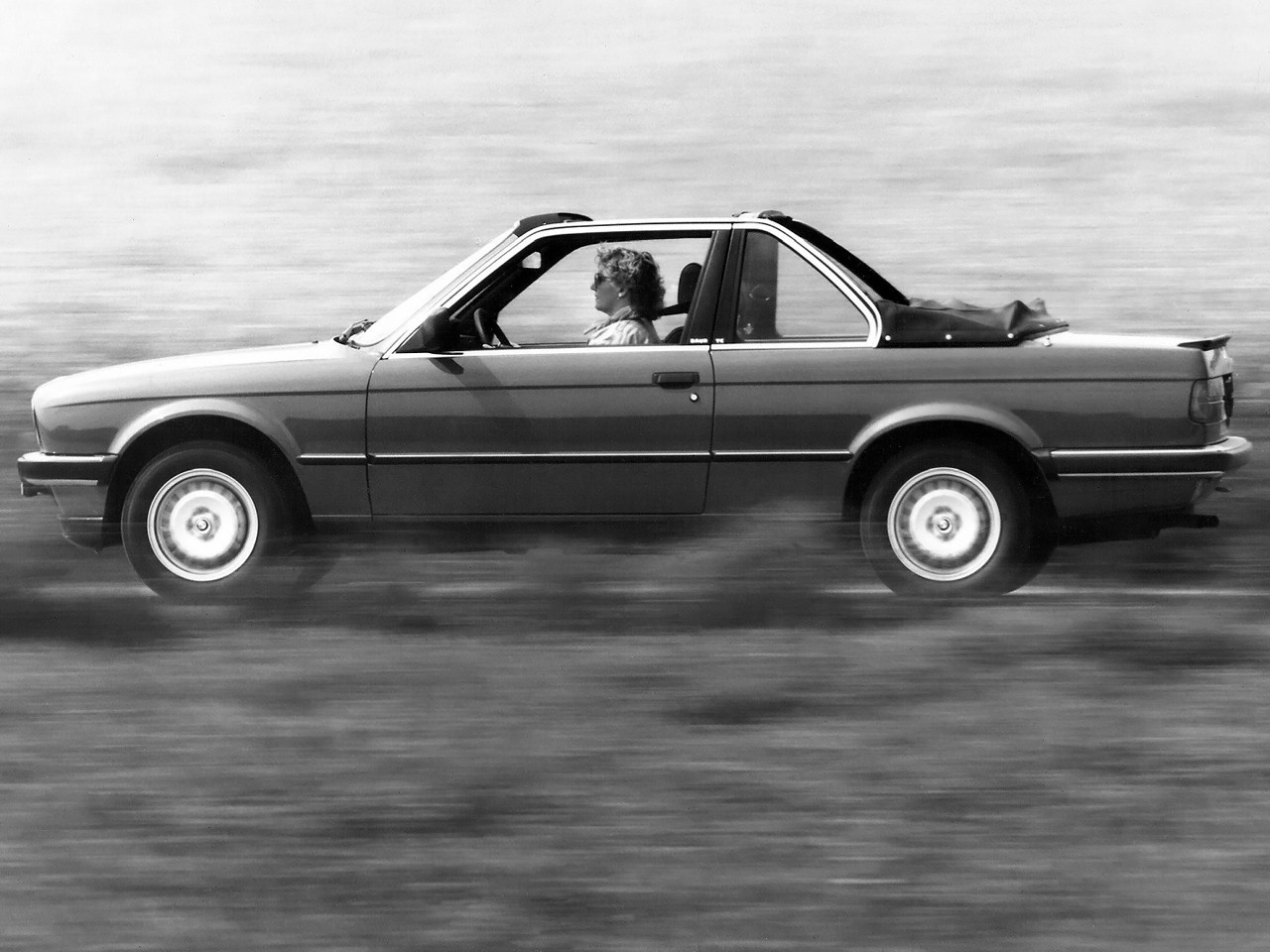
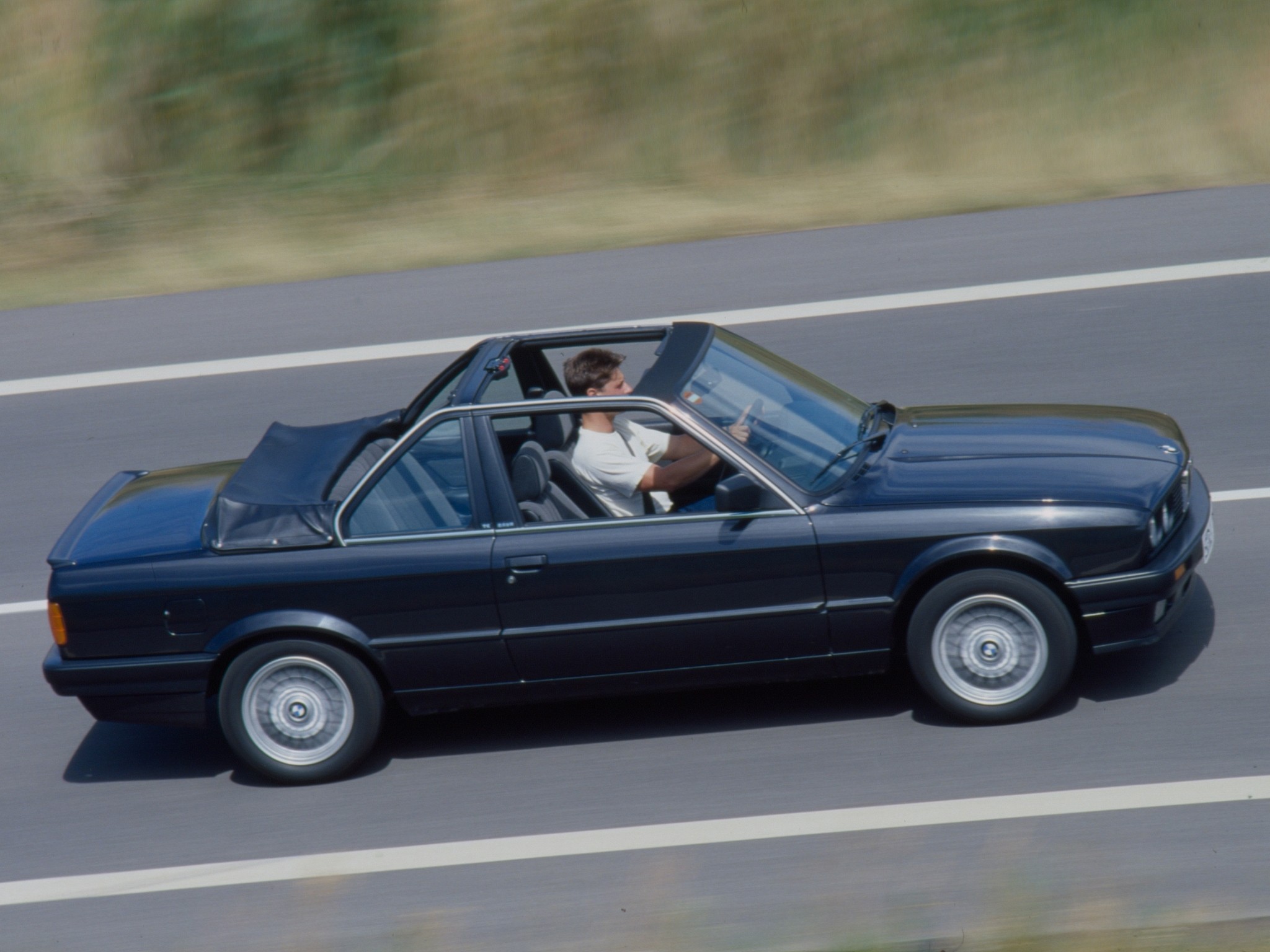
When the automaker launched the first generation of the 3 Series in 1975, it didn’t consider offering it as a convertible, and the same story went on with the second generation introduced in late 1982. Still, there was one particular coach manufacturer, Baur, who created an open-top version of the 3 Series (both generations), albeit the B- and C-pillars remained in place. Only the roof and the rear window could disappear from those versions. BMW noticed the customers’ interest in such body shapes and created one based on the 3 Series Coupe (E30), and unveiled it in 1986. Unlike the Baur top cabriolets, the factory-built convertible had no B- or C-posts. The only thing that raised above the vehicle’s waistline was the windshield.
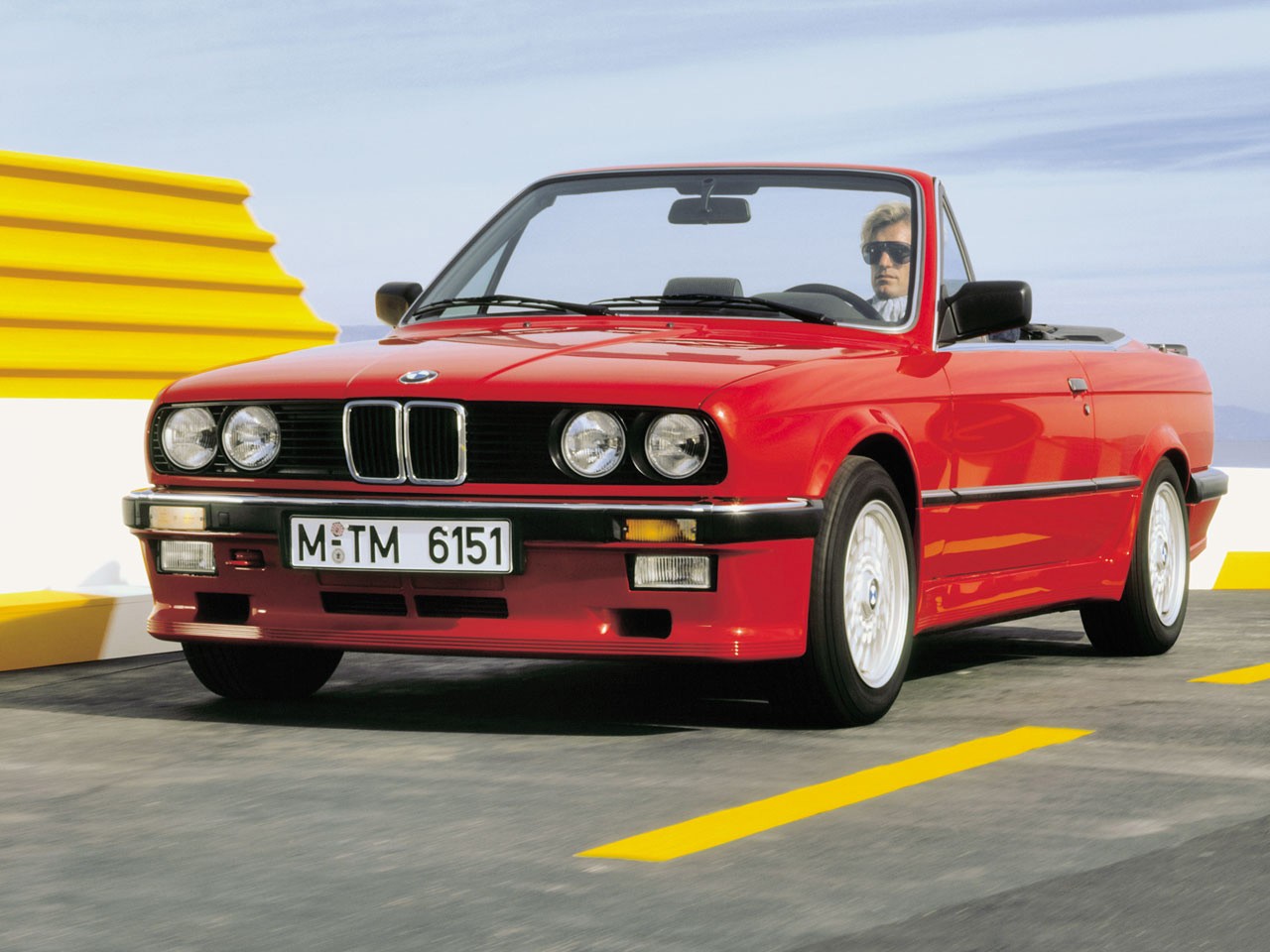
BMW had to quickly adapt to the market’s demands, so it didn’t make any changes to the 3 Series Convertible’s front. As a result, the car sported the same four-headlight system as the rest of the E30 range. Just like those, it featured a metallic bumper, which integrated the blinkers and the parking lights. Below, customers could opt for a pair of rectangular fog lamps, while an apron below them had reduced ground effect.
The absence of other pillars besides those supporting the windshield made the 1986 BMW 3 Series Convertible look even better. All exterior body panels but the doors were carried over from the 3 Series coupe, with just slight modifications for the rear fenders. The automaker offered the car with standard 14-inch alloy wheels with the same design as the other E30 models. For the folding roof, BMW used a spring-loaded mechanism that helped customers quickly unlatch it and store it behind the cabin. The only downturn of the car was that the rear window was made from plastic, not glass.
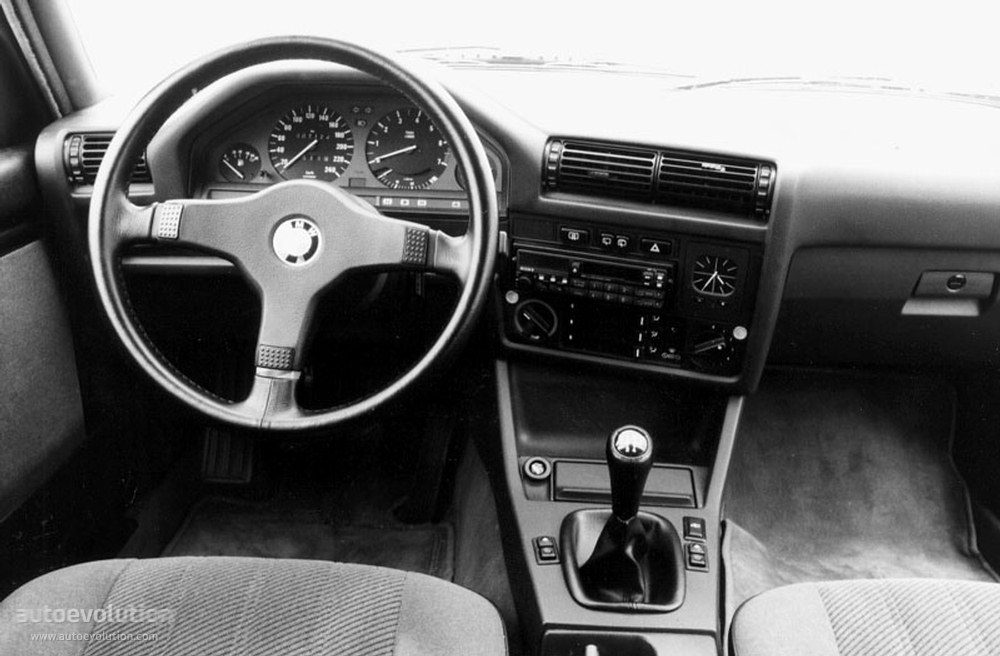
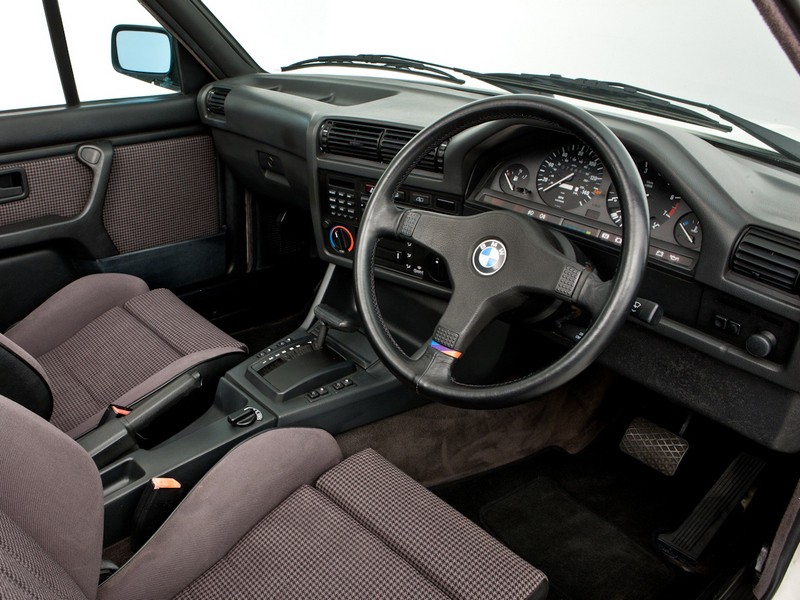
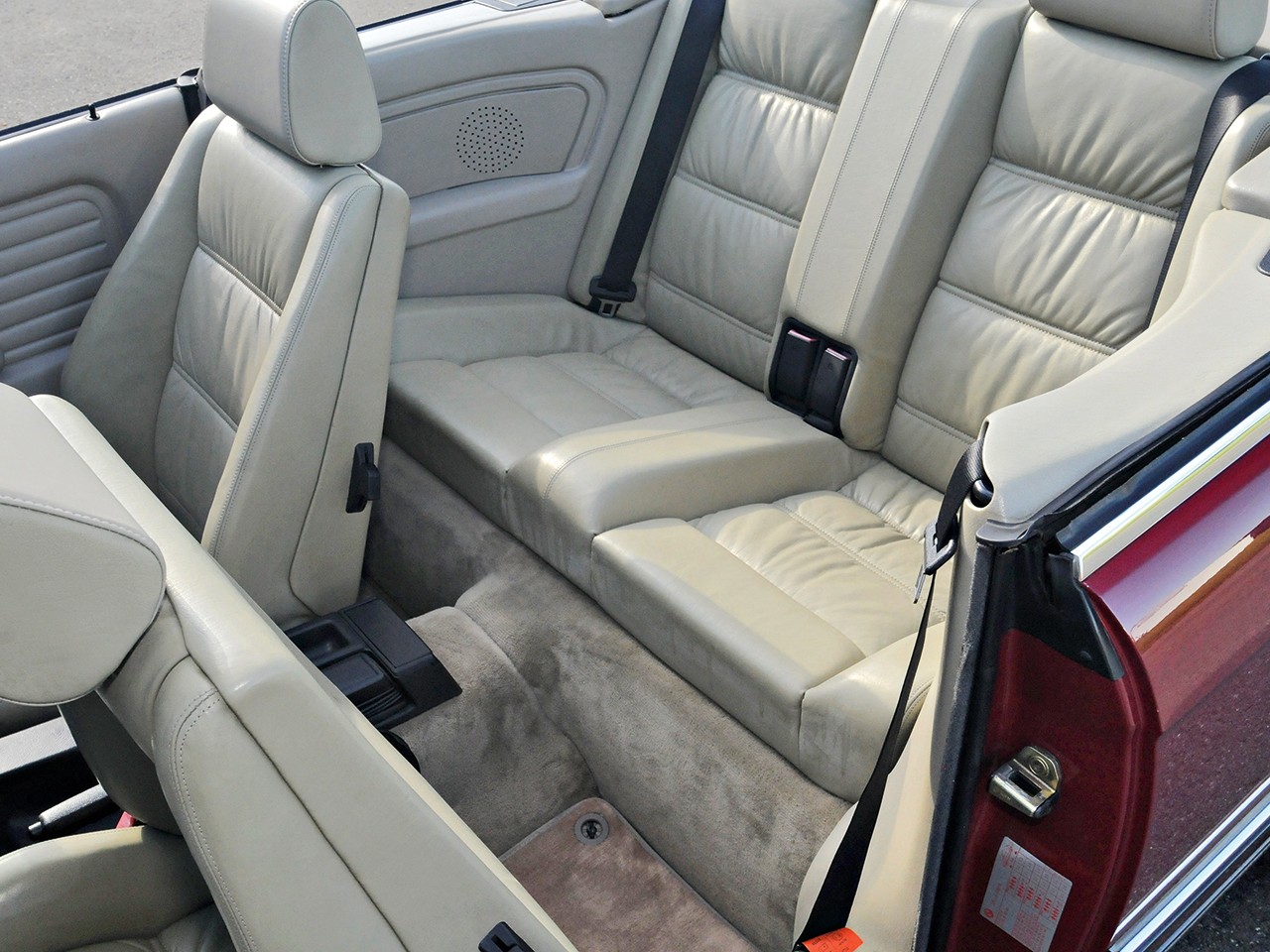
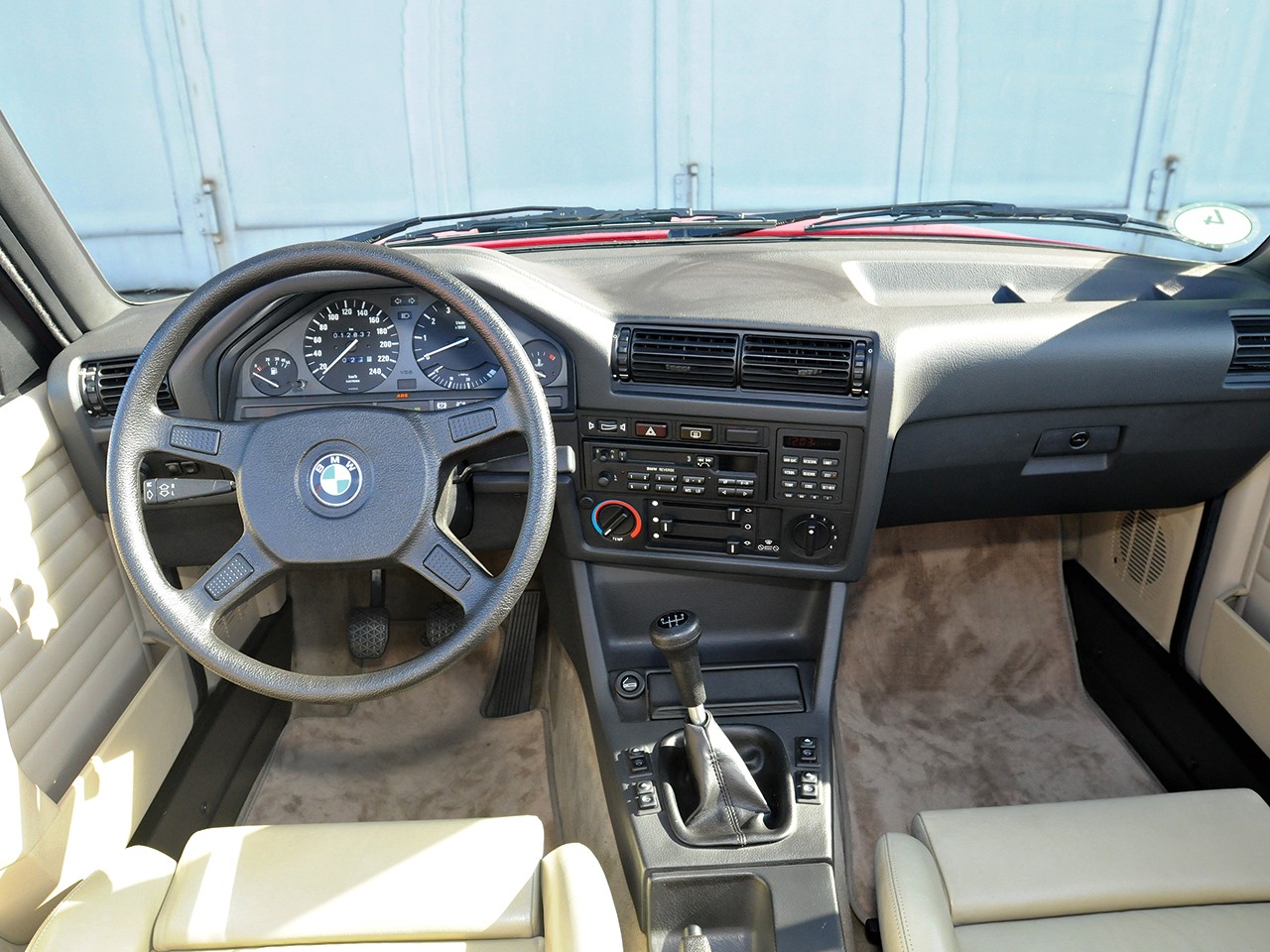
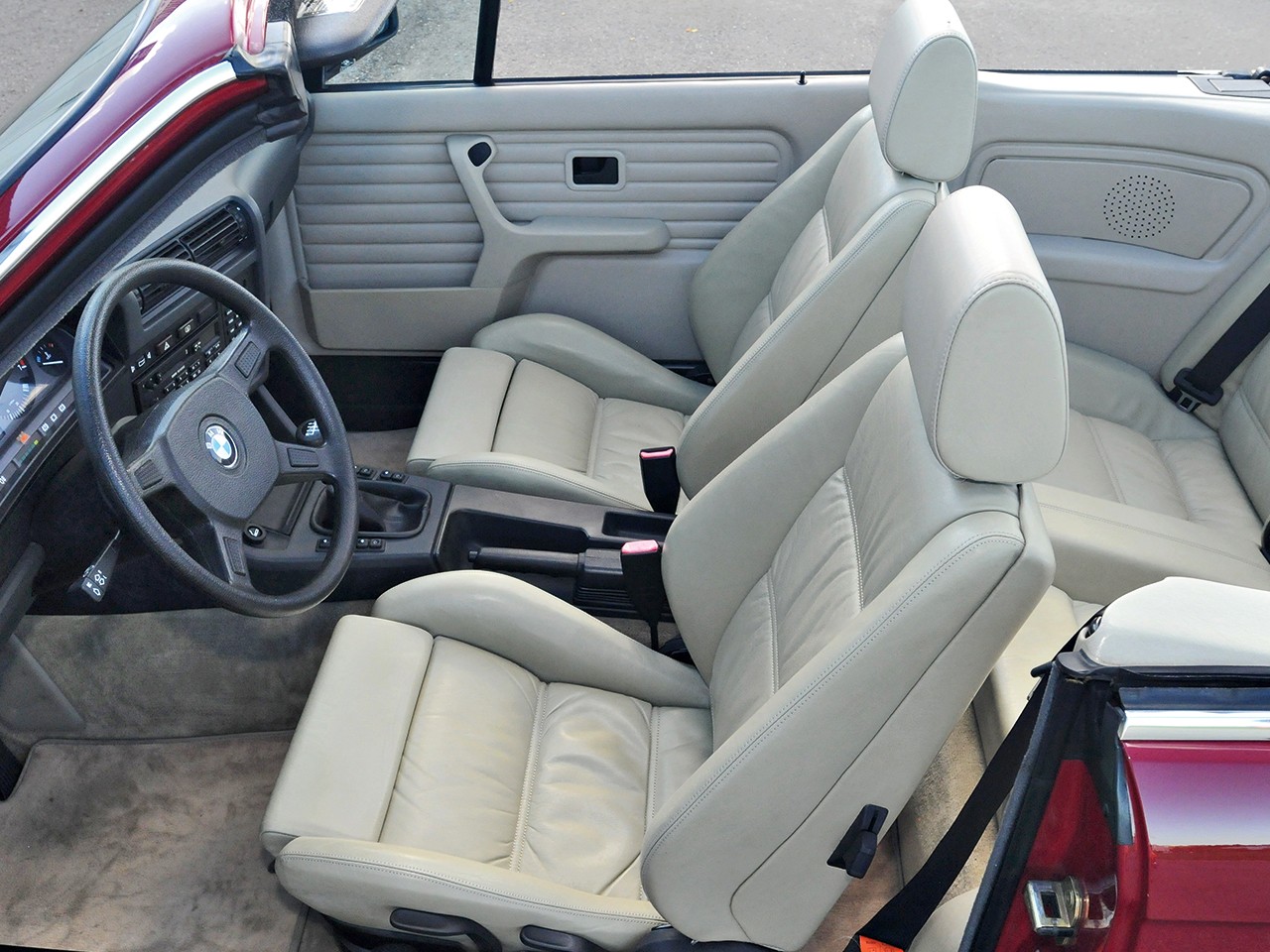
Inside, the E30 convertible shared its dashboard with its siblings. At the same time, the center console had two extra buttons for the rear power windows. Depending on the market, the automaker offered the car with standard sports seats covered with fabric or leather. In the back, the bench seat was profiled for two, and it could hardly accommodate average-sized occupants. BMW had to push the bench slightly forward compared to the coupe to make room for the rag top’s storage compartment. Accessing those seats was easy thanks to the tilt and move forward front seats, especially when the roof was retracted.
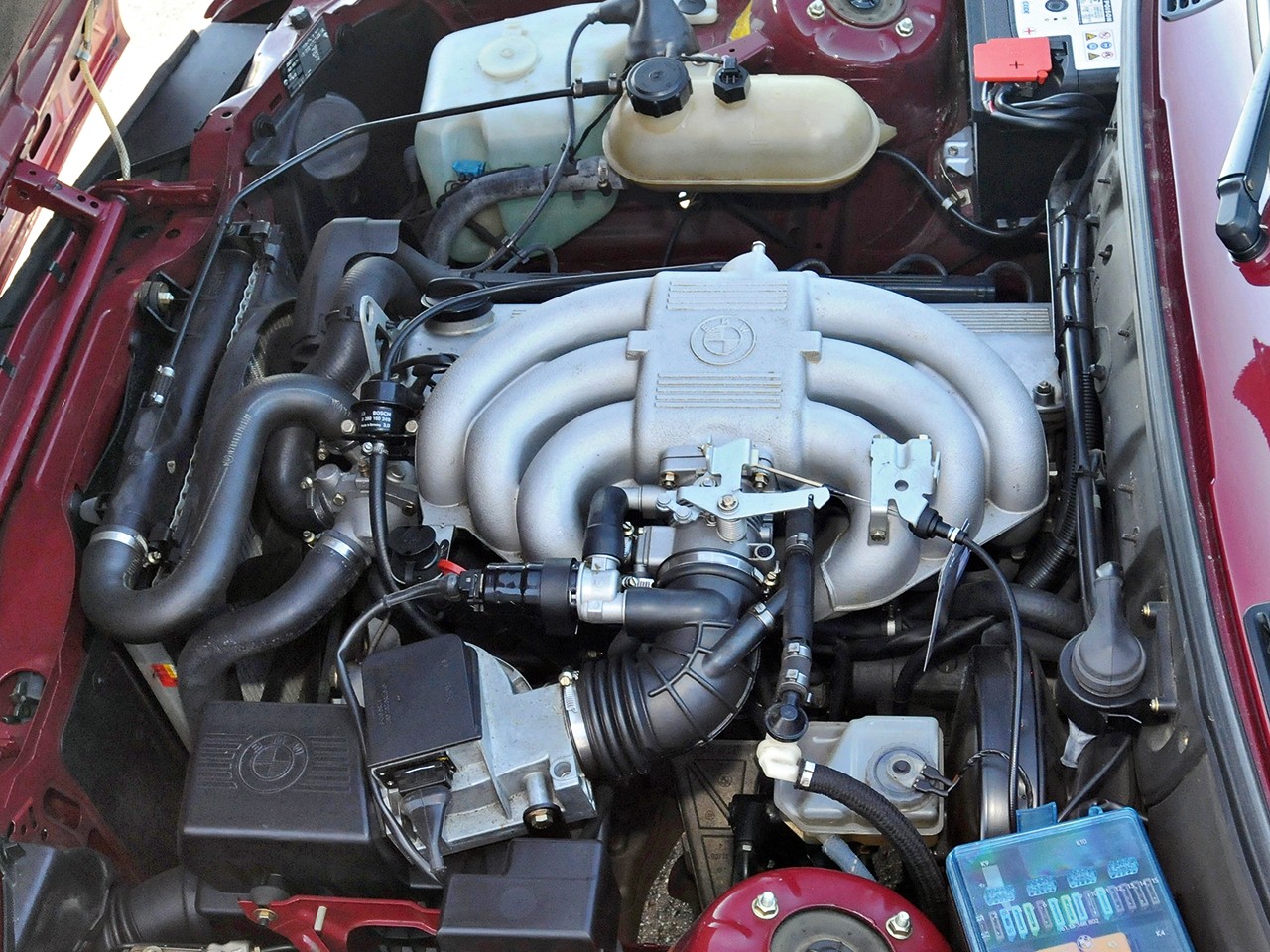
Under the hood, the convertible featured fuel-injected engines with four or six cylinders, depending on the market. These were paired with either five-speed row-your-own manuals or four-speed automatic. It was available exclusively as an RWD affair.
Begijnhof, 8000 Brugge, Belgium
Begijnhof, 8000 Brugge, Belgium

Begijnhof, 8000 Brugge, Belgium

Begijnhof, 8000 Brugge, Belgium

Begijnhof, 8000 Brugge, Belgium
Begijnhof, 8000 Brugge, Belgium
Begijnhof, 8000 Brugge, Belgium
Begijnhof, 8000 Brugge, Belgium
Begijnhof, 8000 Brugge, Belgium

Begijnhof, 8000 Brugge, Belgium
Offer an price, more info or anything you want

Consumer reviews