

Dealer:
Eden Hazard
Begijnhof, 8000 Brugge, Belgium
- Transmission 7-Speed Automatic
- |
- Drive Rear Wheel Drive
- |
- Mileage n/a
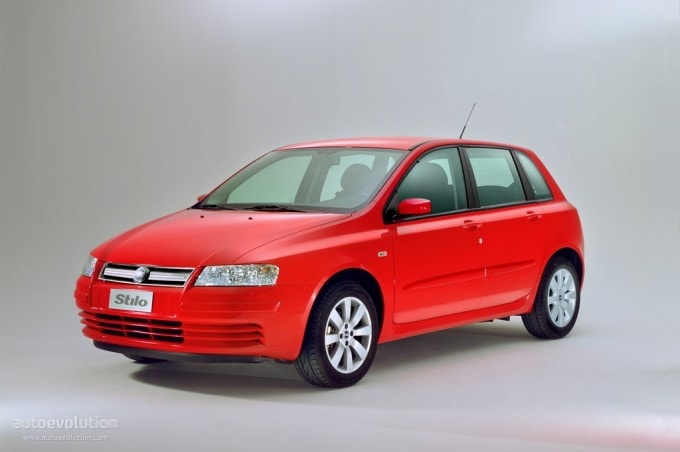
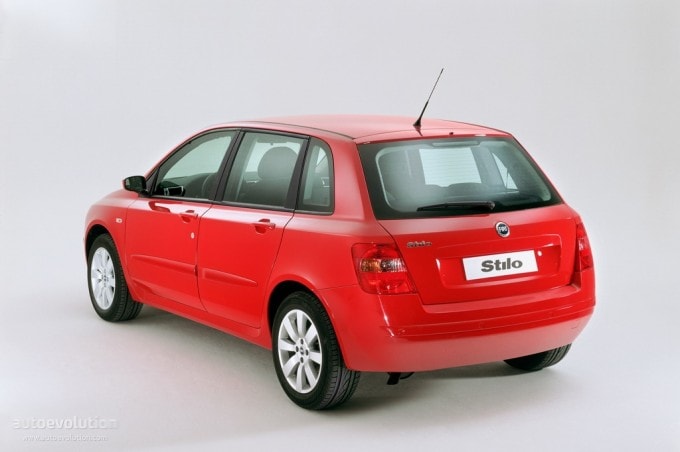
At the end of 2003, Fiat introduced a facelift for the Stilo lineup, improving the car in many ways and trying to increase sales…
At the end of 2003, Fiat introduced a facelift for the Stilo lineup, improving the car in many ways and trying to increase sales in the European market.
The Stilo debuted at the 2001 Geneva Motor Show, with sales starting in September of the same year. By 2003, the Italian automaker had already sold 175,000 units of the five-door Stilo in Europe. At first sight, it didn’t look that impressive, but it was above the average in the car segment. Furthermore, the sales of 125,000 units of its three-door sibling plus 50,000 units of the station wagon version ensured Fiat that the car was doing well on the market. However, that didn’t stop the car manufacturer from refreshing the lineup for the 2004 model year, improving it in many key aspects, including the onboard technology, comfort features, exterior and interior design, and drivetrains. As expected, the five-door model was the most sought-after version of the Stilo since it provided enough room for a family of four and didn’t break the bank with its acquisition price or running costs.
When it came to design, the Italians knew where and what to change on a vehicle to make it look fresh, even though there were just mild updates. As a result, the car’s front fascia went through some changes, which involved a new grille that featured a silver horizontal slat and a matching color rim that surrounded it. In addition, the clear-lenses headlights were on par with the latest trends on the market. At the same time, the lower bumper was entirely new and sported two horizontal slats that ran across the entire width, covering the center air intake and the side scoops.
From its profile, it was challenging to say if the 2004 Stilo was new or not since it featured the same design, albeit with some changes. But still, it had clear turn signal lamps on the front fenders. In addition, Fiat added body-colored rubber protections on the doors to protect the bodywork from shopping carts. Just like its predecessor, it had body-colored door handles and mirrors. The car manufacturer noticed the increased interest of its customers in alloy wheels, so it provided them with new designs. Another upgrade was seen on the rear part of the car, where the five-door version, where the Fiat Style Centre designers redesigned the tailgate and removed the bumper grooved. At the same time, the fog lamps were integrated into the redesigned taillights. Previously, they were next to the license plate.
Inside, the automaker focused on improving the driving experience and the comfort of the car’s occupants. The high-mounted seats and roomy cabin made customers feel like they were inside a spacious MPV, albeit it was just a slightly taller hatchback. The automaker added an option for white dials and red needles for the instrument cluster, similar to those installed in the Abarth version. Another crucial update was the introduction of a boiler-type pre-heather for diesel versions, which could be programmed so customers could enjoy a warm cabin right after they started their vehicles.
Under the hood, Fiat dropped the 1.2-liter engine from the lineup. The base version was fitted with a new 1.4-liter 16-valve powerplant that provided 15 more PS (15 hp) than the 1.2-liter one. A punchier 115 PS (114 hp) turbodiesel with an intercooler was added to the range, improving performance and fuel efficiency.
Begijnhof, 8000 Brugge, Belgium
Begijnhof, 8000 Brugge, Belgium

Begijnhof, 8000 Brugge, Belgium

Begijnhof, 8000 Brugge, Belgium

Begijnhof, 8000 Brugge, Belgium
Begijnhof, 8000 Brugge, Belgium
Begijnhof, 8000 Brugge, Belgium
Begijnhof, 8000 Brugge, Belgium
Begijnhof, 8000 Brugge, Belgium

Begijnhof, 8000 Brugge, Belgium

Offer an price, more info or anything you want
Consumer reviews