

Dealer:
Eden Hazard
Begijnhof, 8000 Brugge, Belgium
- Transmission 7-Speed Automatic
- |
- Drive Rear Wheel Drive
- |
- Mileage n/a
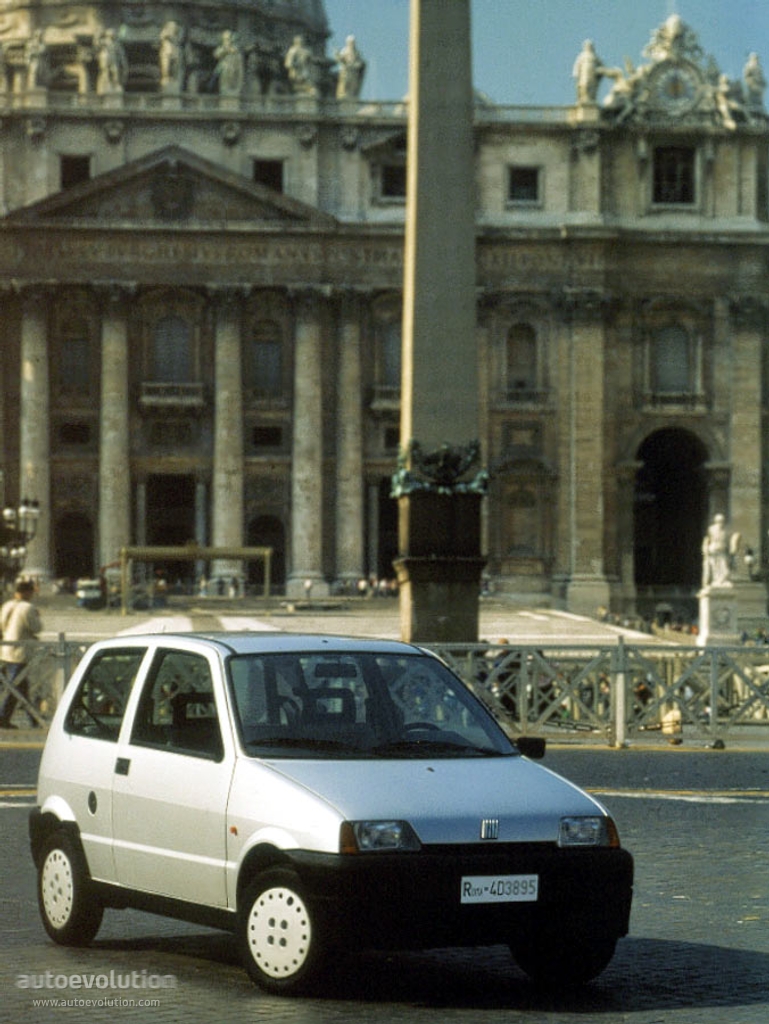
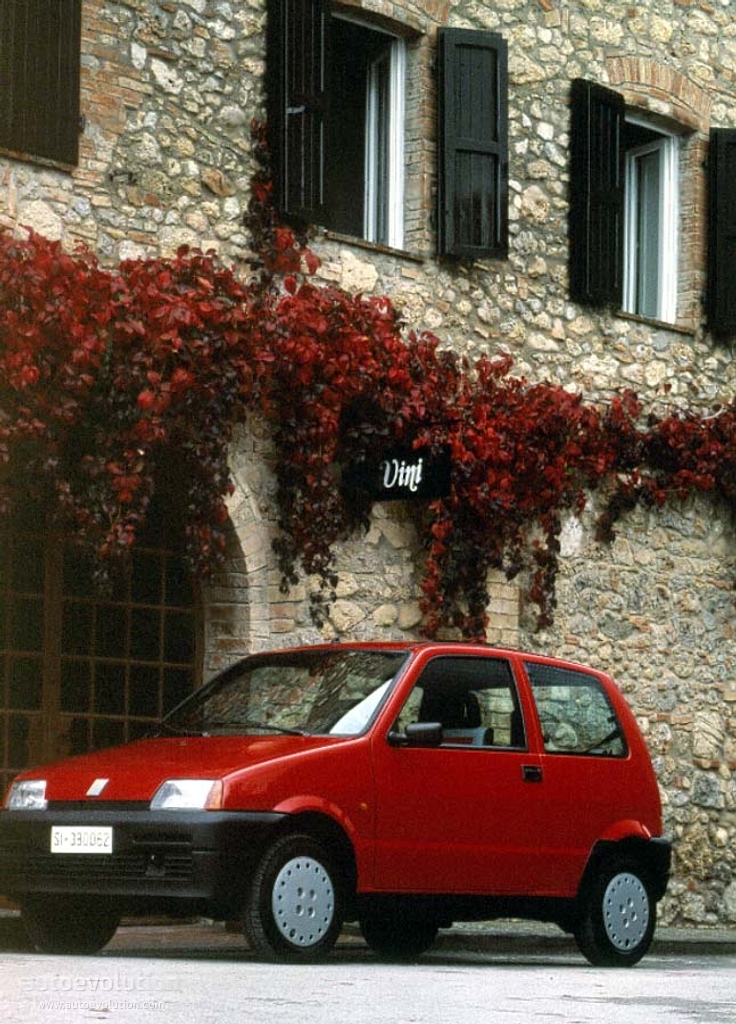

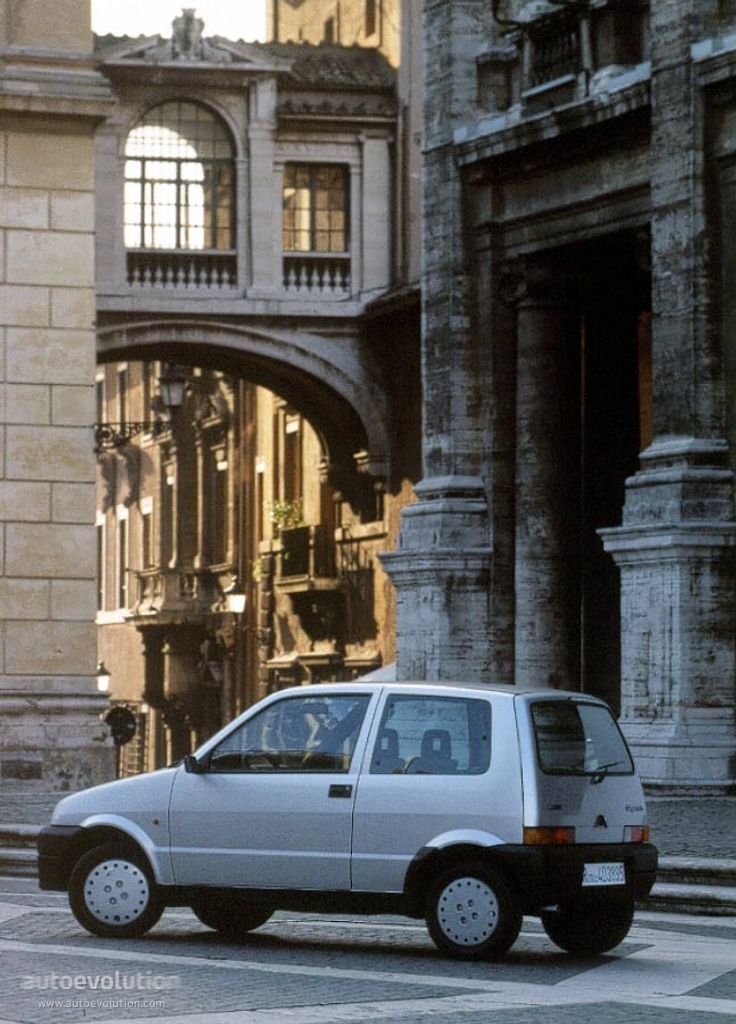
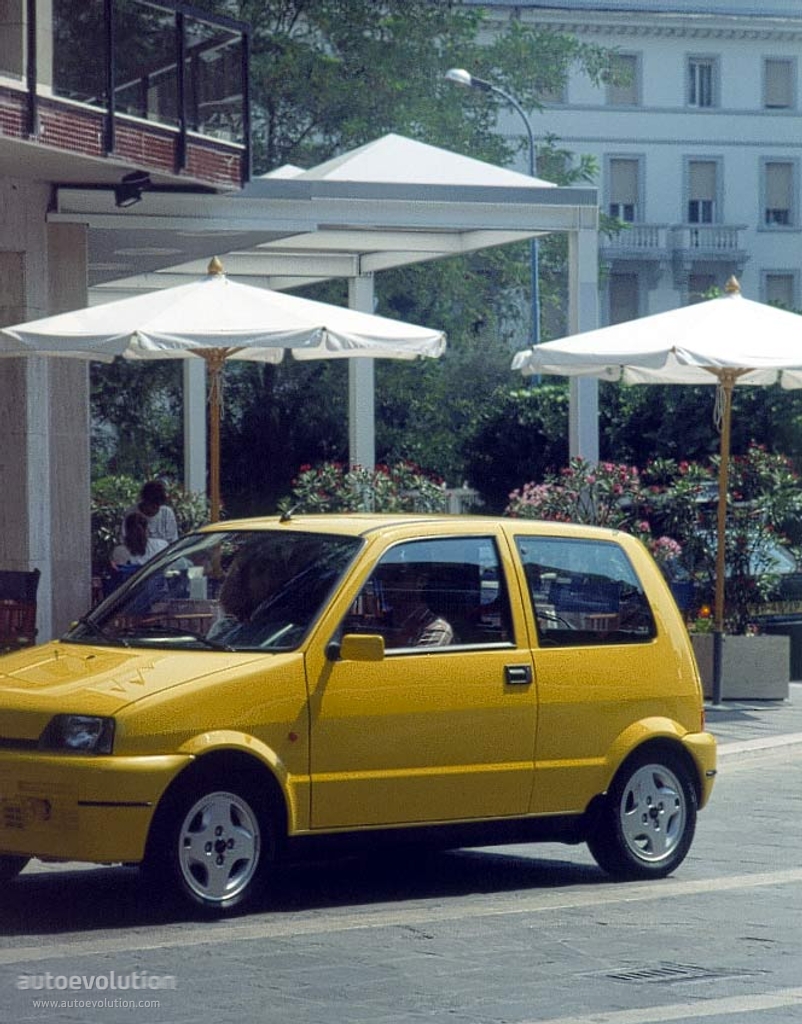
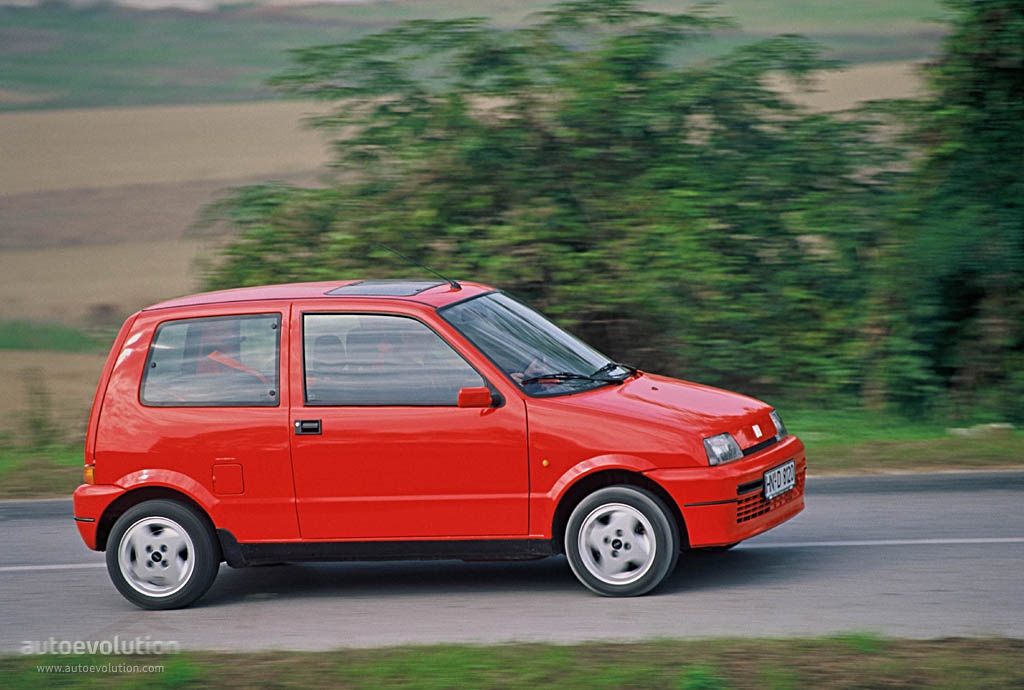
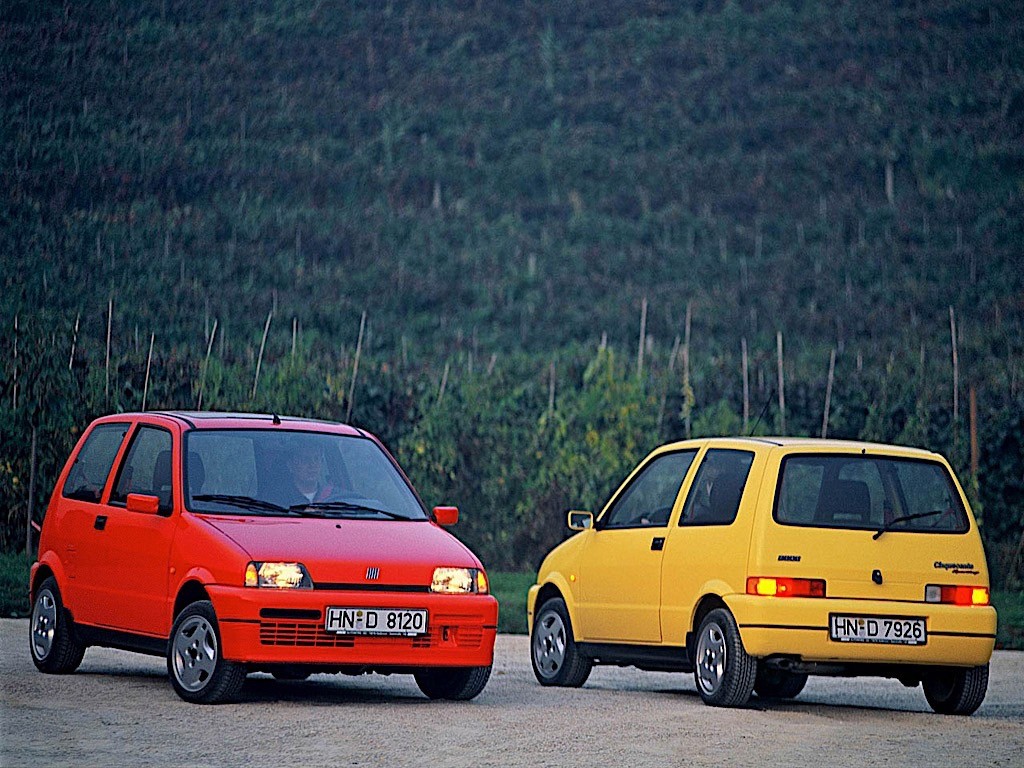


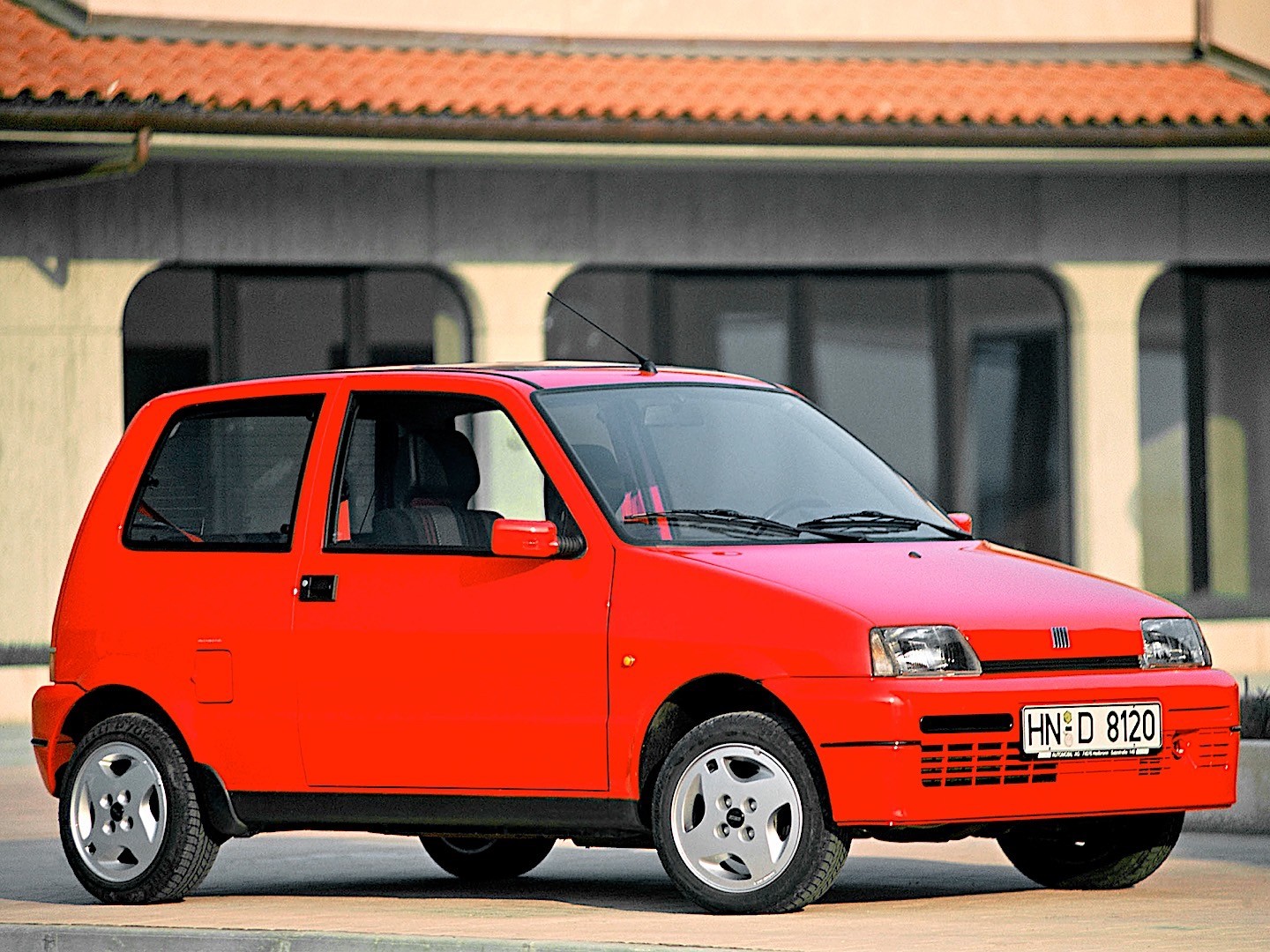
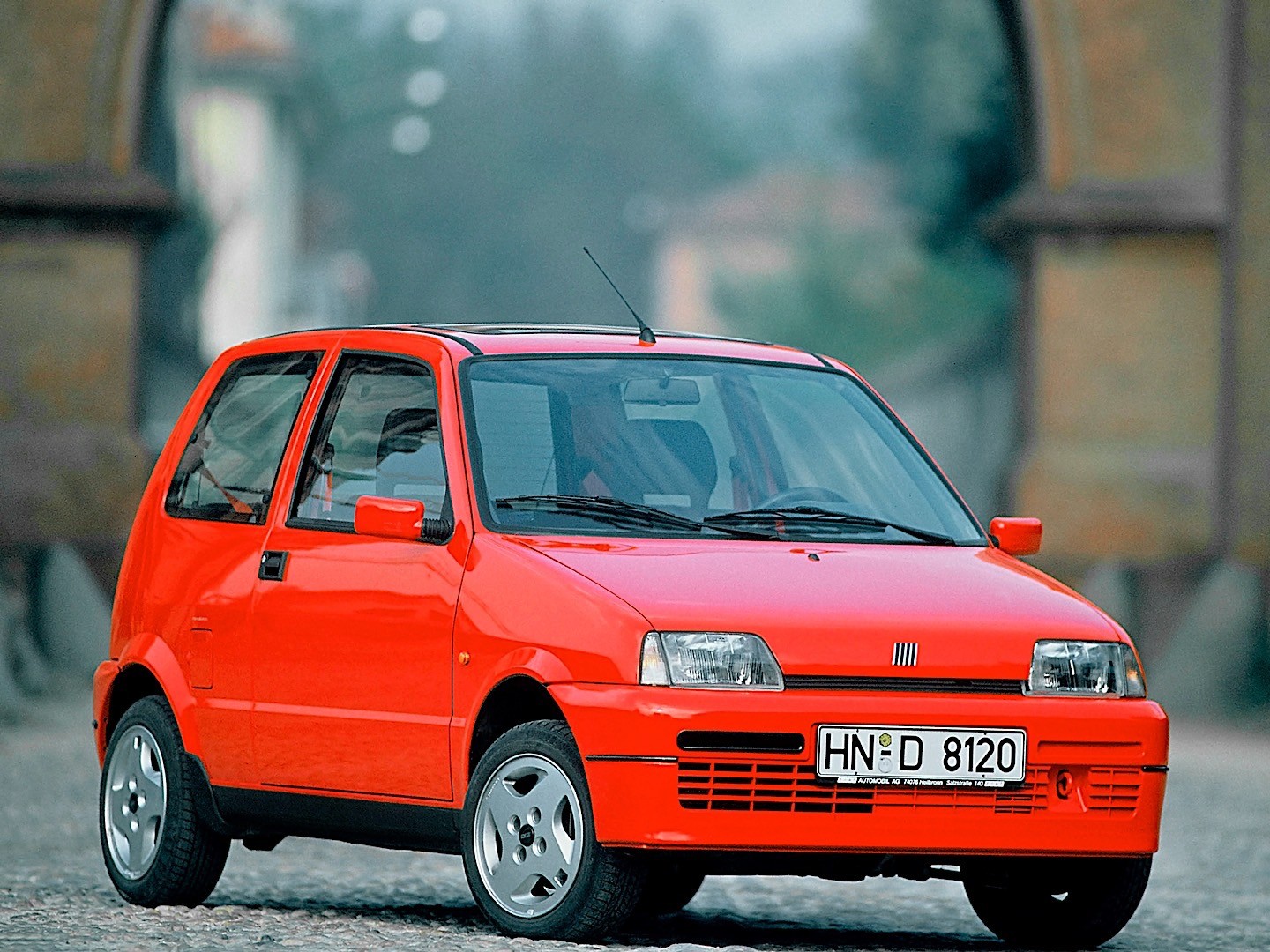
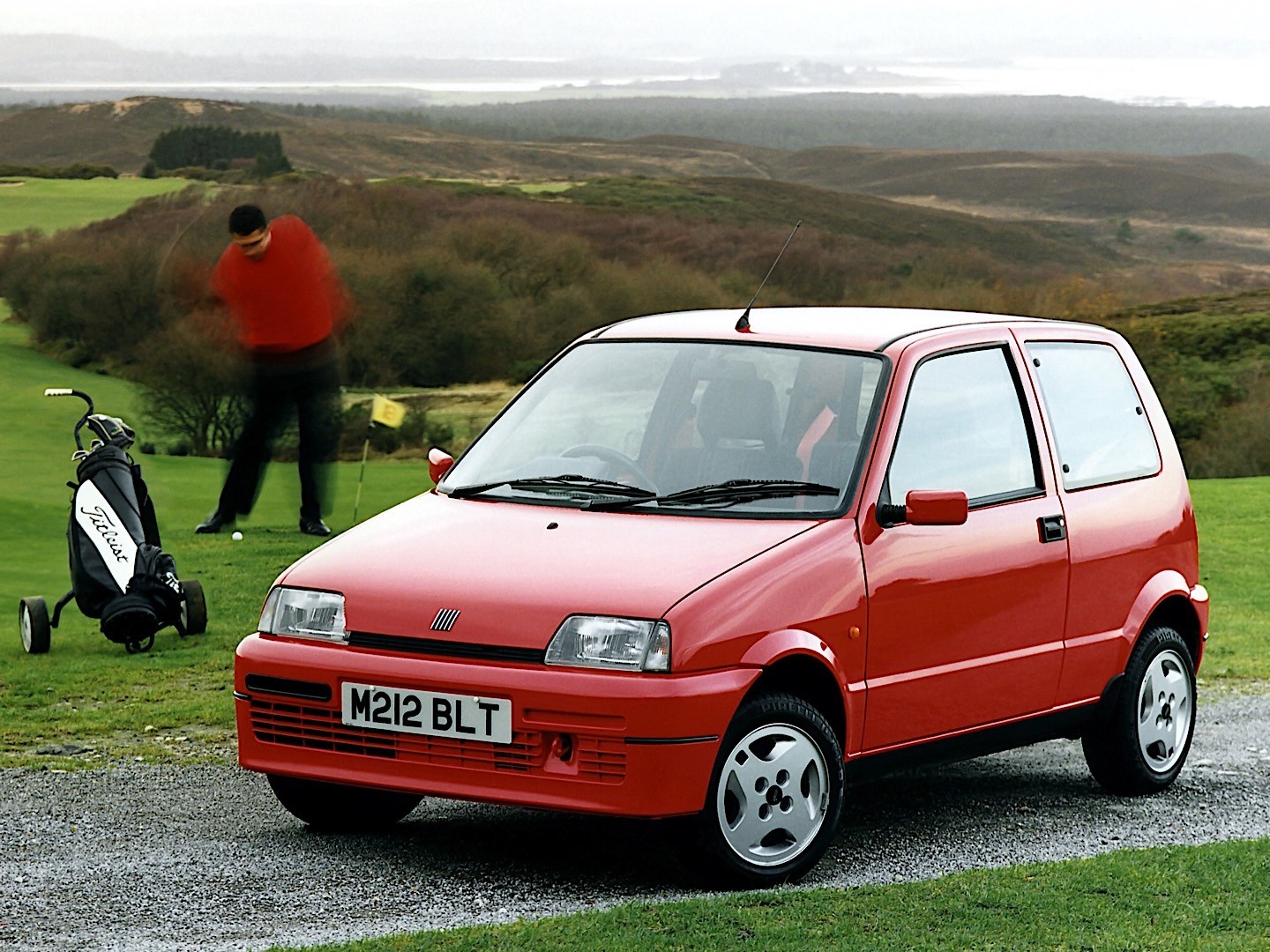

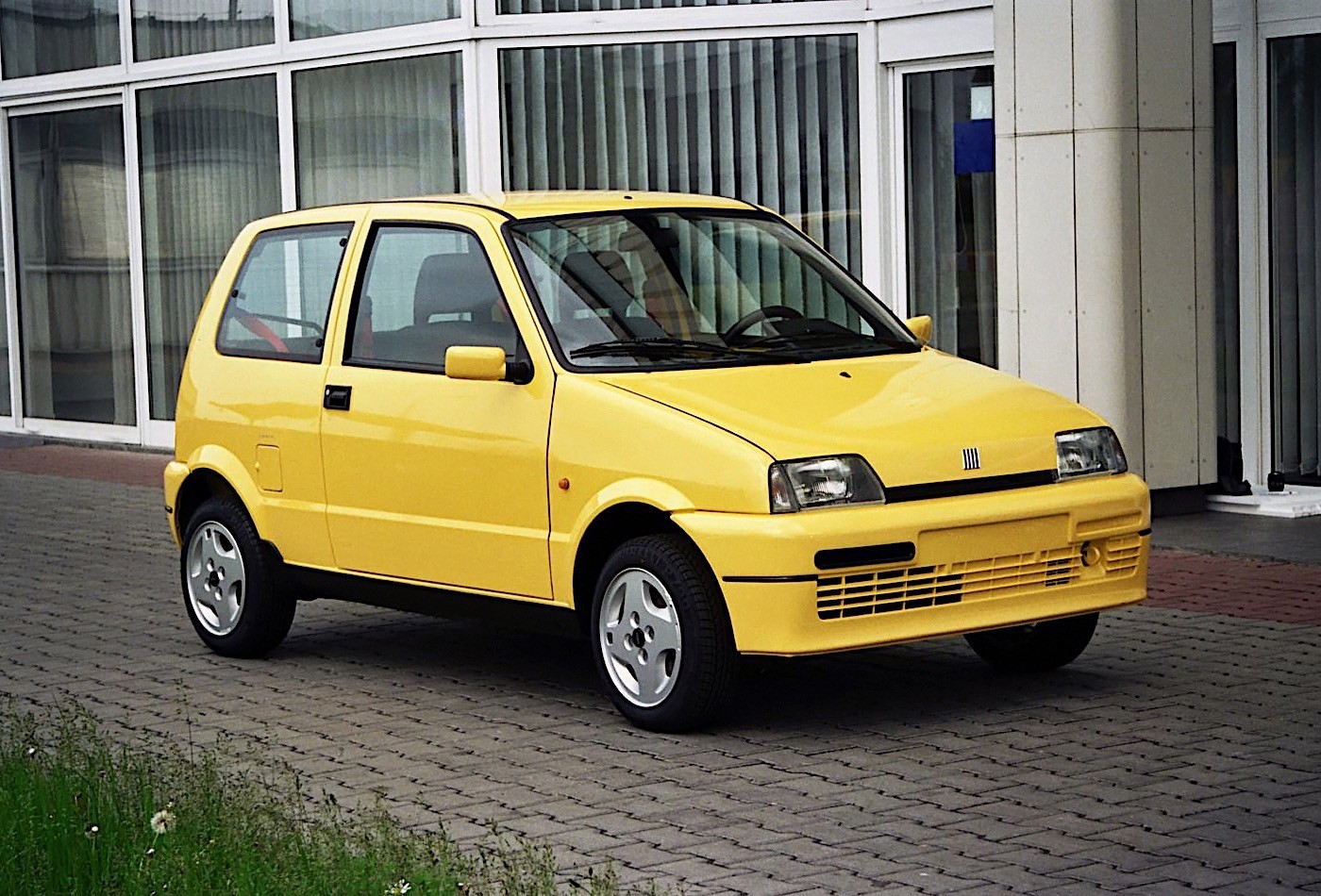
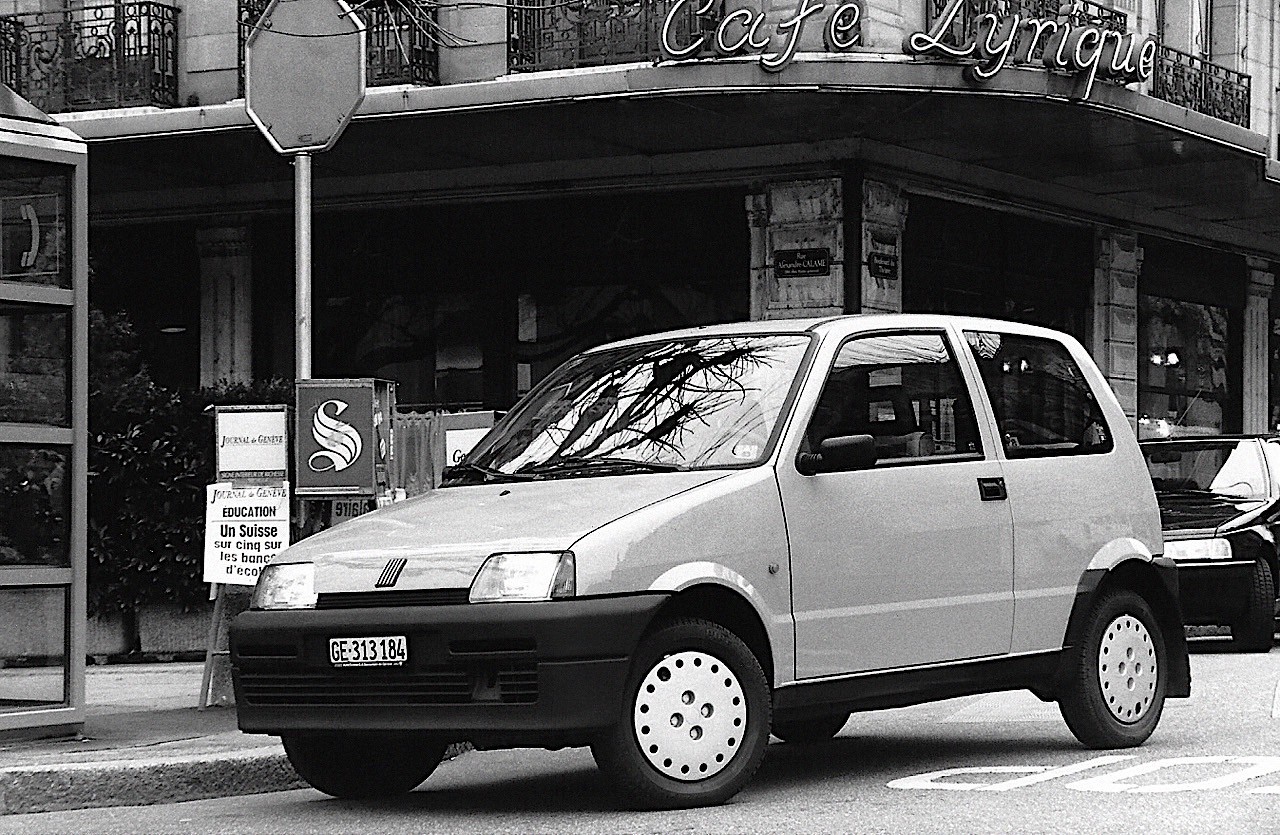
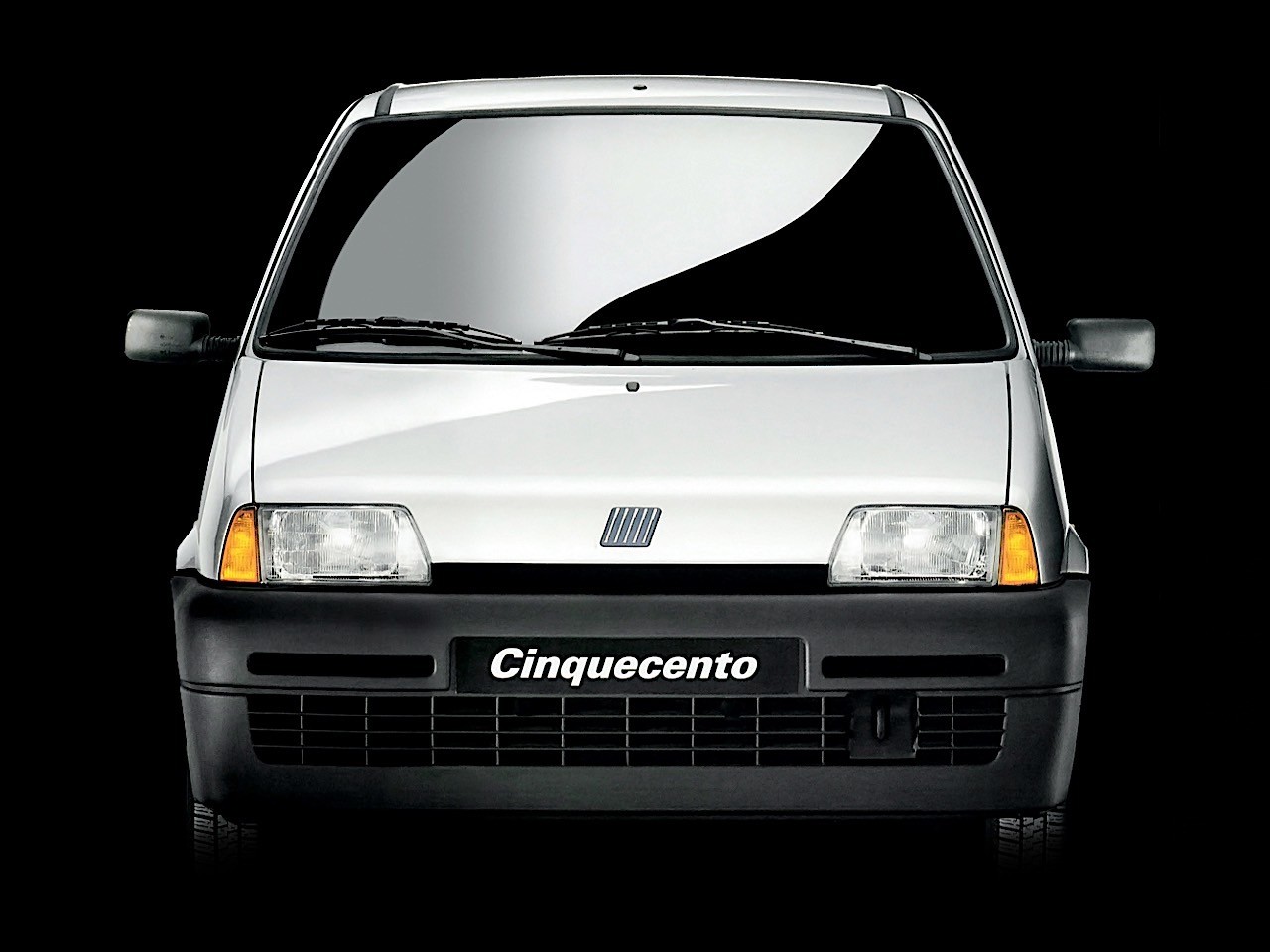
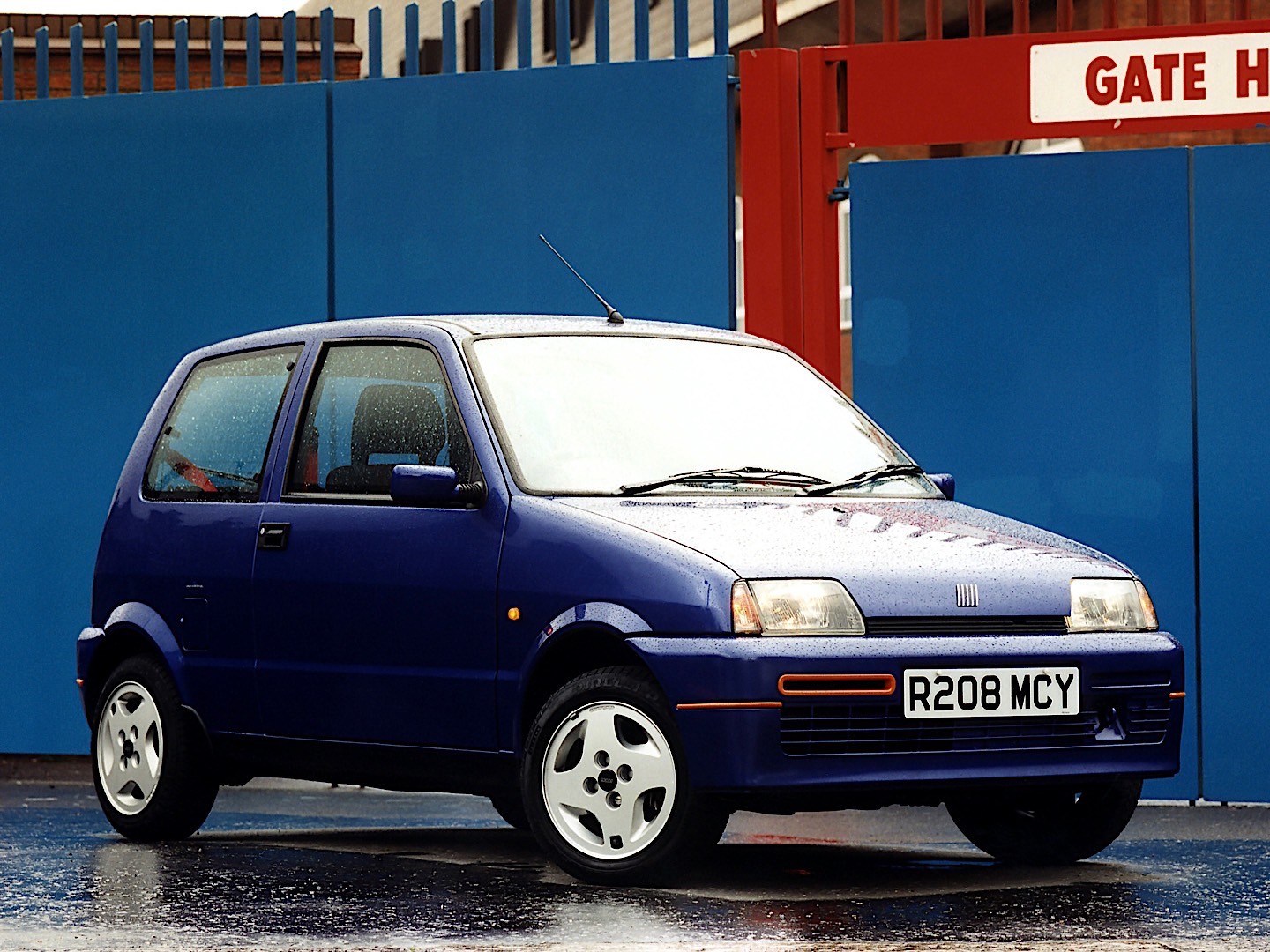
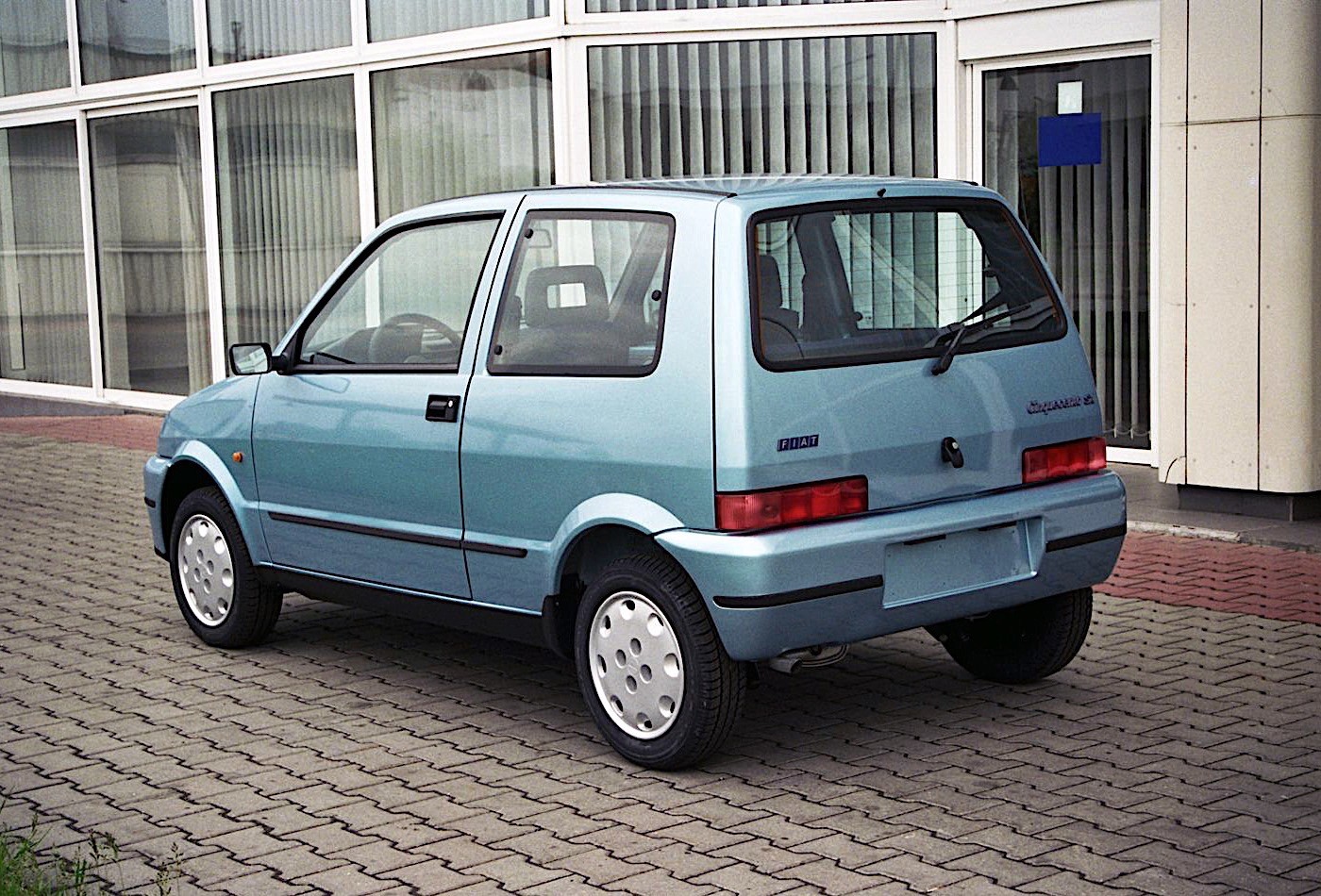
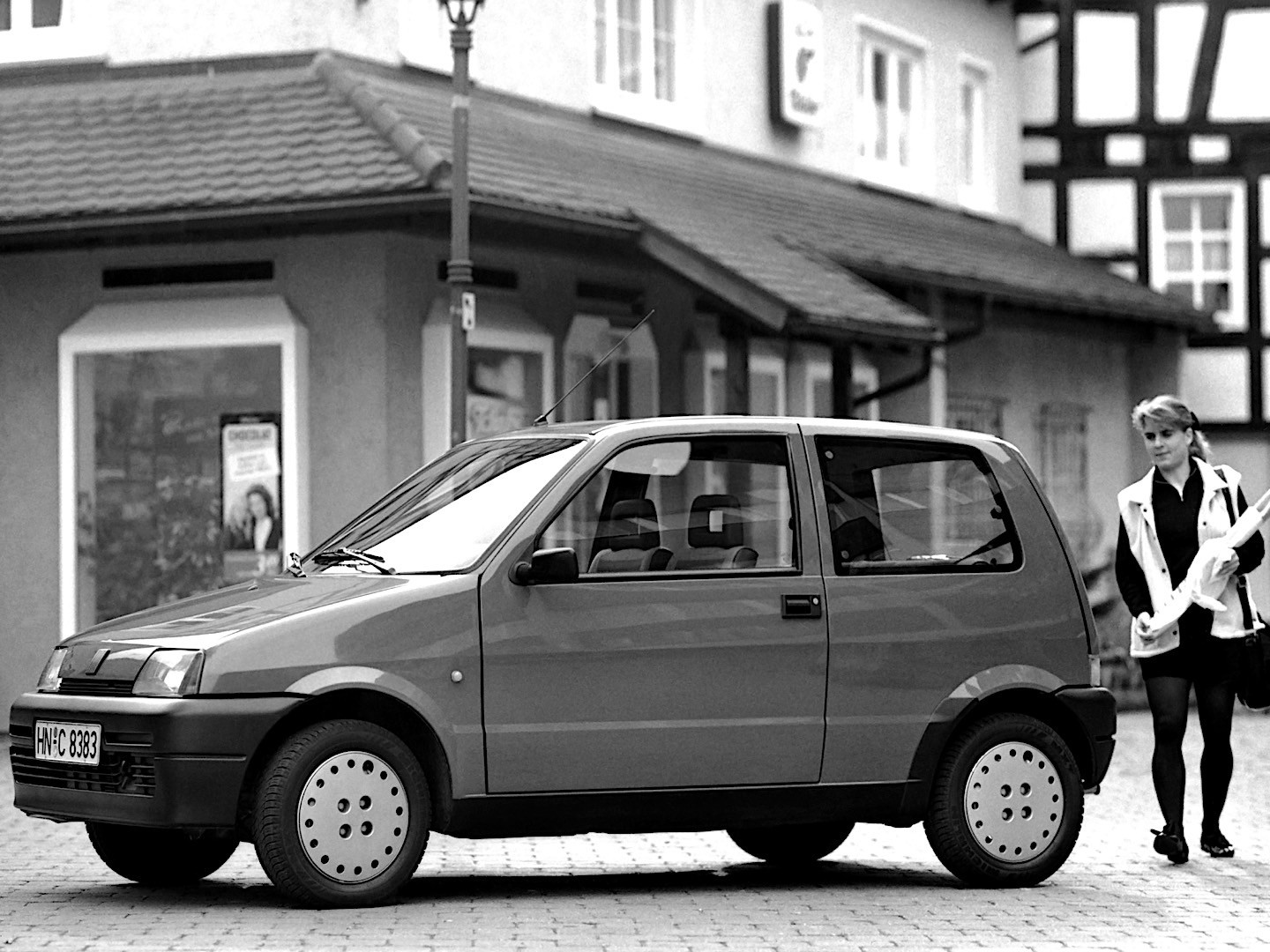
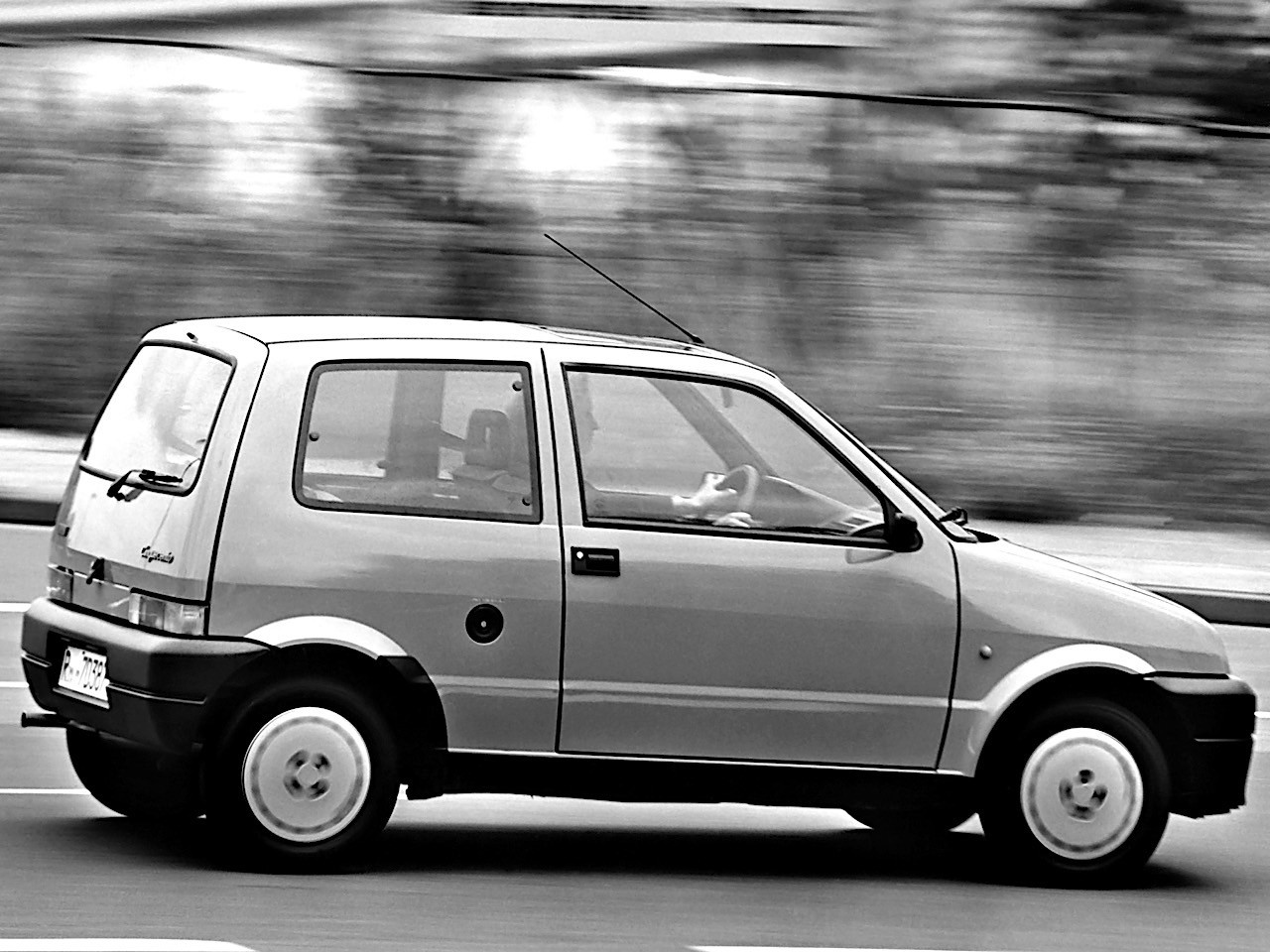

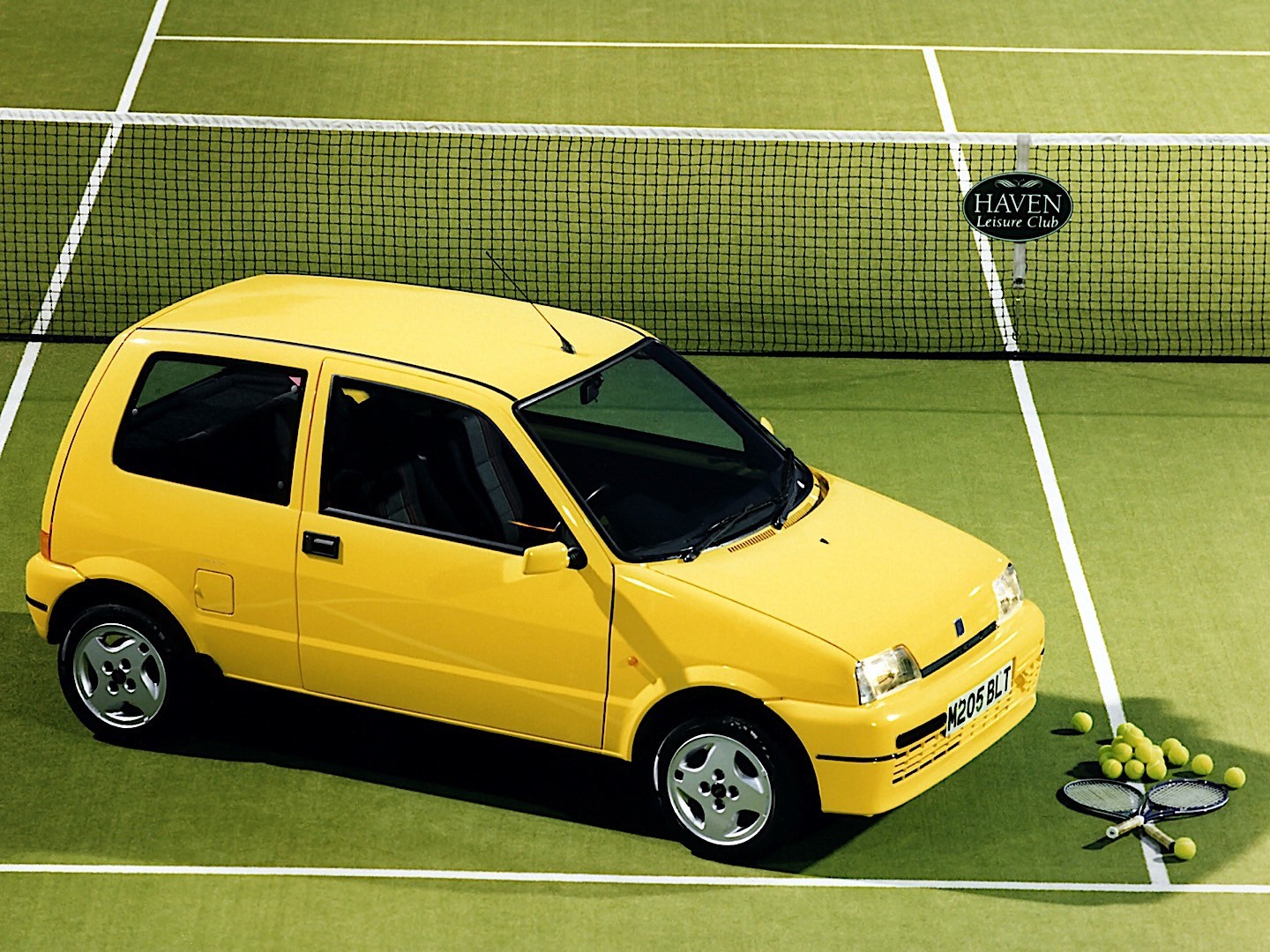
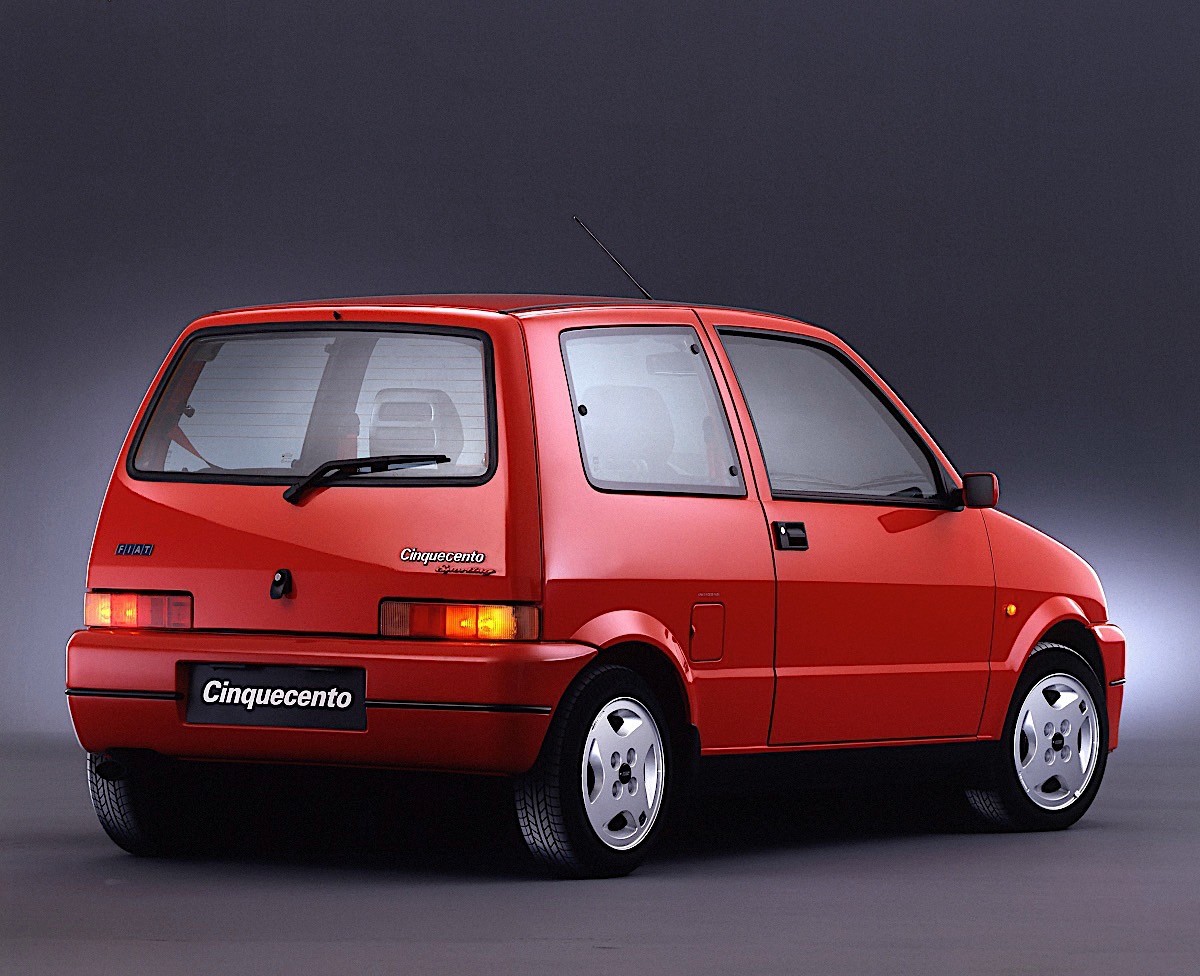
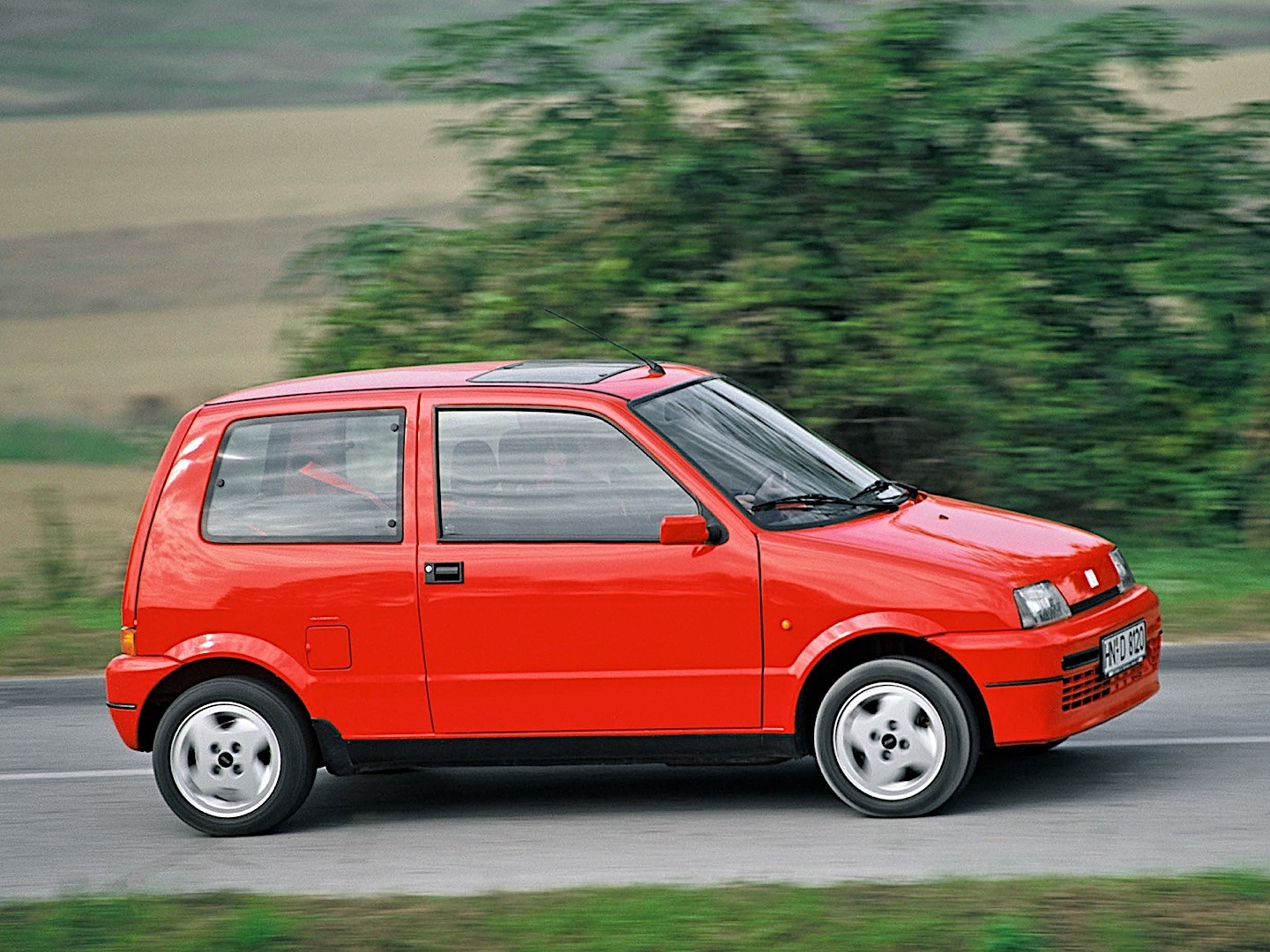



Fiat introduced the 1992 Cinquecento as a successor to the aging 126 lineup that it had made in Poland ever since the ‘70s and…
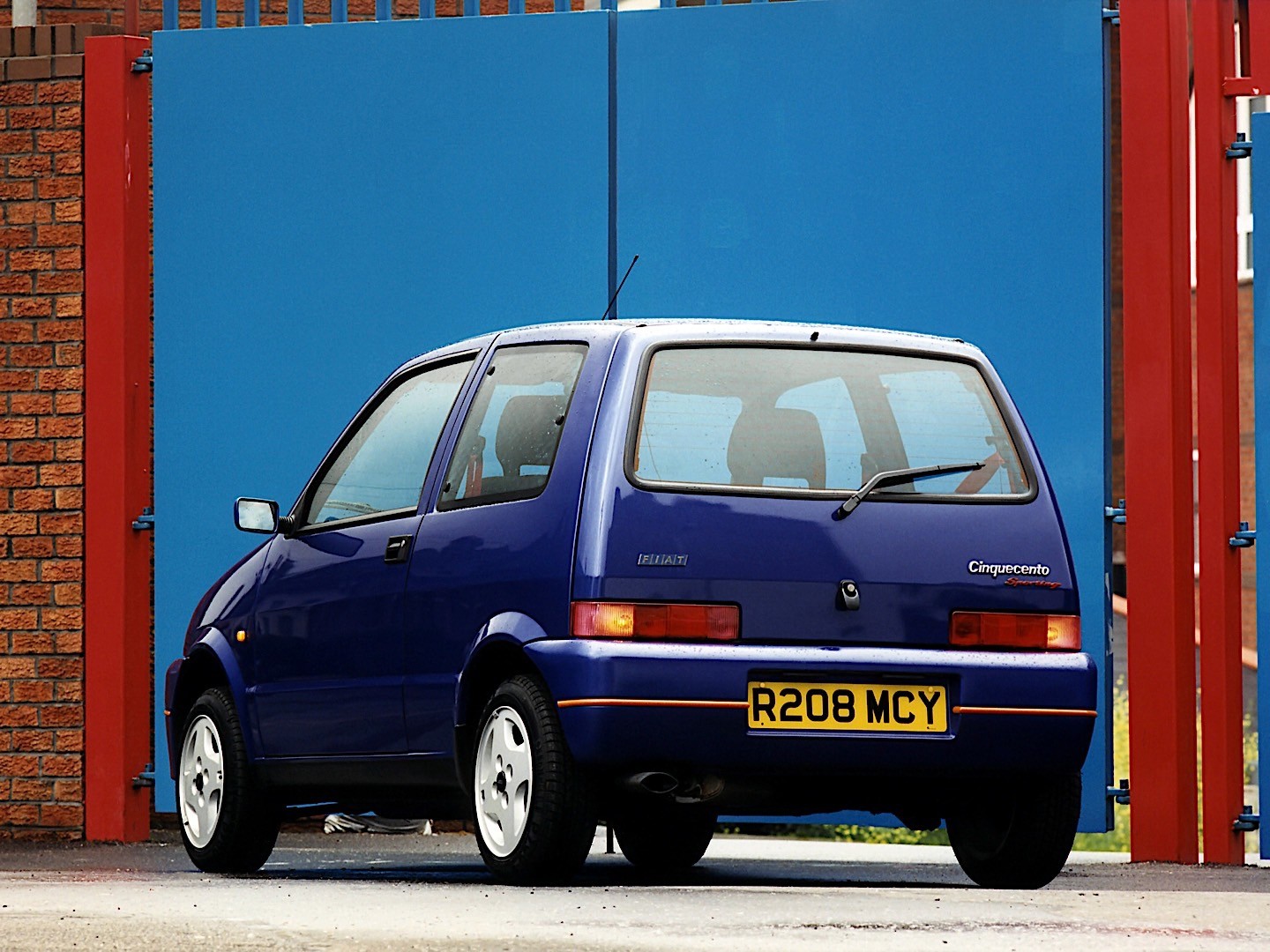
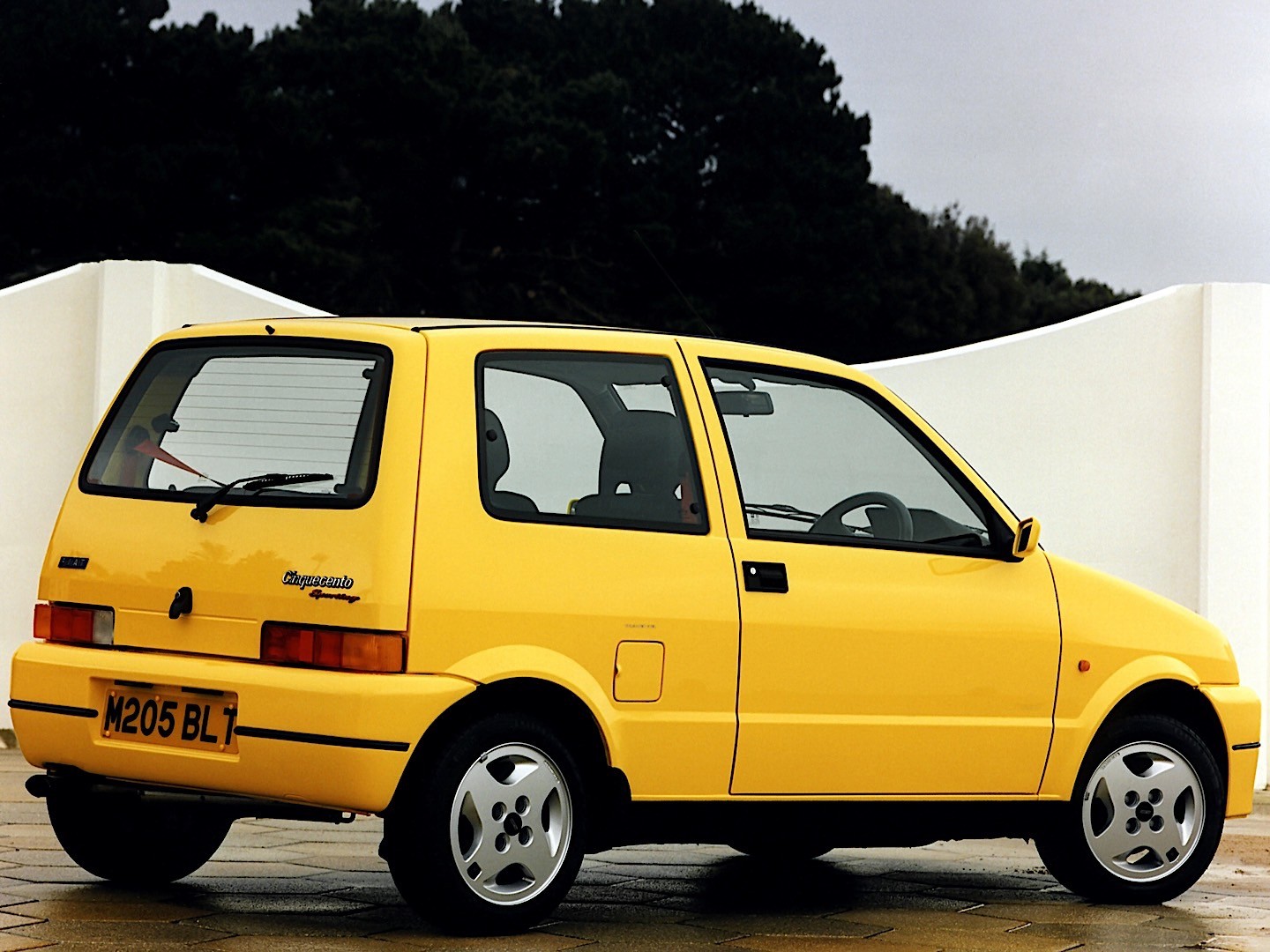
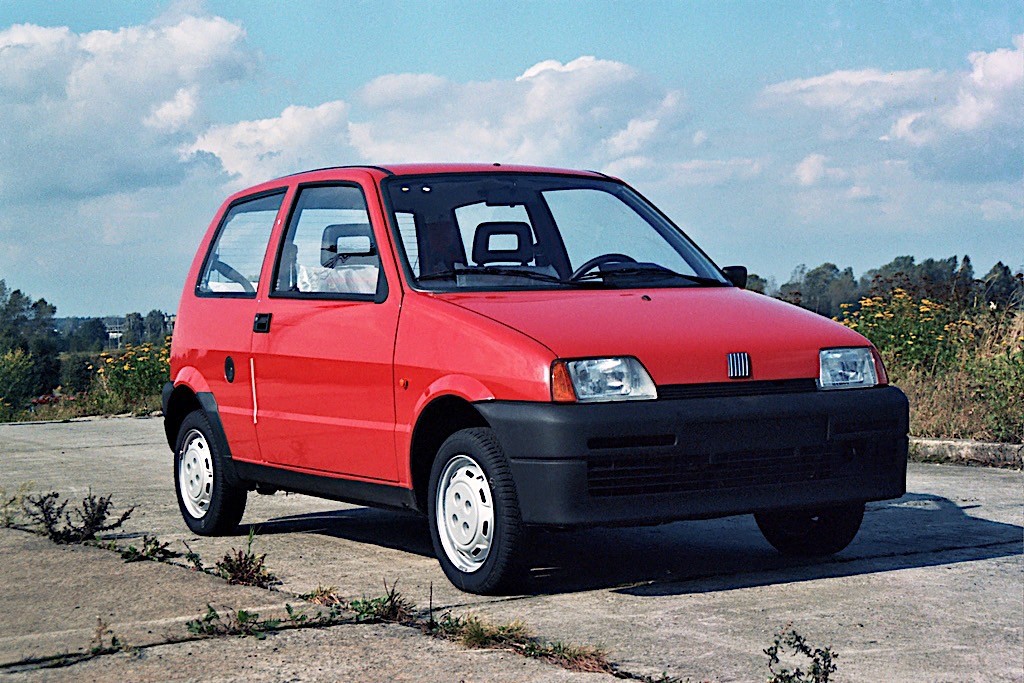
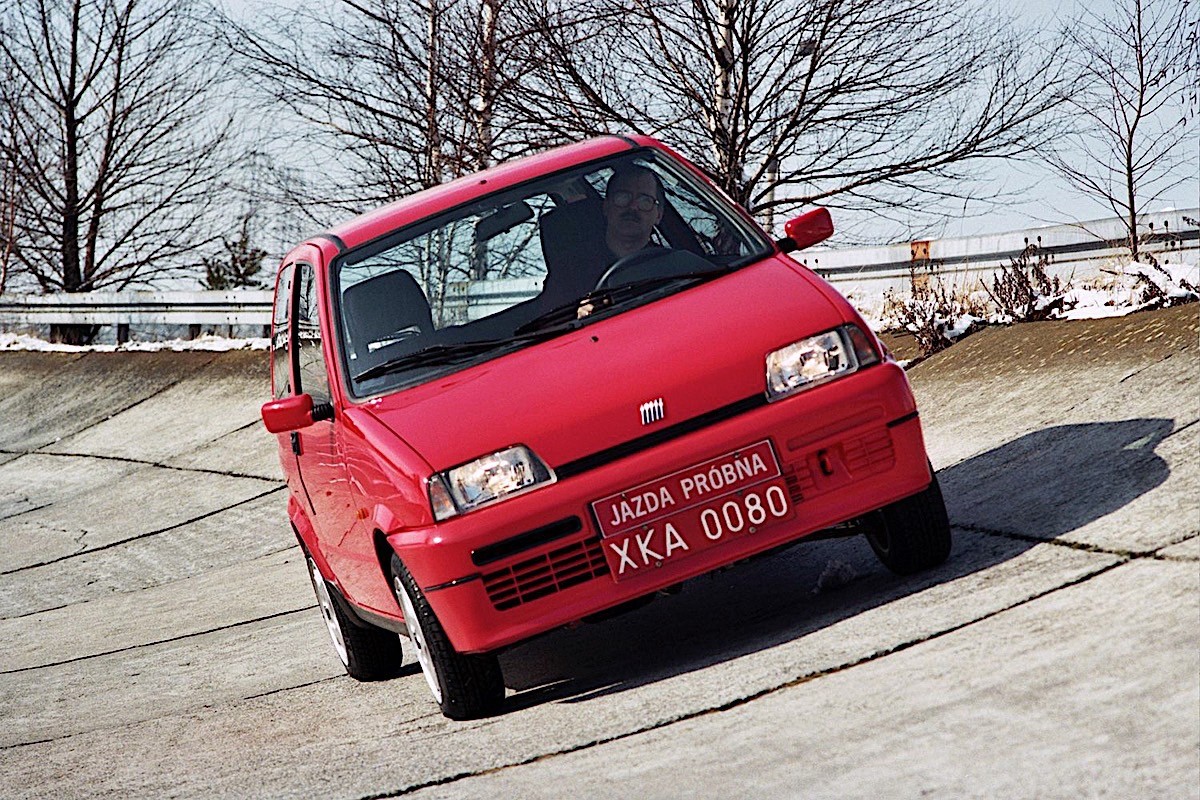
Fiat introduced the 1992 Cinquecento as a successor to the aging 126 lineup that it had made in Poland ever since the ‘70s and the result was a tiny vehicle that could carry four people and provide excellent fuel efficiency.
The Italian automaker introduced the Cinquecento lineup in the early ‘90s as a lower-cost vehicle, placed below the aging Panda lineup. To lower manufacturing costs, it produced it in Poland at the Bielsko-Biala factory, where the 126 lineup has been made since 1973. The Cinquecento (Five Hundred) carried over the nameplate from the former 500 model produced between 1957 and 1975 in over three million units, and it also replaced the 126 lineup for the European market. The new model was available exclusively as a three-door affair and could carry four people on board. Furthermore, thanks to its fuel-efficient engines, it was the darling of those who didn’t want to spend too much for transportation, albeit it lacked many commodities and features.
Even though the tiny vehicle was aimed at lower-budget customers, it was still available in a few trim levels. The base version featured a black, unpainted, wrapped-around plastic bumper. At the same time, the upper grades were available with a body-colored one. Its small-sized rectangular headlights sported tiny corner-mounted turn signals. Between them, the automaker left a narrow gap between the hood and the bumper for cooling, while an additional air intake was on the apron.
From its profile, the boxy-looking vehicle revealed its short nose and tall greenhouse for its size. Fiat made generously sized windows, which provided good visibility for the driver. Still, since the era of wedged shapes was almost gone, the automaker created shaved corners to smooth things out a bit. At the back, the Cinquecento had a flat and vertical tailgate, which, for the upper grades, was available with a wiper. Fiat offered the car with steel wheels and plastic caps for the lower grades, while the upper versions, such as the Sporting, featured an alloy set.
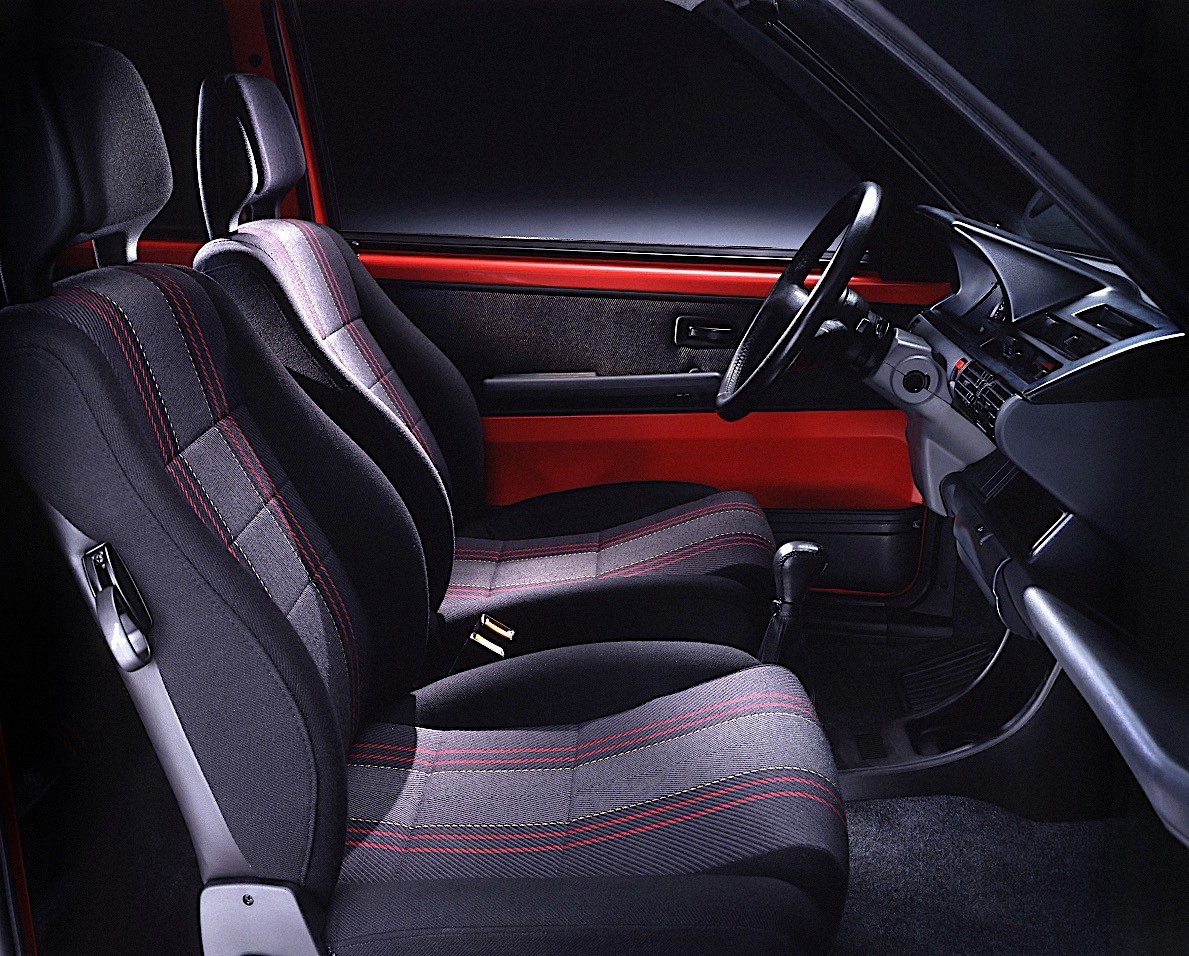
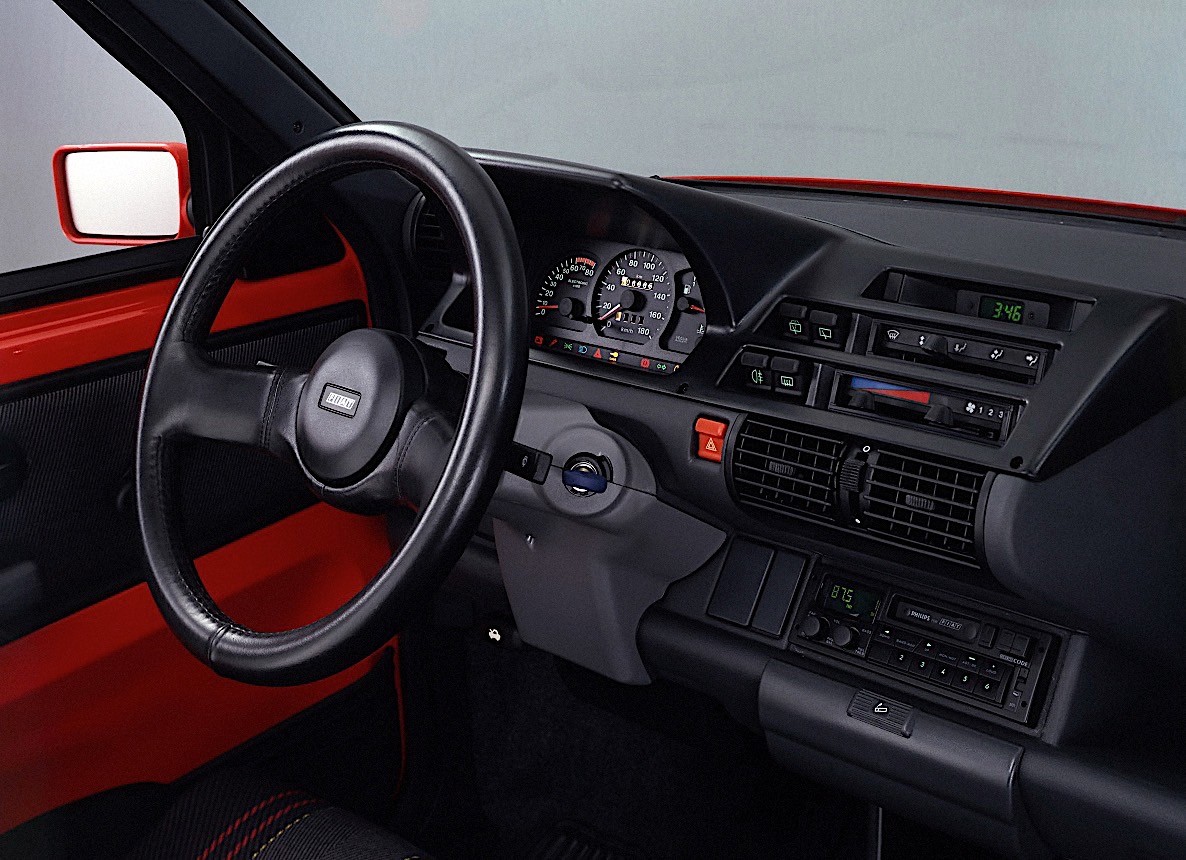
Inside, there was enough room for two adults at the front, but there was very limited legroom for those seated in the back. Headroom was not exactly a problem, thanks to the tall greenhouse. The low-mounted dashboard featured an instrument panel fronting the driver, while the center stack had horizontally placed ventilation controls, an available stereo, and an ashtray at the bottom. In front of the passenger, the automaker placed a shelf and a recessed area, which gave the sensation of more space. All versions came fitted with cloth upholstery, cranked windows at the front, and pop-out ones for the rear passengers. Air conditioning or power steering were unavailable.
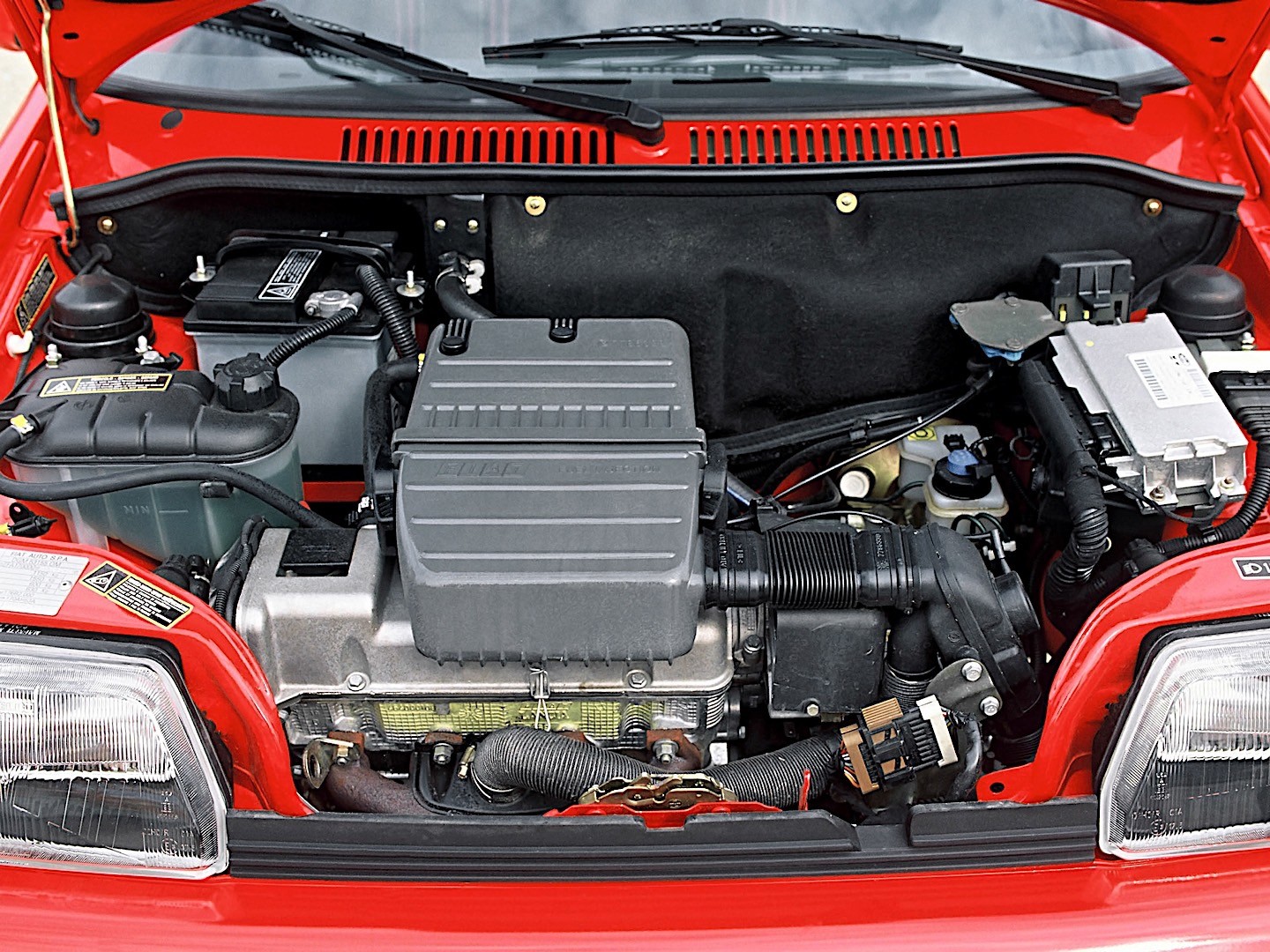
Fiat installed a choice of three engines under the hood of the 1991 Cinquecento. The base version came with a 0.7-liter inline-four unit that provided a mere 30 PS (30 hp), while the top grade, called Sporting, was powered by a 1.1-liter unit with 54 PS (53 hp). However, the most significant surprise for the 1991 Fiat Cinquecento was the independent suspension in all corners, which was unusual for the segment.
Begijnhof, 8000 Brugge, Belgium
Begijnhof, 8000 Brugge, Belgium

Begijnhof, 8000 Brugge, Belgium

Begijnhof, 8000 Brugge, Belgium

Begijnhof, 8000 Brugge, Belgium
Begijnhof, 8000 Brugge, Belgium
Begijnhof, 8000 Brugge, Belgium
Begijnhof, 8000 Brugge, Belgium
Begijnhof, 8000 Brugge, Belgium

Begijnhof, 8000 Brugge, Belgium

Offer an price, more info or anything you want
Consumer reviews