

Dealer:
Eden Hazard
Begijnhof, 8000 Brugge, Belgium
- Transmission 7-Speed Automatic
- |
- Drive Rear Wheel Drive
- |
- Mileage n/a
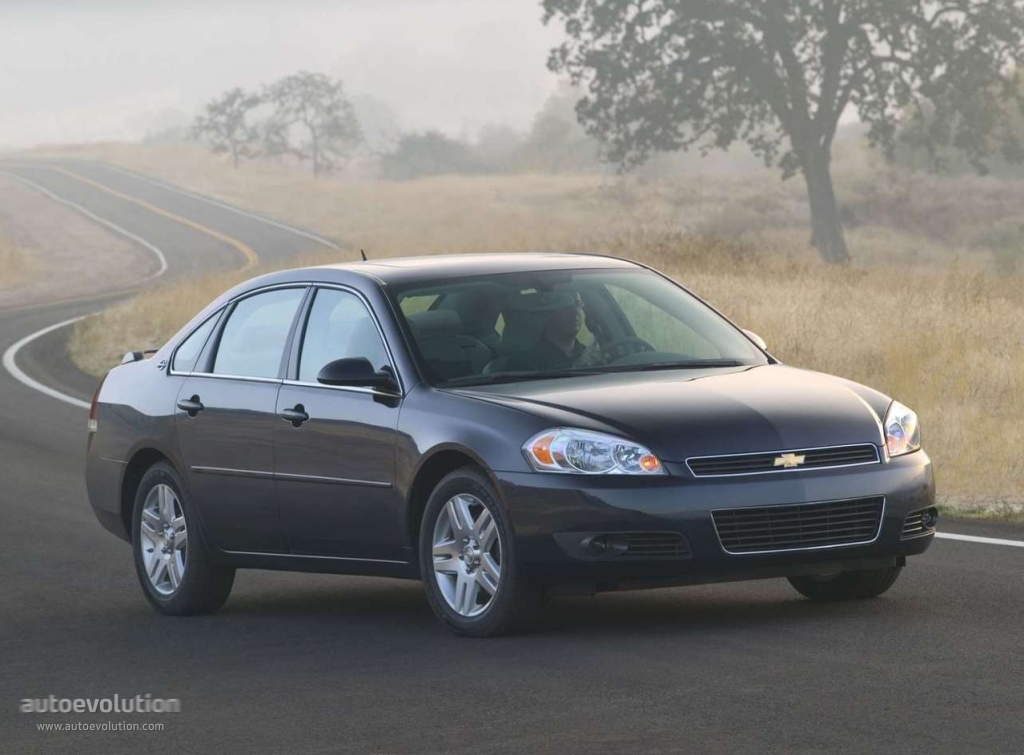
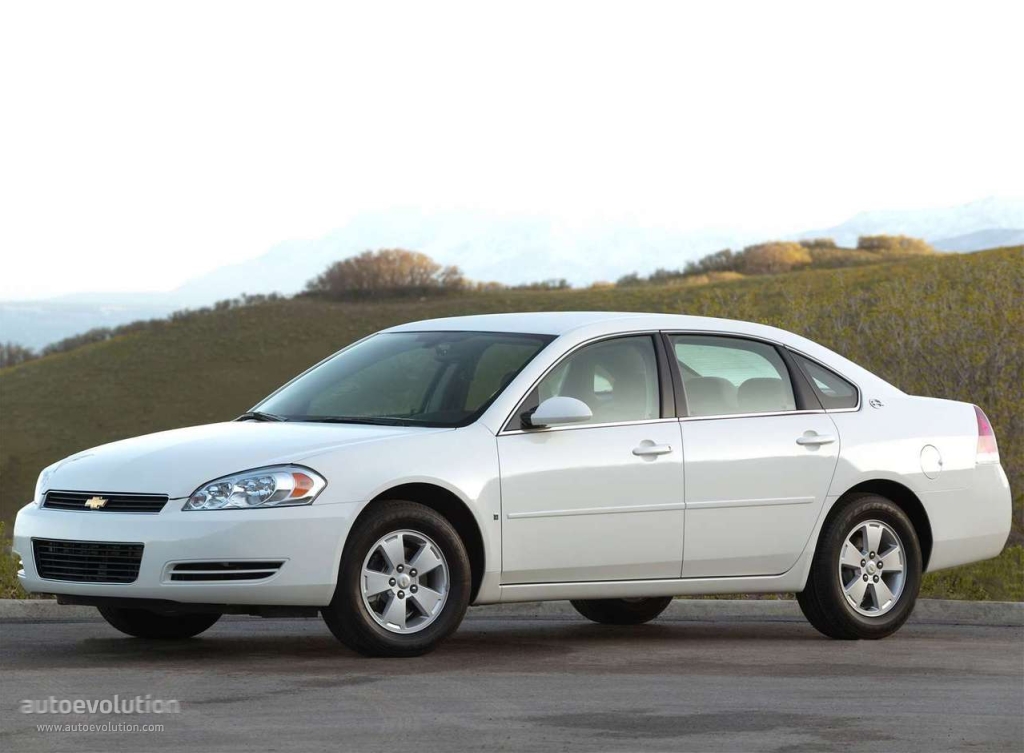
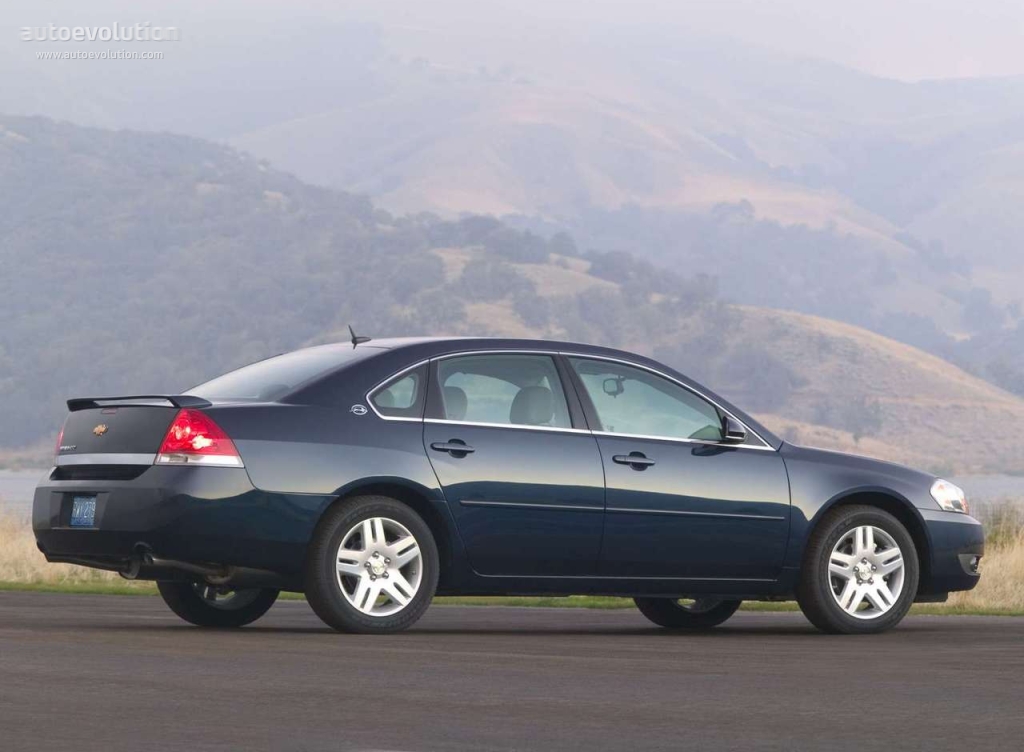

Chevrolet introduced the ninth generation of the Impala at the 2005 Los Angeles Auto Show for the 2006 model year, continuing the line of…
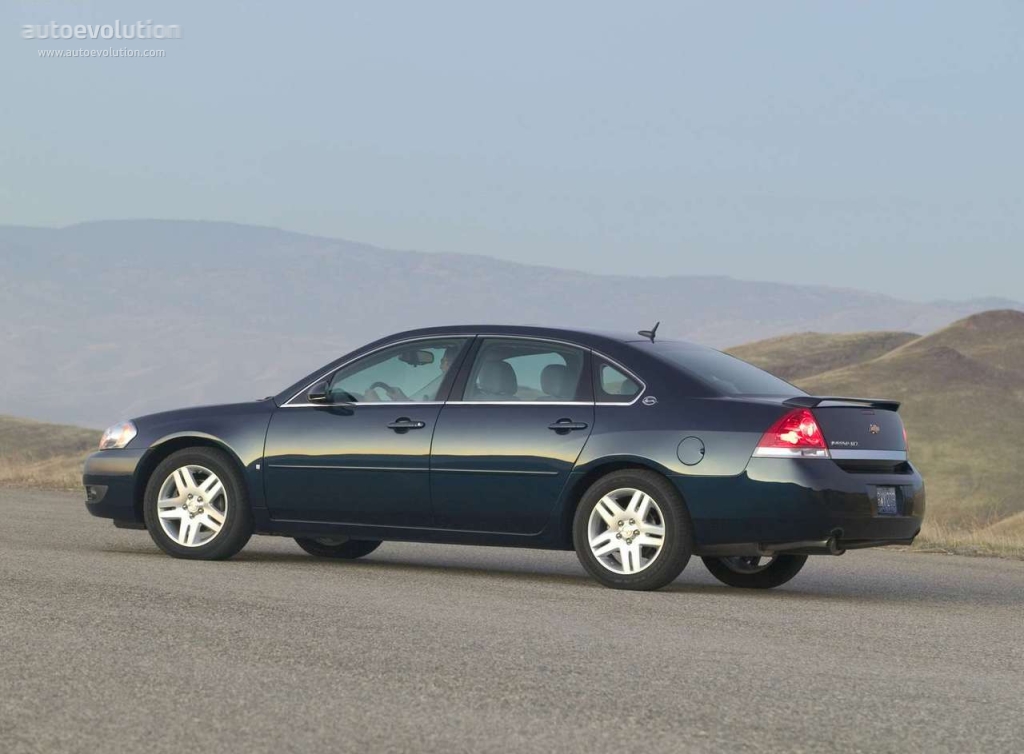
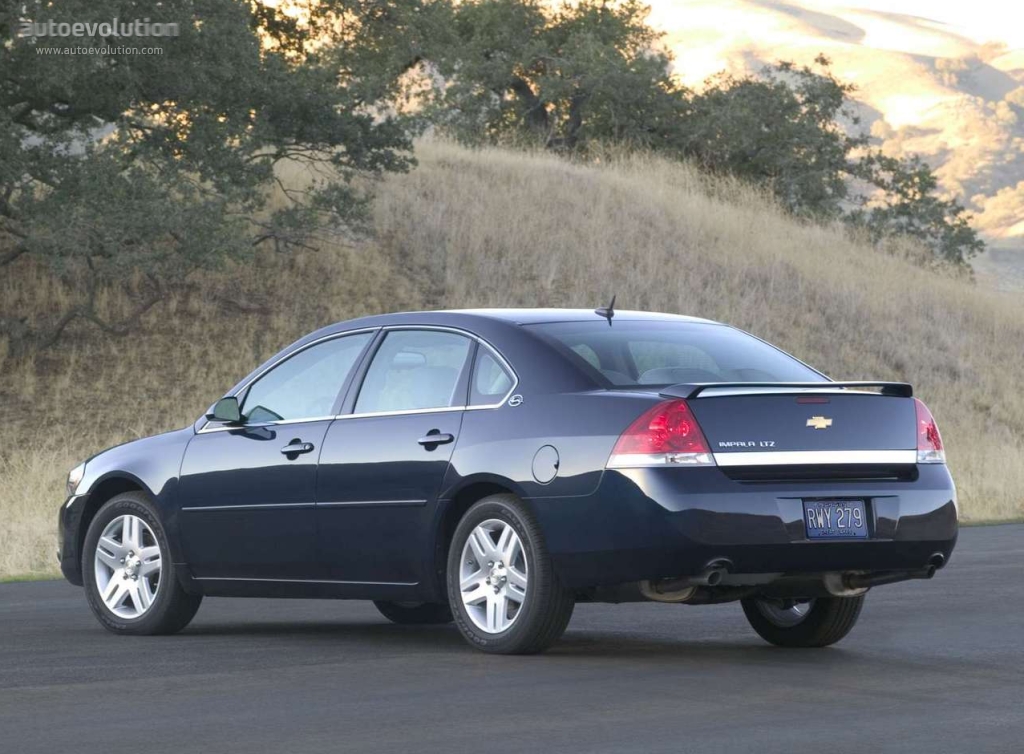
Chevrolet introduced the ninth generation of the Impala at the 2005 Los Angeles Auto Show for the 2006 model year, continuing the line of one of the most successful nameplates in the carmaker’s inventory.
The Impala was an essential vehicle in GM’s inventory since it was the base model for many fleets, being a preferred vehicle for car rental services. As a result, the automaker hoped for high sales volumes, and its expectations were confirmed. In 2007, the car sold more than 300,000 units, and even in the worst years of the world financial crisis, those numbers didn’t drop below 160,000 vehicles, helping the automaker stay afloat. In addition, the contracts with law-enforcement agencies were also essential for Chevrolet, and the Impala was among the cars that entered those fleets.
The Impala boasted a front fascia with a low nose and a thin horizontal grille where the bow-tie badge took center stage. The organic-shaped headlights were swept back towards the fenders and sported inner and outer amber lights for the turn signals. Chevrolet added a bumper that featured an additional cooling area on the apron and flanked it with side scoops that housed the fog lamps, which were offered as an option. Still, despite being primarily a fleet vehicle, the automaker offered it in four grades: LS, LT, LTZ, and SS, respectively.
From its profile, the Impala boasted a sleek look with an ascending waistline and chromed surroundings for the windows area. Behind the sloped-down rear window, the automaker placed a tall, short deck that could be adorned by a small wing. The Impala came standard with 16” steel wheels, while 16- or 17-inch alloys were available, depending on the trim level. Furthermore, the body-colored door handles and mirrors gave the car an elegant look. At the back, the corner-mounted taillights had a triangular shape with a clear lens area on their lower side to match the chromed stripe that crossed the trunk lid. Underneath the bumper, the automaker installed side exhausts for a sportier look, even though the car was mostly a family or fleet-friendly mid-size sedan.
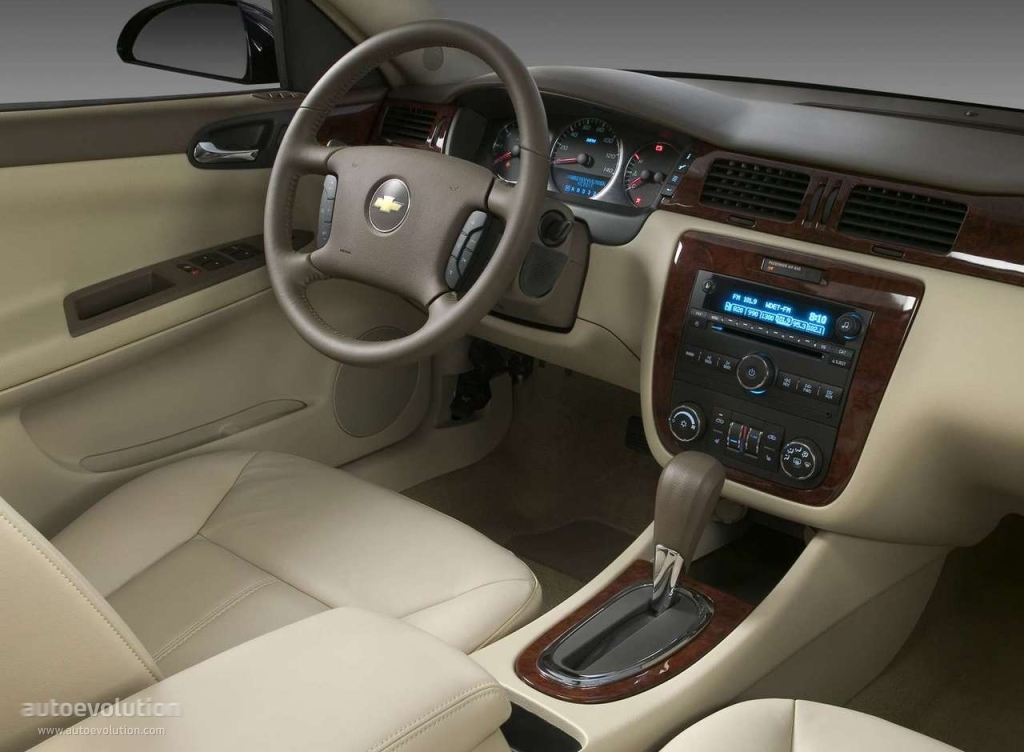
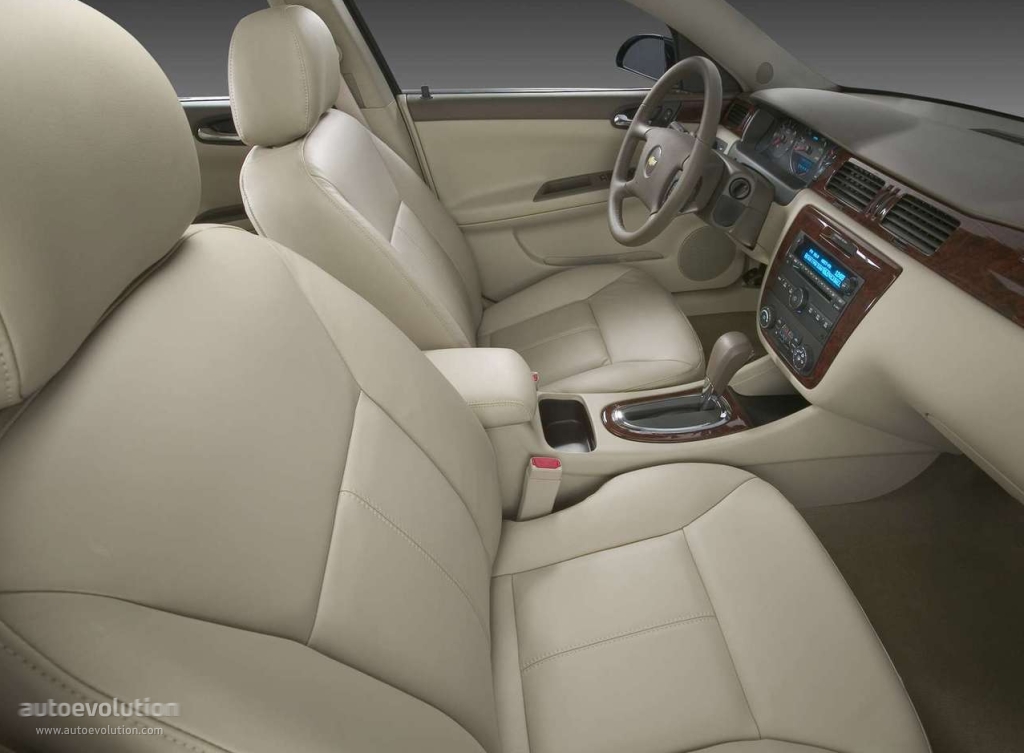
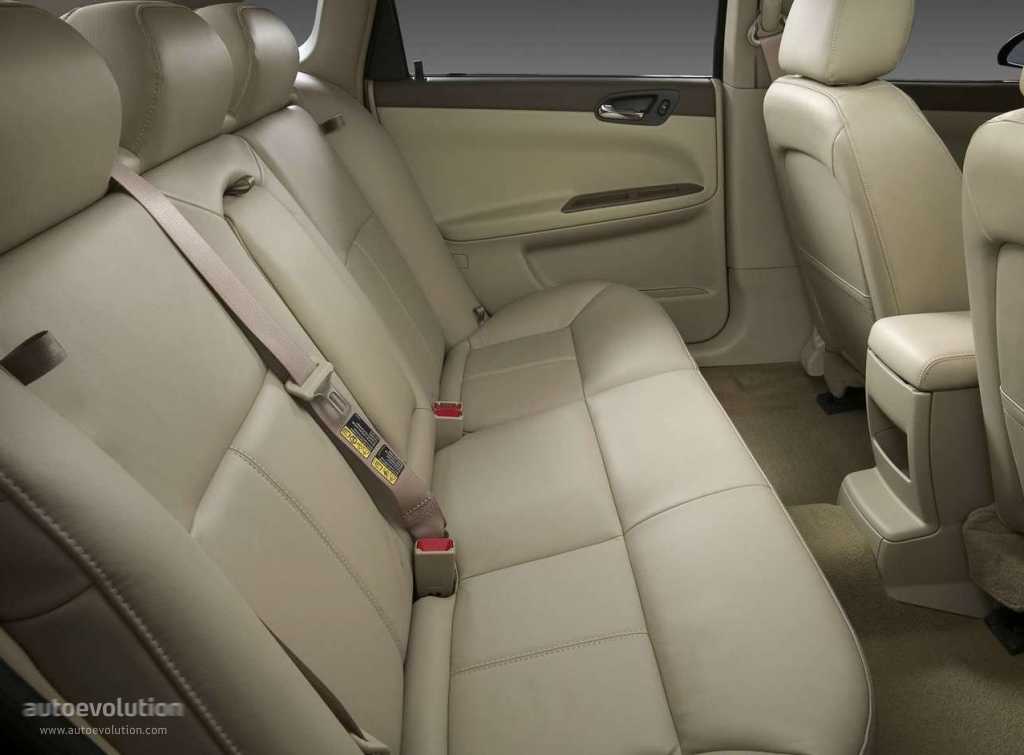
Inside, Chevrolet took advantage of the 110.5-inch (2,807 mm) wheelbase and the front-wheel drive system to create a spacious cabin where up to six people could comfortably fit. At the front, customers could get either two bucket seats or a bench seat. In the former version, the car had a steering-column mounted gear selector, while for the latter, a floor-mounted one was available. The driver fronted an LED-lit instrument cluster with a clean design and just four dials to check. In addition, an LCD was at the bottom of the panel and showed the odometer and other data gathered from the onboard computer. In the back, there was plenty of room for three adults, with enough legroom and headroom.
Under the hood, Chevrolet installed a choice of three engines: two V6s and one pushrod V8 that featured cylinder deactivation, a first for the brand. All sent their power to the front wheels via a four-speed automatic. The top trim level, the SS, featured stiffer suspension and larger stabilizer bars.
Begijnhof, 8000 Brugge, Belgium
Begijnhof, 8000 Brugge, Belgium

Begijnhof, 8000 Brugge, Belgium

Begijnhof, 8000 Brugge, Belgium

Begijnhof, 8000 Brugge, Belgium
Begijnhof, 8000 Brugge, Belgium
Begijnhof, 8000 Brugge, Belgium
Begijnhof, 8000 Brugge, Belgium
Begijnhof, 8000 Brugge, Belgium

Begijnhof, 8000 Brugge, Belgium

Offer an price, more info or anything you want
Consumer reviews