

Dealer:
Eden Hazard
Begijnhof, 8000 Brugge, Belgium
- Transmission 7-Speed Automatic
- |
- Drive Rear Wheel Drive
- |
- Mileage n/a
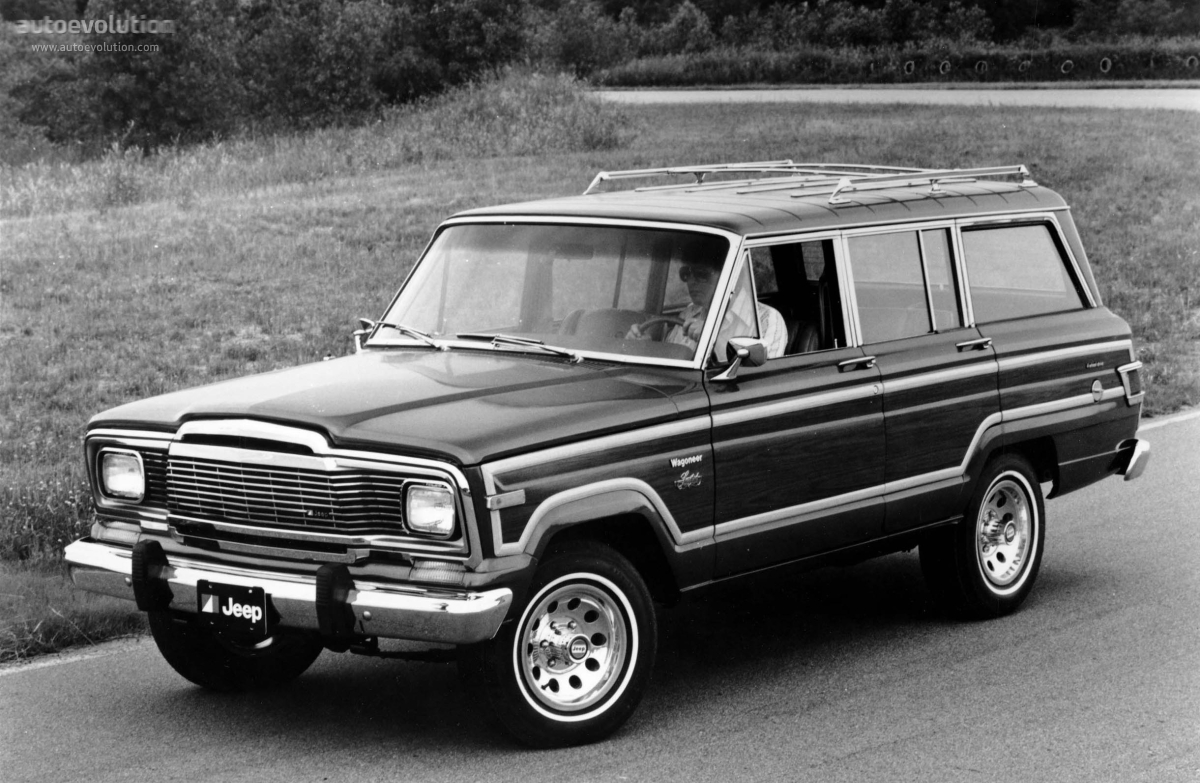
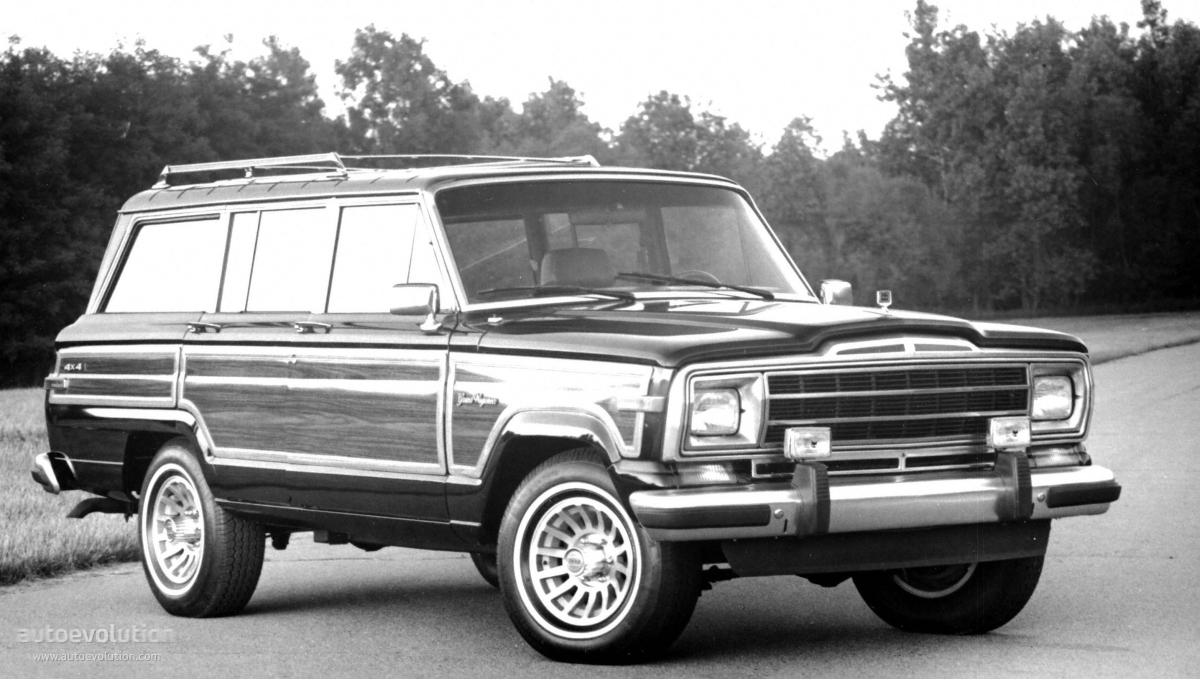
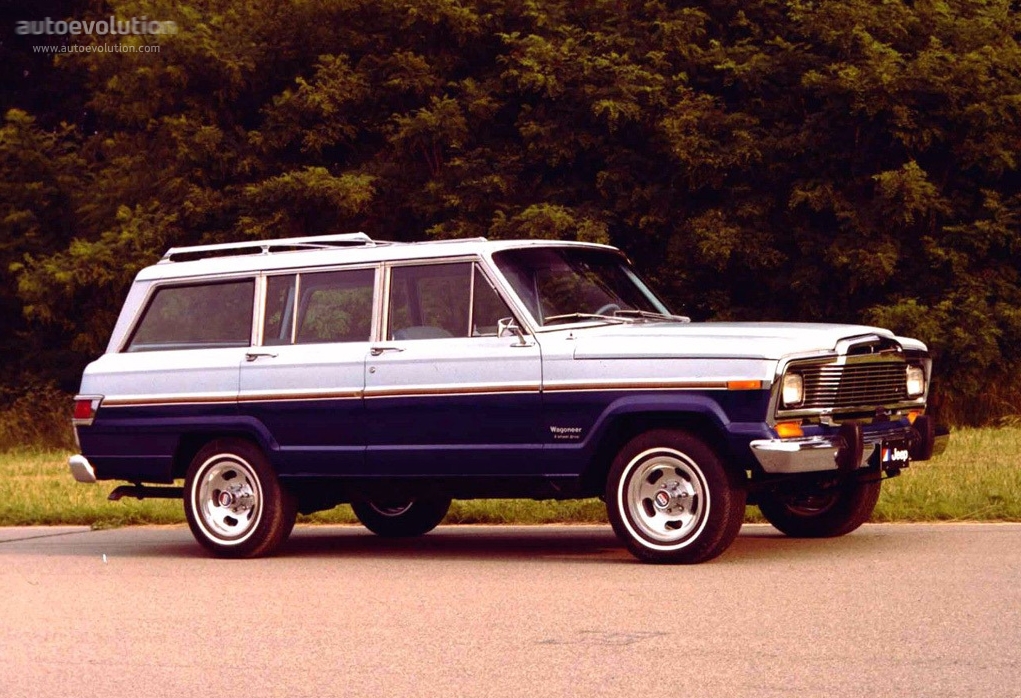
In 1962, Kaiser Jeep introduced the Wagoneer lineup as a replacement for the five-door Jeep Station Wagon model that had been in production since…
In 1962, Kaiser Jeep introduced the Wagoneer lineup as a replacement for the five-door Jeep Station Wagon model that had been in production since 1946, and the difference was massive.
Kaiser Jeep was the underdog in its fight against the Big Three: Detroit, Ford, Chrysler, and General Motors, and there was one area that it mastered: the production of off-road vehicles. Unfortunately for it, American customers were more fond of regular sedans and comfortable vehicles, such as the Chevrolet Impala, the Ford Galaxie, and the Chrysler 300. However, Jeep didn’t back down and created the Wagoneer lineup based on the same chassis as the Jeep Gladiator pickup truck. Furthermore, the U.S. was just recovering from the 1957-1958 recession. As a result, an expensive vehicle was out of the question. Somehow, though, the new model was successful, and in 1963, Kaiser added the Jeep name to the company’s credentials as the Kaiser Jeep Corporation. It was the moment that the Jeep became notorious not just for its rugged, go-anywhere vehicles but also for its comfortable, almost luxurious SUVs. In addition, this four-door 4×4 comfortable car broke covers eight years before Rover introduced the first generation of the two-door Range Rover.
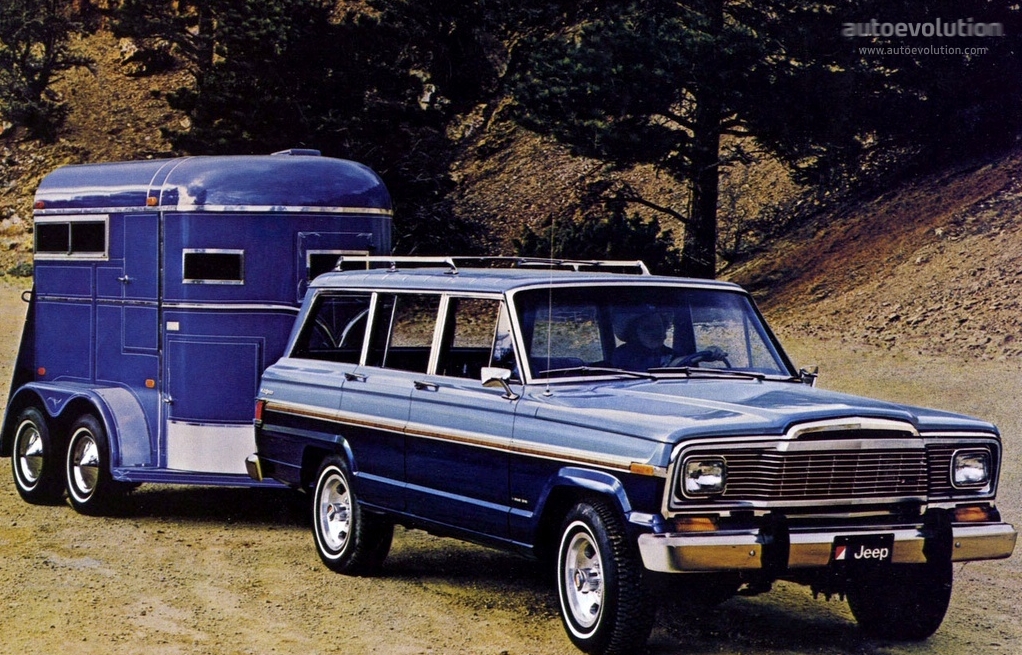
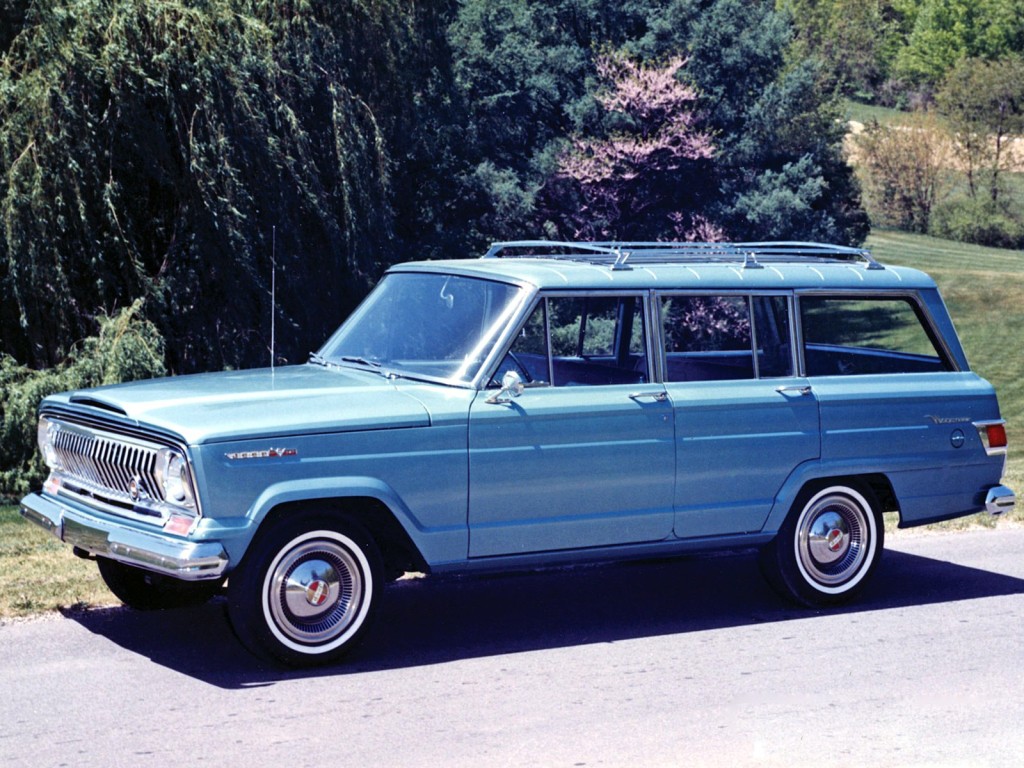
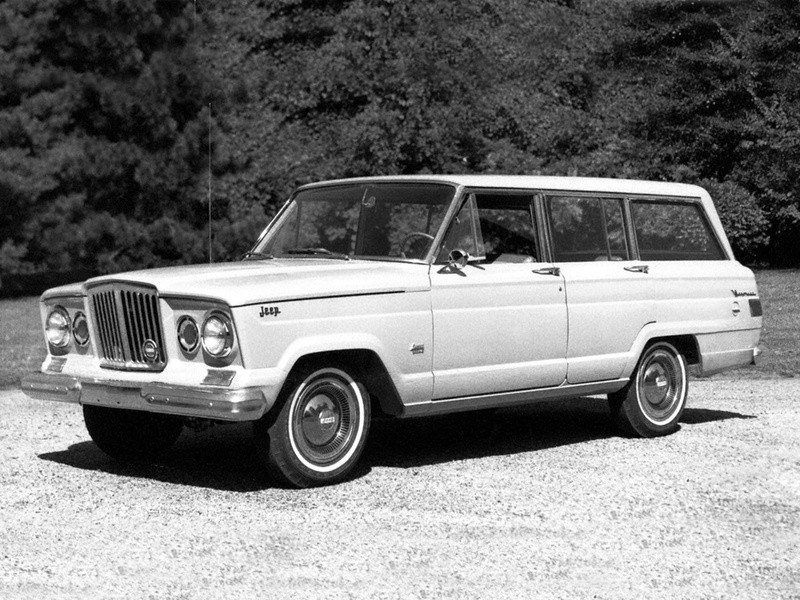
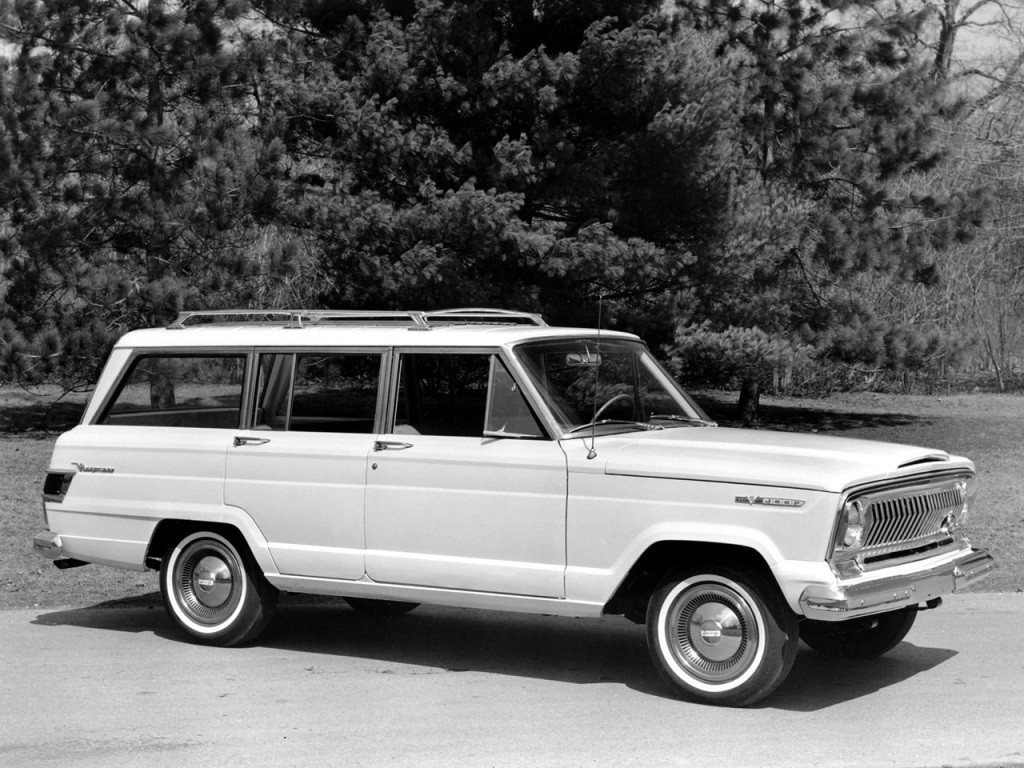
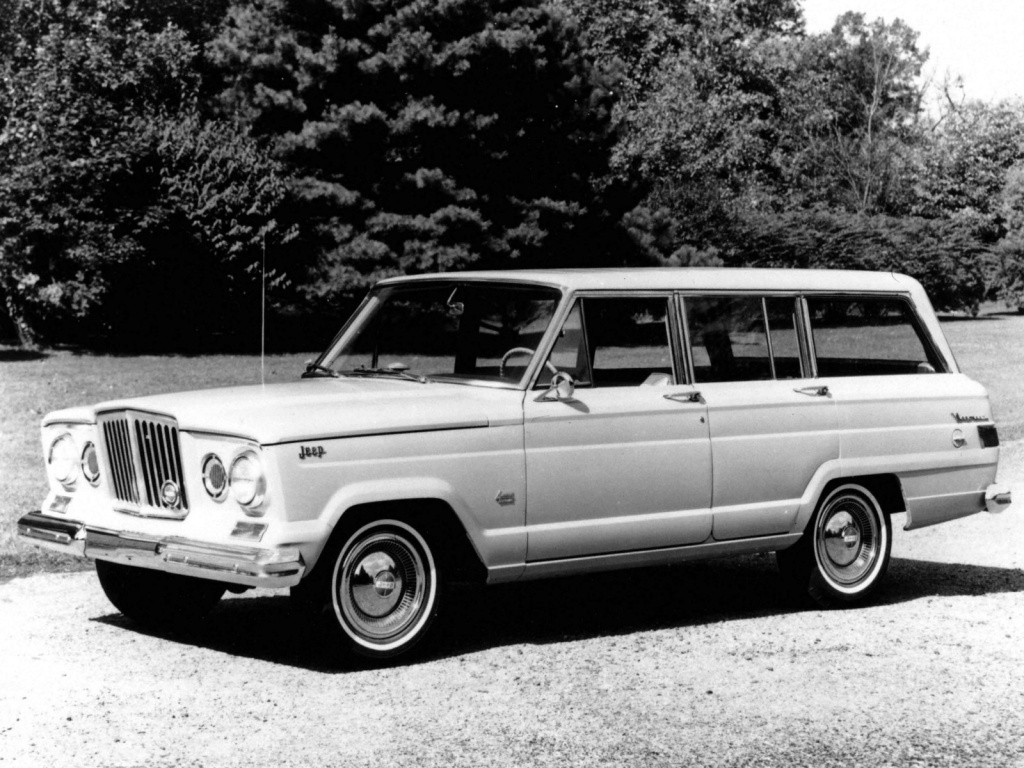
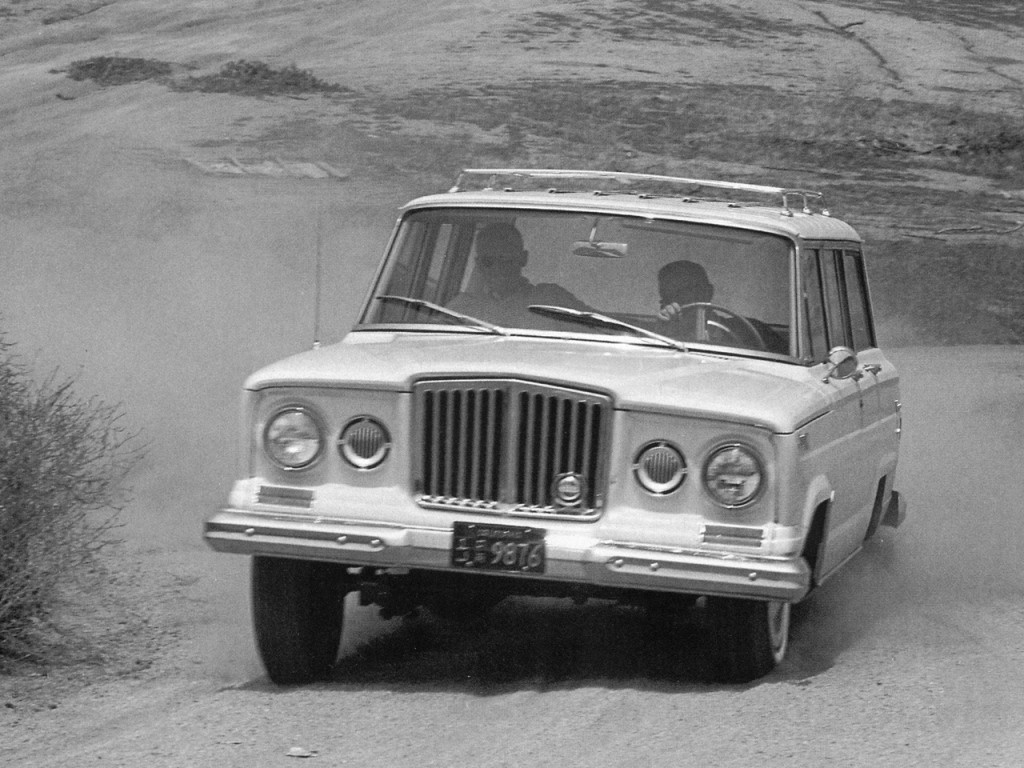
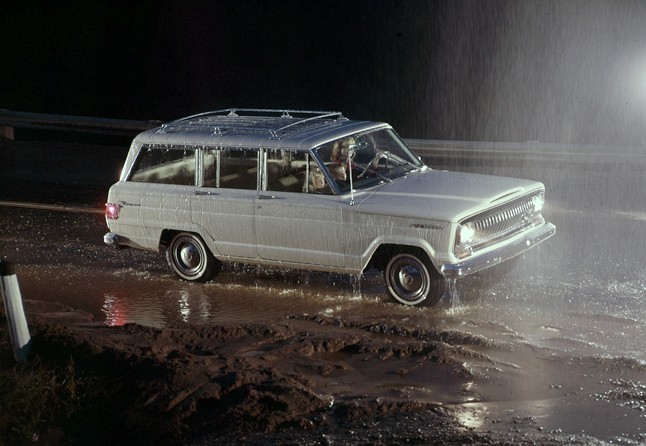
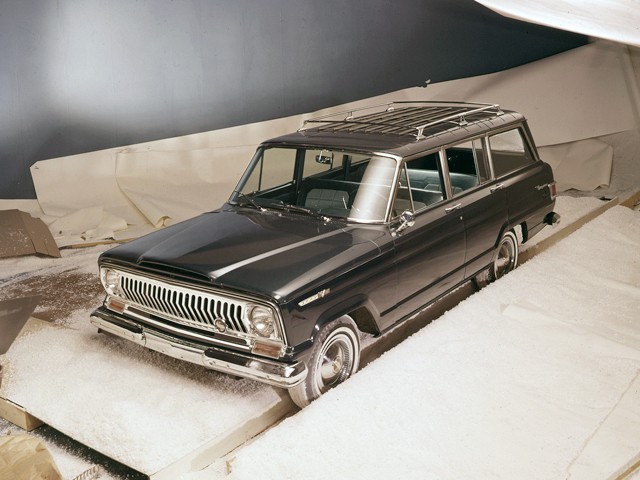
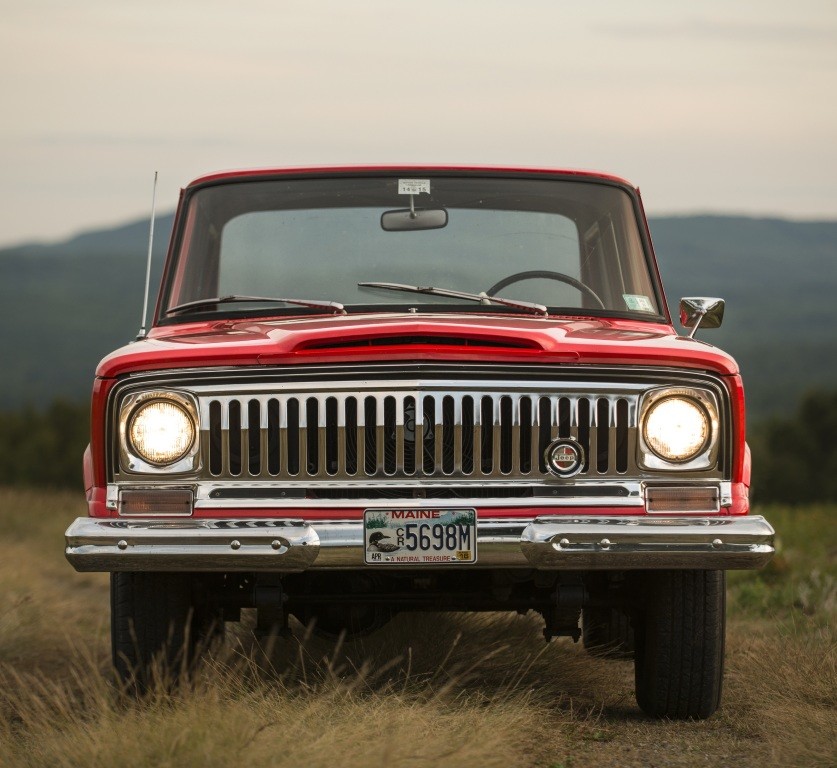
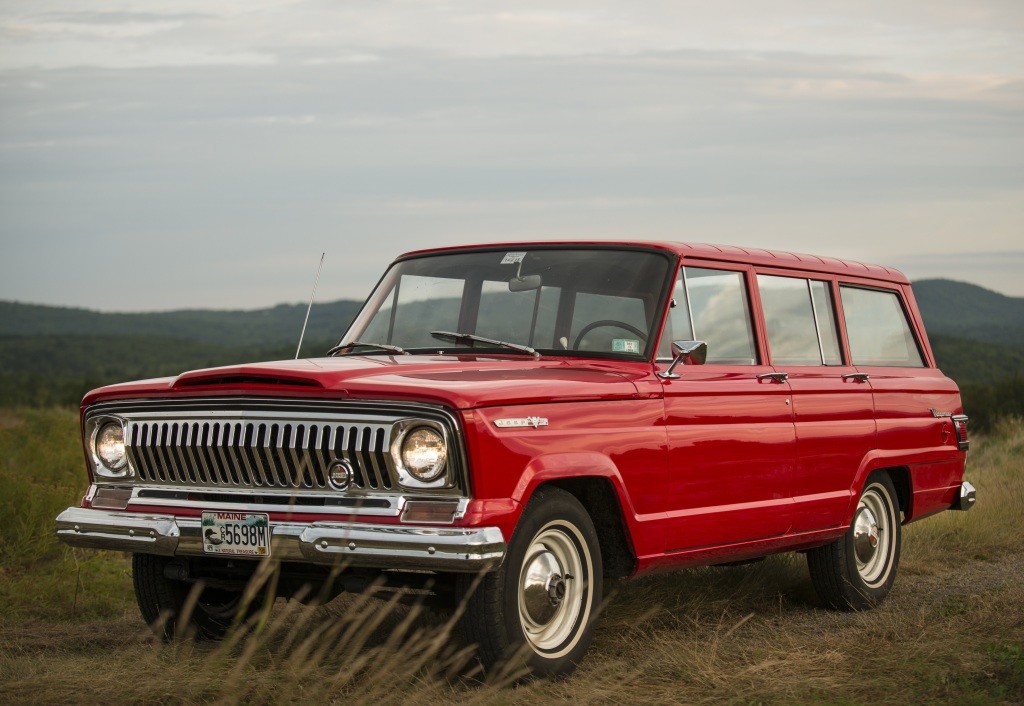
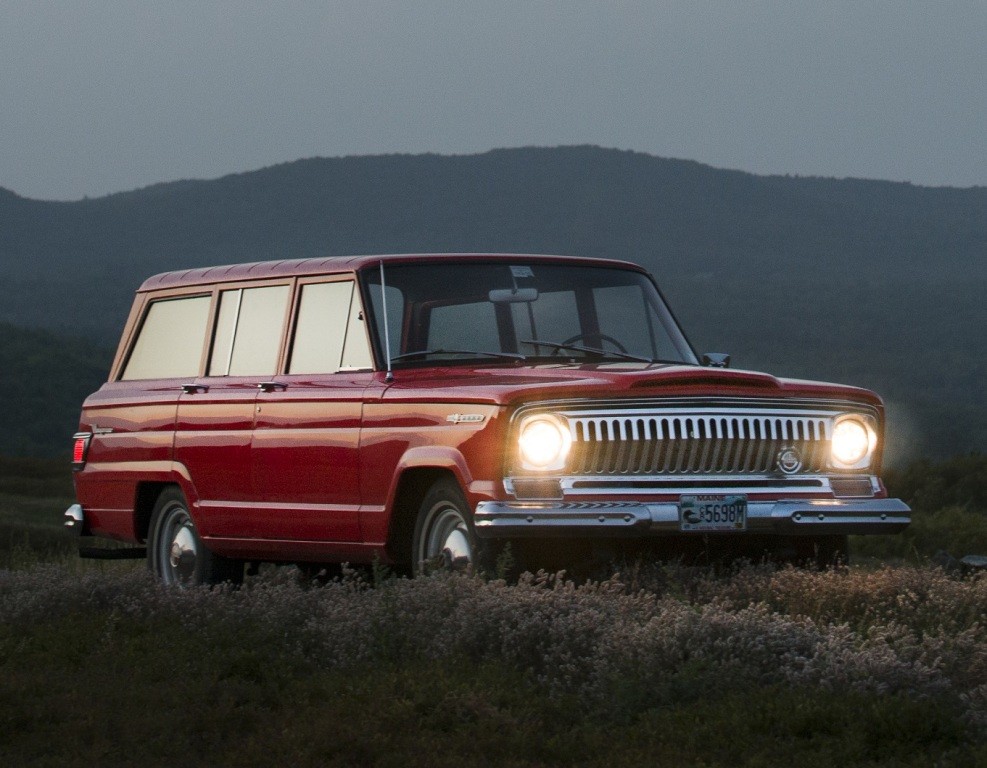
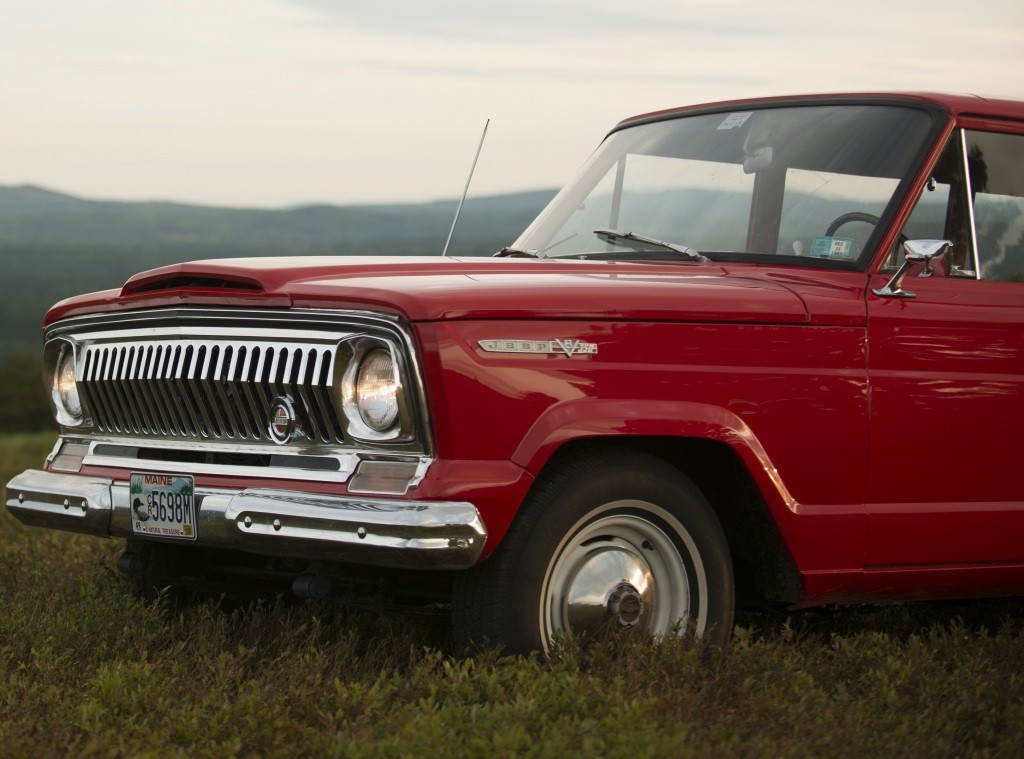
The automaker introduced the Wagoneer in late 1962 for the 1963 model year, and the car’s front fascia had a particular shape that made it distinct. Its tall radiator grille resembled a Greek temple and featured eleven vertical chromed bars, not the seven-slat grille that was traditional for a Jeep. It was flanked by four round headlights, where the inner-mounted ones were smaller. Underneath them, the automaker placed the turn signals and a chromed bumper.
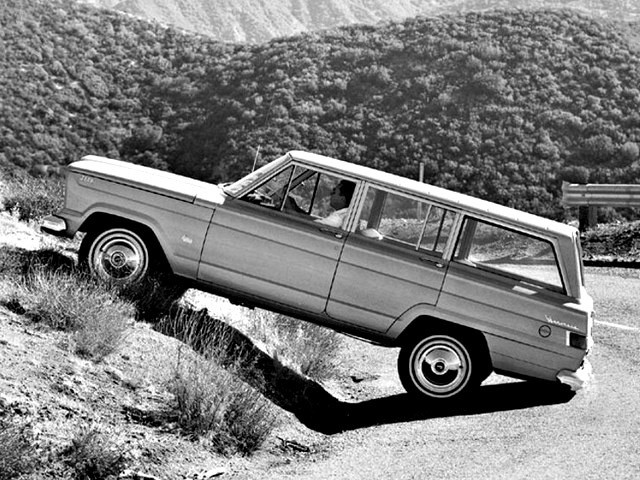
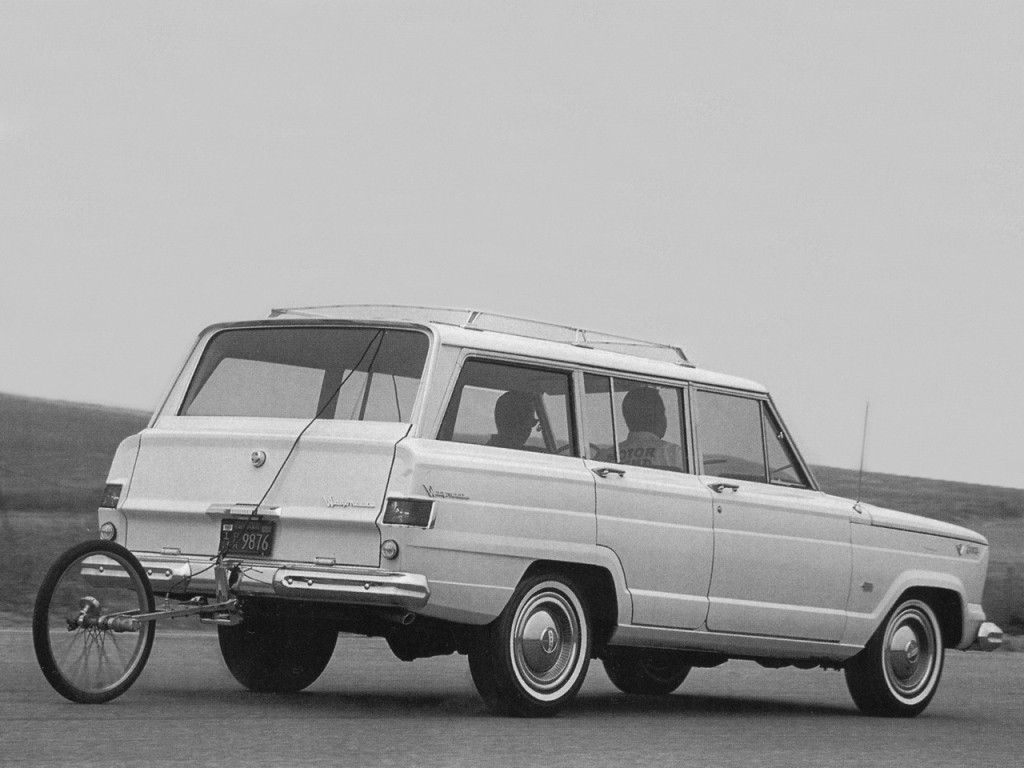
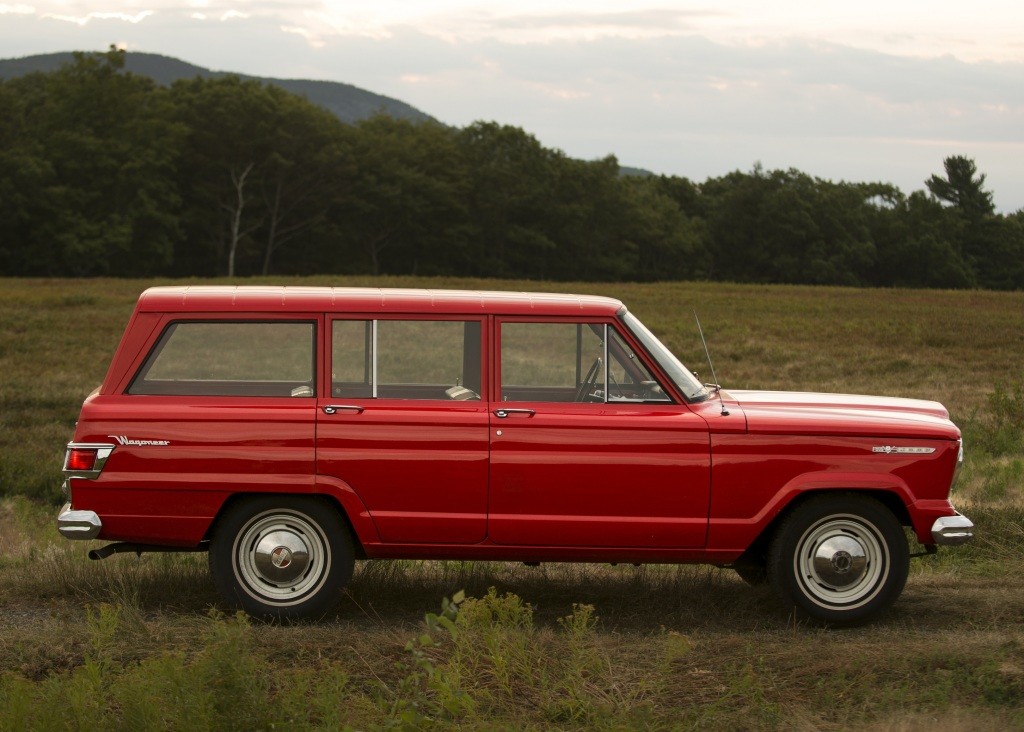
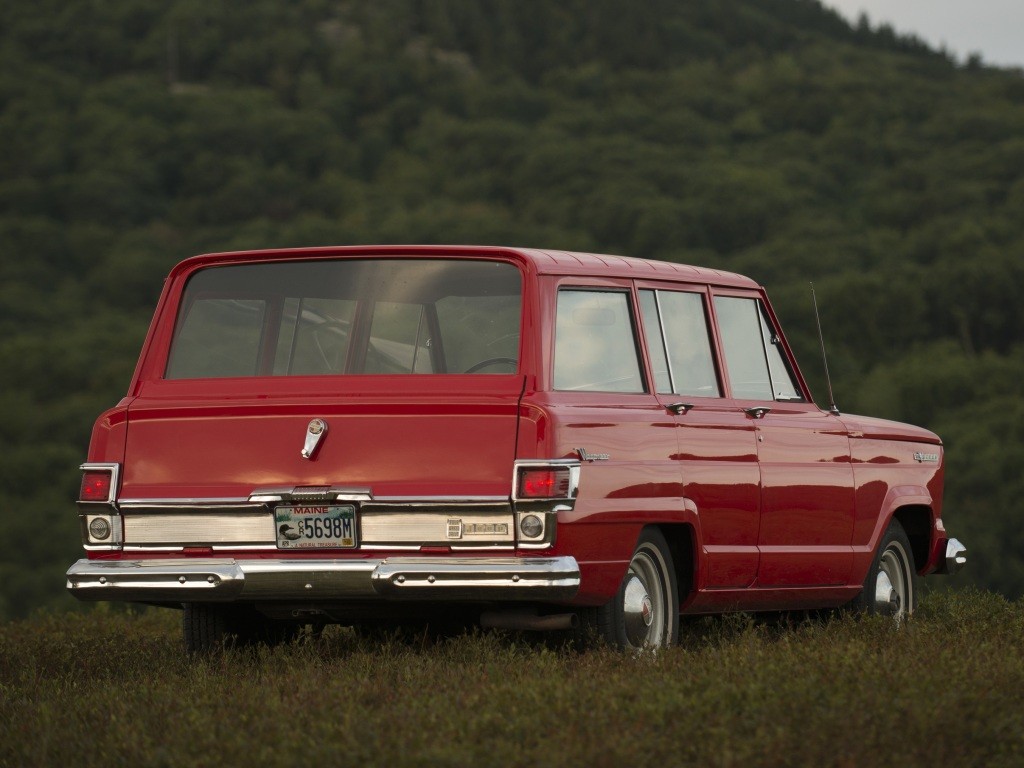
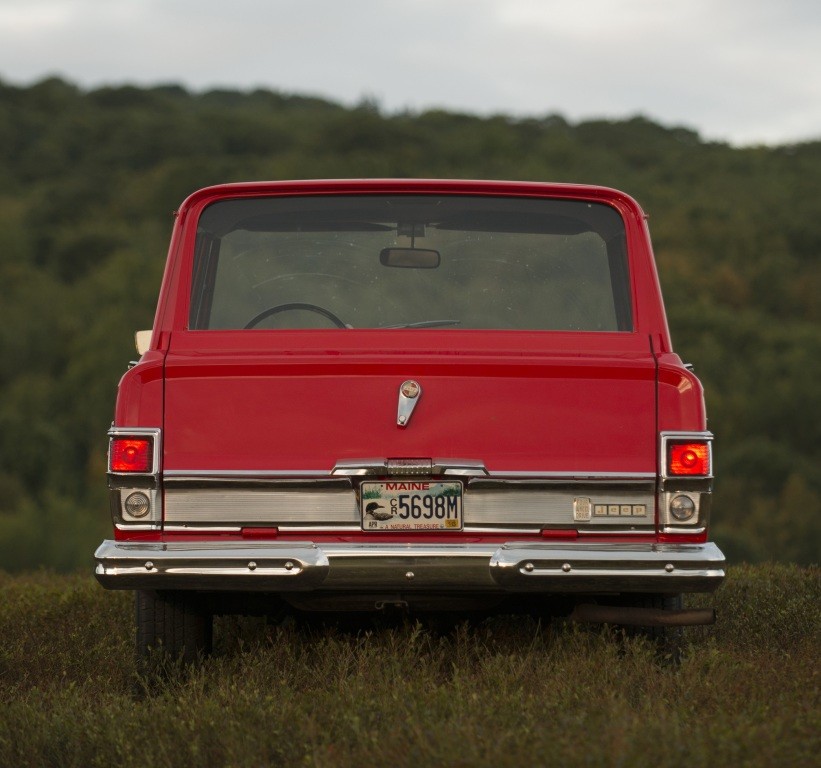
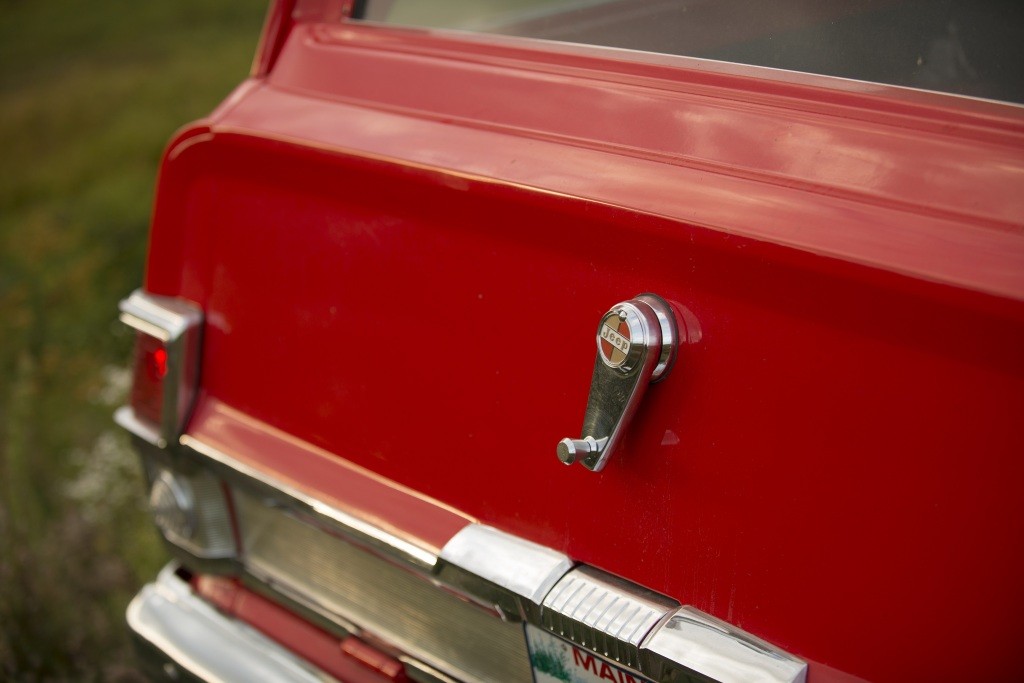
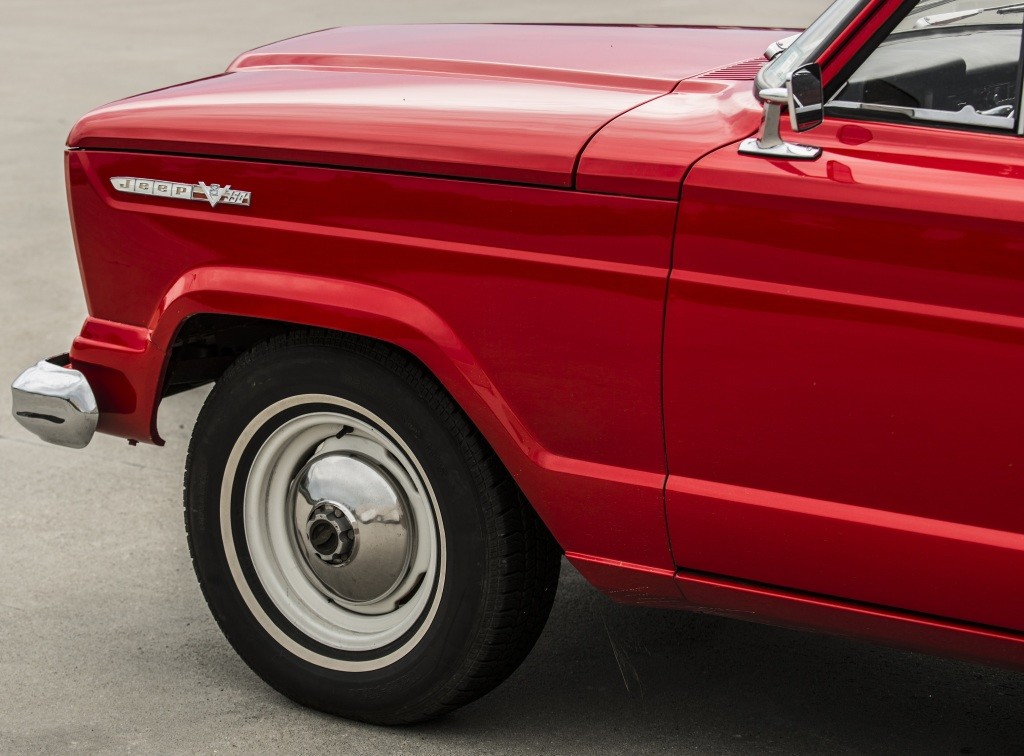
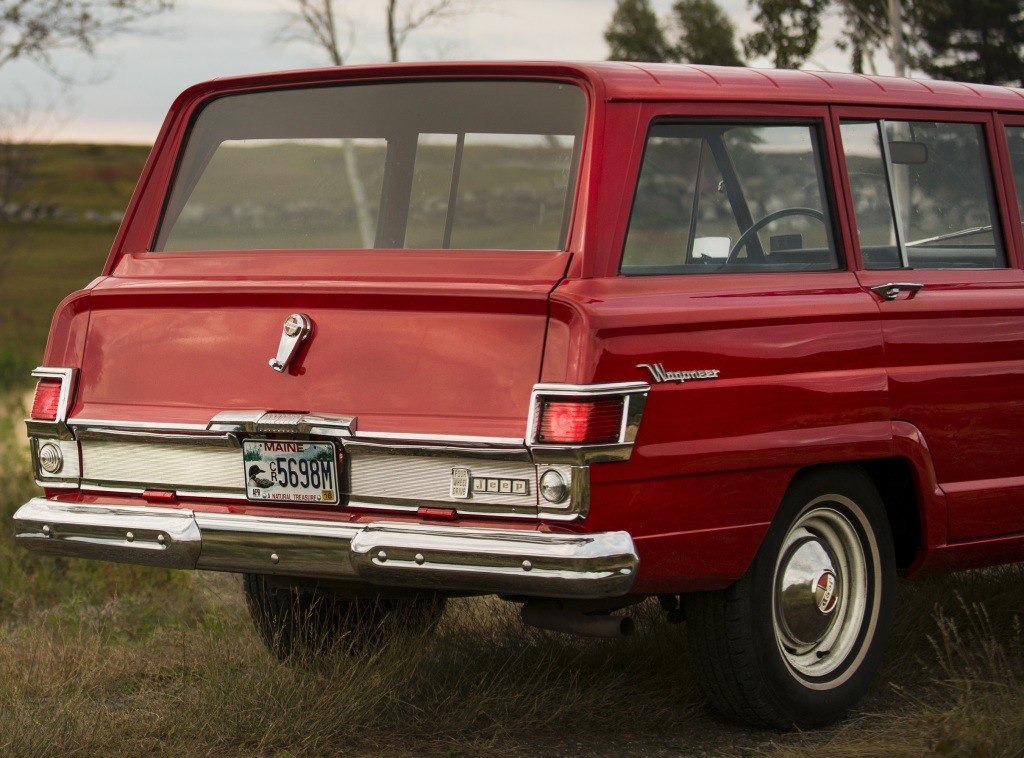
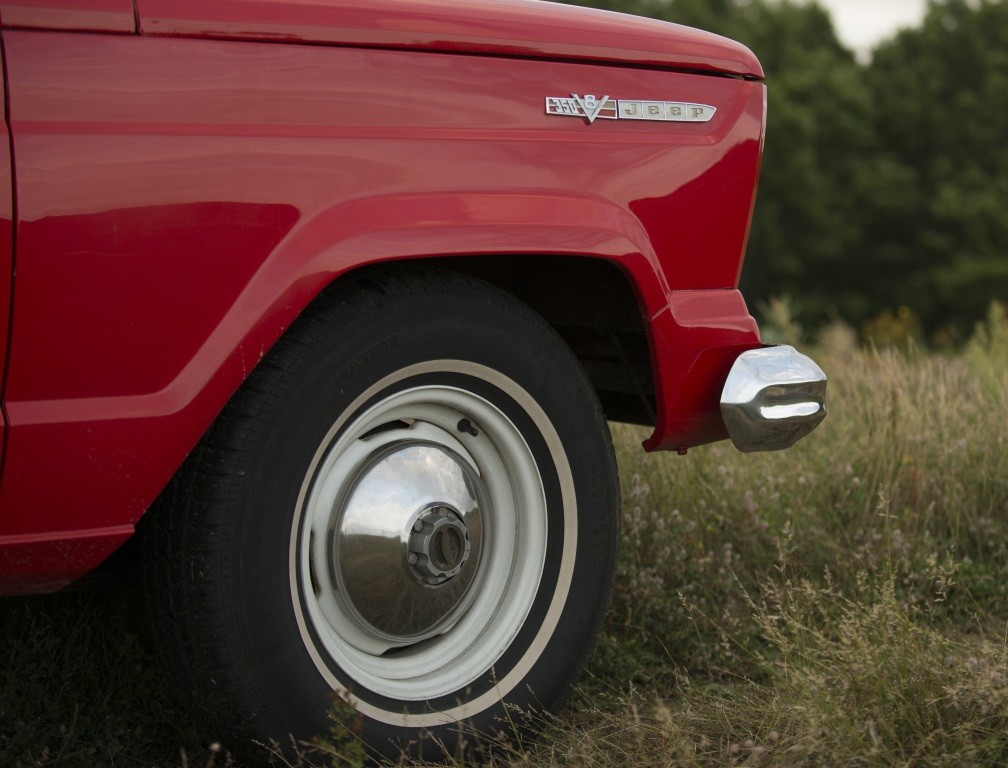
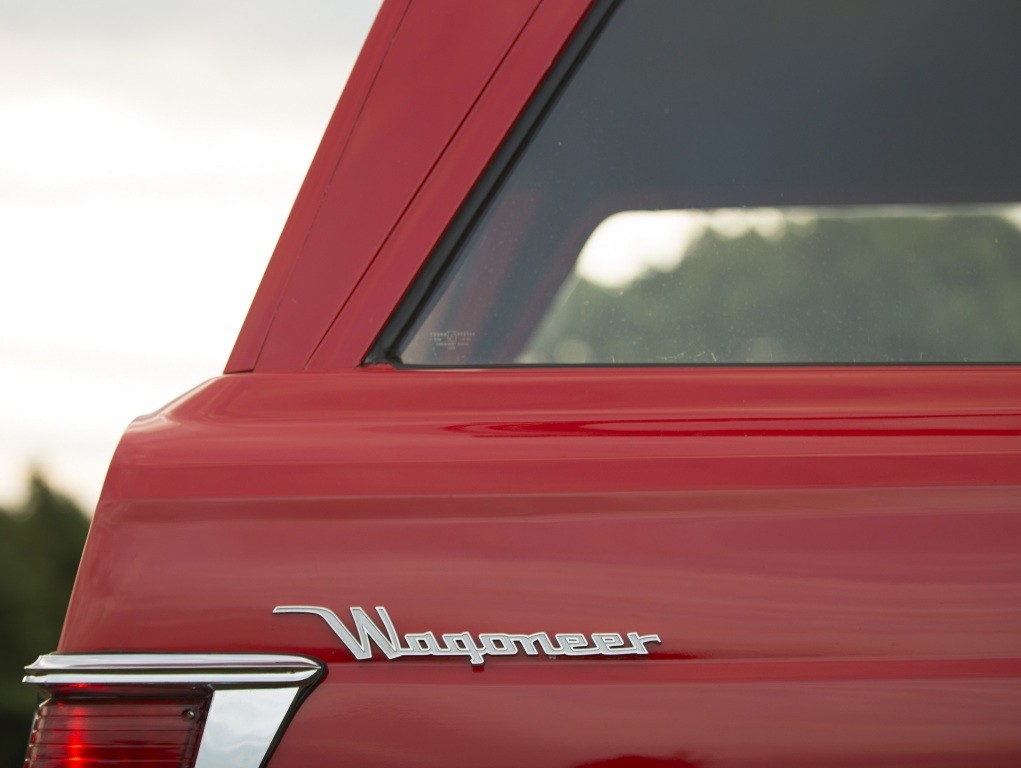
From its profile, the station wagon shape of the vehicle was attractive for customers looking for a family car but with some off-road capabilities. The squared wheel arches and the flat door panels adorned by two creases created the image of a rugged vehicle. Furthermore, the automaker placed the door mirrors above the front fenders for the 1963 model year, making it look different from other 4x4s from the same era. In the following year, though, Jeep moved them on the doors, just in front of the triangular swinging windows. The large glass area of the greenhouse and the stylish tilted forward D-pillars gave customers the impression that the Wagoneer was not built for construction sites or performing difficult jobs and that it could be an excellent daily driver. At the back, the automaker installed a roll-down rear window, which retracted into the flip-down tailgate. A set of red taillights adorned the edges of the quarter panels, while below them were the reversing lights.
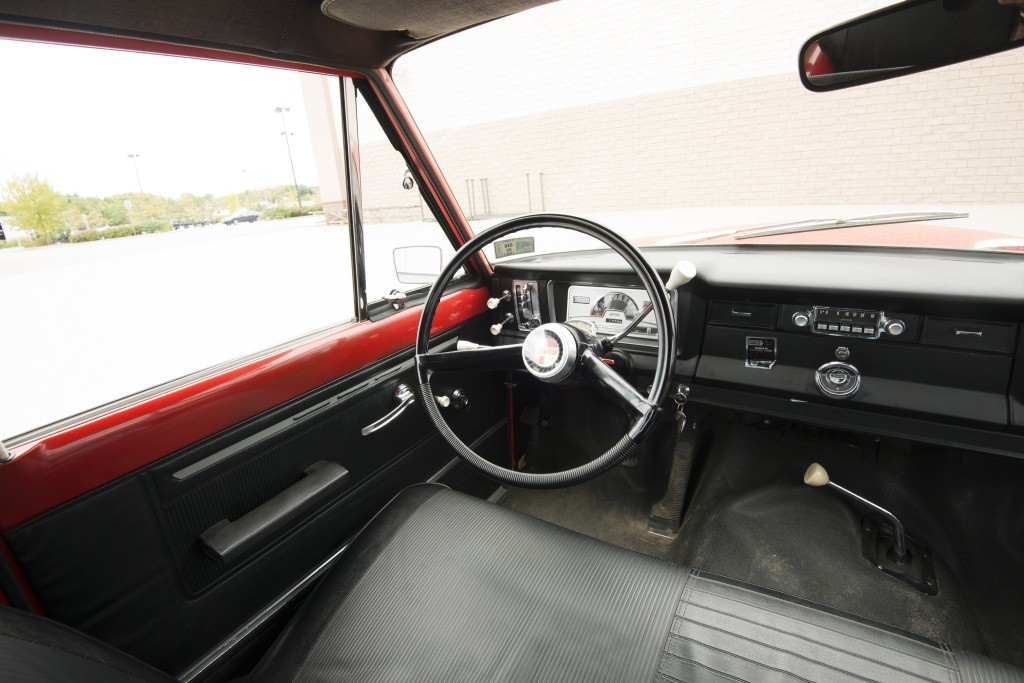
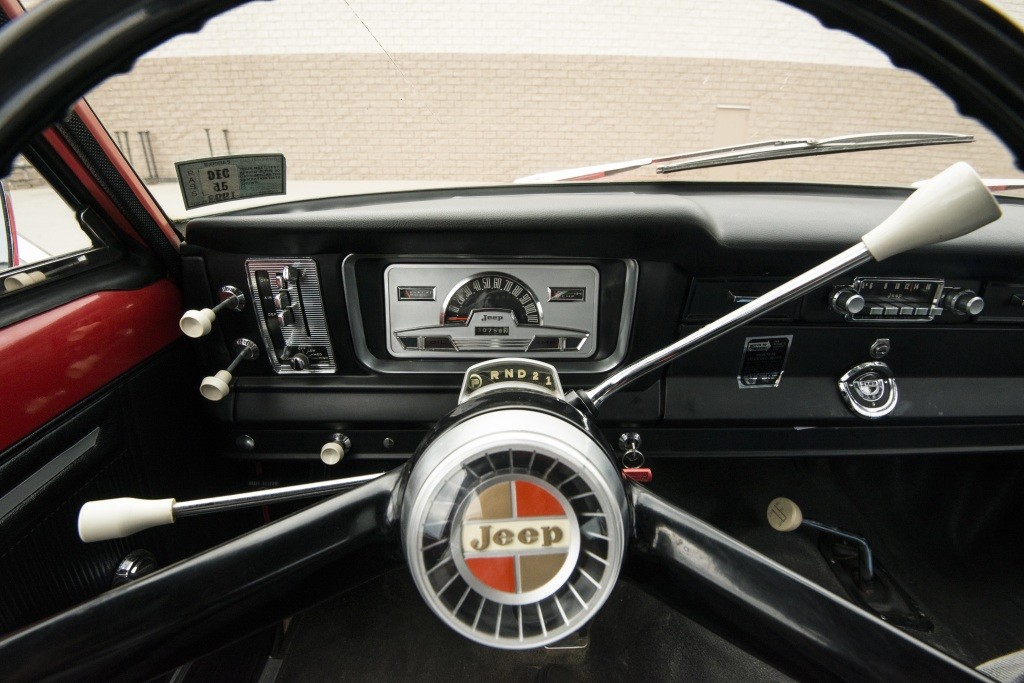
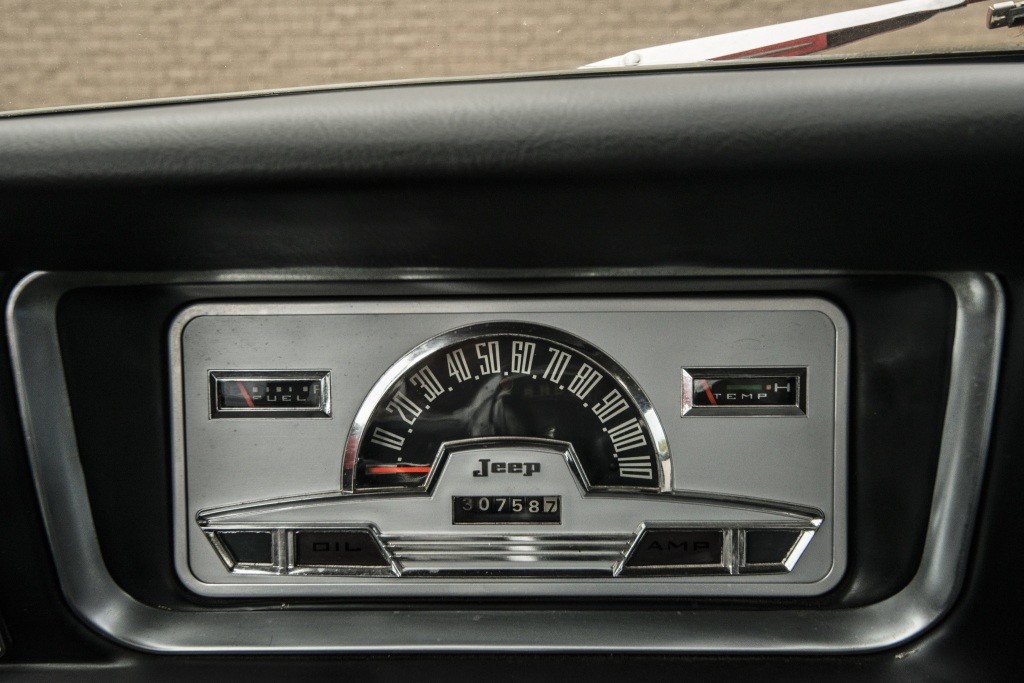
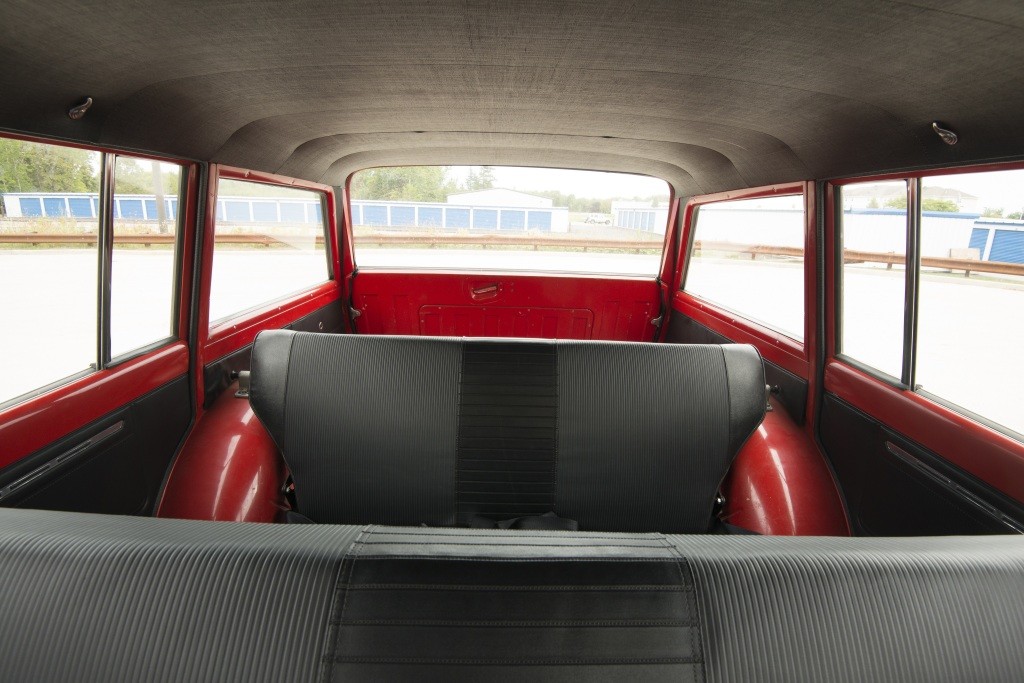
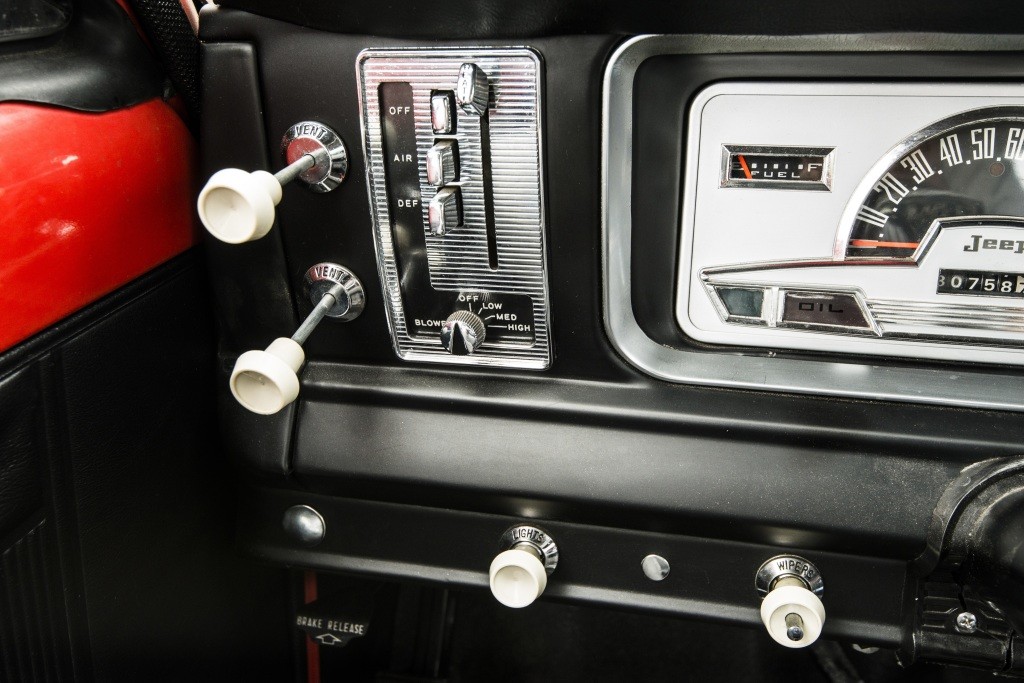
Only when customers stepped inside the cabin did they realize that the Wagoneer was nowhere near any of the utilitarian vehicles of the main SUV’s competitors. Its vinyl-covered color dashboard, the bench seats for both rows, and the spacious cabin were suitable for most families. In addition, starting with the 1964 model year, the automaker introduced an AC unit on the options list. The driver fronted a two-spoke steering wheel that framed a small instrument cluster where the half-round speedometer dominated the panel above the odometer. In the back, the automaker installed a folding bench seat where three passengers could sit. Furthermore, the SUV started to be available with lap belts in 1964.
Under the hood, the Wagoneer began its journey with the help of a 3.8-liter inline-six fed by a double-barrel carburetor. It was mated with a three-speed gearbox, while an automatic gearbox was on the options list. All versions came with a 4×4 system and independent front suspension, which made it feel like a sedan, not an SUV. But still, for going off-road, Jeep installed manual locking hubs, a two-speed transfer box, and a rigid axle in the rear. Later, a 327 V8 became available.
Begijnhof, 8000 Brugge, Belgium
Begijnhof, 8000 Brugge, Belgium

Begijnhof, 8000 Brugge, Belgium

Begijnhof, 8000 Brugge, Belgium

Begijnhof, 8000 Brugge, Belgium
Begijnhof, 8000 Brugge, Belgium
Begijnhof, 8000 Brugge, Belgium
Begijnhof, 8000 Brugge, Belgium
Begijnhof, 8000 Brugge, Belgium

Begijnhof, 8000 Brugge, Belgium

Offer an price, more info or anything you want
Consumer reviews