

Dealer:
Eden Hazard
Begijnhof, 8000 Brugge, Belgium
- Transmission 7-Speed Automatic
- |
- Drive Rear Wheel Drive
- |
- Mileage n/a



Chevrolet entered into the International Race Of Champions with the third generation of the Camaro, so it provided a road-going version of that race…
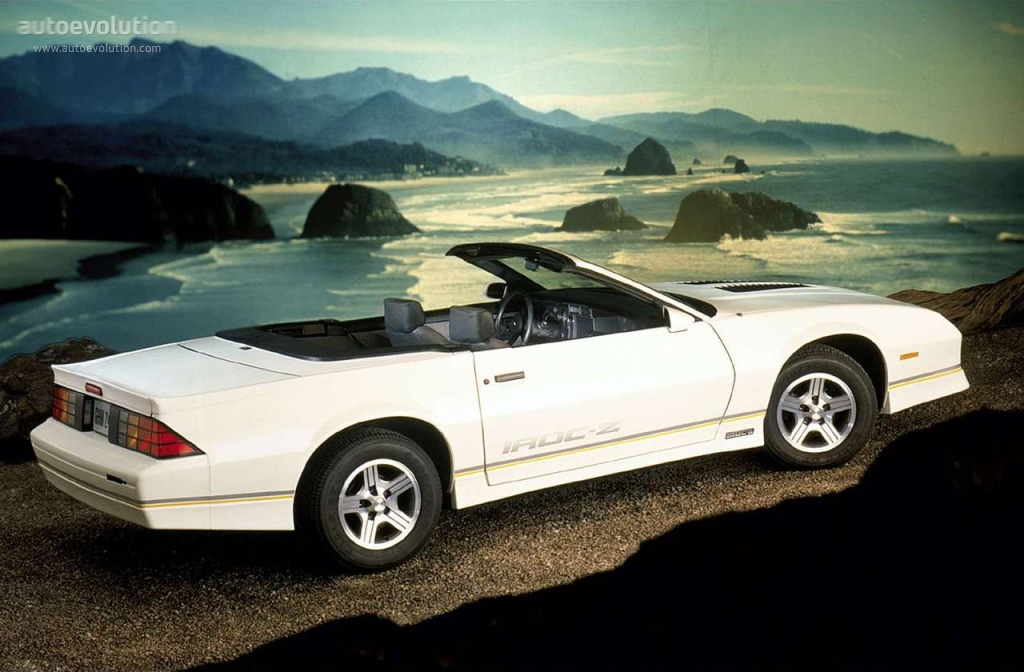
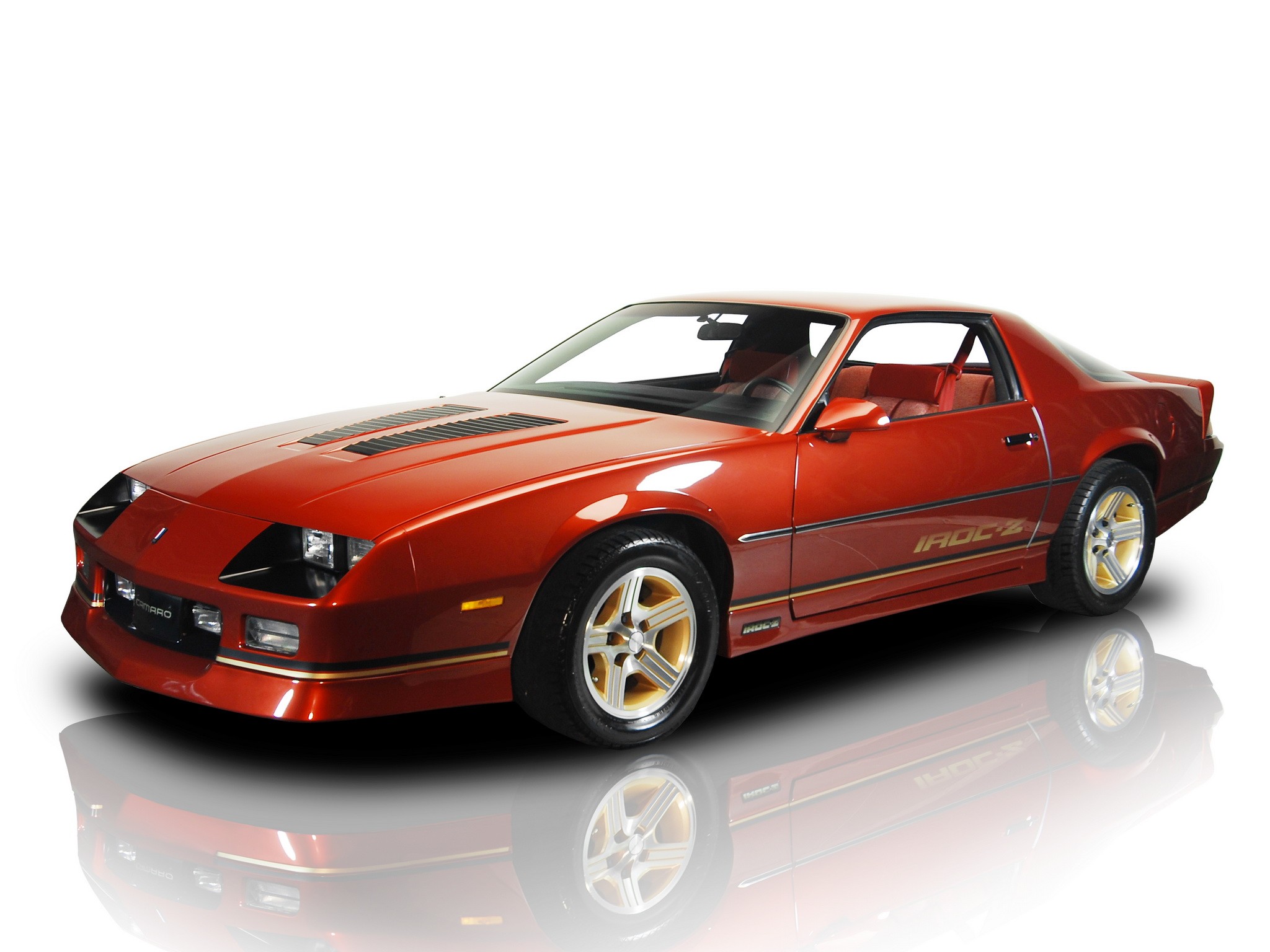
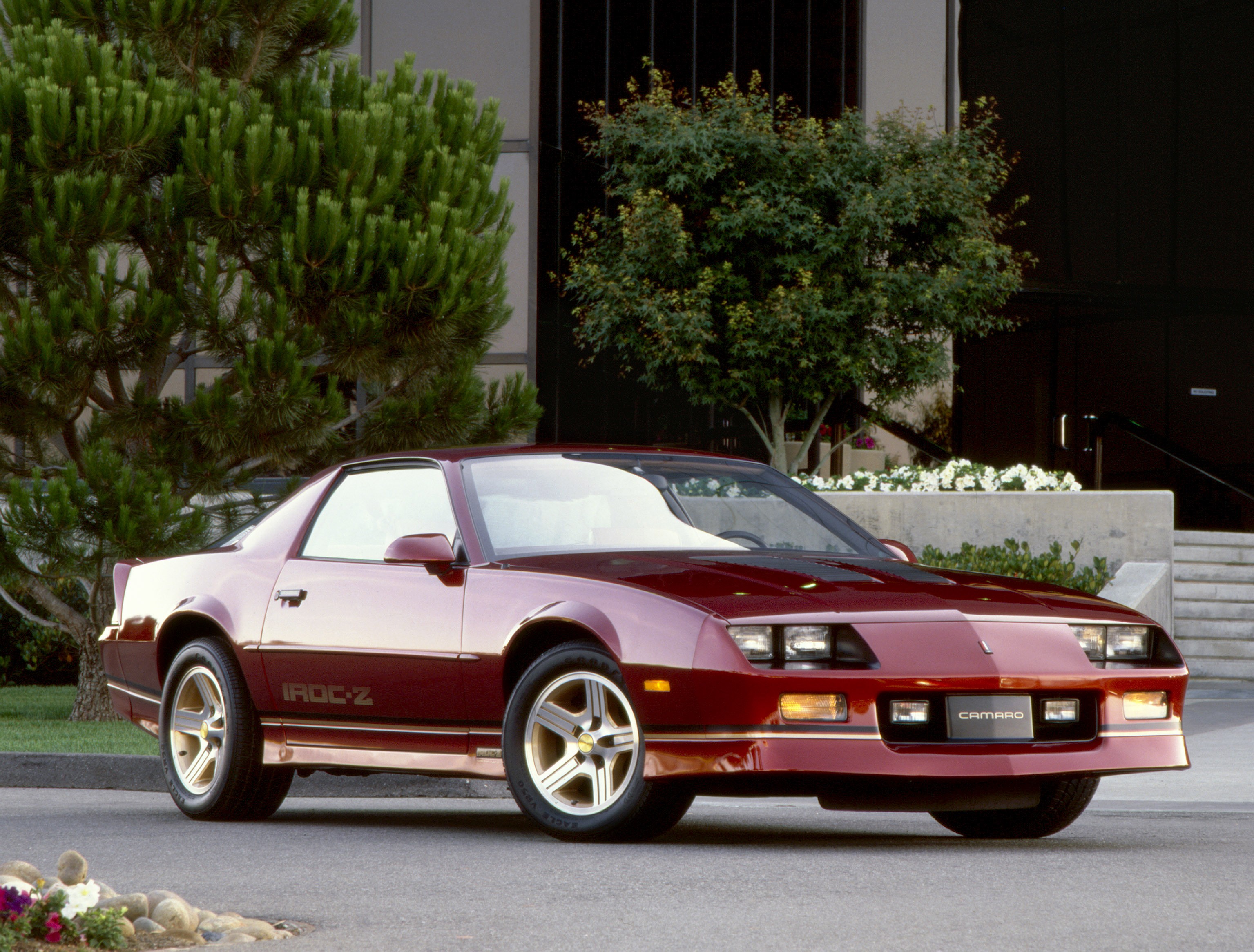
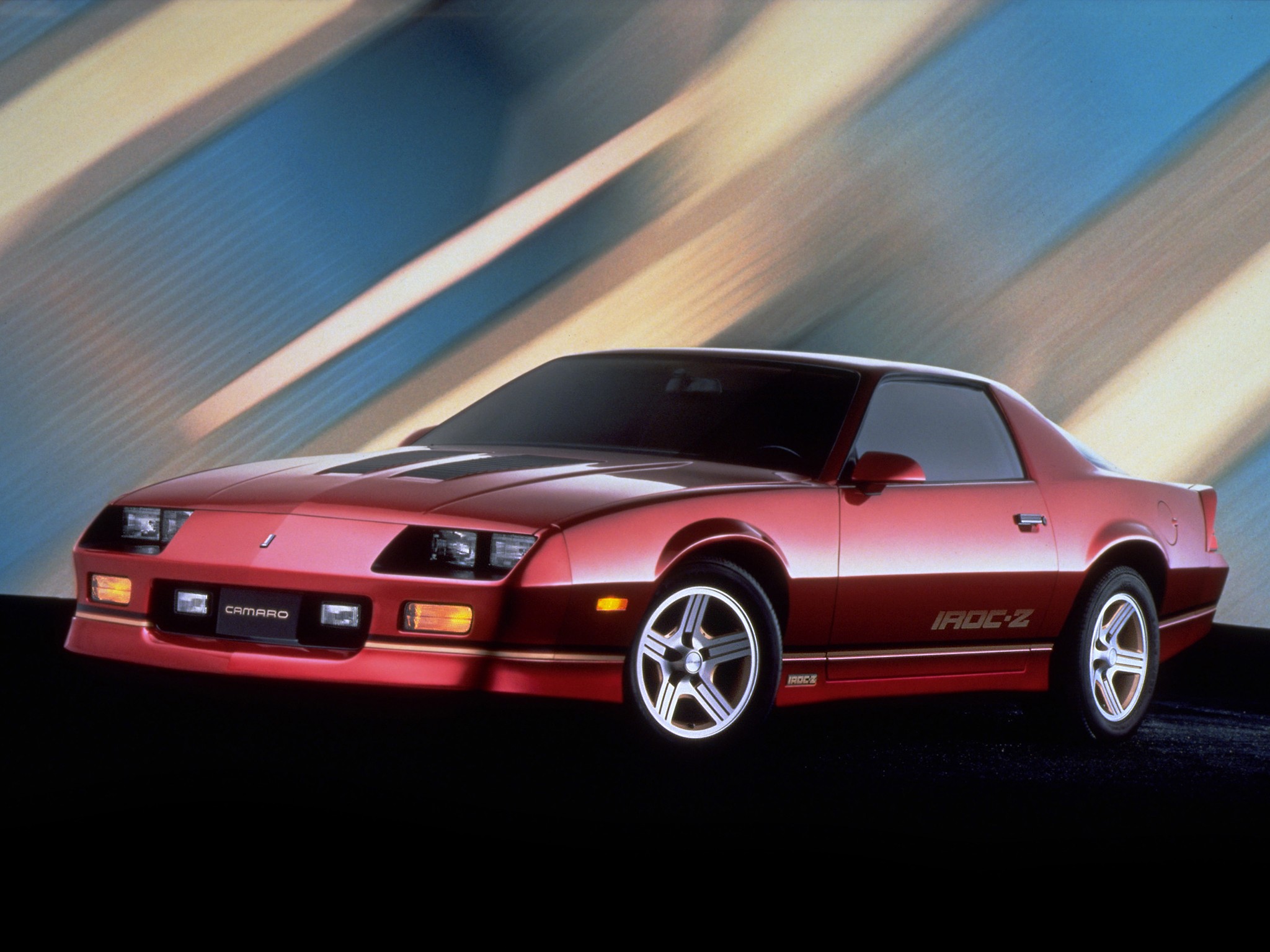
Chevrolet entered into the International Race Of Champions with the third generation of the Camaro, so it provided a road-going version of that race car for everyone to have, as a grade available for the Z28 version.
The American automaker provided the cars for the International Race Of Champions ever since the 1975 season, so creating a Camaro bearing those magic four letters was no mistake. However, the automaker delayed the introduction of the IROC on Camaro’s third generation until 1984, for the 1985 model year. This package was available exclusively on the Z28 version of the car, and for a good reason: it was the base vehicle used in the famous American race. The car quickly gained a reputation among enthusiasts not because it could run the quarter-mile faster than any of its siblings but because its suspension, braking, and handling characteristics were better.
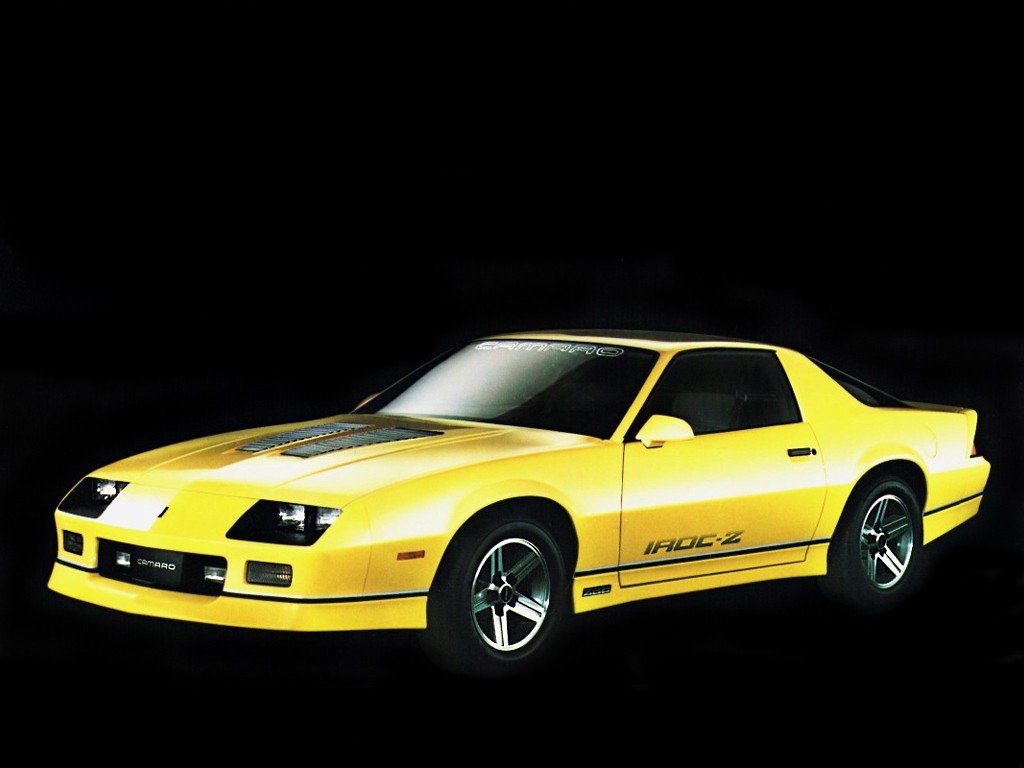
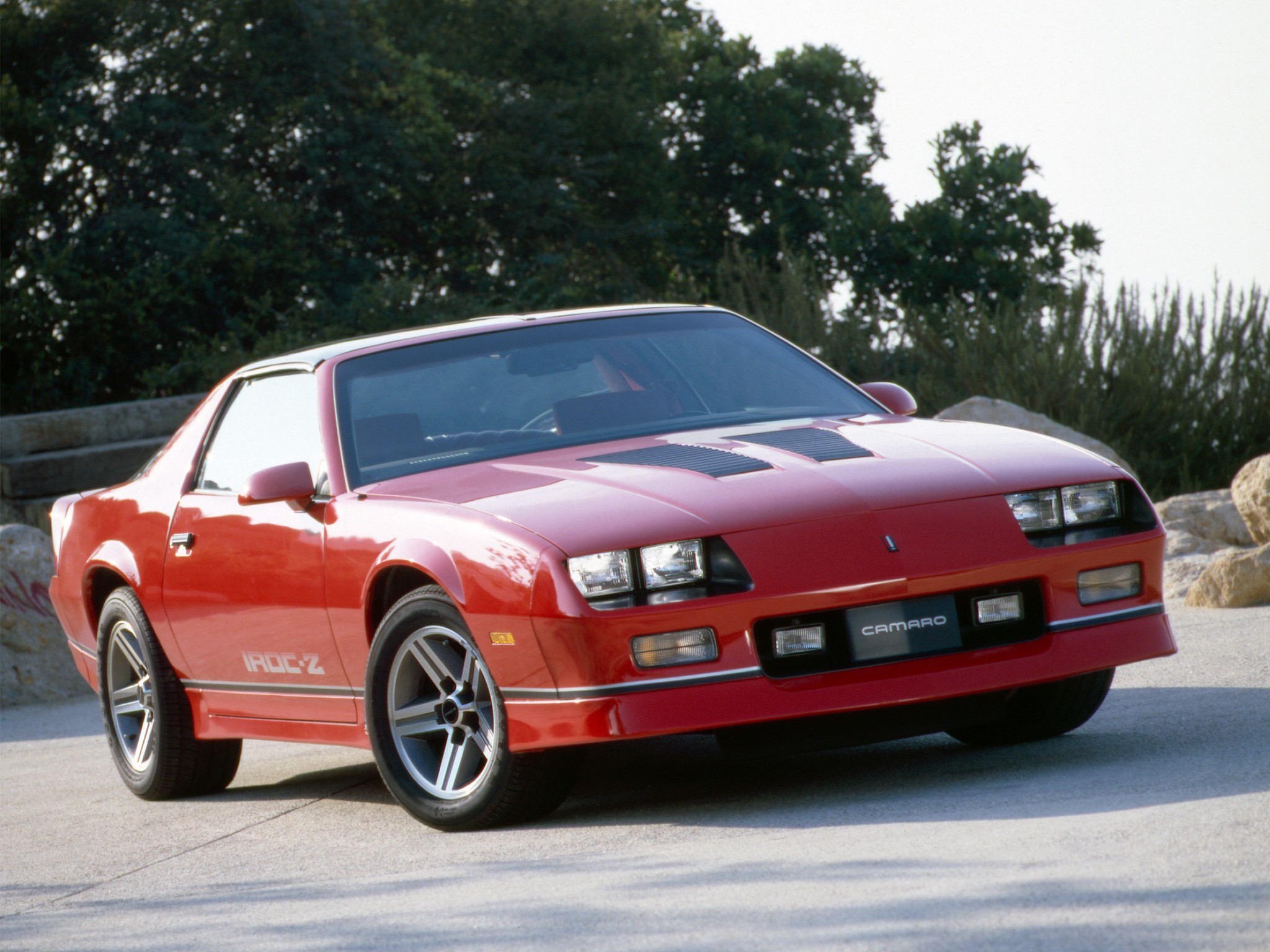
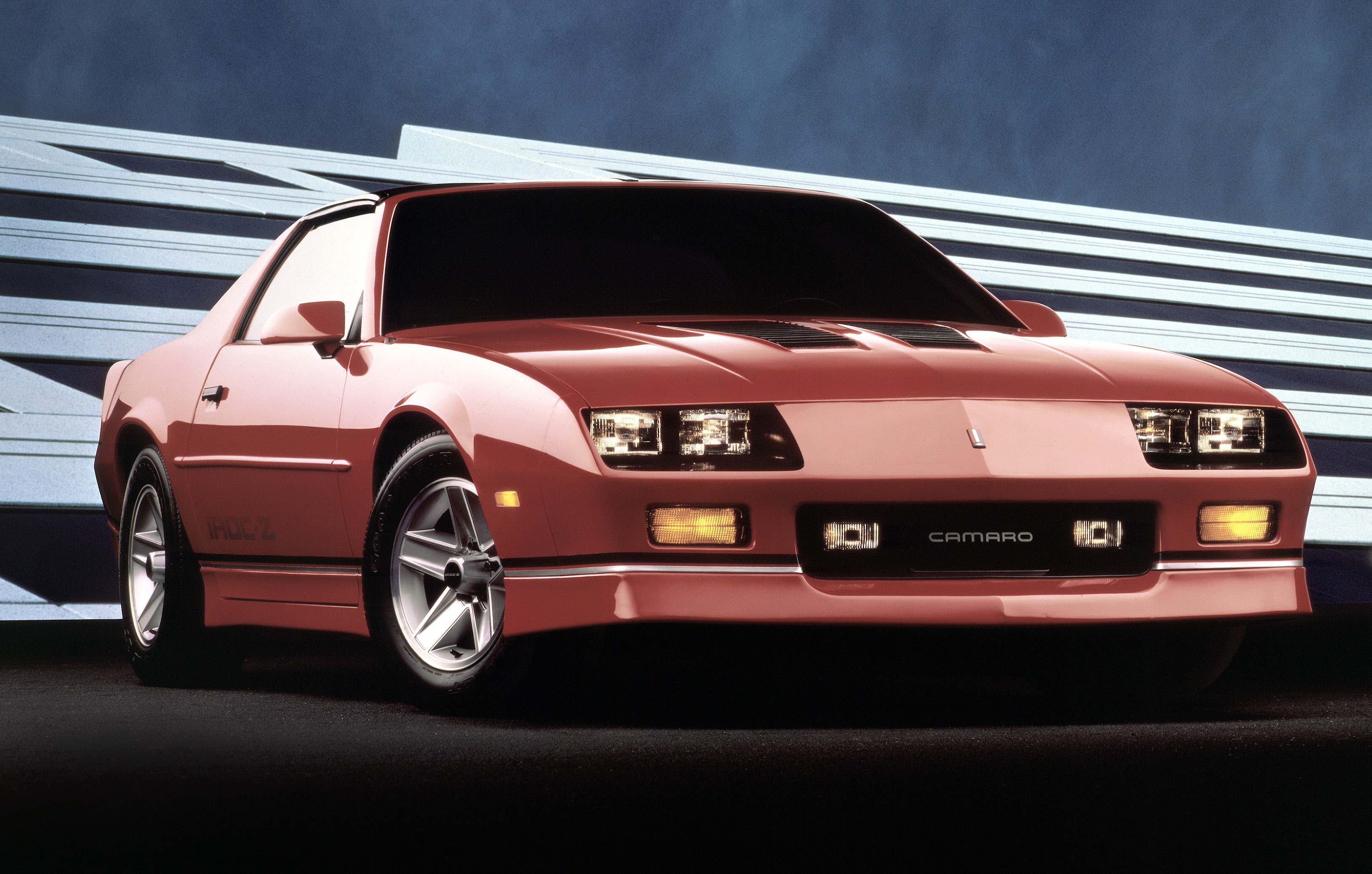
Spotting a 1985 Chevrolet Camaro IROC Z28 from the front was easy. Even though it had the same recessed quad rectangular headlights, the rest of the vehicle differed. It sported a hood with a pair of louvers on it, even though they were fake. The bumper was also unique for the model. It featured a rectangular air intake in the middle that integrated the fog lamps, and the turn signal lights flanked it. These visual upgrades helped the automaker sell the car in high numbers.
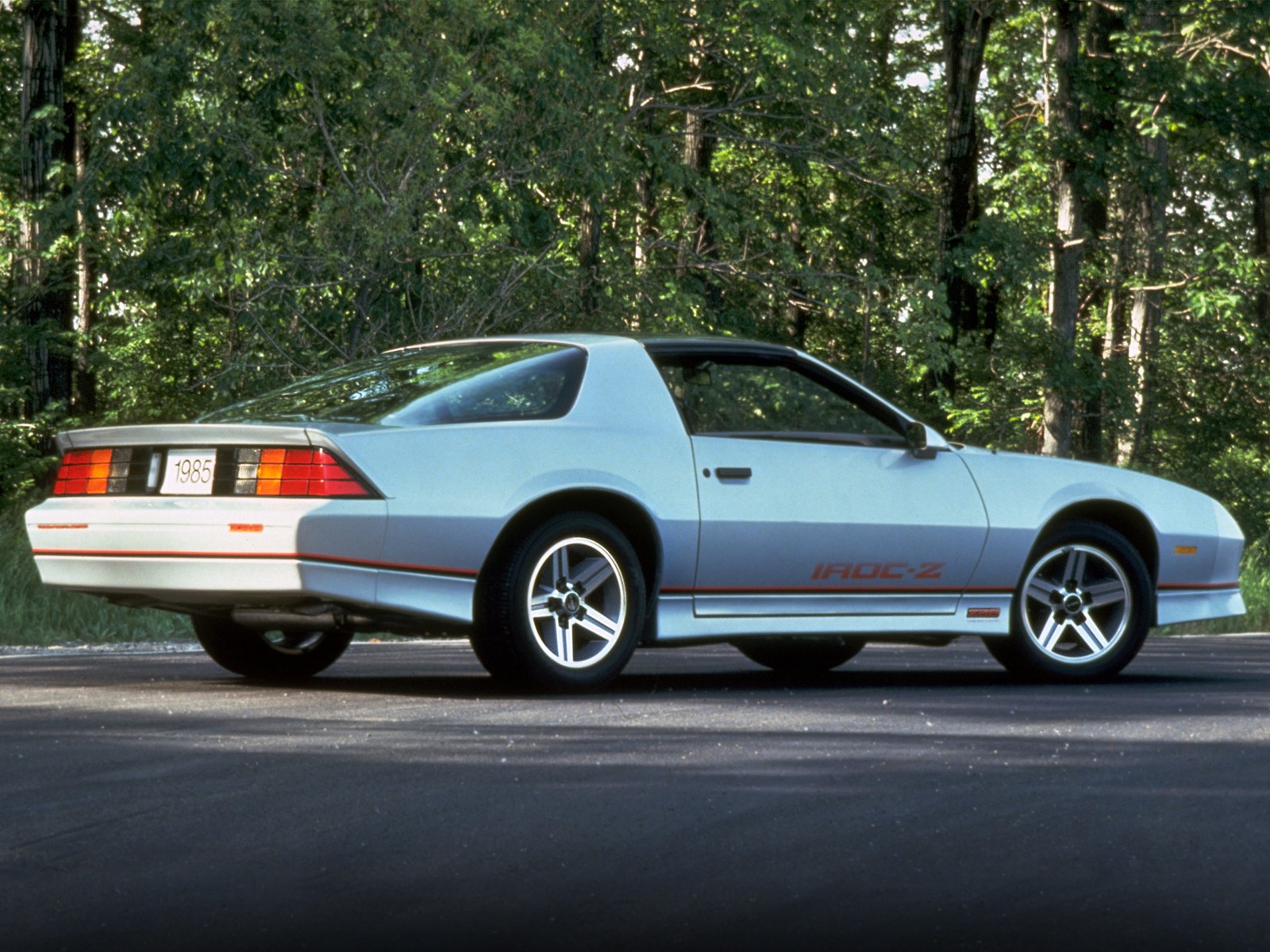
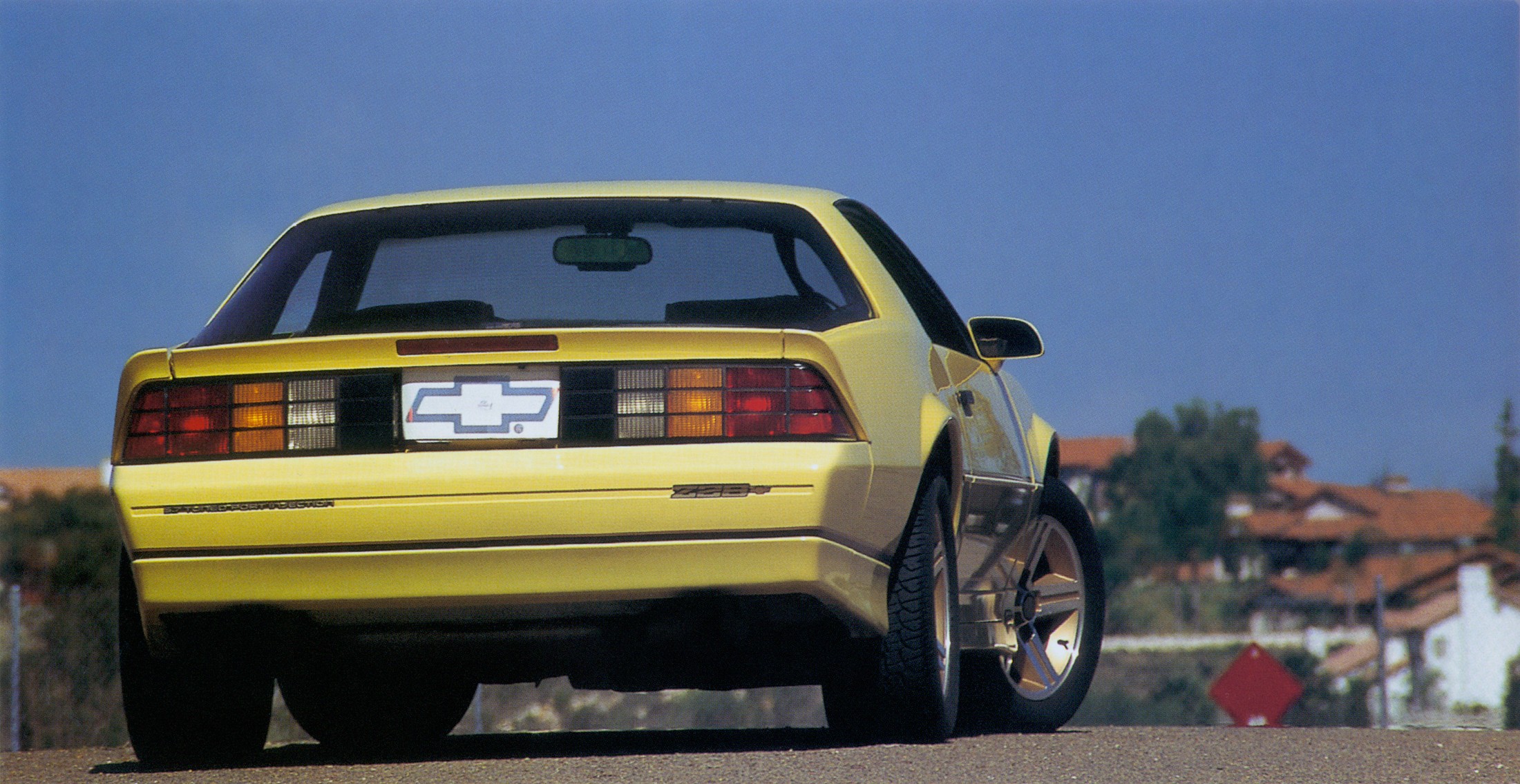
From its profile, the most striking difference, besides the obvious IROC-Z decals on the doors, were the five double-spoke 16-inch alloy wheels. These were wrapped by P245/50VR-16 radial tires for improved performance. At the same time, the regular Z28 Camaro used narrower, 215/65R-15 boots. However, the automaker left the regular Z28 badges on the car, which were applied to the front fenders behind the wheel wells. In addition, the 1985 Chevrolet Camaro IROC-Z had extended side skirts to lower ground effect and improve aerodynamics. Unlike the race car used by the drivers competing in the International Race Of Champions, the street version didn’t have an oversized rear spoiler. Furthermore, it could be ordered in a T-Top configuration with two removable glass panels above the driver and side passengers. These could be stored in a specific compartment in the trunk.
Inside, customers found a race-inspired cabin fitted with high-bolstered bucket seats and integrated headrests. Fronting the driver was the same squared-looking instrument cluster, featuring large dials for the speedometer and tachometer and three gauges for the fuel level, charging status, and coolant temperature. In addition, a fourth gauge for the oil pressure was integrated into the rev counter’s dial. The center console housed the gear stick or the gear selector, depending on the version. Like its siblings, the 1985 Chevrolet Camaro IROC-Z didn’t have a glove box installed on the dashboard. Instead, it had a center armrest with a storage cubby underneath.
Under the hood, Chevrolet installed the same 302 (5-liter) engine under the hood as in the rest of the Z28. It paired it with a five-speed manual transmission or a four-speed automatic one. All the oomph was sent to the rear axle via a twelve-bolt self-locking differential. Despite the fact that the car provided just 190 hp (193 PS), it could get from naught to sixty in about seven seconds. That value was considered excellent for those times.
Begijnhof, 8000 Brugge, Belgium
Begijnhof, 8000 Brugge, Belgium

Begijnhof, 8000 Brugge, Belgium

Begijnhof, 8000 Brugge, Belgium

Begijnhof, 8000 Brugge, Belgium
Begijnhof, 8000 Brugge, Belgium
Begijnhof, 8000 Brugge, Belgium
Begijnhof, 8000 Brugge, Belgium
Begijnhof, 8000 Brugge, Belgium

Begijnhof, 8000 Brugge, Belgium

Offer an price, more info or anything you want
Consumer reviews