

Dealer:
Eden Hazard
Begijnhof, 8000 Brugge, Belgium
- Transmission 7-Speed Automatic
- |
- Drive Rear Wheel Drive
- |
- Mileage n/a
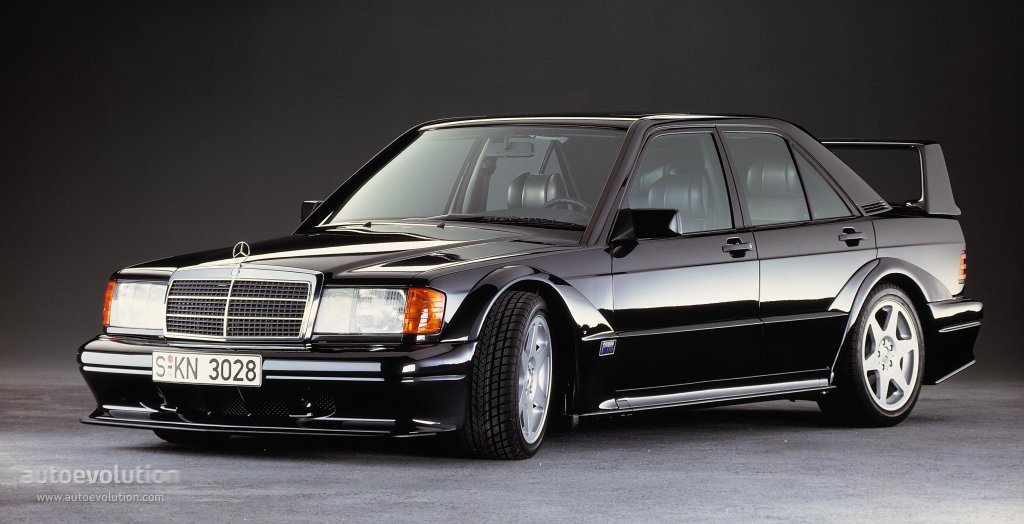

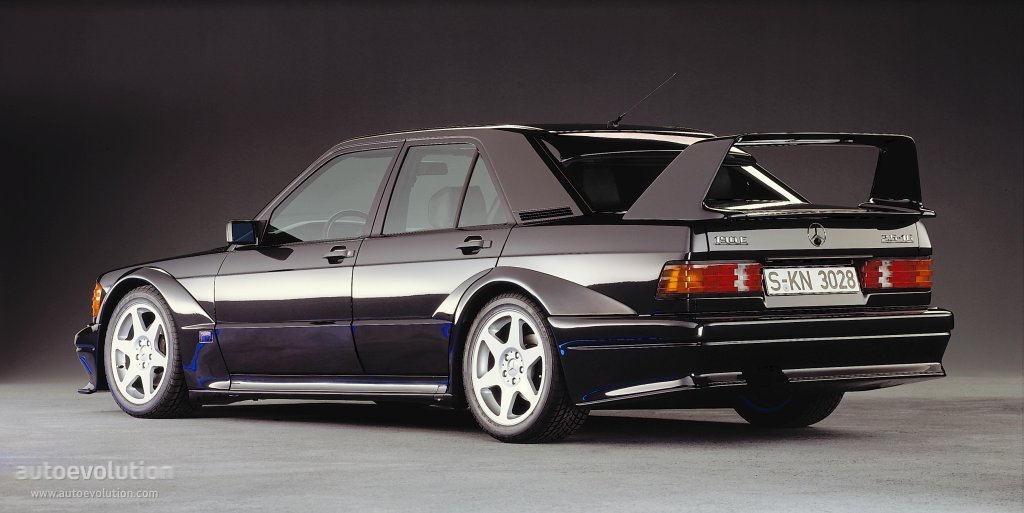
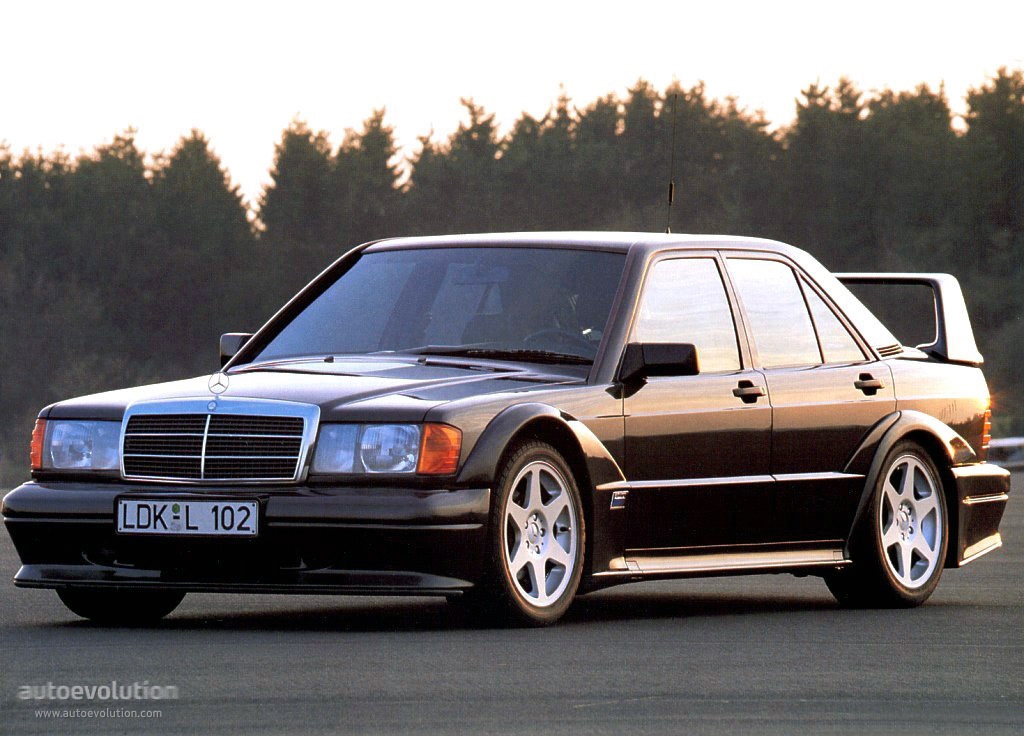




Frustrated by the results in the DTM races, Mercedes-Benz launched the last evolution of its compact-sized sedan model in 1990, a car that became…
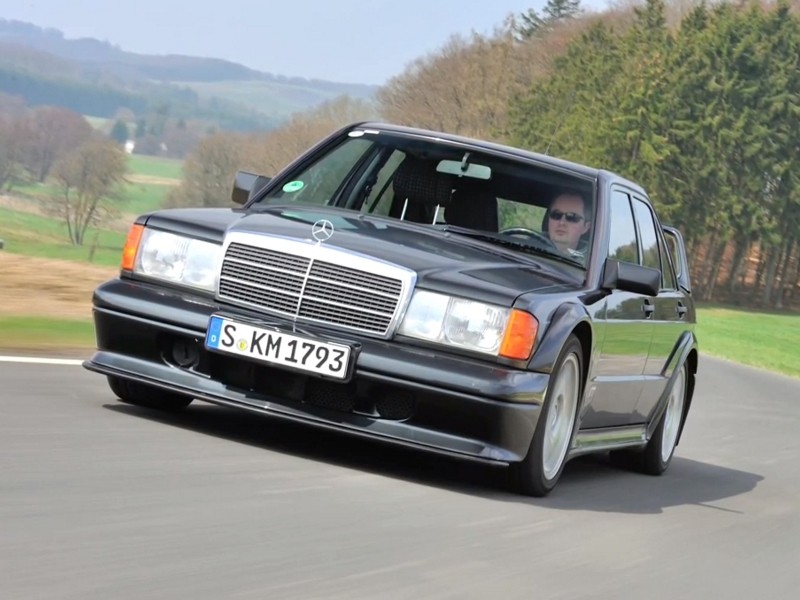
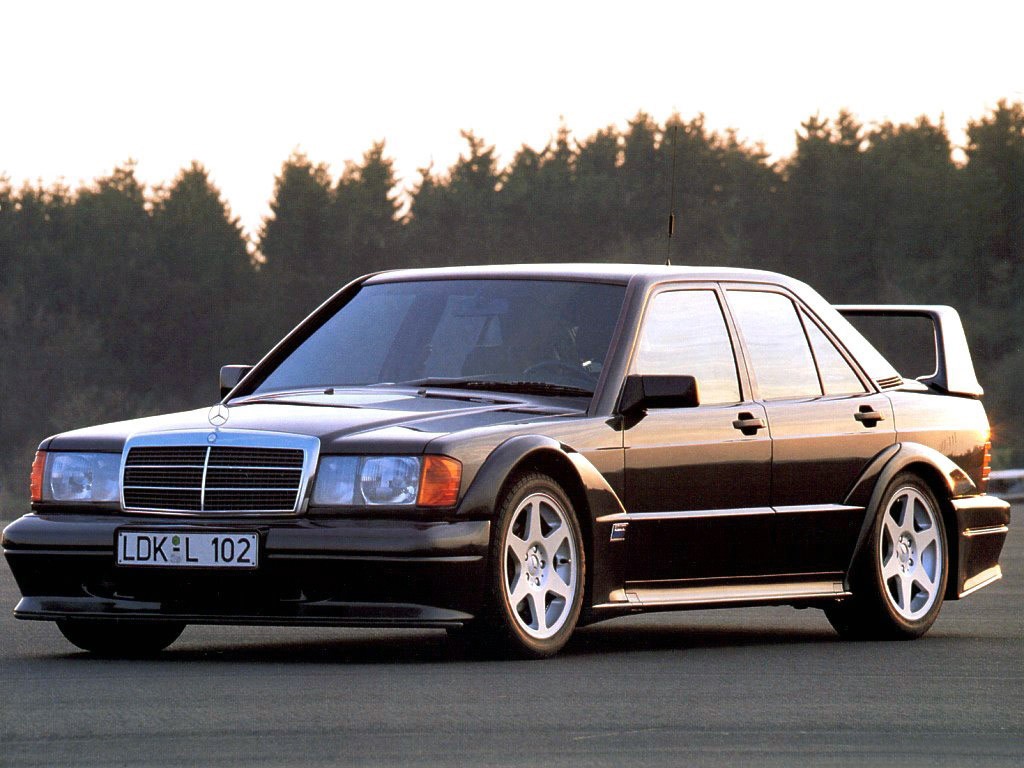
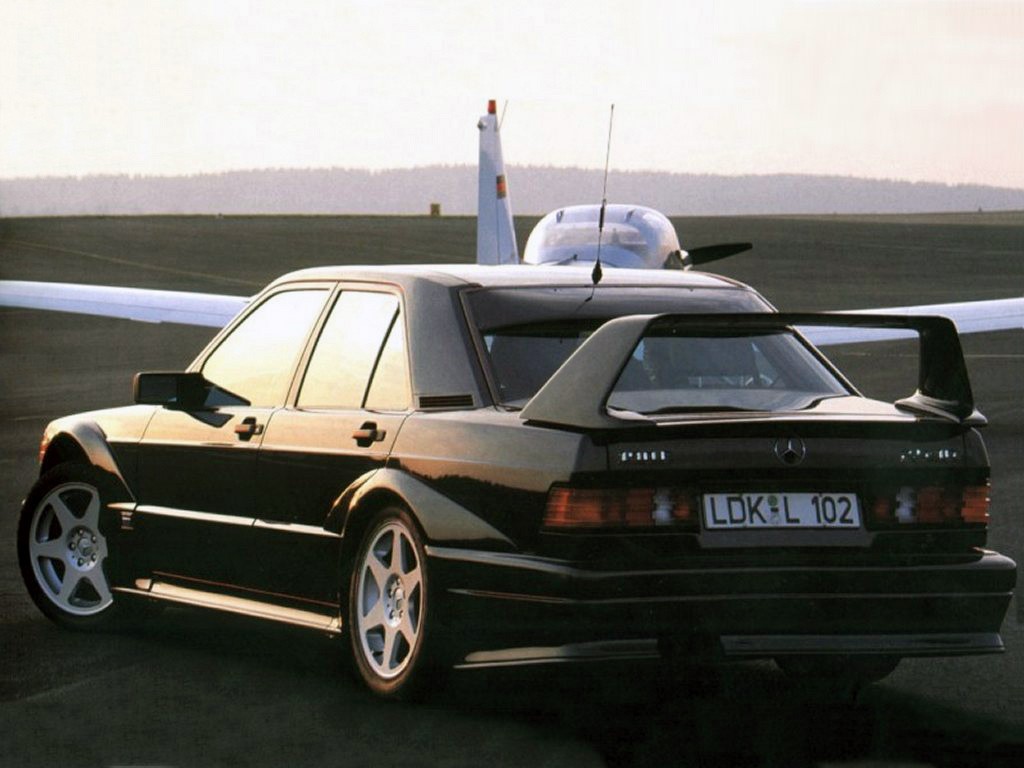
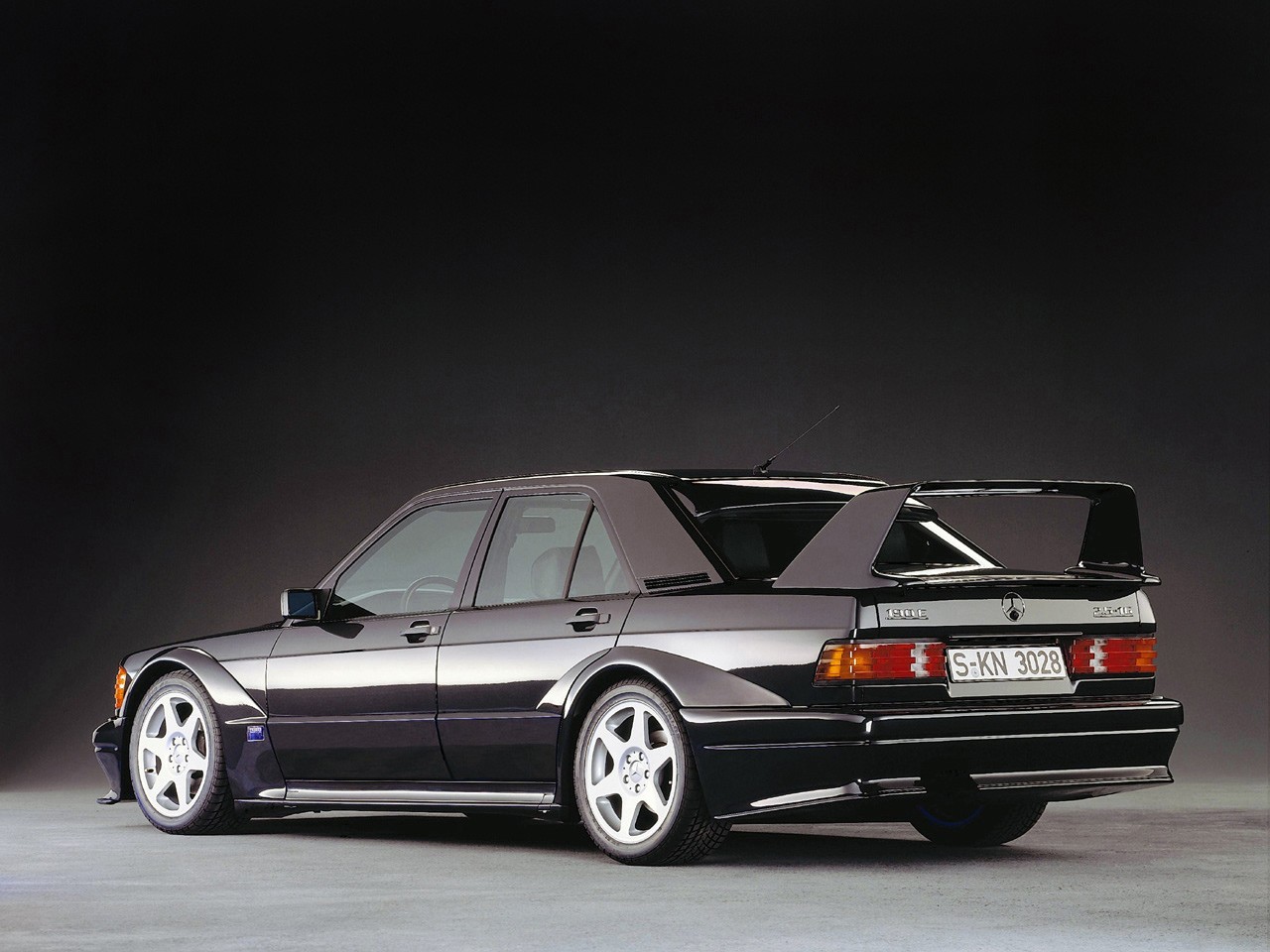
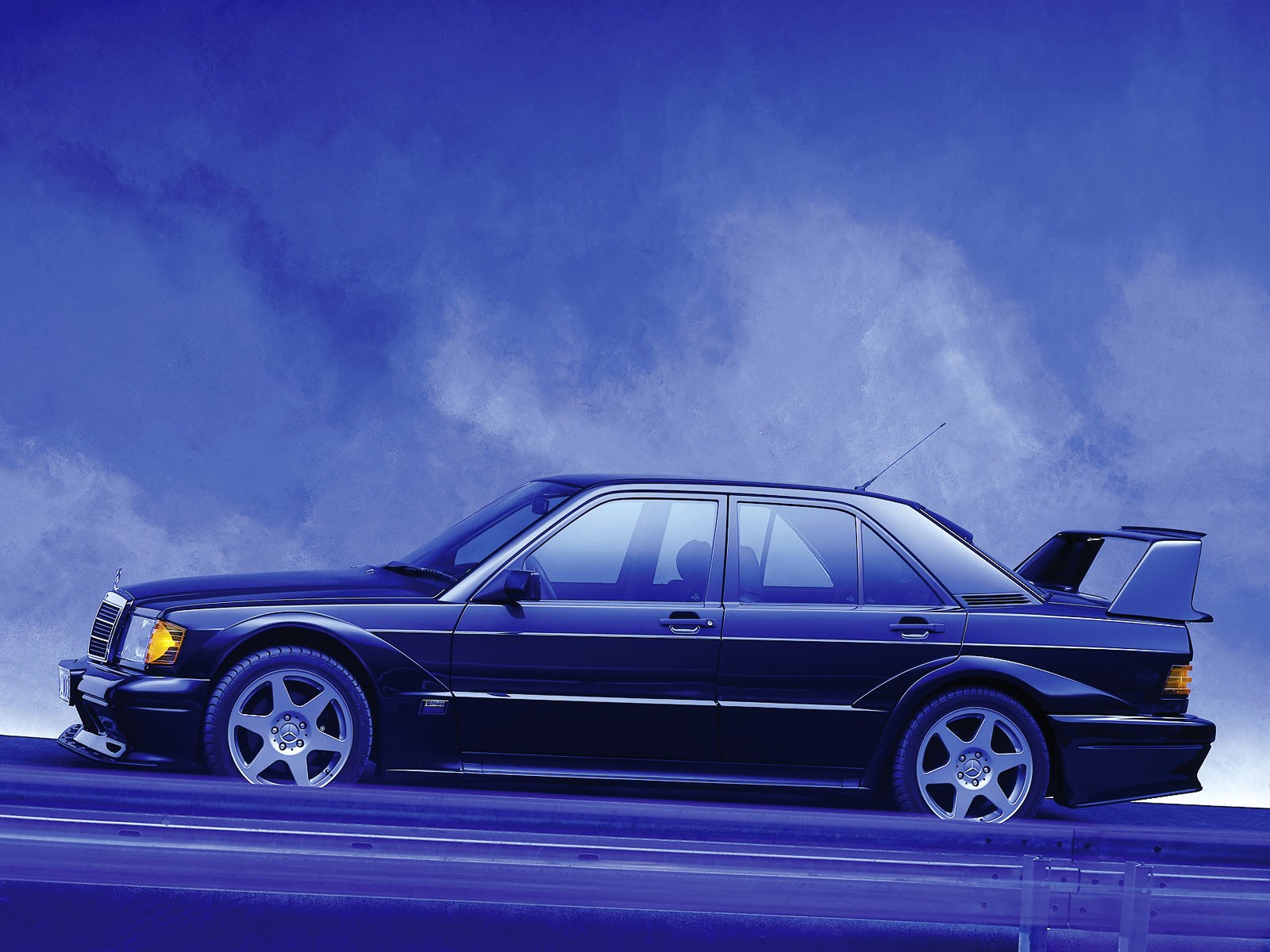
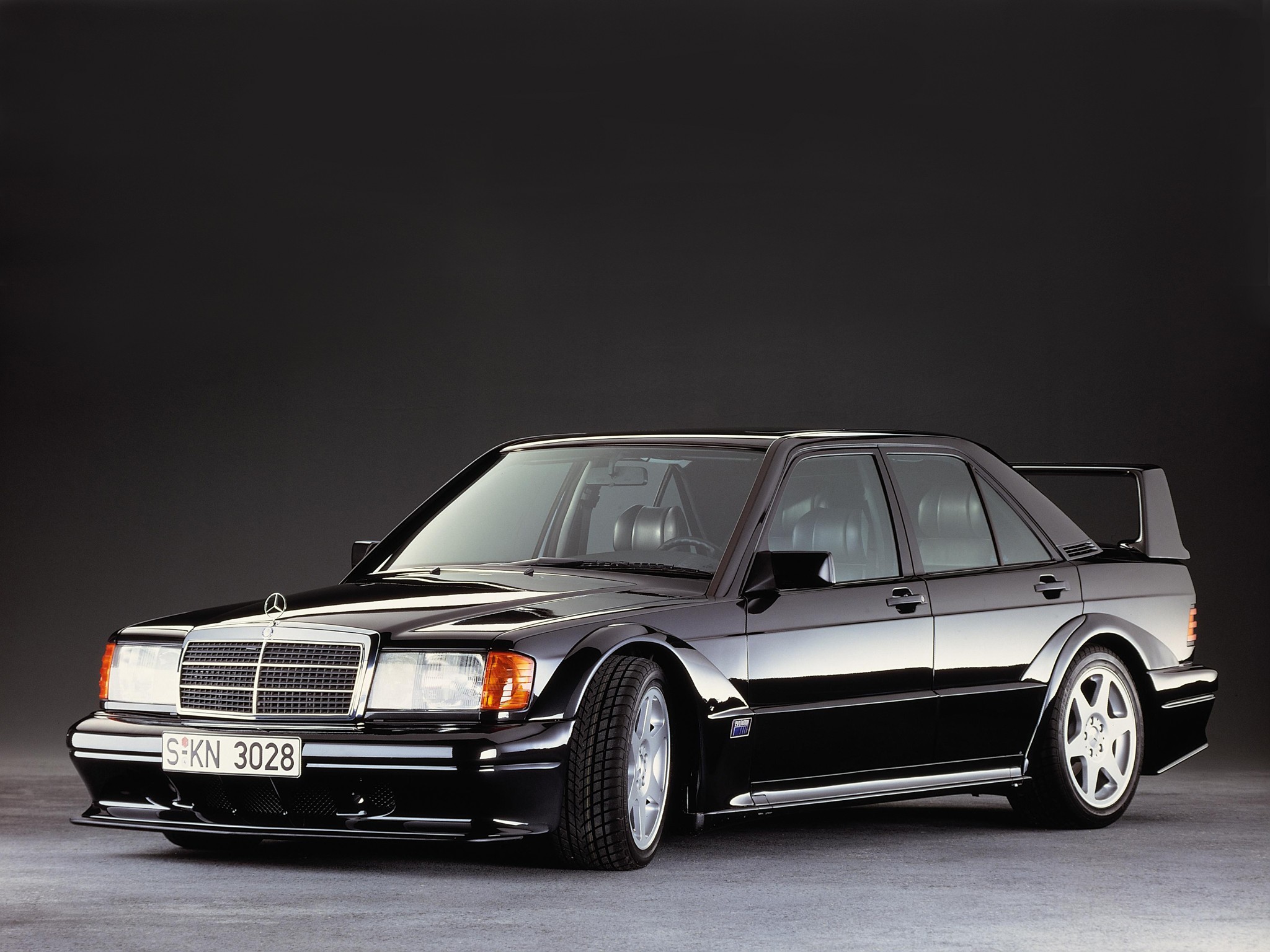
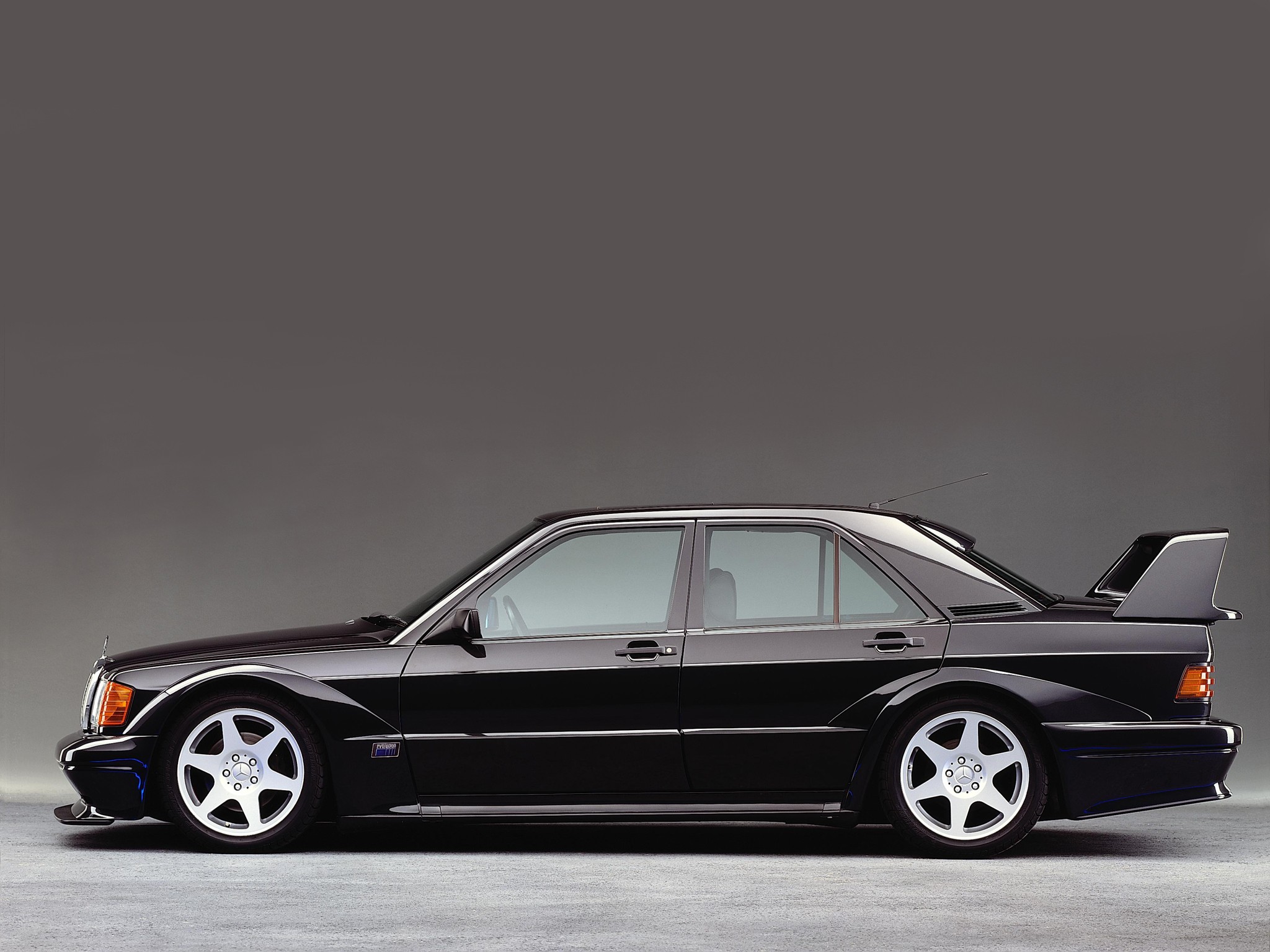
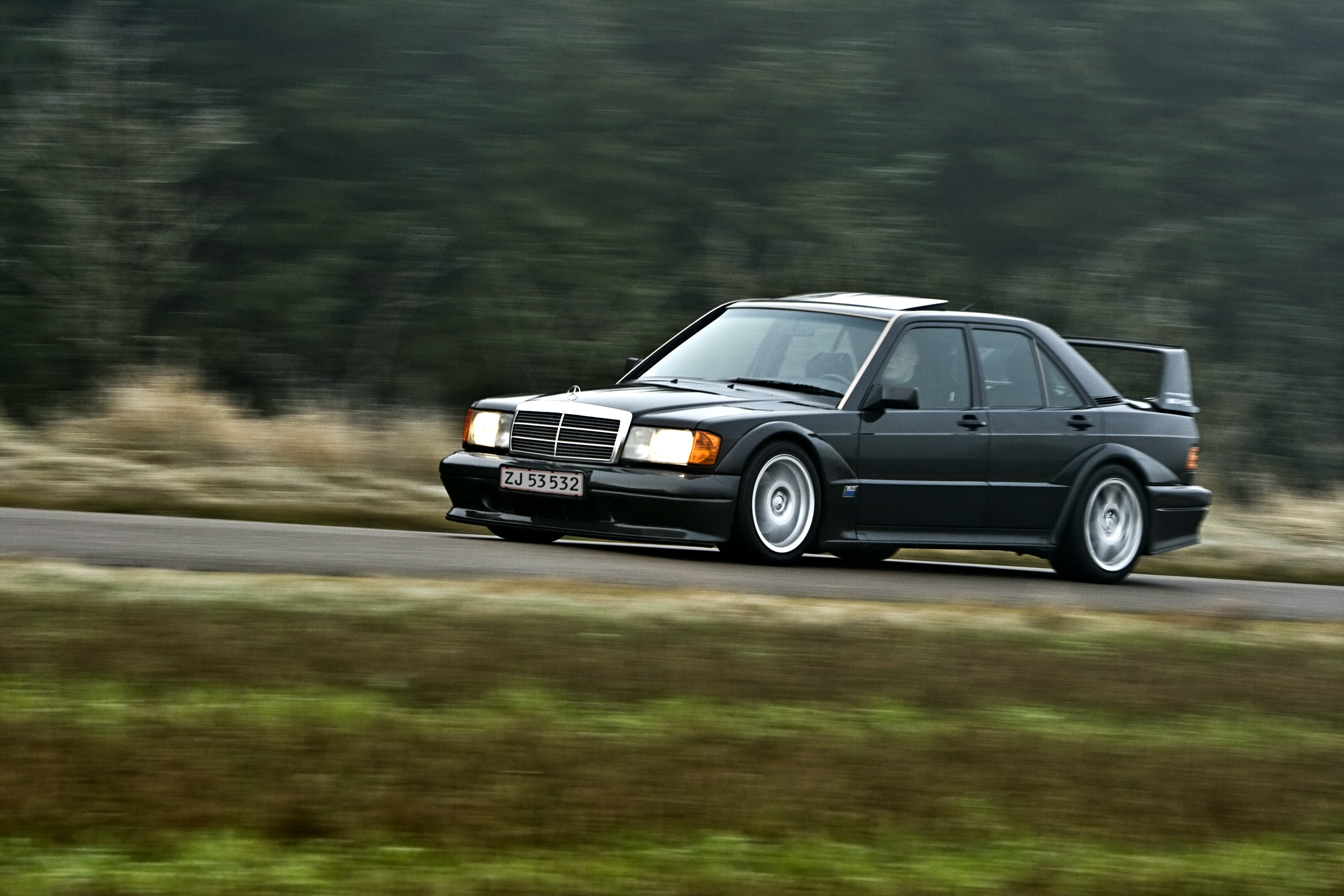
Frustrated by the results in the DTM races, Mercedes-Benz launched the last evolution of its compact-sized sedan model in 1990, a car that became the legendary 190 E 2.5-16 Evolution II.
The late ’80s was a battle on the race tracks between Audi, Mercedes-Benz, BMW, Ford, and Opel in the German Touring Championship, or DTM for short. BMW had its M3 Evo already racing, Audi smashed the tracks with its V8 quattro model, while Ford was in charge with the Sierra Cosworth. Opel, the European arm of GM, also got some help from the same British engineering company that helped the blue-oval brand. Mercedes-Benz already had the 190 in racing trim with an engine fine-tuned by Cosworth, but it was not enough. It needed something more, so the 190 2.5-16 Evolution II was developed and introduced in 1990.
Mercedes-Benz needed the car to be faster, so it hired aerodynamics professor Richard Eppler from the University of Stuttgart to give it a helping hand. The result surprised Wolfgang Reitzle, BMW’s R&D chief, who said that the laws of aerodynamics might work differently between Stuttgart and Munchen, and if that aerodynamic kit could work, BMW should rebuild its aerodynamics tunnel. They rebuilt it. The Evo II’s front apron was lowered and shaped like it was a snowplow. On the sides, the car sported a body kit with enlarged wheel arches both front and rear and skirts that were a few inches above the ground. But the most outrageous element was the wing on the trunk that was tall and extended rearwards. The complete aerodynamic package increased the downforce on the vehicle by nearly 40%.
To get the car homologated, the automaker had to build at least 500 units of the car, so it did and gained the FIA approval to race the car. Unlike those made to run around tracks, the street versions were up to Mercedes-Benz standards in terms of features and amenities. At the front, there was a pair of high-bolstered sports seats covered in leather. The car also benefited from air-conditioning and a premium sound system. Unlike other Mercedes-Benz vehicles from that era, the Evo II featured an adjustable hydraulic suspension that could lower the car to the ground or take it higher to cross speed bumps. As a final touch, the automaker added a sunroof for standard 190 E 2.5-16 Evo II.
But the most essential upgrades were under the skin. The engine was based on the 2.5-liter M102 16V I4 developed in 1989 but had its power improved. Moreover, the red line was around 7,800 rpm, which helped the car get higher speeds. A five-speed Getrack manual gearbox with a dog-leg pattern (first gear was to the left and rearwards) was employed so drivers could gain precious seconds during races. All these efforts paid off in 1992 when the three-pointed star brand finally won the DTM championship, even if the car that won it was no longer in production.
Begijnhof, 8000 Brugge, Belgium
Begijnhof, 8000 Brugge, Belgium

Begijnhof, 8000 Brugge, Belgium

Begijnhof, 8000 Brugge, Belgium

Begijnhof, 8000 Brugge, Belgium
Begijnhof, 8000 Brugge, Belgium
Begijnhof, 8000 Brugge, Belgium
Begijnhof, 8000 Brugge, Belgium
Begijnhof, 8000 Brugge, Belgium

Begijnhof, 8000 Brugge, Belgium

Offer an price, more info or anything you want
Consumer reviews