

Dealer:
Eden Hazard
Begijnhof, 8000 Brugge, Belgium
- Transmission 7-Speed Automatic
- |
- Drive Rear Wheel Drive
- |
- Mileage n/a



BMW dug deep into its history books and found the 2002 Touring model from 1971, which was a hatchback based on the 2002 platform,…
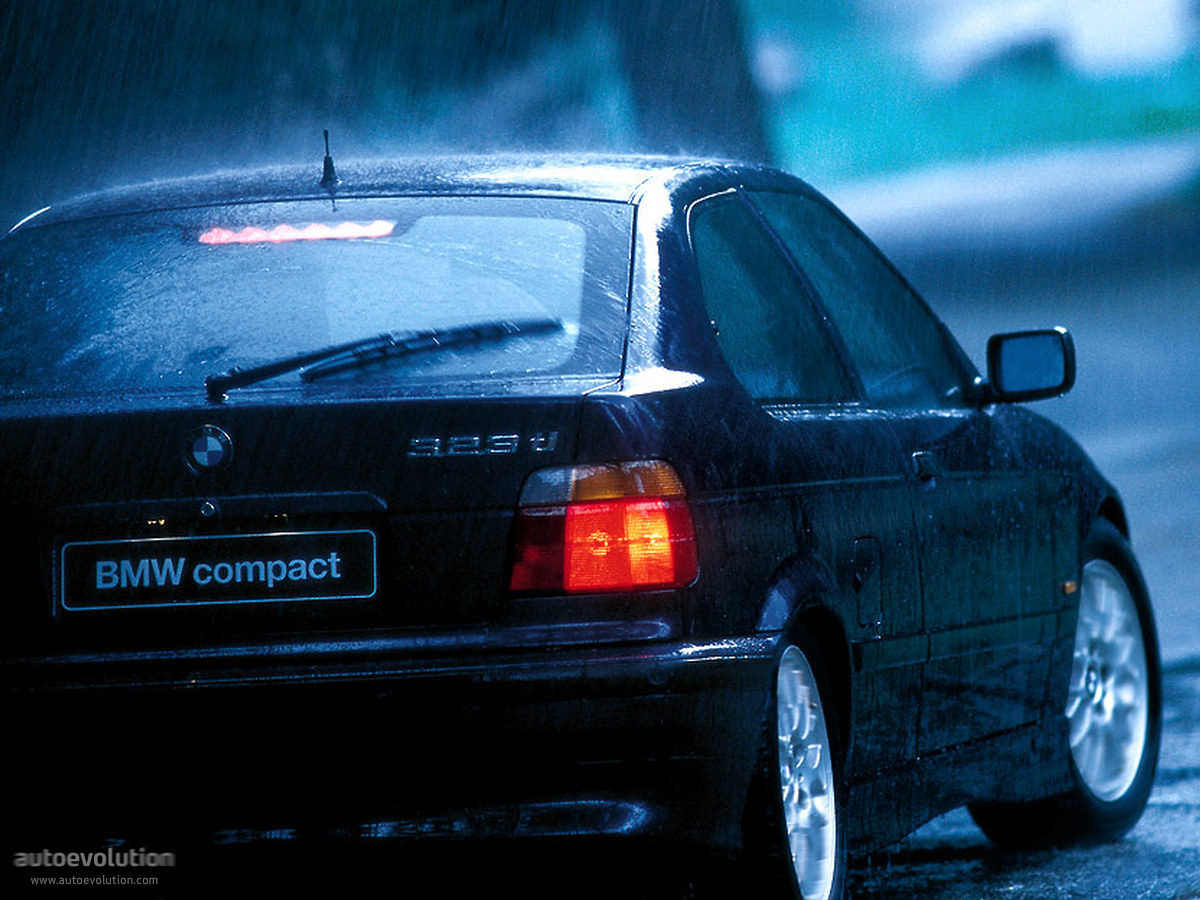
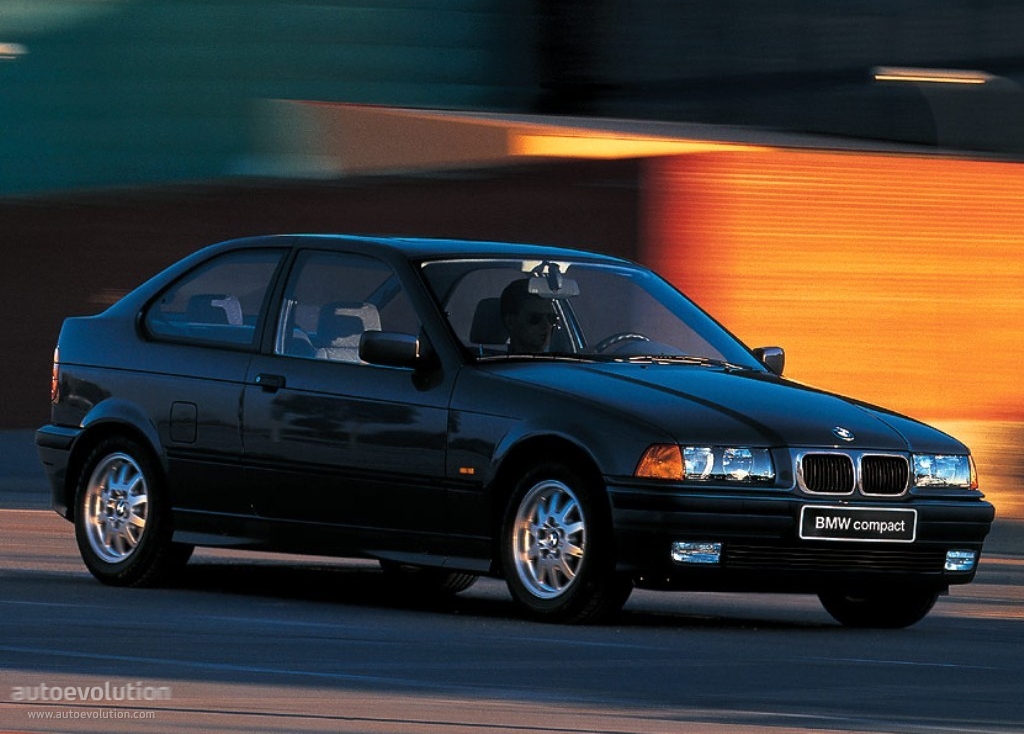
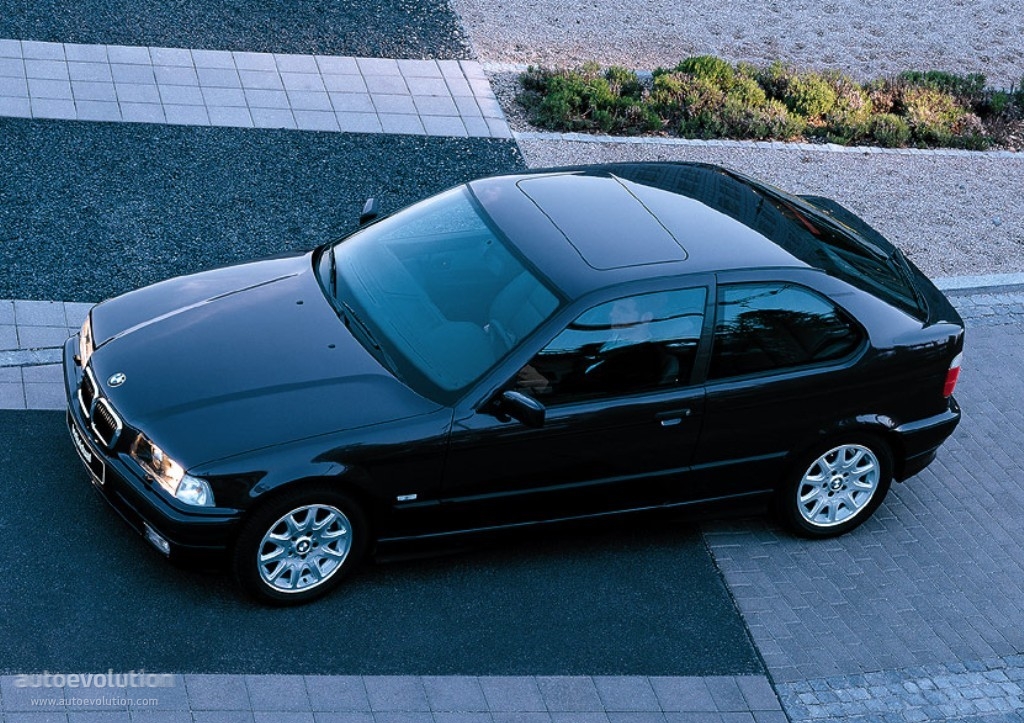
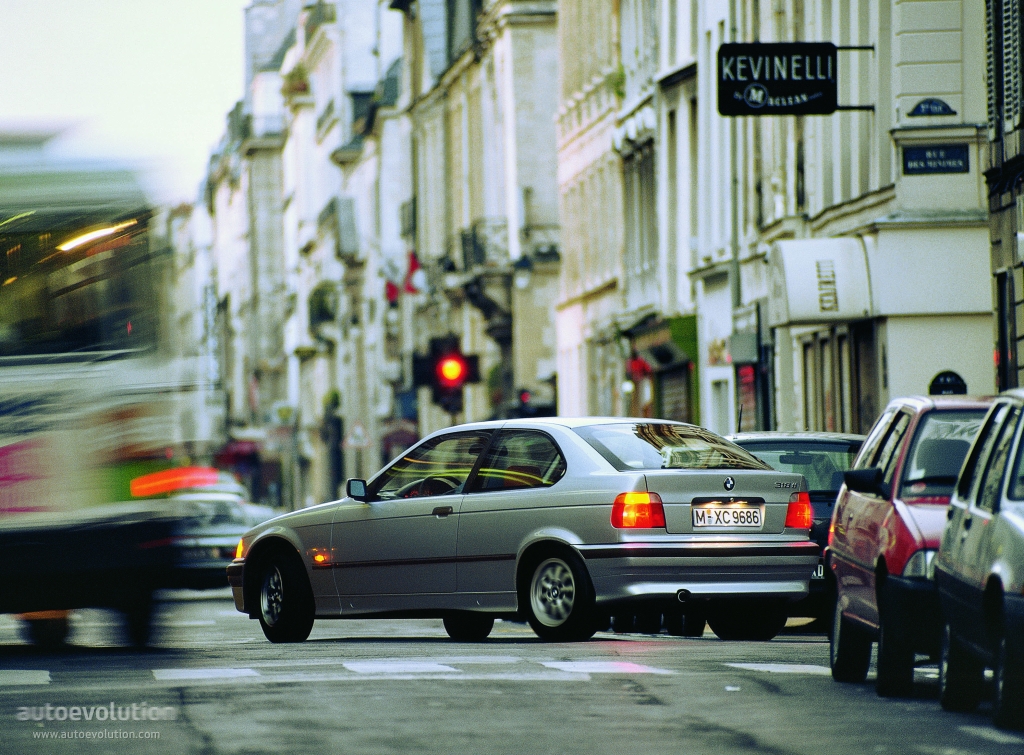
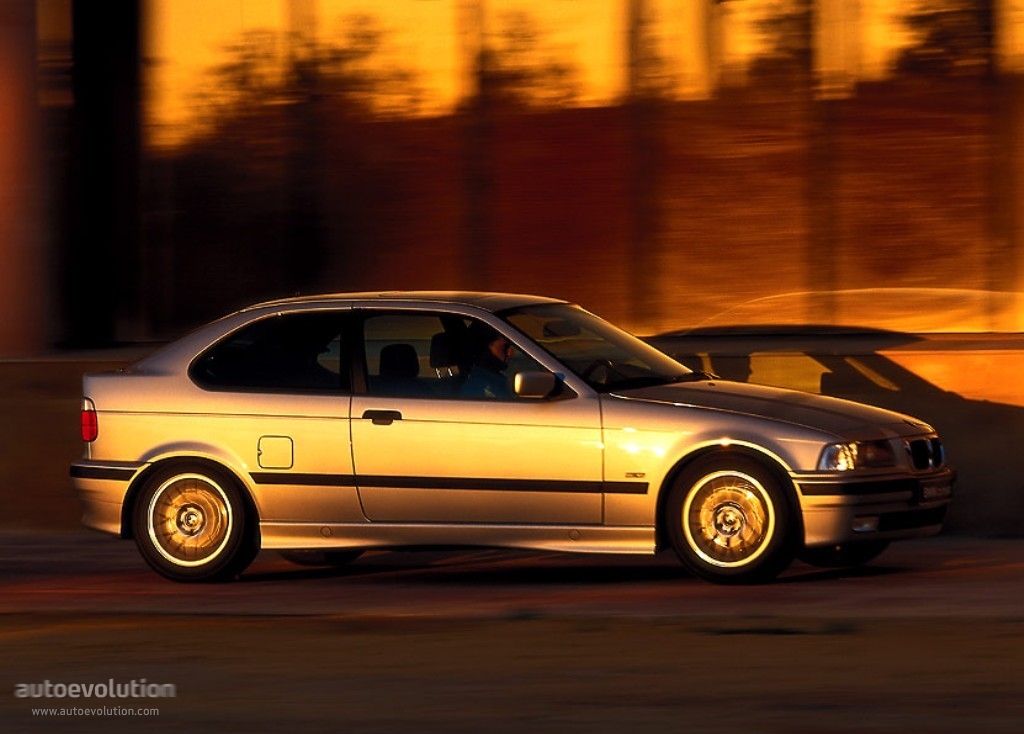
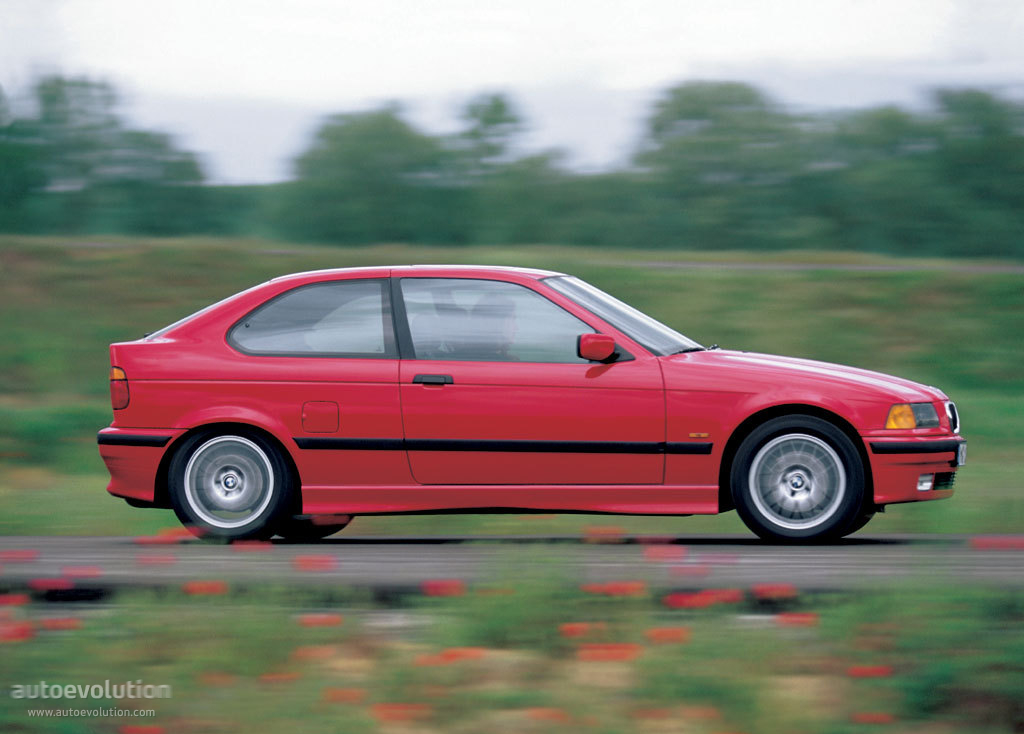
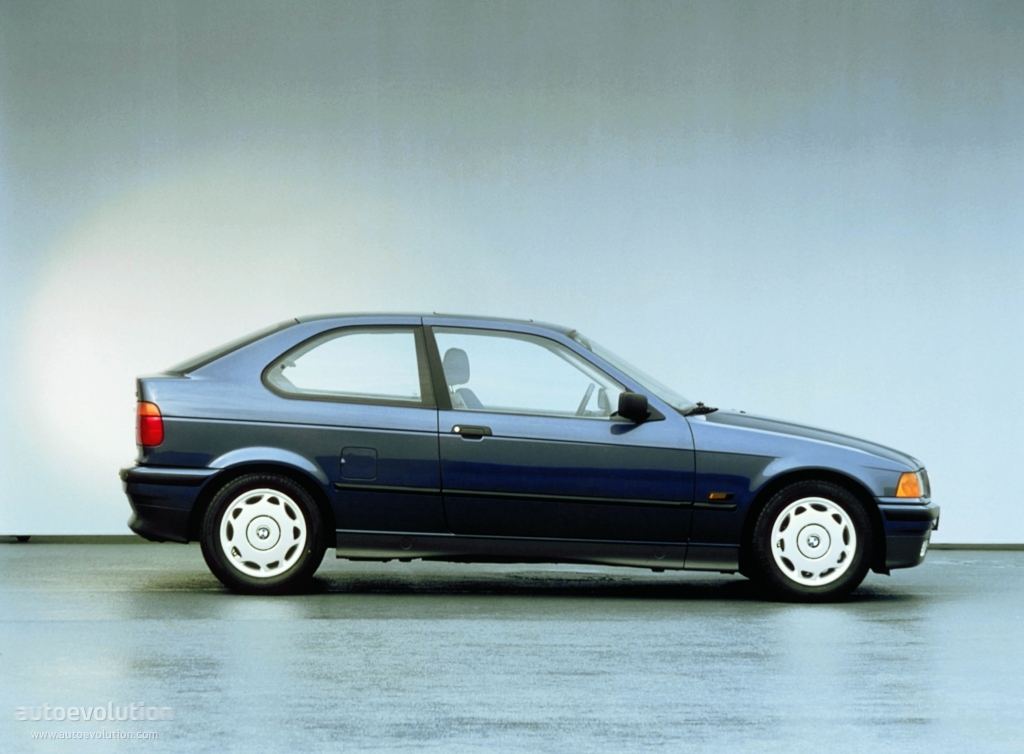
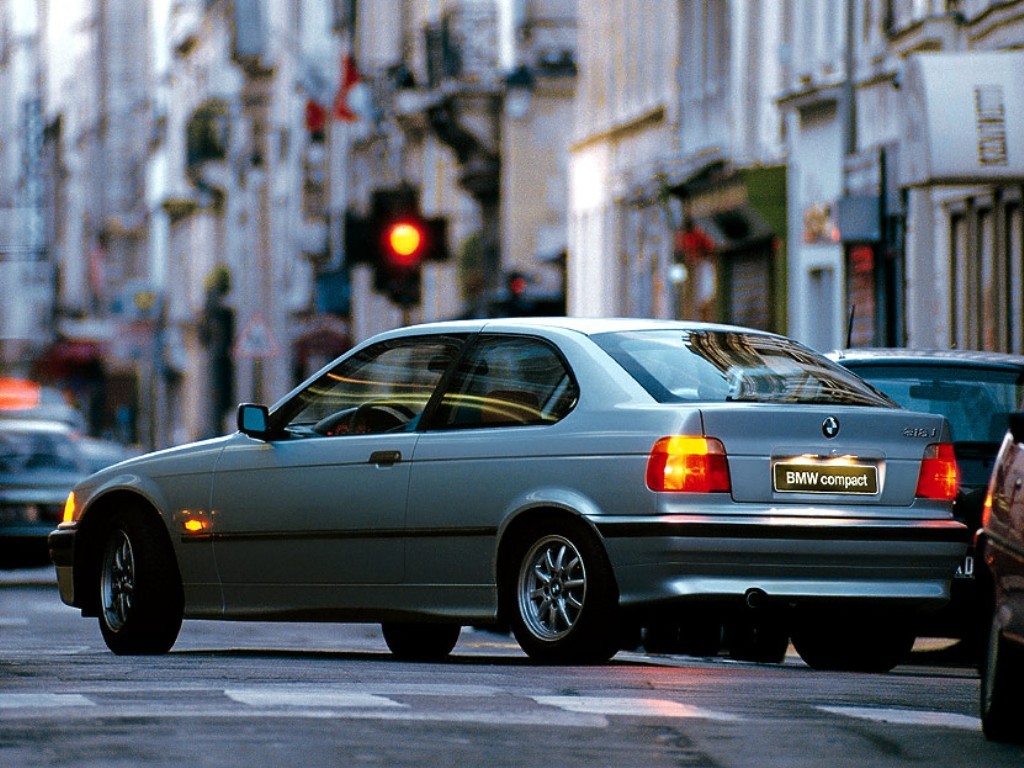
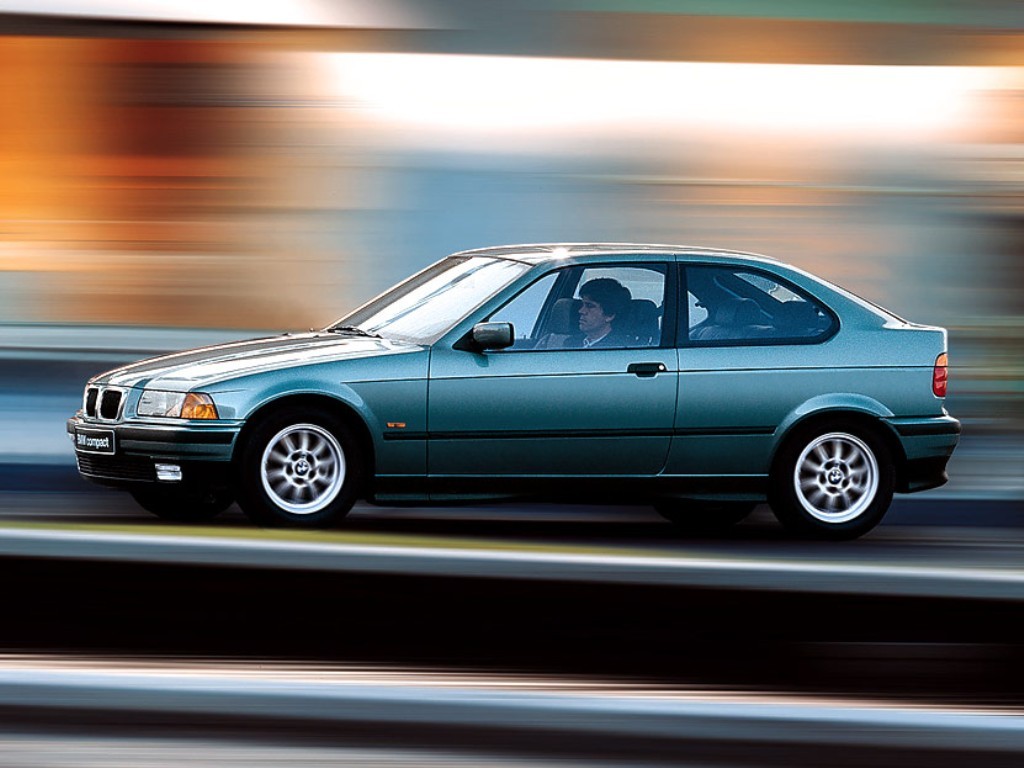
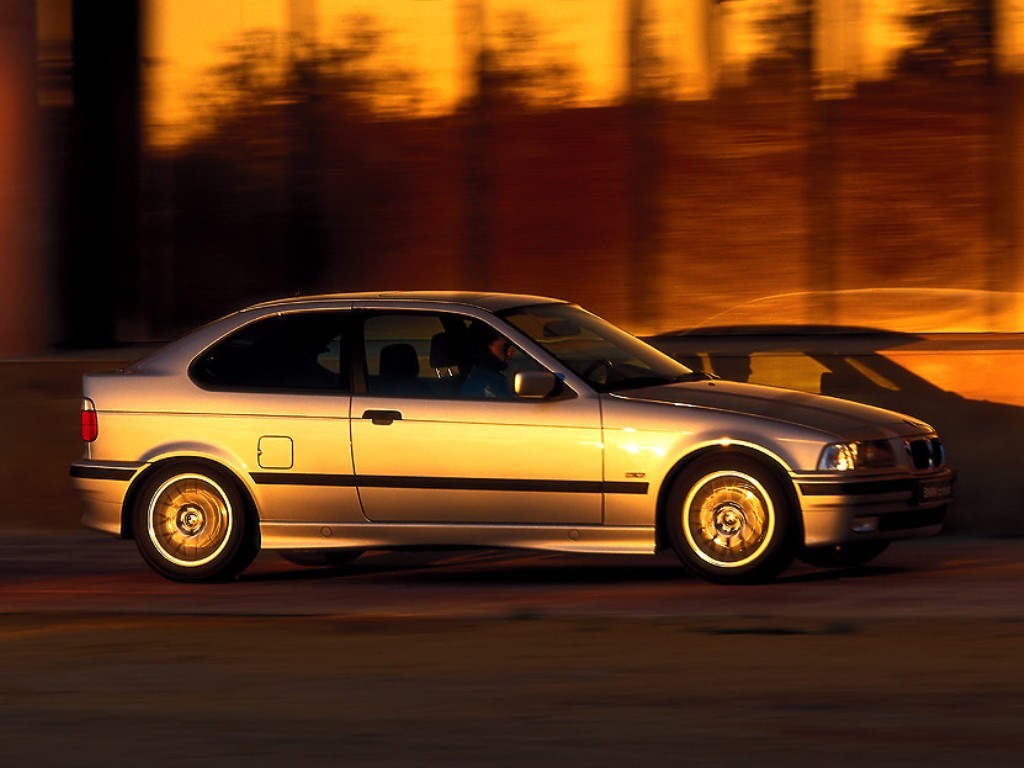
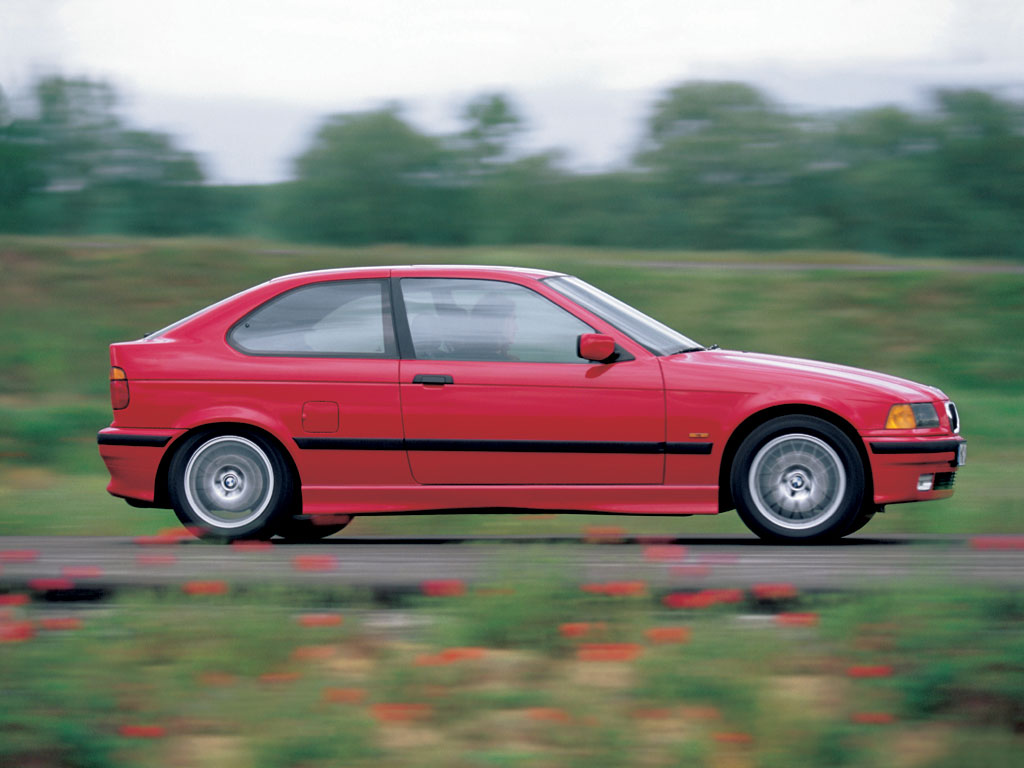
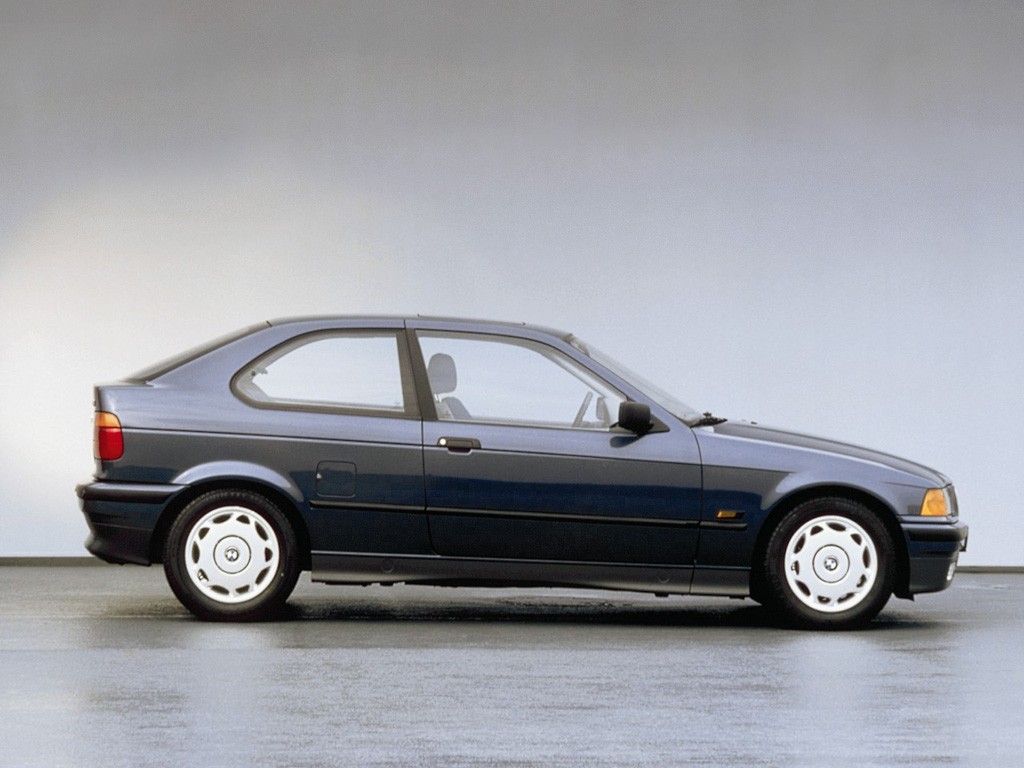
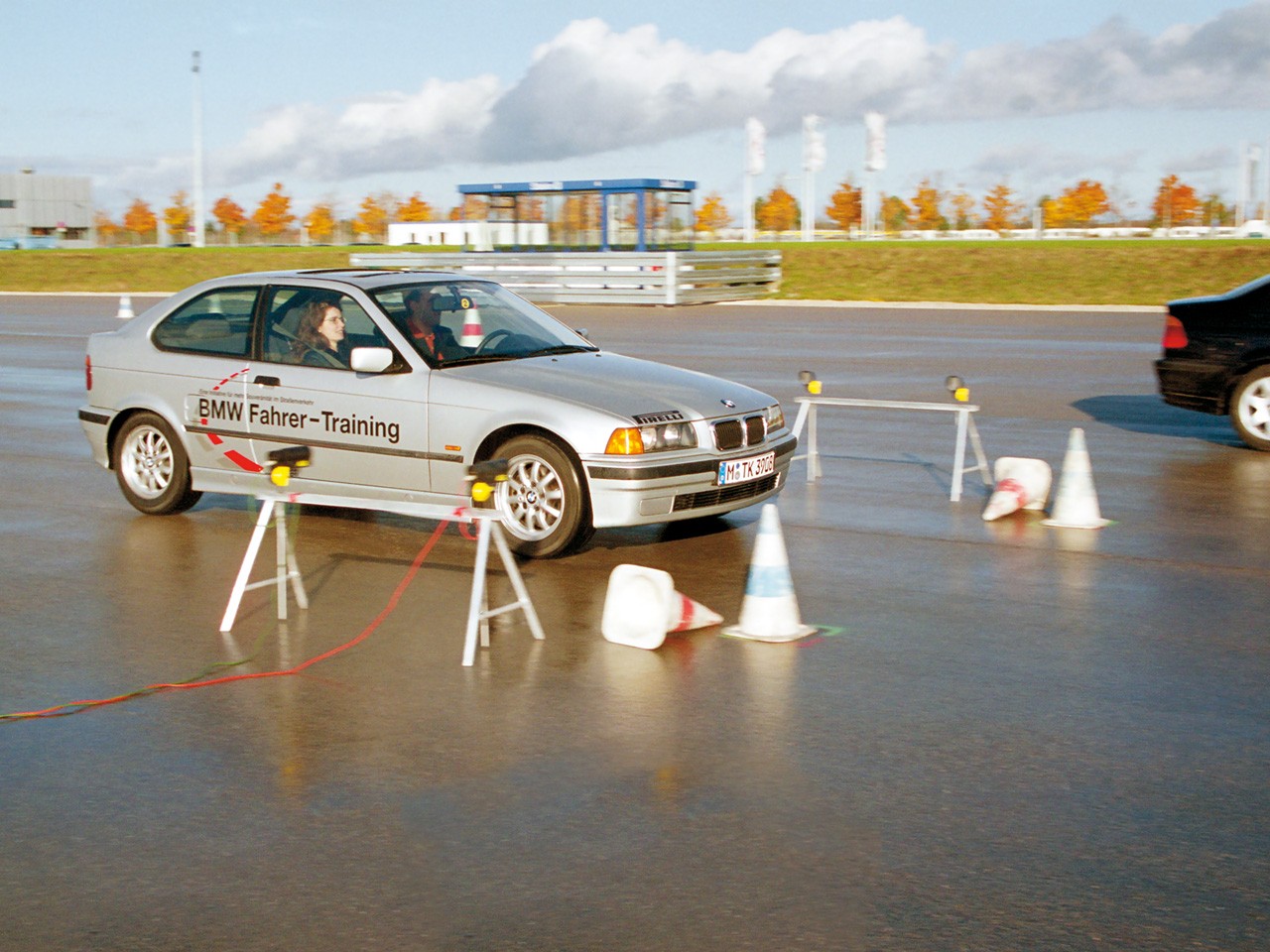
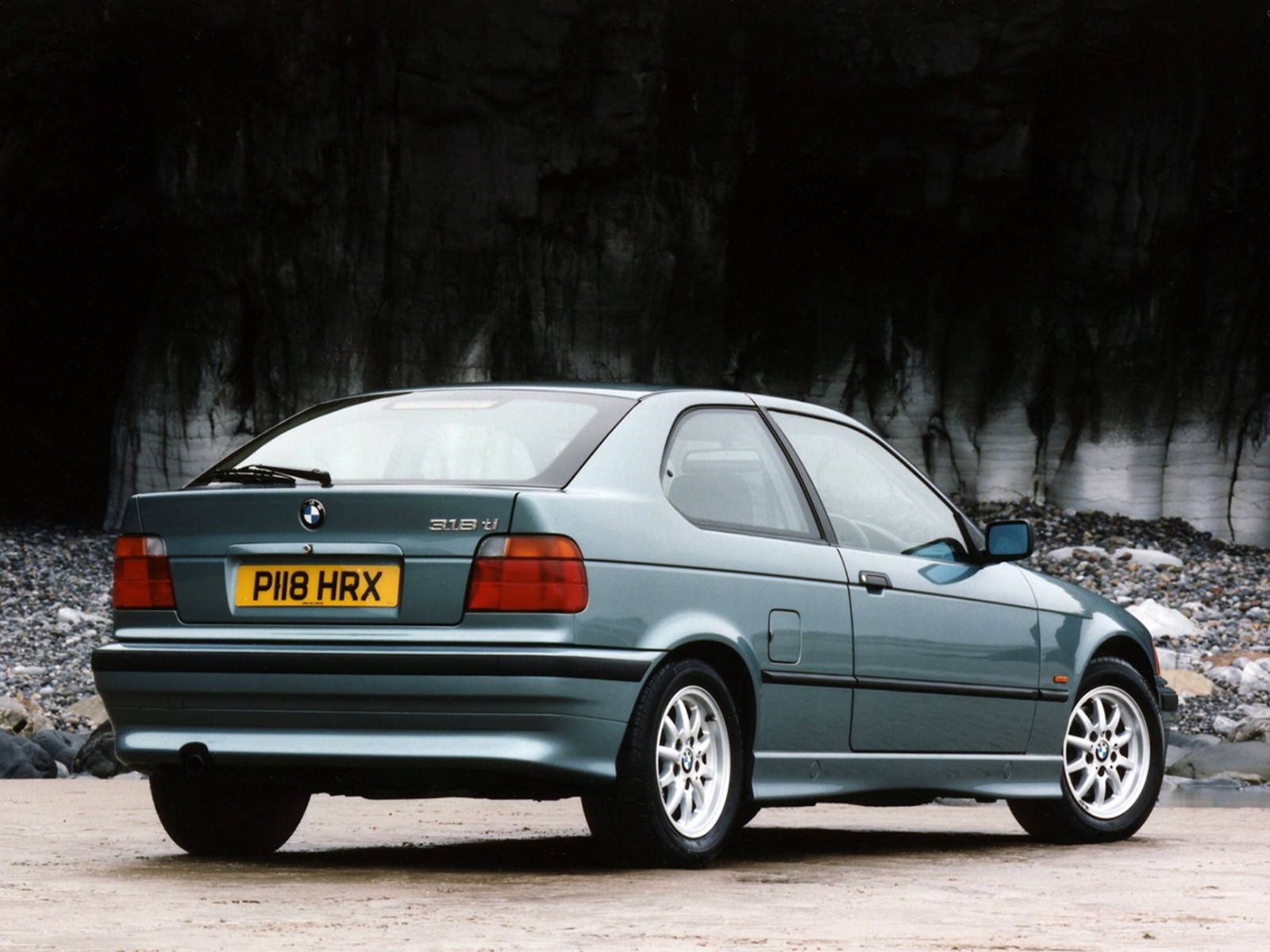
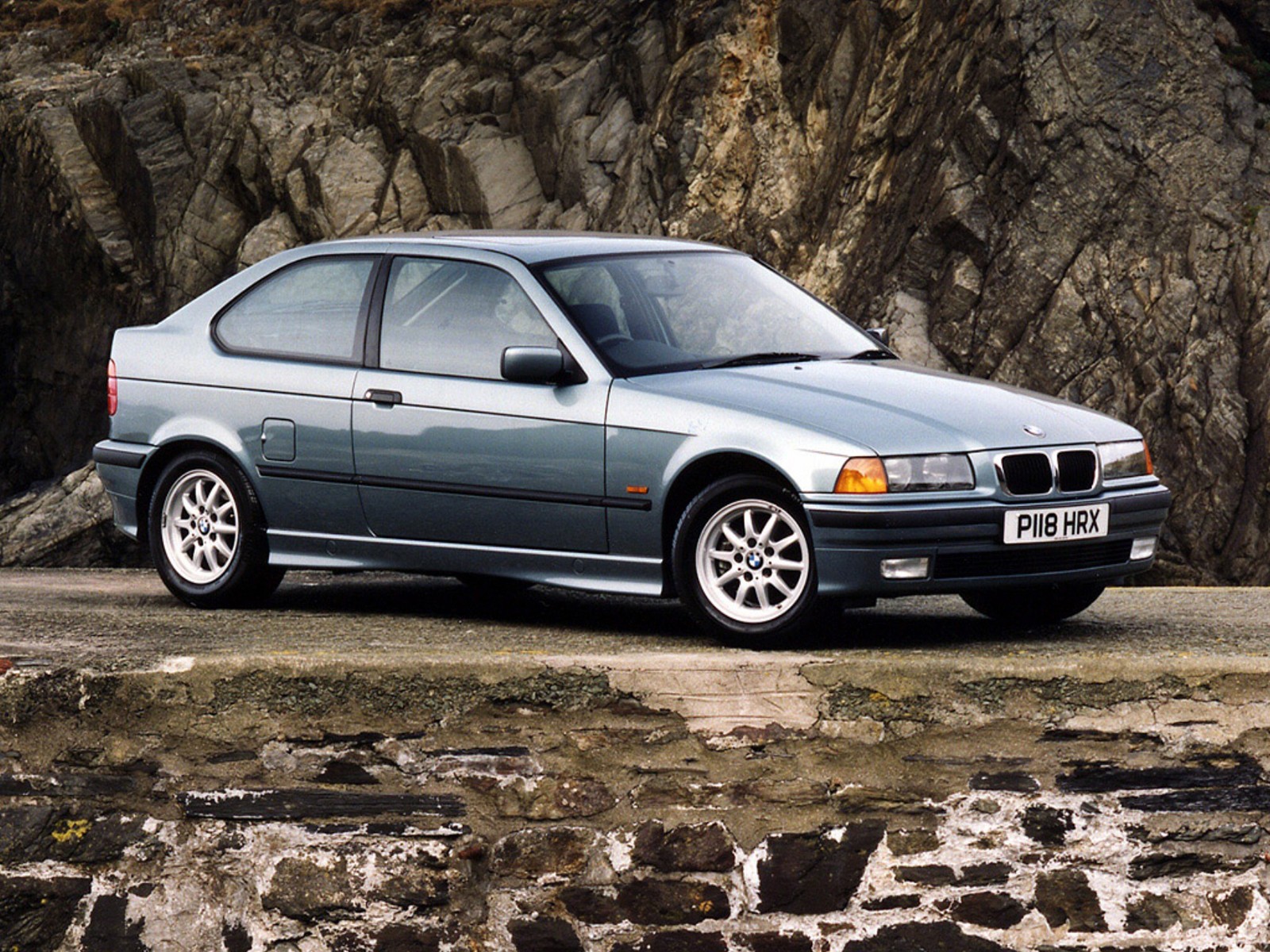
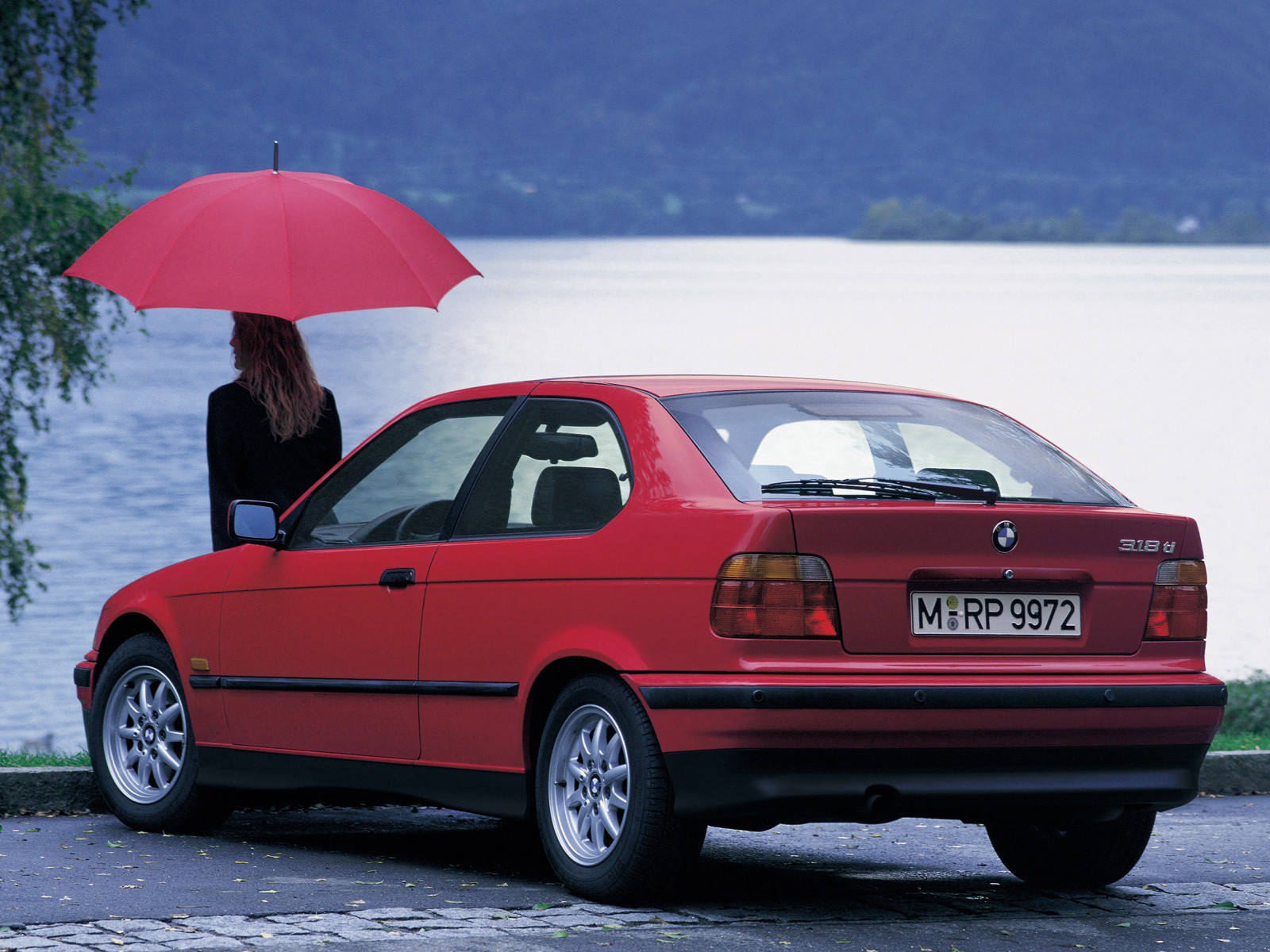
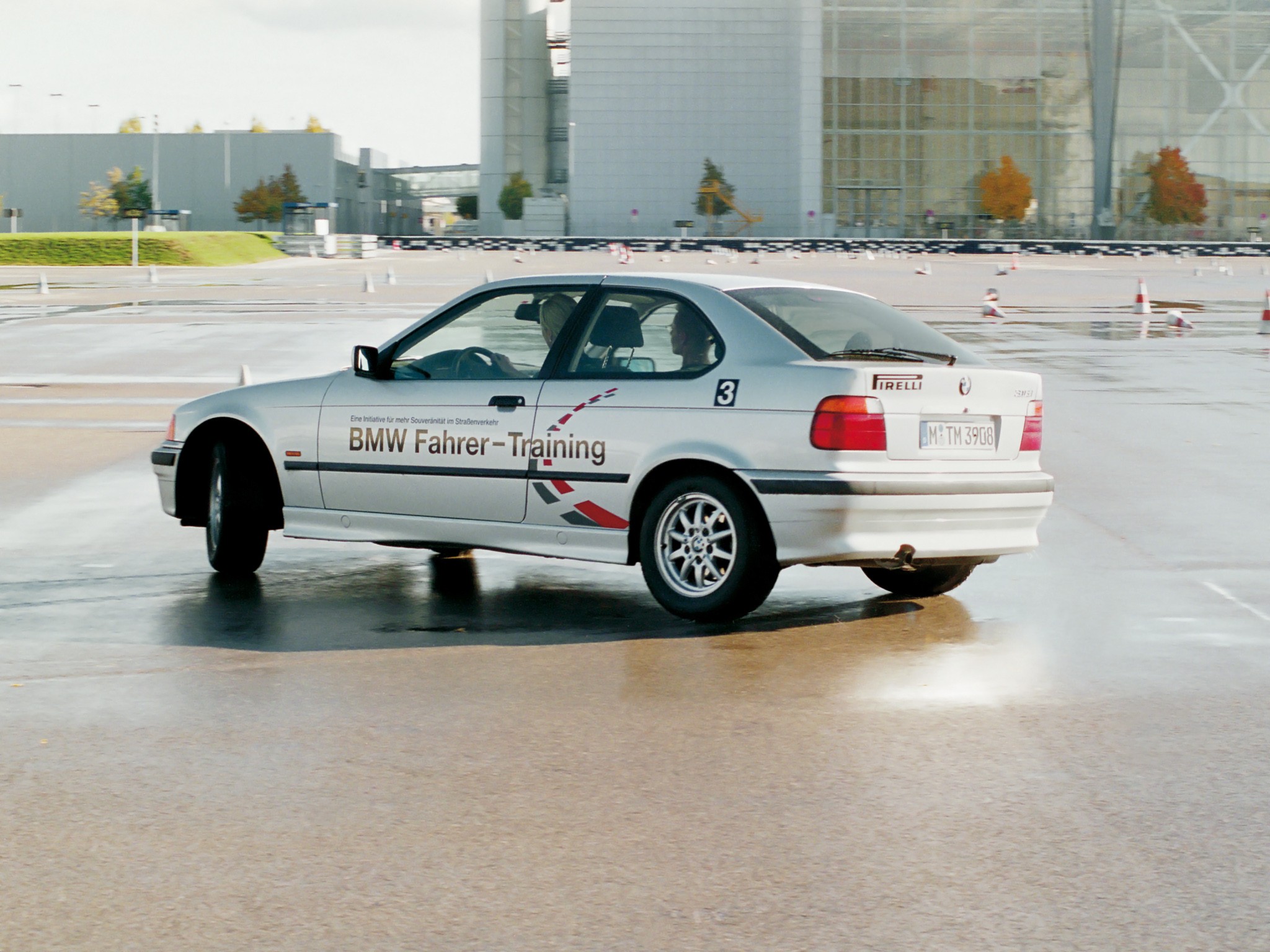
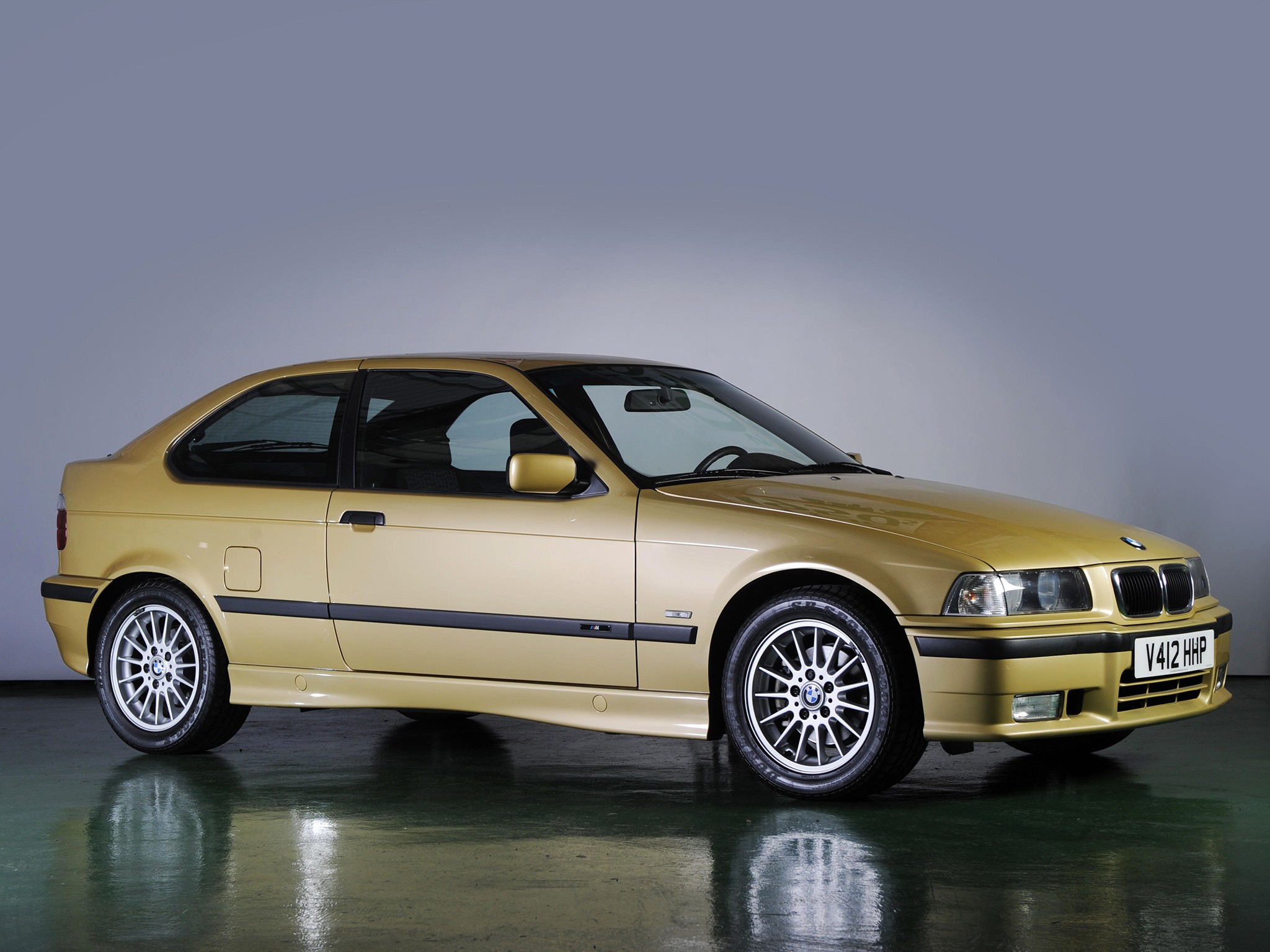
BMW dug deep into its history books and found the 2002 Touring model from 1971, which was a hatchback based on the 2002 platform, and considered reviving it into the shape of the 1994 E36 Compact.
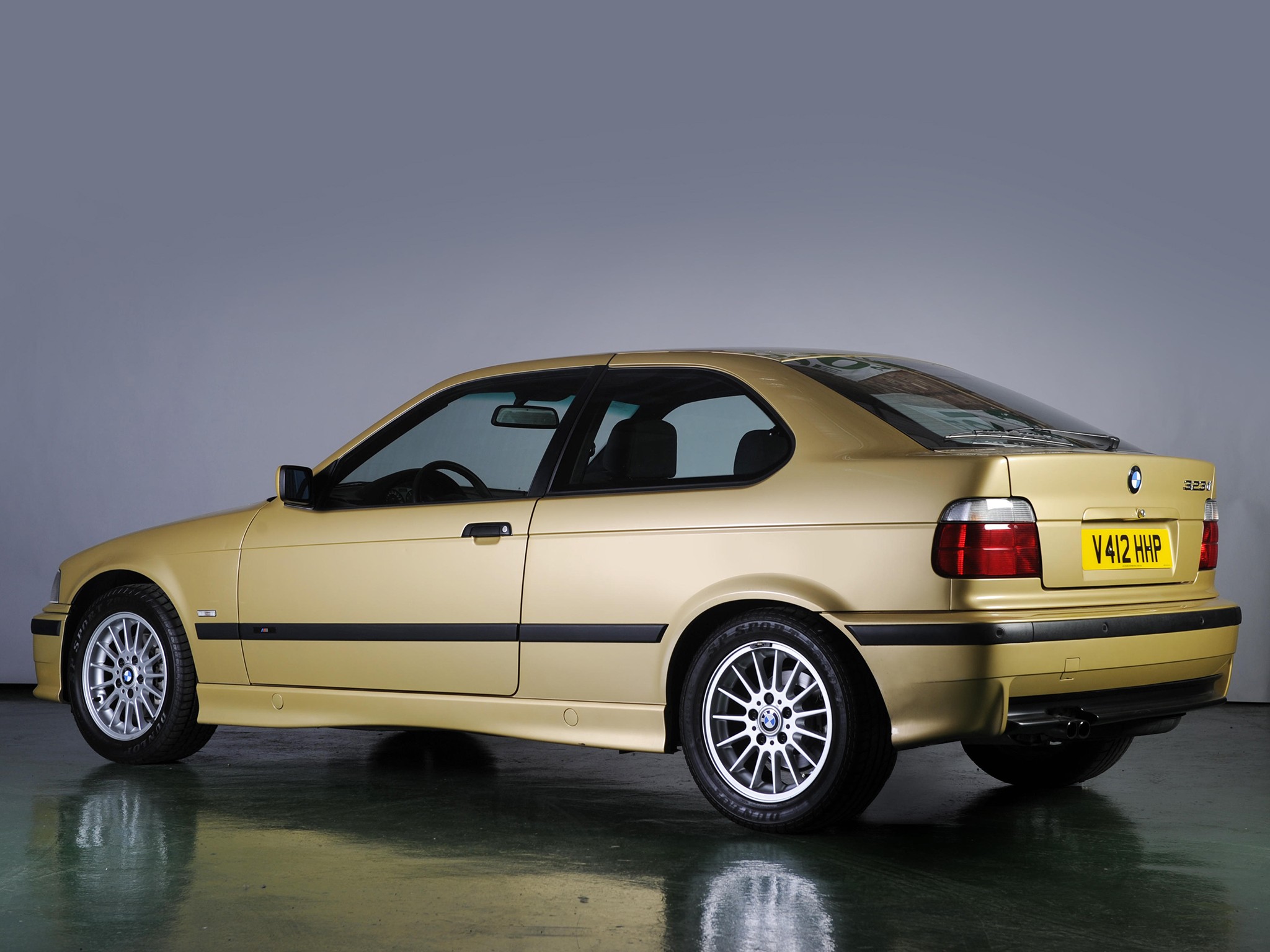
The German automaker noticed that many customers were interested in buying upscale compact-sized hatchbacks, and there were no European automakers to provide one. As a result, it quickly gathered the engineering team, recycled some already developed parts and engines, and launched the 3 Series Compact in 1994. The result was a three-door vehicle that looked like an E36 3 Series from the front but had a tailgate at the back. It was also cheaper to produce despite the considerable development cost. However, even though the new version of the 3 Series was more affordable, it wasn’t the best-selling among its siblings. Furthermore, the concept of a rear-wheel drive vehicle that competed against the front-wheel drive Golf didn’t work as expected. To add insult to injury, the rear axle was carried over from the previous generation of the 3 Series, the E30, which used a semi-trailing arm system instead of the fully independent type installed in the E36.
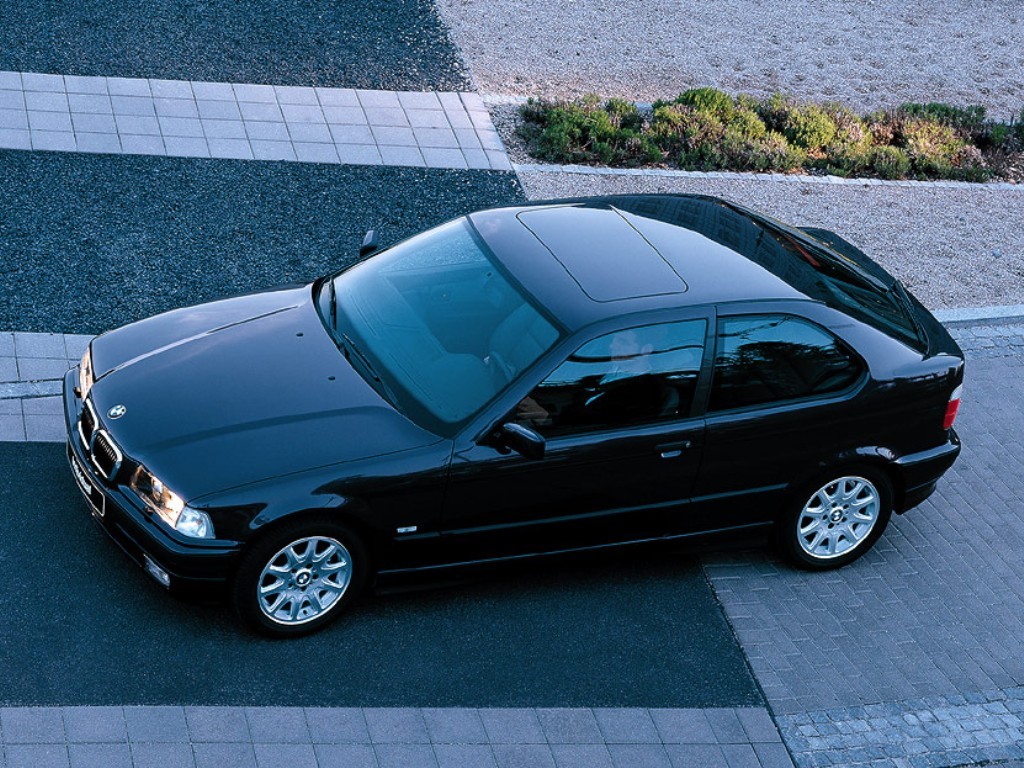
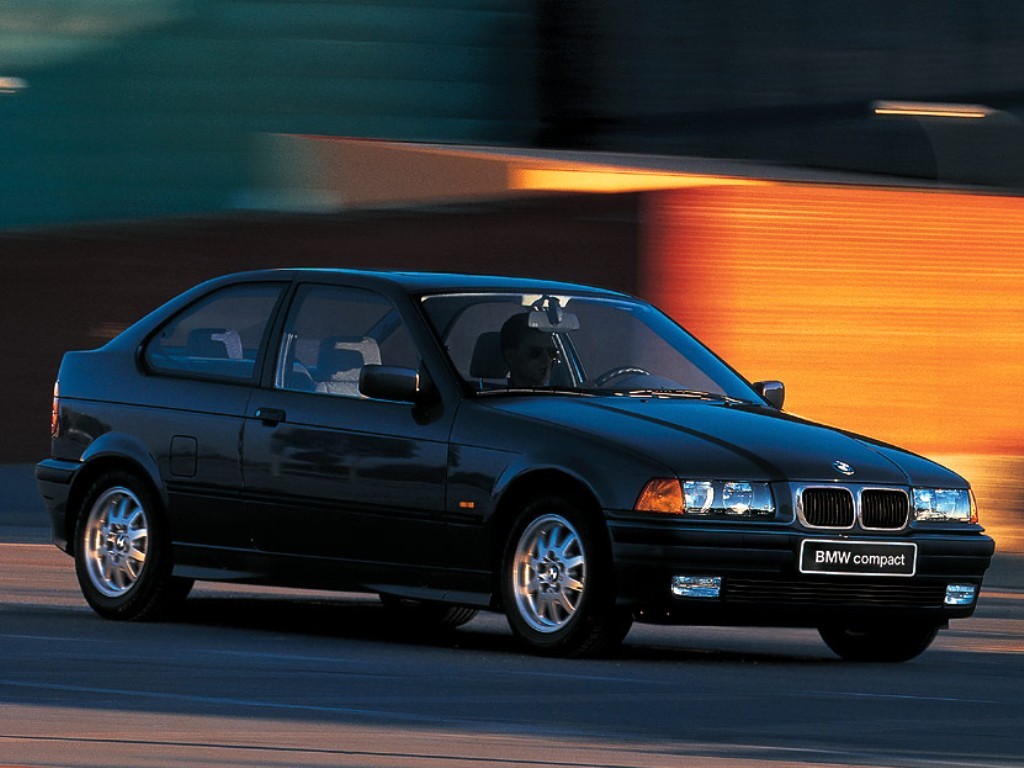
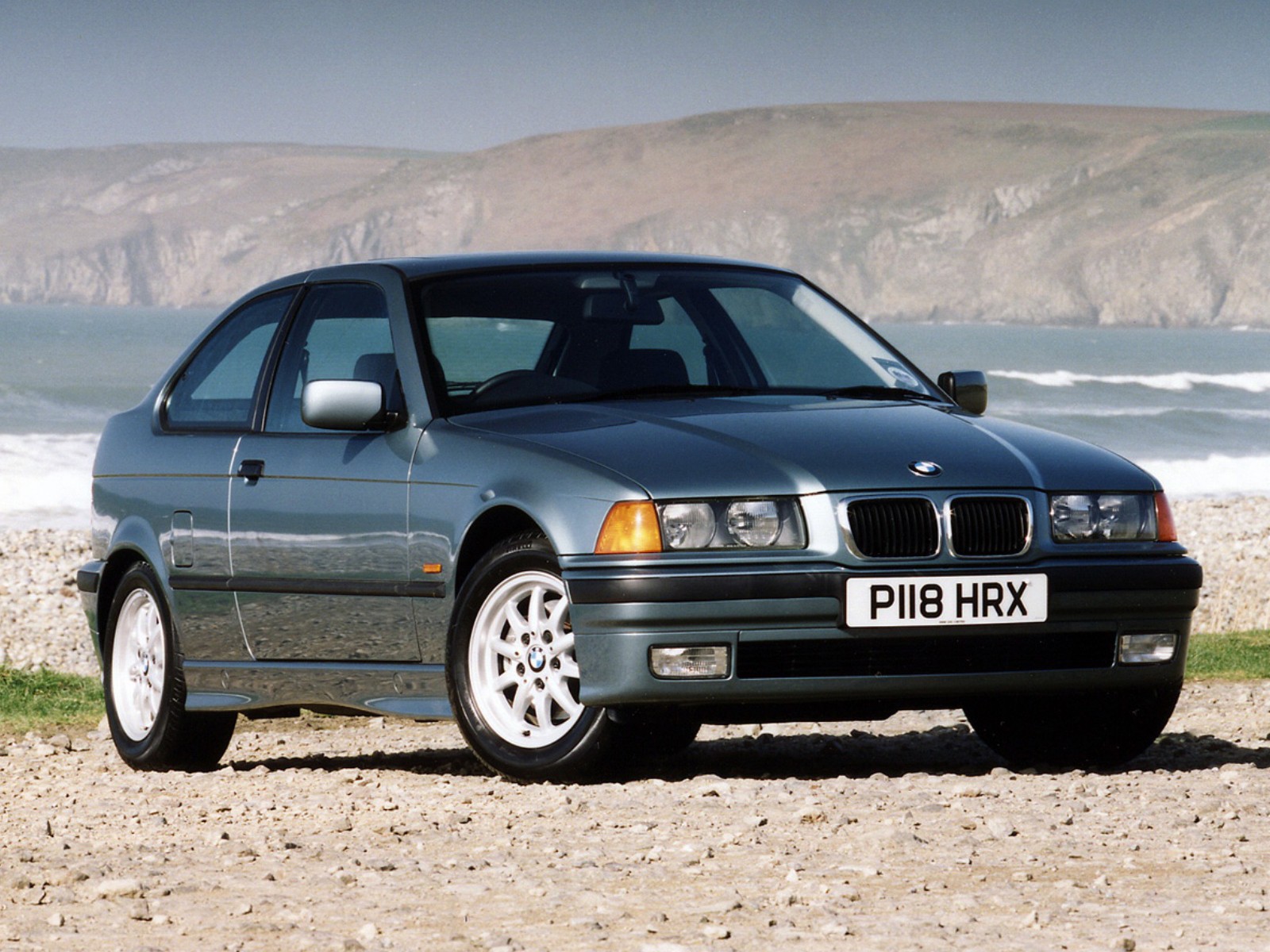
To cut production costs, all the body panels from the car’s front were taken from the same basket as those installed on the E36. As a result, the 1994 3 Series Compact sported rectangular headlights fitted with corner-mounted turn signals. The kidney grille was integrated into the wrapped around plastic bumper, and was encircled by chromed trims. Depending on the grade and options, the car could sport fog lamps in the front apron.
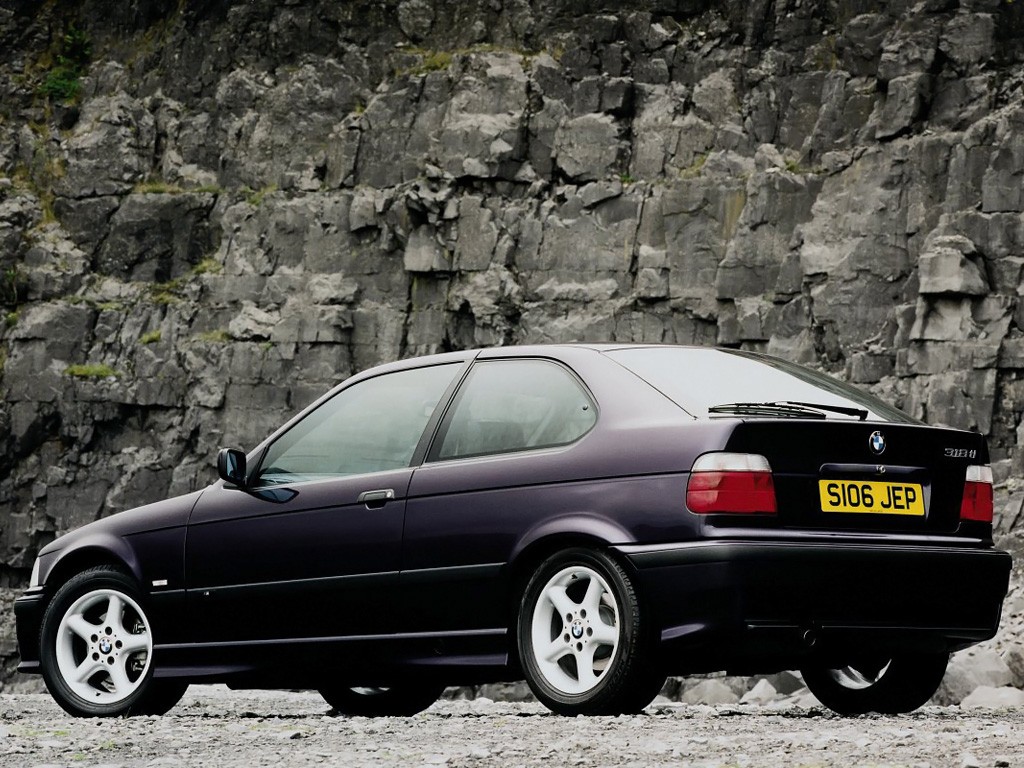
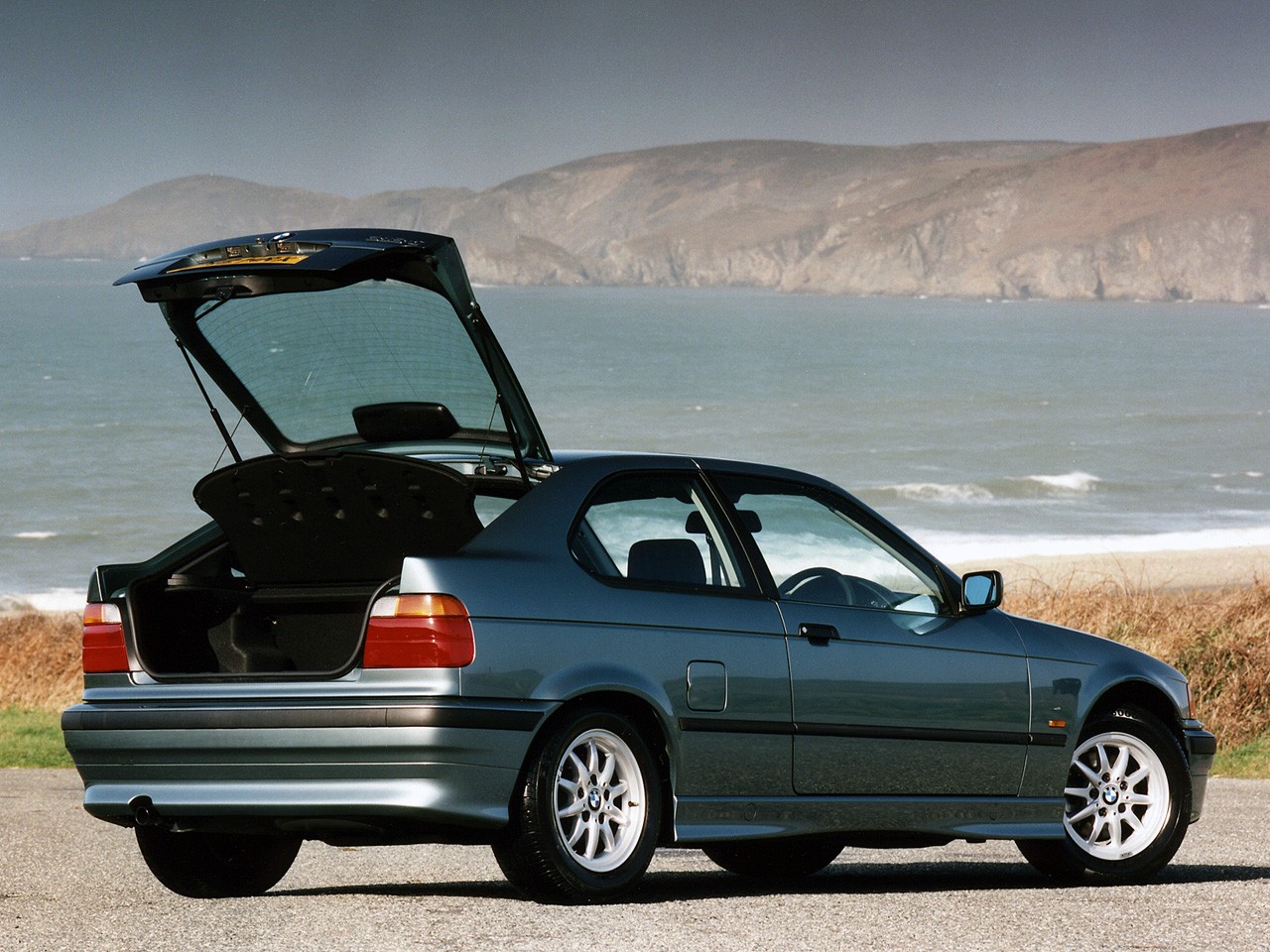
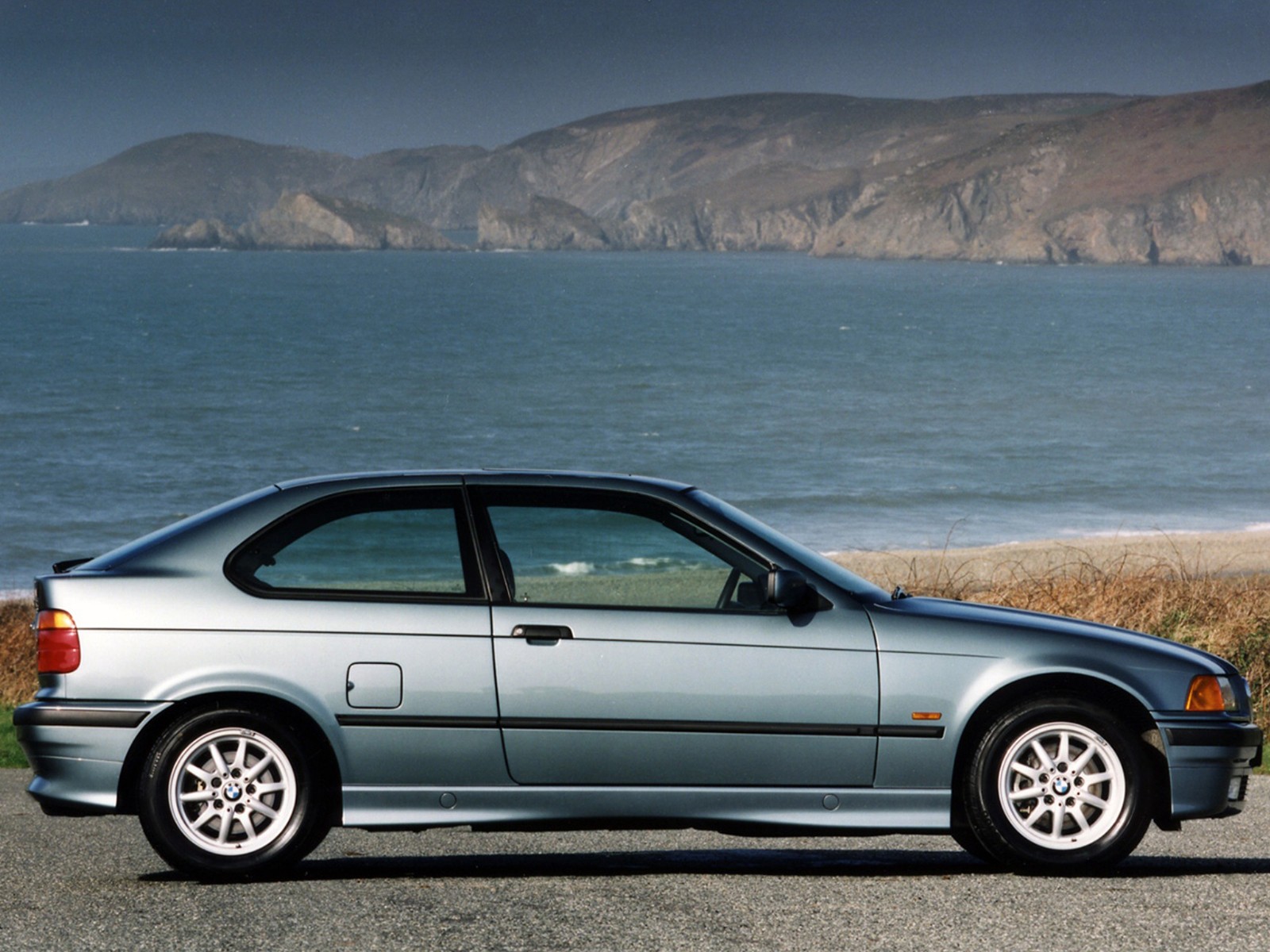
From its profile, the car looked identical to the E36 sedan up to the B-post. Its short overhang and flared wheel arches made it look sporty. Its doors had frames for the windows, unlike the coupe and the convertible versions of the E36, which had those frameless. Behind them, the rear side windows featured a pop-out compass-style mechanism that allowed customers to vent the cabin efficiently. Finally, at the back, the raked-forward tailgate was new for a Bimmer. It also featured a wiper, but the taillights that flanked it were carried over from the E36 as well. The car came fitted with 15-inch steel wheels or available alloys of the same size.
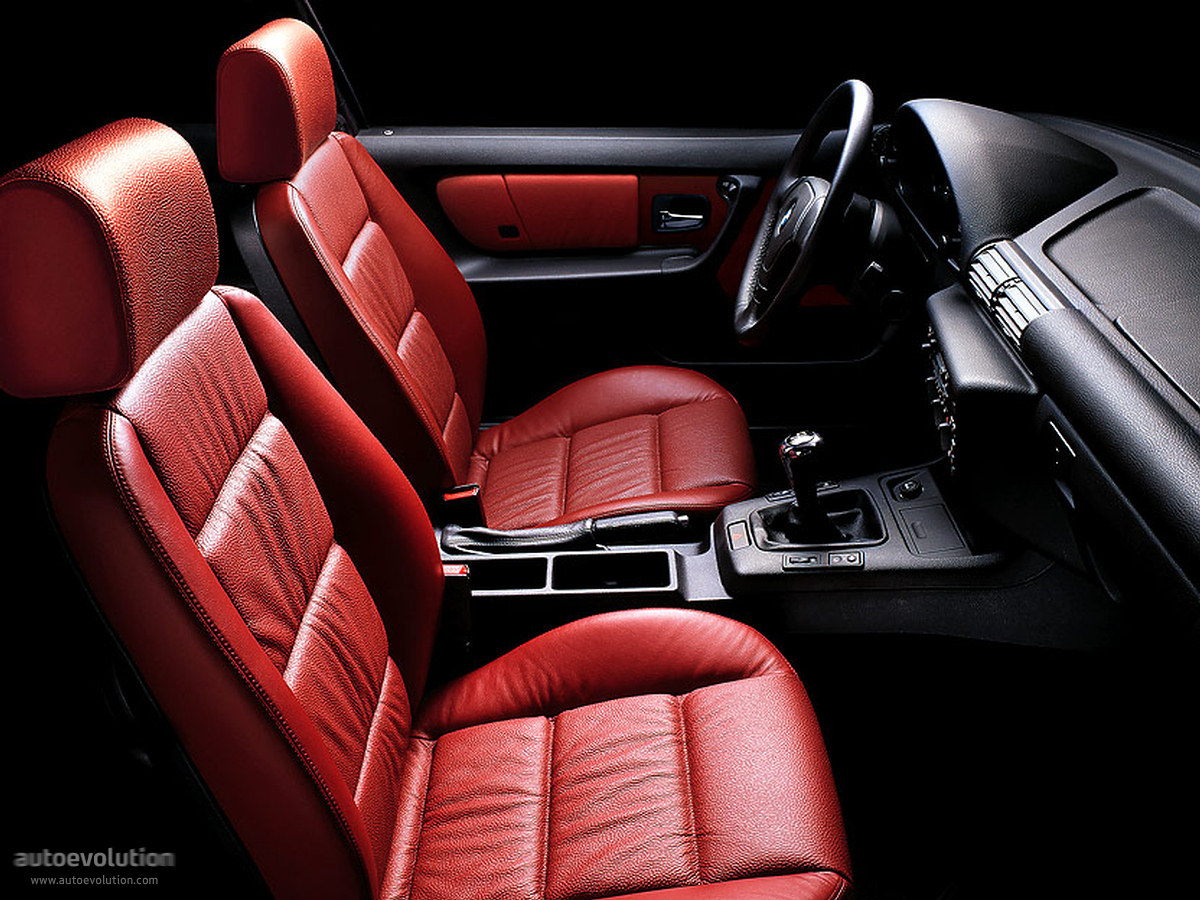
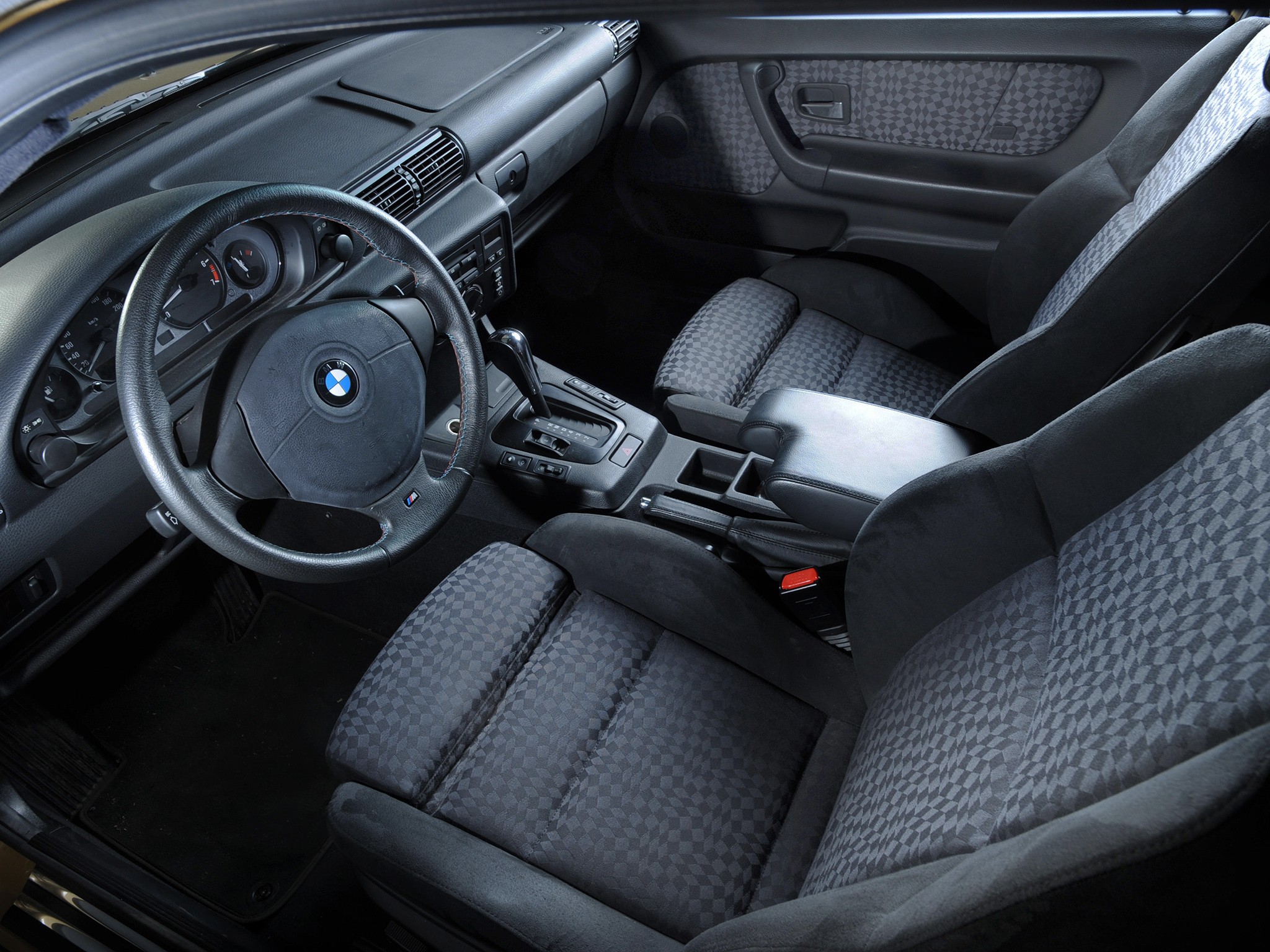
Inside, the overall look resembled the E36 coupe. Its tilt-forward front seats could be wrapped in fabric or leather, depending on the options. The dashboard looked identical to the one in the rest of the E36, albeit it was made from lower-quality materials. Between the front occupants, the automaker placed a narrow center console that housed the buttons for the power windows and the gear stick (or gear selector, depending on the transmission). At the same time, in the back, BMW placed a new split-folding (50/50) bench seat. It provided minimal legroom and headroom for adult-sized passengers, but it was perfectly fine for kids. BMW created a decently-sized trunk for a compact hatchback. To make it roomier, the automaker placed the spare wheel under the car.
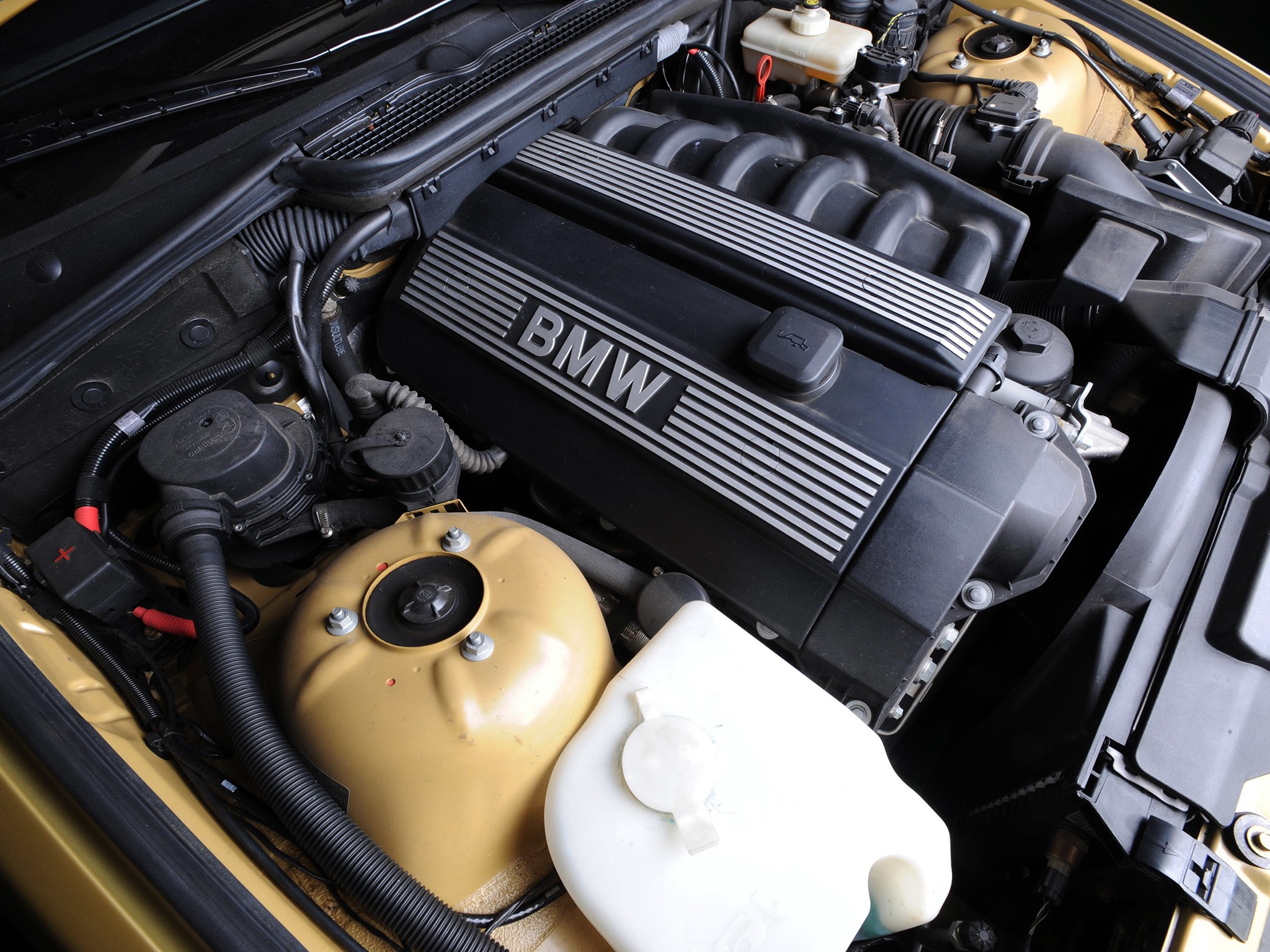
Under the hood, the 1994 BMW 3 Series Compact (E36/5) was available with a choice of gasoline and diesel engines, with four or six cylinders. All versions were paired with a five-speed manual, while a four-speed automatic was available.
Begijnhof, 8000 Brugge, Belgium
Begijnhof, 8000 Brugge, Belgium

Begijnhof, 8000 Brugge, Belgium

Begijnhof, 8000 Brugge, Belgium

Begijnhof, 8000 Brugge, Belgium
Begijnhof, 8000 Brugge, Belgium
Begijnhof, 8000 Brugge, Belgium
Begijnhof, 8000 Brugge, Belgium
Begijnhof, 8000 Brugge, Belgium

Begijnhof, 8000 Brugge, Belgium
Offer an price, more info or anything you want

Consumer reviews