

Dealer:
Eden Hazard
Begijnhof, 8000 Brugge, Belgium
- Transmission 7-Speed Automatic
- |
- Drive Rear Wheel Drive
- |
- Mileage n/a
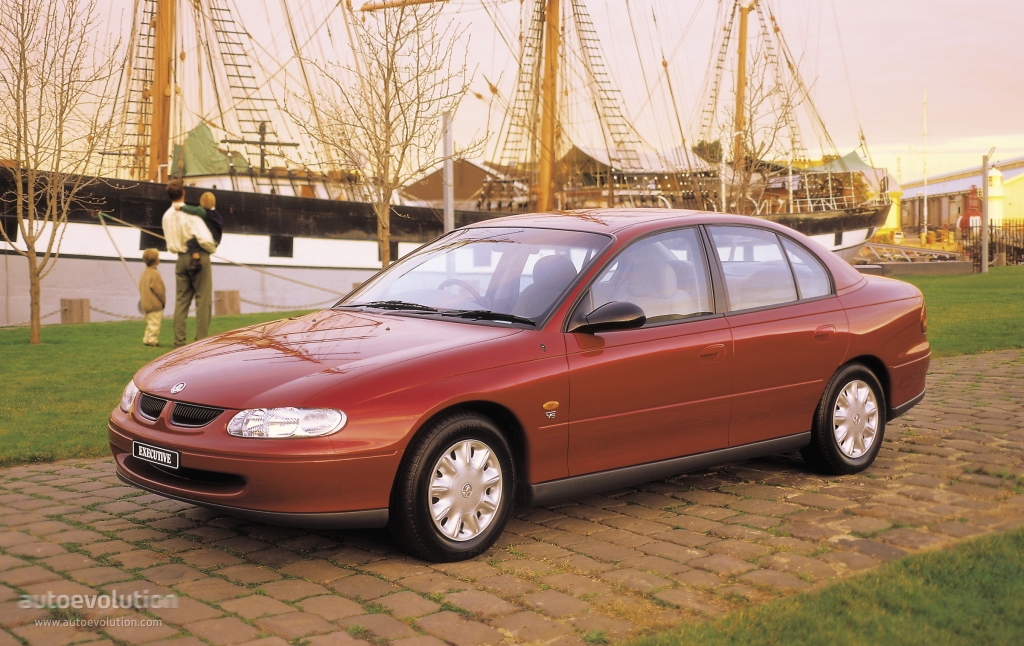

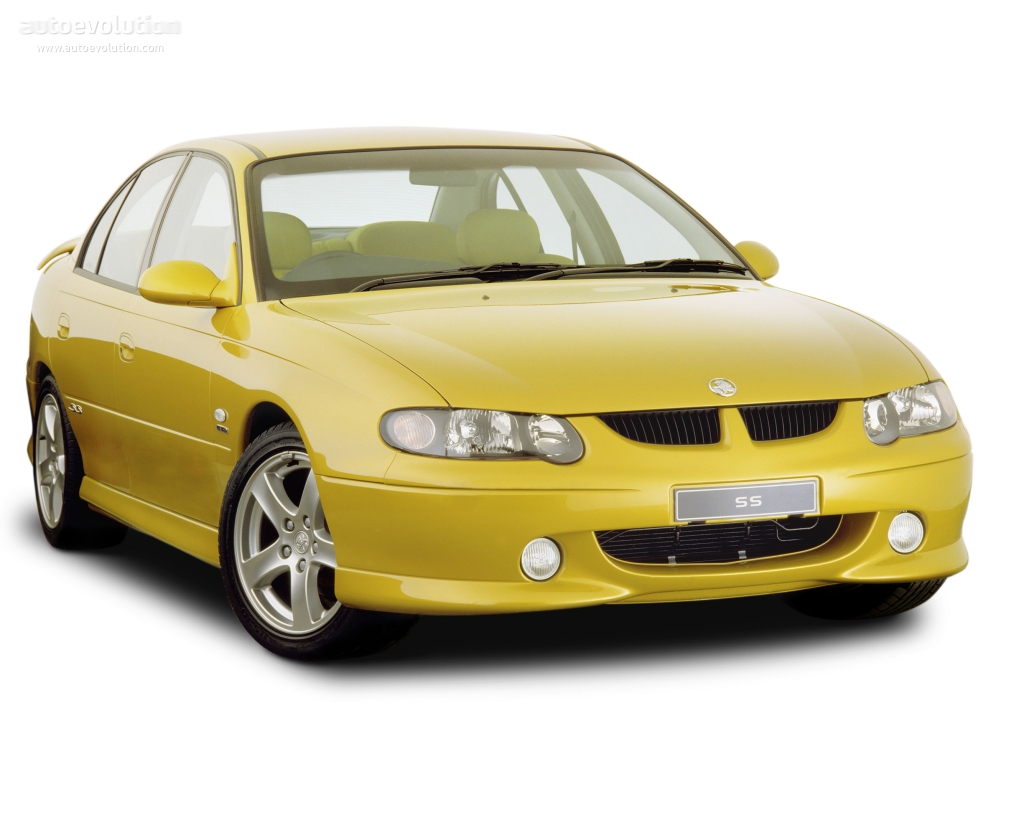


Holden introduced the third generation of the Commodore lineup in 1997 based on an improved version of the platform developed for the European Opel/Vauxhall…
Holden introduced the third generation of the Commodore lineup in 1997 based on an improved version of the platform developed for the European Opel/Vauxhall Omega B.
The Commodore was already a respected nameplate in Australia, and GM tried to keep its success going. As a result, it followed the same recipe used in the previous generation of the car and adopted the European platform developed for the second iteration of the Omega lineup. Furthermore, it used the same base as the U.S.-only Cadillac Catera, albeit that model wasn’t that successful. Unlike its predecessor, the 1997 Holden Commodore, also known as the VT, came well equipped and with improved independent rear suspension and dual airbags across the range. The car was also known for its potent engines, developed and used exclusively in the Australian market.
Designed during the bio-design era, the 1997 Holden Commodore sported organic shapes with curved lines and rounded edges. Its headlights were narrow and sported corner-mounted turn signal lamps. Between them, the automaker installed a grille with a vertical slat in the middle. Lower, on the wrapped-around plastic bumper, Holden installed a reversed trapezoidal-shaped air intake flanked by a pair of scoops with available fog lamps.
The 1997 Holden Commodore Sedan was available in five grades, starting with the Exec, followed by the Acclaim, the S, the SS, and the Berlina. Its rounded shapes and the cab-rearward design made the large-size sedan look sporty, especially thanks to the ascending beltline that ran along the bodywork from the headlights to the taillights. Besides the base model, which came equipped with 15-inch steel wheels and full covers, the rest of the range was fitted with alloy wheels. Furthermore, the S and the SS versions boasted 17 or 18-inch sets, respectively. At the back, the automaker installed a single-pipe exhaust system across the range.
When GM designed the Commodore, it created a large interior for the vehicle, able to fit five people, albeit with diminished legroom for the one seated in the middle, in the back, due to the tall transmission tunnel. Fronting the driver was a rounded-shaped instrument cluster with large dials for the speedometer and tachometer and smaller ones for the fuel level and the coolant temperature. The center stack housed a pair of vents at the top, followed downwards by the HVAC control panel and the stereo, which was available with a six-CD in-dash audio system. Between the front bolstered seats, the automaker placed a center console where customers found the gear stick (or the gear selector for the automatic transmission) and the handbrake. In addition, Holden installed an armrest with a storage area.
Under the hood, the 1997 Holden Commodore VT was available with a choice of V6 or V8 engines, either naturally aspirated or supercharged. Depending on the grade, they were paired with a five-speed manual transmission that sent all the oomph to the rear wheels via an open or a limited-slip differential. In addition, the automaker also offered the car with a four-speed automatic gearbox.
Begijnhof, 8000 Brugge, Belgium
Begijnhof, 8000 Brugge, Belgium

Begijnhof, 8000 Brugge, Belgium

Begijnhof, 8000 Brugge, Belgium

Begijnhof, 8000 Brugge, Belgium
Begijnhof, 8000 Brugge, Belgium
Begijnhof, 8000 Brugge, Belgium
Begijnhof, 8000 Brugge, Belgium
Begijnhof, 8000 Brugge, Belgium

Begijnhof, 8000 Brugge, Belgium
Offer an price, more info or anything you want

Consumer reviews