

Dealer:
Eden Hazard
Begijnhof, 8000 Brugge, Belgium
- Transmission 7-Speed Automatic
- |
- Drive Rear Wheel Drive
- |
- Mileage n/a
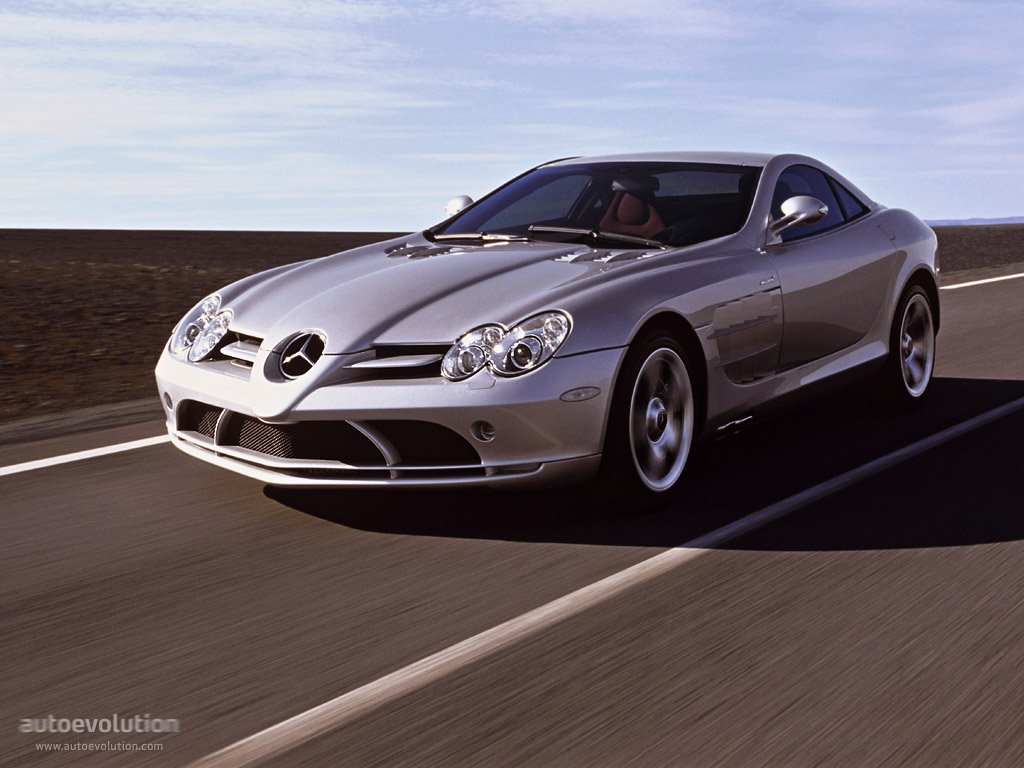
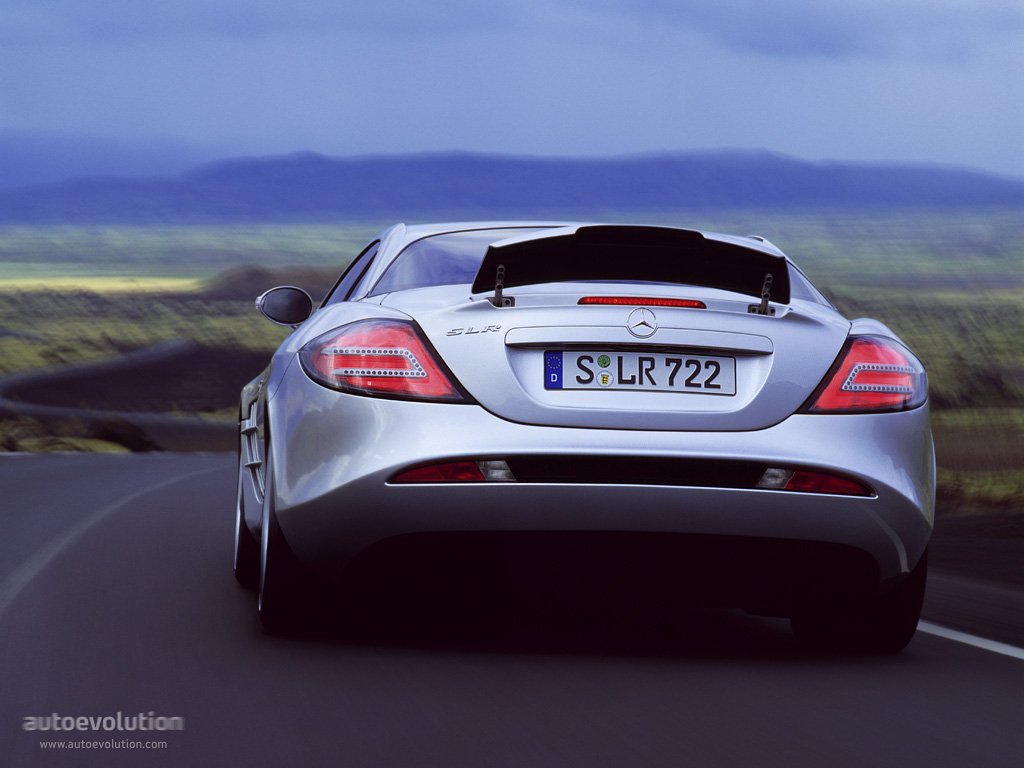
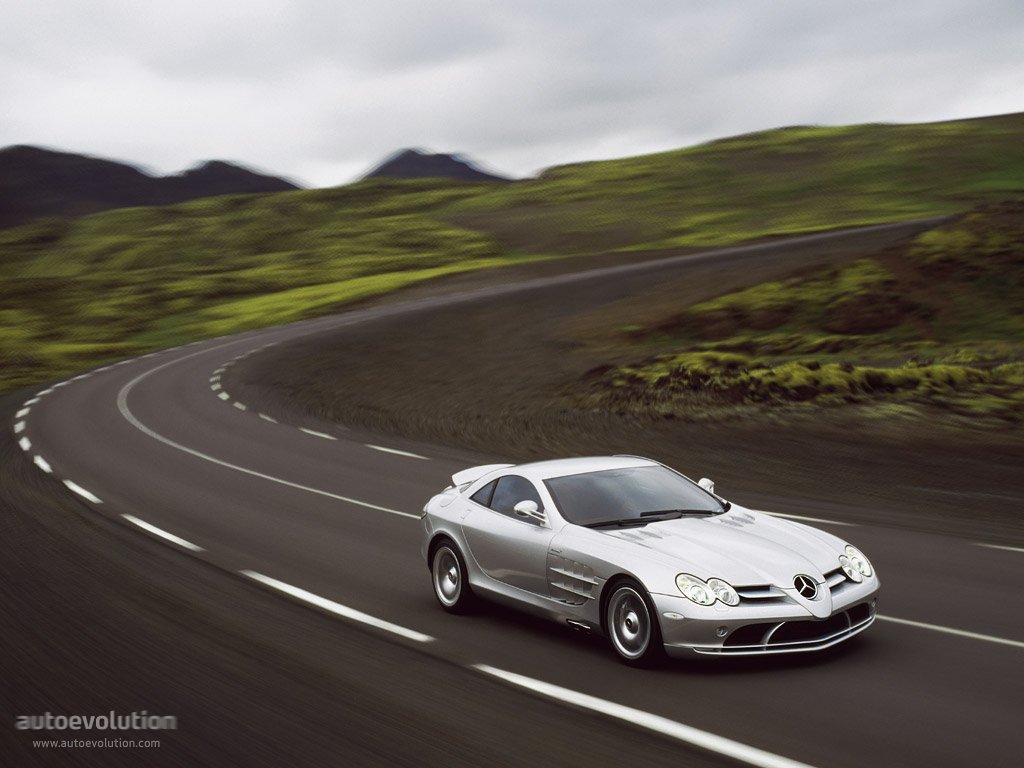
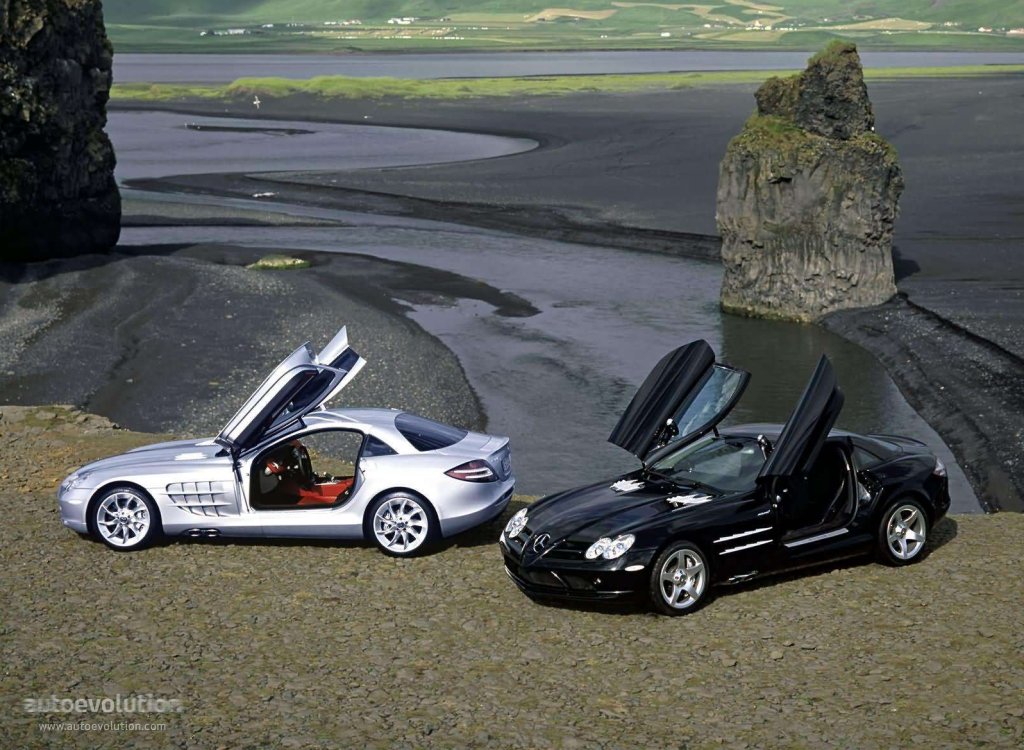
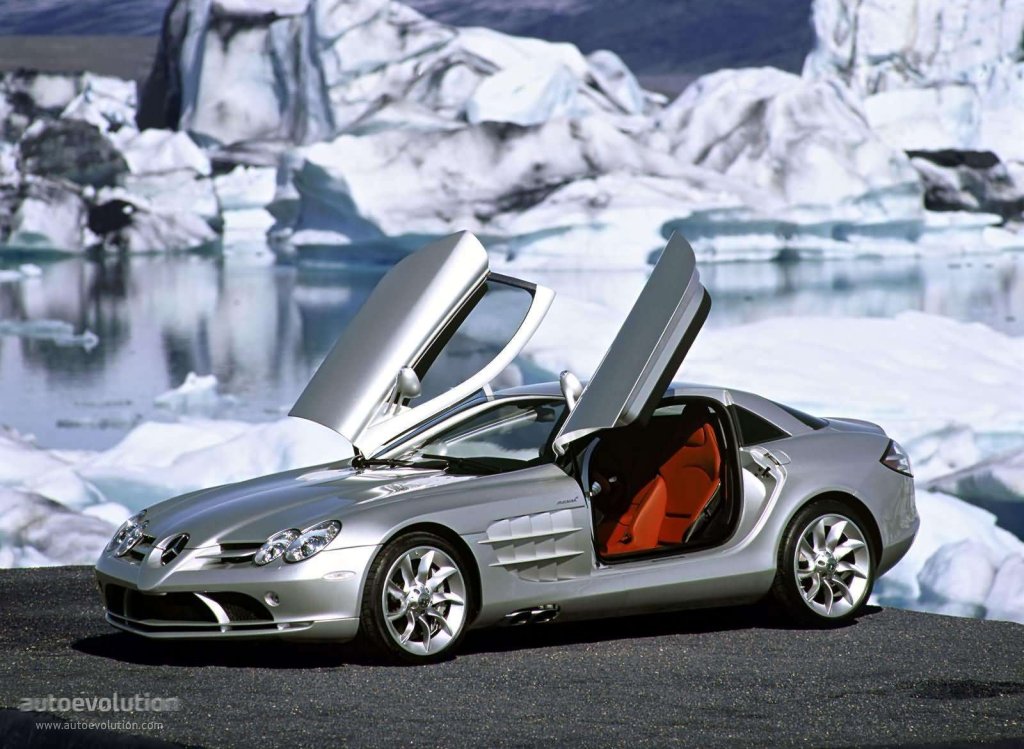
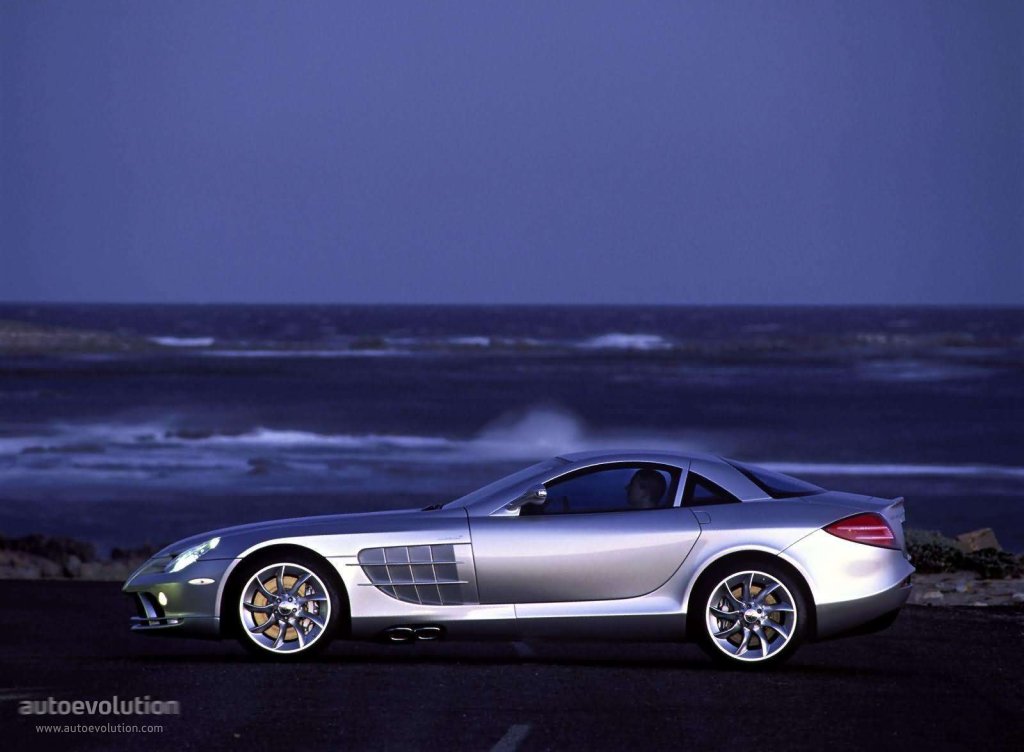

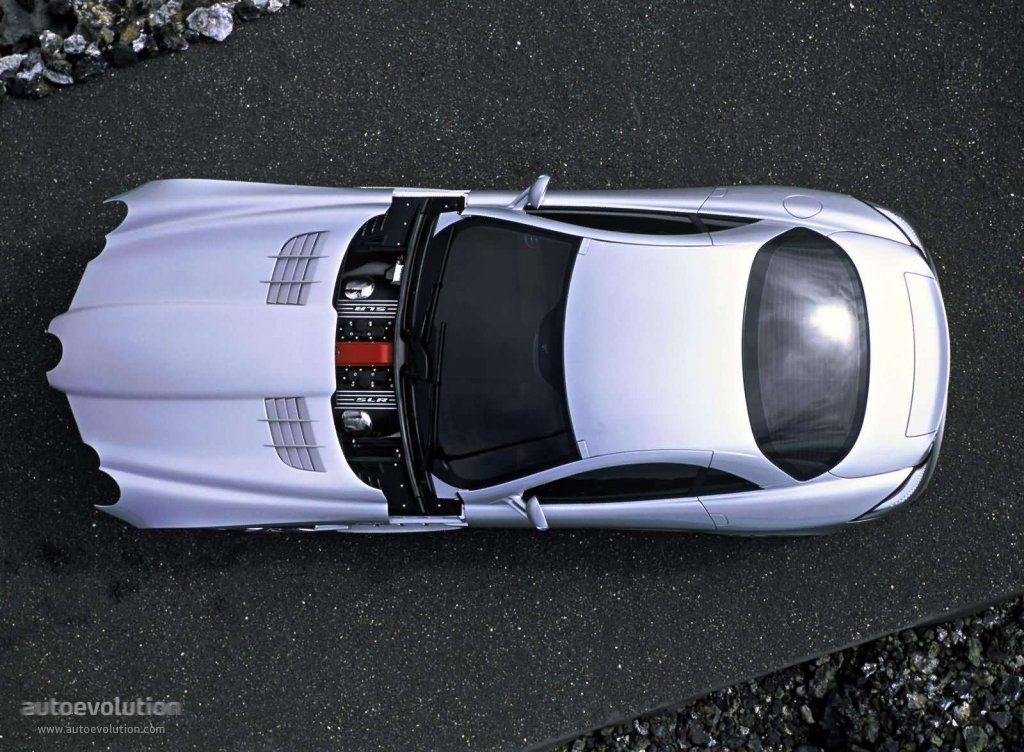
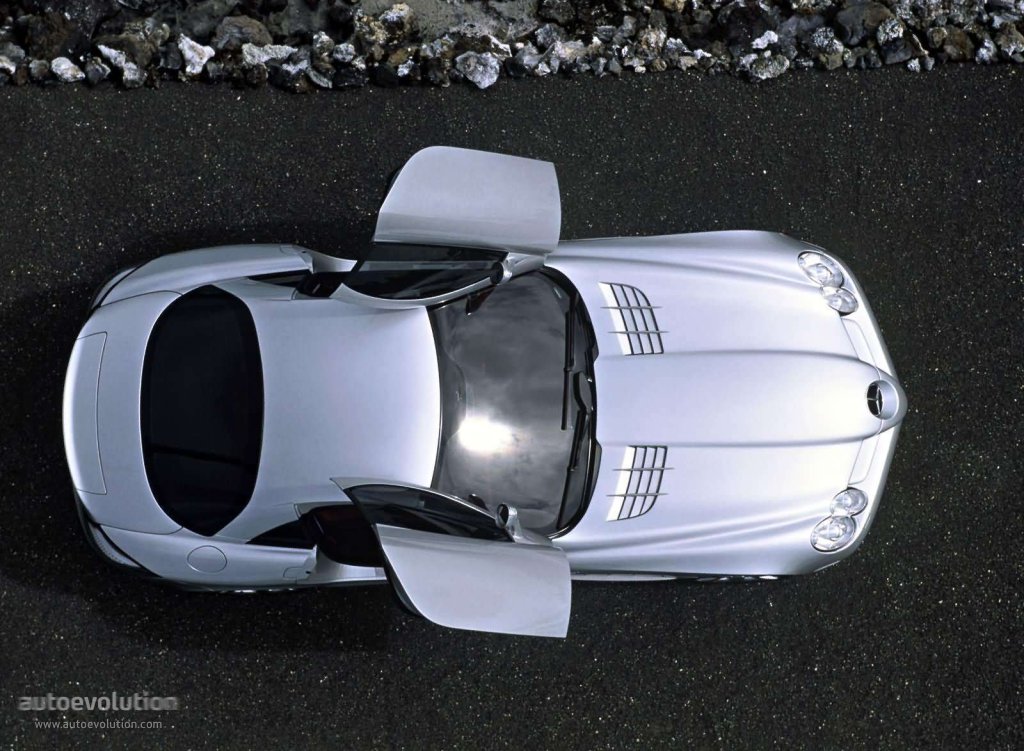
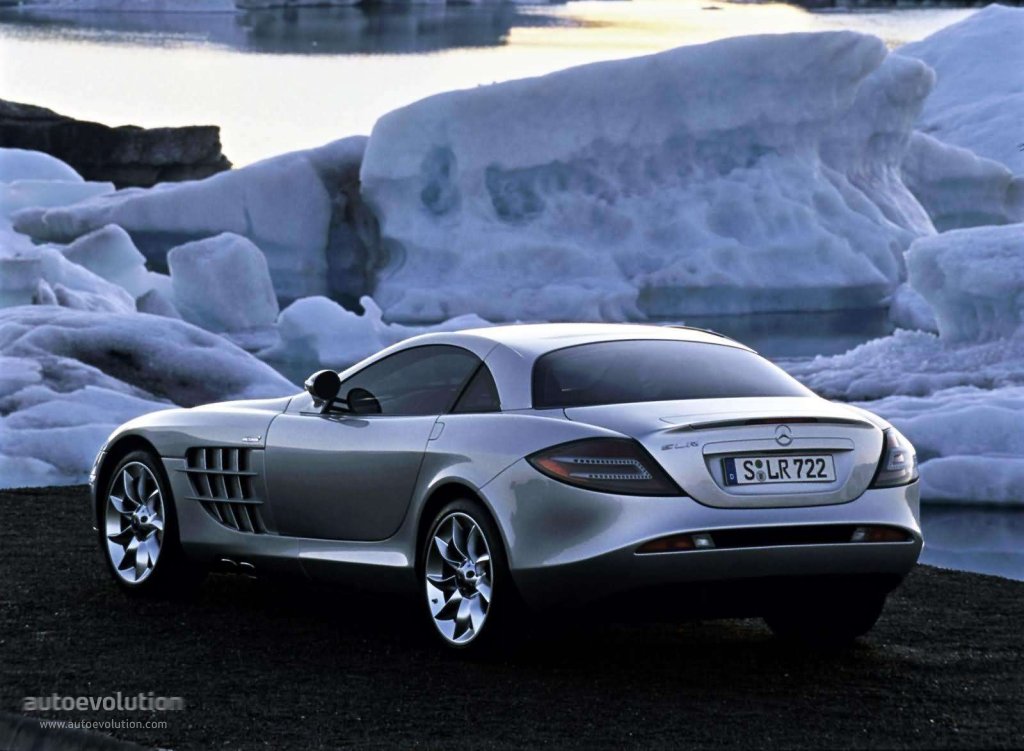
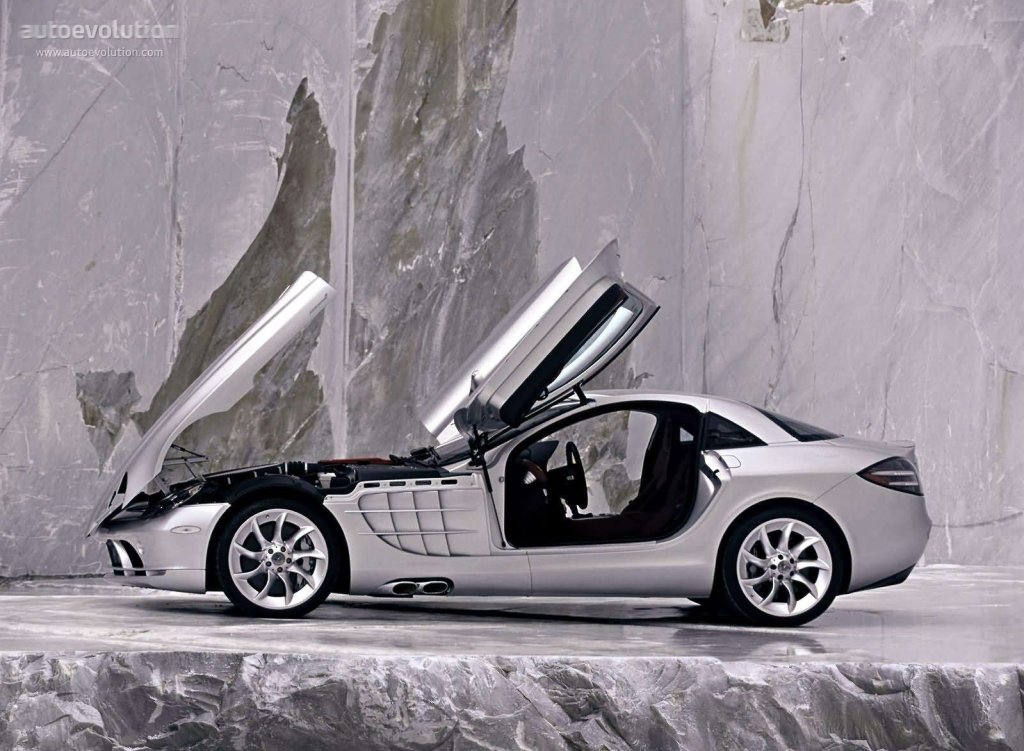
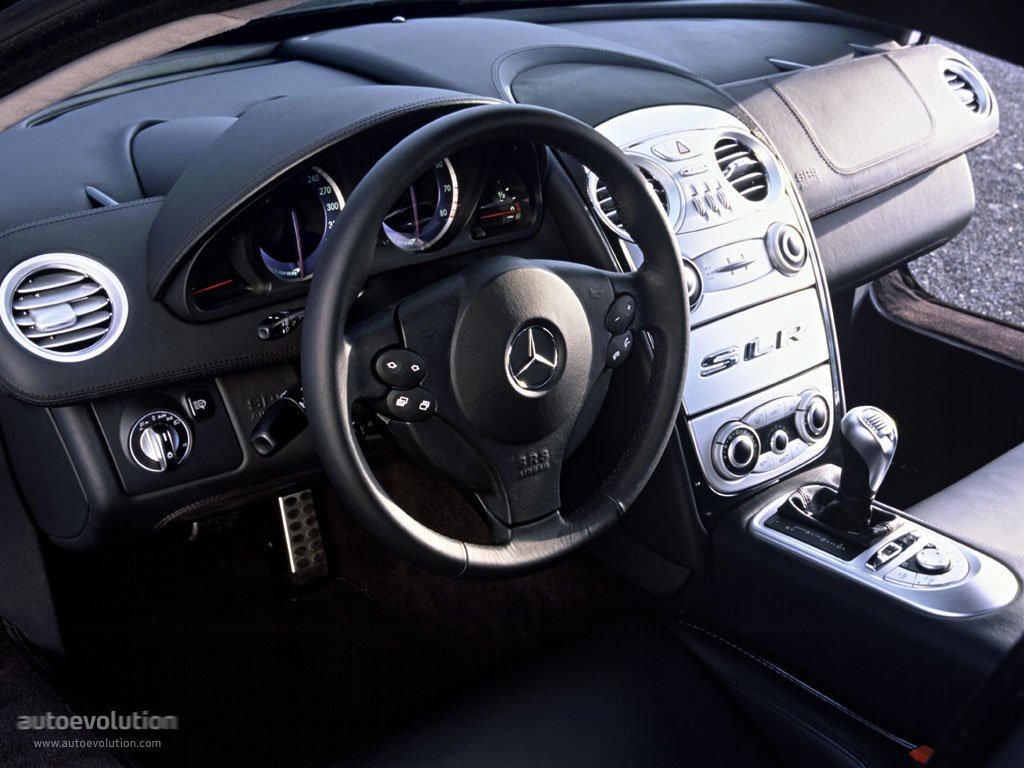
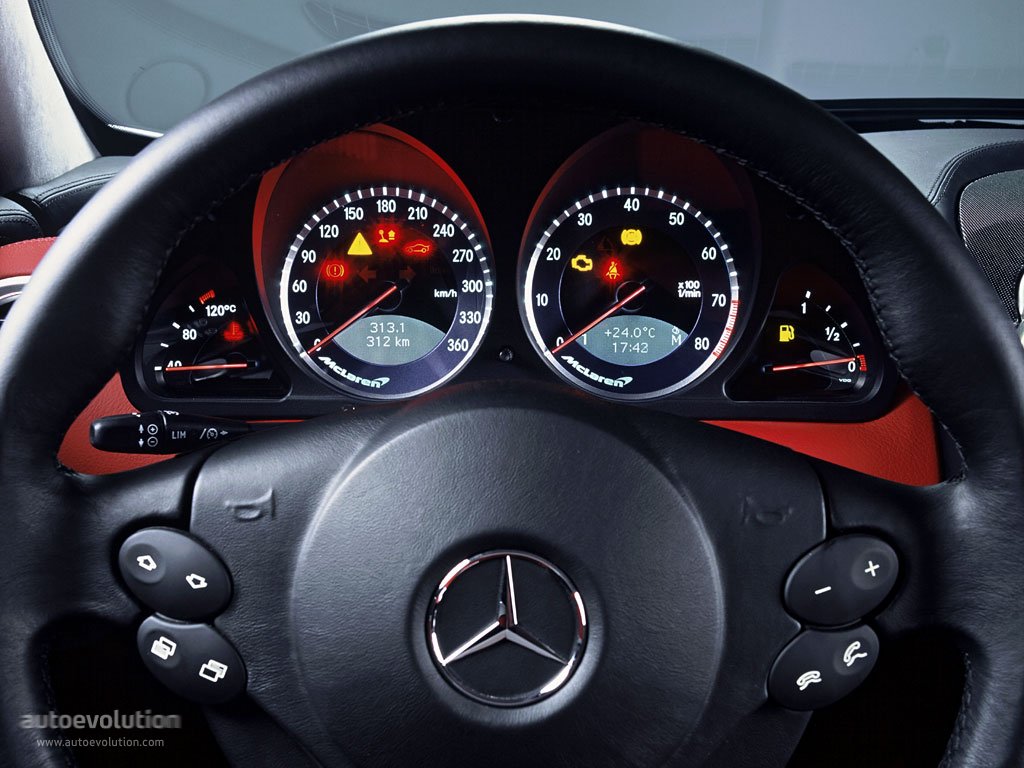
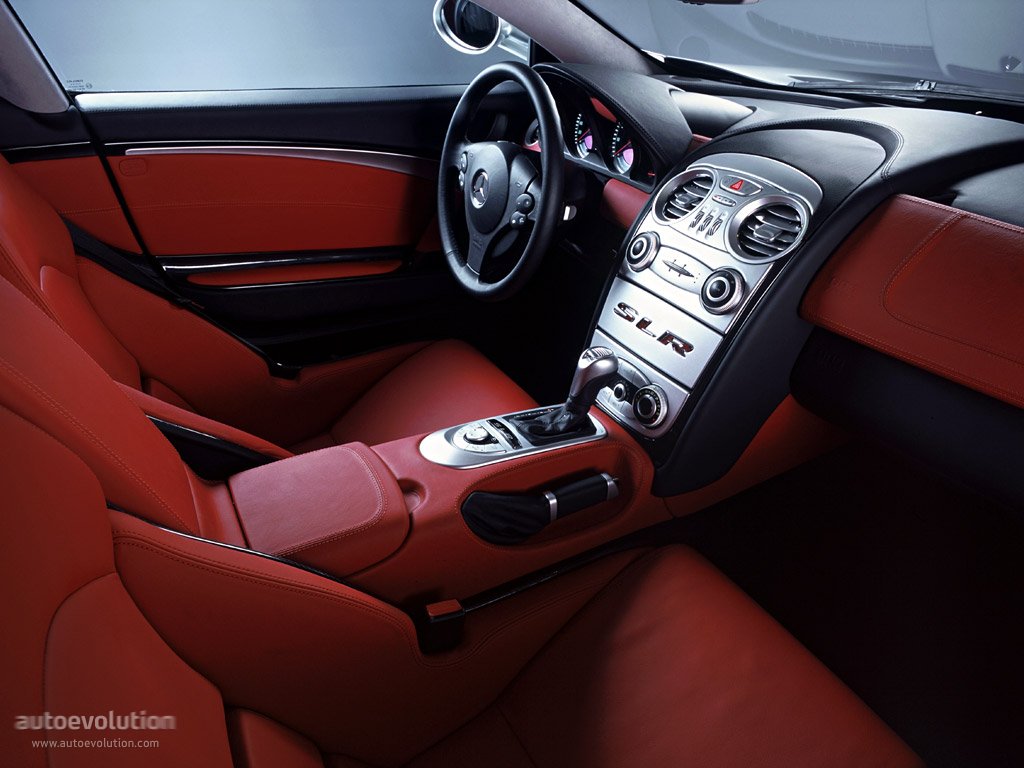
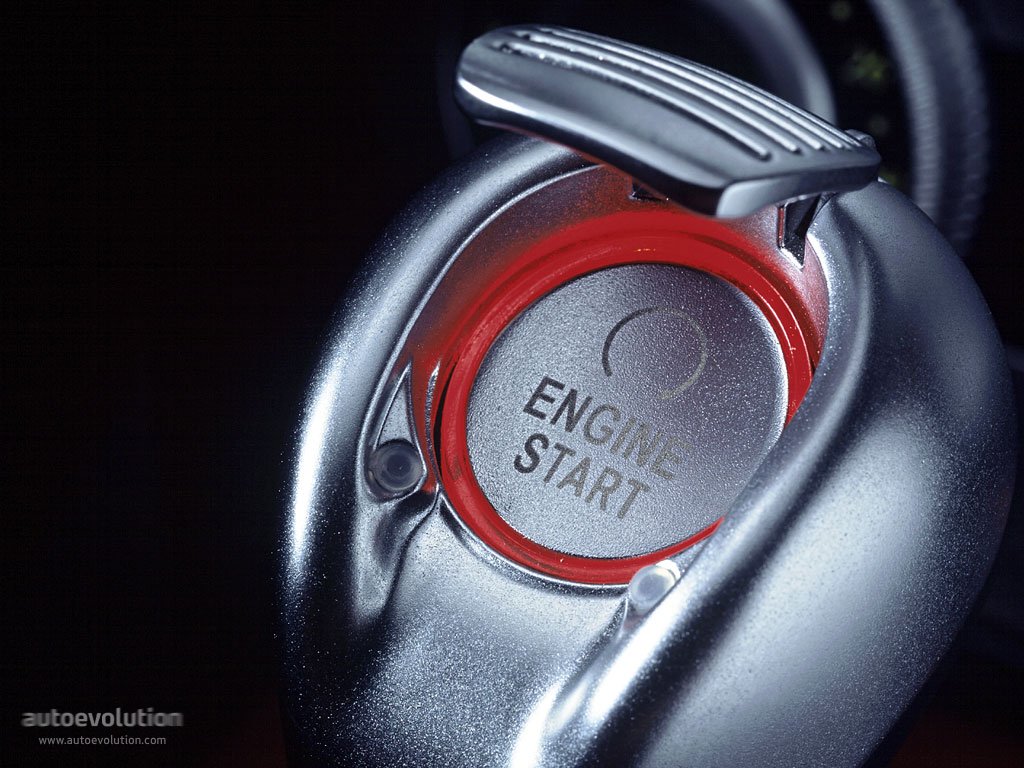
As the only co-production between Mercedes-Benz and McLaren from a time when the two companies were still in cahoots regarding Formula 1, the SLR…
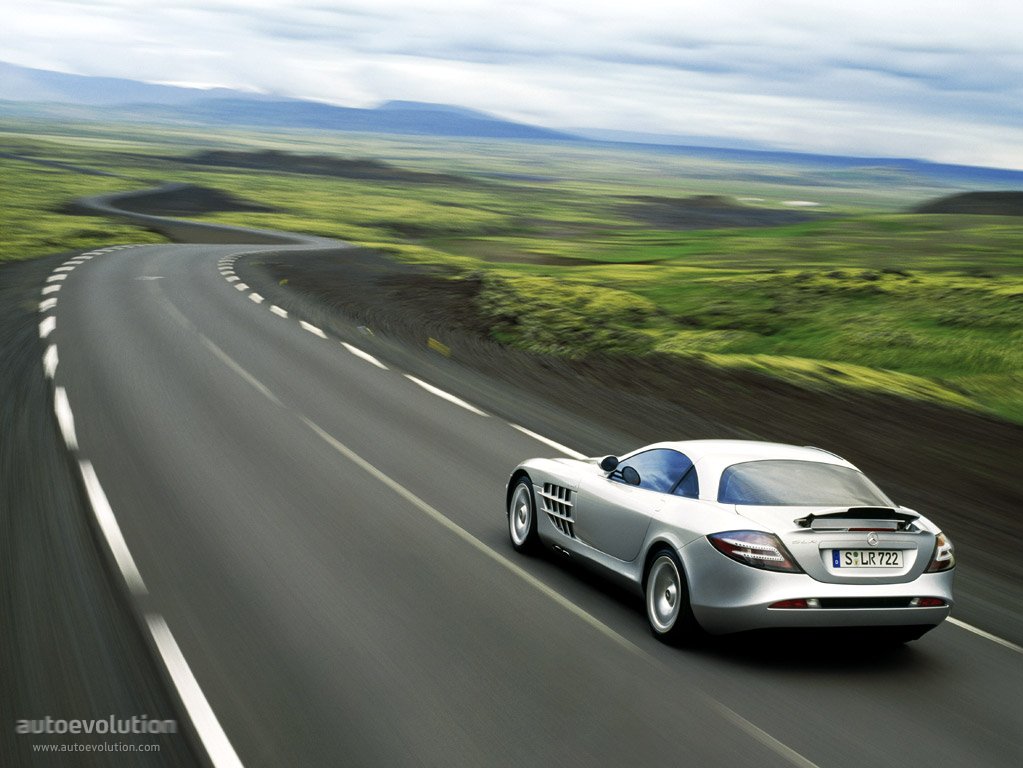
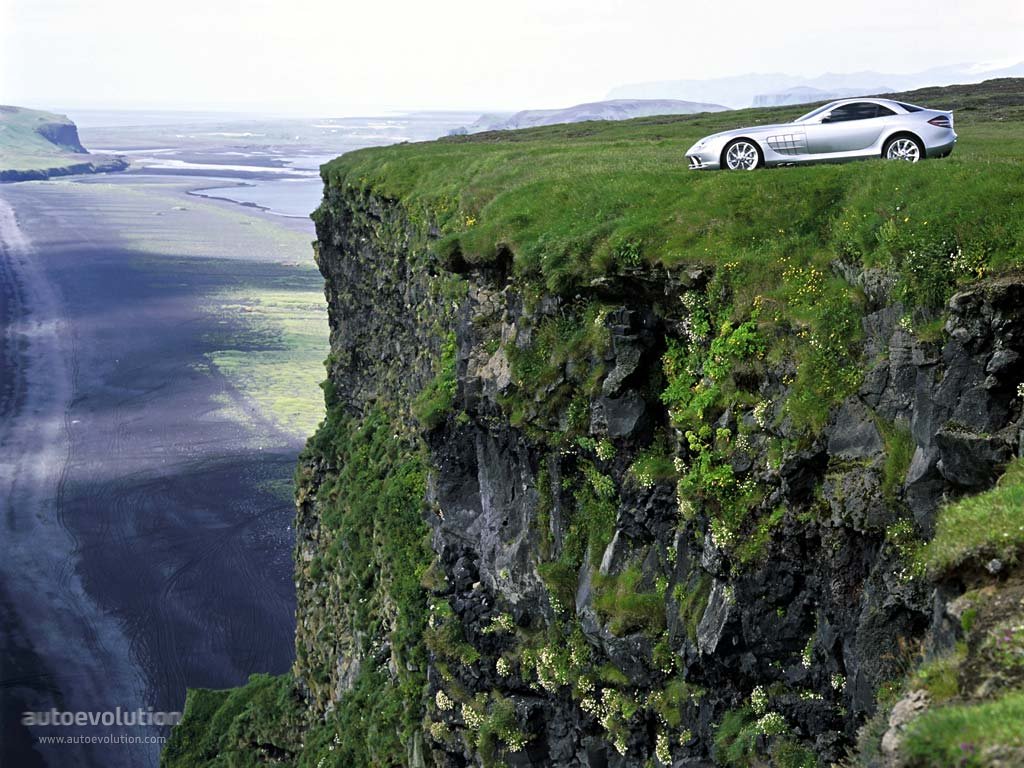
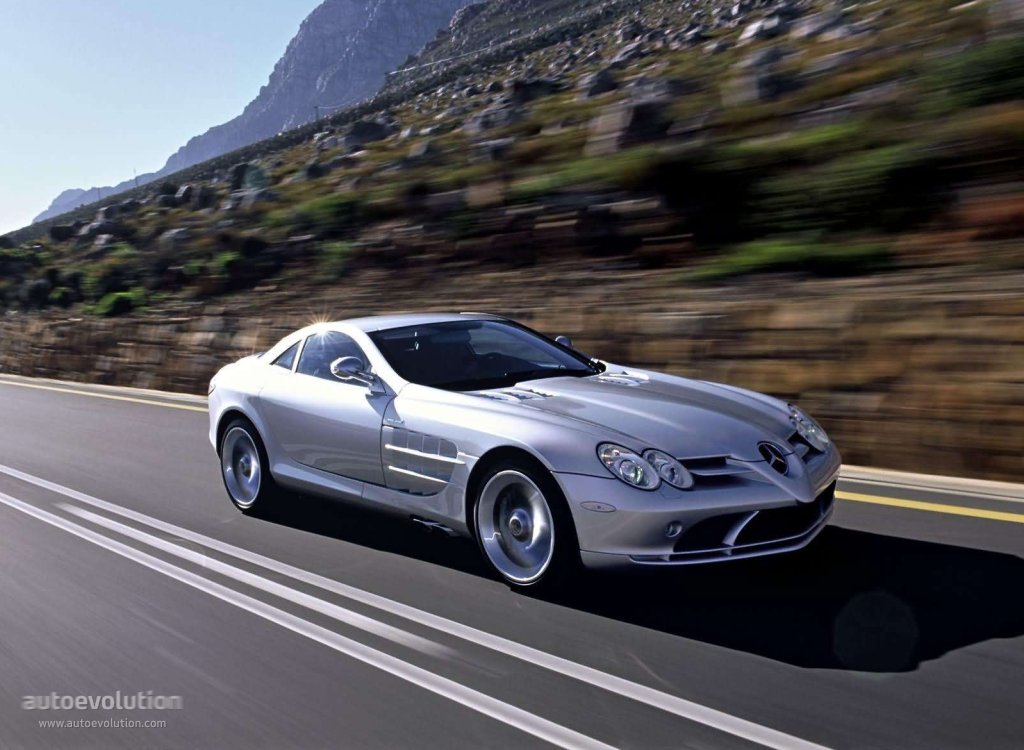
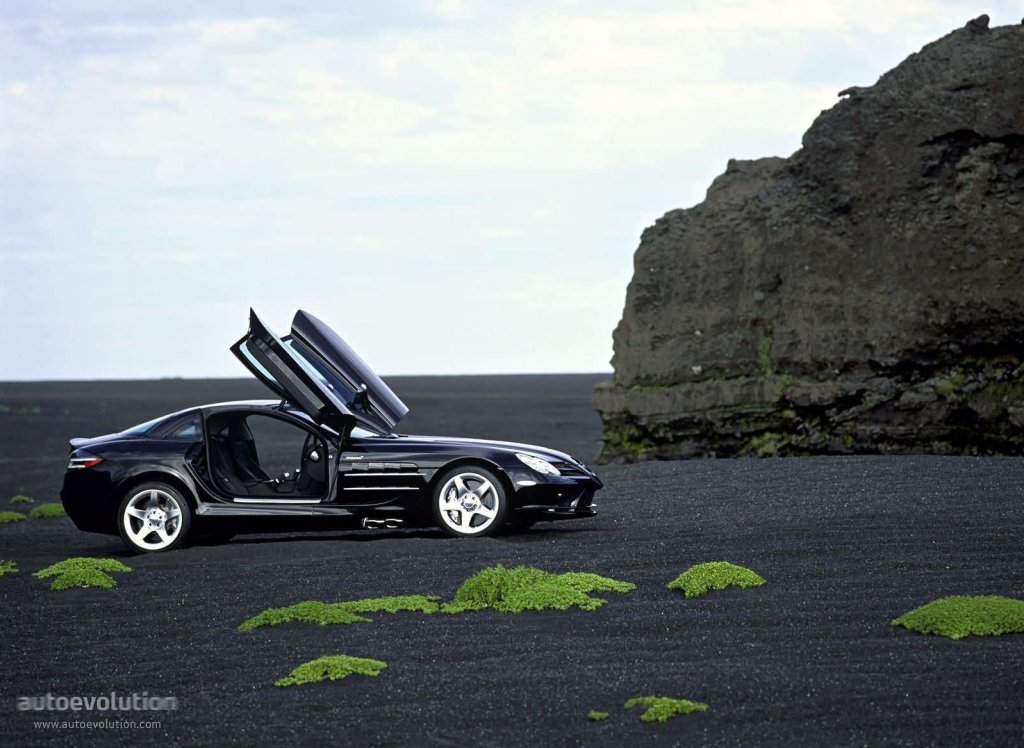
As the only co-production between Mercedes-Benz and McLaren from a time when the two companies were still in cahoots regarding Formula 1, the SLR McLaren is arguably one of the coolest supercars of the early 2000s. From 2003 to 2010, McLaren assembled a little over 2000 units, with Mercedes-AMG sending the powertrain, transmission, and other bits and bobs.
The SLR name and the model’s humongous hood hark back to the glorious Mercedes-Benz 300 SLR racers from the 1950s, including the legendary 300 SLR Uhlenhaut Coupe, the most expensive car ever sold. The blend of elegant and aggressive proportions resulted in a spectacular grand tourer that tried to balance luxury and speed with track-inspired engineering.
If the limited-edition CLK-GTR StrassenVerssion is not included, the SLR McLaren was the first three-pointed star supercar in five decades when it was introduced, so it not only had giant shoes to fill but also had to deliver on a ton of expectations. Despite going against track-focused supercars like the Ferrari Enzo and the Porsche Carrera GT, its grand touring capabilities meant that tradition won the battle between the past and the future.
At the time, Mercedes-Benz owned 40 percent of McLaren, and their Formula 1 connection was tighter than ever. Still, numerous disagreements about how the SLR McLaren project should be handled slowly resulted in a downright divorce between the two companies. Based on the success of the Vision SLR Concept from 1999, Mercedes-Benz approached F1 partners McLaren to be in charge of assembling a production version.
Various back-and-forth changes to the project subsequently started, with McLaren wanting the SLR to be a more track-focused supercar while the German carmaker wanted the model to deliver the comfort and gadgets found in a regular Mercedes-Benz. This prolonged the production car’s R&D gestation period to almost four years and resulted in numerous changes to the initial concept.
The biggest change agreed upon by Mercedes-Benz was moving the powertrain over a meter behind the front axle, which resulted in the front-midship design, giving it an even longer hood. Speaking of the engine, the supercharged 5.4-liter V8 was hand-built by AMG engineers, then shipped to the UK to be fitted in the carbon-fiber body by McLaren.
The 626 PS (617 HP) and 780 Nm (575 lb-ft) of torque developed by the mill were sent exclusively to the rear wheel through the only automatic gearbox that could handle that oomph in the Mercedes stable at the time. The reinforced 5-speed had new AMG software and also made the SLR McLaren the fastest production car with a torque converter transmission.
The 0 to 100 kph (62 mph) acceleration took 3.8 seconds, and the model’s top speed was 338 kph (208 mph), making it the fastest GT on the planet. Apart from the world’s first carbon fiber frontal crash protection system, the SLR McLaren had numerous other technical innovations, including a carbon-ceramic braking system, advanced traction and stability control systems, and even active aerodynamics, with the rear spoiler acting as an air brake in certain driving situations.
Begijnhof, 8000 Brugge, Belgium
Begijnhof, 8000 Brugge, Belgium

Begijnhof, 8000 Brugge, Belgium

Begijnhof, 8000 Brugge, Belgium

Begijnhof, 8000 Brugge, Belgium
Begijnhof, 8000 Brugge, Belgium
Begijnhof, 8000 Brugge, Belgium
Begijnhof, 8000 Brugge, Belgium
Begijnhof, 8000 Brugge, Belgium

Begijnhof, 8000 Brugge, Belgium

Offer an price, more info or anything you want
Consumer reviews