

Dealer:
Eden Hazard
Begijnhof, 8000 Brugge, Belgium
- Transmission 7-Speed Automatic
- |
- Drive Rear Wheel Drive
- |
- Mileage n/a

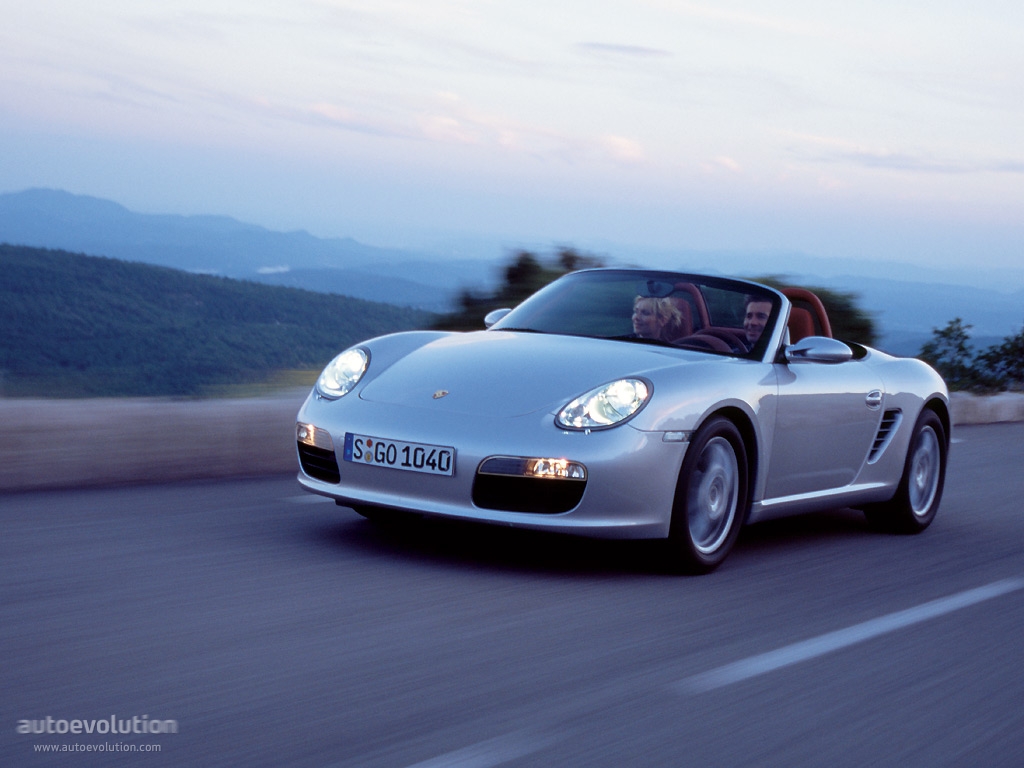
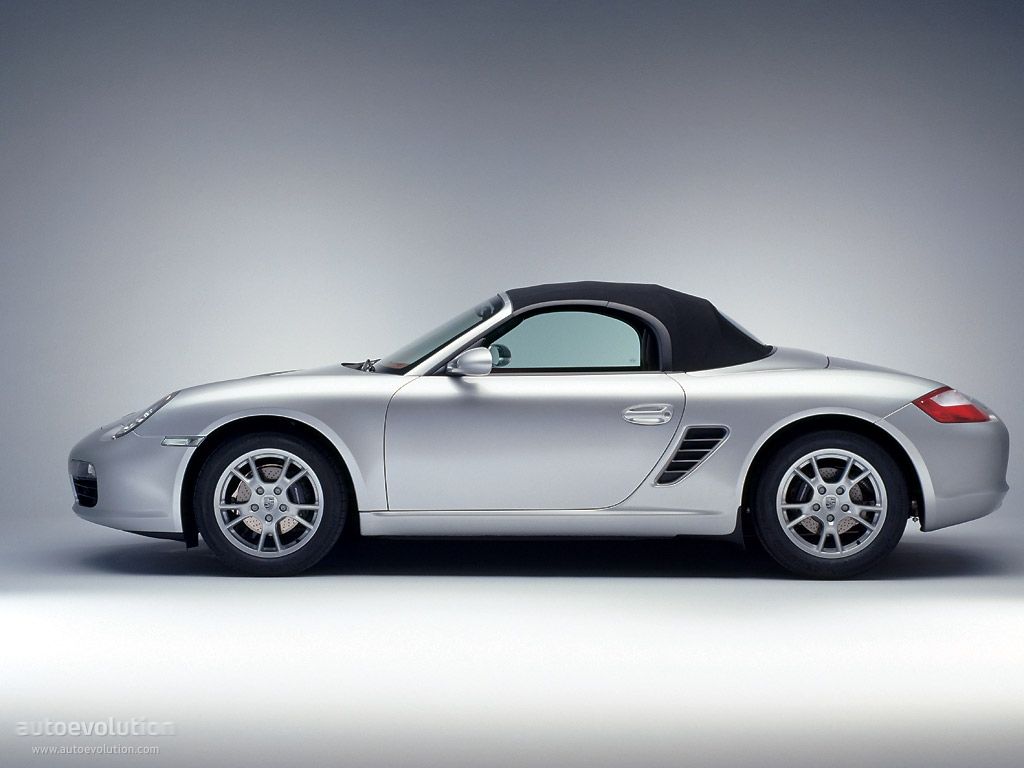
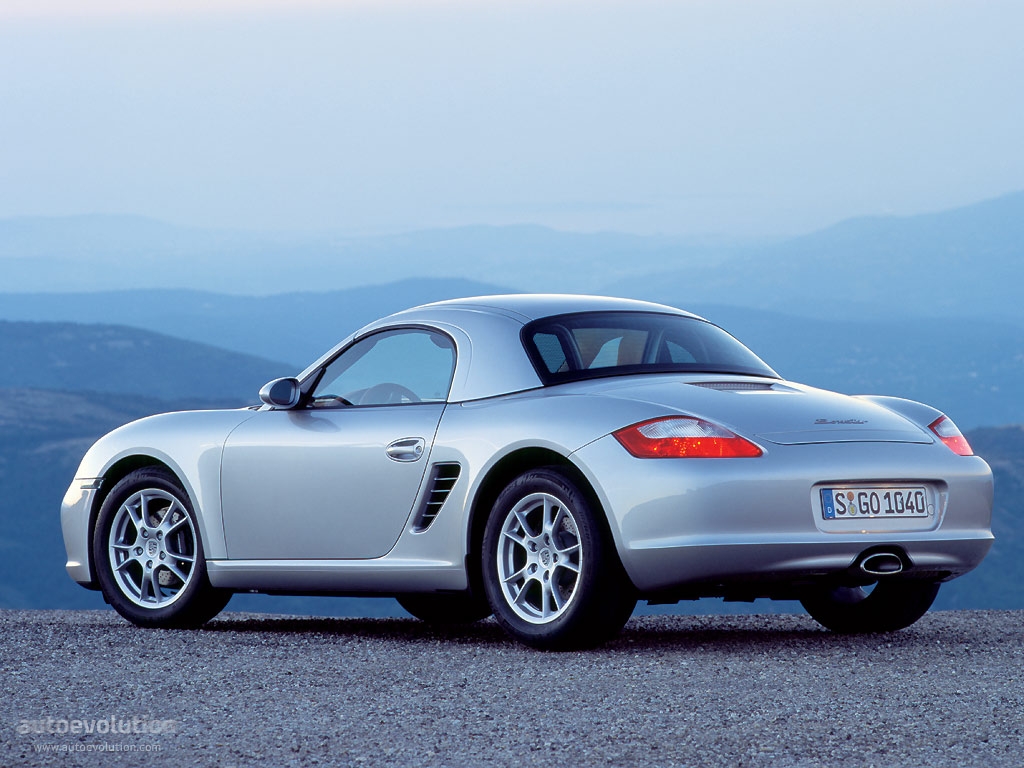
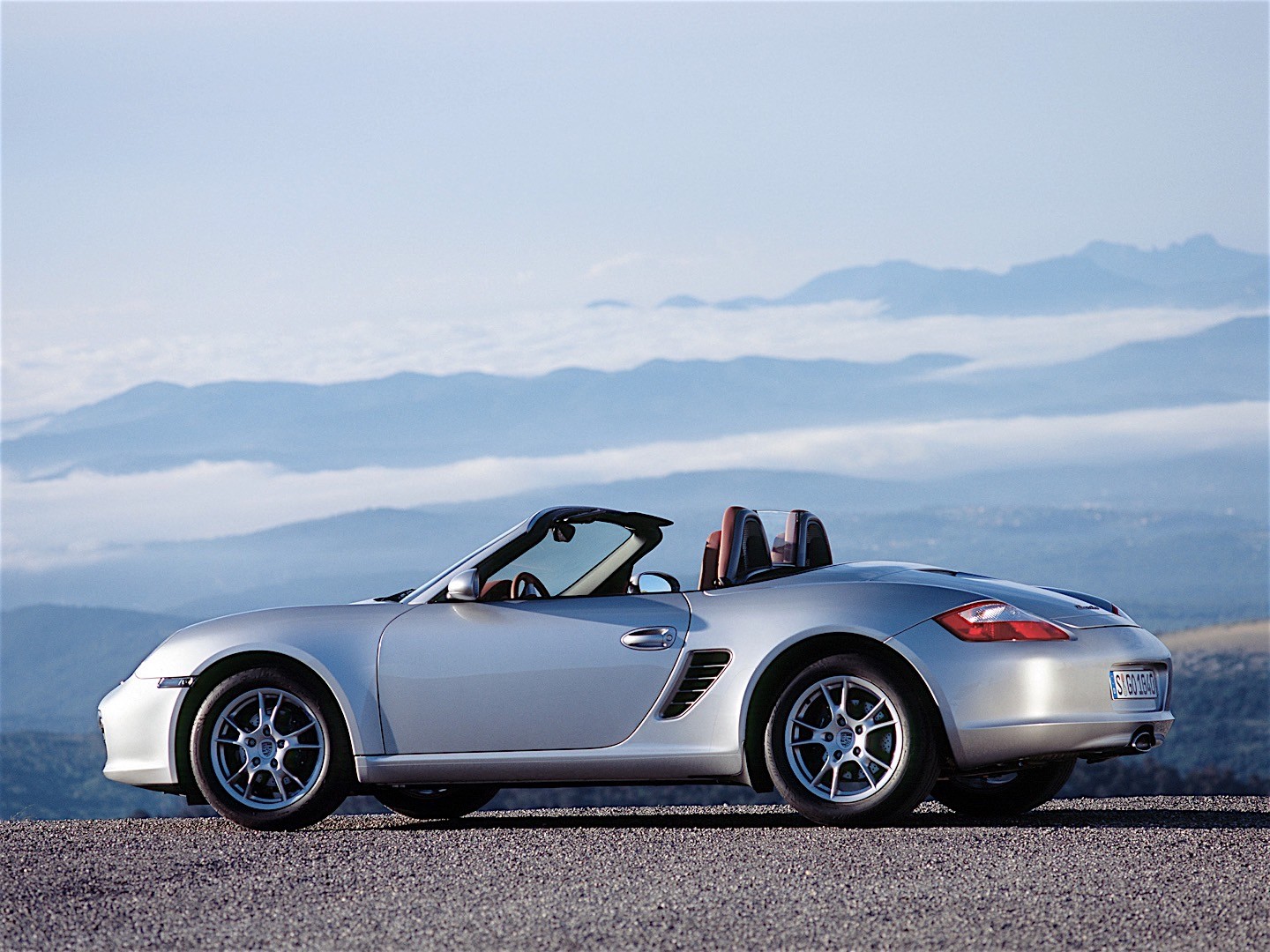
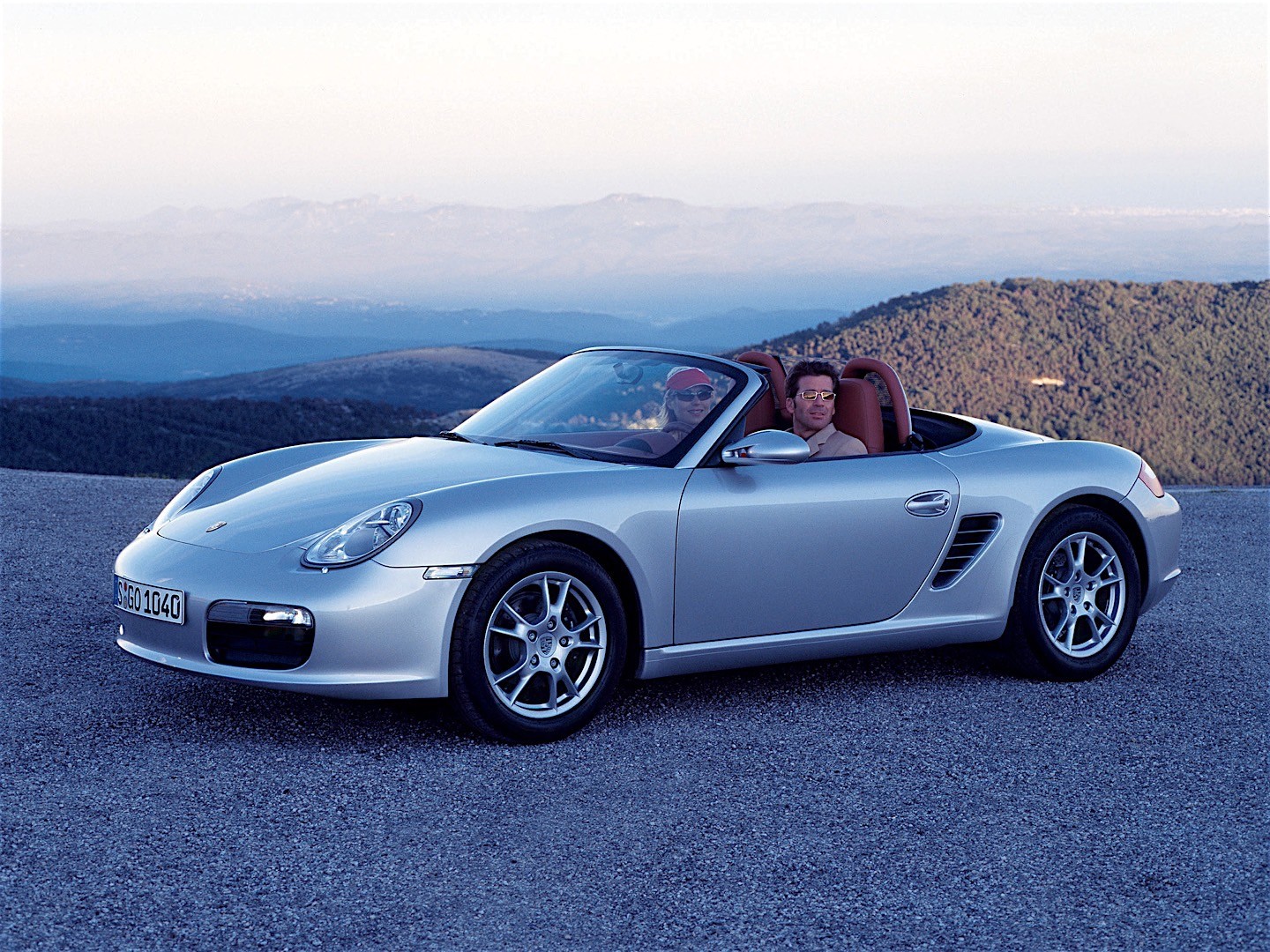
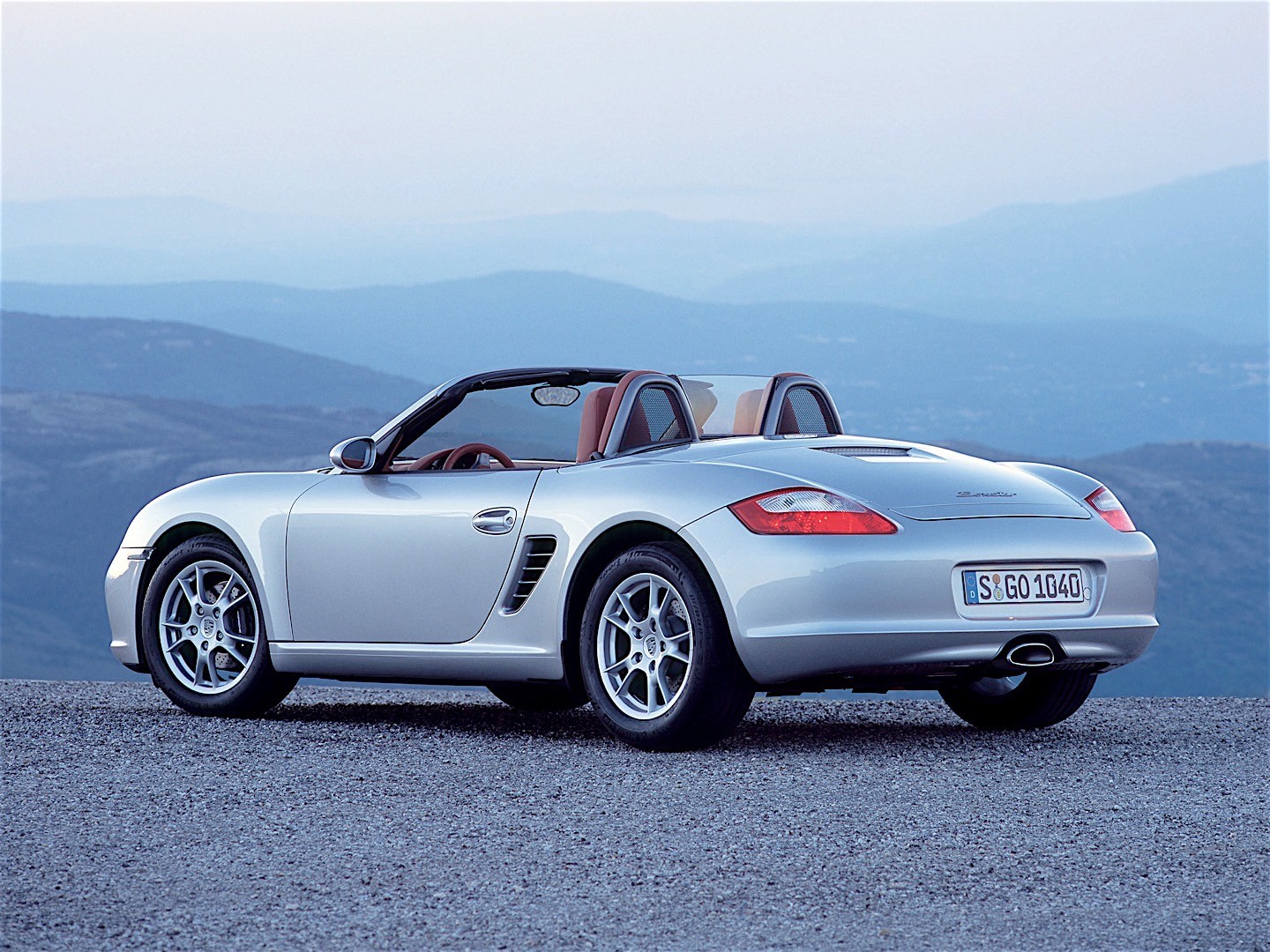


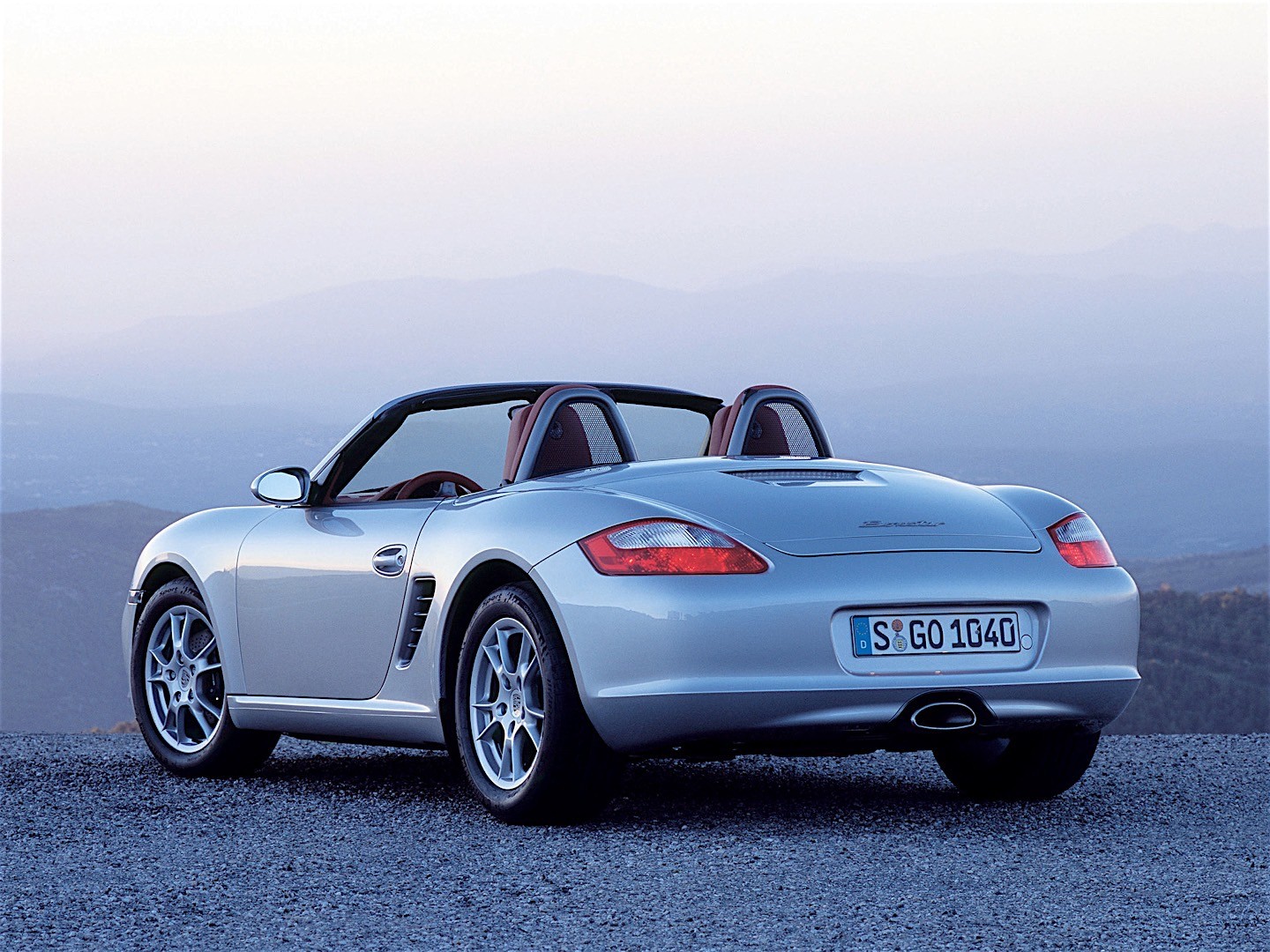


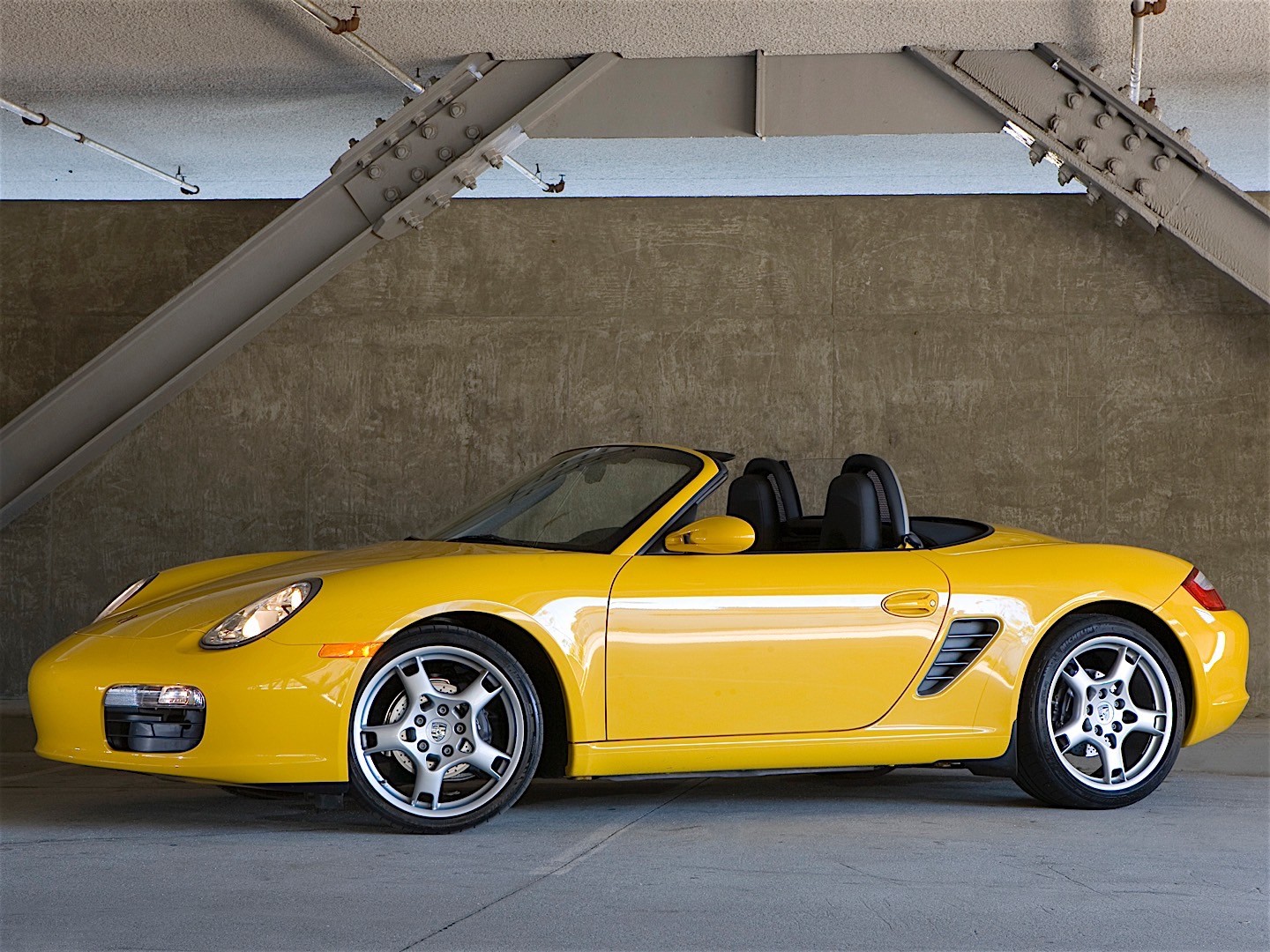











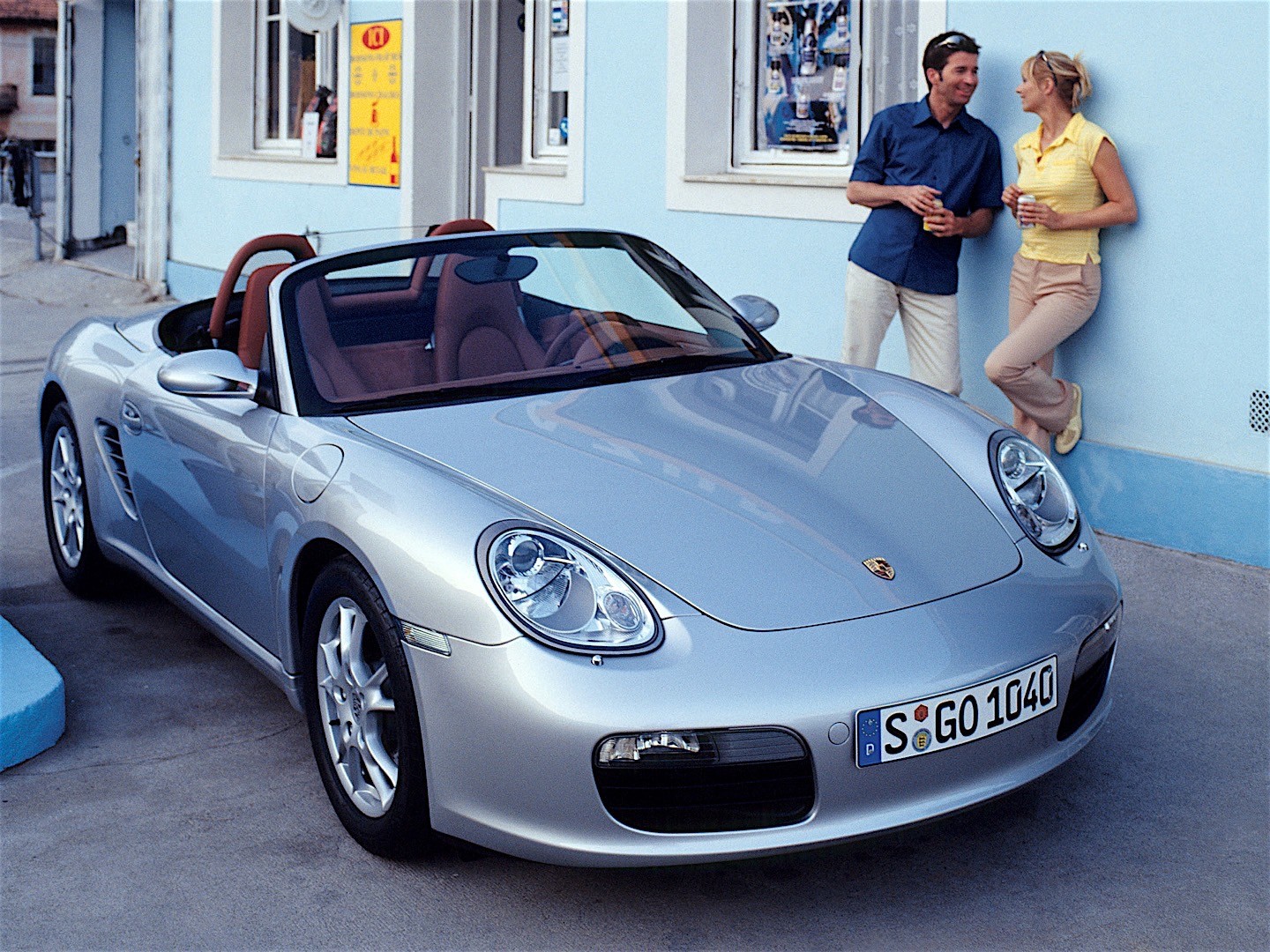




Porsche unveiled the second generation of its entry-level model, the Boxster, at the 2004 Paris Motor Show, along with the introduction of the sixth…
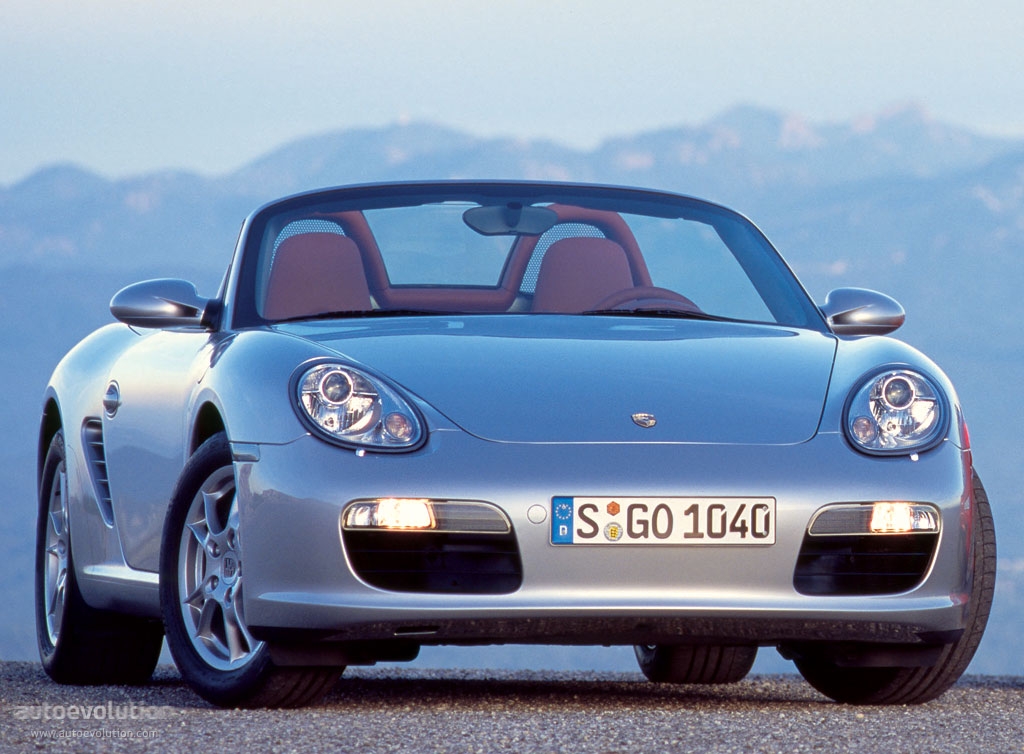
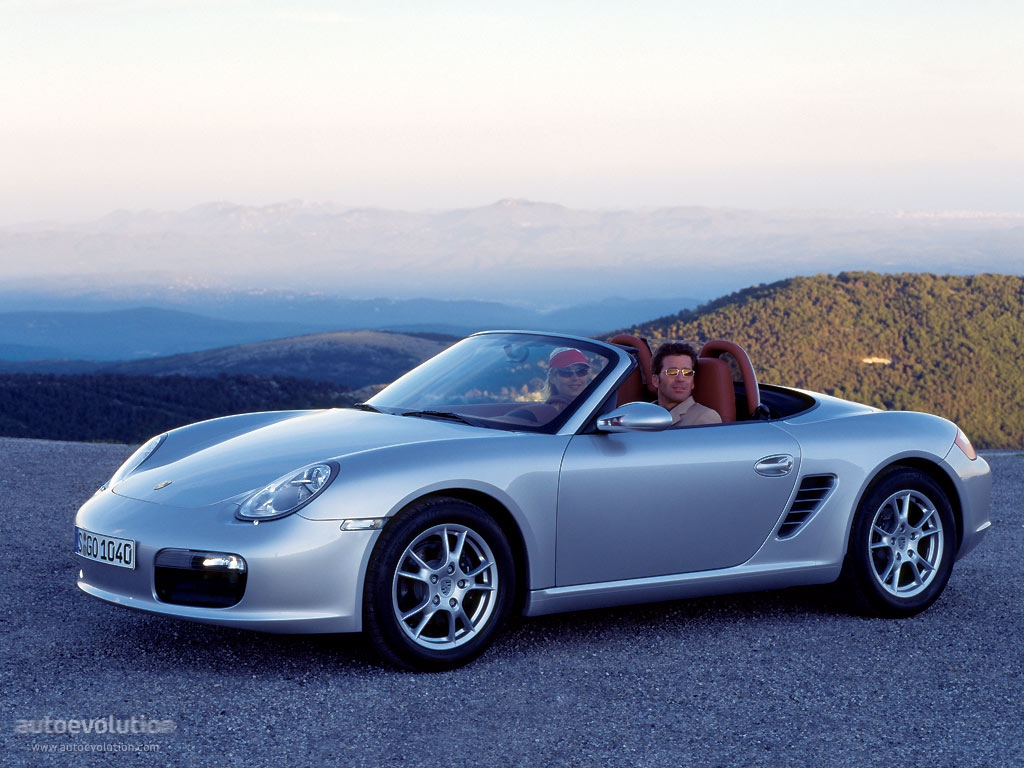
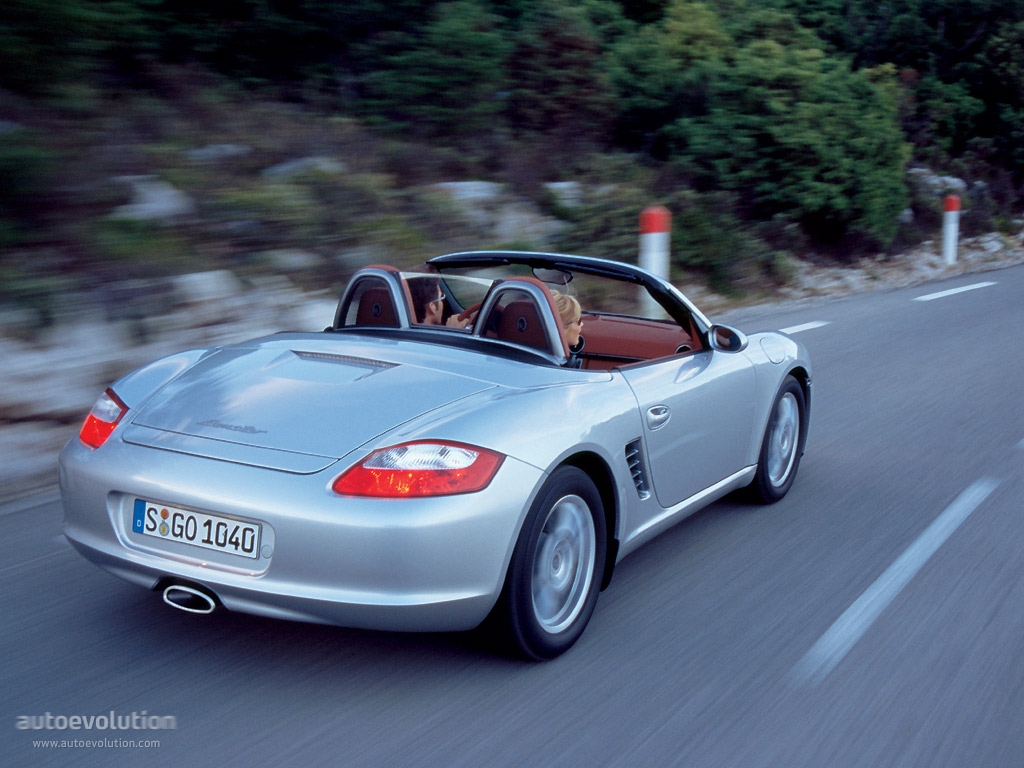
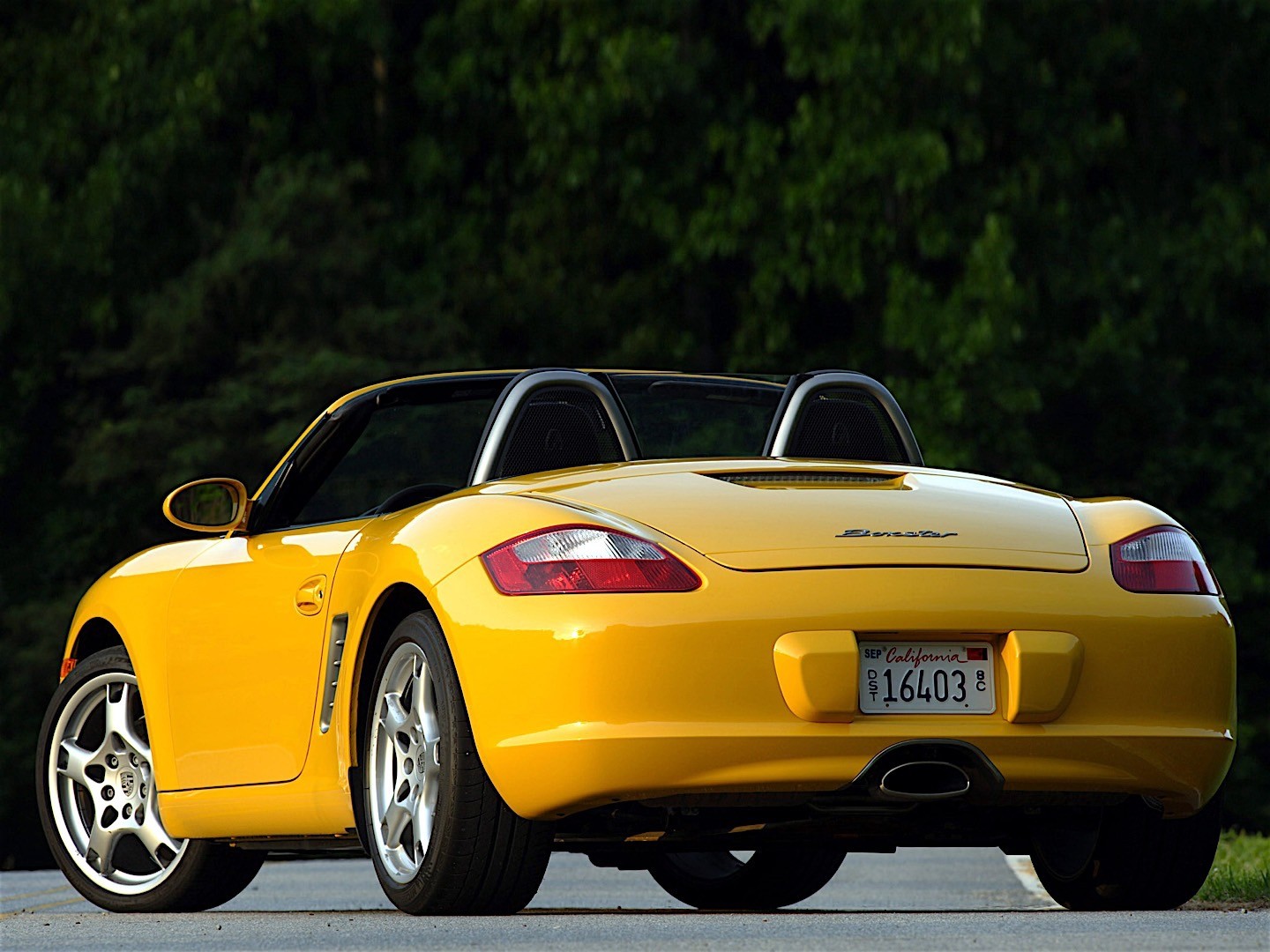
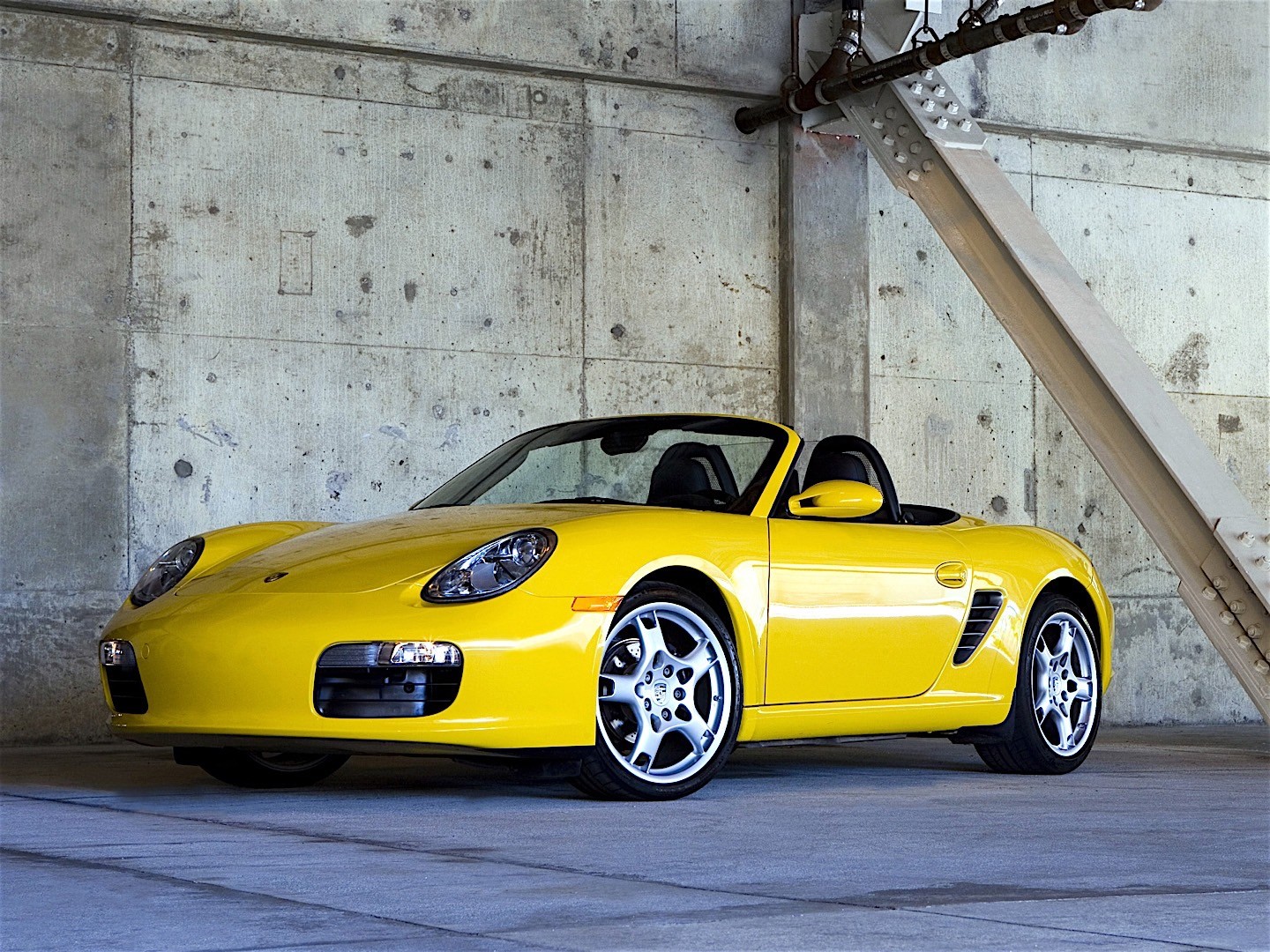
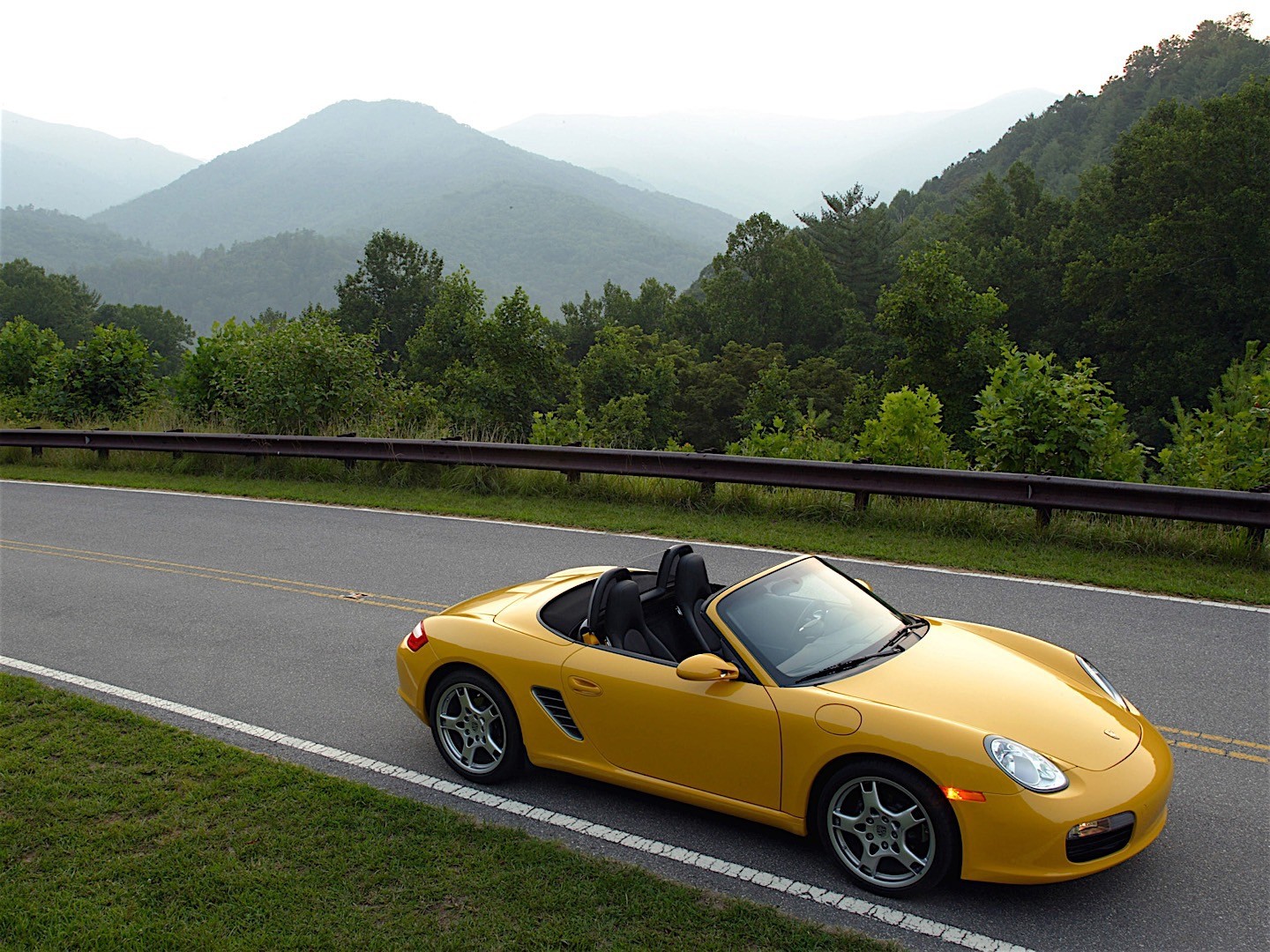
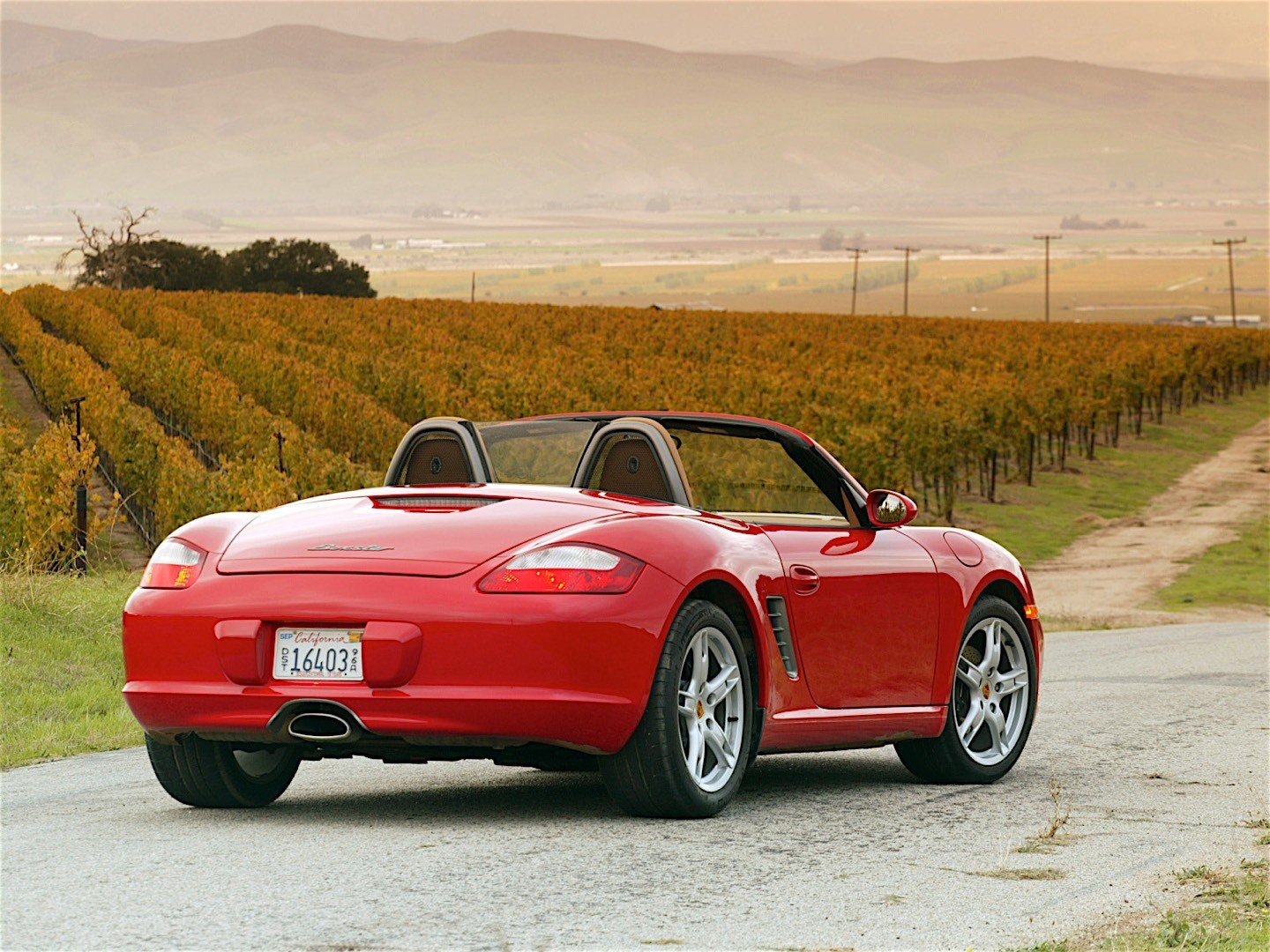
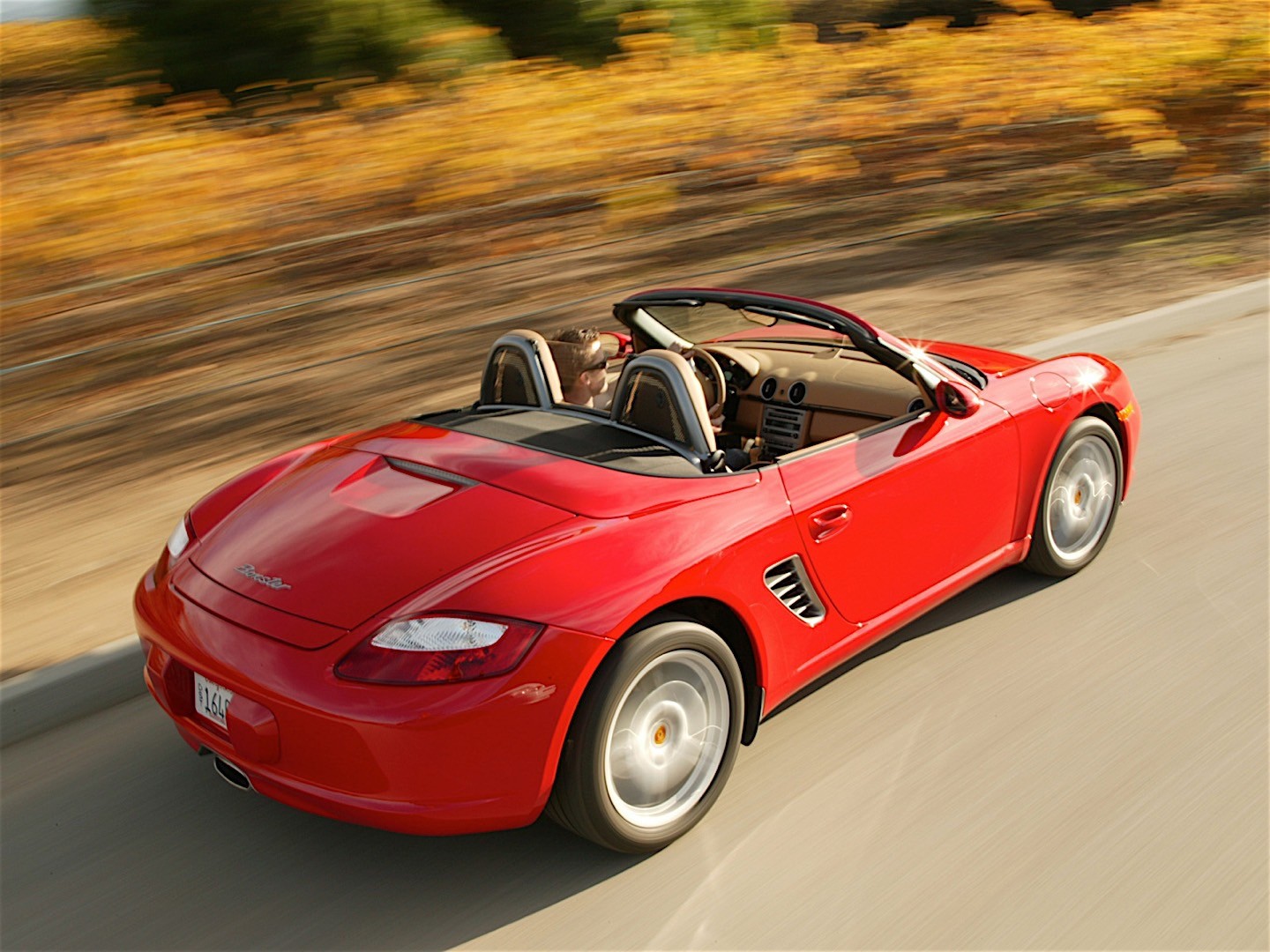
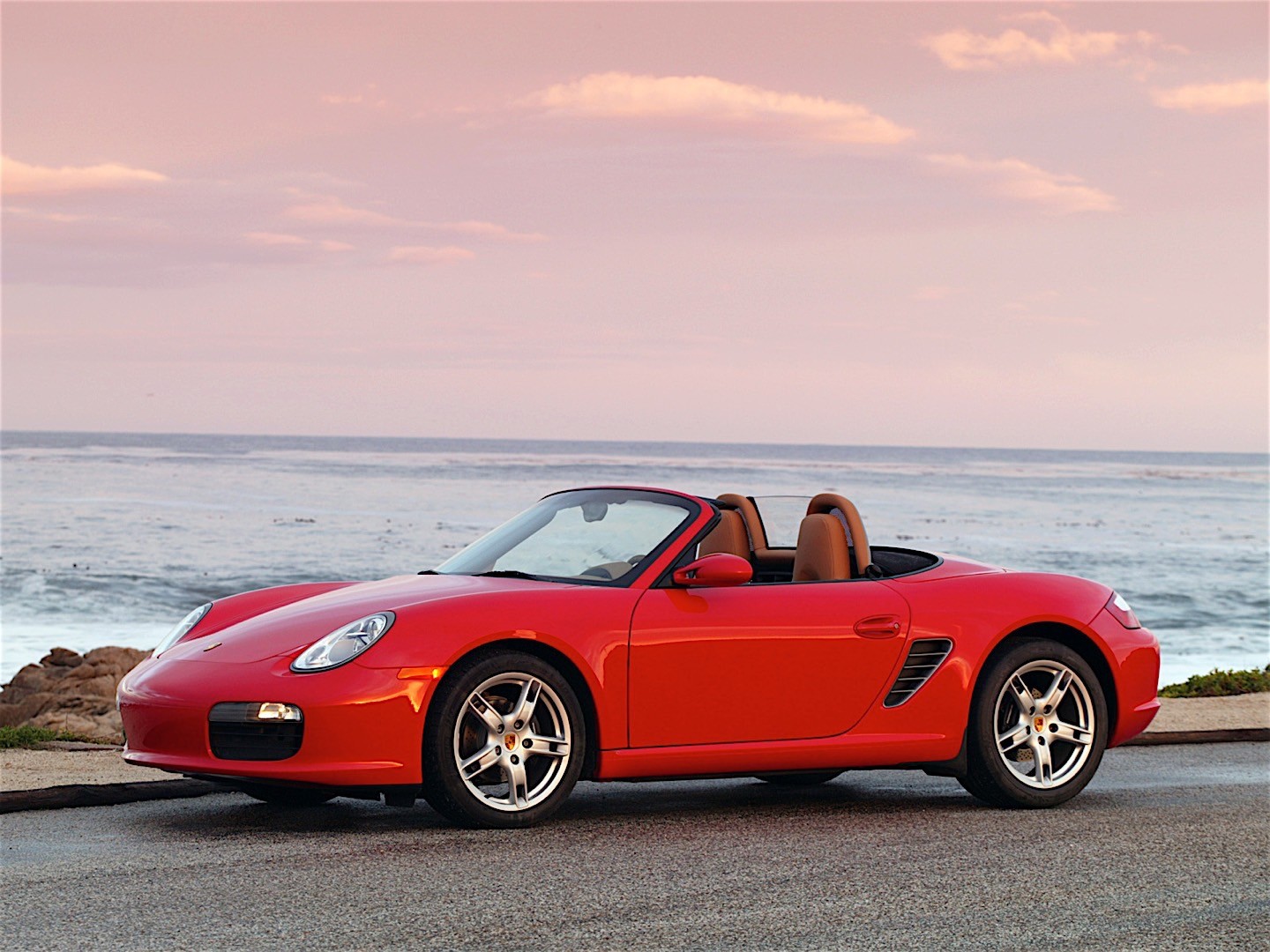
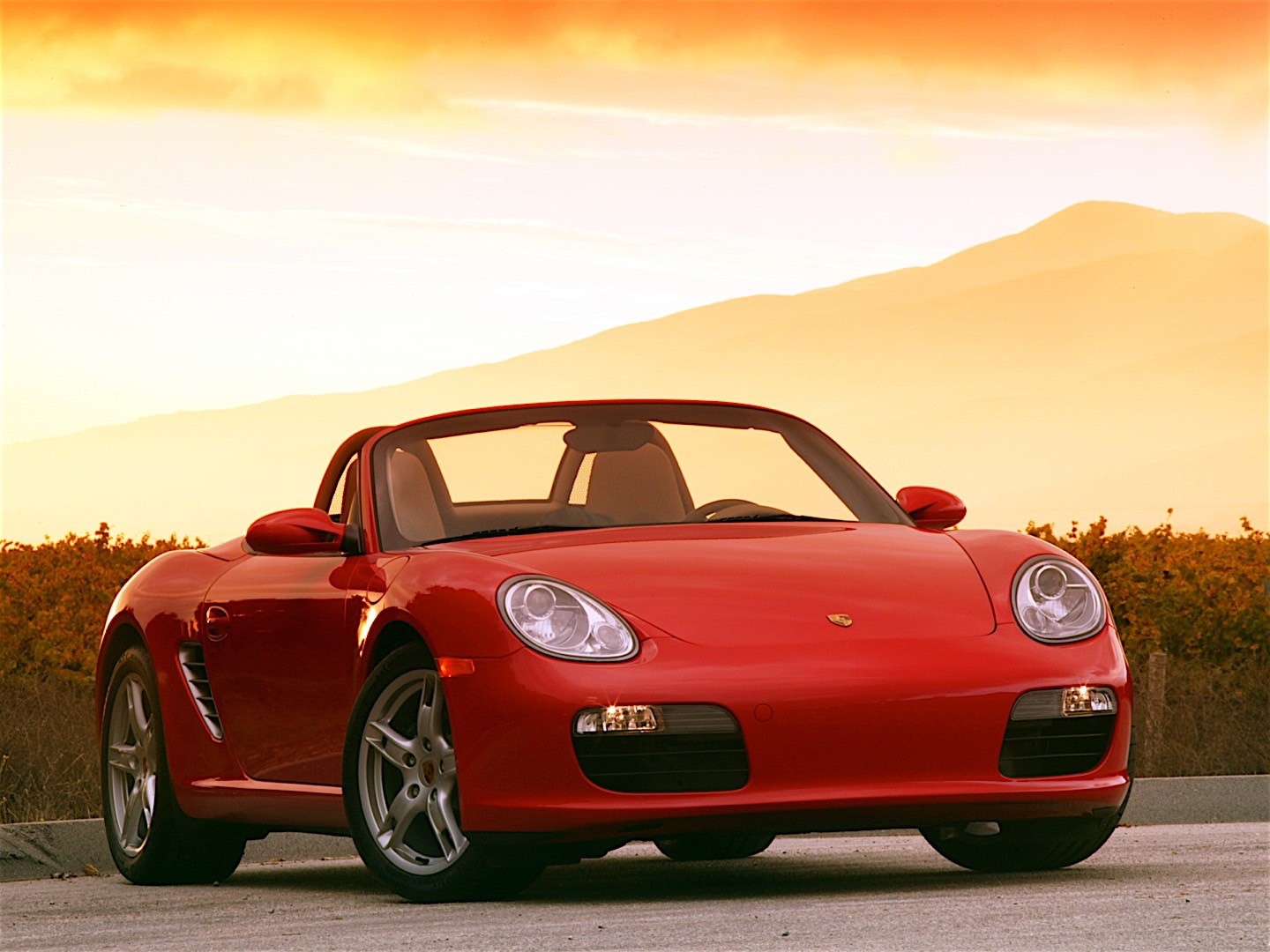
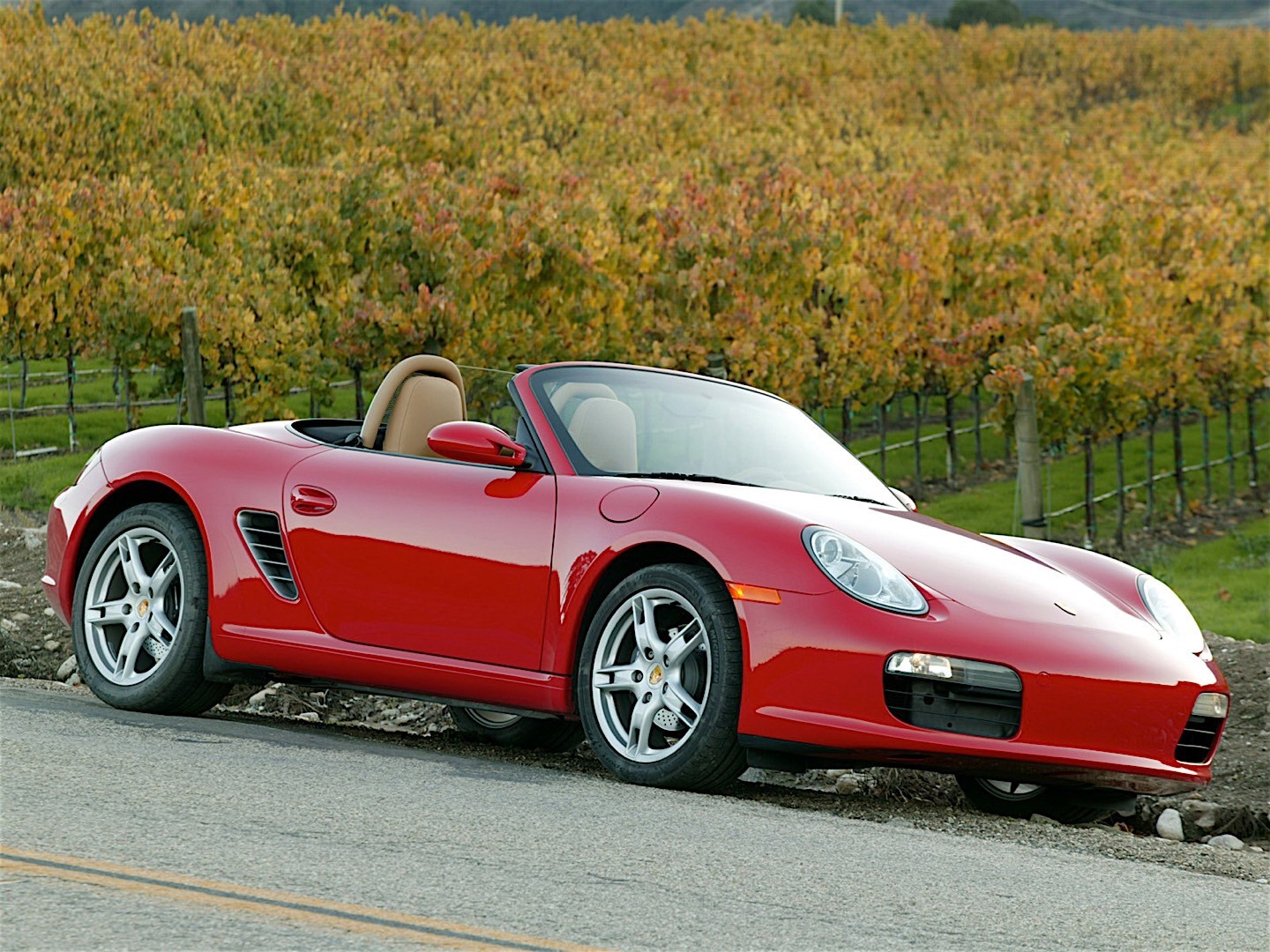
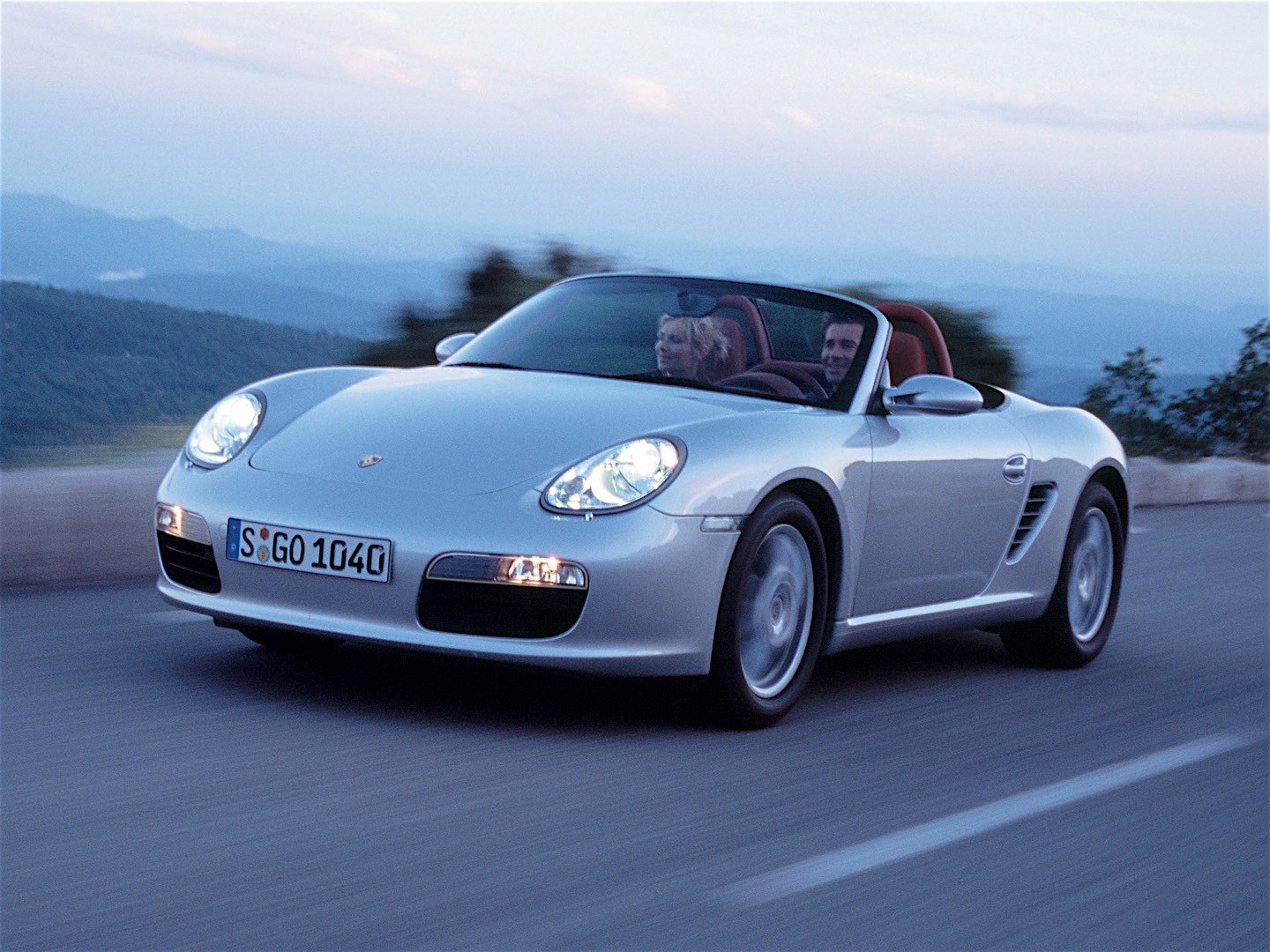
Porsche unveiled the second generation of its entry-level model, the Boxster, at the 2004 Paris Motor Show, along with the introduction of the sixth generation of the famous 911 model.
When the German sports car manufacturer introduced the Boxster as a roadster with a boxer engine (hence the nameplate) in 1996, it polarized the market. While some loved it because it was more affordable and had a mid-mounted engine, others blamed it for not being a thoroughbred Porsche, even though the car shared its concept with the famous 550 Spyder from 1953. However, the automaker needed a cheaper model to expand its lineup and save the brand, which was not in very good financial shape. By the time the second generation of the Boxster (the 987) came out, it was clear that the roadster would remain in the carmaker’s lineup for a long time since customers started to like it more because of the mid-mounted engine and better weight distribution than in the 911 lineup. With the second generation of the Boxster, Porsche had another problem: it shouldn’t be allowed to outperform its bigger brother. As a result, the base version of the car got a 2.7-liter engine, which couldn’t stay in front of the 3.6-liter powerplant installed in the 911.
Unlike its predecessor, who shared the headlights, hood, fenders, and door panels with the 911 (the 996), the second generation came with its own parts. As a result, the Boxster featured oval-shaped headlights with dual-lamps inside them. Below, the Boxster differed from its more potent sibling, the Boxster S. It featured a pair of side scoops but not the center-mounted air intake, which was needed for an additional radiator used only on the S version. However, just like its more powerful sibling, it featured daytime running lights mounted on the upper sides of the front air intakes.
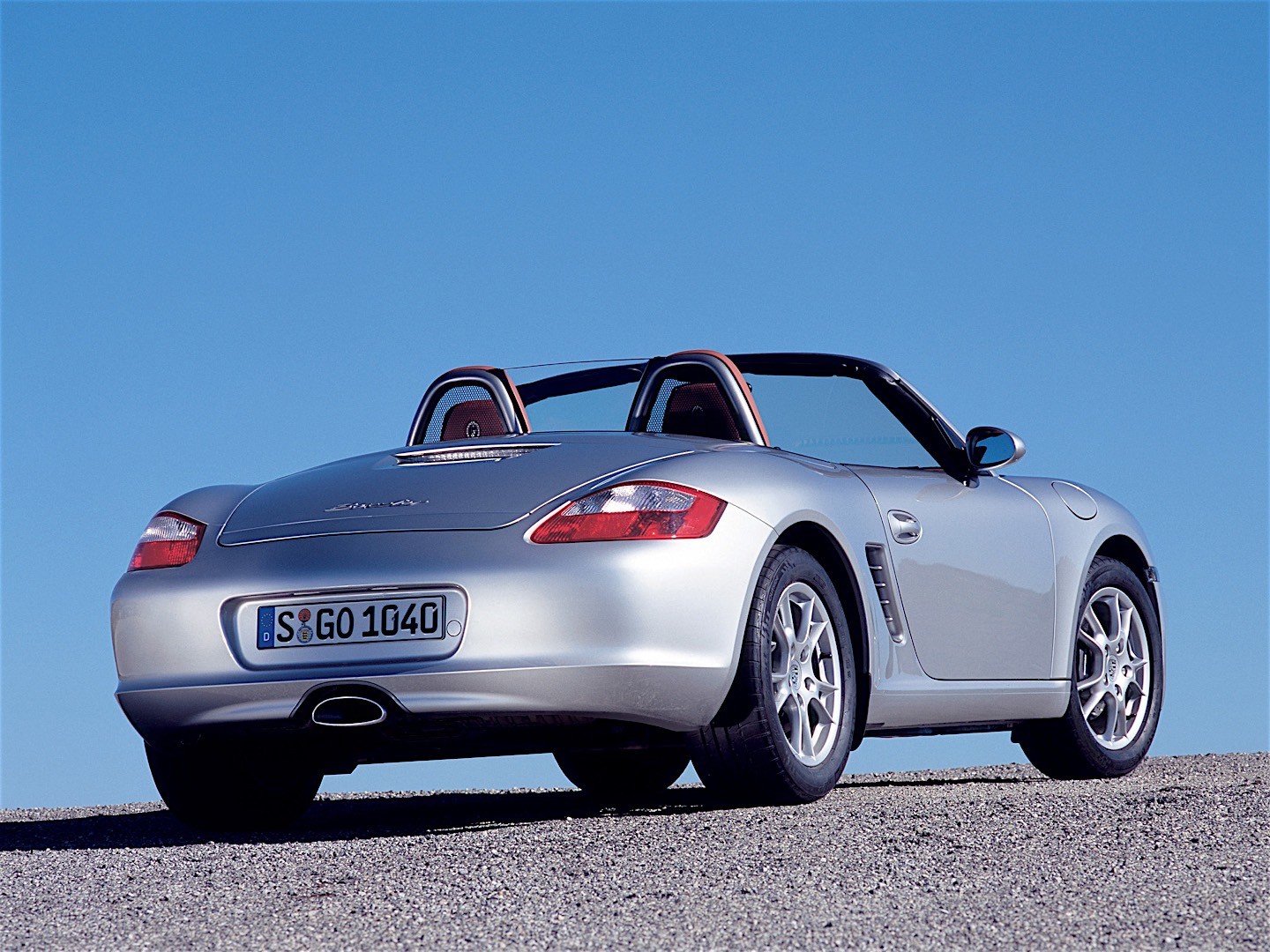
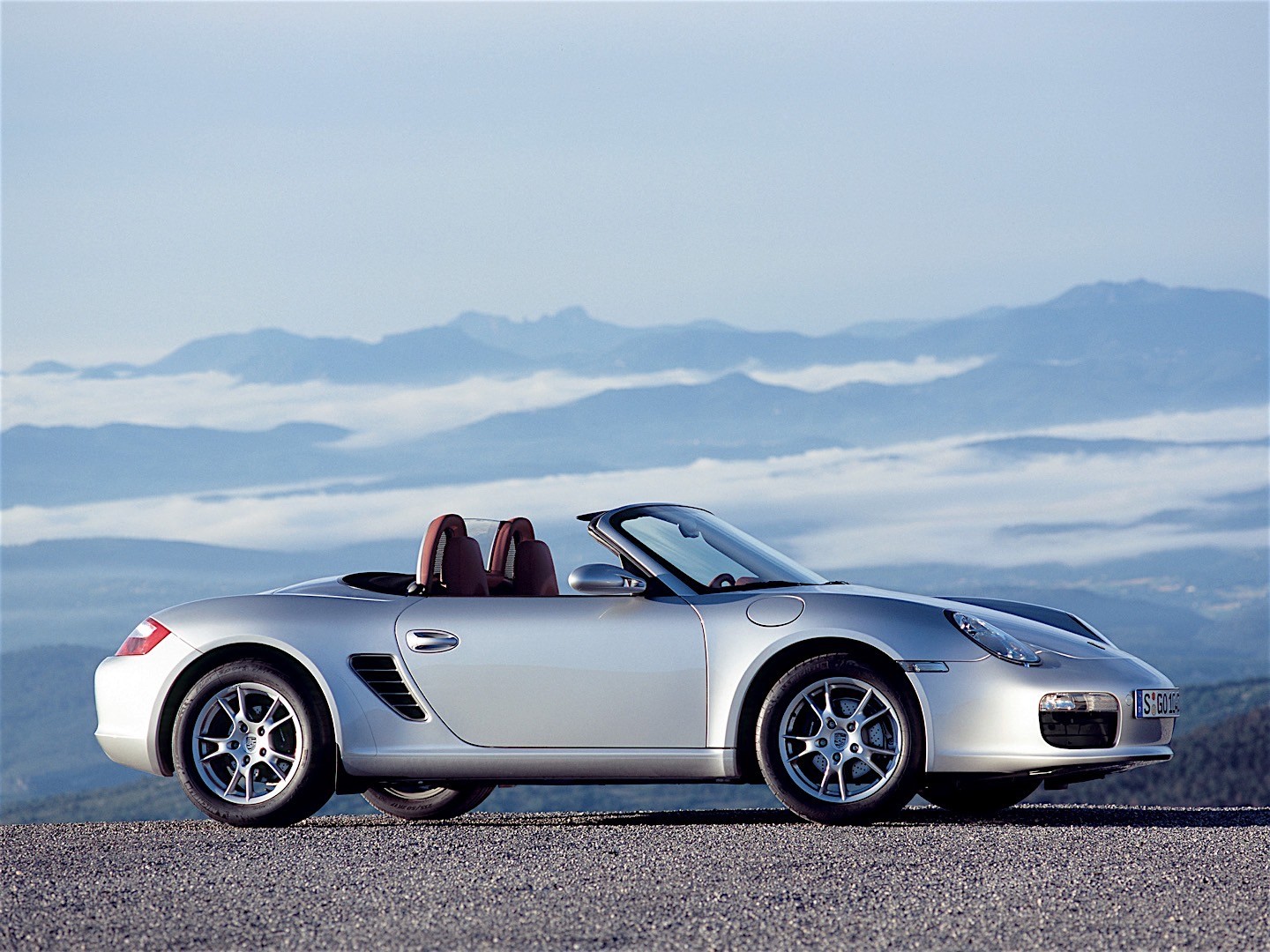
From its profile, the longer nose than that of its predecessor made the Boxster look sportier. Its side-mounted turn signals sported clear lenses, not titanium gray or orange, as on the 986 generation. A set of 17-inch wheels were fitted as standard, while an 18-inch set was available at extra cost. The automaker installed a set of triangular air intakes on the rear quarter panels behind the doors and sported four horizontal slats. Just like the facelifted version of the Boxster’s first generation, the second iteration of this nameplate came with a power-operated multi-layer fabric roof that sported a glass rear window with a defroster. Behind, on the sloped-down deck, the automaker placed the model’s nameplate in the rearward area, in front of the retractable functional wing that deployed automatically depending on the speed. Finally, the rear fascia featured a pair of taillights with clear lenses on their upper areas for the reversing lights and the blinkers. At the same time, underneath the bumper, in the apron, Porsche made a cut and placed an oval-shaped exhaust.
Interior was well garnished with aluminum-like accents on the center console, dashboard, and door cards. The round vents looked more appropriate, and Porsche even installed a more conventional, oval-shaped instrument cluster in front of the driver. But still, it kept the binocular-style instrument panel with a center-mounted tachometer flanked on the left by the speedometer and on the right by a dial that included the fuel level and the coolant temperature gauges. In addition, a set of LCDs provided more information about the car’s status. On the center console, the automaker installed a 5.8-inch screen as an option. At the same time, base versions came fitted with a stereo CD.
Behind the cabin, the automaker installed a flat-six engine carried over from the previous generation, albeit with more ponies than before. In the U.S., the car was available with a less restrictive exhaust than in Europe, which raised the power to the same value for the U.S. metrics as the European ones. Thanks to a redeveloped intake manifold and injection system, power went up from the previous Boxster to 240 PS (236 hp) with the standard exhaust system. Surprisingly, the automaker didn’t provide the car with a six-speed manual. Instead, it offered a five-speed manual and a five-speed automatic (Tiptronic S), which was available at extra cost.
Begijnhof, 8000 Brugge, Belgium
Begijnhof, 8000 Brugge, Belgium

Begijnhof, 8000 Brugge, Belgium

Begijnhof, 8000 Brugge, Belgium

Begijnhof, 8000 Brugge, Belgium
Begijnhof, 8000 Brugge, Belgium
Begijnhof, 8000 Brugge, Belgium
Begijnhof, 8000 Brugge, Belgium
Begijnhof, 8000 Brugge, Belgium

Begijnhof, 8000 Brugge, Belgium

Offer an price, more info or anything you want
Consumer reviews