

Dealer:
Eden Hazard
Begijnhof, 8000 Brugge, Belgium
- Transmission 7-Speed Automatic
- |
- Drive Rear Wheel Drive
- |
- Mileage n/a
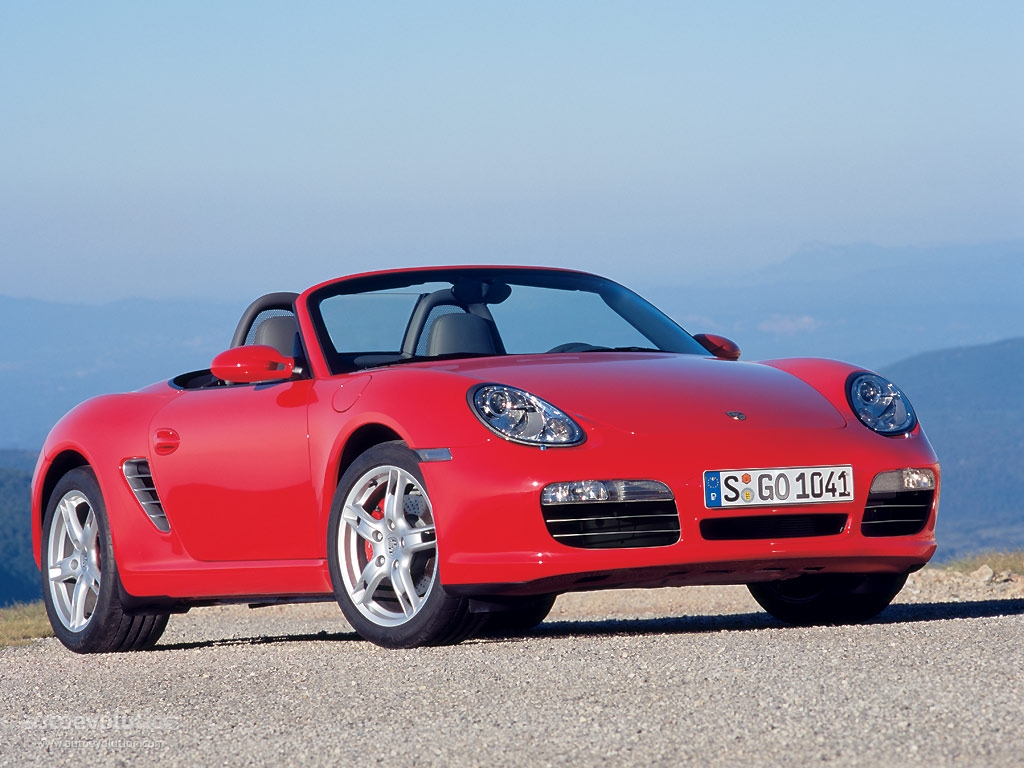
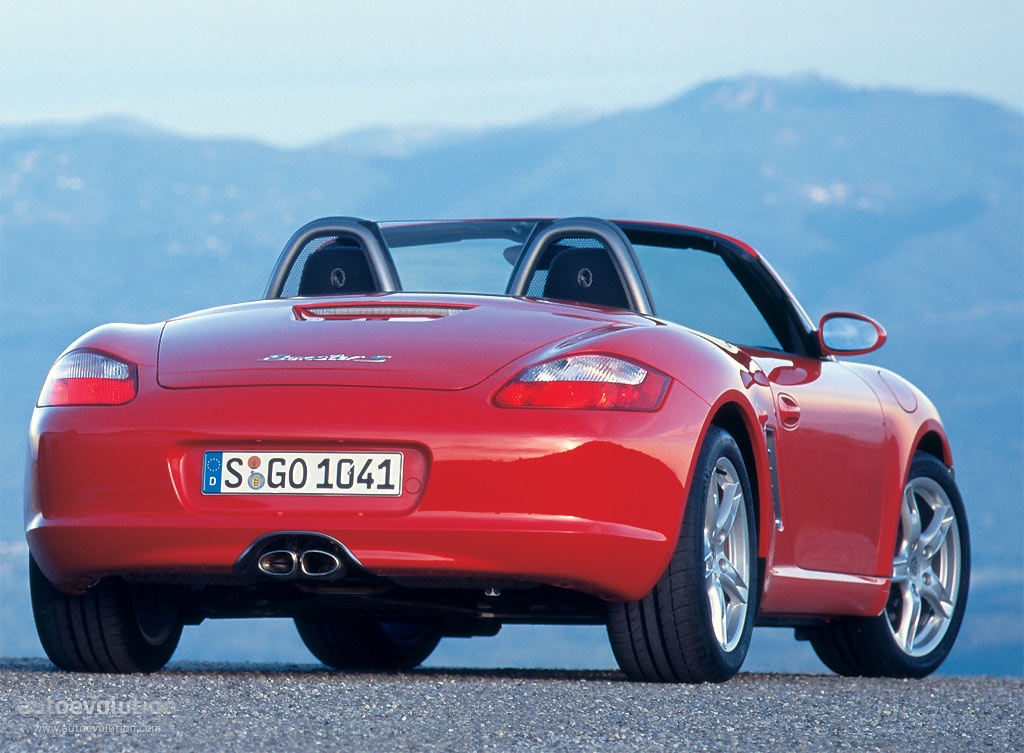

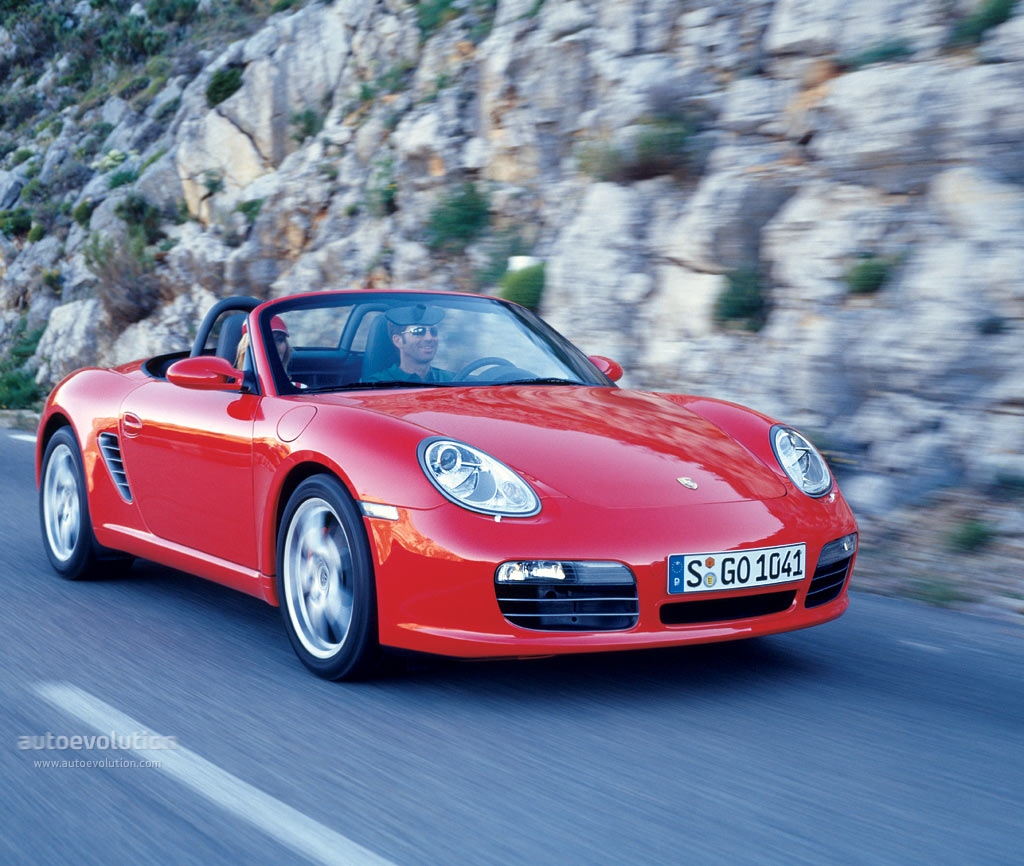
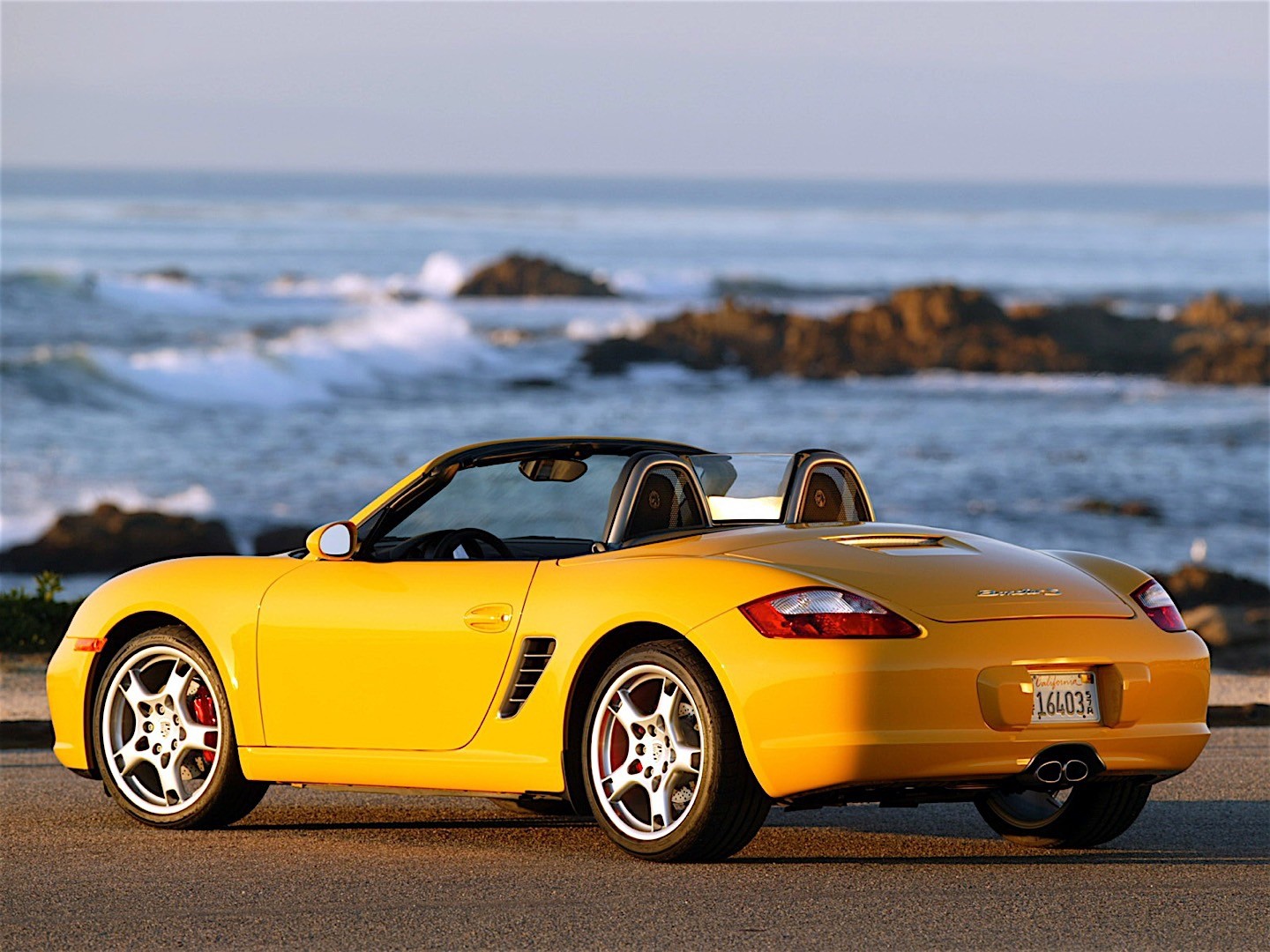
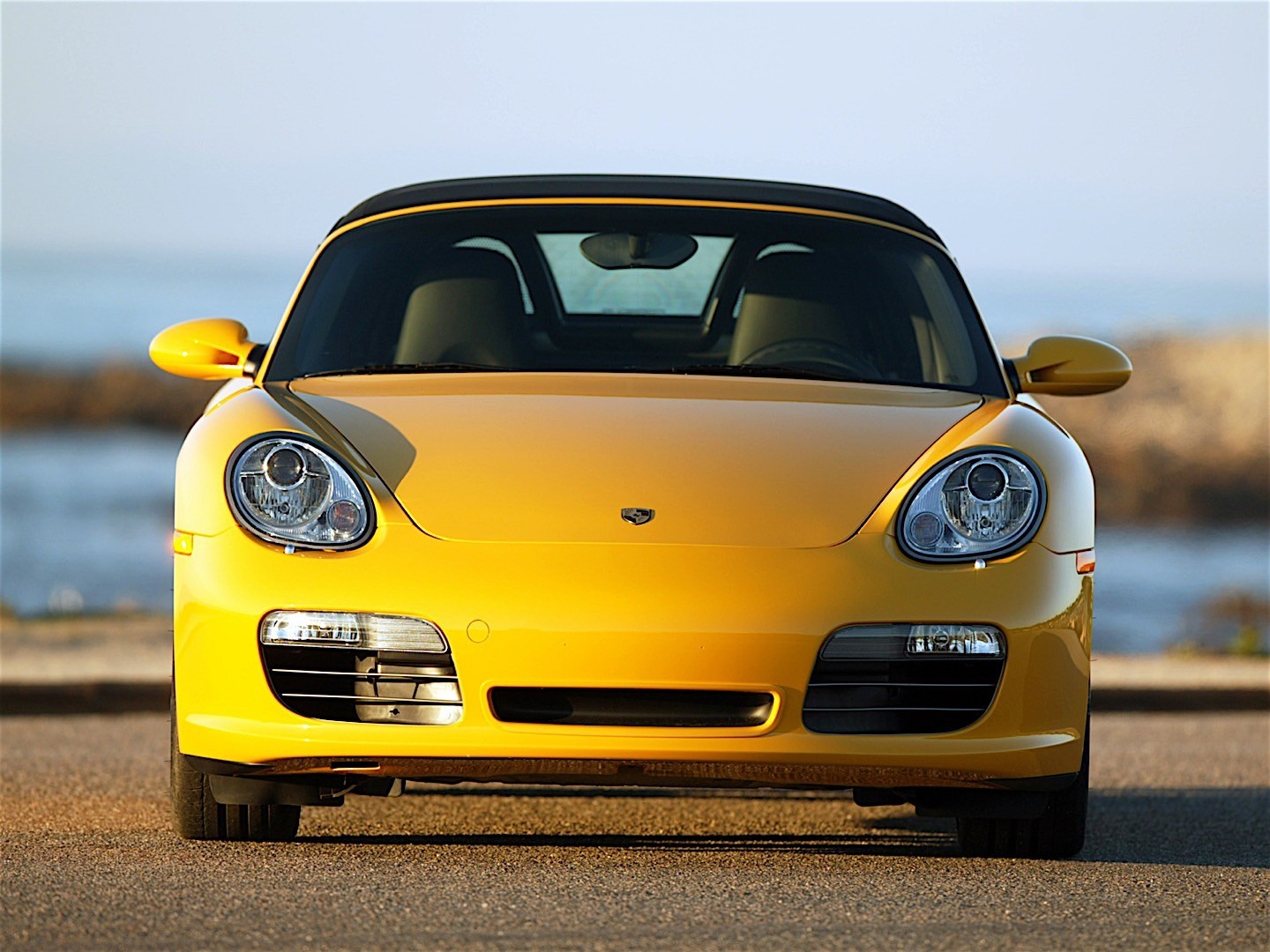
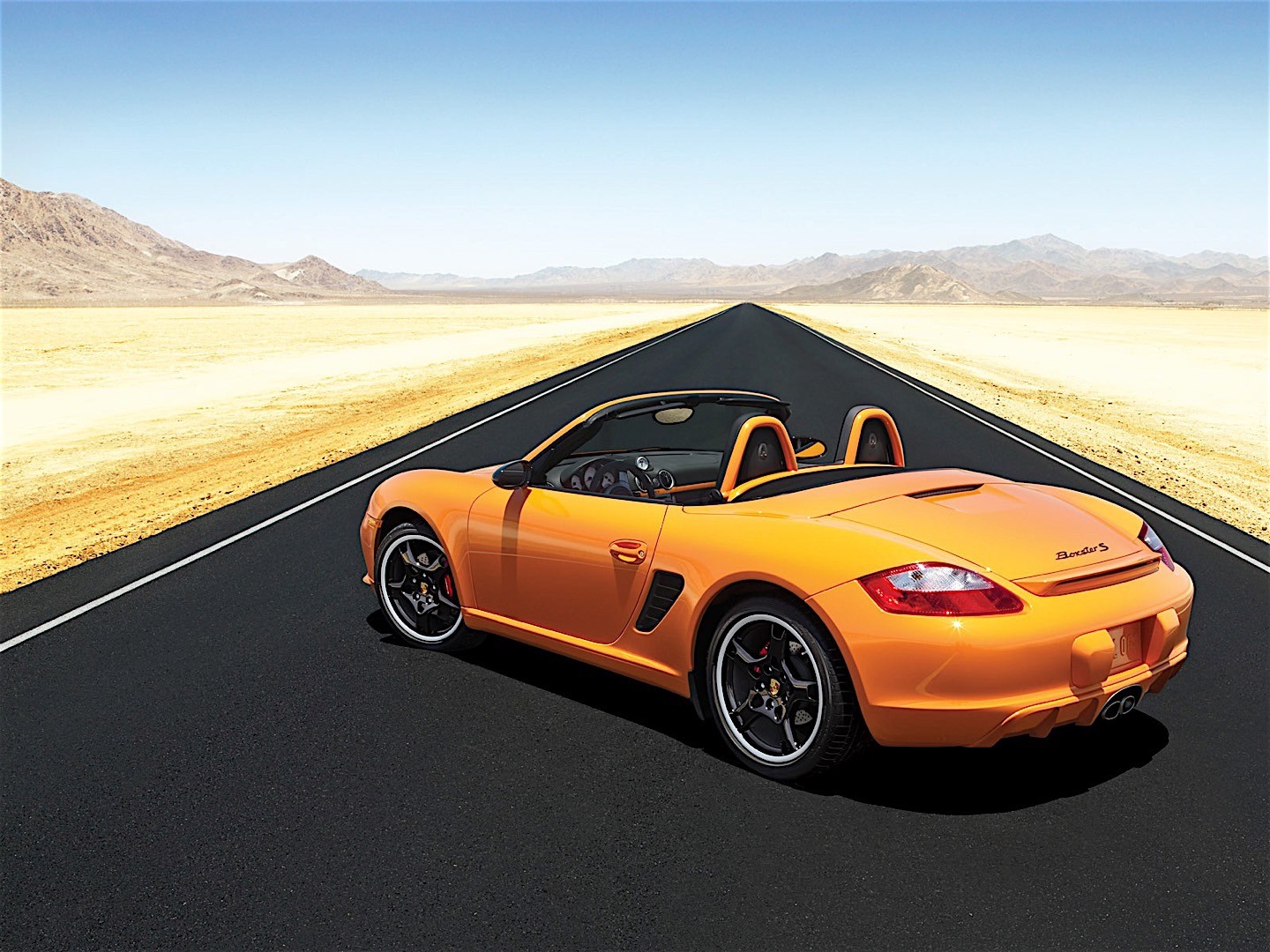
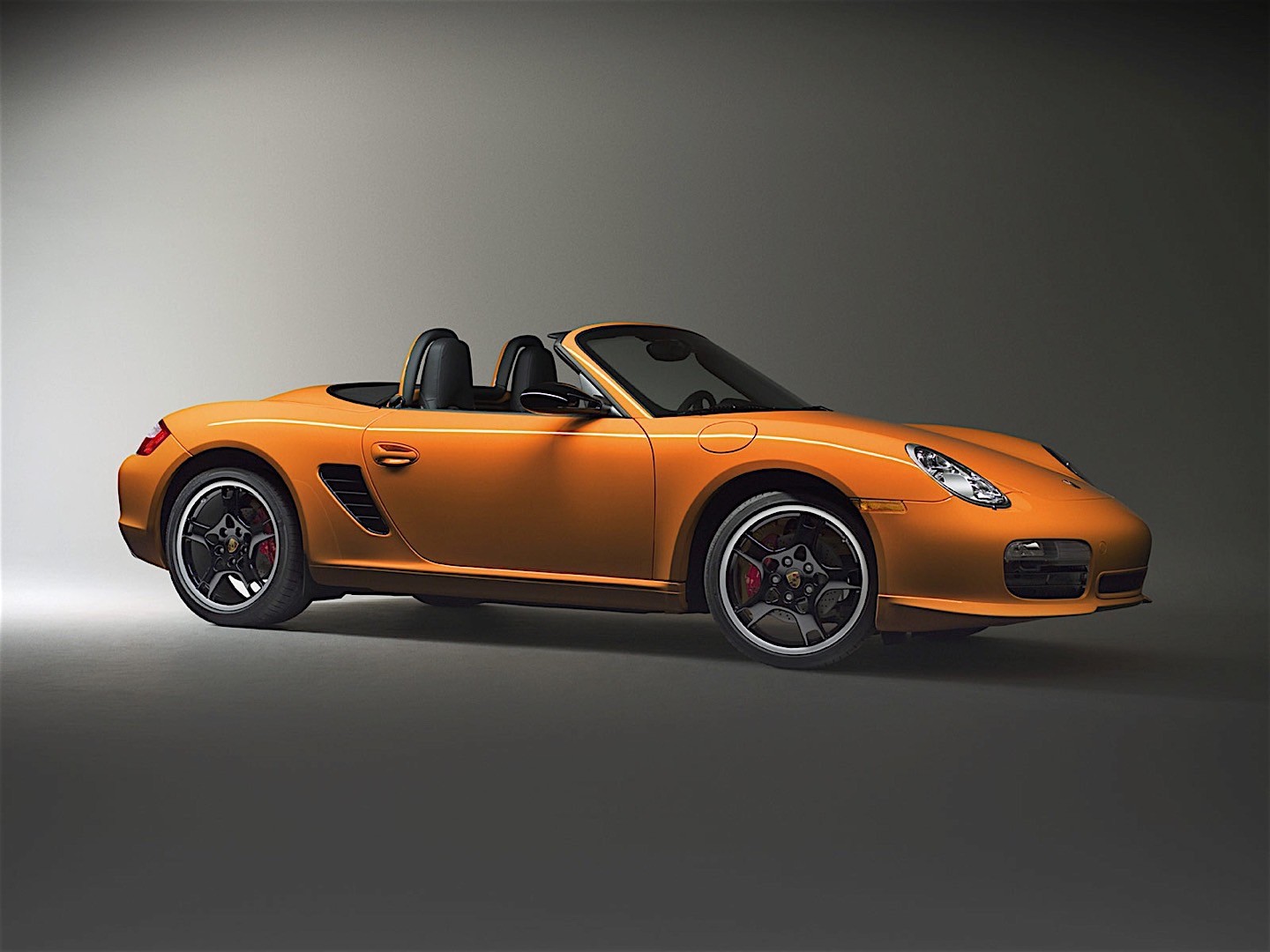


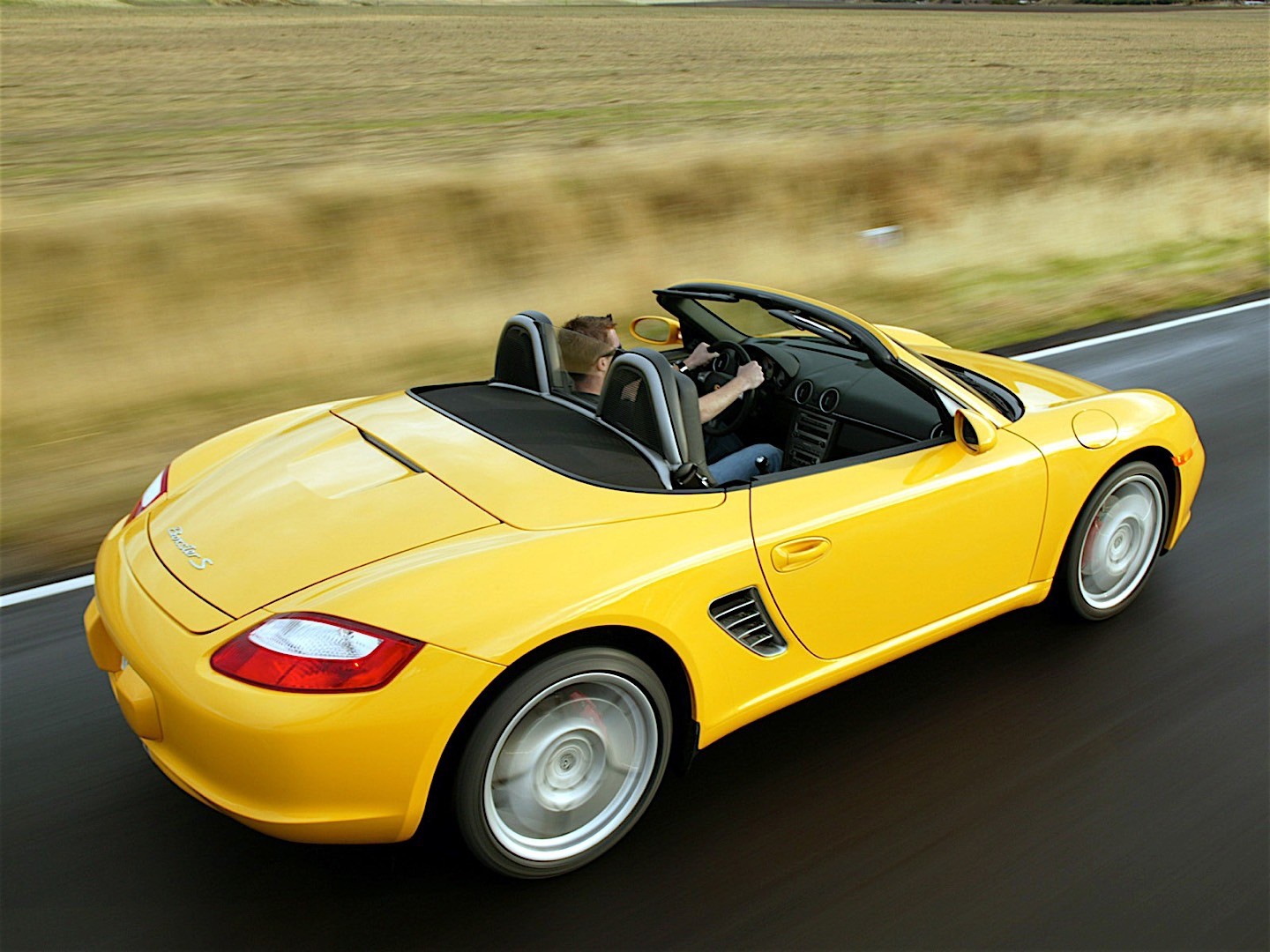
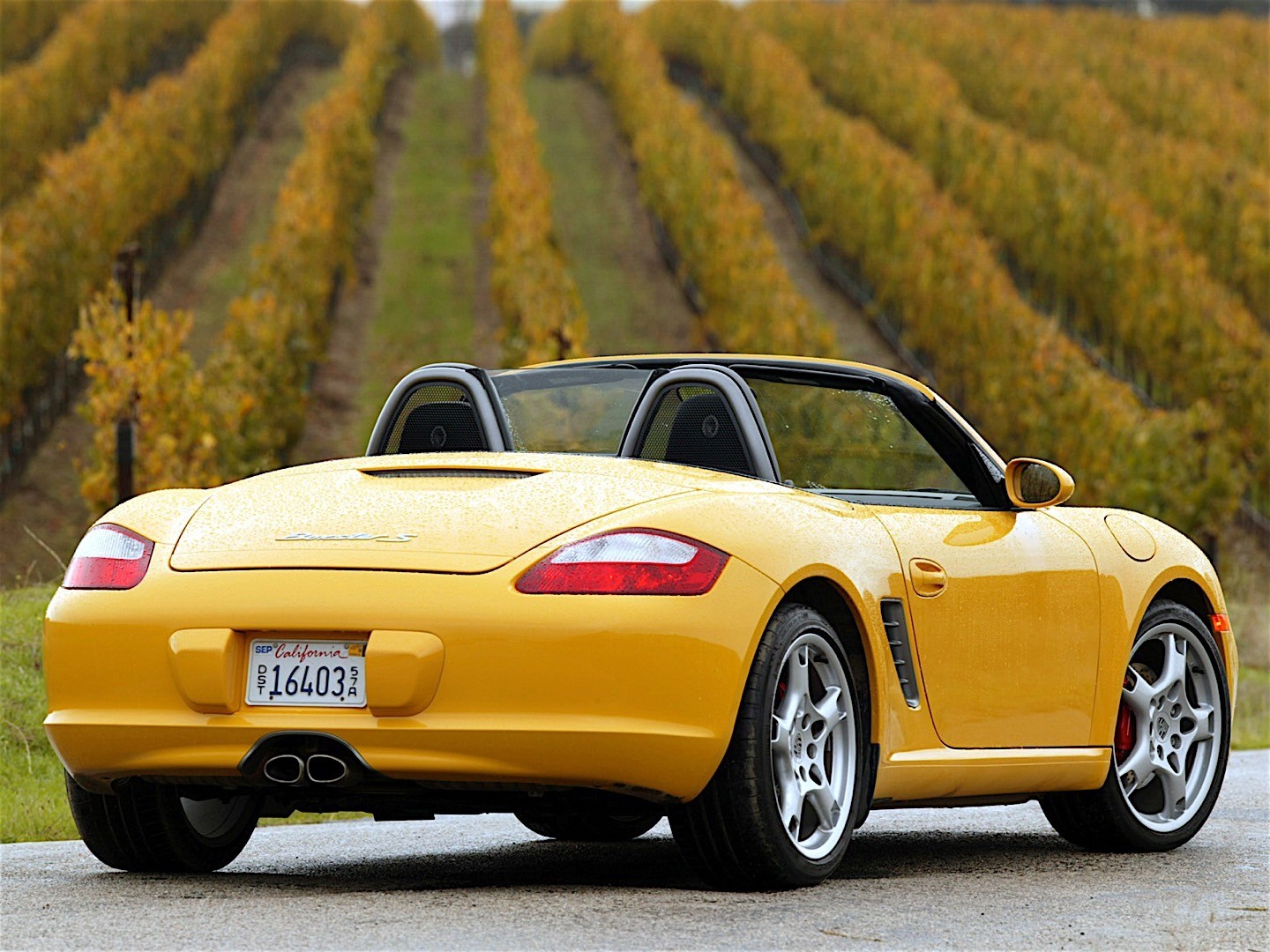

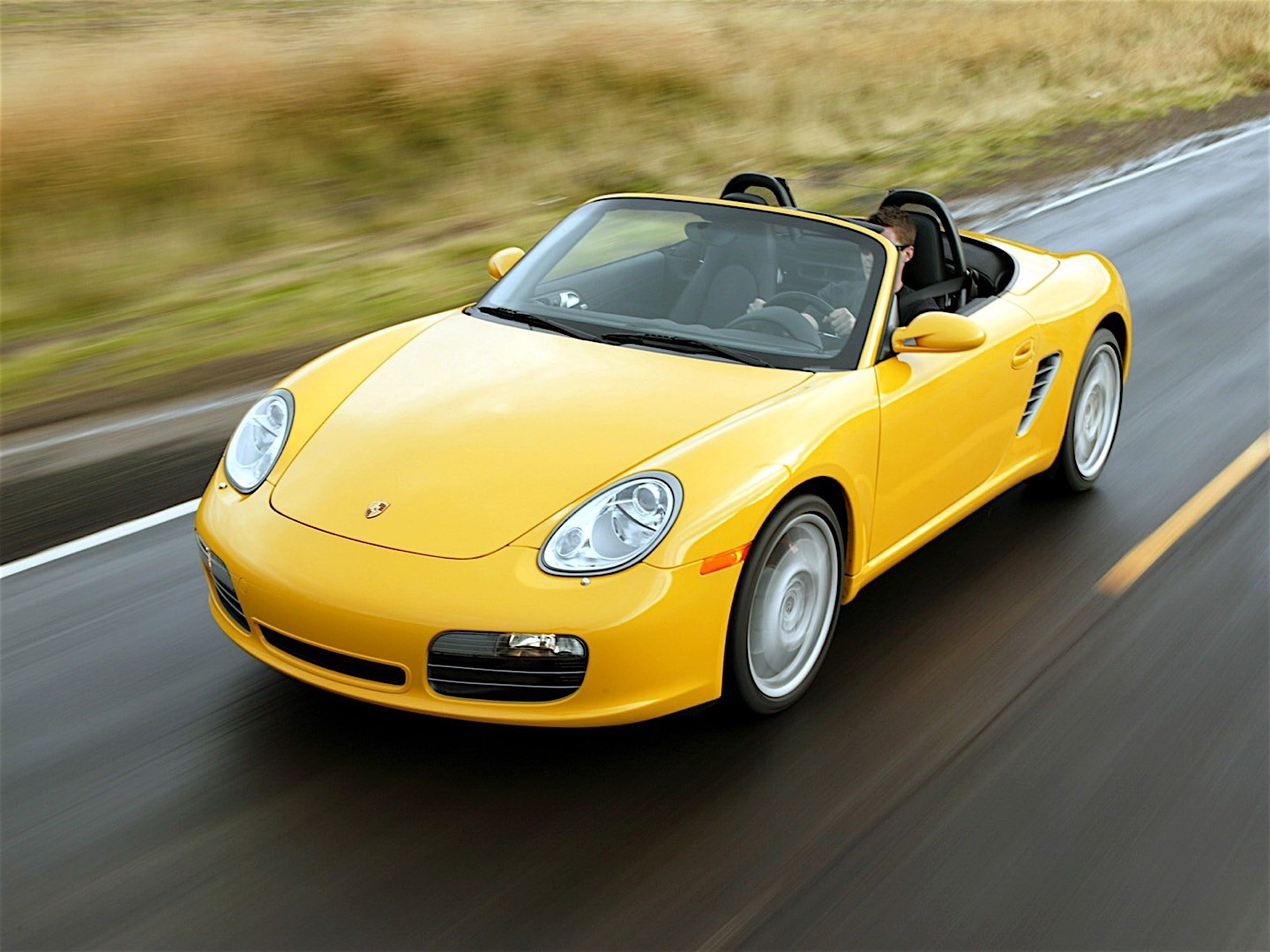
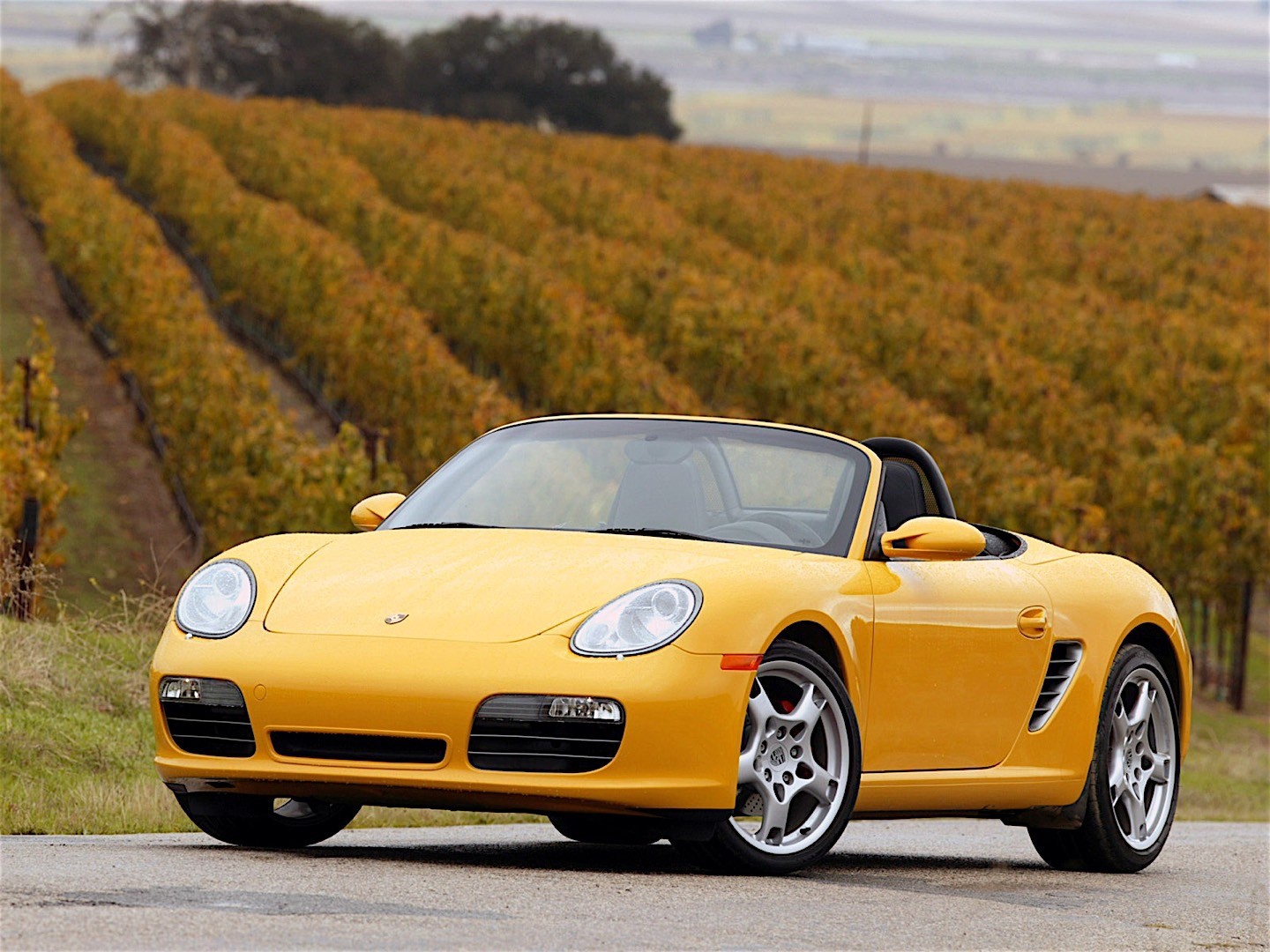
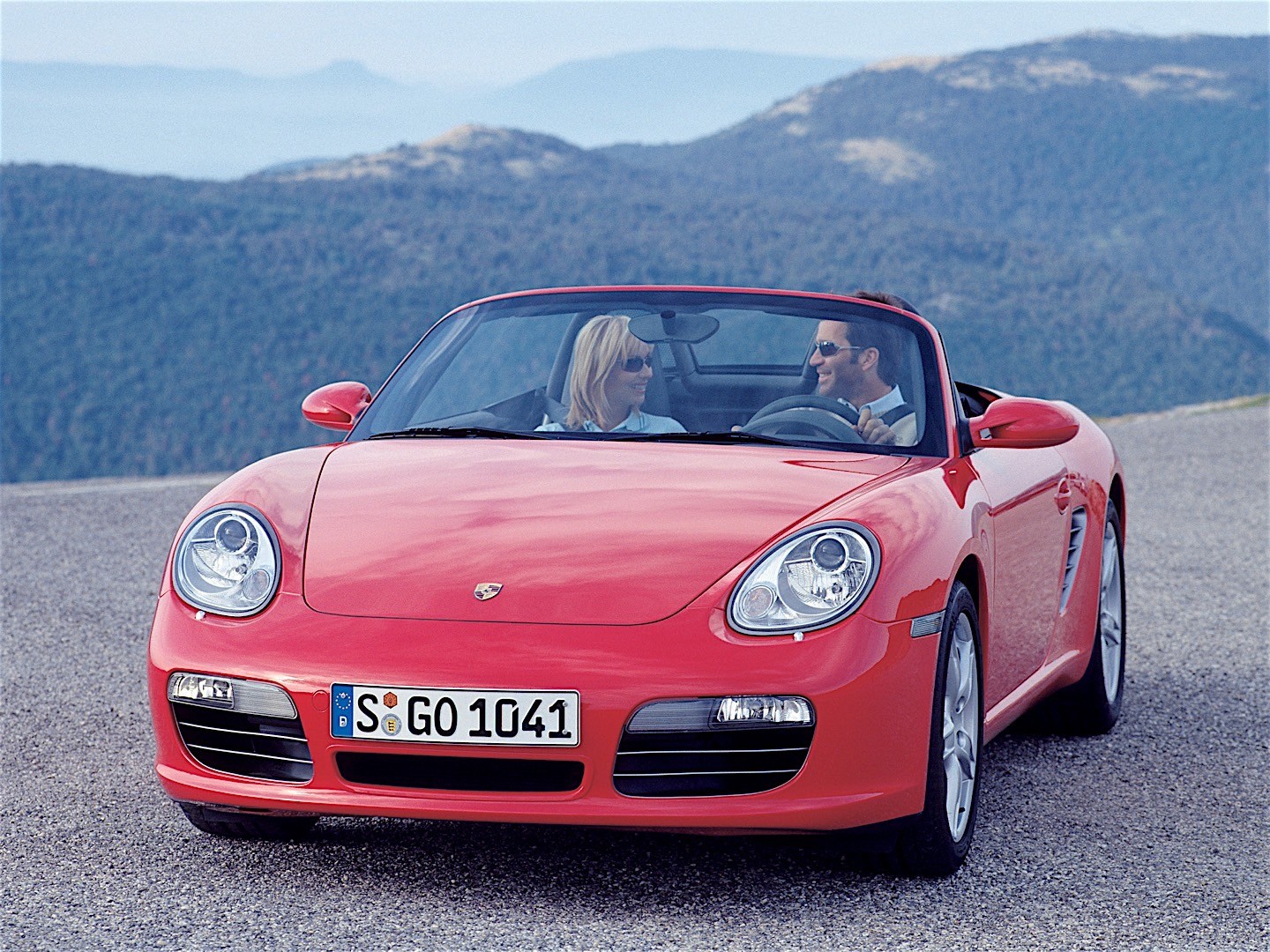
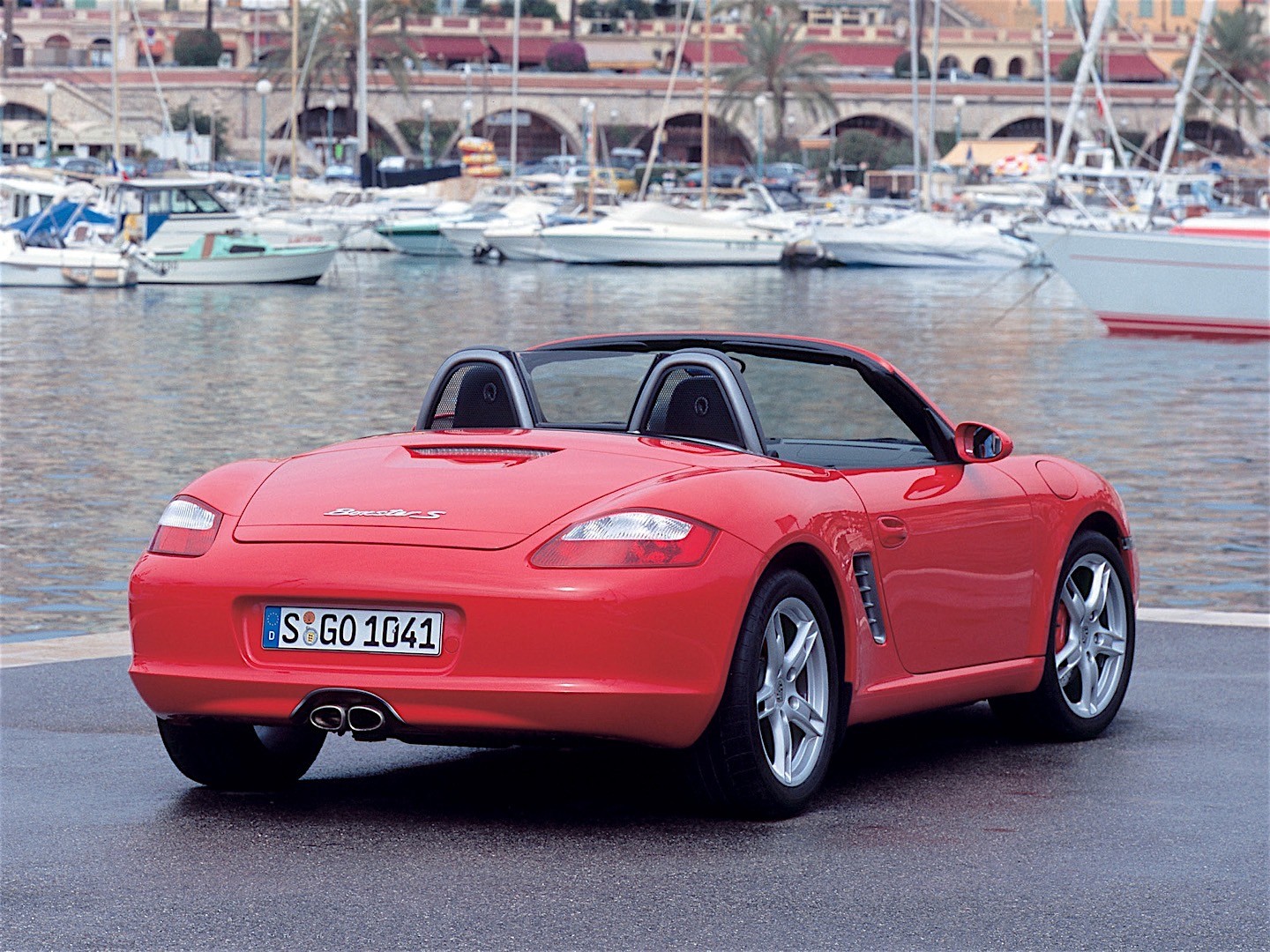
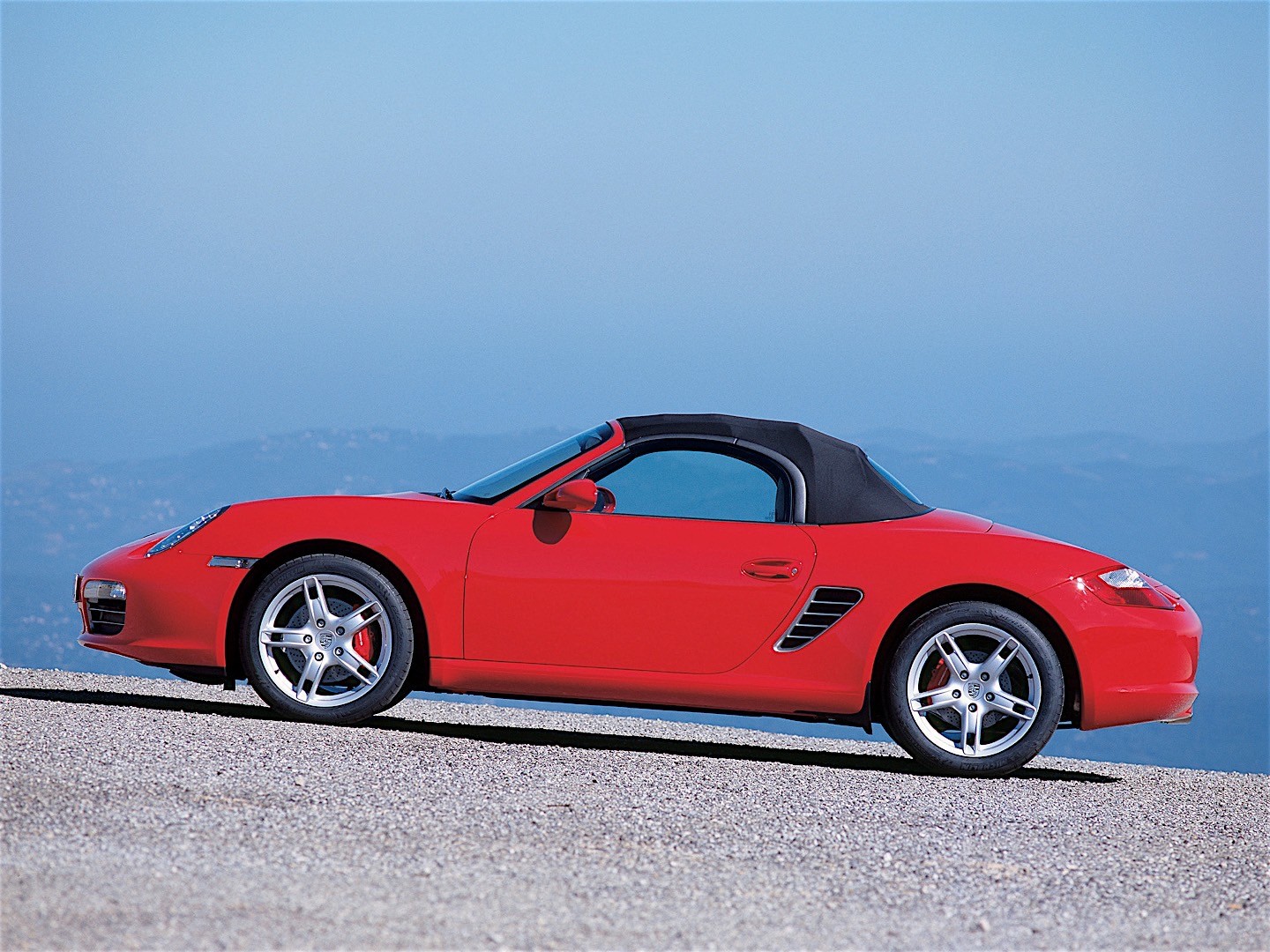

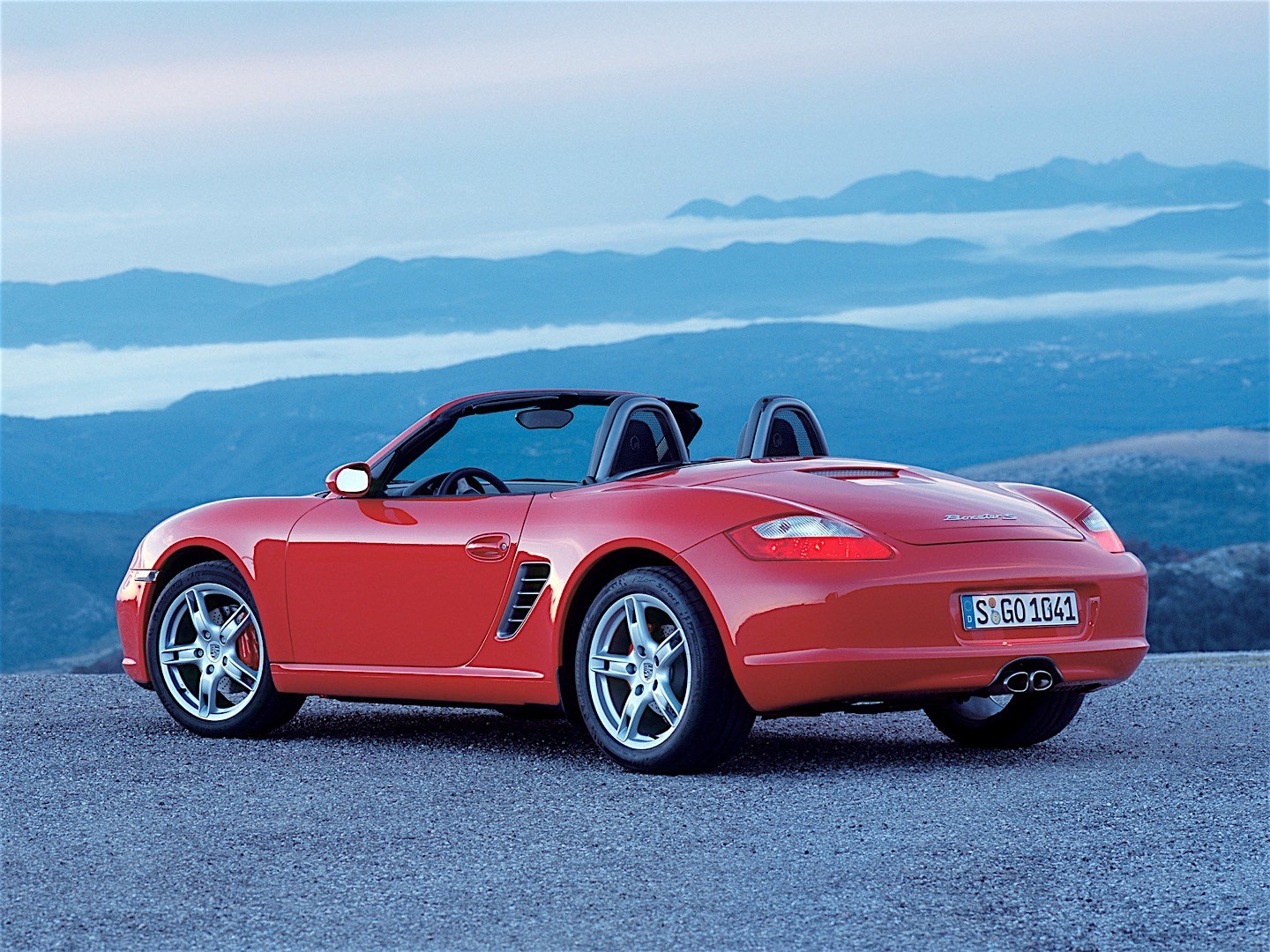
While many thought the Boxster would be short-lived, Porsche proved them wrong and introduced a second generation of this moniker at the 2004 Paris…
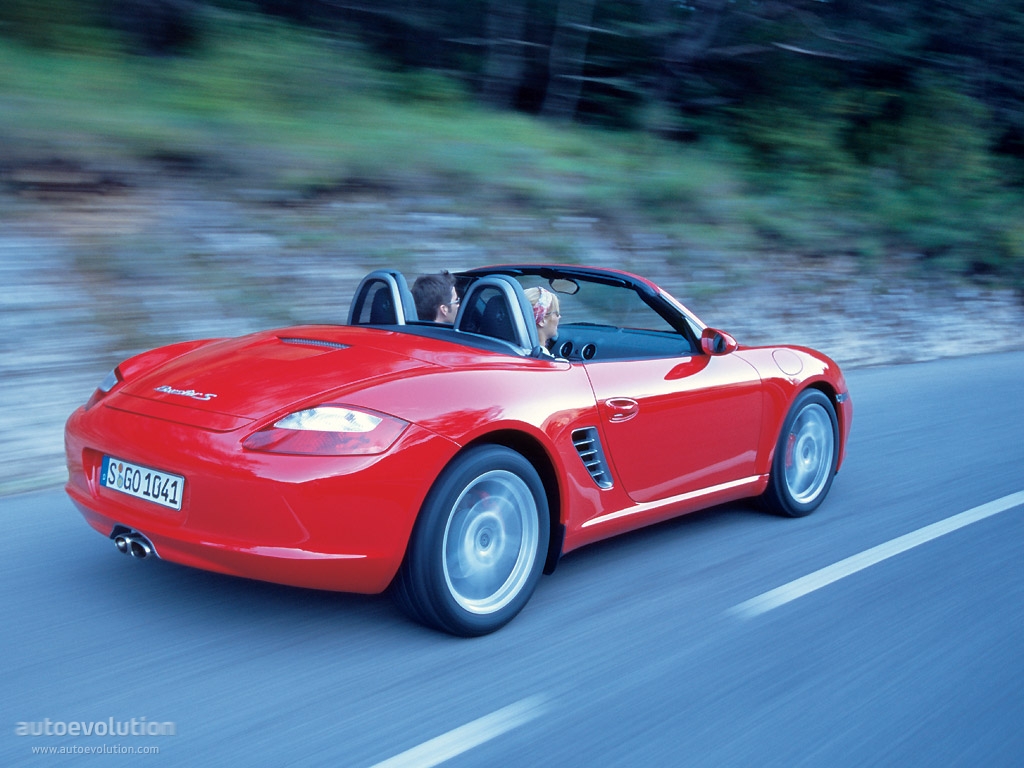
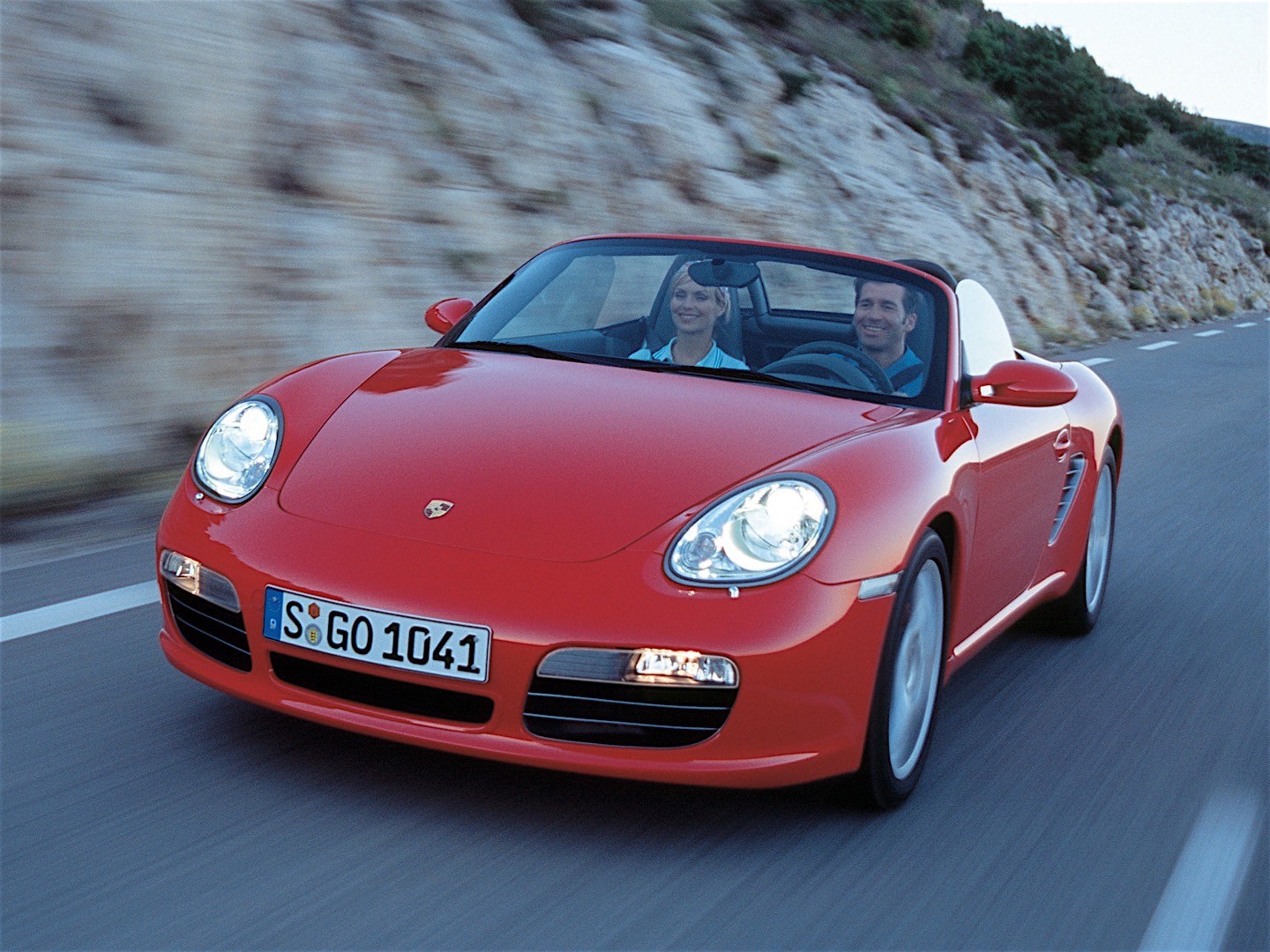
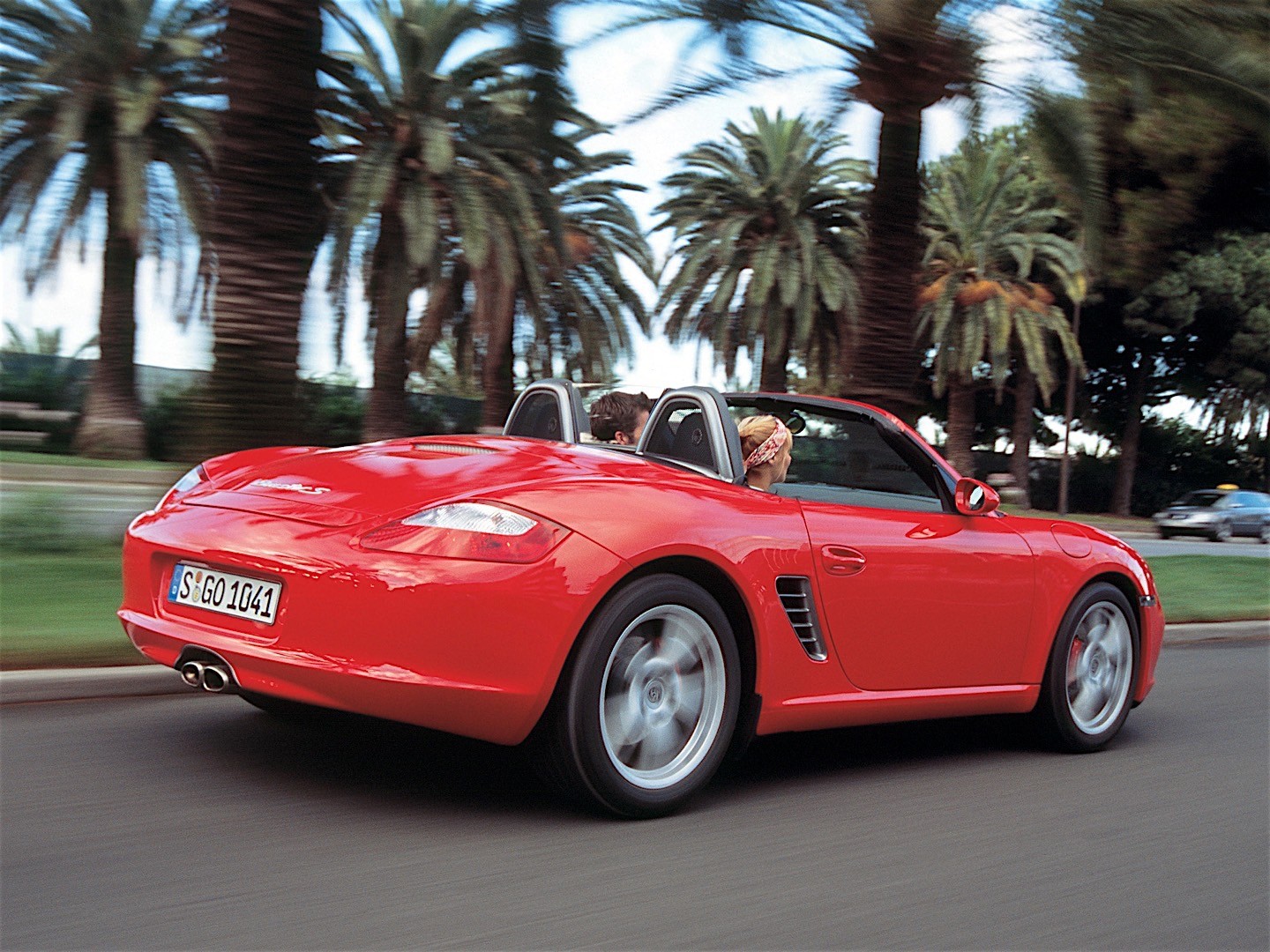
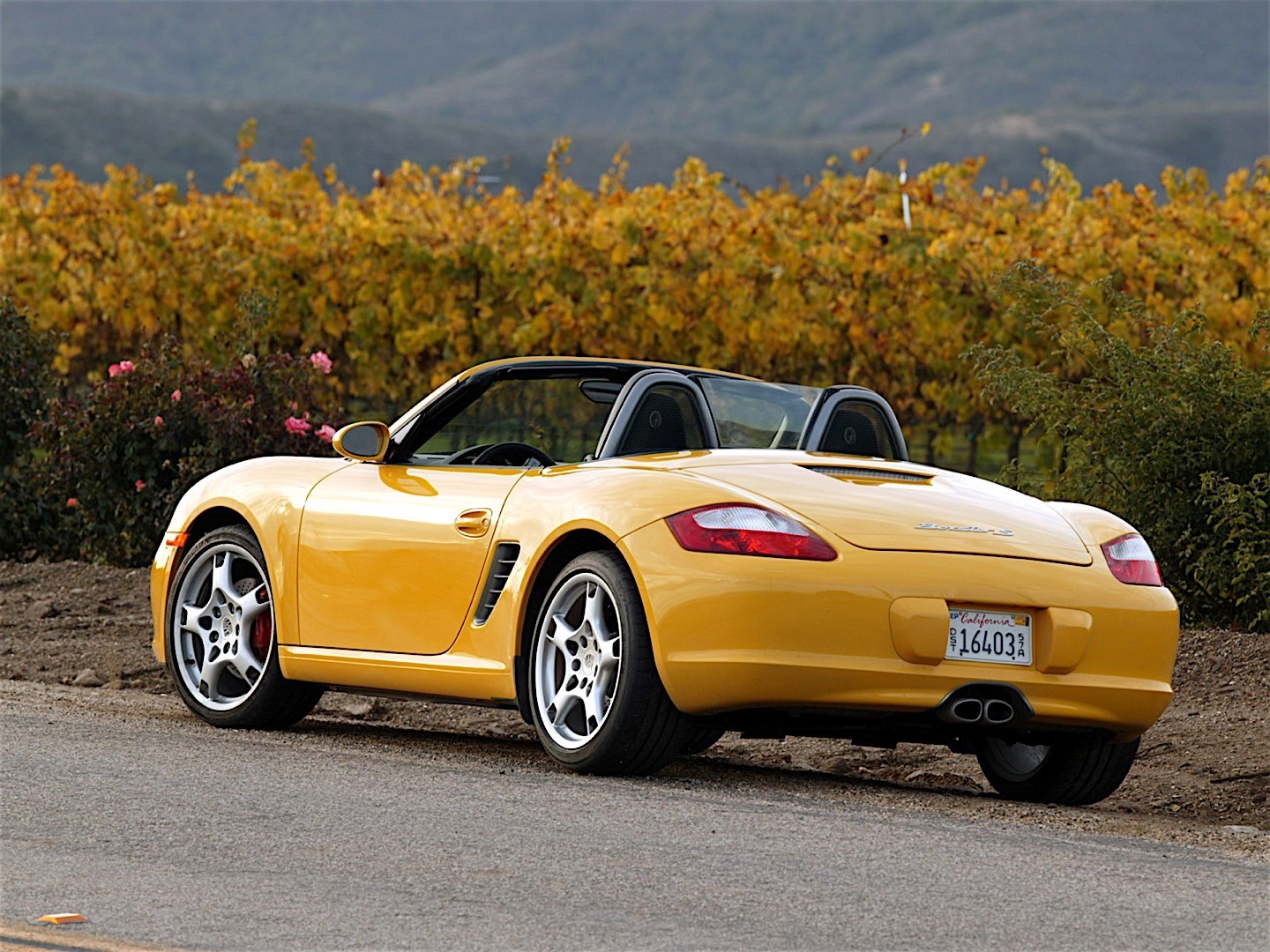
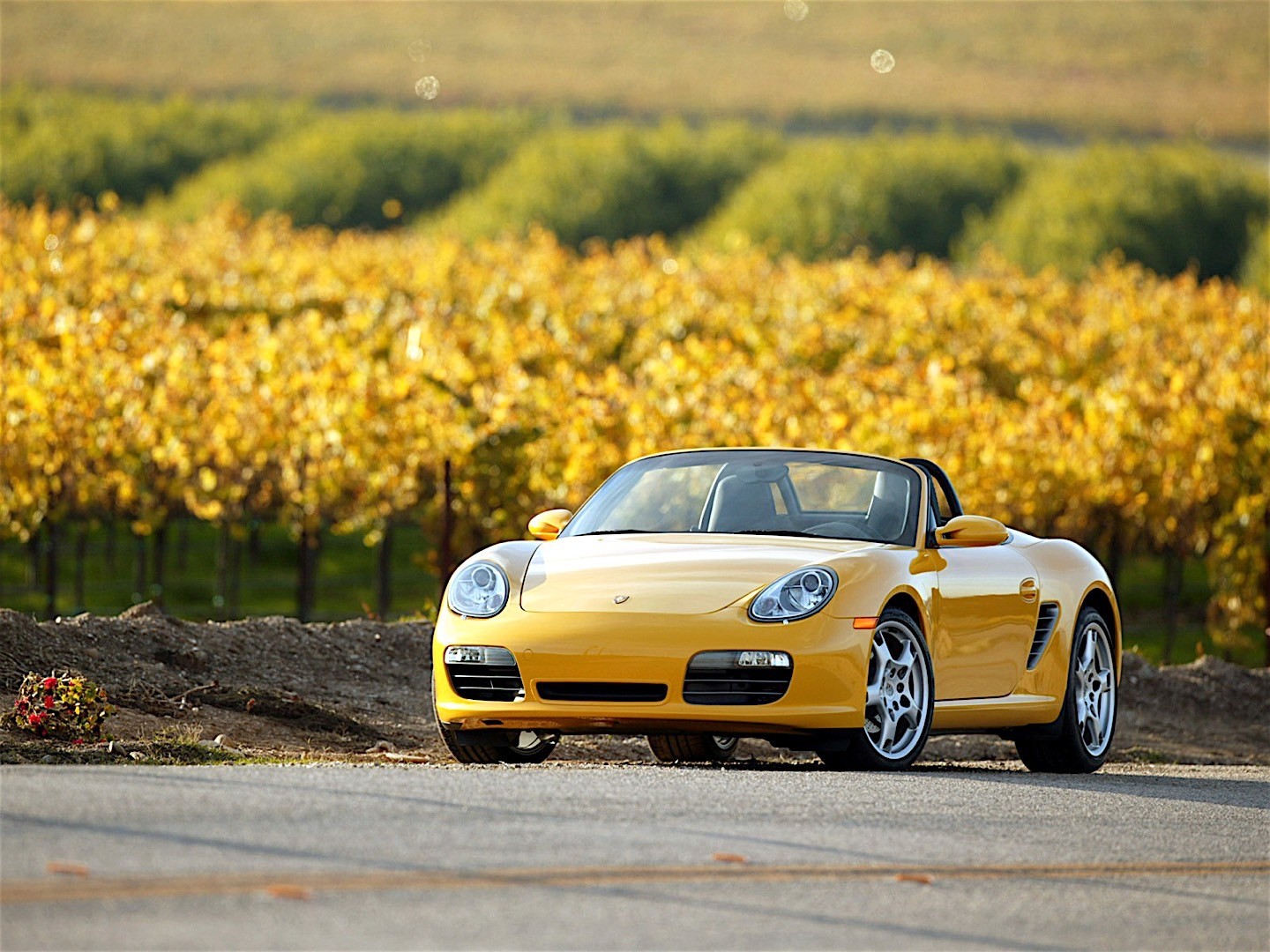
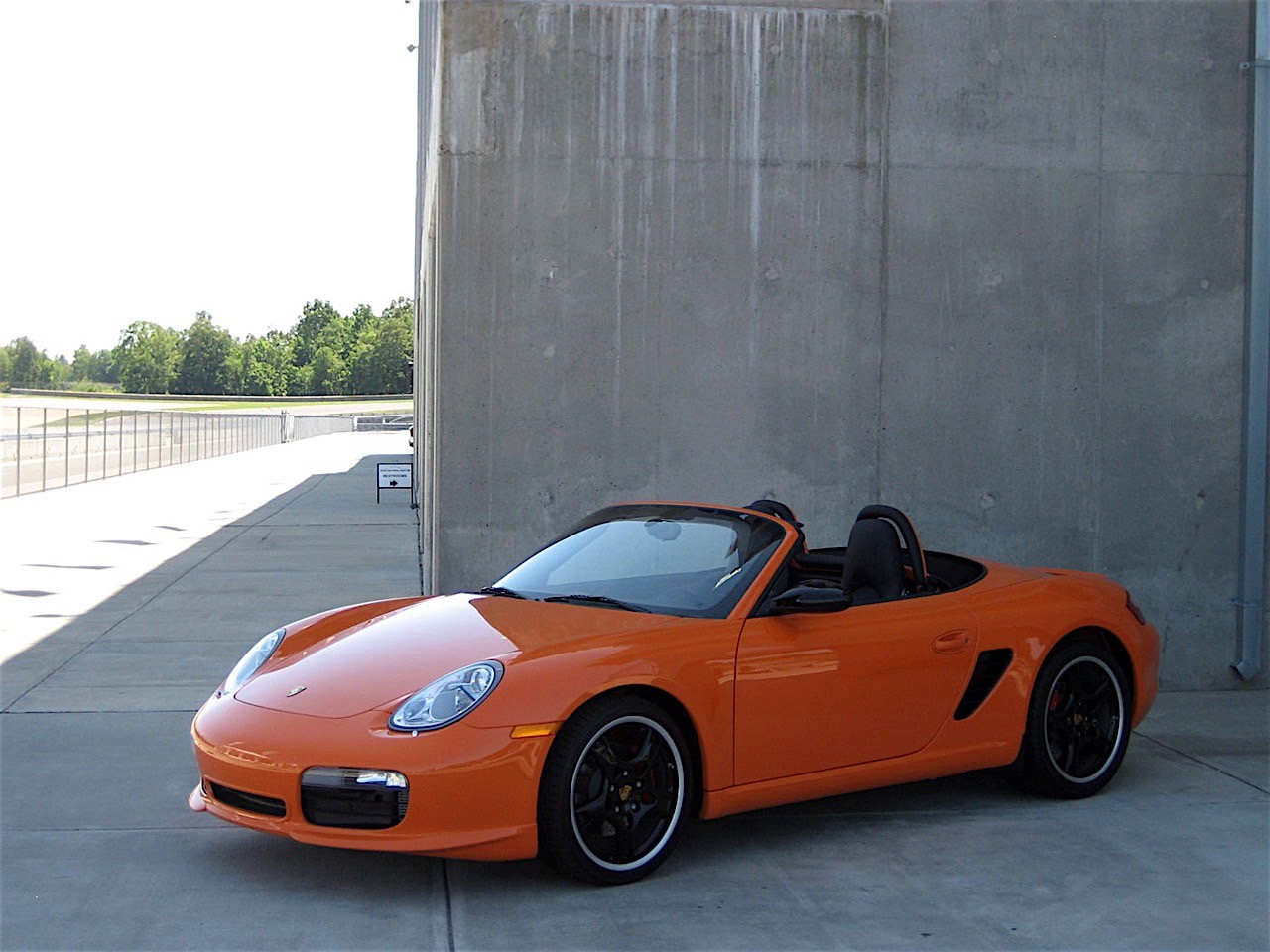
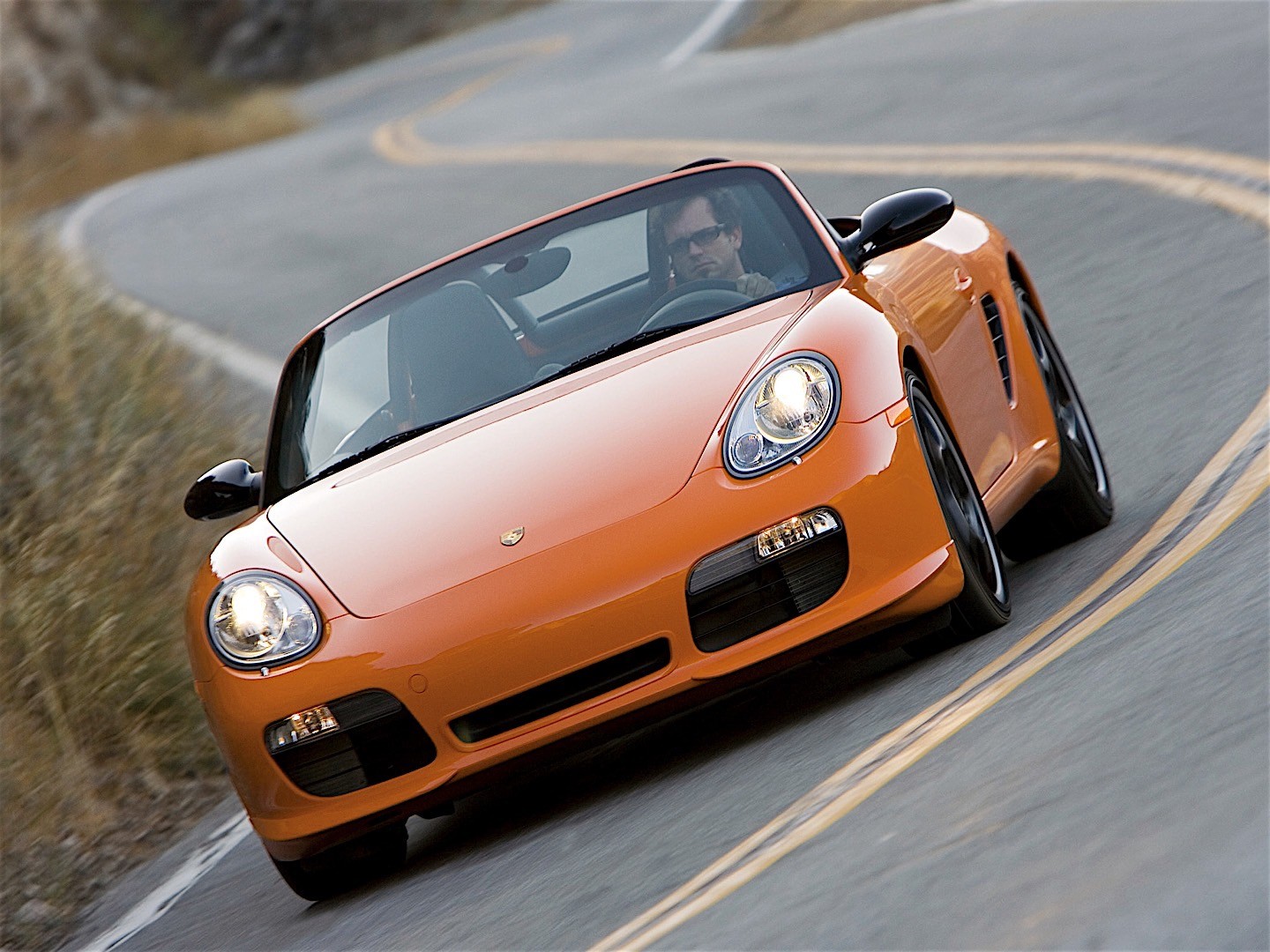
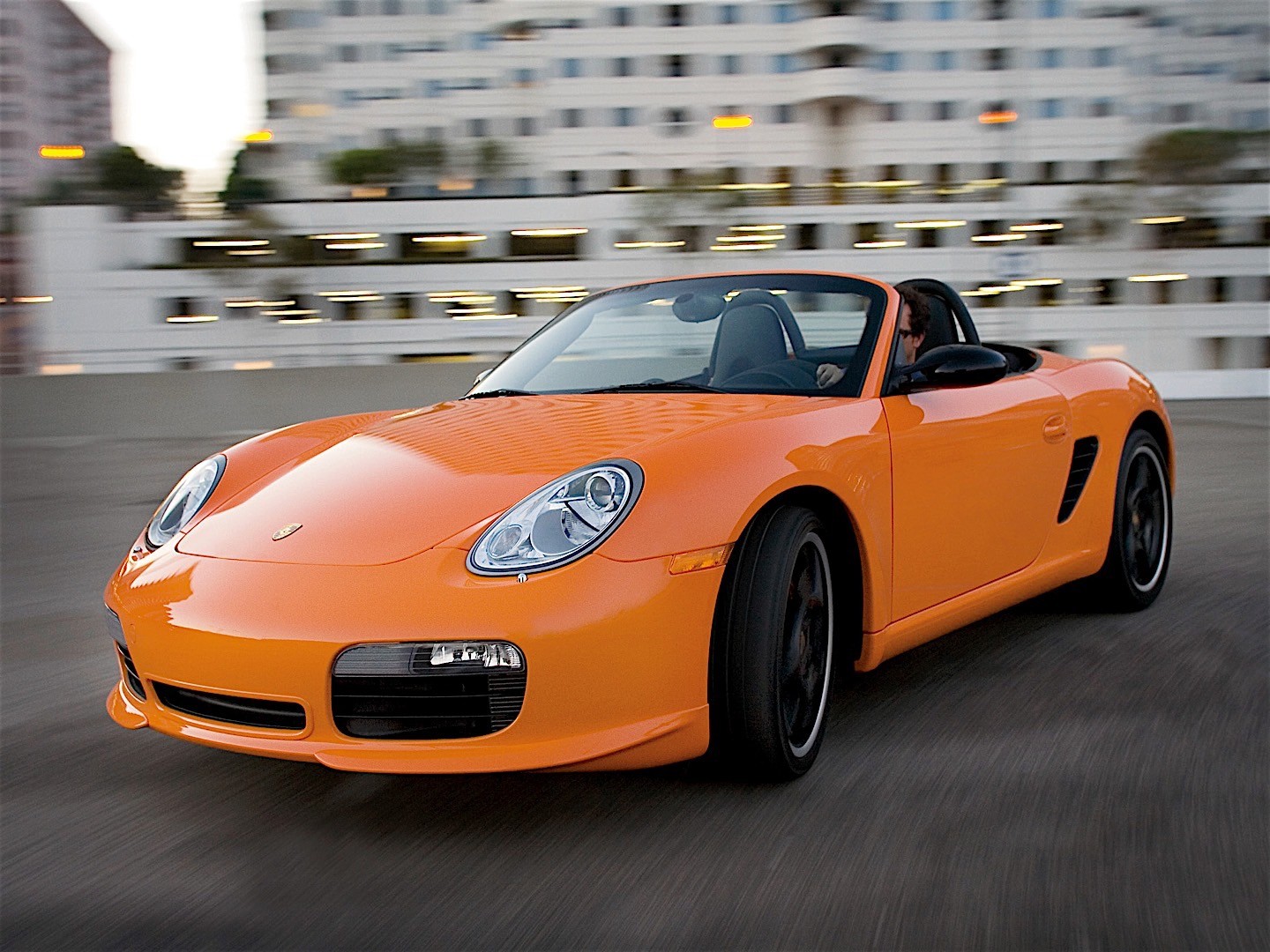
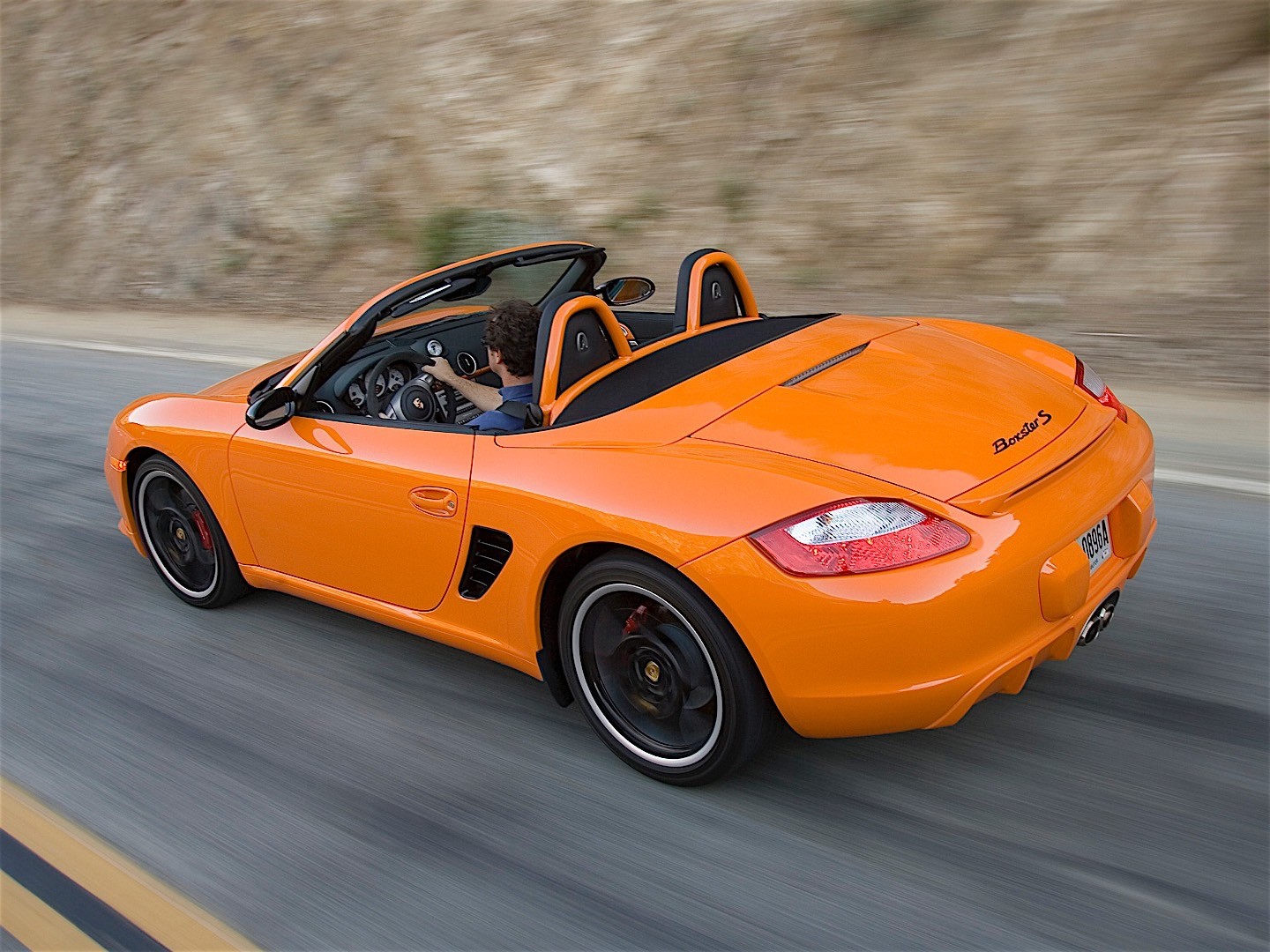
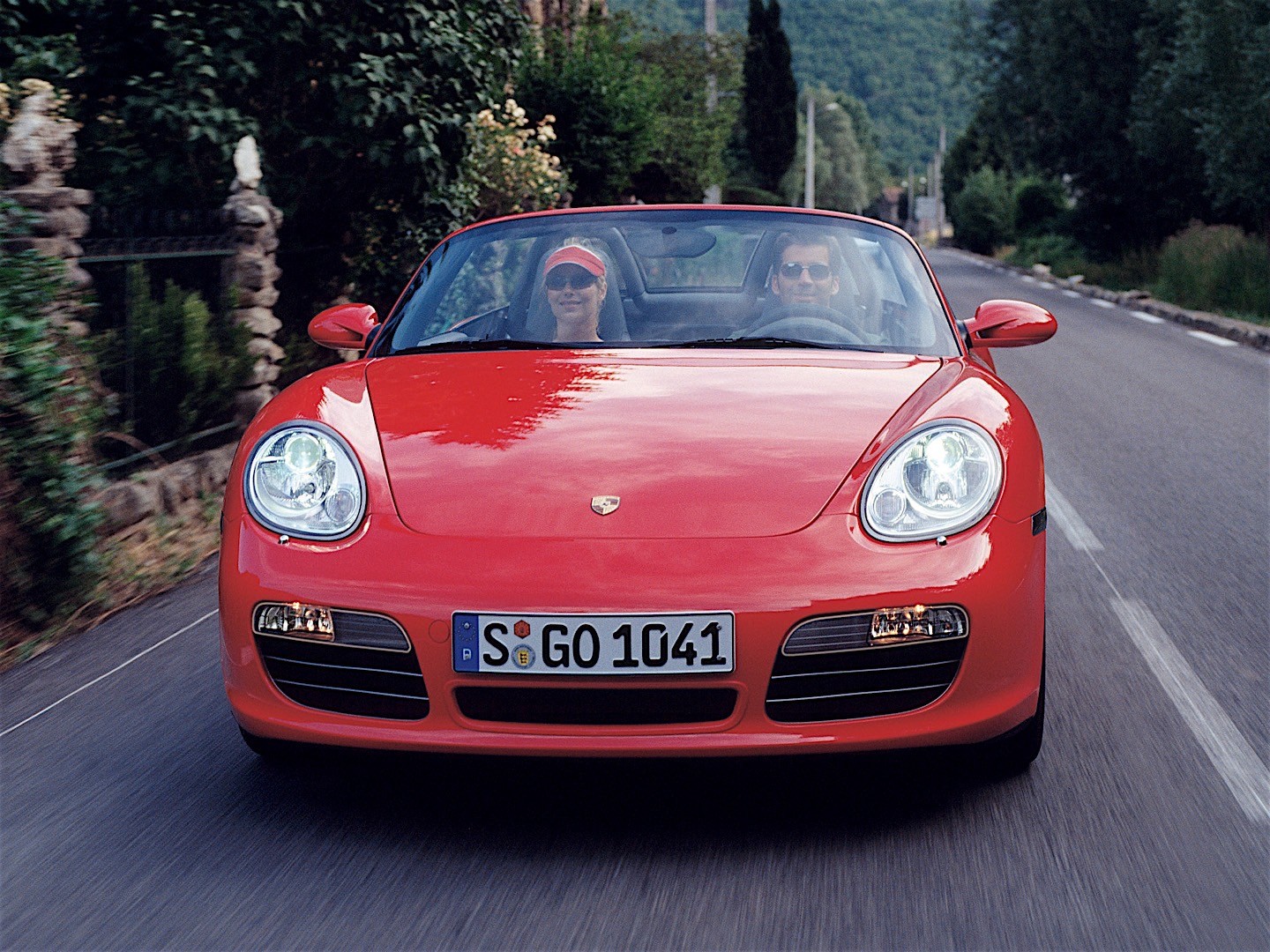
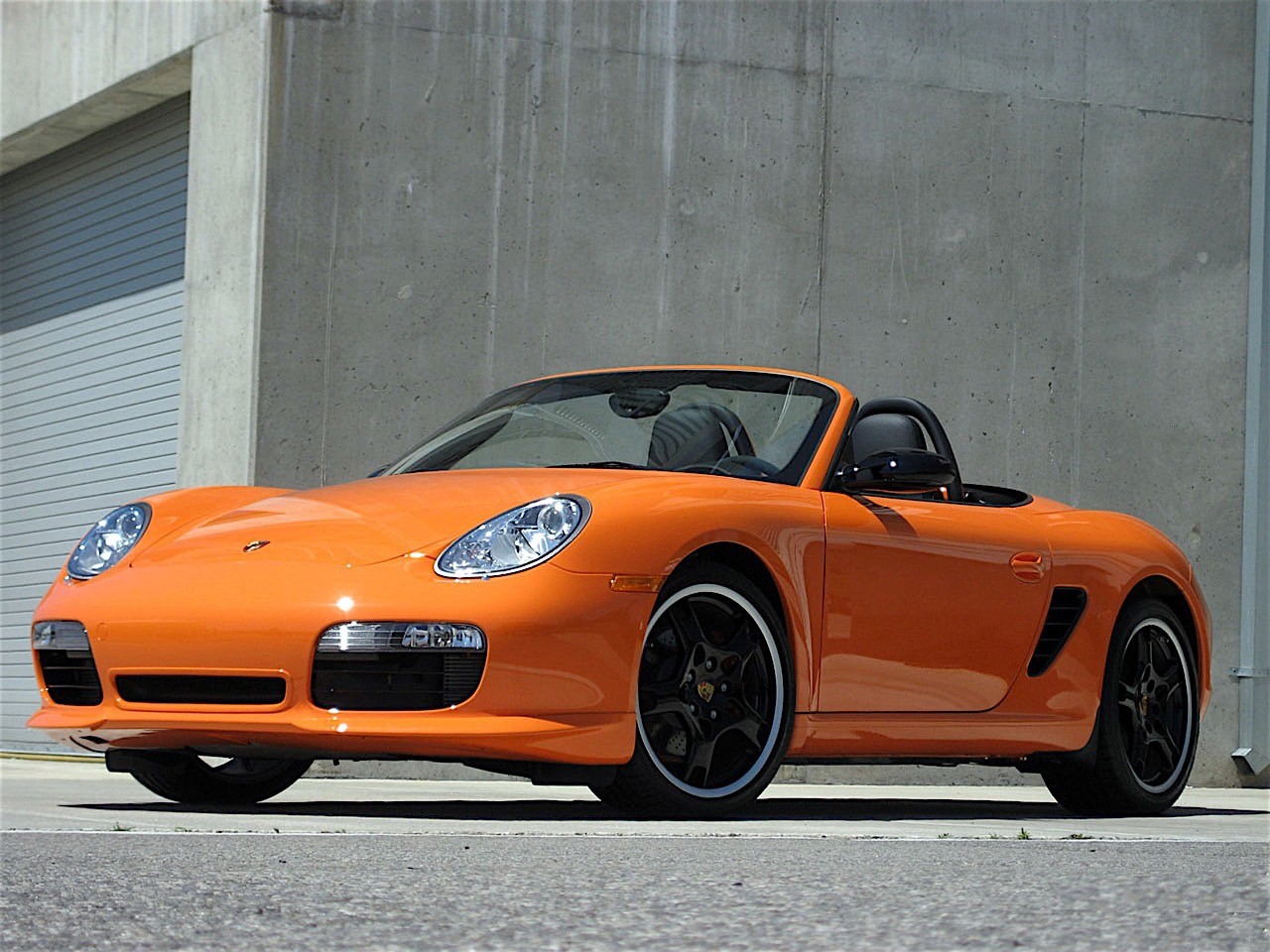
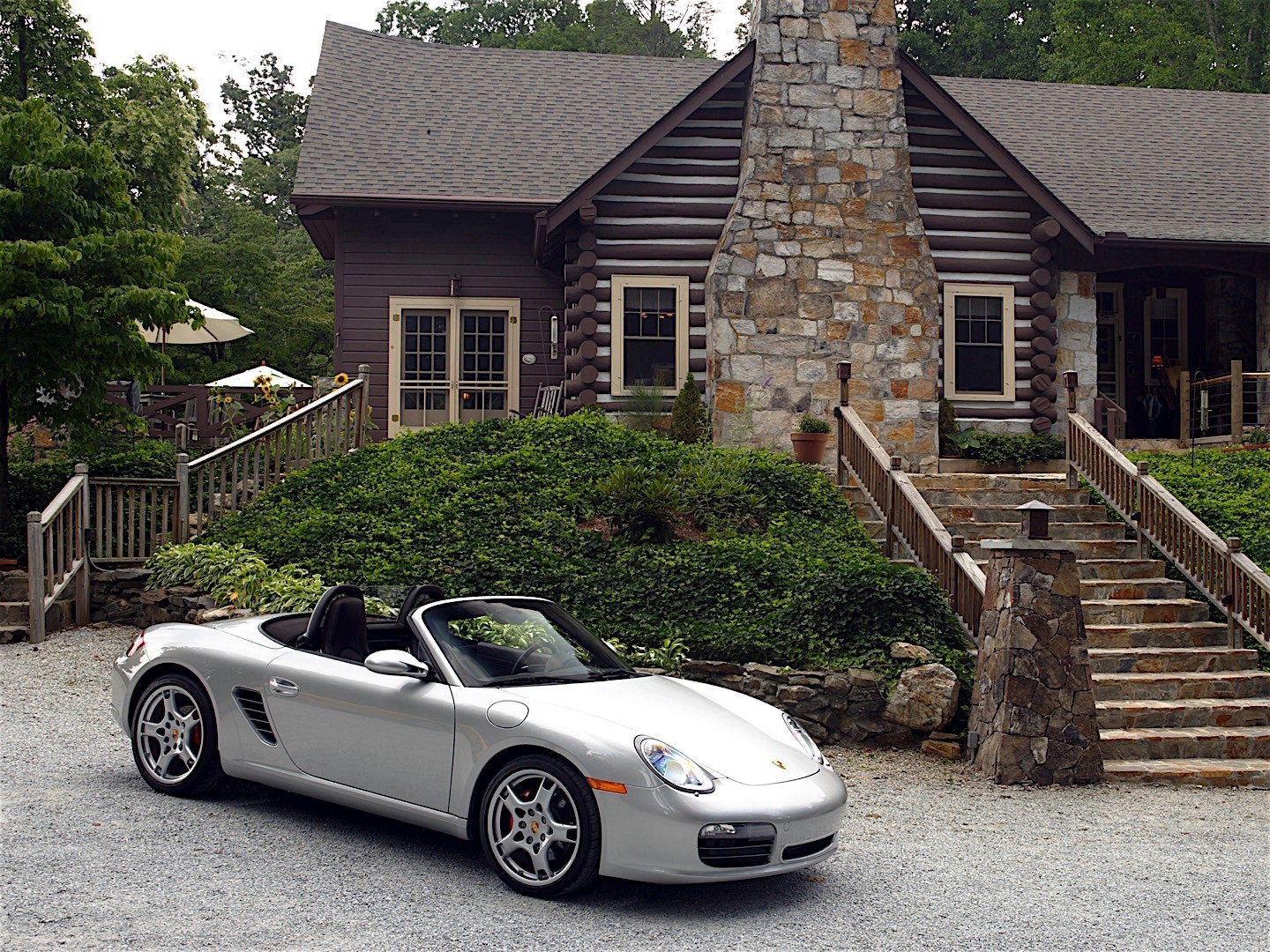
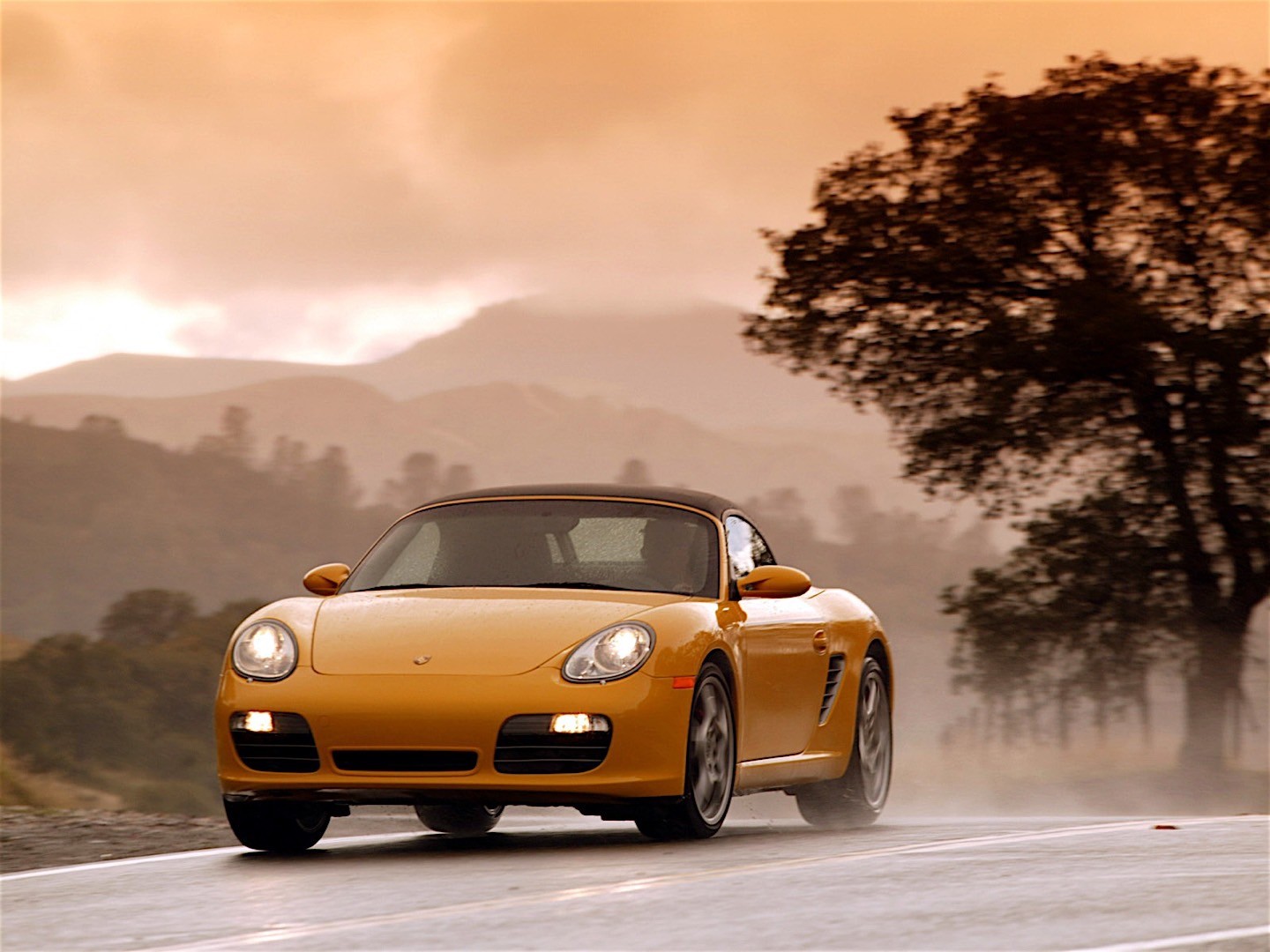
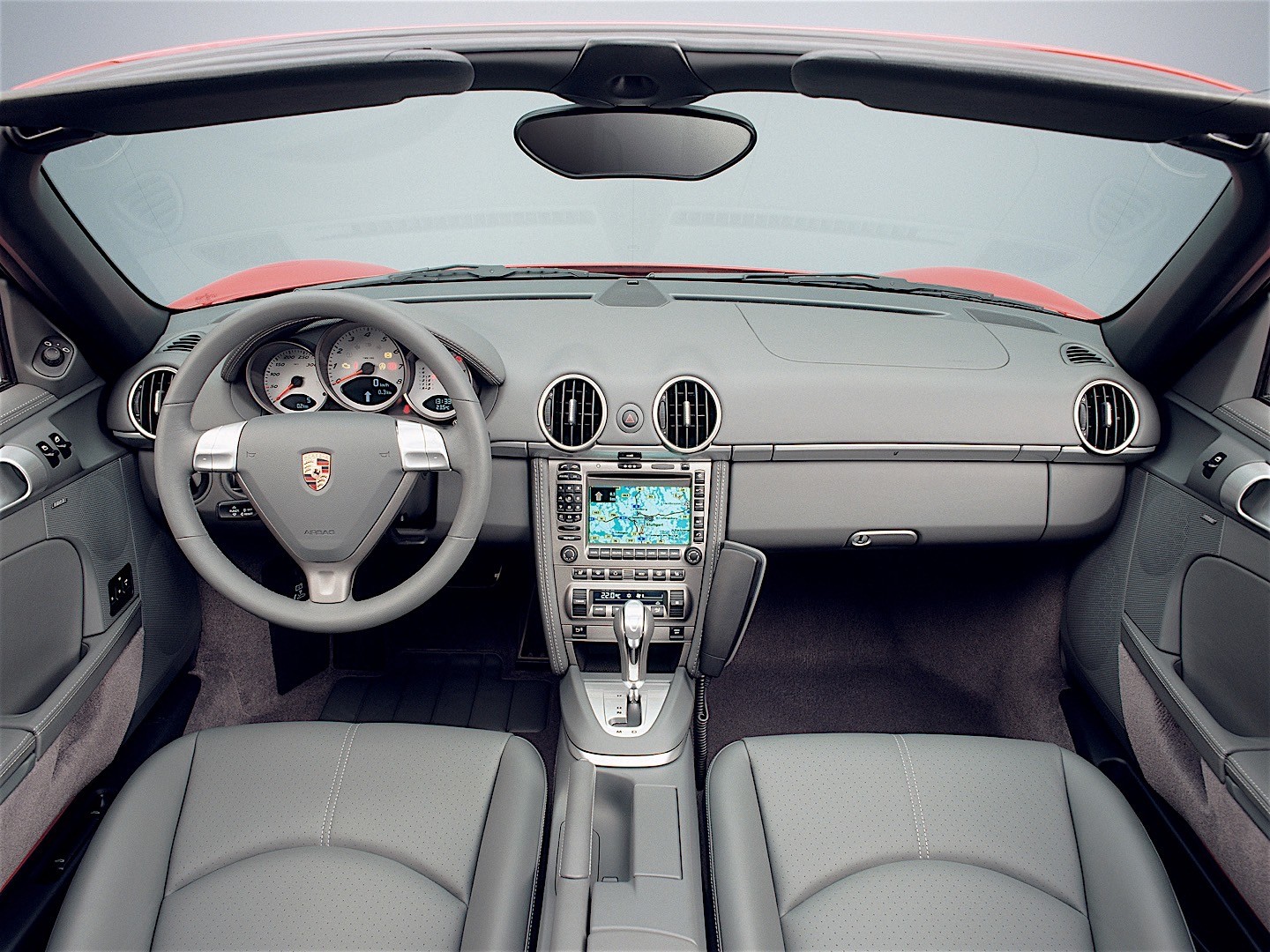
While many thought the Boxster would be short-lived, Porsche proved them wrong and introduced a second generation of this moniker at the 2004 Paris Motor Show, with sales starting in 2005.
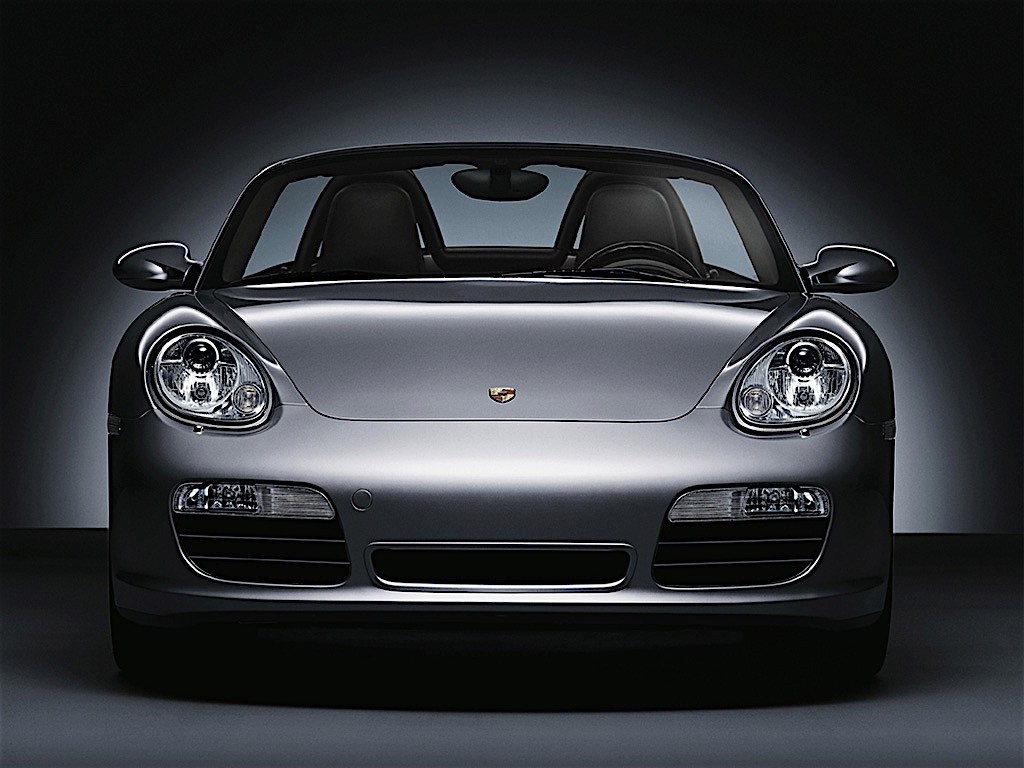
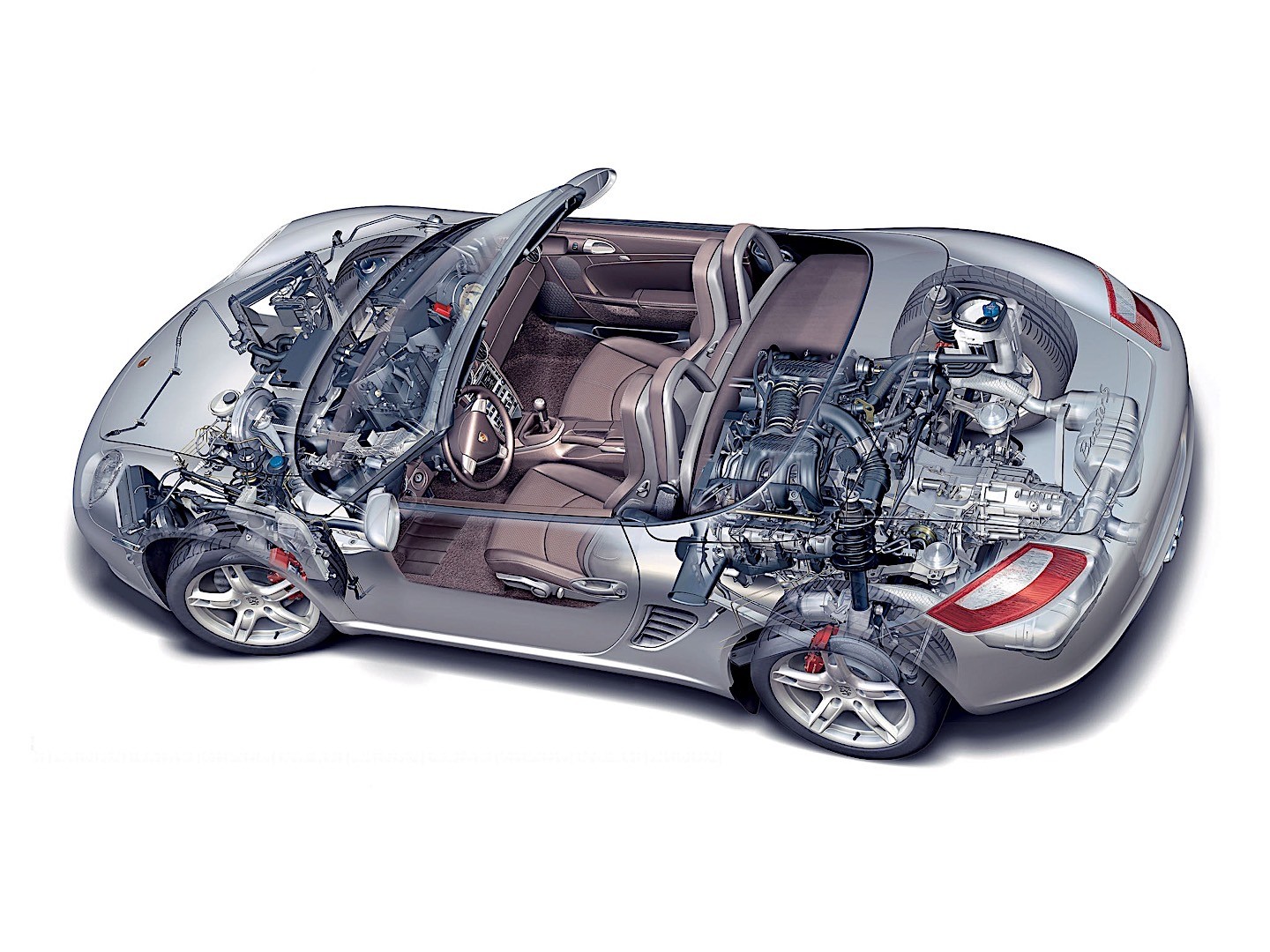
The Boxster was already known as an excellent sportscar thanks to its engine placed in the middle and the advanced suspension, especially after the 2002 facelift. Then, in late 2004, the automaker surprised everyone when it launched the Boxster and the Boxster S 987 along with the 997 Porsche 911. The new roadster came with a new platform and new body panels that were not shared with its more notorious sibling, like its predecessor. Furthermore, the technology package was vastly improved and included six airbags, an electronically controlled suspension, and even a Chrono Package, carried over from the carmaker’s parts bin. In addition, the interior was vastly improved to provide more comfort. After all, Porsche marketed the 987 as a daily-driver sports car.
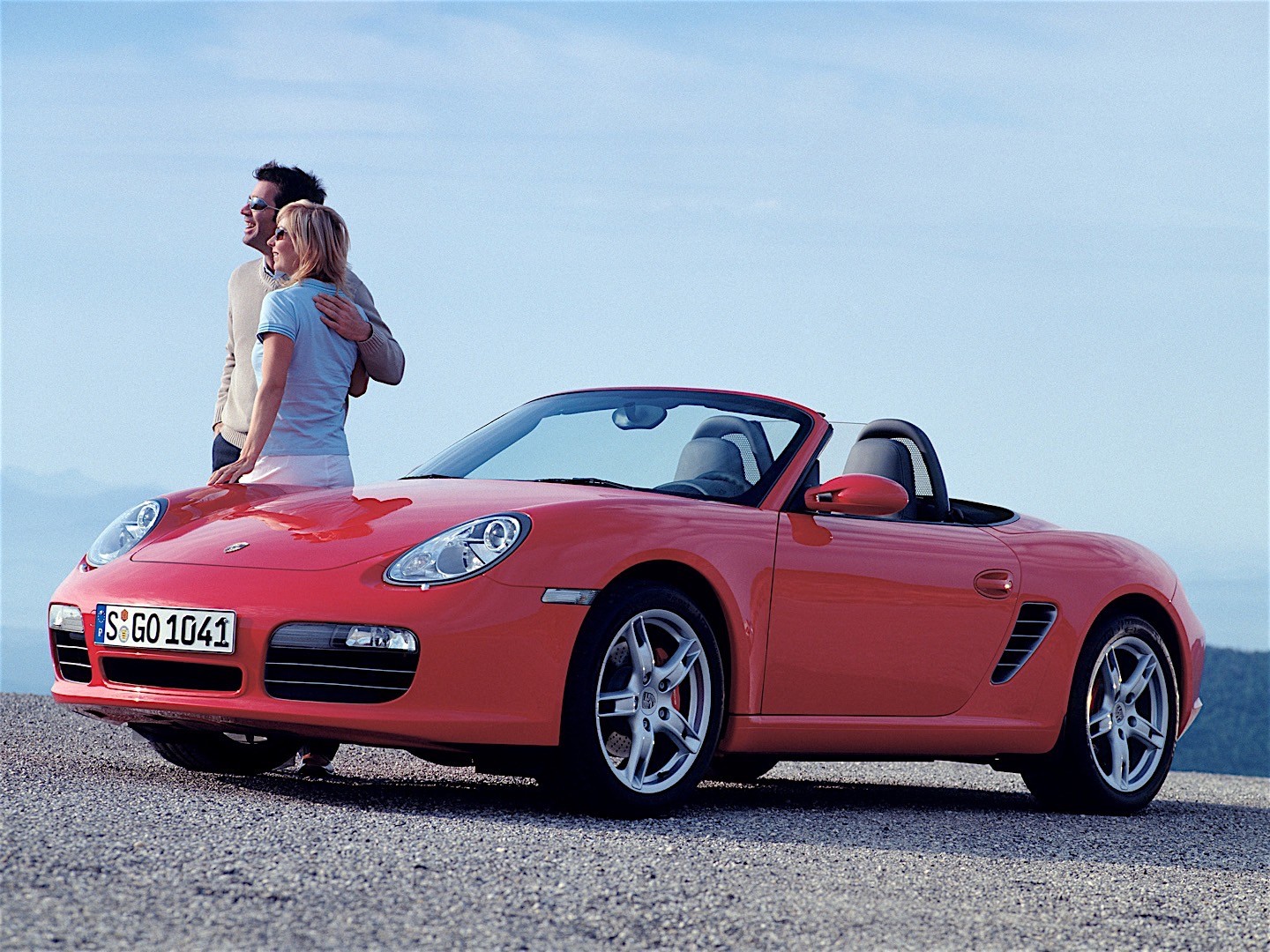
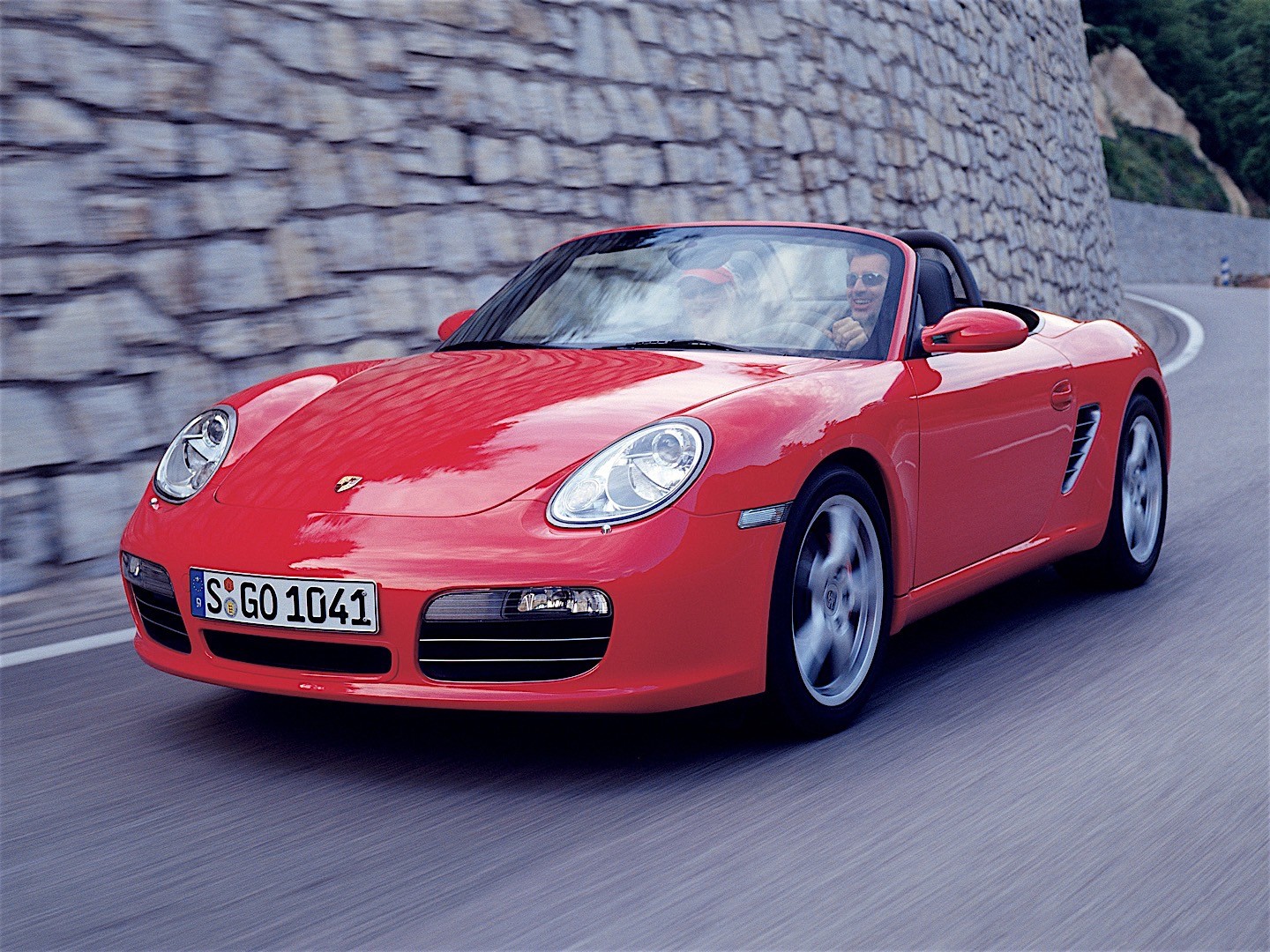
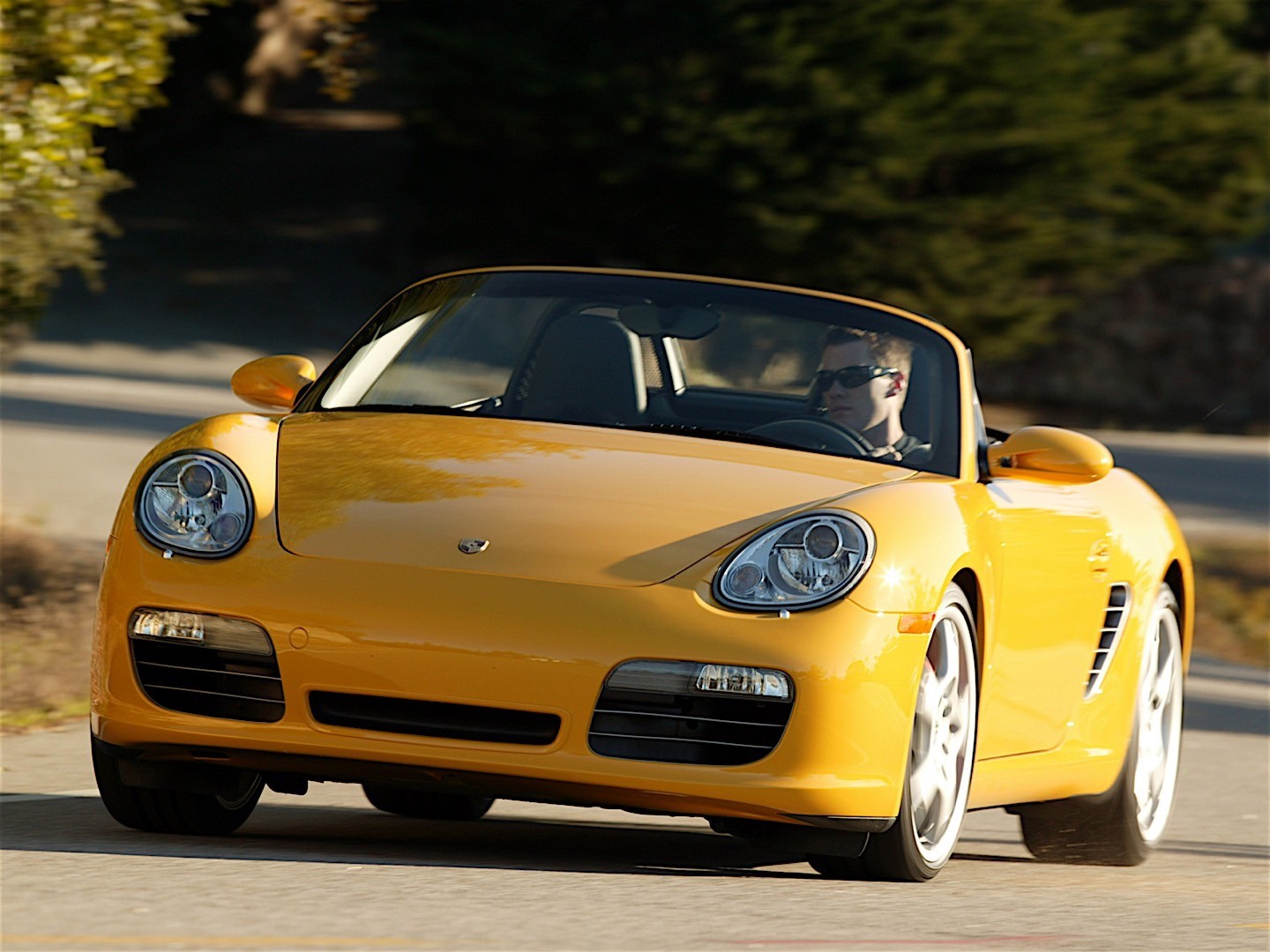
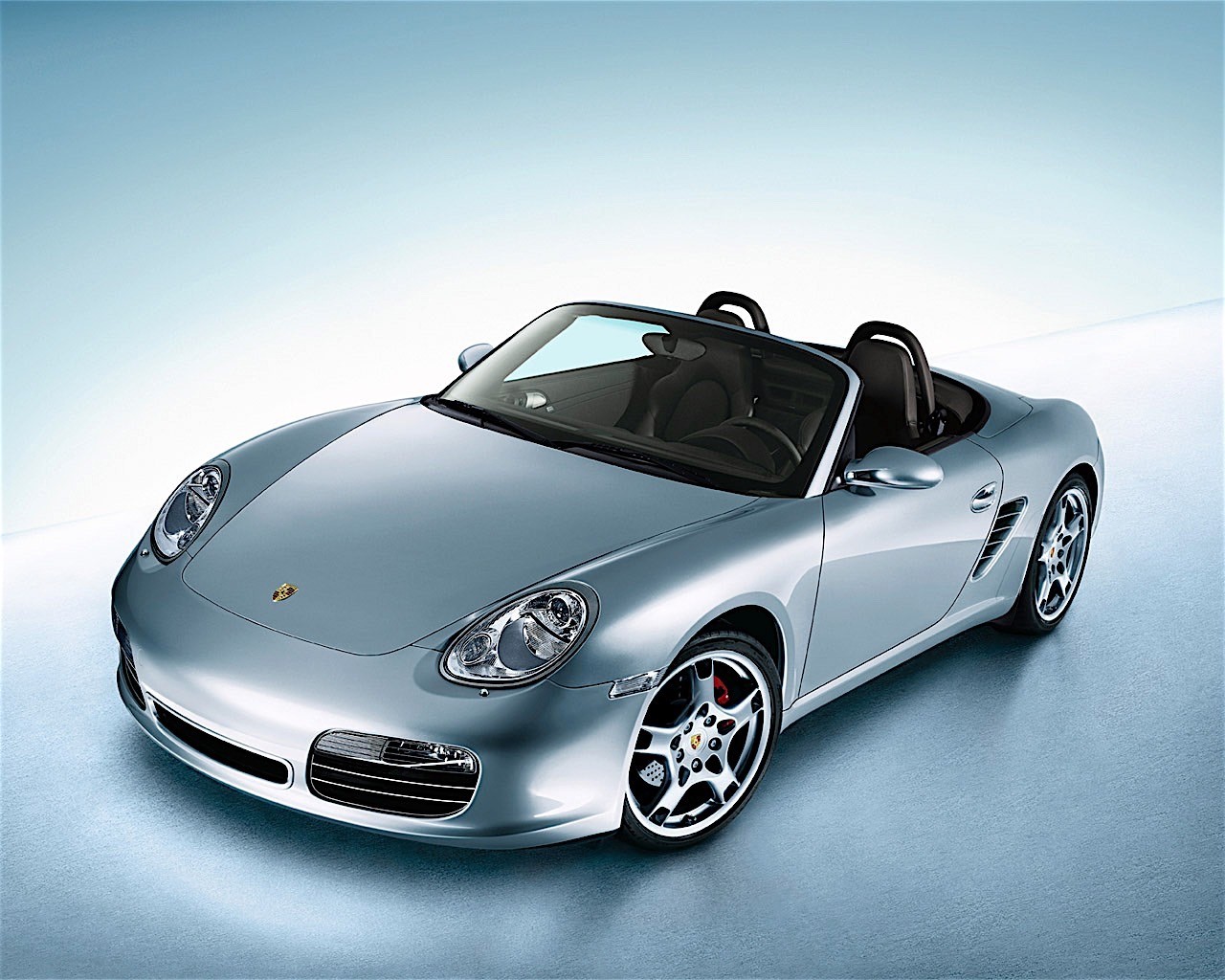
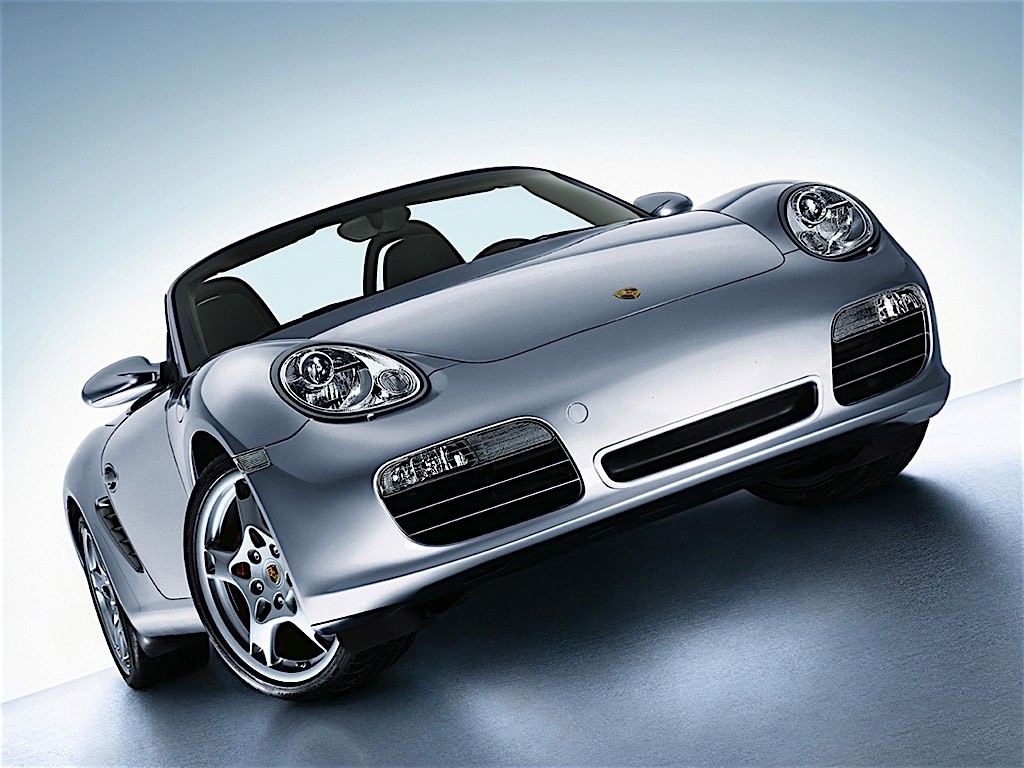
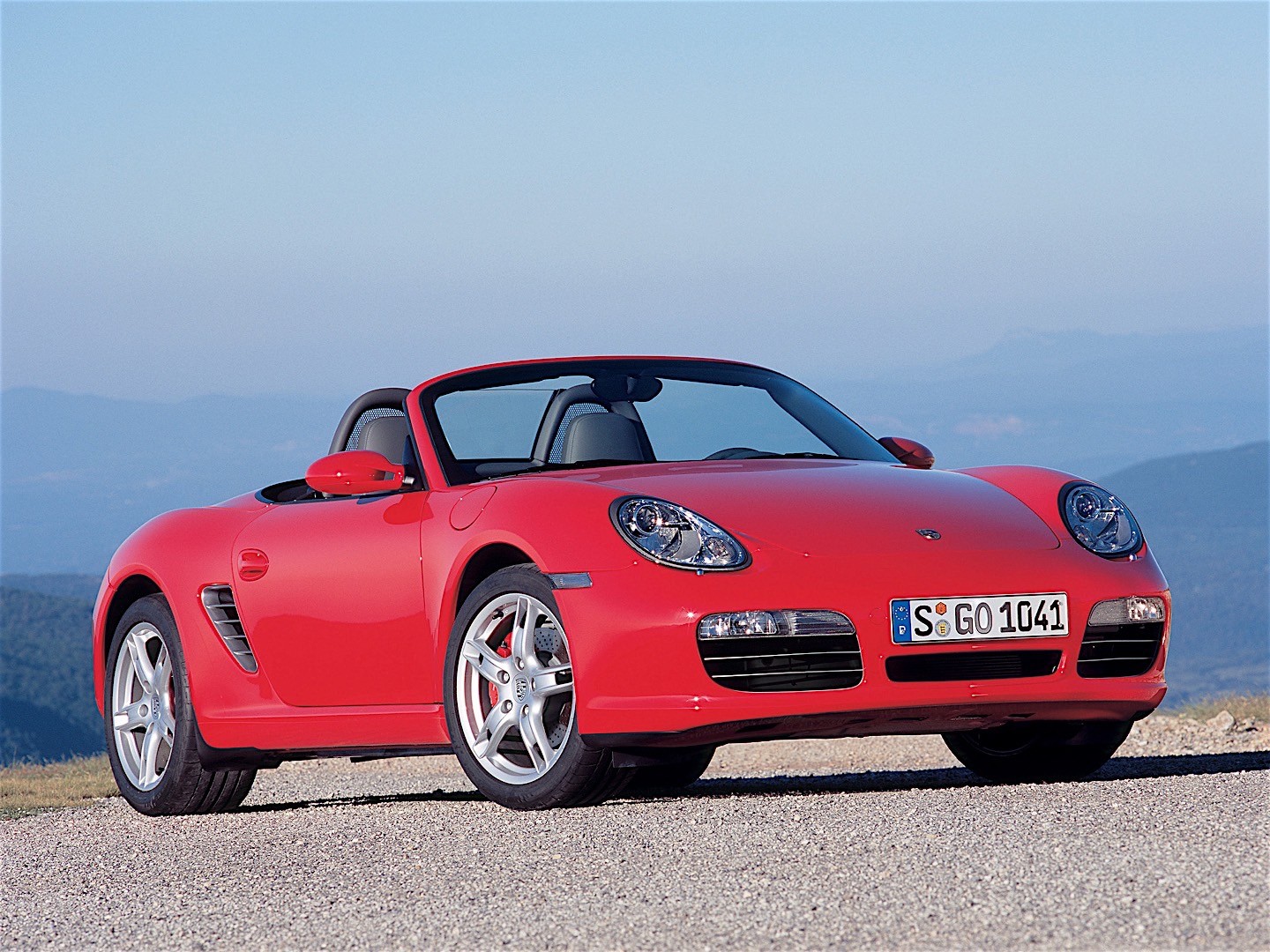
Up front, the car featured new oval-shaped headlights with clear lenses. The bumper was slightly longer than the previous generation, and the S version featured three air intakes in the lower area. On the other hand, the non-S version had only the side ones to cool the front rotors. Another significant update was the introduction of LED daytime running lights housed on the upper sides of the side scoops.
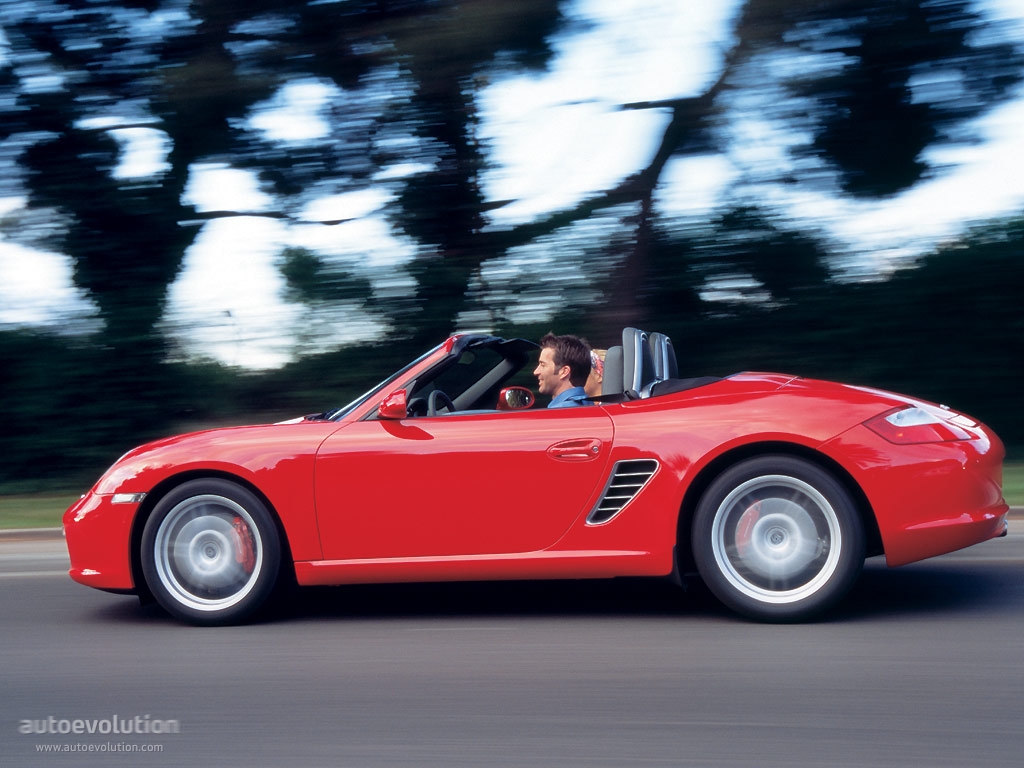
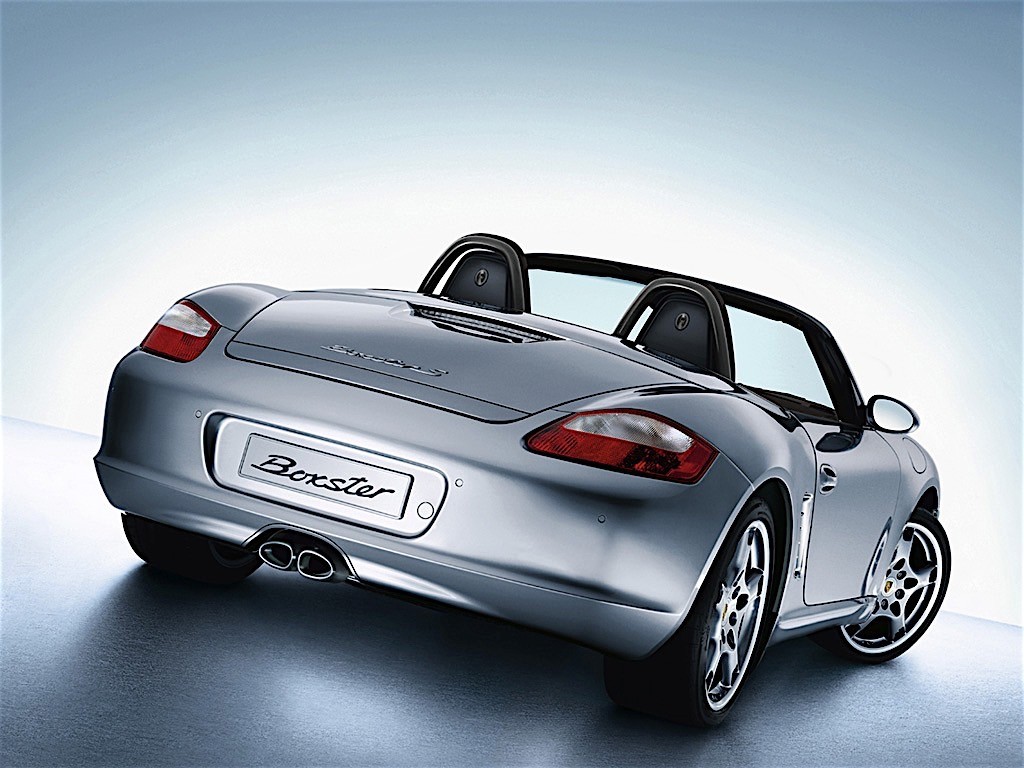
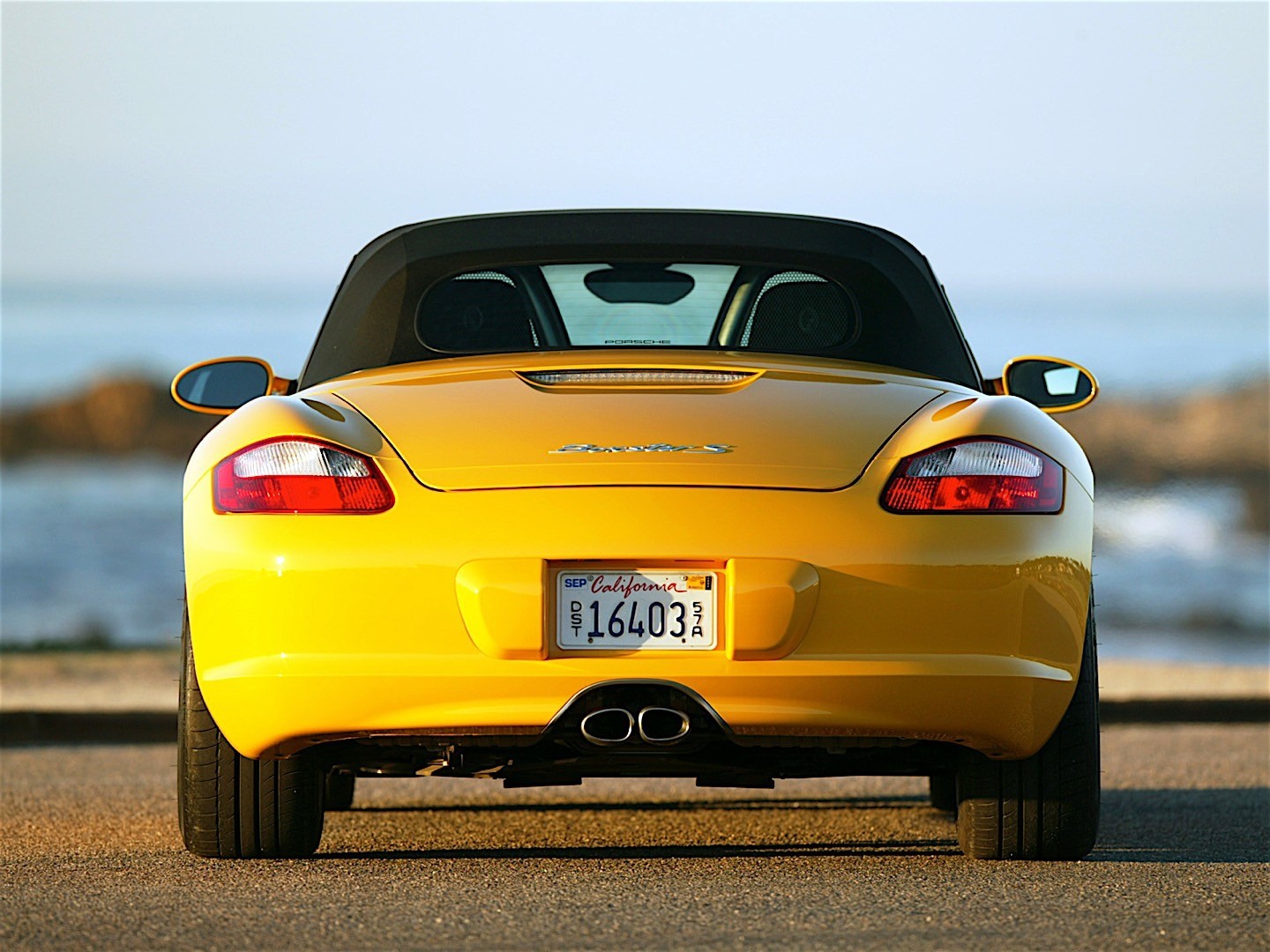
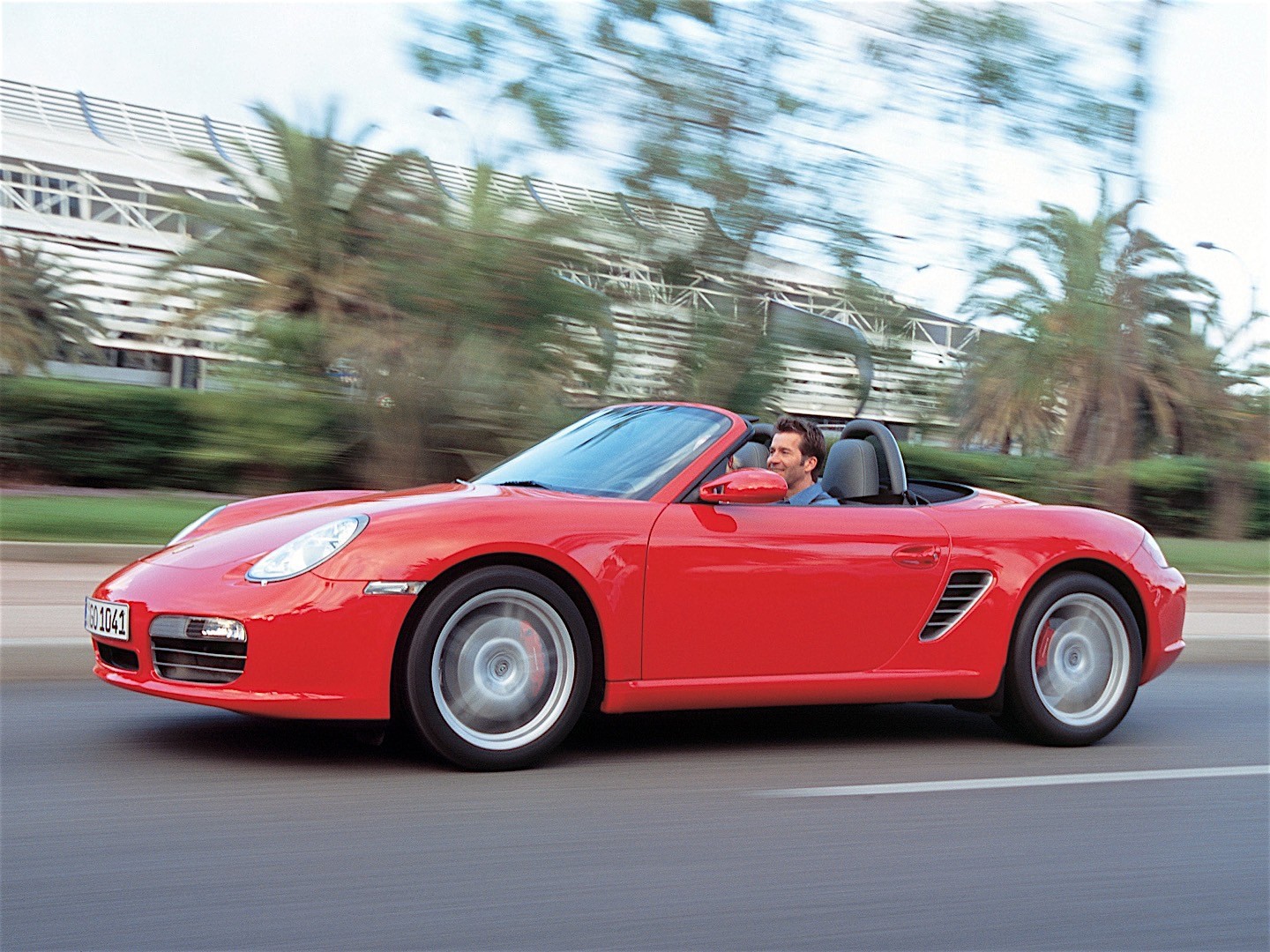
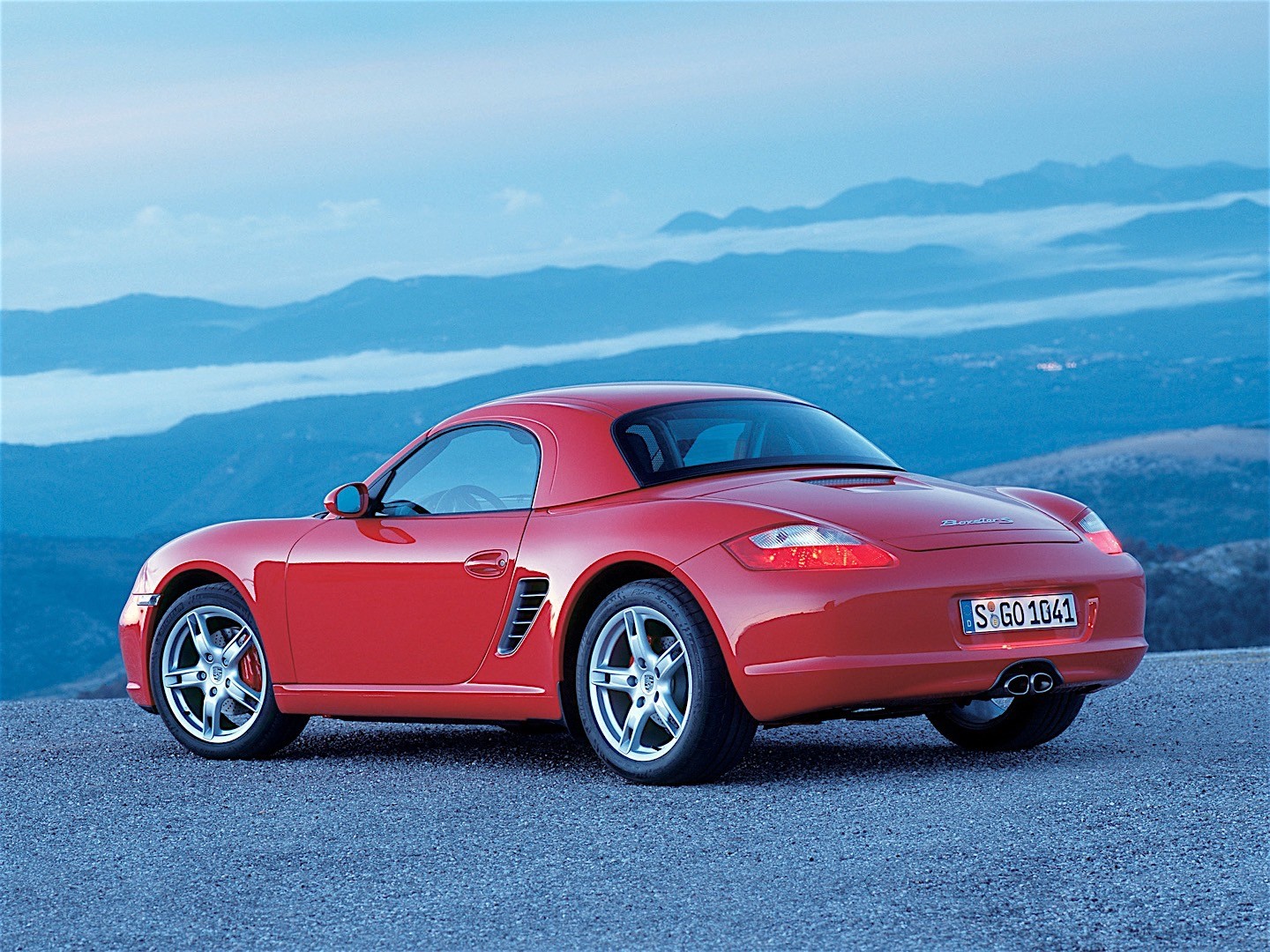
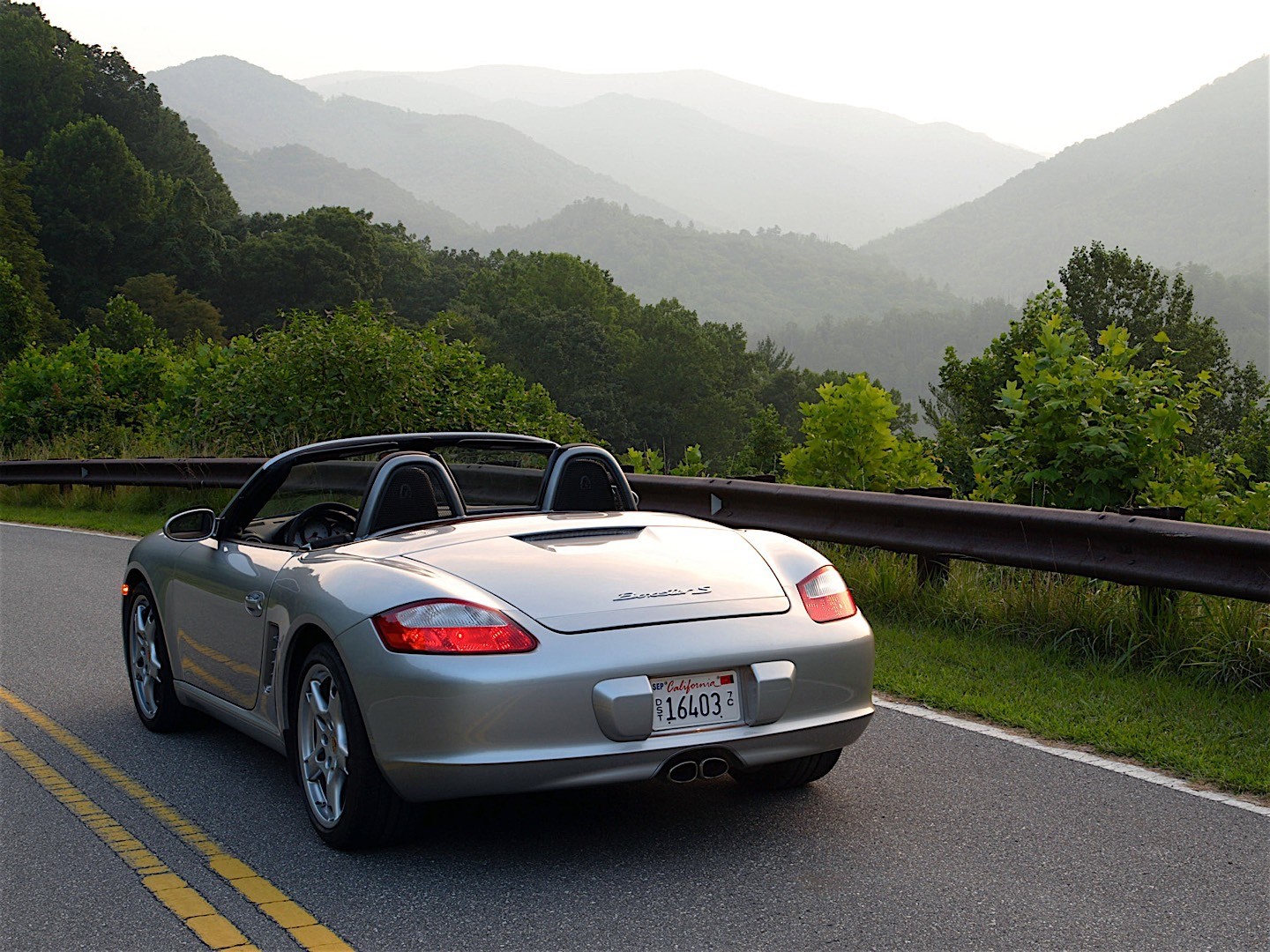
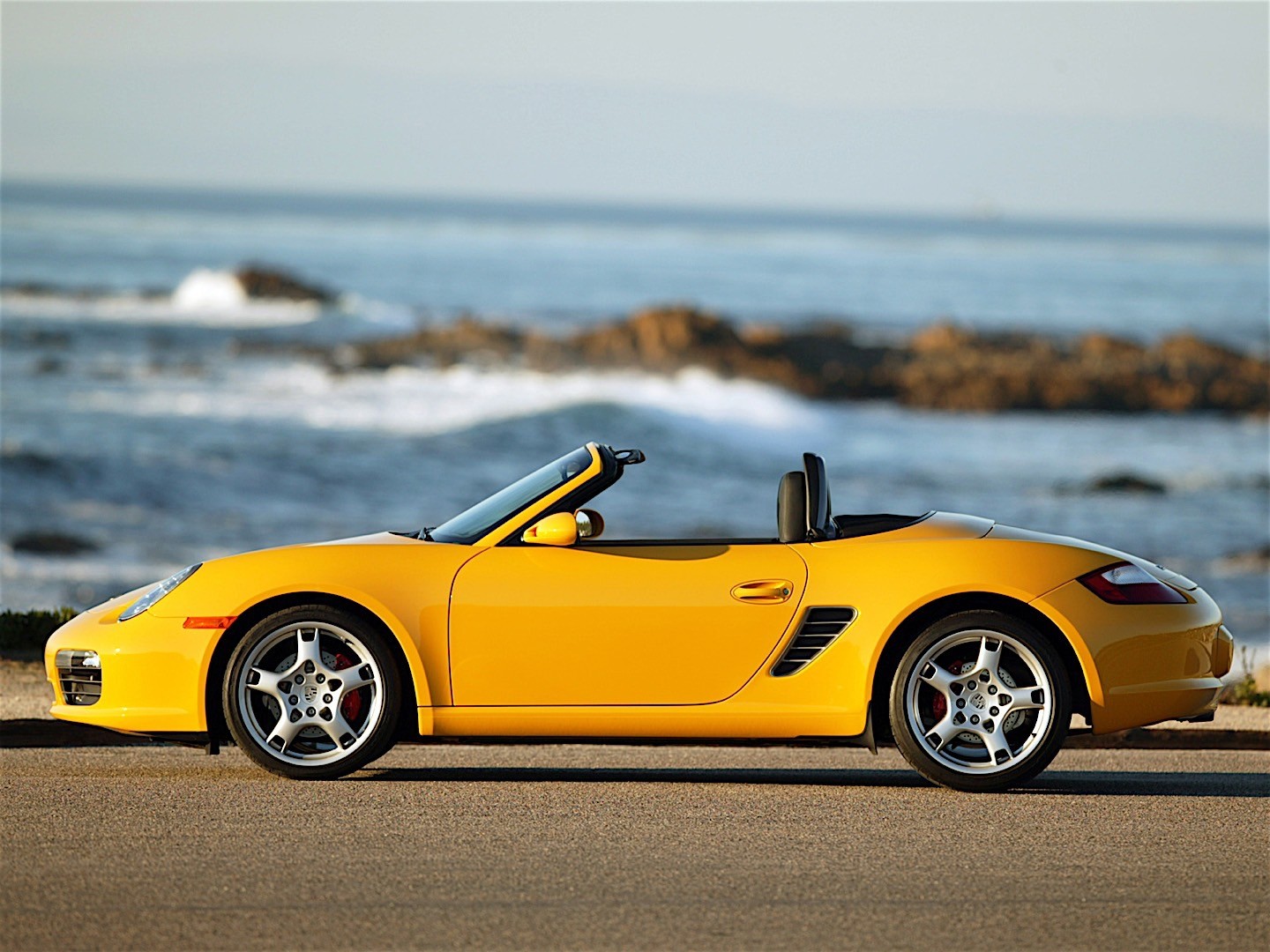
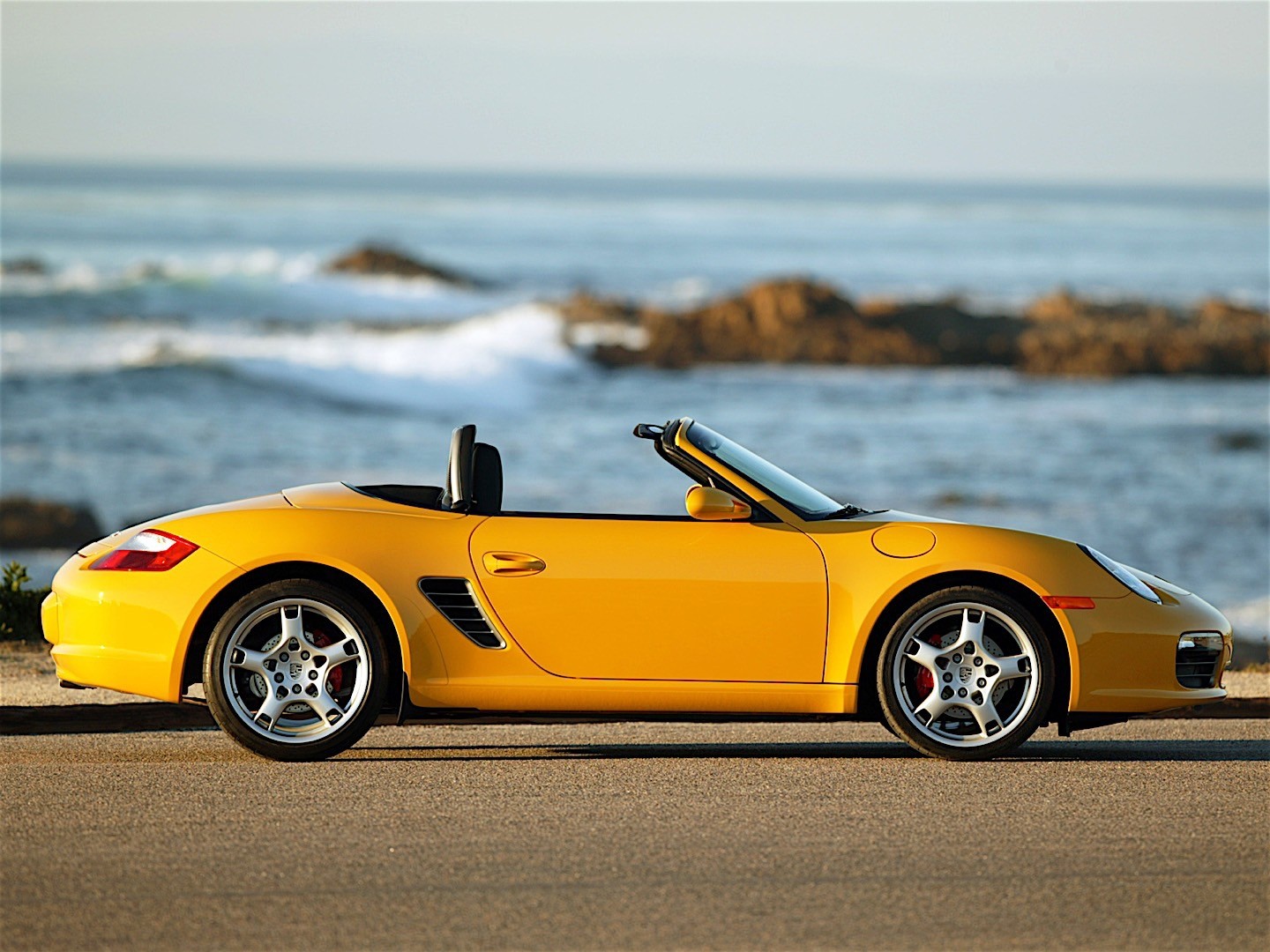
From its profile, the Boxster S 987 boasted a new look, with unique body panels not shared with the 911. Its front fenders housed clear turn signals placed in the same spot as on the 986 version. The Boxster S was riding on 17-inch alloy wheels, with an option for a 19-inch set. A keen eye for detail could spot the cross-drilled brakes. In addition, the red monobloc calipers were also unique to the more potent model, and a set of carbon-ceramic rotors was available at extra cost. Behind the doors, Porsche installed taller and lower mounted, triangular-shaped air intakes that fed the engine placed behind the cabin. Finally, at the back, both versions of the roadster came with a sloped rear deck and redesigned taillights with broad areas for the reversing lights and the blinkers. Porsche also kept the distinctive twin exhausts for the S.
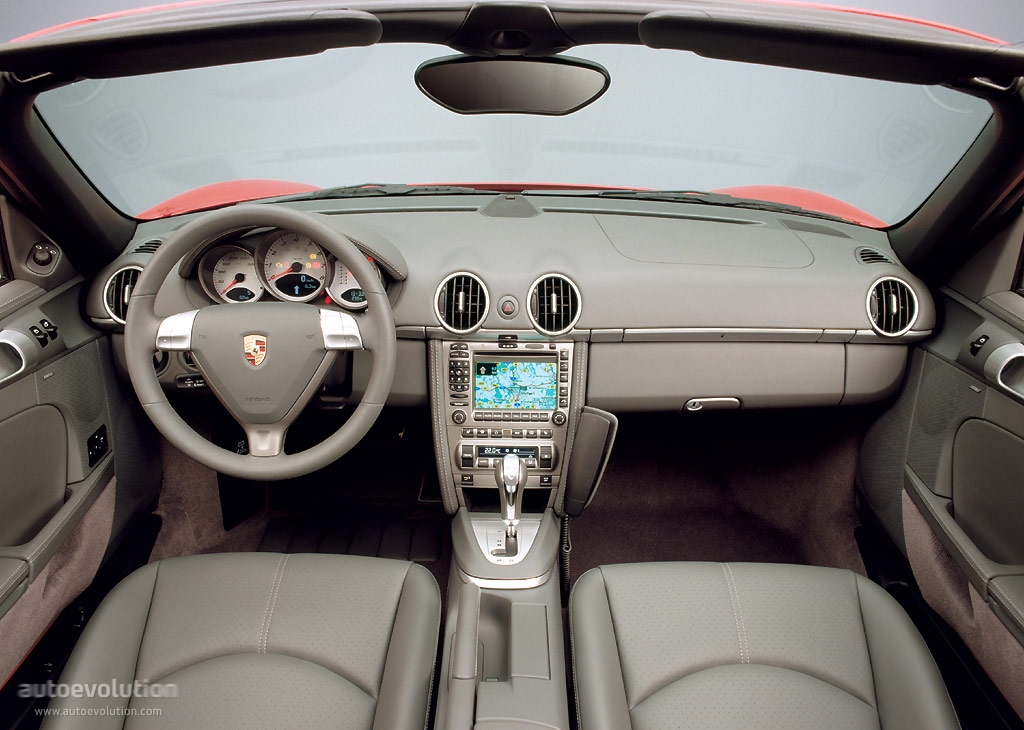
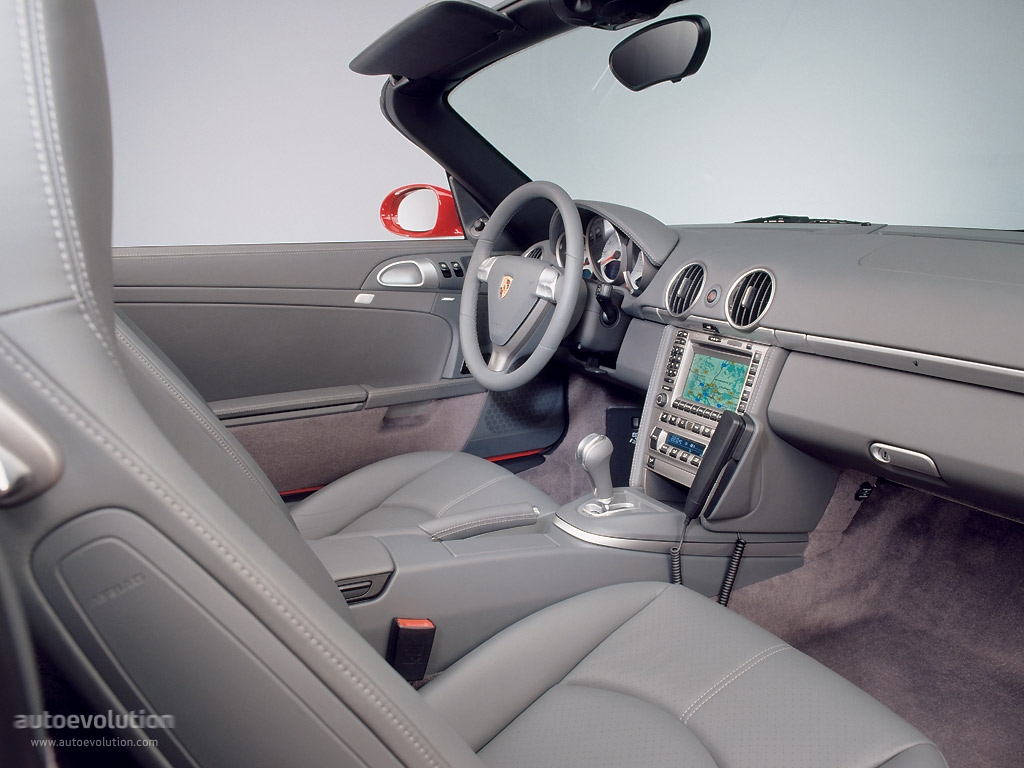
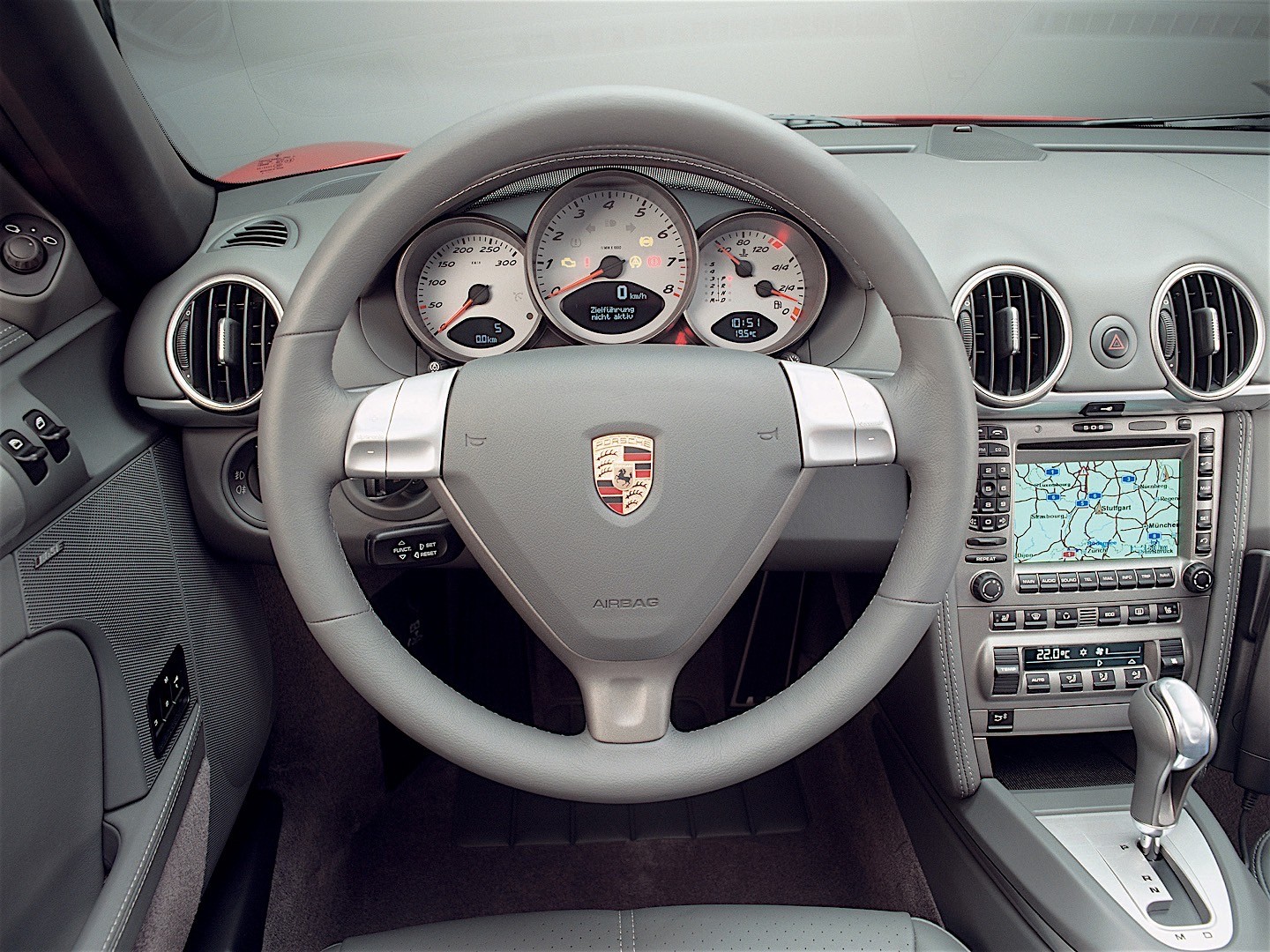
Interior was well garnished with aluminum-like accents on the center console, dashboard, and door cards. The round vents looked more appropriate, and Porsche even installed a more conventional, oval-shaped instrument cluster in front of the driver. But still, it kept the binocular-style instrument panel with a center-mounted tachometer flanked on the left by the speedometer and on the right by a dial that included the fuel level and the coolant temperature gauges. In addition, a set of LCDs provided more information about the car’s status. On the center console, the automaker installed a 5.8-inch screen as an option. At the same time, base versions came fitted with a stereo CD.
Porsche enthusiasts have started to feel attracted to the Boxster, especially thanks to the improved drivetrain. The 987 also came fitted with upgraded engines. The 3.2-liter flat-six engine offered 280 PS (276 hp) on tap from its 3.2-liter displacement. Porsche equipped the Boxster S with a new six-speed manual as standard, with an option for a five-speed automatic (Tiptronic). Furthermore, a limited-slip differential was available.
Begijnhof, 8000 Brugge, Belgium
Begijnhof, 8000 Brugge, Belgium

Begijnhof, 8000 Brugge, Belgium

Begijnhof, 8000 Brugge, Belgium

Begijnhof, 8000 Brugge, Belgium
Begijnhof, 8000 Brugge, Belgium
Begijnhof, 8000 Brugge, Belgium
Begijnhof, 8000 Brugge, Belgium
Begijnhof, 8000 Brugge, Belgium

Begijnhof, 8000 Brugge, Belgium

Offer an price, more info or anything you want
Consumer reviews