

Dealer:
Eden Hazard
Begijnhof, 8000 Brugge, Belgium
- Transmission 7-Speed Automatic
- |
- Drive Rear Wheel Drive
- |
- Mileage n/a

Infiniti introduced the Q60 lineup in 2013 as a replacement for the previous G37 coupe, and the top-spec version of it was the Infiniti…
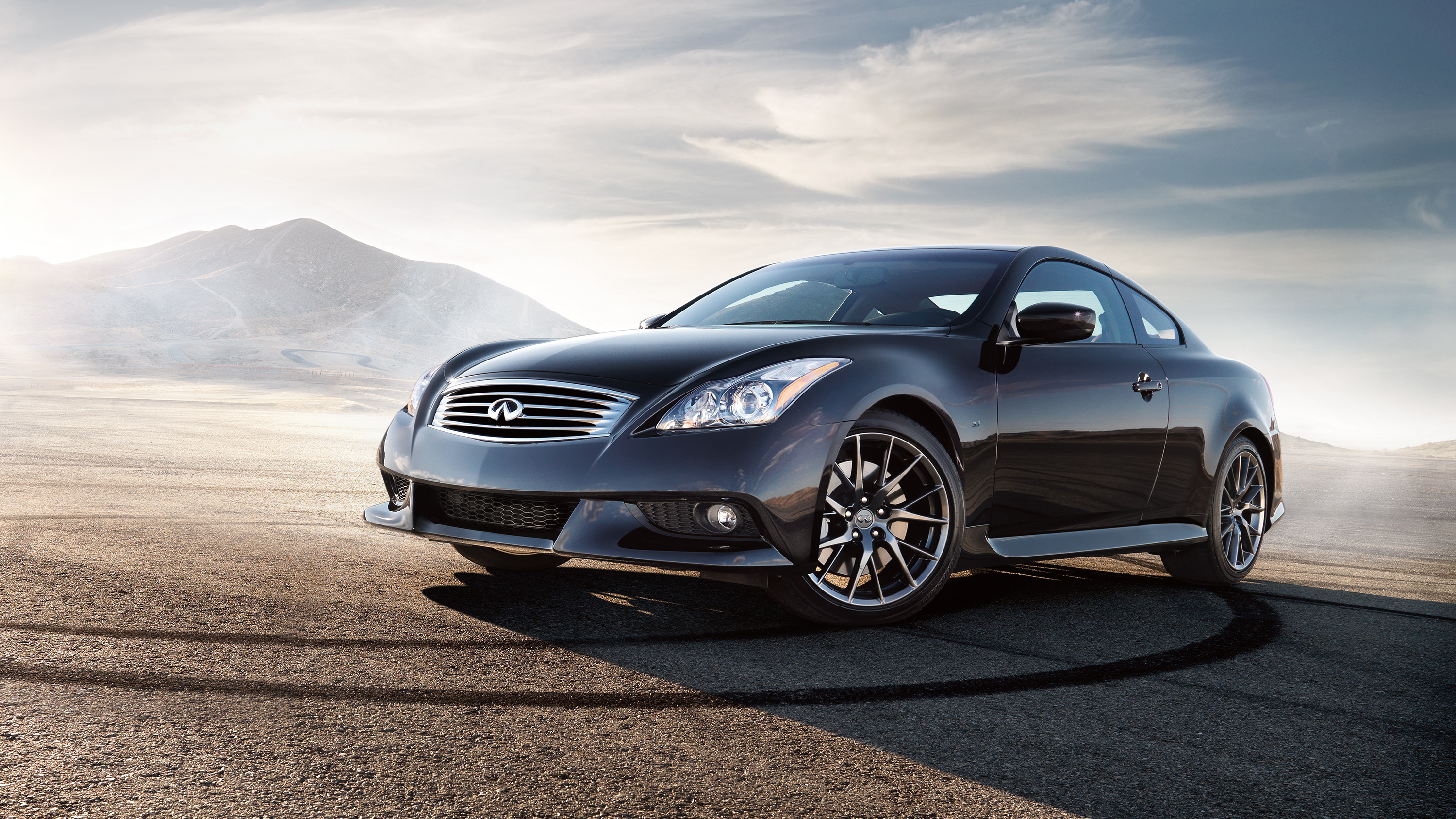
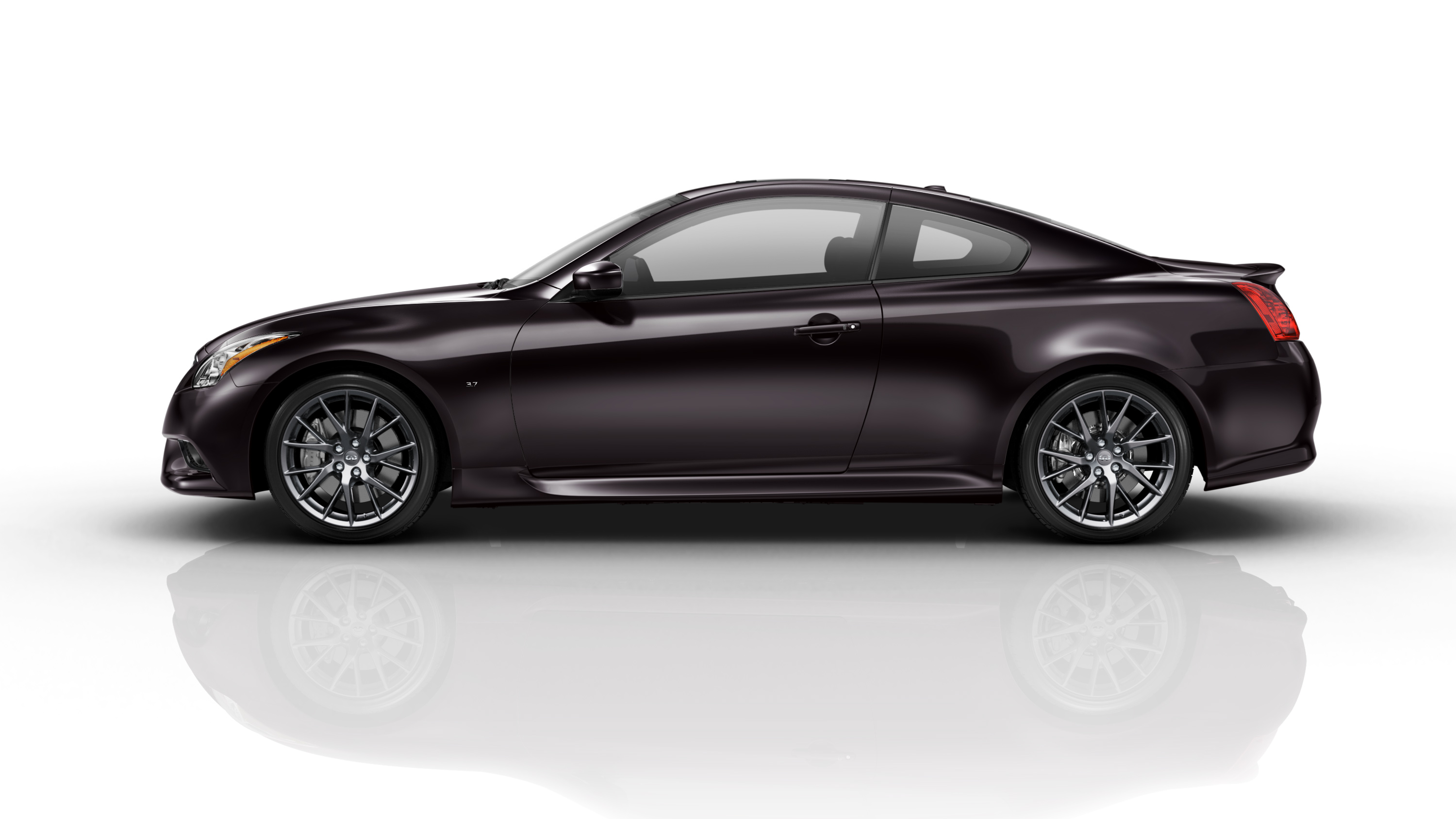
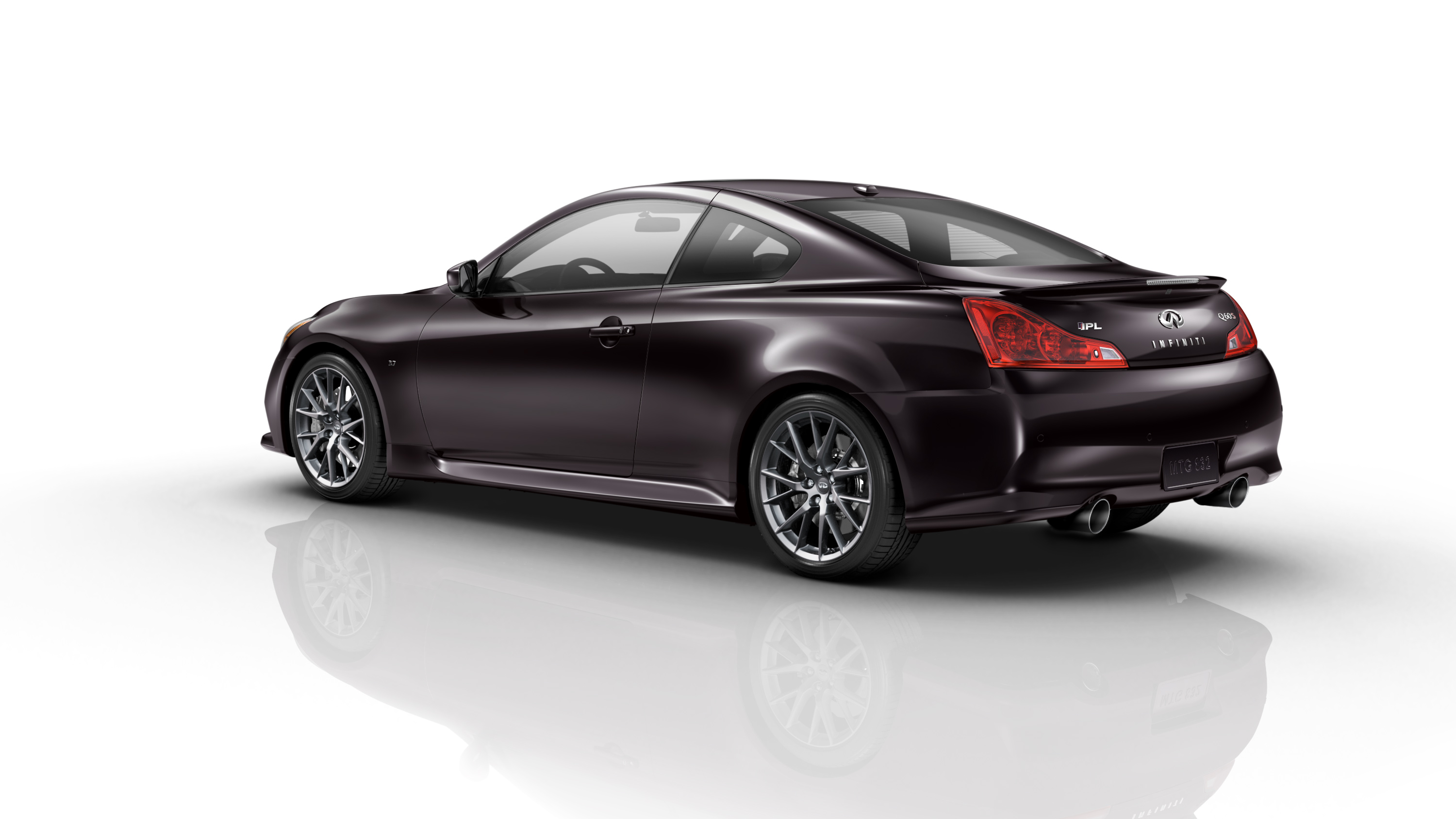
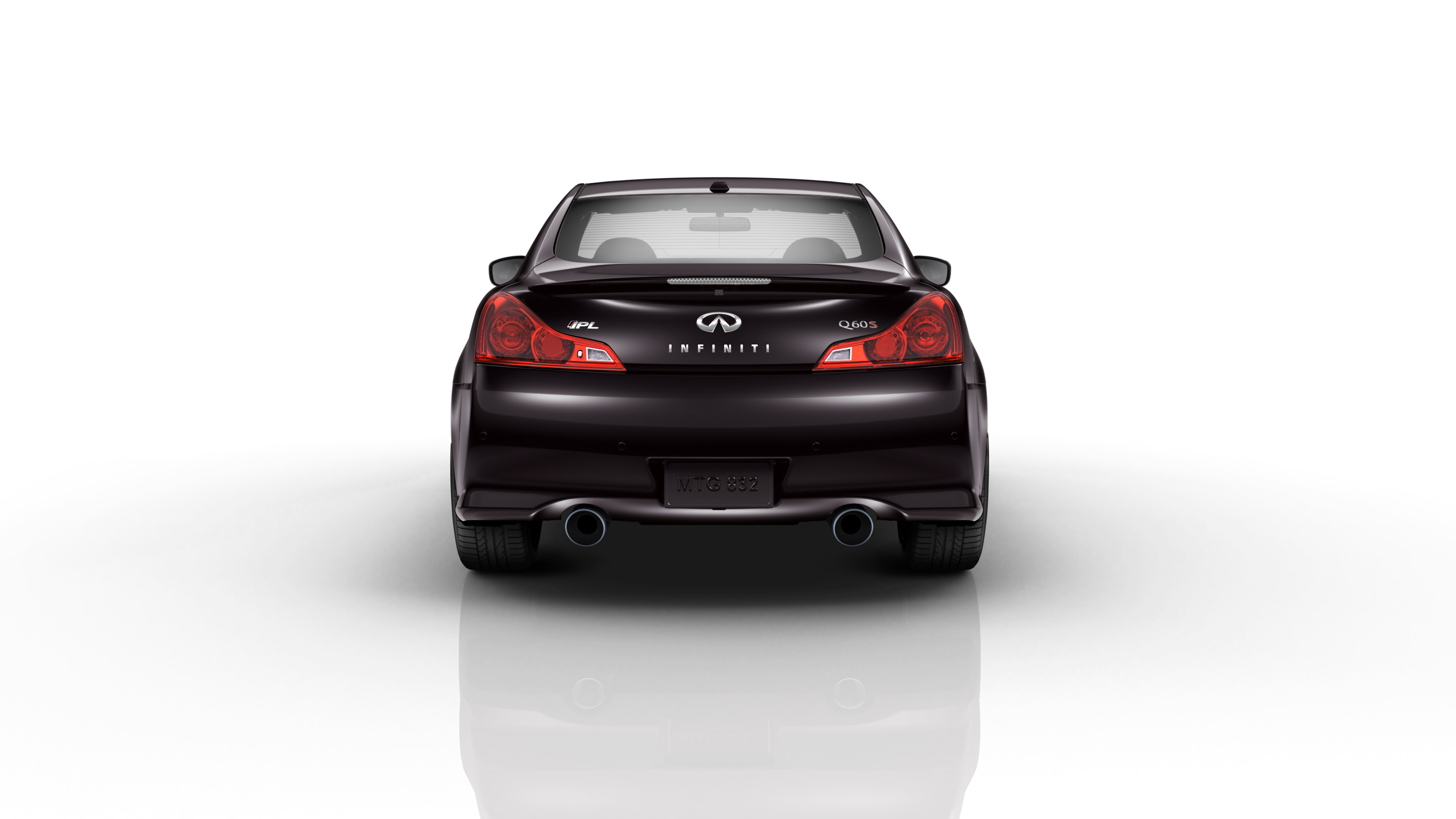
Infiniti introduced the Q60 lineup in 2013 as a replacement for the previous G37 coupe, and the top-spec version of it was the Infiniti Performance Line, or IPL for short.
Nissan’s premium brand Infiniti introduced the IPL grade in 2010, trying to push its cars into a more competitive segment of the premium coupes. At first, it used it on the G37S, and the results were somehow diminished due to the world financial crisis. However, the Japanese brand didn’t give up that easily and continued offering IPL products to the market. In 2013, the automaker rebadged the G37 as the Q60, aligning the two-door vehicle with the naming system adopted by the rest of the Infiniti brand. Unsurprisingly, in the same year, it launched the Q60 IPL for the 2014 model year, promising that customers would enjoy the new version even more than the previous G37S Coupe. The automaker made some modifications to the car, apart from the nameplate.
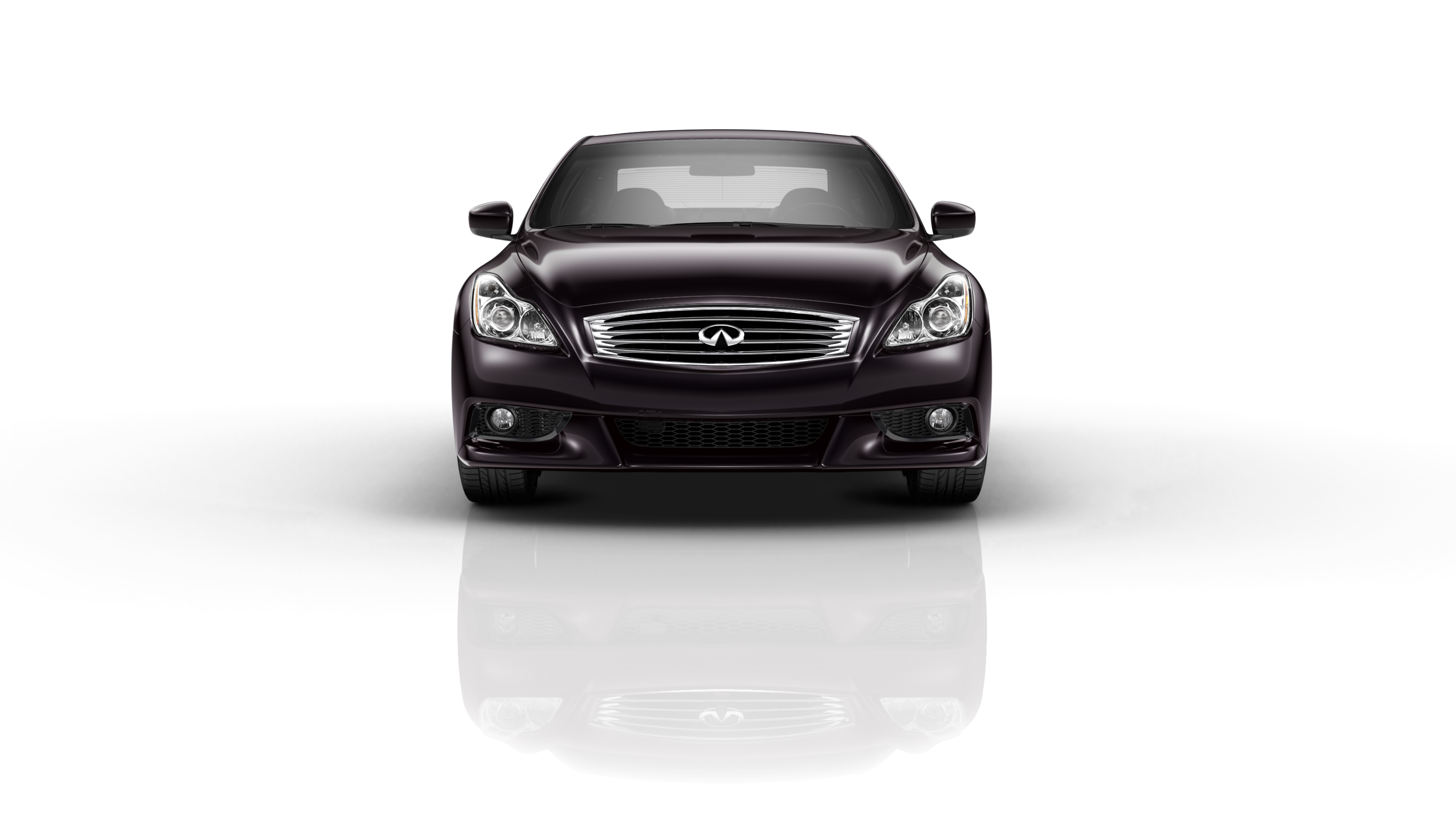
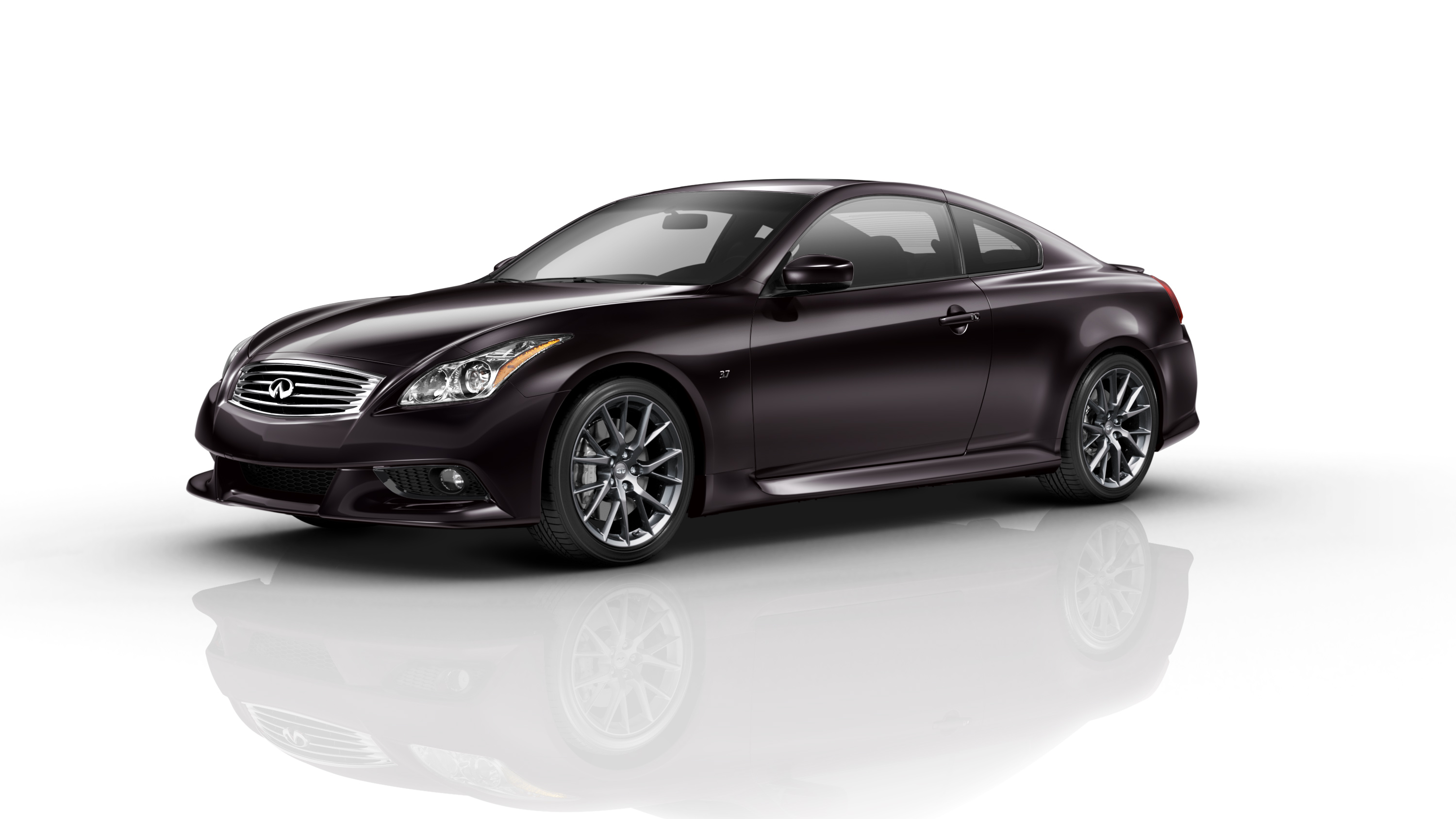
At the front, the six-slat chromed grille where the brand’s badge took center stage didn’t differ from the rest of the Q60 range. It was flanked by unusually shaped headlights that featured a double curvature on their upper area, while their outer sides were wrapped around the corners. On the lower side of the bumper, the automaker placed a trapezoidal-shaped central air intake flanked by side scoops that housed the fog lamps and black finishes. Finally, underneath the apron, Infiniti installed a lip spoiler to increase downforce.
From its profile, the 2014 Infiniti Q60 IPL boasted its 19-inch Y-shaped double spoke wheels, specific for the grade. To further emphasize the car’s sporty character, the car manufacturer added aerodynamically profiled side sills that stretched between the front and rear wheel arches. The low-slung greenhouse was identical to the rest of the Q60 range, but the rear end was slightly different. It featured a dual exhaust system with large pipes.
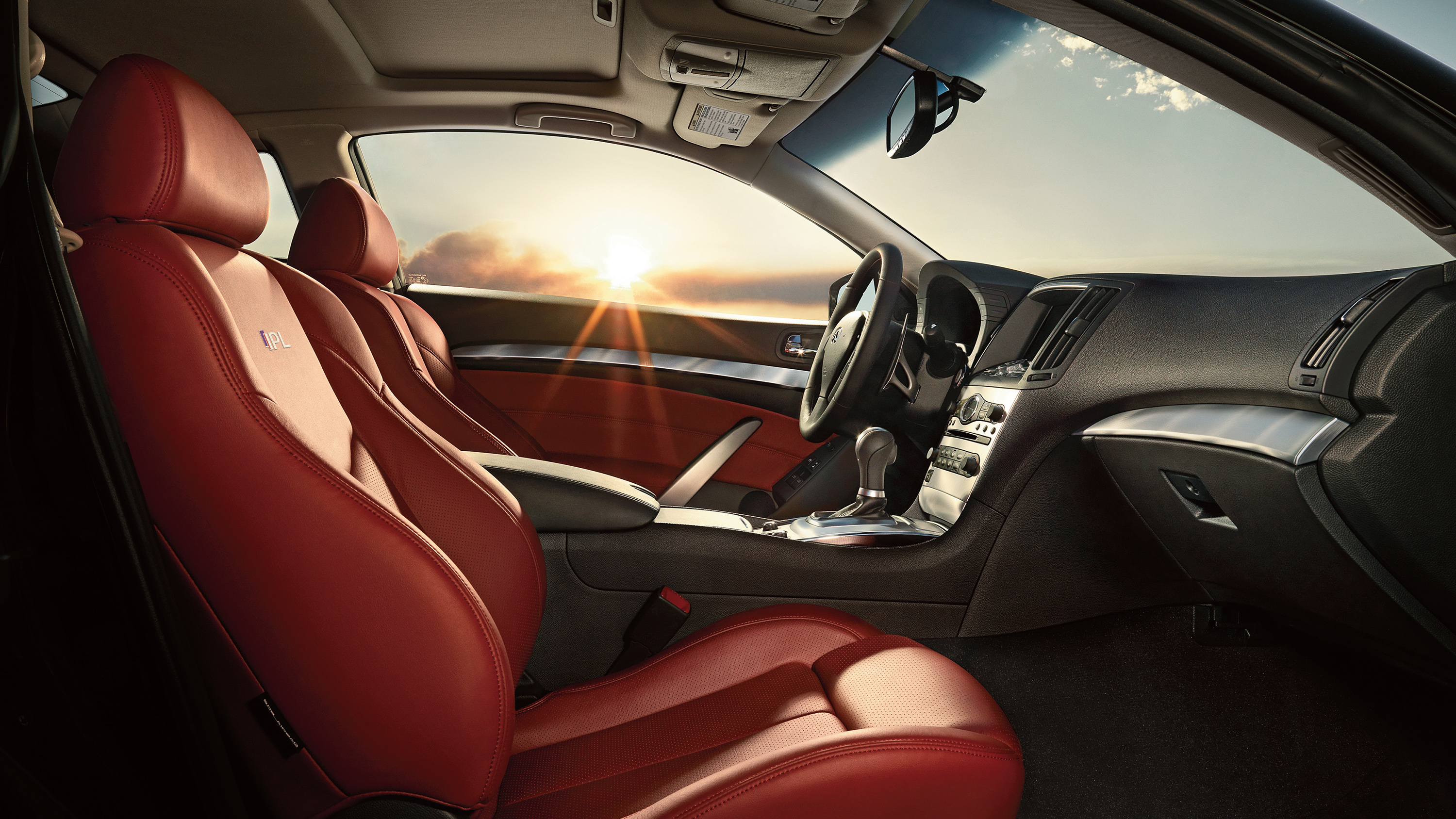
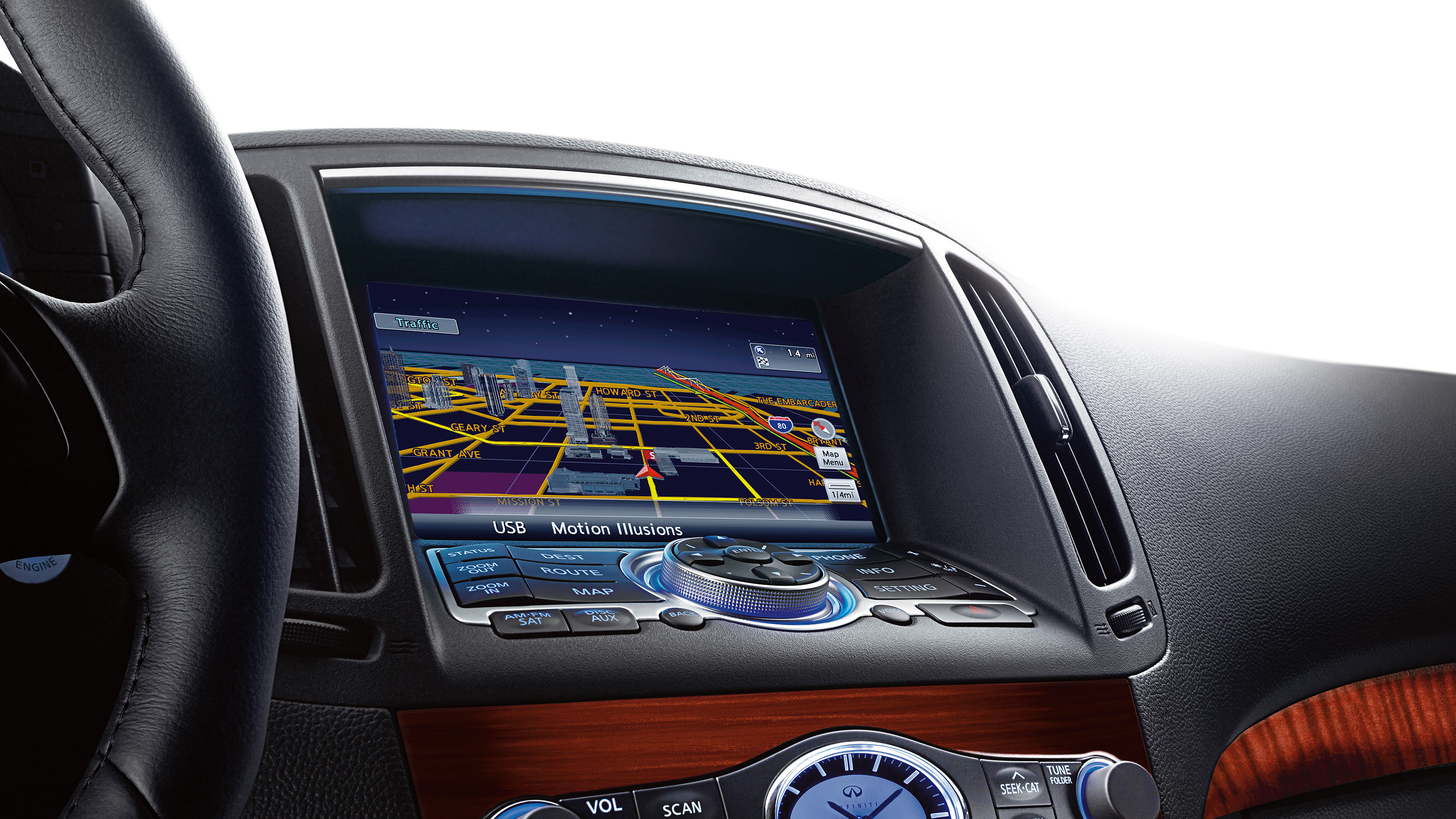
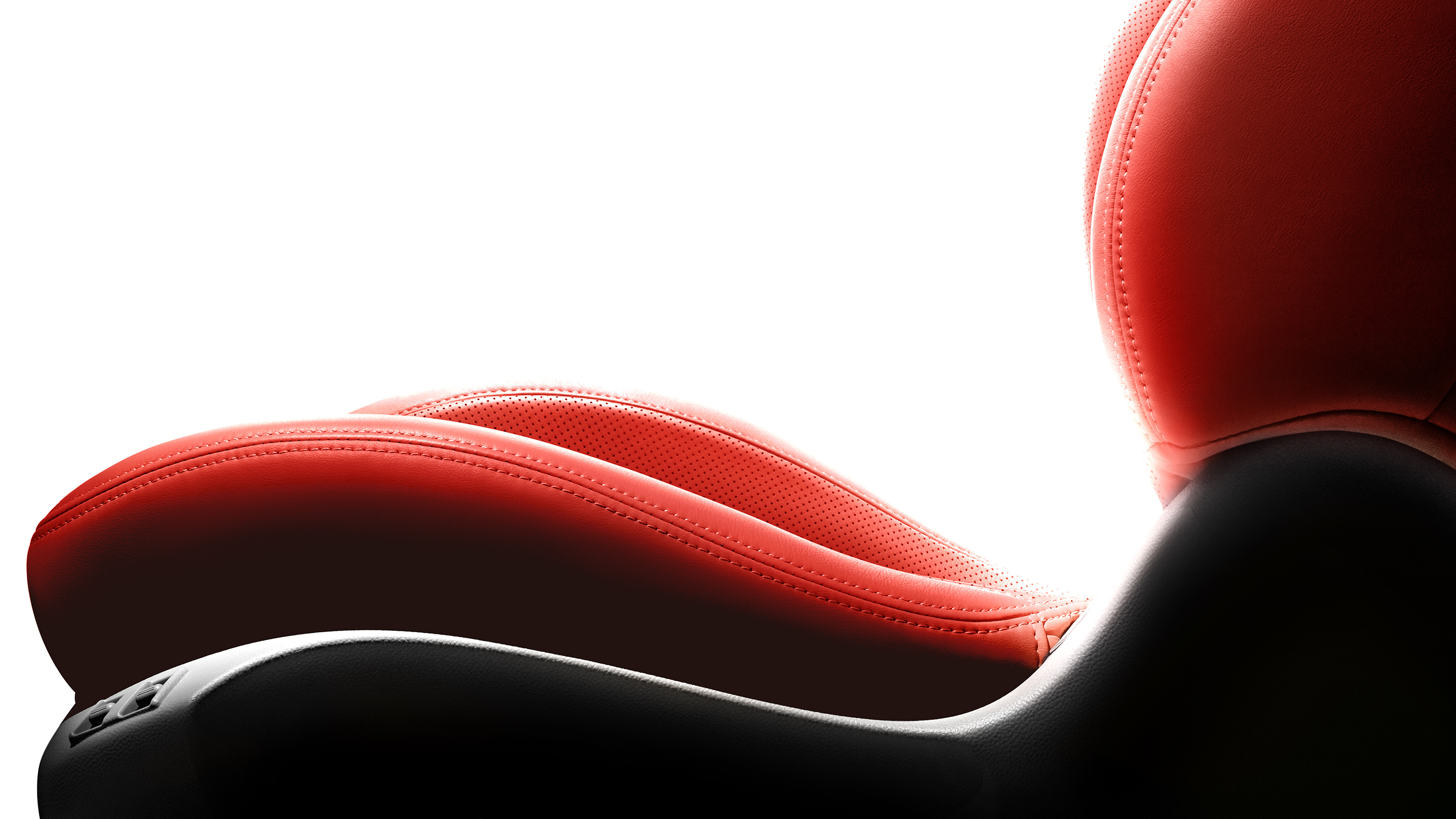
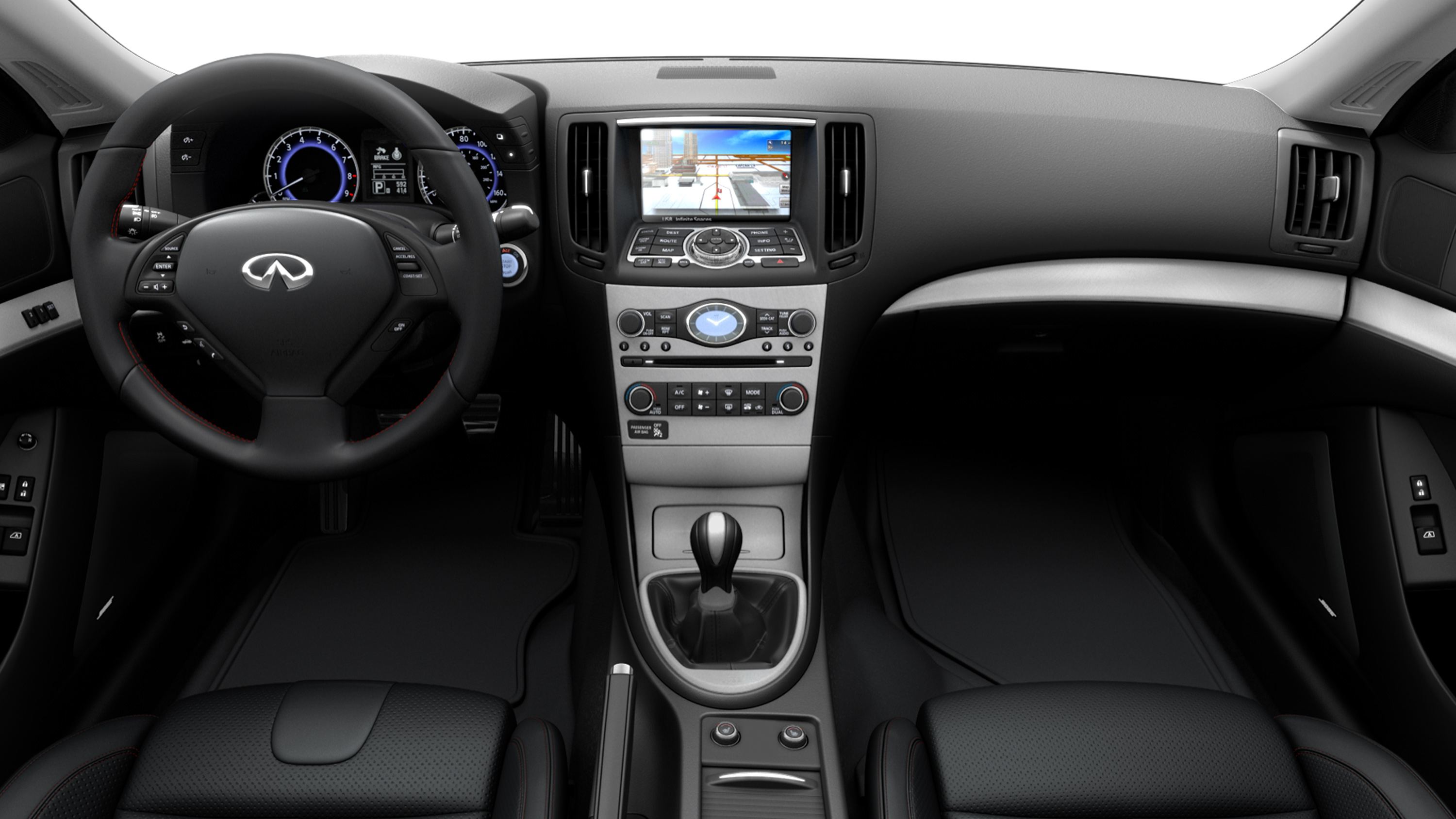
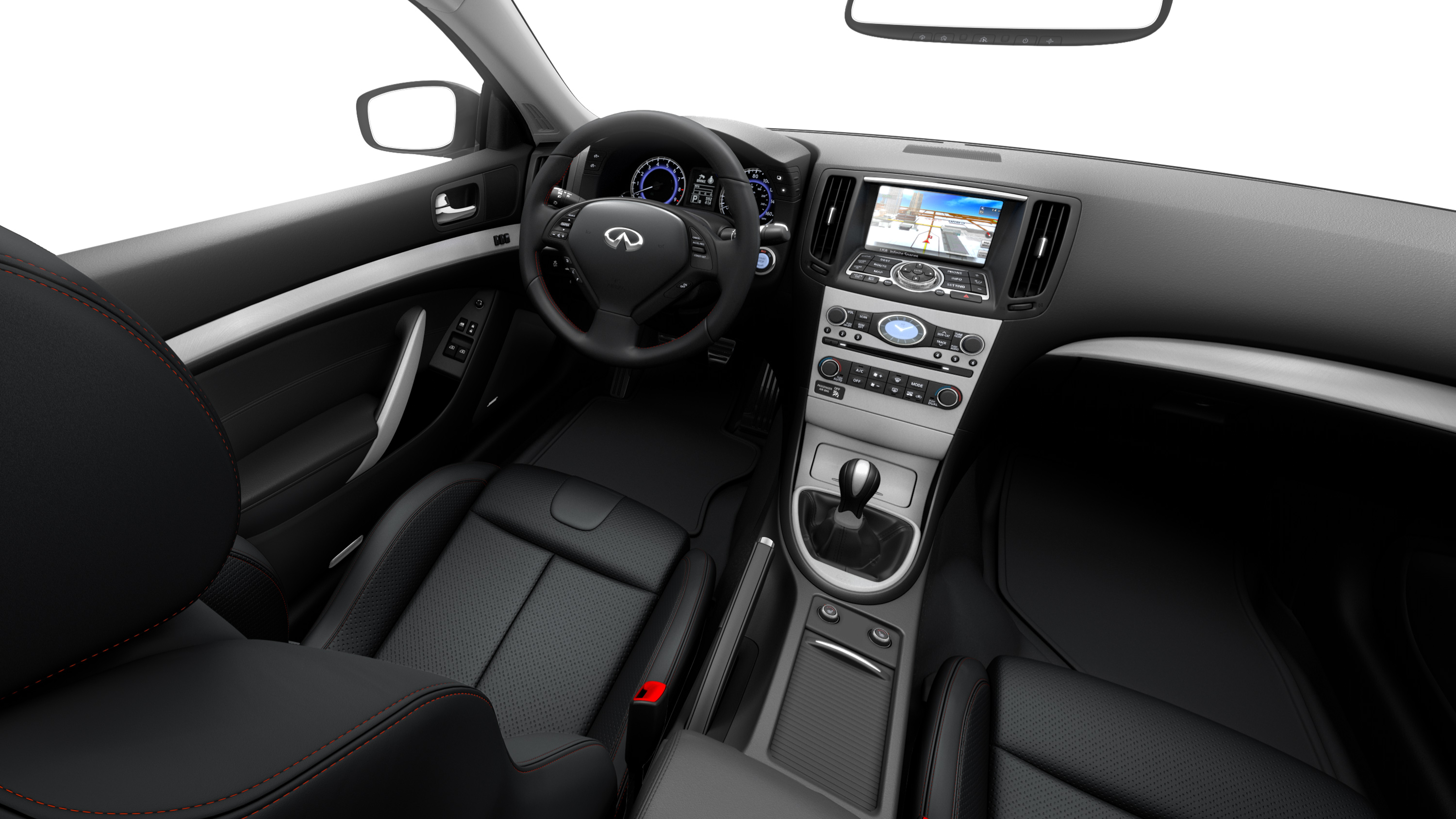
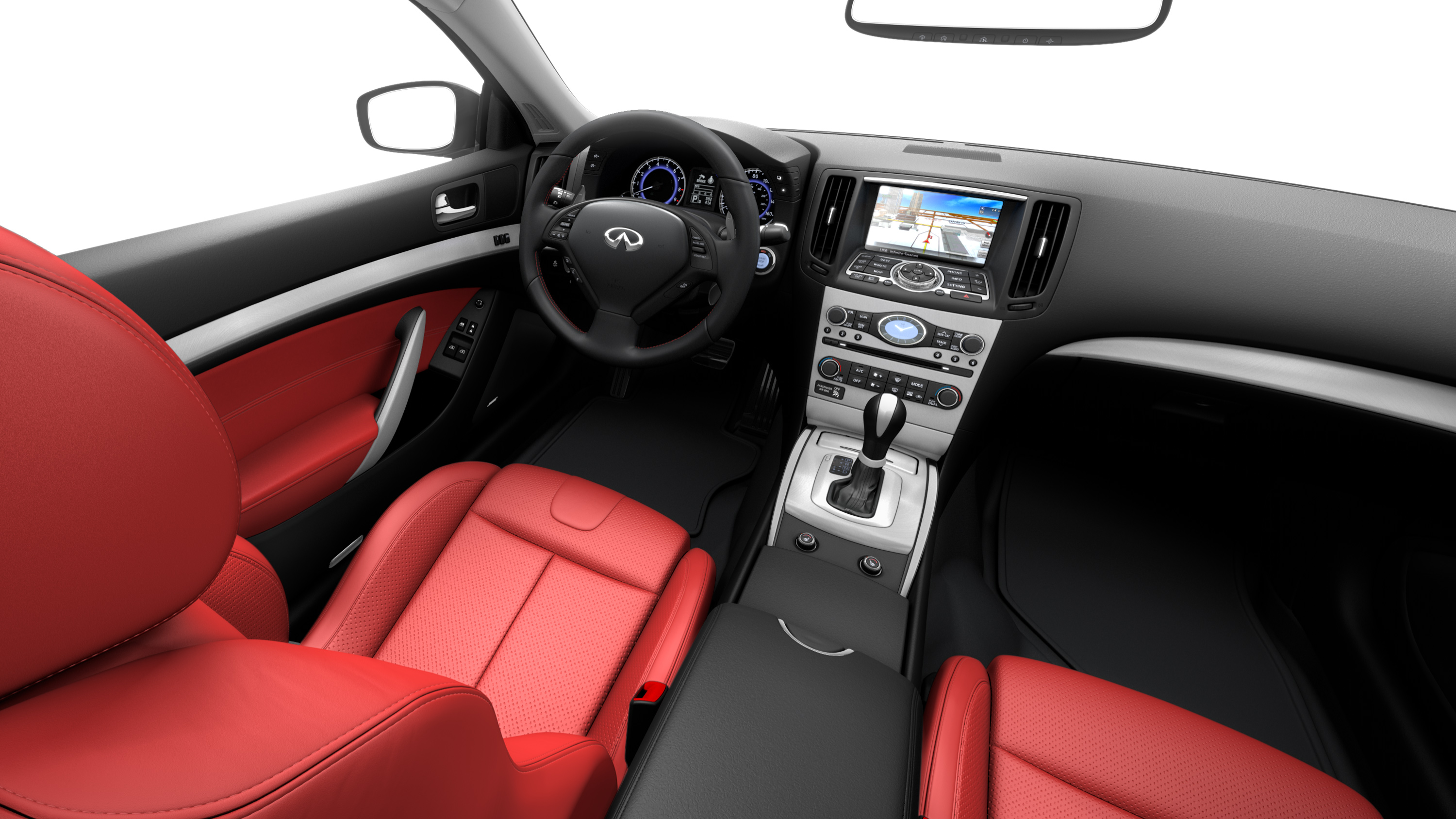
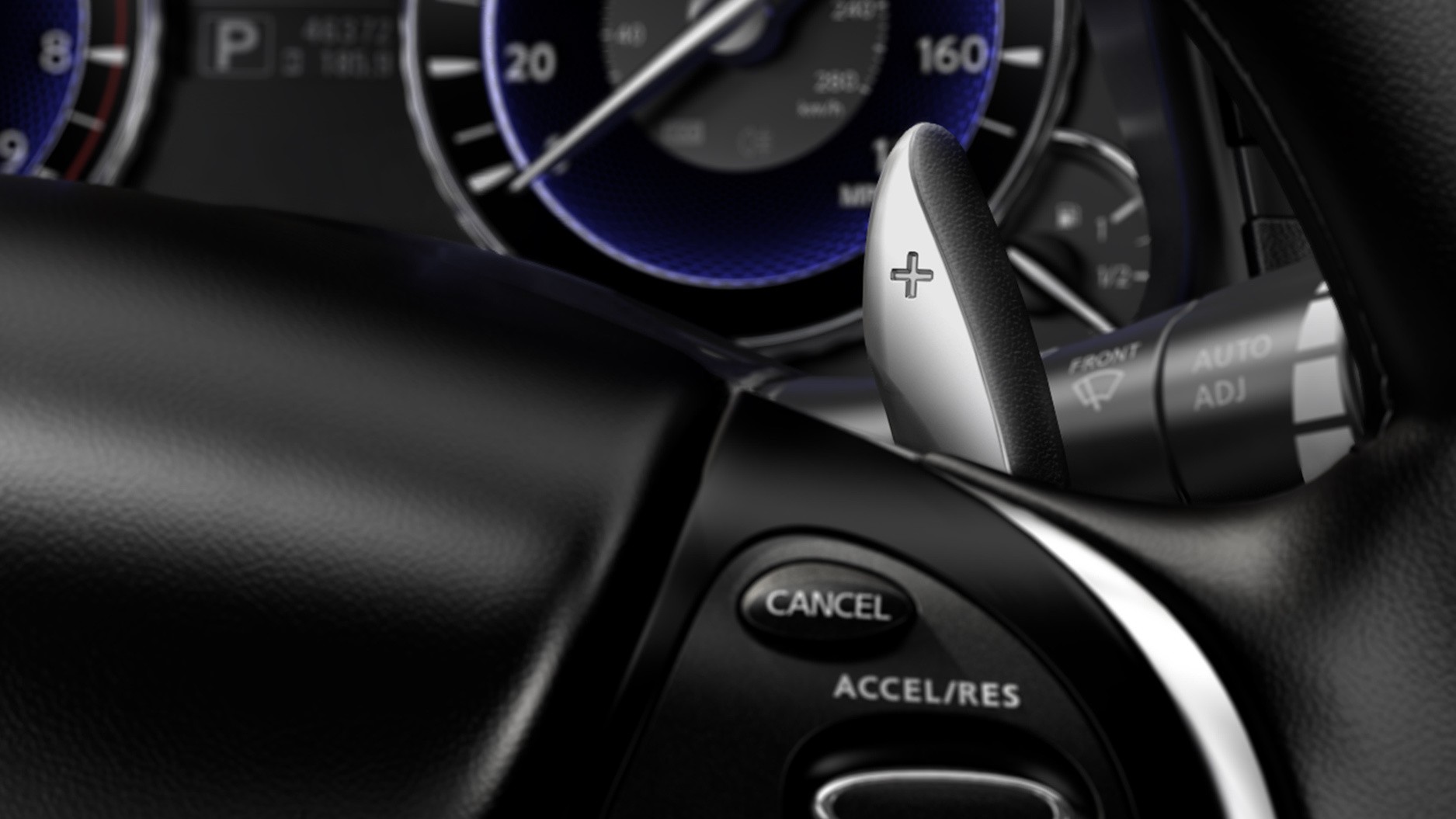
Inside, the high-bolstered front seats were 12-way adjustable for the driver and 8-way for the side passenger. Both could move forward at the touch of a button to help ingress and egress for those seated in the back. Between the front occupants, the automaker installed a center console that housed the gear stick (or the gear selector for the automatic transmission), a small storage area, and the handbrake. Atop the center stack, Infiniti placed the screen for the infotainment system, which could be controlled via a panel with physical buttons. Fronting the driver was a mixed instrument panel featuring two large dials for the speedometer and tachometer and an LCD between them that showed additional data from the car’s onboard computer. As an option, customers could get the car with a moonroof.
However, the most significant upgrades compared to the rest of the Q60 range were found under the car’s skin. Its re-tuned and calibrated engine provided 18 PS (17 hp) more than the regular Q60, thanks to high-flow catalytic converters. Infiniti sold the vehicle fitted with a 3.7-liter V6 powerplant paired with a six-speed manual or a seven-speed automatic (dual clutch) transmission.
Begijnhof, 8000 Brugge, Belgium
Begijnhof, 8000 Brugge, Belgium

Begijnhof, 8000 Brugge, Belgium

Begijnhof, 8000 Brugge, Belgium

Begijnhof, 8000 Brugge, Belgium
Begijnhof, 8000 Brugge, Belgium
Begijnhof, 8000 Brugge, Belgium
Begijnhof, 8000 Brugge, Belgium
Begijnhof, 8000 Brugge, Belgium

Begijnhof, 8000 Brugge, Belgium

Offer an price, more info or anything you want
Consumer reviews